Retail News CRM

Tag: retail problems

  • EU Slaps AliExpress with Record $629 Million Fine Over Counterfeit Goods Crackdown Failure

    EU Slaps AliExpress with Record $629 Million Fine Over Counterfeit Goods Crackdown Failure

    On Monday, AliExpress, Alibaba’s subsidiary, was slapped with a record-breaking €550 million (US$629 million) fine by the European Union for its failure to address sales of illegal, dangerous and counterfeit items on its platform. This penalty is considered to be the largest to date, issued by the European Commission in line with the EU’s Digital Services Act, a prominent law that mandates online platforms of substantial size to augment their efforts in combating harmful and illicit content.

    This penalty is the third of its kind issued by the European Commission, following charges placed on AliExpress in June of the previous year for non-compliance with a Digital Services Act stipulation. This regulation requires platforms to evaluate and reduce the risk of distributing illegal products. AliExpress was given until October 20 to suggest corrective actions. Should the regulatory body determine in December that the company has failed to meet the requirements of the Digital Services Act, further sanctions may be levied.

    The EU’s tech chief, Henna Virkkunen, expressed concern over this issue, describing it as highly risky for consumers and unfair to companies that abide by the rules. She highlighted the vast user base of AliExpress in Europe, standing at 193 million last year, compared to Shein’s 156 million and Temu’s 130 million. Temu has also been subject to fines under the Digital Services Act, and Shein is currently under investigation.

    AliExpress has voiced its intention to contest the fine, deeming it as excessive. “Today’s decision and disproportionate fine disregards our robust risk management structure and the substantial, proactive improvements we’ve implemented,” AliExpress stated via email. The company also indicated its active collaboration with the Commission to satisfy its evolving expectations.

    Assessment and Criticism of AliExpress’s Risk Management Practices

    The Commission criticized AliExpress for not adequately assessing whether it had sufficient personnel to manage risks and for overestimating the efficacy of its system in identifying and removing illicit products. Furthermore, the Commission took issue with the company’s ineffective penalty policy, which allowed penalized businesses to continue selling illegal products on its platform.

    The regulator also noted that AliExpress’s “brand authorisation” system, designed to deter counterfeit sales, was insufficient and easily bypassed by traders selling fraudulent items. There was also criticism of the company’s advertising and recommender systems for contributing to the spread of illicit products and relying on one quantitative indicator to assess the moderation system’s effectiveness in preventing the appearance or re-emergence of illegal products in similar forms.

    However, the regulator did consider the novelty of the Digital Services Act as a mitigating factor when determining the fine, which could have been even larger. This penalty far surpasses the €120 million fine imposed on Elon Musk’s social media platform X and the €200 million fine on Temu, both for Digital Services Act violations.

    Questions & Answers

    What is the significance of the fine imposed on AliExpress by the European Union?

    This penalty, amounting to €550 million (US$629 million), is a record-breaking fine issued by the European Commission under the EU’s Digital Services Act. It highlights the EU’s stance on ensuring large online platforms take more responsibility in preventing the distribution of illegal and harmful content.

    How has AliExpress responded to the fine?

    AliExpress has expressed its intention to appeal the fine, deeming it as excessive. The company asserts that this penalty neglects the robust risk management framework they have established and the proactive enhancements they’ve implemented in their operations.

    What criticisms has the European Commission voiced regarding AliExpress’s operations?

    The Commission has criticized AliExpress for inadequately assessing risks and overestimating its system’s effectiveness in identifying and removing illicit products. Other criticisms include the company’s ineffective penalty policy, its “brand authorisation” system’s shortcomings, and its advertising and recommender systems’ role in spreading illegal products.
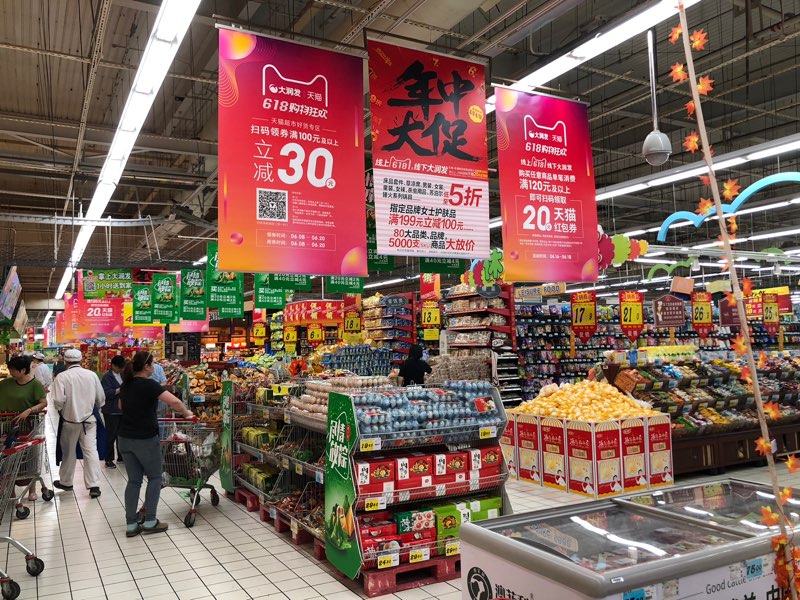
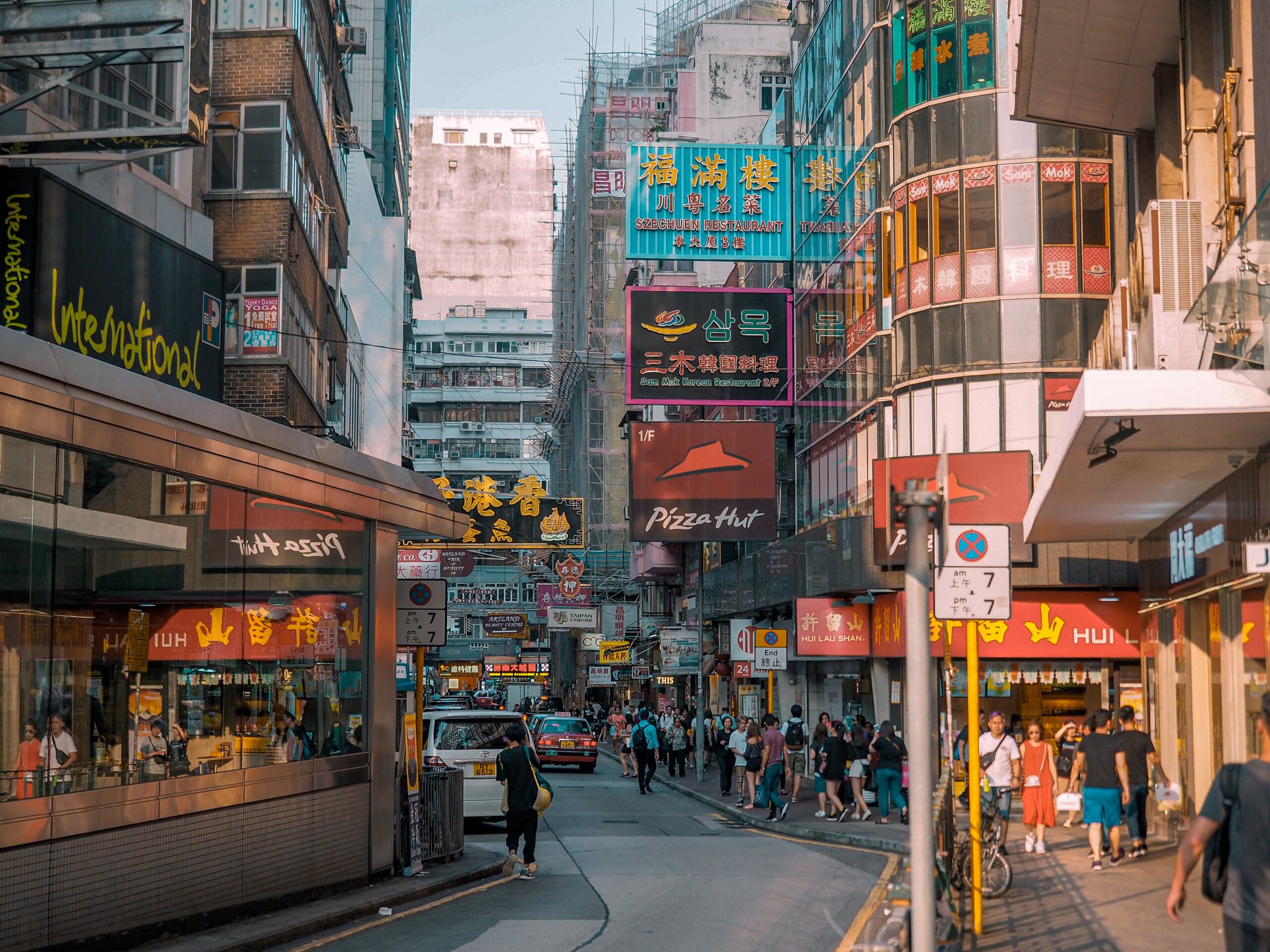
  • Domestic Demand Dwindles in China Despite Soaring Industrial Output

    Domestic Demand Dwindles in China Despite Soaring Industrial Output

    The second-largest economy in the world is currently experiencing a dual-speed growth pattern. While factories are flourishing due to robust exports, domestic demand is on a downward trajectory due to an ongoing slump in the property market.

    In May, retail sales, which serve as a critical measure of consumption, decreased by 0.6%, a significant drop from April’s 0.2% rise, and below the predicted 0.0%. This decline in retail sales marks the first reduction since December 2022. Even the extended Labour Day holiday was unable to boost consumer morale, and the government’s consumer goods trade-in initiative is gradually losing its effectiveness. An inflated base from the previous year’s May further added to this downturn.

    According to Zhiwei Zhang, chief economist at Pinpoint Asset Management, the disappointing retail sales data puts increased pressure on the government to contemplate policy measures aimed at stabilizing consumption. “Policy ‘fine tuning’ is anticipated around July, following the release of the second quarter GDP data,” Zhang added.

    On the other hand, data from the National Bureau of Statistics (NBS) revealed that industrial output in May grew by 4.5% compared to the previous year, an increase from the 4.1% growth recorded in April. This rise surpassed the projected 4.3% increase.

    Divides in the Economy

    A boom in global AI investment and related tech demand has allowed the world’s largest manufacturer to counterbalance the anticipated export blow from the Iran war. However, a 19.4% increase in exports has yet to positively impact domestic consumption.

    The economic weakness was particularly noticeable in the automotive sector, as domestic car sales suffered a decline for the eighth consecutive month in May. This trend hints at a diminishing demand in the world’s biggest car market, a pressure that is expected to linger throughout the year.

    Senior economist at the Economist Intelligence Unit, Xu Tianchen, identified several divisions in the May economy. “The divide between domestic and external demand, the divide between AI and traditional industries, and the divide between goods retail and services consumption,” he mentioned.

    He expects the second quarter’s economic growth to slow down to 4.5% from the first quarter’s 5%.

    Growing investment weakness and ongoing property drag

    Investment figures were also significantly weaker than expected. Fixed-asset investment dropped by 4.1% in the first five months of 2025, a fall from the 1.6% decrease recorded from January to April. Economists had anticipated a 2% decline.

    According to NBS spokesperson Fu Linghui, this fall is partially due to extreme weather conditions in several regions, as well as the shift from old to new growth drivers. Fu added that China still has substantial room for future investment, with urbanisation, rural revitalisation, the development of new quality productive forces, and public service improvements all requiring support.

    Questions & Answers

    What contributed to the decline in retail sales in May?
    Several factors contributed to the decline in retail sales in May, including a lack of consumer confidence, the waning effectiveness of the government’s trade-in scheme, and a high base from the same period last year.

    How are the car sales in China currently?
    Car sales within China have been on the decline, with May marking the eighth consecutive month of decreasing sales. This is indicative of a softened demand in the world’s largest auto market.

    What are the expectations for China’s economic growth?
    It’s anticipated that China’s economic growth may slow in the second quarter, dropping to 4.5% from 5% in the first quarter. While it might not be difficult to achieve a full-year growth target of 4.5-5%, the sluggish domestic demand may necessitate policy intervention in the second half of the year.

  • Hong Kong Office Market Revival: Downtown Vacancy Rates Hit 2-Year Low

    Hong Kong Office Market Revival: Downtown Vacancy Rates Hit 2-Year Low

    The prime office space vacancy rates in Hong Kong’s central business district have once again dipped into single figures for the first time in over two years, marking a resurgence in demand within the previously struggling office market.

    A Turnaround in Demand

    The primary business district, situated on the northern coast of the island, saw the vacancy rate for Grade A offices drop to 9.9% in February, a slight decrease from January’s 10.1%. The district last recorded a single-digit vacancy rate in December 2023, standing at the same figure of 9.9%.

    This trend isn’t limited to the central business district. Across Hong Kong, the overall prime office vacancy rate also fell slightly, dropping to 13.4% in February from the 13.5% recorded in the previous month.

    Rising Rents

    In line with the declining vacancy rates, rental costs for Grade A offices in the central district also experienced a rise. The first two months of the year saw rent prices increase by 3.5%.

    Banking remains the main driver for leasing activity, with the demand focusing on newer office buildings within the central business districts. Two districts have begun to show early signs of improvement, a trend that is expected to continue throughout the year. However, non-core districts, such as Kowloon East, are anticipated to remain under strain.

    Increased Optimism

    CK Asset Holdings, a property development company owned by billionaire Li Ka-shing’s family, has also expressed positive expectations for leasing demand this year. The company saw leasing remain under pressure during the previous year, but recent renewals have started to show small increases in rental costs.

    Both rent and sales are projected to see a surge. The overall non-residential property market is expected to continue adjusting and seeking support levels. However, rental and sales prices for offices located in the core districts may stabilize first.

    Uneven Recovery

    According to a report, the recovery within the office market varies across Hong Kong. The premium Grade A buildings in the central district, such as Two IFC, Chater House, and The Henderson, have maintained occupancy rates above 88%. In contrast, older properties within the same district have recorded occupancy rates below 75%. This uneven recovery rate highlights the growing preference for modern, high-specification buildings, reinforcing the “flight-to-quality” trend within Hong Kong’s office sector.

    Questions & Answers

    What is the current vacancy rate for prime office space in Hong Kong’s central business district?
    The vacancy rate for prime office space in Hong Kong’s central business district is currently 9.9%.

    What trends are emerging in Hong Kong’s office sector?
    There is a growing preference for modern, high-specification buildings, and non-core districts like Kowloon East are likely to continue facing pressure.

    What is the forecast for rental and sales prices in the near future?
    Rental and sales prices for overall non-residential properties are expected to continue adjusting, with prices for offices in the core district possibly stabilizing first.

  • Li & Fung Strikes Gold: Secures Wholesale Distribution Rights for C&C California

    Li & Fung Strikes Gold: Secures Wholesale Distribution Rights for C&C California

    Hong Kong’s premier supply chain manager, Li & Fung, has recently entered into a licensing contract with C&C California. This agreement grants Li & Fung exclusive rights to wholesale distribution across all retail platforms, including full-price, off-price, and club retailers.

    C&C California and its Specialties

    C&C California operates as a part of the larger Established Lifestyle group. The company particularly excels in the design and development of women’s swimwear, sleepwear, and outerwear.

    The newly inked contract will allow Li & Fung to manage and guide the expansion of C&C’s new product ranges and their subsequent distribution process.

    Expansion of Products Range

    In the swimwear segment, the expanded product line will include separate pieces, one-piece swimsuits, and beachwear. Their sleepwear category is also set to grow, with the introduction of separate pieces, coordinated sets, and robes.

    The outerwear products will encompass a range of seasonal styles, varying from light windbreakers to heavier garments like puffers and parkas.

    Brand Expansion and Identity

    Mel Limoncelli, Senior Vice President and head of licensed brands at Li & Fung, stated that this partnership will allow the brand to venture into new product categories while preserving its core identity.

    In his words, “The category expansions remain true to a brand heritage rooted in 70s West Coast culture. Moreover, they continue to embrace the endless summer ideal through comfort, ease of wear, and easy-care fabrics.”

    Questions & Answers

    What is the nature of the agreement between Li & Fung and C&C California?
    The agreement is a licensing contract that provides Li & Fung with the rights to manage the wholesale distribution of C&C California products across all retail platforms.

    How does this agreement benefit C&C California?
    This agreement allows C&C California to expand their product ranges under the expert management of Li & Fung. This expansion includes new lines in swimwear, sleepwear, and outerwear categories.

    What does the expansion mean for the brand’s identity?
    Despite diversifying into new product categories, the brand intends to stay true to its roots, which are embedded in the 70s West Coast culture. The expansion aims to resonate with the idea of an endless summer through comfortable, easy-to-wear, and low-maintenance fabrics.

  • Singapore Retail Sales Momentum Cooldown in December after November’s Record Highs

    Singapore Retail Sales Momentum Cooldown in December after November’s Record Highs

    The rate of retail sales growth in Singapore experienced a significant deceleration in December, following an impressive surge in November.

    As per the data provided by the Department of Statistics, retail sales, excluding motor vehicles, saw an increase of 1.7 per cent in December. This figure shows a sharp contrast to the revised growth of 5.7 per cent reported in November, the most robust monthly gain of the year.

    The projected total retail sales value for December was approximately SG$4.1 billion (US$3.2 billion), with online sales contributing to 17 per cent of this figure.

    On a seasonally adjusted basis, December’s retail sales experienced a 6.7 per cent decline when compared to November.

    Sector-specific Performance

    In terms of year-on-year sales growth, the majority of sectors demonstrated an upward trend in the final month of the year. Leading the pack were recreational goods (13.4 per cent), computer and telecommunications equipment (12.8 per cent), and watches and jewellery (7.1 per cent).

    However, some other sectors such as supermarkets, convenience stores, cosmetics, and optical goods and books reported modest increases of less than 5 per cent.

    In contrast, petrol service stations faced a harsh 9.1 per cent drop in sales, followed by the food and alcohol sector, which saw a 7.1 per cent dip in sales.

    Food and Beverage Services

    Despite the overall dip in retail sales, the food and beverage services sector saw a marginal rise of 0.7 per cent in December. This, however, was a downslide from the 2.5 per cent growth the sector had witnessed in November.

    Questions & Answers

    What was the total projected value for retail sales in Singapore in December?
    The total projected retail sales value in Singapore for December was approximately SG$4.1 billion (US$3.2 billion).

    Which sectors experienced the most significant growth in December?
    The sectors that saw the most significant growth in December were recreational goods, computer and telecommunications equipment, and watches and jewellery.

    How did food and beverage services perform in December compared to November?
    The food and beverage services sector experienced a slight increase of 0.7 per cent in December, a decrease from the 2.5 per cent growth seen in November.

  • Hong Kong Retail Boom: December Sales Surge in 8th Consecutive Monthly Increase

    Hong Kong Retail Boom: December Sales Surge in 8th Consecutive Monthly Increase

    In December, retail sales in Hong Kong rose by 6.6% compared to the previous year, marking the eighth consecutive month of growth. This trend indicates a steady economic recovery in the region, according to recent government data.

    This increase amounted to a total of HK$35 billion (US$4.48 billion) in retail sales. In November, there was a similar rise in retail sales, with a 6.5% year-on-year increase.

    Retail Sales Volume

    In terms of volume, December’s retail sales saw a 5.1% increase from the previous year, showing a slight acceleration compared to the 4.4% rise witnessed in November.

    Looking forward, the value of total retail sales in 2025 is projected to rise by 1% from the previous year. Meanwhile, the volume is expected to remain at a similar level as compared to 2024.

    Consumer Sentiment and Tourism

    A government spokesperson highlighted the positive local consumption sentiment, backed by robust economic growth momentum. Coupled with the continued surge in inbound visitors, this is expected to support the retail businesses in the region.

    Tourist arrivals in December saw a significant upturn, with 4.65 million visitors, a 9.2% increase from the previous year, according to data from the Hong Kong Tourism Board.

    Mainland Chinese visitors made up the majority of these arrivals, accounting for 3.35 million. This represents an 8.2% increase year-on-year.

    Sales Across Various Retail Sectors

    In December, certain retail sectors saw remarkable growth. Sales of jewellery, watches, clocks, and valuable gifts surged by 14.3% year-on-year, a significant jump from the 3.6% rise in November.

    However, not all sectors experienced growth. The sales of clothing, footwear, and allied products fell by 10.3% year-on-year in December, despite a 2% increase in November.

    Questions & Answers

    What was the percentage increase in retail sales in Hong Kong in December?

    In December, retail sales in Hong Kong increased by 6.6% compared to the same period in the previous year.

    What is the projected increase in the value of total retail sales in 2025?

    The value of total retail sales in 2025 is projected to increase by 1% from the previous year.

    How did the sales of jewellery, watches, clocks, and valuable gifts perform in December?

    In December, sales of jewellery, watches, clocks, and valuable gifts surged by 14.3% year-on-year.

  • Hong Kong Retail Market Sizzles: Six Months of Consecutive Growth Capped by a Strong October

    Hong Kong Retail Market Sizzles: Six Months of Consecutive Growth Capped by a Strong October

    Hong Kong’s retail sector has seen a significant upswing, with October marking the sixth consecutive month of sales increase. As per data from the Census and Statistics Department, there was a year-on-year increase of 6.9% in retail sales, provisionally estimated at HK$35.2 billion (US$4.5 billion) for the month. This represents the highest monthly increase witnessed over the past half year. Despite this, the retail sales over the first ten months remained largely on par with the same period the previous year.

    Noteworthy Sector Performances

    Specific sectors within the retail industry reported varying degrees of performance. Sales of electrical goods and other consumer durable goods took the lead with a significant increase of 24.6% in October. This was closely followed by jewellery, watches, clocks, and valuable gifts, which saw an increase of 9.5%. Alcoholic drinks and tobacco reported an increase of 6%, while department store commodities saw a 5.8% increase in sales.

    On the other hand, several sectors reported a decline in sales. Motor vehicle and parts sales saw the most significant drop, falling by 20%. This was followed by fuel sales, which decreased by 8.7%, and Chinese drugs and herbs, which fell 6.6%. Furniture and fixtures also saw a slight decrease in sales, falling by 2.3%.

    Government Statement

    The government has also weighed in on the positive trend in retail sales, with a spokesperson attributing the increase to an ongoing improvement in consumer sentiment. They noted that the retail sales recovery gathered momentum in October, indicating a forward progression from the sales increase in the previous month. The spokesperson expressed confidence in the continued improvement in local consumer sentiment and the sustained growth in visitor arrivals. These factors are expected to provide further support for retail businesses in the coming months.

    Questions & Answers

    What was the year-on-year increase in Hong Kong’s retail sales in October?
    The year-on-year increase in Hong Kong’s retail sales in October was 6.9%, according to the Census and Statistics Department.

    Which sectors reported the highest increase in sales?
    Electrical goods and other consumer durable goods reported the highest increase in sales, with a growth of 24.6%. They were closely followed by jewellery, watches, clocks, and valuable gifts, which saw a 9.5% increase.

    Which sectors saw a decrease in sales?
    Motor vehicle and parts experienced the most significant drop, falling by 20%. Fuels also decreased by 8.7%, with Chinese drugs and herbs falling 6.6%, and furniture and fixtures by 2.3%.

  • Woolworths Sees 2.7% Surge in Sales: Riding the Wave of E-commerce and Food Sector Growth

    Woolworths Sees 2.7% Surge in Sales: Riding the Wave of E-commerce and Food Sector Growth

    Woolworths, a major retail group, has announced a rise of 2.7 percent in its total sales for the first quarter of the current fiscal year. The increase, which pushed the company’s revenue to $18.5 billion, is mainly due to a surge in food sales and the expansion of its on-demand services.

    Growth Powered by E-Commerce and Food Sales

    The company’s e-commerce sales experienced significant growth, rising by 13.2 percent to reach $2.7 billion. Australian food sales also saw an increase of 2.1 percent, amounting to $13.8 billion. This was largely fueled by an increase in the sales of chilled food, meat, and fruits. However, long-life sales experienced slower growth.

    Long-life sales saw a boost from drinks, snacking, and health and wellness products, while sales of baby, pet, and home essentials proved to be a challenge. Additionally, tobacco sales saw a considerable drop, declining by 51.5 percent compared to the same period the previous year.

    Increase in On-Demand Services

    Woolworths’ WooliesX sales in Australia increased by 12.9 percent, amounting to $2.2 billion, primarily driven by same-day and on-demand services. Among all of Woolworth’s e-commerce offerings, Milkrun, a grocery-delivery service, demonstrated the most growth. It is now supported by 628 stores, with 113 new stores added during the quarter.

    New Zealand Sales Performance

    In New Zealand, food sales reached $1.98 billion, marking a 2.5 percent year-on-year increase. This was primarily driven by the growth of e-commerce and sales of fruits and vegetables, meat, chilled, and frozen categories. E-commerce sales in the country grew by 15.8 percent, fueled by consumer demand for convenience and the company’s Same Day services. Milkrun also expanded its reach, extending to 87 stores across the nation.

    Other Notable Performances

    W Living, a division of Woolworths, saw a sales increase of 3.3 percent to $1.35 billion, largely due to the strong performance by Petstock. Petstock’s sales surged by 15.8 percent to $238 million, following the expansion of six stores and the inclusion of wholesale revenue from distributors Big Dog and TimePet.

    Big W saw a moderate increase in sales of 1 percent to $1.13 billion. However, the decline in items due to the cycling of winter clothing and clearance activity was evident. The brand’s e-commerce gross transaction value rocketed by 46.3 percent to $213 million, largely due to a 148 percent growth at Big W Market.

    Futures Outlook

    Woolworths’ group CEO Amanda Bardwell expressed cautious optimism for the key trading quarter ahead. She mentioned robust plans for the festive season, including a refreshed seasonal range. Bardwell concluded by stating that while it might take time for the full benefits of the company’s strategic actions to be realized, they remain confident these steps will lead to meaningful improvements for both their customers and shareholders.

    Questions & Answers

    What led to the growth of Woolworths’ sales in the first quarter?
    The growth was primarily driven by an increase in food sales and the expansion of on-demand services.

    How did Woolworths’ e-commerce perform in the first quarter?
    E-commerce sales rose by 13.2 percent to reach $2.7 billion, demonstrating strong performance.

    What is the company’s outlook for the future?
    Woolworths remains cautiously optimistic about the key trading quarter and has strong plans in place for the festive season, including a refreshed seasonal range.

  • Amazon’s Massive Restructure: 30,000 Corporate Jobs on the Chopping Block

    Amazon’s Massive Restructure: 30,000 Corporate Jobs on the Chopping Block

    Amazon is reportedly planning to eliminate around 30,000 jobs in its corporate division, a move that one analyst referred to as a ‘deep cleaning’ of the organization’s workforce. This reduction would affect about 10% of Amazon’s nearly 350,000 corporate employees. Overall, the company has approximately 1.55 million workers, including non-corporate roles.

    Trimming to Improve Efficiency

    Sources indicate that the primary goal of these layoffs is to reduce costs and rectify a situation of overstaffing that occurred during the height of the pandemic. The spokesperson for Amazon declined to comment on this matter. It is anticipated that these cuts could impact a range of divisions, including human resources, operations, devices and services, and Amazon Web Services. It is also suggested that the specific number of layoffs could fluctuate over time, in line with shifts in the company’s financial priorities.

    In terms of scale, this would be Amazon’s most substantial job reduction since late 2022 when it cut roughly 27,000 roles.

    Analyzing Amazon’s Decision

    Neil Saunders, the Managing Director of GlobalData, commented on the situation, characterizing the impending layoffs as a ‘deep cleaning’ of Amazon’s corporate workforce. He suggested this is part of a broader pattern of efficiency initiatives within the company, aimed at refining the focus of its corporate divisions.

    “Although Amazon could never be described as a flabby organization, it has become more complex and layered over time, and there is scope for some simplification,” Saunders said.

    He drew a distinction between Amazon’s situation and that of other companies, such as Target. According to Saunders, Amazon operates from a position of strength, with positive growth and room for further expansion. However, he warned that even a successful company like Amazon is not immune to the pressures of tight markets and rising fundamental costs. To maintain a robust bottom-line performance, Saunders believes it is necessary for the company to take decisive steps.

    He emphasized that these actions are particularly crucial given the high level of investment Amazon is making in areas like logistics and artificial intelligence. Saunders interpreted these layoffs as a move away from human capital towards technological infrastructure.

    In June, Amazon CEO Andy Jassy hinted at a possible reduction in the company’s corporate workforce due to the increased use of AI tools, particularly for automating repetitive and routine tasks.

    Hiring and Firing

    Despite these layoffs, the retail giant recently announced plans to hire 250,000 temporary workers across its fulfillment and transportation networks in the US in preparation for the upcoming holiday season.

    Questions & Answers

    Why is Amazon planning to lay off up to 30,000 corporate employees?
    Amazon is reportedly planning these layoffs to reduce costs and correct a situation of overstaffing that was exacerbated during the pandemic.

    Which divisions could be affected by Amazon’s layoffs?
    The layoffs could impact a variety of divisions, including human resources, operations, devices and services, and Amazon Web Services.

    Is Amazon hiring new employees despite the layoffs?
    Yes, Amazon recently announced plans to hire 250,000 temporary workers across its fulfillment and transportation networks in the US to prepare for the holiday season.

  • South Korea’s Retail Industry Expands Private Label Business Beyond Food And Household Items

    South Korea’s Retail Industry Expands Private Label Business Beyond Food And Household Items

    South Korea’s retail industry is swiftly growing its private label (PB) business by extending beyond food and household items to include clothing, innovative digital platforms, and even international markets. This expansion comes as firms ranging from convenience stores and hypermarkets to e-commerce businesses vie to fortify their brand identities and profitability.

    Private Label Sales on the Rise

    BGF Retail, the parent company of the CU convenience store chain, reported noteworthy growth in PB sales. The years 2023 and 2024 saw increases of 17.6 percent and 21.8 percent, respectively, followed by an additional 19.1 percent surge during the first nine months of 2025.

    GS25, another retail chain, offers around 800 PB items via the YouUs line, which now make up nearly 30 percent of total sales. Their affordable Real Price range saw a significant year-on-year increase of 125 percent.

    Leading supermarkets are also jumping on the bandwagon. Approximately 8 percent of Emart’s sales and 10 percent of Lotte Mart’s sales come from private-label goods. Emart boasts well-known PB labels such as No Brand, Peacock, 5K Price, and Days, while Lotte Mart promotes Today’s Good and Cookit.

    Online retailers aren’t left behind either. Kurly, for example, reported a year-on-year increase of over 10 percent in sales of its flagship PB lines, echoing the growing consumer demand for retailer-exclusive products.

    Expanding Across Platforms and Borders

    The once rigid boundaries between retailers are now blurring as PB products start to appear across rival platforms. Even Coupang, an e-commerce platform, sells Lotte Mart’s Today’s Good and Homeplus’s Simplus brands, while Emart’s Peacock products can be found on Kurly’s online marketplace.

    Convenience chains are also making their mark on the global stage. GS25 exports PB products to 33 countries, including the United States, Australia, Japan, and China. CU also sells its own-label items in more than 20 countries, through outlets such as Japan’s Don Quijote stores.

    Earlier this year, BGF Retail forged a partnership with China’s Ningxing Youbei, a prominent importer and distributor. The partnership’s goal is to introduce CU-branded sections on Chinese e-commerce platforms and operate pop-up stores that showcase its products.

    In addition, 7-Eleven Korea ventured into the clothing sector in April, launching its own line of socks, underwear, and T-shirts, and recently, knitwear.

    A spokesperson from the retail industry emphasizes that selling robust PB products via external channels provides both marketing and revenue advantages. The more positive experiences that customers have with a retailer’s PB products, the more likely they are to become loyal to that retailer’s own platform.

    The Challenges and Risks of Brand Identity

    Despite the success of the PB trend, it has stirred concerns about potential conflict with national brands. For instance, Coupang was previously accused of allegedly manipulating search rankings to favor its own PB products.

    Experts also caution that expanding PB lines too broadly across platforms could blur brand identity and complicate logistics and inventory management, thereby undermining the very benefits that PB lines are intended to provide.

    Kurly, which previously sold select CU PB products, reverted to an in-house-only model. A spokesperson stated that the company is more interested in preserving brand integrity than achieving broader exposure, and has no plans to offer its PB products on external platforms.

    Questions & Answers

    What is the trend of private label sales growth in South Korea’s retail industry?
    The trend shows consistent growth, with companies like BGF Retail reporting significant year-on-year increases in private label sales.

    How is the expansion of private labels affecting the retail industry?
    The expansion is blurring boundaries between retailers, causing them to compete on multiple platforms. It’s also leading retailers to venture into new markets like clothing and international sales.

    What are the potential risks associated with the expansion of private label lines?
    Potential risks include conflicts with national brands, the blurring of brand identity, and complications with logistics and inventory management.

  • Style Theory Shuts Down: High Operational Costs, Investor Departure Mark End Of Fashion Rental Platform

    Style Theory Shuts Down: High Operational Costs, Investor Departure Mark End Of Fashion Rental Platform

    Style Theory, a Singapore-based online clothing rental platform, has recently ceased operations due to increasing operational costs and the departure of its key investors.

    Established in 2016, Style Theory functioned as an online rental platform that operated on a subscription basis. For monthly fees ranging from $89 to $149, it provided its customers with access to designer clothing and fashionable accessories via its proprietary app.

    The company announced on its online platform that it discontinued its subscription service as of September 30. All related services including rental, delivery, membership, support among others, were also discontinued. Customers were alerted that unused points would not be refunded and they could retain any rented items indefinitely.

    The firm will go into liquidation, and those owed money will be classified as creditors. The economic climate, which the company describes as increasingly challenging, along with rising costs and unforeseen circumstances, including the withdrawal of key investors, were cited as the main factors behind this decision.

    Style Theory was supported by notable investors including Alpha JWC Ventures, Quest Ventures, The Paradise Group, and SoftBank Ventures Asia.

    The decision to shut down was not taken lightly, as stated by the founders. The main mission of Style Theory, since its inception, was to make fashion more sustainable, accessible, and circular. The unexpected discontinuation of services is regrettable, and the company sincerely apologizes for any disappointment caused. The founders assured that every possible alternative was considered before reaching this conclusion.

    This closure follows the shut down of the company’s operations in Indonesia in June. The company stated at that time that it wanted to concentrate its resources on strengthening its foundations in Singapore and Hong Kong.

    Questions & Answers

    Why has Style Theory ceased operations?
    Style Theory has ceased operations due to escalating operational costs and the departure of key investors.

    What happens to the customers who have unused points?
    Customers were informed that their unused points would not be refundable. They can, however, keep any items they have currently rented indefinitely.

    What was the primary mission of Style Theory?
    The primary mission of Style Theory was to make fashion more sustainable, accessible, and circular. The company aimed to achieve this through its online rental platform.

  • Asia’s Retail Revolution: Uniting Online And Offline Shopping Through Omnichannel Strategies

    Asia’s Retail Revolution: Uniting Online And Offline Shopping Through Omnichannel Strategies

    Retailers across Asia are increasingly embracing omnichannel strategies to meet the evolving demands of consumers, who now expect seamless shopping experiences that blend online and offline platforms. This shift is not just a response to the challenges posed by the pandemic but is also driven by a competitive retail landscape where adaptability is key. As businesses strive to engage customers more effectively, the adoption of advanced technologies and innovative practices is transforming the way the region views retail.

    Unpacking the Omnichannel Advantage

    The omnichannel approach allows retailers to create integrated experiences by linking digital and physical shopping environments. Companies are focusing on delivering personalized customer service, which has become paramount in attracting and retaining shoppers. For example, major players like Alibaba and Tencent are investing heavily in technology that facilitates a smoother transition from virtual showrooms to real stores, thus uniting the best of both worlds.

    Digitization on the Rise

    As the retail sector modernizes, a significant rise in digitization is taking place, with brands utilizing data analytics to anticipate consumer trends and preferences. Retailers are not merely responding to individual purchasing patterns but are actively predicting future needs, which can lead to more effective inventory management and enhanced customer satisfaction. Surprising as it may sound, some retailers are even employing AI to curate real-time personalized shopping experiences — a nod to the sci-fi future that’s suddenly more real than imagined.

    Challenges in a Changing Landscape

    Despite the promising direction of omnichannel retail, challenges persist. Traditional retailers are grappling with adapting their business models to accommodate new technologies while also maintaining their customer base. Moreover, the economic backdrop remains volatile, with fluctuations impacting purchasing power across the region. For many, the path to adopting such extensive changes is fraught with hurdles that range from financial constraints to training staff in advanced digital tools.

    Building Trust with Consumers

    In a crowded market, building trust is integral for brands looking to stand out. Retailers are increasingly prioritizing transparency, ensuring that customers feel informed and secure throughout their shopping journey. Initiatives that underscore ethical sourcing, sustainability, and data privacy are becoming critical components of brand marketing, resonating well with a more conscientious consumer base.

    Looking Ahead: The Future of Retail

    As we navigate through 2023, the future appears bright for the omnichannel retail model in Asia. With innovations continually emerging, retailers that dare to embrace change may find themselves leading the charge into a dynamic new retail landscape. As technology integrates even more deeply into shopping experiences, one thing is clear: the way we shop will never be the same.

    Questions & Answers

    What is driving the shift towards omnichannel strategies in Asia?
    The shift is primarily driven by evolving consumer expectations for seamless shopping experiences, heightened by the pandemic, alongside a need for retailers to remain competitive in a rapidly changing landscape.

    How are retailers using technology to enhance customer experiences?
    Retailers are utilizing data analytics and AI to personalize shopping experiences, predict consumer trends, and streamline inventory management, creating a more tailored approach to customer needs.

    What challenges do traditional retailers face in adopting omnichannel practices?
    Challenges include adapting existing business models to new technologies, maintaining customer loyalty amid changes, and addressing financial constraints that hinder the implementation of advanced digital tools.

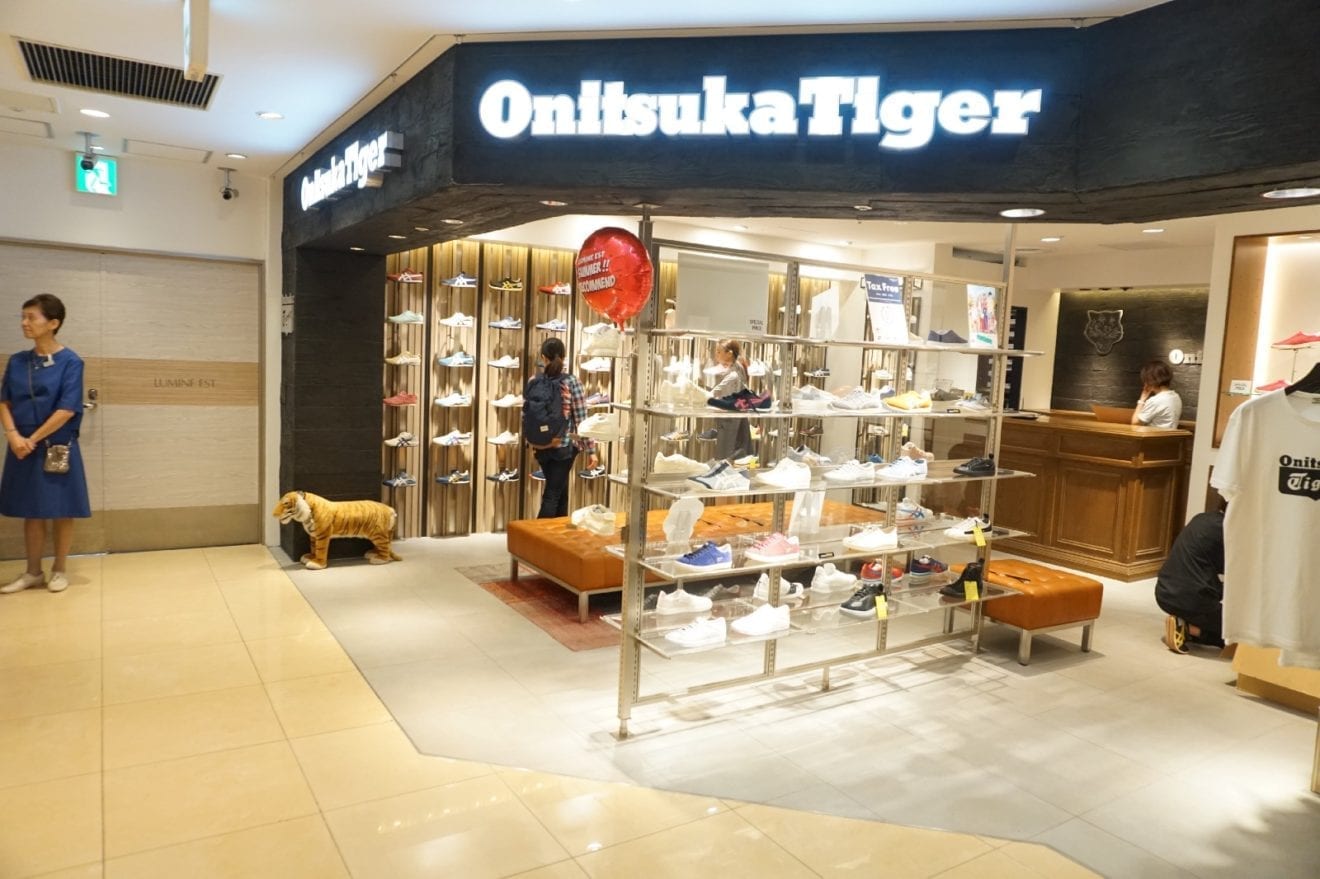
  • Onitsuka Tiger and Hoka Unveil Bold New Storefronts Across Japan’s Retail Landscape

    Onitsuka Tiger and Hoka Unveil Bold New Storefronts Across Japan’s Retail Landscape

    In Tokyo and other major Japanese cities, the race is on among outdoor and sportswear manufacturers to secure coveted street-level retail spaces. These brands are making their mark in urban environments as they tap into the growing demand for high-quality, functional clothing tailored for both adventure and urban lifestyles.

    Among the notable mentions is Goldwin, whose recent addition in Kyoto has unveiled a captivating storefront, harmonizing natural stone with modern design sensibilities. This trend isn’t just about aesthetics; it’s a strategic move for brands seeking to enhance customer engagement by providing an immersive shopping experience.

    The surge in retail activity creates a vibrant scene for urban dwellers and tourists alike. Just imagine transitioning from a busy shopping street into a tranquil outdoor oasis housed in a boutique—it’s a clever shift that not only beckons the nature enthusiast but also piques the curiosity of those merely window shopping.

    Furthermore, the lifting of pandemic restrictions has accelerated this retail renaissance. Brands are eager to reconnect with consumers through innovative storefronts that serve as both retail spaces and community hubs. With the backdrop of the post-COVID landscape, companies are reimagining how their products are presented, often incorporating elements that appeal to the senses, from textures to interactive displays.

    Today’s retail landscape is about storytelling, and outdoor and sportswear brands are crafting narratives that resonate with consumers’ lifestyles. As they embrace urbanity while celebrating the outdoors, the result is a refreshing fusion that promises to invigorate the shopping experience.

    Questions & Answers

    What motivated outdoor and sportswear brands to open more street-level stores?
    The growing demand for high-quality, functional clothing aimed at both outdoor adventures and urban lifestyles has driven these brands to secure prominent retail spaces.

    How are these new storefronts enhancing customer engagement?
    By creating immersive shopping experiences that blend modern design with their brand identities, these stores invite customers to explore product offerings in engaging and innovative settings.

    What impact has the post-pandemic environment had on retail strategies?
    With the lifting of pandemic restrictions, brands are eager to reconnect with consumers, leading to the rise of innovative retail spaces that not only serve as shops but also as hubs for community engagement.

  • Singaporeans Shift Focus: Declining Interest in Brand Ads and Social Media Messaging Revealed

    Singaporeans Shift Focus: Declining Interest in Brand Ads and Social Media Messaging Revealed

    Nearly half the population of Singapore appears to have tuned out traditional marketing efforts, as a recent report by Blackbox reveals that 49% of Singaporeans ignore brand advertising or social media outreach. This figure rises to an eye-opening 57% among consumers under 30, indicating a significant generational divide in receptivity to marketing messages.

    What’s particularly striking is that about 48% of all respondents admitted they can’t even remember the last ad that caught their attention. Among younger consumers, this figure climbs to a staggering 55%. Analysts blame the phenomenon on an “attention economy,” where consumers—especially younger ones—have perfected the skill of filtering out the marketing din surrounding them.

    Consumer Trust Takes a Hit

    As if these numbers weren’t sobering enough, 51% of Singaporeans feel that current brand messaging often “feels fake or tries too hard.” More than half (56%) outright dismiss the notion of “brand trust” as little more than empty rhetoric. In a telling statistic, half of the respondents—along with nearly two-thirds of those under 30—expressed a preference for trusting personal connections over brands.

    This disconnect between brand communications and consumer perceptions reveals a growing chasm. According to the findings, two key attributes influence whether a brand message resonates: honesty and proof. Consumers are increasingly drawn to messages that feel unscripted and are supported by tangible evidence, leaving clever slogans and polished presentations in the dust.

    The Challenge of Engagement

    The report suggests that brands are navigating a “double-disconnect,” struggling to capture consumer interest while also failing to listen to their audiences meaningfully. Traditional survey formats have only added to consumer frustration, as individuals cite long forms and repetitive questions as major turn-offs.

    Yet, there’s a glimmer of hope: six in ten respondents expressed openness to engaging with AI interviewers, a figure that jumps to 70% for younger consumers. Still, a quarter of participants remain unyielding, preferring a human touch. The suggestion here is clear—brands must find ways to create genuine dialogues rather than pushing out impersonal surveys.

    Authenticity is Key

    To bridge this growing gap, the report calls for marketers and researchers to shift gears—from surveying to conversing, treating consumers as active participants instead of passive respondents. Brands need to integrate authenticity into every interaction, moving away from superficial messaging and toward engaging, evidence-backed narratives.

    The potential of AI also looms large in the conversation. While technology can enhance speed and scale in brand communications, it’s essential that brands maintain a human-like presence—empathetic, responsive, and authentic. In a world rife with skepticism, delivering genuine connections might just be the secret ingredient for success.

    Questions & Answers

    How did the report measure consumer attitudes toward brand messaging?
    The report by Blackbox surveyed Singaporeans about their perceptions of advertising, finding that a significant percentage ignore ads, particularly younger consumers who have grown skilled at ignoring marketing noise.

    What key qualities do consumers look for in brand messaging?
    Consumers prioritize honesty and tangible proof, favoring unscripted messages supported by data over polished slogans that lack credibility.

    What innovative approach does the report suggest brands take to engage consumers?
    The report recommends transitioning from traditional surveys to authentic conversations that treat consumers as active participants, while also leveraging AI to create more meaningful interactions.

  • Alibaba Unveils Bold New Retail Strategy: Merging Online And Offline Shopping Experiences In Asia

    Alibaba Unveils Bold New Retail Strategy: Merging Online And Offline Shopping Experiences In Asia

    Retail giant Alibaba has unveiled an ambitious new plan that aims to redefine the e-commerce landscape in Asia. In a move that has industry watchers buzzing, the company is expanding its “New Retail” strategy, which seeks to integrate online and offline shopping experiences seamlessly. This initiative comes as Alibaba faces increasing competition from Tencent and JD.com, who are also vying for dominance in the rapidly evolving market.

    Investments in Technological Innovation

    As part of its plan, Alibaba is committing substantial investments in cutting-edge technology. The company has announced a partnership with several tech firms to enhance its artificial intelligence and machine learning capabilities. These developments are expected to personalize shopping experiences, improve inventory management, and drive supply chain efficiencies. It’s almost as if Alibaba is assembling its own Avengers team of tech experts, ready to tackle the challenges of modern retail.

    Expansion Plans for Physical Locations

    In a surprising twist, Alibaba is not merely focusing on its digital realm; the company has plans to substantially increase its brick-and-mortar presence. Chief Executive Daniel Zhang shared that they aim to open hundreds of new stores in major cities throughout Asia, leveraging data analytics to determine ideal locations and product assortments tailored to local preferences. This hybrid approach—melding online convenience with physical retail’s tactile allure—seems poised to capture a larger share of the diverse Asian market.

    Building Customer Loyalty through New Initiatives

    Alibaba is also rolling out a customer loyalty program that encourages shoppers to engage with both its online platform and physical stores. By offering points for every purchase—regardless of the channel—Alibaba aims to nurture a holistic shopping culture among its customers. This initiative highlights the company’s commitment to creating a cohesive brand experience, ensuring customer touchpoints resonate with lifestyle and convenience.

    The Road Ahead: Challenges and Opportunities

    However, Alibaba’s strategic evolution does not come without its hurdles. The ongoing regulatory scrutiny and the challenging macroeconomic environment could impact its growth trajectory. Yet, with its innovative approach and adaptive strategies, Alibaba appears well-equipped to navigate these waters. Industry experts suggest that the company could emerge even stronger, positioned to capture evolving consumer behavior across Asia.

    Questions & Answers

    What is Alibaba’s “New Retail” strategy?
    Alibaba’s “New Retail” strategy integrates online and offline shopping experiences to create a seamless retail environment, expanding its influence in both the digital space and physical storefronts.

    How does Alibaba plan to enhance technology in retail?
    The company is investing in partnerships with tech firms to improve its AI and machine learning capabilities, aiming to personalize shopping experiences and streamline supply chain management.

    What customer initiatives is Alibaba introducing to build loyalty?
    Alibaba is rolling out a loyalty program that rewards customers with points for purchases made both online and in physical stores, fostering a cohesive brand experience across channels.