Tag: retail property

  • Thailand Faces 26,000 EV Charger Deficit as Landowners Target Motorist Dwell Time

    Thailand Faces 26,000 EV Charger Deficit as Landowners Target Motorist Dwell Time

    Thailand needs roughly 26,000 additional electric vehicle charging outlets to build an adequate public network of about 41,000 points, according to data from Sharge Management Co.

    Battery EV registrations reached 169,638 units during the first nine months of 2026, up 93 percent year-on-year. That lifted total battery electric vehicles on Thai roads past 456,000 by late September.

    Network expansion is falling behind the fleet. Thailand counts more than 5,000 public charging locations hosting around 15,000 outlets, leaving a vehicle-to-charger ratio of roughly 30:1 compared to an international average of about 11:1.

    The Fast Charger Bottleneck

    Direct-current fast chargers present the sharpest deficit. The national ratio for DC fast units sits at 47:1, leaving drivers waiting during rush hours along key highway networks.

    Congestion clusters along routes out of the capital. The links connecting Chon Buri and Pattaya, sections between Saraburi and Nakhon Ratchasima into the northeast, and the Prachuap Khiri Khan-Chumphon highway heading south remain underserved by large-scale charging parks despite heavy traffic.

    Peerapatr Sirichantaropart, managing director of Sharge Management, said:

    Looking back over the past three years, EVs across personal, commercial and corporate segments have recorded average annual growth of 155%, highlighting a transition to the EV era that is happening faster than many anticipated.

    Matching Charger Speed to Dwell Time

    For strip malls, souvenir stops, roadside cafes and hotels, charging points are shifting from decorative amenities into commercial real estate drivers. Drivers need to stop, and they spend while plugged in.

    Site planning hinges on duration. Highway rest stops require high-output DC chargers to turn cars around fast. Suburban community malls and lifestyle venues fit medium-capacity DC or AC equipment, while overnight hotels deploy standard AC chargers to refill batteries while guests sleep.

    Hardware choice determines economics. Privately owned land developments turning plots into charging hubs typically see payback periods of three to seven years, depending on location, plug hardware and daily utilisation rates.

    Revenue Shifts for Retail Landlords

    Commercial landlords capture two distinct revenue streams from an installation. Drivers pay directly for power, and they spend cash inside adjacent retail stores during charging intervals.

    Long queues form consistently during public holidays at major tourist stops. Landlords operating dining outlets and convenience retail on those corridors take foot traffic from drivers who would otherwise bypass smaller community venues.

    Sharge figures show battery EV registrations hit 122,384 units in 2025, up 72.1 percent from the previous year. That compounding volume means roadside commercial centres without charging facilities risk losing regular transit customers to nearby plots with open plugs.

    Operators now look to the remaining quarter of 2026 to see whether grid connection approvals and public charger additions can begin closing the 26,000-plug shortfall before seasonal holiday holiday travel peaks.
  • Sydney Plans 20 Entertainment Zones to Boost 5,000 Nightlife Businesses

    Sydney Plans 20 Entertainment Zones to Boost 5,000 Nightlife Businesses

    The Council of the City of Sydney plans to establish more than 20 special entertainment precincts. The zones will support approximately 5,000 hospitality, dining and cultural venues across the city.

    Public consultation on the live music and late-night trading zones runs until November 26. Councillors will consider final endorsement after the review.

    Tailored Sound Rules and State Incentives

    Designated precincts will let the local council tailor sound rules and trading hours to individual streets. Operators inside the zones can also qualify for NSW Government incentives. These perks include extended trading hours and discounts on liquor licence fees.

    City leaders want to reverse foot traffic losses after Sydney dropped behind Melbourne in national nightlife rankings. Noise regulation will shift away from individual resident complaints. Clear precinct-level thresholds will replace them.

    “Special entertainment precincts are about supporting the live music, cultural and hospitality venues that make Sydney a global city, while ensuring residents continue to enjoy a high quality of life,” said Lord Mayor of Sydney, Clover Moore AO.

    Operating Pressures Across Commercial Districts

    Hospitality venues across Australian metropolitan centres face high rents, wage costs and restrictive licensing laws. These pressures have curtailed late-night patronage over the past decade. Blanket limits have also depressed commercial yields for landlords and food and beverage tenants during weekday and late weekend trading windows.

    The overhaul gives operators certainty to schedule live performances and extend dining shifts without facing sudden noise penalties. Execution risk centres on municipal coordination. Inconsistent enforcement across neighbouring council boundaries could dilute patron traffic.

    Enforcement Shift After Lockout Policy Repeals

    State and municipal authorities have spent years adjusting regulations to rebuild nighttime activity following the repeal of Sydney’s lockout laws. Previous piecemeal reforms struggled to deliver uniform foot traffic recovery across fragmented commercial strips.

    By grouping venues under statutory precincts, municipal planners now treat nightlife infrastructure as a commercial asset rather than a residential nuisance.

    Council Decision and Newtown Expansion

    Following the close of public feedback on November 26, the proposal will return to the Council of the City of Sydney for a final vote. The authority will then begin joint consultation with Inner West Council in early 2027 to establish a separate special entertainment precinct along King Street in Newtown.

  • Around 100 Wooden Shophouses Drive Retail Trade in Kuala Dungun

    Around 100 Wooden Shophouses Drive Retail Trade in Kuala Dungun

    About 100 two-storey wooden shophouses built from 1933 still house active businesses in Kuala Dungun. They sustain retail trade nearly a century after the town’s mining boom began.

    These timber buildings hold restaurants, hardware stores, electrical retailers and motorcycle dealerships. Plastic goods distributors, grocers and photography shops also trade across the coastal district.

    Commercial Structure and Rental Economics

    Known locally as kedai kayu, the surviving row dates to a 1933 plan by the Dungun District Office. Officials created the commercial lots to capture trade from the Bukit Besi iron ore mine. That mine ran from the 1930s until closing in 1970.

    Tenancy turnover across the strip remains low. Family operators hold leases for decades. Restaurant operator Mohd Kamal Hamid pays RM1,200 a month for a timber unit his father first rented in 1980. A mining employee originally bought the building in the 1930s.

    Retailer Ang Ah Kiang, 76, noted that units built between 1930 and 1960 link early port commerce to modern consumer demand. Several tenants have altered interiors for modern stock and refrigeration. Core timber frames and wooden window structures remain intact.

    Immigrant Capital and Trading Networks

    Merchant migration from southern China drove the area’s early growth from around 1922, according to Wan Mohd Rosli Wan Ngah, honorary secretary of the Malaysian Historical Society’s Dungun chapter. Hokkien traders settled along the Sungai Dungun estuary. They ran rubber collection depots, seafood distribution posts and grocery shops before buying lots in the 1933 town plan.

    Municipal restructuring relocated Malay residents to Kampung Tanah Lot, clearing central plots for commercial timber buildings. Chinese capital then drove the retail footprint through the mining boom of the 1950s and 1960s.

    Retail Shifts Across Secondary Malaysian Towns

    Across peninsular Malaysia, wooden high streets face pressure from suburban developments, concrete commercial parks and franchise formats. Heritage rows in larger capitals like Kuala Terengganu or Kuantan often convert into boutique hotels or tourist cafes. Those shifts drive up rents and push out daily merchants.

    Kuala Dungun follows a different pattern. The shophouses still serve local daily shoppers rather than tourists. This shields tenants from travel market swings, though it leaves them to absorb maintenance costs on ageing timber frames.

    Mining Legacy to Modern Trade Base

    Raw material transport once anchored the local retail economy. Bukit Besi served as the primary inland iron ore source, hauling ore by dedicated rail directly to Kuala Dungun for sea export.

    When mining ceased in 1970 and rail links closed, economic activity shifted south to Kerteh’s oil and gas operations and regional palm plantations. Local retailers adapted their stock. They now serve civil servants, farm workers and maritime crews across the 154,932-resident district.

    Town commerce now centers on the surviving timber properties and a Thursday night market along the old railway line. Tenancy renewals and property valuations across these 100 registered wooden units will determine how long independent operators maintain their grip on the district.

  • CloudHQ Plans to Shrink Tokyo Shopping Mall for Data Centres

    CloudHQ Plans to Shrink Tokyo Shopping Mall for Data Centres

    CloudHQ has proposed rebuilding the struggling BigHop Garden Mall Inzai in Greater Tokyo, shrinking its retail footprint to 13,345 square metres to make room for two data centres.

    The Washington DC-based developer presented the plan, named Project Asahi, to the Inzai City Council on 29 September, seeking an exemption from local development restrictions near commuter rail stations.

    Under the proposal, CloudHQ plans to reduce the 13-hectare property beside Inzai-Makinohara Station on the Hokuso Line into a smaller retail row facing the station, paired with a 6,235-square-metre public park and 8,450 square metres reserved for non-data centre commercial uses and offices. Revenue generated from the server facilities would fund the capital expenditure needed to overhaul the remaining shops.

    Cutting shop space to save the asset

    BigHop opened in 2007 after construction by Takenaka Corporation, but the asset has suffered from stagnant tenant revenue and looming capital expenditure requirements. CloudHQ told city officials that the mall’s sales have stayed flat, trailing the 3.4 per cent growth recorded across comparable Kanto shopping centres in municipalities with fewer than 150,000 residents during 2025.

    Rising expenses for labour, purchasing, and consumables have compressed retailer margins, removing room for rent increases. The developer noted that the mall’s existing rental income cannot cover major equipment renewals scheduled over the next five years. Soundings conducted in 2025 with Japanese trading houses, contractors, institutional asset managers, and foreign developers yielded zero interest in acquiring or backing the site as a standalone shopping destination.

    Of the remaining land on the 13-hectare parcel, roughly half will host two data centres and electrical infrastructure, while the other half will be retained for future development. CloudHQ Japan operates the property and aims to finish the phased reconstruction by the mid-2030s.

    Station-front opposition and council rules

    Securing municipal approval remains the primary hurdle for the project. In August 2025, Inzai’s city council passed a 19-0 resolution barring future data centres from zones immediately surrounding its three railway stations, reserving those plots for civic services, retail outlets, and pedestrian traffic.

    Local sentiment against digital infrastructure in station districts runs high. A city consultation held in April 2025 showed that 90.5 per cent of data centre submissions, representing 114 out of 126 responses, opposed server halls near transit hubs. Legal disputes have already surfaced nearby, with ten residents filing a lawsuit in Chiba District Court in March to cancel building clearance for an Inzai Five TMK project backed by Mitsui & Co near Chiba New Town Chuo Station.

    To defuse community pushback, CloudHQ pledged to build the public park and civic facilities before constructing the data halls. The developer also offered to provide local school scholarships and technical classes to broaden community benefits beyond municipal property tax receipts.

    The shifting economics of suburban retail

    Converting underperforming suburban retail into digital infrastructure represents a hard-nosed pivot for operators trapped in low-yielding regional assets. Japanese suburban malls built during the mid-2000s face structural challenges from an ageing population, online commerce, and escalating utility and refurbishment bills that conventional retail leases cannot cover.

    Replacing low-margin retail space with long-term server capacity provides a guaranteed cash flow that traditional consumer tenants no longer deliver. However, the model risks creating dead zones around railway nodes if municipal councils allow industrial-scale server blocks to displace foot traffic. For retail landlords across suburban Japan, the Inzai case illustrates how hyperscale compute demand is outbidding conventional retail real estate for grid connections and physical land.

    Institutional money in Inzai’s digital hub

    The BigHop parcel already accommodates digital infrastructure. Stack Infrastructure previously built a data centre on a former mall parking lot at the southwest corner of the site as part of its 36-megawatt Inzai campus.

    Institutional investors continue to funnel capital into Inzai due to its seismic stability, proximity to central Tokyo, and robust electrical and fibre connections. In 2025, Keppel DC REIT and Keppel Ltd acquired a Colt data centre in Inzai leased to Microsoft for 707 million Singapore dollars, followed by a 190 billion yen deal to buy a 90 per cent interest in two facilities from an Equinix and GIC joint venture. Digital Realty brought its campus capacity in the city to nearly 100 megawatts in April, joining operators including Google, AWS, AirTrunk, and STT GDC.

    CloudHQ, founded in 2016 by Hossein Fateh and managing over 5 gigawatts globally, previously partnered with ESR on a 2 billion dollar, 130-megawatt campus in Osaka. Public briefing sessions with Inzai residents run through 11 October, setting up the council’s formal review of the zoning exemption.

  • Adrian Cheng Opens 95,000Sqm K11 Select in Xiamen

    Adrian Cheng Opens 95,000Sqm K11 Select in Xiamen

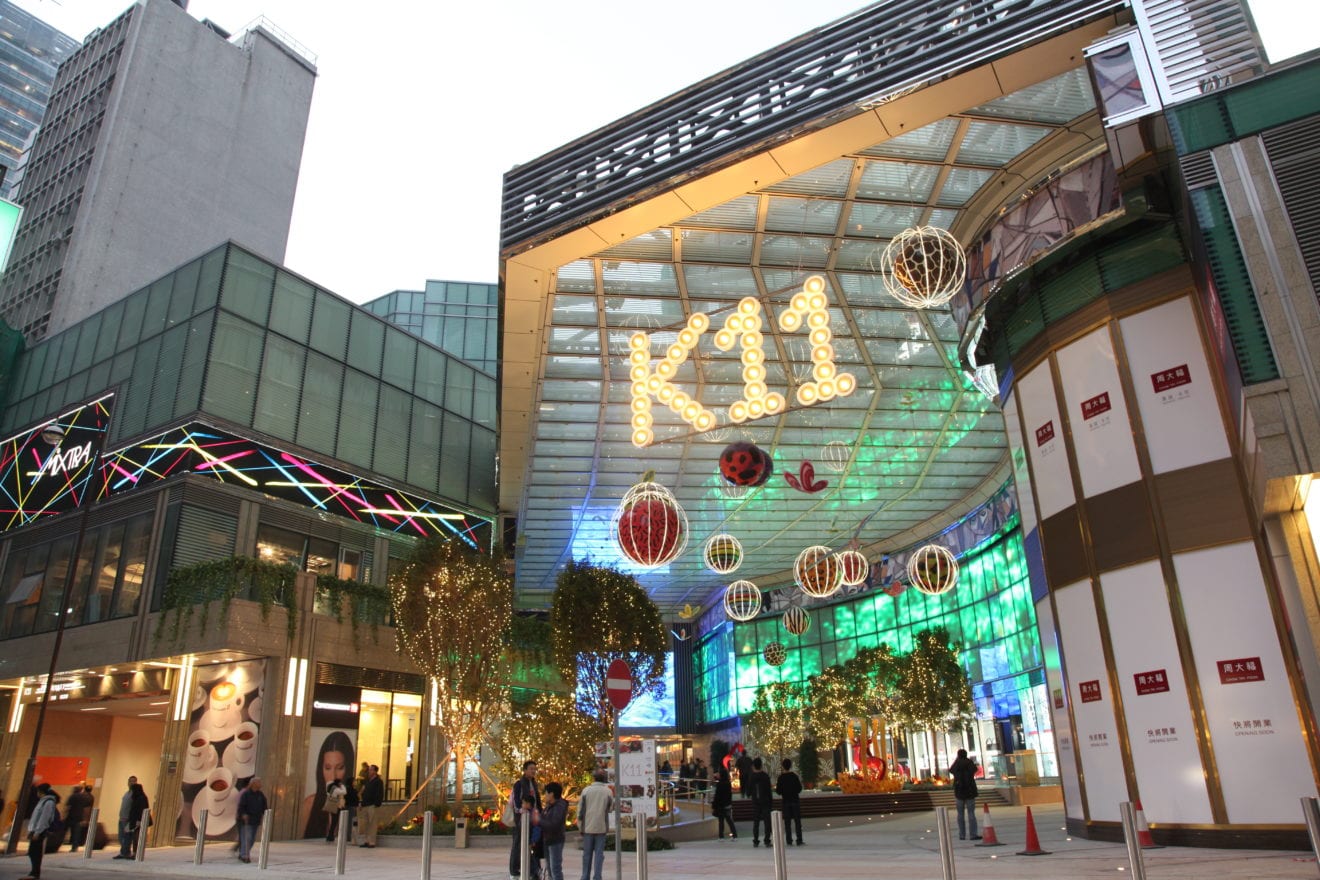
    Adrian Cheng has expanded his K11 retail concept in Mainland China with the launch of Xiamen K11 Select in October 2026. The 95,000sqm destination features around 200 brands.

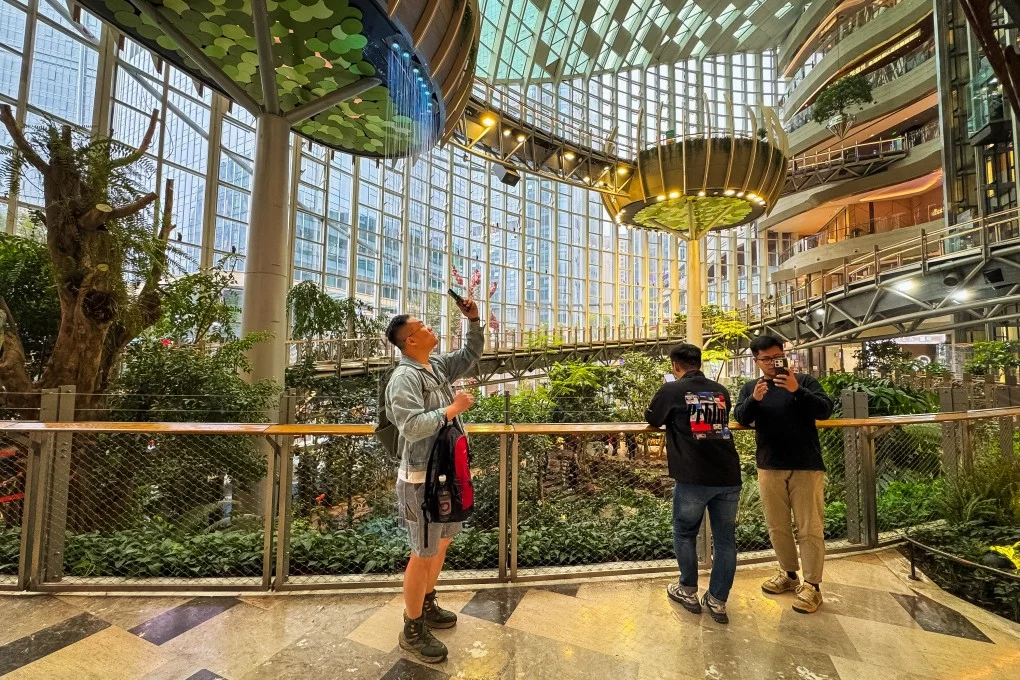
    Located within the Wuyuan Bay Wetland Park TOD hub in Fujian province, the property combines shopping, art, cultural tourism, and wetland conservation.

    Transit Integration and Brand Mix

    Built with state-backed Xiamen Rail Transit Group, the project integrates direct subway connectivity into a multi-level shopping complex. Around 200 retail, dining, and lifestyle tenants occupy the space next to protected coastal wetlands. The format merges everyday commuter foot traffic with leisure spending.

    Cheng structured the property around an experiential retail model combining storefronts with cultural installations, art exhibitions, and ecological public spaces. The complex targets domestic travellers alongside local commuters who pass through the Wuyuan Bay transit node daily.

    The Cultural Tourism Format

    A cultural tourism district framework links retail revenue to municipal tourism draws. By embedding art installations and public viewing platforms across the commercial footprint, the developer seeks longer dwell times than traditional suburban malls achieve.

    Regional shopping centres in China face climbing tenant turnover and thinner margins as consumer spending shifts toward leisure. Anchoring the tenant mix to a municipal wetland park and transit junction helps insulate footfall from online retail competition.

    Operators Shift to Asset-Light Municipal Deals

    Commercial mall operators across China continue partnering with state rail corporations to secure prime urban plots without bearing sole land acquisition costs. Transit authorities supply the real estate and commuter density. Lifestyle retail specialists manage tenant acquisition, interior architecture, and daily operations.

    Similar transit-oriented retail models have expanded across second-tier Chinese metros. Local authorities require private developers to incorporate civic infrastructure, green spaces, and cultural facilities into commercial zoning approvals. The financial risk rests on tenant productivity. Retailers must generate sustained sales per square metre as discretionary consumer spending stays selective.

    Footprint Expansion Across Tier-Two Hubs

    Launched in 2008 by Cheng, the K11 brand built a network of art-centric luxury malls across Hong Kong, Shanghai, Guangzhou, and Wuhan. Opening in Xiamen pushes that footprint into Fujian province, where competing upscale landlords historically maintained a thinner presence than in the Yangtze River Delta.

    Tenant performance at the complex will test consumer appetite for cultural-commercial formats outside China’s top-tier metros. Leasing velocity and footfall conversion rates across the 200 storefronts will determine whether the joint venture adds further retail phases at adjacent transit terminals.

  • China Luxury Malls Expand Footprint Despite Retail Gloom

    China Luxury Malls Expand Footprint Despite Retail Gloom

    Luxury mall operators across China are pressing ahead with major retail expansion projects this week despite persistent weakness across the broader consumer economy, Nikkei Asia reported. High-end property developers are securing footprint commitments from top global fashion and jewelry houses across primary commercial centers.

    The physical expansion push comes as top-tier landlords separate their performance from standard mass-market department stores. Premium commercial destinations continue to attract long-term brand commitments because affluent shoppers maintain higher discretionary budgets than middle-market consumers.

    Bifurcation across commercial real estate

    Commercial leasing data across mainland tier-one and tier-two cities shows a sharp split between mass retail centers and destination luxury complexes. While mid-market shopping centers struggle with tenant turnover and rent concessions, prime luxury properties maintain tight occupancy rates and multi-year waiting lists for prime ground-floor frontages.

    Global luxury houses require expansive multi-level flagships with dedicated VIP lounges, private salons, and custom architectural facades to serve high-net-worth clients. Operators of luxury centers are reconfiguring existing floor plans and building new wings to meet these spatial specifications.

    Brand strategy shifts in mainland centers

    International fashion groups are consolidating their retail networks rather than retreating from mainland China. Brands are closing underperforming satellite boutiques in secondary malls to concentrate capital and inventory into larger experiential flagships inside leading luxury complexes.

    For mall landlords, securing anchor flagships from premier European luxury houses guarantees footfall from top-tier spenders. It also allows developers to command premium rental yields on adjacent specialty dining, lifestyle, and beauty spaces.

    Landlord competition and regional exposure

    Competition among high-end landlords is intensifying across regional hubs beyond Shanghai and Beijing. Commercial developers are competing aggressively to bring exclusive boutique concepts and direct-operated flagships to regional centers such as Chengdu, Shenzhen, and Hangzhou.

    The execution risk rests on whether local high-end consumption can absorb the expanded commercial floor space without diluting sales density per square meter. Landlords that overcommit capital to new luxury builds in saturated micro-districts face longer lease-up schedules if brand partners limit their capital expenditure.

    Pipeline targets across major markets

    Earlier retail cycles established luxury retail hubs around historical downtown commercial districts. The current construction cycle focuses on mixed-use commercial developments that combine luxury retail with prime office towers, cultural spaces, and five-star hospitality.

    Commercial developers have scheduled their new luxury mall openings and phased retail extensions through the next several operating quarters. Occupancy rates, flagship delivery schedules, and initial tenant sales productivity across these new developments will determine whether landlords maintain their current expansion pace.

  • Hong Kong Malls Target Double-Digit Tenant Sales Growth During Asian Games

    Hong Kong Malls Target Double-Digit Tenant Sales Growth During Asian Games

    Sino Group expects foot traffic and tenant sales to rise across four Hong Kong shopping centres during its Asian Games campaign. The landlord projects double-digit revenue growth for selected merchants.

    This campaign follows its World Cup promotions earlier this year. That effort lifted customer visits across three flagship properties by 10 to 15 per cent and produced double-digit sales gains.

    Hong Kong commercial landlords are combining live tournament screenings with athlete exhibits and interactive activities to hold shoppers on-site. The drive coincides with the Asian Games in Nagoya, Japan. Preliminary events have begun there ahead of Saturday’s official opening.

    Shifting Formats From Football to Multi-Sport Events

    Operational demands differ from single-tournament campaigns. Football matches draw concentrated crowds during tight viewing windows. Multi-sport competitions spread visits across varied demographics and longer daylight hours.

    Bella Chhoa, chief commercial officer at Sino Group, noted that the Asian Games and the World Cup generate different footfall dynamics across retail floors. “The competitive schedule, viewing patterns and customer journeys are therefore fundamentally different,” Chhoa said.

    Landlords want to turn those longer viewing cycles into sales. They are targeting dining, athleisure and electronics purchases while visitors remain inside the complexes.

    Defending Domestic Spending Against Shenzhen Outflows

    Mall operators in Hong Kong face sustained pressure as residents travel to Shenzhen, take overseas holidays, or spend online. Retailers must adapt. Atriums are becoming event spaces rather than simple transaction floors.

    Conversion remains the chief commercial risk for landlords. Strong footfall during live broadcasts does not automatically translate into fashion and merchandise sales. That puts heavy pressure on food and beverage tenants to capture event spending.

    Consultants view this shift as a permanent operational requirement rather than a short-term marketing tactic. Roy Ng, head of research at property consultancy Newmark, stated that spending patterns have moved permanently toward experience-led activities. Malls must refresh event formats continuously beyond sports.

    Tracking Event Returns Across Key Portfolios

    Recent sports programming builds on earlier retail entertainment formats across Hong Kong malls. Operators used gaming tournaments and interactive pop-ups over the past year to stem cross-border outflows.

    Operators will track tenant turnover and dwell times throughout the multi-week Nagoya competition. Those metrics will show whether multi-sport programming matches the sales conversion rates of single-sport international tournaments.

  • Vietnam Enters Global Top 10 for Property Transparency Gains

    Vietnam Enters Global Top 10 for Property Transparency Gains

    Vietnam ranked among the world’s ten most improved real estate markets for transparency between 2024 and 2026, according to JLL’s latest global transparency index. The country placed 50th among 88 evaluated territories with a composite transparency score of 3.15, keeping its position in the semi-transparent tier.

    Asia-Pacific led global transparency advances over the two-year cycle, claiming five of the top ten improvement spots alongside India, South Korea, Australia and Thailand. Poland, Qatar, Saudi Arabia, Dubai and Abu Dhabi completed the global top ten list. Improving market clarity helped direct cross-border property transactions across the region hit record levels during the past 12 months.

    Regulatory Overhaul Drives Commercial Clarity

    Vietnam’s upward trajectory follows the implementation of overhauled legal frameworks governing land, housing and real estate business that took effect in 2024. The legislative changes tightened market conduct by requiring property transactions to clear through formal banking channels and mandating verifiable transaction trails.

    Valuation practices also faced stricter scrutiny under the revised Law on Price. The rules require certified valuation professionals and clear audit trails for commercial asset pricing, replacing informal assessment methods that previously clouded asset underwriting.

    Administrative reforms accelerated in 2026 with Decree 357, which regulates the construction, management and operation of nationwide housing and property information systems. The mandate establishes a formal framework to compile comprehensive transaction registries into a single repository by the end of 2026.

    Valuation Gaps and Institutional Friction

    Data fragmentation continues to impose measurable transaction costs on cross-border capital deploying into Vietnamese commercial real estate. Valuation accuracy across semi-transparent markets sits at roughly 70 per cent, with transaction assessments taking up to 20 days to complete.

    Highly transparent markets operate under an entirely different speed and precision profile. In jurisdictions where asset registries and lease disclosures are open to the public, valuation accuracy reaches 90 per cent and execution cycles take five to ten days.

    Narrowing this performance gap requires completing digital land registries, setting up a unified national title database and enforcing international valuation benchmarks across domestic institutions. Institutional investors also require deeper coverage of commercial debt markets and broader adoption of certified green building standards before raising core fund allocations.

    Regional Standing and Capital Flows

    Southeast Asian peers continue to hold varying positions along the transparency scale. Singapore remains the regional benchmark with a top-tier score of 1.9, followed by Thailand at 2.48, Malaysia at 2.56, Indonesia at 2.74 and the Philippines at 2.94.

    Vietnam’s steady ascent from a low-transparency classification before 2020 reflects deliberate structural repositioning. The initial catalyst emerged in 2016 when the government entered the Trans-Pacific Partnership negotiations and committed to building a centralized real estate database.

    Capital allocations have responded directly to the institutional cleanup. Registered foreign direct investment in Vietnam totaled 38.1 billion dollars in the first seven months of 2026, matching full-year tallies from previous cycles and marking a ten-year peak in inbound commitments.

    The fact that Vietnam is ranked among the global top 10 markets with the strongest improvements in transparency is the result of a long and sustained process.

    Next Benchmarks for Market Infrastructure

    For institutional retailers, mall developers and logistics operators, transparent title registries reduce the legal drag that historically stalled greenfield site acquisition and store rollout schedules. Better asset pricing data allows retail landlords to structure verifiable commercial leases and debt facilities without relying on excessive risk discounts.

    The principal operational test now sits with local municipal governments responsible for digitizing cadastral archives ahead of the December 2026 national database deadline. Investors will track whether commercial credit exposure data and listed property company disclosures meet international transparency standards during the upcoming reporting period.

  • Dexus Wholesale Property Fund Returns 9.3 per Cent as Retail Yields Beat Office

    Dexus Wholesale Property Fund Returns 9.3 per Cent as Retail Yields Beat Office

    Dexus Wholesale Property Fund delivered a 9.3 per cent total return in the year to 30 June. It beat its benchmark across an A$13 billion commercial portfolio.

    That performance was the unlisted vehicle’s strongest in four years. Retail rental growth and income yields outpaced the fund’s office and industrial holdings.

    Management resolved a redemption backlog exceeding A$1 billion that had accumulated over the past year. Brad Collier, head of diversified funds at Dexus, told a Sydney industry forum that the fund cleared the queue by selling secondary assets while existing and incoming unitholders bought up liquidity.

    Clearance of Redemptions and Yield Performance

    Capital returned to the fund once asset valuations stabilized after rapid interest rate adjustments across Asia-Pacific property markets. Steady rental increases and high income yields drove performance. Capitalisation rates did not need to compress.

    Sydney premium office space drove much of the return. Assets like Gateway at 1 Macquarie Place held tenant demand as corporate employers paid higher rates for central floorplates to draw staff back into central business districts.

    Retail Outpaces Office on Yields and Sales

    Shopping centres held by the fund delivered income yields above 6 per cent. By comparison, office and logistics assets yielded below 5 per cent. Annual retail tenant turnover grew 5 per cent across the portfolio, giving the landlord pricing power during lease renewals despite subdued consumer sentiment.

    Occupancy across these shopping centres sits above 99 per cent. Collier noted that co-ownership with retail operators like Scentre Group helped maintain tenant retention and rental revenue across major regional destinations.

    Malls as Residential Development Sites

    Large shopping centres with surplus land represent the fund’s primary avenue for value expansion. Dexus is pursuing master-planned rezonings around suburban retail hubs to construct high-density residential towers above and beside existing retail footprints.

    Plans at Westfield Warringah Mall in Sydney’s Northern Beaches call for more than 1,500 apartments across six residential towers on the Scentre co-owned site. The project will double the vehicle’s capital commitment to the property over the long term.

    “They’re seeing returns of 9.3 percent for what is a core portfolio.”

    Institutional landlords across the region are reallocating capital away from standalone department store wings toward housing and health services. This structure generates recurrent residential sales or rental income on owned land. It reduces land acquisition risk while providing built-in foot traffic for ground-floor retailers.

    Divergence Across Sydney, Brisbane and Melbourne

    Performance continues to diverge across Australia’s eastern seaboard capital cities. Brisbane office assets gained institutional investor support after years of restrained construction kept vacancy low. Meanwhile, Melbourne faces high vacancy, landlord leasing incentives, and Victorian state property surcharges.

    The twelve-month campaign of non-core disposals reversed the liquidity freeze that hit unlisted Australian property trusts between 2022 and 2024. That recovery establishes a baseline for institutional capital allocators assessing core real estate entries across Australasia.

    Dexus is advancing planning approvals for the six-tower residential precinct at Warringah Mall while monitoring tenant absorption in Melbourne before lifting its office allocation there.

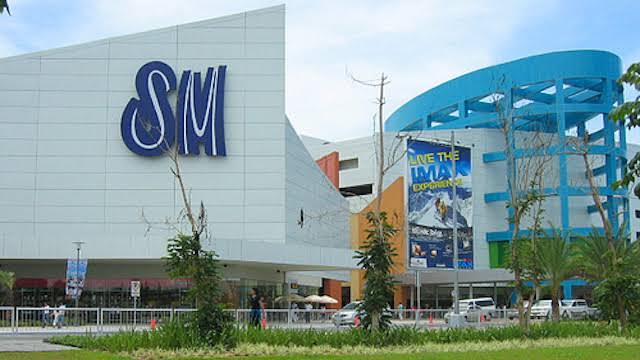
  • SM Supermalls Shifts Tenant Mix to 30 Percent Dining as First-Half Revenue Reaches P41.8B

    SM Supermalls Shifts Tenant Mix to 30 Percent Dining as First-Half Revenue Reaches P41.8B

    SM Supermalls raised its food and beverage tenant share to 30 percent while lifting first-half revenue 8 percent to 41.8 billion Philippine pesos. The shift marks a fundamental redesign of floor plans across the country’s largest retail network.

    Dining accounted for less than 5 percent of the group’s leasable space when current president Steven Tan joined in 2004. The operator is now reallocating square meters from apparel and standard department store goods to dining, sports, and live events under a five-year platform called My SM.

    Retrofitting Floor Space for Food and Sports

    Expanding dining requires heavier investments in physical infrastructure than dry retail. Malls require upgraded water connections, higher-capacity electrical systems, grease traps, and expanded kitchen exhaust ducts to handle restaurant tenants at scale.

    Alongside dining, the landlord is adding non-retail recreation to fill communal areas. The group added 41 pickleball courts during the first six months of the year, taking its total to 102 courts across 32 properties. In June, its commercial complex cohosted the Galaxy Manila Marathon, bringing 25,000 runners onto the grounds.

    Internal merchandising direction now runs partly through an internal advisory unit. The operator created a Gen Z Council of junior staff to evaluate pop-culture trends, such as pop-up matcha fairs, before senior managers commit capital to physical rollouts.

    You have to constantly inject freshness to your centers so that you keep the interest in coming back.

    Regional Realignment from Shelves to Social Space

    Mall operators across Southeast Asia face identical pressures as e-commerce captures routine apparel and consumer electronics purchases. Landlords in Bangkok, Jakarta, and Manila are converting between 25 and 35 percent of gross leasable area to food and leisure to defend foot traffic. SM watched Chinese shopping centers retrofit for hospitality a decade ago and applied the template locally before domestic online shopping reached similar penetration levels.

    The operational risk sits in capital expenditure and lease yields. Restaurants and recreational concepts cost more to fit out, consume more utilities, and post higher tenant turnover rates than legacy fashion retailers. Operators must turn over pop-up concepts and specialty dining fast enough to sustain foot traffic without squeezing margins on rental collection.

    Expanding the Footprint Across South Luzon

    Revenue growth reflects solid consumer spending despite inflationary pressures across basic goods. The 41.8 billion pesos generated in the first half of 2026 improved on 38.6 billion pesos recorded during the same period in 2025, driven by steady leasing income and higher foot traffic across metropolitan centers.

    Construction is underway on SM Nuvali in Laguna, which will serve as the company’s 91st Philippine mall. The property will test an upscale store format aimed at higher-income residential enclaves across Cavite, Laguna, Batangas, Rizal, and Quezon.

  • Central Park Draws 25 Million Visits in First Year

    Central Park Draws 25 Million Visits in First Year

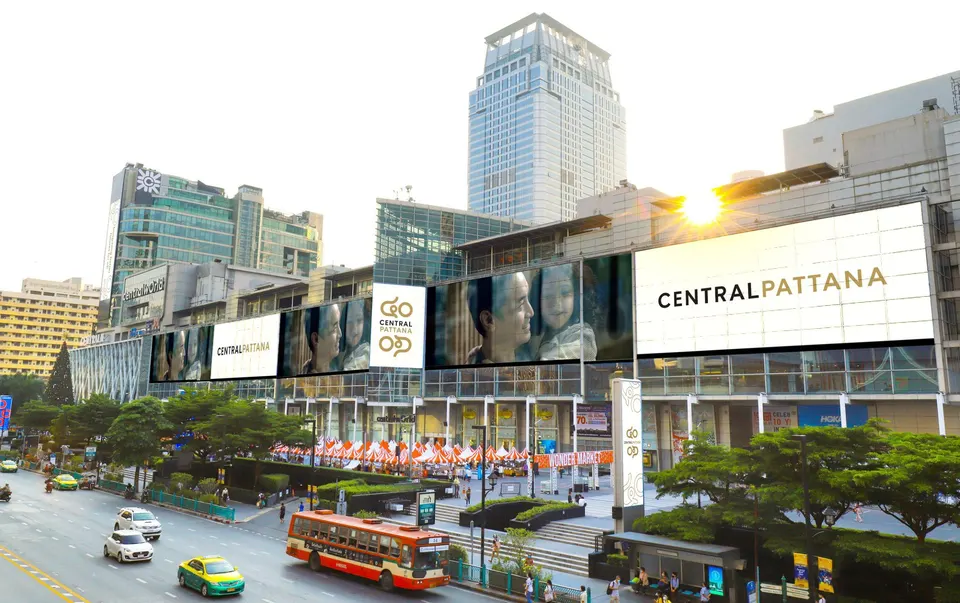
    Thailand’s Central Pattana has unveiled the next phase of growth for Central Park in Bangkok as the shopping centre marks its first anniversary in September 2026.

    The centre welcomed more than 25 million visits in its first year, including over 10 million visits from international tourists, placing it among the top-tier performers in the developer’s portfolio.

    Three Pillars for International Footfall

    Work on the next stage centres on a campaign dubbed Bangkok’s World Stage. This framework splits tenant curation and event programming into three tracks: Global Firsts, Global Culture, and Global Audience.

    Global Firsts secures exclusive product launches, debut store formats, and international brand partnerships new to Thailand. Global Culture runs live music, design exhibitions, and art installations throughout the complex. Global Audience steers marketing spending toward overseas tourists, touring creators, and commercial partners beyond Southeast Asia.

    Mixed-Use Integration in Central Bangkok

    The mall anchors the wider Dusit Central Park mixed-use development alongside grade-A corporate offices, a luxury hotel, and private residential towers. It features more than 1.12 hectares of elevated public green space. That parkland channels foot traffic between the retail concourses and the surrounding Silom and Rama IV commercial districts.

    Across Southeast Asia, retail developers are pivoting away from standard leasing toward event-driven programming. Operators in Bangkok, Singapore, and Kuala Lumpur compete for big-spending tourists through regional brand exclusives and large cultural draws. But the strategy carries higher execution costs. Continuous programming and rapid turnover of experiential concepts demand heavier capital commitments than traditional leases.

    Building Out the Dusit Joint Venture

    Central Pattana conceived the retail asset to replace the historic Dusit Thani hotel through a joint venture between Central Group’s property arm and Dusit International. Construction launched under a multi-billion-baht master plan to protect downtown market share against rival mega-projects along the Sukhumvit and Chao Phraya corridors.

    Tenant handovers and new flagship openings under Global Firsts will roll out over the coming quarters. Remaining office and residential towers across Dusit Central Park will hit completion in phases over that stretch.

  • Singapore Retail Rents Forecast to Rise 2% as Supply Tightens

    Singapore Retail Rents Forecast to Rise 2% as Supply Tightens

    Singapore retail rents will increase by up to 2% this year as landlord negotiations tighten across prime shopping belts. New retail supply will moderate to 241,000 square feet through 2027.

    Orchard Road mall vacancy held broadly stable at 7.2% in the second quarter. Landlords across prime shopping centers are actively refreshing tenant mixes to capture resilient consumer footfall and tourist spending. Prime commercial assets continue to lead property transactions across the city-state, supported by tight floorplate availability and stable yields.

    Supply constraints cushion mall landlords

    Limited incoming space provides a firm floor under prime mall valuations. Developers face restrictive land releases in core commercial districts, keeping completion volumes well below historical ten-year averages through 2027. Tenants seeking flagship positions in downtown centers must negotiate leases months before existing tenancies expire.

    Retailers are adjusting footprints rather than shedding space outright. International fashion and lifestyle brands are trading underperforming suburban formats for refreshed prime city spaces, balancing higher base rents against stronger foot traffic conversions.

    Yields hold across commercial assets

    Offices and retail assets continue to take the lead in Singapore commercial property deals. Investors favor prime retail assets where tight physical supply cushions net operating income against wider regional macroeconomic pressures.

    RetailNews Asia sees this squeeze accelerating landlord use into the second half of the year. While department store operators reassess floor efficiency, specialty dining and experiential brands are absorbing available prime units as fast as leases turn over.

    The next quarter will test whether luxury consumer spending can maintain rental momentum as 241,000 square feet of replacement retail stock prepares to enter the market through 2027.

  • Central Pattana Targets 10% Footfall Growth at Central Park Mall

    Central Pattana Targets 10% Footfall Growth at Central Park Mall

    Central Pattana aims to increase foot traffic at its Central Park mall in Bangkok by 10 per cent year on year during its second year of operation.

    The retail hub inside the Dusit Central Park mixed-use development drew roughly 25 million visitors in its first twelve months after opening on Sept 4, 2025. International tourists accounted for 10 million of those visits, while retail occupancy reached 98 per cent with daily visitor counts averaging between 65,000 and 75,000 people.

    Office tenants and residents drive traffic

    Office and residential handovers will feed additional pedestrian volumes into the retail podium over the coming quarters. Central Park Offices currently records an occupancy rate above 80 per cent, with corporate tenants finishing interior fit-outs before moving staff into the tower.

    Residential transfers at The Residences at Dusit Central Park will begin in the fourth quarter of 2026, following pre-sales that reached 96 per cent. Kunayudh Dej-udom, asset director of centralwOrld and Central Park at CPN, stated that these incoming occupants will provide a built-in customer base for the property’s food, service, and lifestyle tenants.

    Bangkok’s prime retail landlords increasingly rely on integrated mega-projects to shield themselves from retail oversupply in the city centre. By embedding high-density office towers and luxury residences directly above retail concourses, developers like CPN and rival One Bangkok secure regular baseline spend before counting on discretionary tourist inflows.

    Transit links and brand launches

    CPN is positioning the mall around first-in-Thailand brand debuts, exclusive merchandise drops, and cross-cultural art installations to broaden international visitor recognition. The strategy pairs global creative partnerships with experiential retail formats to capture high-spending travellers.

    Physical access will expand with a direct pedestrian connection linking the complex to the underground MRT Silom station, scheduled for completion between late first quarter and early second quarter of 2027.

  • Singapore Land to Close Marina Square for 76,000-Square-Metre Revamp

    Singapore Land to Close Marina Square for 76,000-Square-Metre Revamp

    Singapore Land will close its Marina Square retail mall on March 31 to begin a multi-year redevelopment across more than 76,000 square metres of gross floor area. The project converts the standalone four-storey shopping centre into a mixed-use complex slated for completion in 2031.

    The overhaul will add three new towers to the site. These buildings will contain 204 luxury homes, a 260-key serviced apartment development, a 304-key hotel, and approximately 13,000 square metres of Grade A office space.

    New Towers and Rooftop Links

    Plans for the redesigned four-storey podium focus on experiential retail, sports, wellness facilities, dining, and pet-friendly outdoor areas. Direct roofscape links will connect the mall to the new towers and the precinct’s three existing hotels, which will remain open during construction.

    Singapore Land intends to use the retail podium as an active conduit between residential, commercial, and hospitality traffic throughout Marina Bay across different hours of the day. The developer plans to run community activations and events before the shutdown to maintain tenant sales and visitor footfall.

    “By adding residences, serviced apartments and workplaces alongside the existing hotels and repositioning the mall around experience-led retail, sports, wellness and community, we are creating a new ecosystem where people can live, work, stay and connect,” said Jonathan Eu, chief executive of Singapore Land.

    Rethinking Prime Downtown Retail

    The project reflects a broader trend across prime Asian commercial districts, where landlords are dismantling single-use suburban-style malls in favour of dense, mixed-use assets. With e-commerce shifting retail spending patterns and office attendance remaining flexible, central developers in Singapore and Hong Kong increasingly rely on on-site residential and hotel populations to guarantee daily mall traffic.

    Tenants at Marina Square will vacate ahead of the March 31 shutdown, with construction work running through to the targeted delivery date in 2031.

  • Philippine Mall Rents Reach P1,783 per Sqm as Retail Real Estate Leads Market

    Philippine Mall Rents Reach P1,783 per Sqm as Retail Real Estate Leads Market

    Philippine retail rents rose 1.4 percent year-on-year to 1,783 pesos per square meter a month in the second quarter of 2026, keeping prime shopping malls ahead of hotels and data centers.

    The property market absorbed 26,000 square meters of new space during the three-month period, according to JLL data, while quarter-on-quarter rents edged up 0.4 percent.

    Foot Traffic and Large Formats

    Physical mall visits remain the core driver of commercial retail space across the country. SM Supermalls logged 1.4 billion total visits in 2025, reaching 153 million in December when holiday crowds averaged 5.5 million visitors per weekend day and 4.6 million on weekdays.

    Operators continue to anchor their portfolios around these consumer flows. SM Mall of Asia spanned about 497,000 square meters of gross floor area by 2025, while competing networks from the Ayala group and grocery operators like Puregold hold steady tenant rosters in key commercial corridors.

    Supply Pipeline and Experiential Shift

    Across Southeast Asia, mall landlords have struggled with digital channel shifts, but Philippine operators have protected yields by converting floorplans toward dining, entertainment and social spaces. Cushman & Wakefield ranked retail ahead of hotels and data centers in the Philippine commercial real estate market in 2025, noting steady leasing demand from international brands entering prime locations.

    The sector faces an influx of new physical inventory before January, with developers scheduled to complete another 160,000 square meters of retail space by the end of 2026.