Tag: retail real estate

  • SingLand to Shut Marina Square for 360,000-Sqm Mixed-Use Rebuild

    SingLand to Shut Marina Square for 360,000-Sqm Mixed-Use Rebuild

    Singapore Land Group will close Marina Square on March 31 to redevelop the 40-year-old complex into a 360,000-square-metre mixed-use property.

    The project replaces the standalone shopping centre with three towers housing 204 luxury apartments, 13,000 square metres of office space, a 304-key hotel, and a four-storey retail hub by 2031.

    The Rebuild Plan for Marina Bay

    SingLand plans to build a 49-storey residential tower alongside an eight-floor office block and hospitality facilities. The revamped four-storey retail podium will pivot toward food and beverage outlets, pet-friendly public spaces, padel courts, a botanic loop, and covered pedestrian bridges linking directly to NS Square.

    Master planning is led by PLP Architecture alongside local firm DP Architects. The current building was designed in the 1980s as an inward-facing structure focused on department stores, a bowling alley, and cinemas, cutting off foot traffic from the surrounding waterfront district that grew around it over four decades.

    Why Single-Use Retail Boxes Are Disappearing

    The overhaul reflects a broader structural change across Asian retail hubs. Standalone malls in central business districts face direct pressure from decentralised suburban retail, with more than 50 town centres across Singapore now offering duplicate tenant mixes within residential estates.

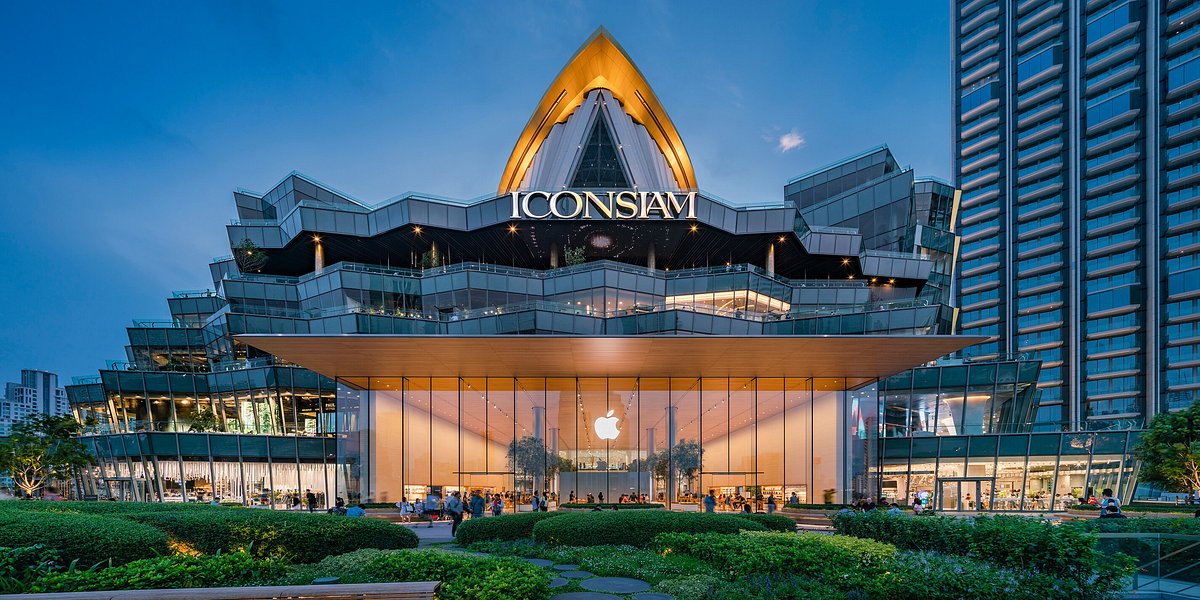
    Landlords are responding by stacking residential and commercial towers directly above retail space to engineer built-in foot traffic. The same dynamic drives major mixed-use precinct investments across the region, including IconSiam and One Bangkok in Thailand, Omotesando Hills in Tokyo, and Taikoo Li in Shanghai.

    Planning Incentives and Anchor Store Decline

    Urban planners in Singapore are actively encouraging commercial landlords to retire single-use retail boxes. SingLand is tapping the Urban Redevelopment Authority’s Strategic Development Incentive Scheme, which grants higher gross plot ratios and flexible land-use rezonings for developers adding residential and hotel components to older commercial sites. Similar transformations are underway at Union Square on Havelock Road and Tanglin Shopping Centre near Orchard Road.

    When Marina Square opened in 1986, its 59,000 square metres of retail floor area made it Southeast Asia’s largest shopping complex. That legacy retail model relied on sprawling department store anchors, an arrangement that has broken down following the collapse or scaling back of operators such as Robinsons, John Little, and Metro.

    Tenants face a final trading date of March 31 before demolition crews take over the site ahead of the 2031 handover.
  • Siam Center Adds Three New Concepts in Three Weeks to Anchor Local Brands

    Siam Center Adds Three New Concepts in Three Weeks to Anchor Local Brands

    Siam Piwat opened three concept stores across fashion, beauty and wellness at Bangkok’s Siam Center over three weeks. The openings add local labels alongside Italian apparel brand Subdued.

    Among them is domestic apparel maker Maison Keeps, which opened its largest flagship to date on the first floor on September 4.

    The brand started in 2017 as an officewear line called Keeps. During pandemic lockdowns, it shifted into durable everyday basics for young adults and children. Earlier, on August 17, nail artist Grace Kantima Banjobdee opened Kantima House on the first floor. Her salon is styled like a living room and takes bookings through Line and Instagram. Local fragrance house 3rd Sense opened its first physical counter near the first-floor escalator on August 26. The brand sells scents themed around four energy paths, featuring artwork by Thai painter Juart Woraset.

    Local flagships and first-floor concepts

    These domestic labels join Italian Gen Z fashion retailer Subdued, which entered Thailand on Siam Center’s ground floor in July. Securing space requires tenants to follow Siam Piwat’s exclusivity mandate. The mall operator requires multi-branch brands to reserve a fixed share of their inventory exclusively for Siam Center. This keeps tenants from simply replicating standard mall assortments.

    That policy turns the venue into an incubator rather than a volume driver. By demanding bespoke stock allocations and custom store designs, the landlord trades standard chain rollouts for distinct merchandising. The goal is keeping foot traffic from migrating to larger neighbouring complexes.

    Exclusivity rules test tenant margins

    For independent labels like Maison Keeps and 3rd Sense, physical retail drives up overhead through staffing, fit-outs and custom production runs. Yet a ground- or first-floor lease in the Siam interchange district provides high footfall. It draws younger domestic shoppers and regional tourists that digital channels cannot match.

    Inventory management poses the main challenge. Carrying dedicated stock for a single branch ties up working capital. Smaller designers must maintain fast sell-through rates to justify prime-district rents against rivals in less restrictive centres.

    Competing along the Rama 1 corridor

    Siam Piwat also operates Siam Discovery and Iconsiam, and holds a stake in Siam Paragon. It has spent years positioning Siam Center against retail rivals Central Pattana and The Mall Group. Competition along Rama 1 Road and Ploenchit Road is tight as operators chase discretionary spend.

    Just over a kilometre to the east, Central Pattana’s renovated Central Chidlom department store is hosting its Time and Treasures luxury watch exhibition. The show runs from September 2 to October 11, displaying limited pieces priced up to US$15,000.

  • HSBC and W. Management Secure Prime Causeway Bay Flagships as Rents Soften

    HSBC and W. Management Secure Prime Causeway Bay Flagships as Rents Soften

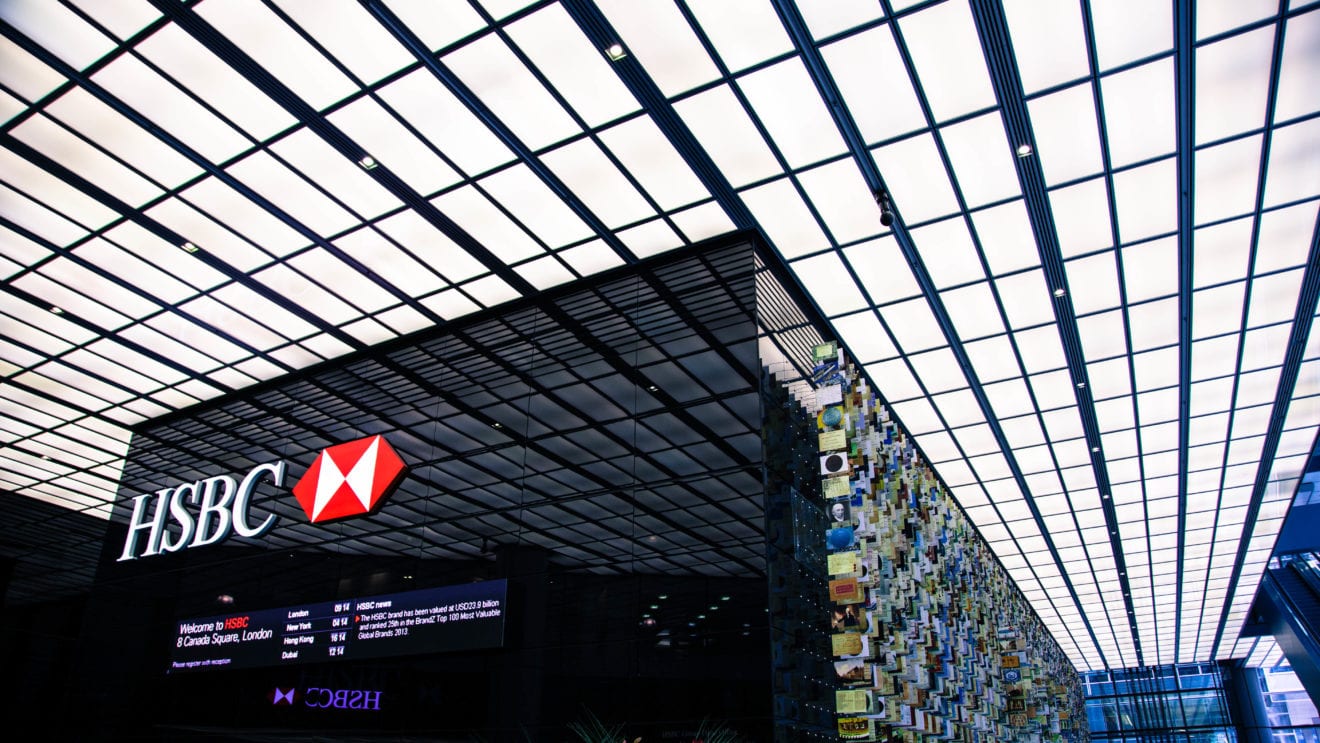
    HSBC has secured a five-floor flagship branch at Causeway Bay’s Capitol Centre for HK$4 million a month, taking space long dominated by international fashion retailers.

    The 3,900-square-metre lease lets the lender replace two nearby outlets with a single customer hub that exceeds the combined floor area of both prior locations.

    Renovation is now underway across the ground floor and four upper levels. The space previously housed apparel brands including Victoria’s Secret, Forever 21 and Chanel. Land Registry filings confirm HSBC signed a five-year agreement for the site, making it the first long-term non-fashion occupant at the property since 2008, when casualwear chain Giordano paid HK$5.06 million monthly for the basement and five upper floors.

    Shifting from Apparel to Wealth Hubs

    A few streets away on Paterson Street, fast-fashion retailer W. Management took three floors spanning roughly 2,790 square metres in Fashion Walk. The company agreed to pay more than HK$2 million monthly for space vacated by Swedish rival H&M, which previously paid as much as HK$10 million a month for the entire four-floor building.

    Financial institutions across Asia-Pacific are increasingly stepping onto prime retail strips that once priced out non-luxury operators. Where fashion giants previously bid up core retail corridors to unsustainable peaks, wealth managers, private banks and insurance firms now view discounted street-front flagships as essential physical hubs for customer acquisition and private client meetings.

    Prime Street Rents Level Off

    Data from Savills shows Hong Kong retail sales climbed 7.1 per cent year on year in the second quarter, while online sales rose 25.3 per cent. Street-level rents across the four core shopping districts of Central, Causeway Bay, Mong Kok and Tsim Sha Tsui held flat quarter on quarter, while mall rents slipped 1.8 per cent over the same timeframe.

    HSBC will close its Premier centre at Causeway Bay Plaza 2 on Lockhart Road and its branch at Park Lane on Gloucester Road on October 17, with the new Capitol Centre flagship scheduled to open on October 20.

  • SM Supermalls Revenue Rises 8% to $667M on Record Occupancy

    SM Supermalls Revenue Rises 8% to $667M on Record Occupancy

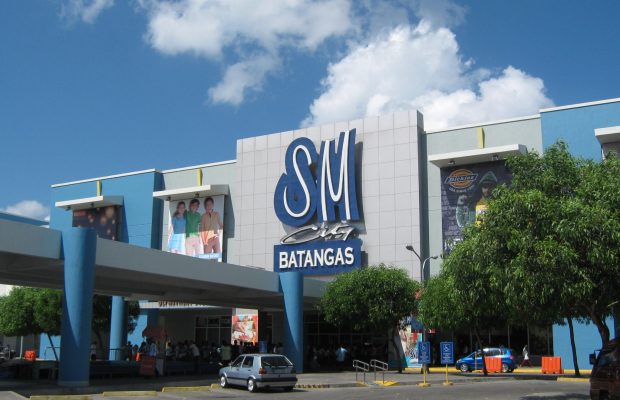
    SM Supermalls lifted first-half revenue by 8 per cent to US$667 million across the Philippines as mall occupancy reached a record 96 per cent.

    Same-store sales rose 4.8 per cent to 41.8 billion Philippine pesos during the six-month period, driven by steady foot traffic and resilient food spending.

    Vacant floor space dropped to 4 per cent across the network, with the operator attributing most empty units to planned tenant relocations rather than lease cancellations. President Stephen Tan said shoppers have grown more deliberate about where they spend, favouring better quality and experiential formats over basic discount hunting.

    Casual dining led tenant performance, according to executive vice president for marketing Joaquin San Agustin, who noted that trading held steady across nearly all retail categories.

    Shifting space from apparel to leisure

    To keep mall floors full, the group is reallocating square footage away from traditional apparel racks toward sports, entertainment and social concepts. Recent additions include pickleball courts, running hubs, food halls, game parks and combined dining-and-gaming venues.

    “A mall can’t stay the same,” Tan said. “You have to keep introducing new tenants and new experiences to keep customers coming back.”

    Across Southeast Asia, mall operators face a split market. While department stores in older suburban centres lose ground to online shopping, dominant prime developers in the Philippines, Indonesia and Thailand are converting excess retail capacity into recreational destinations to protect dwell times and rental yields.

    Provincial expansion pipeline

    Growth is now concentrated outside the capital. The company opens SM Nuvali in Laguna this November, installing the country’s first direct-view LED cinema screen to replace traditional projection booths.

    Further openings scheduled in the pipeline include new regional developments in Tagum, General Trias, Bohol and Malolos.

  • Loewe Opens Largest Japan Flagship in Tokyo’s Ginza District

    Loewe Opens Largest Japan Flagship in Tokyo’s Ginza District

    Loewe has opened CASA LOEWE Ginza in Tokyo. It is the brand’s largest flagship in Japan and its second-largest retail footprint worldwide.

    Located at the intersection of Chuo-dori and Miyuki-dori in Tokyo’s luxury district, the street-level store lands as the Spanish fashion house marks its 180th anniversary. The opening anchors its retail presence in Japan’s resilient high-end consumer market.

    Suna Fujita Collaboration and Exclusive Ranges

    Inside, the flagship features an exclusive collaboration with Kyoto ceramic studio Suna Fujita. The studio produced designs specifically for the Tokyo location. Those artworks appear on the signature Hammock bag, a shearling coat, and a jacket detailed with cherry blossom motifs.

    Alongside the bespoke launch pieces, the store secured an advance pre-release of the wider Loewe and Suna Fujita collection. That lineup includes reworked versions of the Amazona and Basket bags. Dedicated floor displays show small leather goods, charms, and accessories.

    Luxury Brands Cement Prime Ginza Real Estate

    Securing corner plots along Chuo-dori remains a core strategy for European luxury labels competing for tourist spending and domestic shoppers in Japan. Following flagship rollouts in Shanghai and Seoul, Loewe’s expanded presence shows top-tier brands still view Tokyo street retail as essential for long-term brand equity in North Asia.

    Doors are now open to the public. Retail traffic around Ginza’s prime intersections will test full-year footfall targets across the brand’s expanded footprint in the months ahead.

  • Hong Kong retail real estate sales looking good

    Hong Kong retail real estate sales looking good

    Hong Kong retail real estate sales are showing signs of growth, more transactions in January and December than any other month last year.

    According to a research report from Midland IC&I, which sourced data from the land registrar, sales of retail space last month totalled HK$3.05 billion (US$396 million). This exceeds the average monthly figure for the first 11 months of 2017, which was HK$2.3 billion. It excludes Link REIT’s HK$23 billion mega-sale of 17 malls in December.

    There were 145 recorded retail shop sales in January.

    Huang Han-cheng, CEO of APH shops, described the market as “still hot” adding the market was benefitting from a return of investors and tax policies.

    Midland said the retail real estate market has been supported by improving retail figures which in turn were aided by rising visitors to Hong Kong.

    The overall Hong Kong property market achieved $16.3 billion (US$2.1 billion) worth of commercial transactions in January, surging 170 per cent year-on-year and representing the second-highest monthly total in nearly five years.

  • Hong Kong retail start recovering

    Hong Kong retail start recovering

    A “steady if cautious” Hong Kong retail recovery is clearly underway, according to a report from Savills released today.

    “The retail sector is slowly coming to life after four years of painful adjustment which has seen the emergence of a ‘tenant’s market’, a rare occurrence in Hong Kong’s landlord-dominated retail scene,” observed Simon Smith, head of research and consultancy with Savills.

    Over recent months, he said, retailers have been taking the opportunity to upgrade for little or no extra cost and examples include Pandora which moved within IFC Mall and Hourglass, which runs Patek Philippe, relocating within Tsim Sha Tsui from the Imperial Hotel to a better site in the Holiday Inn.

    In further evidence of upgrade demand, Harry Winston has taken the space previously occupied by Ferragamo in the Mandarin Hotel and will open in early 2018. Alternatively, retailers are cutting overheads as they find that renewal negotiations are yielding significant savings as landlords discover a new pragmatism.As reported, Topshop has renewed the lease on its Queen’s Road Central store at a discount of about 50 per cent.

    While landlords of high street shops remain on the back foot, larger shopping centres, such as  Harbour City, IFC Mall and New Town Plaza, are proving relatively immune to the downtown, says Smith.

    In IFC Mall, Italian menswear brand Boggi opened recently while Brunello Cucinelli has launched a new flagship in the same mall.

    “As street-shop rents have fallen heavily while centre rents have only seen a minor adjustment, the gap between the two has narrowed considerably and tenants are now finding that a prime street front pitch can be a viable alternative to taking space in a nearby mall. This is the narrowest the gap has been since 2009 and represents a return to the norm after seven years of major gains in street shop rents.”

    Strength in regions

    Savills also notes that regional and district malls such as Popcorn in Tseung Kwan O and Tuen Mun Town Plaza are doing relatively well.

    “Hong Kong’s tight geography, excellent transport infrastructure and dense retail environment has helped this type of mall defend against the threat from online. The appeal of air conditioned spaces in the summer months and the lure of enhanced F&B offerings have also helped boost the appeal of local malls. We have also seen landlords putting more effort into marketing campaigns with better events, more pop-up stores and creative TV and online advertising,” said Smith.

    “Most malls now have a very well-established cyber-presence via websites and apps. Click-and-collect is making some limited headway locally, with brands such as Zara, Burberry, L’Occitane, Watson’s Wine, Chow Sang Sang and Starbucks all offering the service.

    “In a mixed market some trade categories are performing well and pharmacies in particular are expanding aggressively at the moment. Not every landlord wants them but they are often prepared to pay above-market rents. F&B is also out-performing, driven in part by a richly valued stock market and rising wages.”

    Nick Bradstreet, head of retail with Savills, said luxury fashion is turning around in Hong Kong even though brands have been closing stores in Macau and Mainland China over the past year or so. Luxury sales in China have actually surged over the past six to nine months.

    “Cosmetics retailers are reporting fairly stable business, but after a period of rapid expansion, many brands are still culling store numbers. Electrical goods retailers are consolidating in what is a very competitive marketplace,” he said.

    Savills prime street shop rental indices remained flat over the third quarter while rents in prime malls continued to drift off marginally. The latest September retail sales figures from government recorded a seventh consecutive month of rises attributable in part to a strong inbound tourist numbers. Jewellery, watches, clocks and valuable gift sales outperformed, rising by 14.7 per cent year-on-year, with strong growth also noted for medicines, cosmetics and Chinese drugs.