Tag: retail regulation

  • Singapore Tightens Pet Grooming Rules After 54 Injury and Death Cases

    Singapore Tightens Pet Grooming Rules After 54 Injury and Death Cases

    Singapore has tightened welfare standards for commercial pet groomers and dog trainers. The change follows 54 investigations into salon-related animal injuries and fatalities over the past three years.

    The Animal and Veterinary Service, part of the National Parks Board, released the revised operational codes to enforce continuous oversight across retail pet services.

    Mandatory Supervision Rules for Salons

    Under the revised grooming code, staff must maintain constant physical supervision over any animal that is tethered or kept in group holding pens. Salons must also monitor animals with specific medical or behavioural care needs more closely.

    Operators face expanded compliance obligations spanning animal handling techniques, staff competency, incident reporting, client communication, and record-keeping. Regulators confirmed that while these codes establish baseline standards, non-compliance will directly inform penalties during statutory animal cruelty and welfare investigations.

    First Formal Code for Commercial Dog Trainers

    Alongside salon regulations, authorities introduced the city-state’s first dedicated Code of Animal Welfare for dog trainers. The framework mandates minimum professional competency thresholds. It also requires trainers to adopt the least intrusive, minimally aversive approach.

    Training standards now prioritise positive reinforcement over physical correction methods. This formalises guidance issued in July 2025, when authorities cautioned commercial handlers against using electronic shock devices and prong collars.

    Operational Impact and Sector Liability

    For pet care businesses in Singapore, the new rules translate directly into higher staff-to-animal ratios and increased overheads. Smaller groomers operating on tight margins must adjust booking schedules to prevent unattended animals on tables or in wash stations.

    Insurance underwriters and retail landlords housing pet service tenants will likely adjust risk assessments in line with the published standards. Facilities that fail to document handling procedures or maintain adequate staff cover risk direct regulatory sanctions and reputational damage in a crowded urban market.

    Enforcement Precedents and Ongoing Reviews

    Tighter enforcement follows several fatal incidents at commercial premises. In July 2024, a salon owner received a S$10,000 fine after an unattended corgi fell from a grooming table and died from leash suspension.

    In October 2025, a standard poodle died after staff left the animal unattended for approximately 90 minutes at a Tanjong Katong Road facility. Regulators are currently reviewing the broader 2017 Code of Animal Welfare for pet owners. That review is gathering public and industry feedback across housing, healthcare, and nutrition requirements.

    Legal proceedings against the former director involved in the Tanjong Katong Road case resume in court on October 21.

  • Seoul High Court Clears Coupang Probe Amid $350 Billion US Talks

    Seoul High Court Clears Coupang Probe Amid $350 Billion US Talks

    The Seoul High Court on Wednesday rejected Coupang’s bid to suspend an on-site antitrust inspection, allowing South Korea’s Fair Trade Commission to proceed with its investigation.

    The ruling complicates talks between Seoul and Washington over the next stages of a planned $350 billion South Korean investment in the United States.

    Coupang had refused to cooperate with the probe, arguing that the regulator failed to provide advance notice. Following the court’s decision, FTC Chairman Ju Biung-ghi vowed to review internal agency rules to prevent companies from using court injunctions to evade or delay investigations.

    Court Clears On-Site Fair Trade Probe

    Ju rejected claims from Washington that Korean regulators are singling out American businesses. He affirmed that the watchdog enforces competition rules equally across domestic and foreign firms. The regulator opened its on-site probe in September following months of tension over platform compliance and supplier relationships. In June, Coupang secured FTC approval for a voluntary co-prosperity scheme tied to private brand supplier contracts. Broader compliance inquiries continued anyway.

    For digital platform operators across South Korea, the ruling establishes that procedural objections will not derail regulatory sweeps. Domestic rivals such as Naver and Shinsegae-backed SSG.com, alongside foreign entrants targeting the Korean market, face strictly enforced spot checks. Suppliers and merchants gain use against platform gatekeepers as regulators examine contract terms and distribution dominance.

    Scrutiny Strains Bilateral Investment Package

    Regulatory friction is now spilling into broader trade diplomacy between Seoul and Washington. Under a bilateral framework, South Korean conglomerates agreed to commit 350 billion dollars to US industrial projects in exchange for lower US tariffs on Korean exports. The two sides have already selected a 200 billion dollar gas-fired power facility in Texas. It will power data centres and semiconductor fabrication plants.

    Subsequent tranches of the investment deal remain subject to negotiations over financing, returns and government approvals. Those talks involve capital commitments in nuclear energy, Westinghouse technology partnerships and the Alaska LNG development. Heightened scrutiny on Coupang gives American trade officials use to demand protective carve-outs for US-domiciled technology companies operating in South Korea.

    Pressure Builds in Washington

    Political pushback in the United States has mounted steadily over the summer. A US House committee accused South Korean authorities in July of discriminating against Coupang. A US lawmaker also introduced draft legislation to sanction foreign regulators deemed to be targeting American corporations. Seoul maintains that all enforcement actions adhere strictly to domestic competition statutes, targeting business conduct rather than corporate nationality.

    South Korean President Lee Jae Myung met US President Donald Trump in New York on the sidelines of the UN General Assembly to review bilateral economic cooperation.

    The platform dispute remains a persistent flashpoint as both governments work to finalize the bilateral investment framework.

    What Lies Ahead for Platform Rules

    Attention now shifts to the FTC’s findings at Coupang headquarters and the pending rewrite of procedural inspection rules. RetailNews Asia will track whether the regulator levels formal financial penalties against the platform and how Washington incorporates tech sector protections into upcoming project rounds of the 350 billion dollar pact.

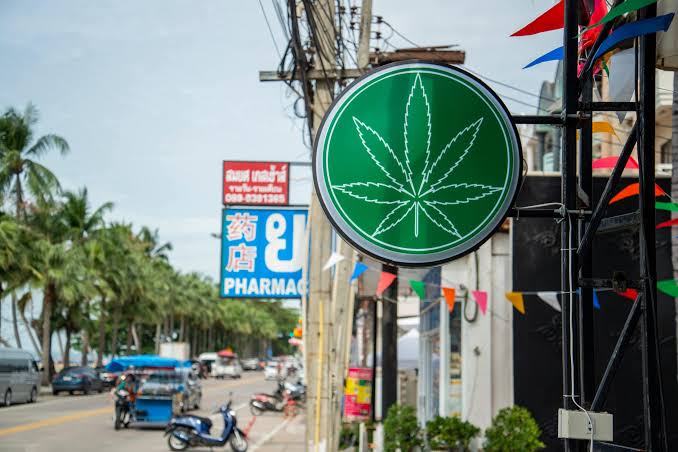
  • New Cannabis Bill to Shutter 50% of Khao San Dispensaries

    New Cannabis Bill to Shutter 50% of Khao San Dispensaries

    A new cannabis control bill is expected to force more than 50 per cent of cannabis shops around Khao San Road out of business, according to Sanga Ruangwattanakul, president of the Khao San Road Business Association.

    The restriction requires dispensaries to employ medical personnel to prescribe the drug at stores, costing operators an additional 30,000 to 50,000 baht per month.

    Endorsed by the cabinet this week, the bill restricts cannabis use to medical purposes in an effort to close regulatory gaps following Thailand’s decriminalisation in 2022.

    Operating Costs Squeeze Small Dispensaries

    Hiring qualified medical practitioners presents a cost hurdle and a staffing deficit. Sanga Ruangwattanakul, president of the Khao San Road Business Association, questioned whether the country has enough qualified personnel to staff dozens of small tourist-facing dispensaries. Retailers unable to absorb the salary burden must pivot to other commercial trades or exit the street entirely.

    Local hospitality operators already face a soft market. Average hotel occupancy in the district slipped to 50 per cent during the third quarter. Forward accommodation bookings for the approaching peak season trail historical projections. That leaves landlords and shop owners with diminished footfall.

    Aviation Bottlenecks Hit Long-Haul Travel

    Geopolitical tensions in the Middle East continue to disrupt transit routes run by Gulf carriers. Those airlines supply the bulk of European long-haul backpackers heading to central Bangkok. Direct flight alternatives from other carriers carry steep ticket prices because of elevated jet fuel costs and limited seat capacity across Asian corridors.

    High airfares hit budget travellers hardest. Hostels and mid-tier accommodations dominate Khao San Road. Local businesses are directly exposed when visitors curtail trip spending or cancel itineraries altogether. Luxury properties in central Bangkok remain insulated by contrast.

    These circumstances severely hinder operators in the Khao San area as most of them are hostels or mid-range accommodations, meaning guests are price-sensitive, compared with premium or luxury properties in other parts of Bangkok.

    Enforcement Gaps and Black Market Risks

    Retail trade groups argue that strict store rules could push transaction volumes back into unmonitored channels. The business association previously pushed for designated tourism zoning rather than blanket clinical mandates. Licensed storefronts keep sales out of residential zones while protecting underage consumers, the group argued.

    Uncertainty over store inspections also clouds compliance. Numerous storefronts claim a medical transition. Operator groups warned that without robust physical enforcement, unregulated sales will persist while compliant shops shoulder the overhead.

    Decriminalisation Reversal Enters Final Stages

    Thailand removed cannabis from its Category 5 narcotics list in June 2022. The decision created a retail dispensary boom across Bangkok, Phuket, and Chiang Mai. The absence of comprehensive follow-up legislation left thousands of independent stores operating in a legal vacuum for four years.

    Parliament will now review the bill to establish statutory penalties and police enforcement powers against unlicensed distributors.

  • Thai Cabinet Approves Medical Cannabis Bill with 3-Year Licences

    Thai Cabinet Approves Medical Cannabis Bill with 3-Year Licences

    The cabinet on Tuesday approved a cannabis control bill that will restrict cannabis and its extracts strictly to medical treatment and research.

    Public Health Minister Pattana Promphat said the legislation represents Thailand’s third attempt to plug regulatory loopholes since the country decriminalised cannabis in 2022, aiming to prevent abuse and protect youth.

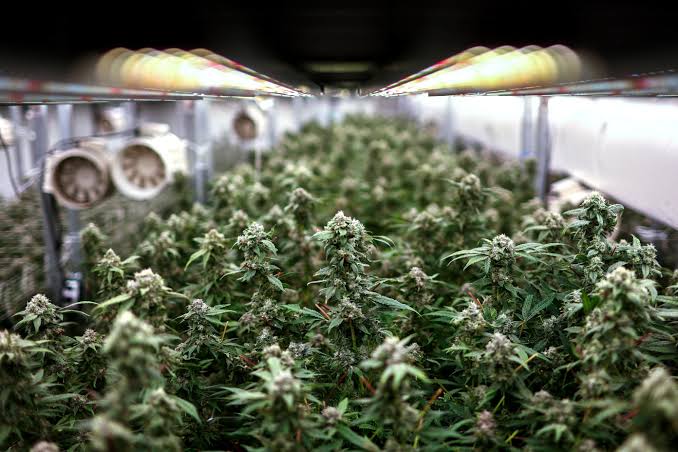
    Under the draft law, the cultivation, production, import, export and sale of cannabis will require three-year licences issued by the Department of Thai Traditional and Alternative Medicine, a regulatory shift expected to reduce the nation’s 11,000 dispensaries to about 2,000 approved clinics.

    Three-Year Licences and Strict Retail Zones

    Commercial operators face tightly restricted trading boundaries under the new framework. Dispensaries cannot operate near schools, university dormitories, temples, public parks, zoos or amusement parks, and retail transactions to buyers under 20 years old or pregnant women are banned entirely.

    Marketing channels will close as well. The bill outlaws all commercial advertising and promotional campaigns for cannabis buds, resin and consumption paraphernalia, penalising unauthorised commercial operators with criminal fines and prison terms.

    “This is to protect the health of people, especially children and youth, and prevent cannabis abuse,” said Public Health Minister Pattana Promphat.

    Clinic Conversions Squeeze Independent Operators

    For store owners, the shift from retail commerce to medical dispensing creates severe capital hurdles. Transitioning a lifestyle weed shop into a licensed health clinic requires retained medical staff, diagnostic oversight and clinical record-keeping systems that small operators cannot easily fund.

    Landlords in major entertainment districts face an immediate tenant shakeout. Prime commercial corridors in Bangkok, Phuket and Pattaya that filled vacant retail footprints with lifestyle dispensaries after 2022 will see substantial vacancy as uncertified storefronts exit the market.

    Supply Chain Realignment and Wholesale Pressure

    Growers and wholesale distributors must adjust output to pharmaceutical specifications rather than commercial recreational volumes. The requirement for three-year operating licences gives regulators direct control over production quotas and processing standards across local supply chains.

    Institutional healthcare networks stand to gain the market share surrendered by independent retailers. Hospital operators and licensed wellness clinics already possess the compliance infrastructure needed to handle regulated extracts and patient consultations.

    Legislative Route Since Decriminalisation

    The draft represents the third attempt by Thai lawmakers to regulate the sector since the government removed cannabis from the Category 5 narcotics list in June 2022. That move, overseen by current Prime Minister Anutin Charnvirakul during his tenure as health minister, eliminated criminal penalties without establishing statutory retail controls.

    Previous legislative efforts under both the Prayut Chan-o-cha administration and the subsequent Pheu Thai government under Paetongtarn Shinawatra stalled before reaching final enactment. The current bill cleared regulatory impact assessments and public hearings earlier this year before Tuesday’s cabinet endorsement.

    Parliamentary Debate Sets Three-Year Countdown

    Parliament will take up the draft legislation for readings and committee scrutiny before it passes into law. Public Health Minister Pattana Promphat estimated that the transitional clinic rules will reduce the country’s 11,000 storefronts to approximately 2,000 licensed medical operators over the three-year licensing cycle.

  • China Finds High Nitrite Levels in Malaysian Edible Birds Nests

    China Finds High Nitrite Levels in Malaysian Edible Birds Nests

    Chinese regulators discovered nitrite levels averaging 4,400 milligrams per kilogram in edible bird’s nests imported from Malaysia, sixty times higher than the national safety limit.

    The Zhejiang Provincial Administration for Industry and Commerce tested blood-red cubilose across 491 dealers before issuing the health alert. Under national rules, nitrite content cannot exceed 70 milligrams per kilogram. Investigators found that dealers applied chemical dyes to standard nests to sell them as rare blood-red varieties, generating elevated concentrations of nitrite, a compound linked to cancer risks.

    Tainted stock pulled from shelves

    Beijing Tongrentang Co. Pulled all edible bird’s nests from its retail counters in mainland China and overseas locations. The traditional Chinese medicine merchant enacted the withdrawal two days after Zhejiang officials issued their findings.

    Bird’s nests rank among the most expensive luxury food items in Asia, commanding prices up to 10,000 US dollars per kilogram in markets across China, Hong Kong and the United States. Premium wellness retailers face immediate margin disruption when quality failures occur in products sold specifically for health maintenance.

    Export supply lines under pressure

    Malaysia operates as the world’s largest supplier of edible bird’s nests and ships 95 per cent of its output directly to China. The test results in Zhejiang expose supply chain weaknesses in cross-border trade for unrefined animal secretions, putting pressure on upstream processors to prove product purity before goods clear Chinese customs.

    China’s State Food and Drug Administration has not issued a nationwide directive on imported cubilose, leaving retail buyers waiting for central border inspectors to set updated testing protocols.