Retail News CRM

Tag: retail rent

  • Hong Kong retail rents tipped to turn

    Hong Kong retail rents tipped to turn

    Hong Kong retail rents are tipped for a modest rise of up to 5 per cent this year according to a research report from real estate advisor Savills. But the authors, Nick Bradstreet, MD, head of leasing and Simon Smith, senior director, research & consultancy, noted that this year has already got off to a positive start. “Landlords and retailers are wary given current uncertainties surrounding trade, stock market valuations, a weak renminbi and rising interest rates among other factors,” said Bradstreet. “But early indications are that the year has got off to a positive start.”

    Smith added: “The well-observed shift towards higher same day mainland visitor numbers and lower per capita spending continued last year and we believe that this year can expect more of the same.”

    Both prime street-shop and shopping-centre rents remained flat last year and rental growth had all but ground to a halt by the fourth quarter due to a weak sales performance, the report said.

    However, the new cross-border bridge and rail link led to a 40.3 per cent year-on-year rise in same-day mainland visitor arrivals in November to 3 million. The number of mainland tourists actually rose during the first 11 months of last year by 14 per cent.

    Smith said the increasing number of same-day visitors and a weak renminbi meant lower per-capita spending and unchanged retail rents by year end.

    “Retail sales growth decelerated to only 1.4 per cent in November, the slowest growth rate registered since June 2017; yet most retailers reported a better-than expected performance over the Christmas holiday period.”

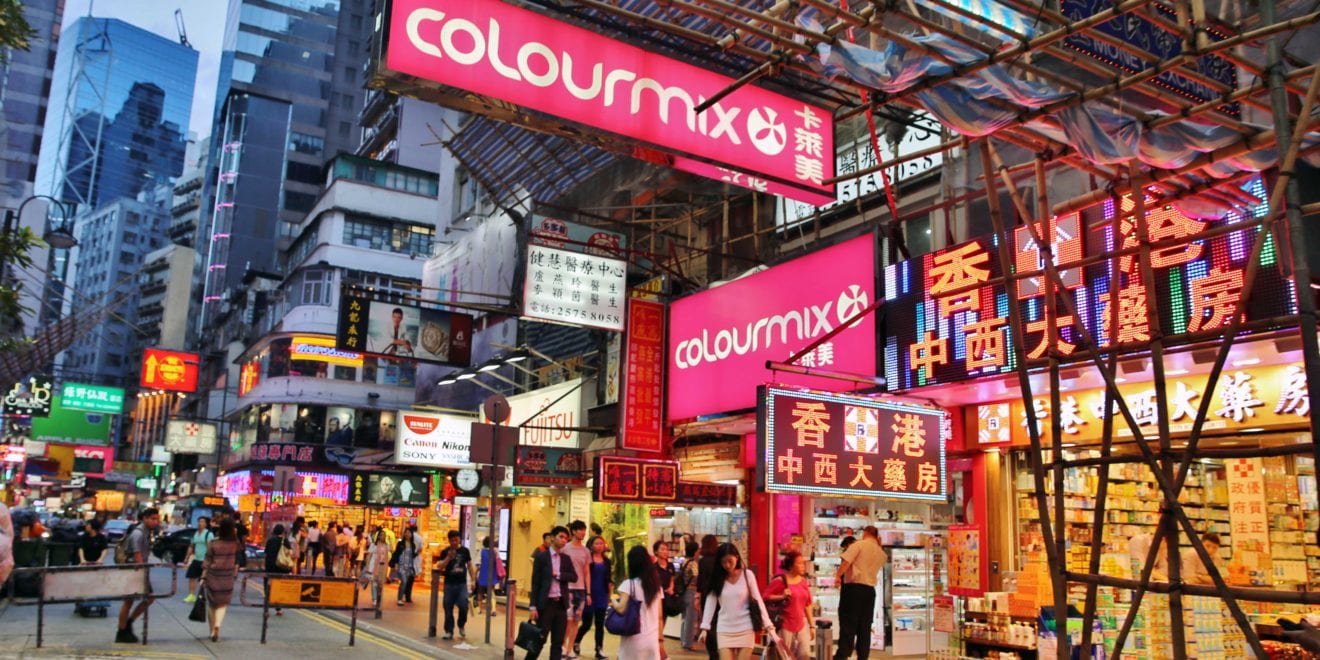
    Thanks to the strong tourist demand, cosmetics and personal care products retailers are expanding rapidly in popular tourist districts such as Causeway Bay, Tsim Sha Tsui and Mong Kok. Food and beverage stores benefited, too, the report said.

    On the contrary, the fourth quarter saw zero rental growth over the previous quarter in prime street shops in most districts, except Tsim Sha Tsui (down -0.9 per cent quarter on quarter). Whilst shopping malls in Kowloon were largely responsible for the marginal decrease with a negative 0.3 per cent change over the third quarter, mall rents remained unchanged on Hong Kong Island and in the New Territories.

    “As a total of 2.3 million sqft of new supply will come on stream this year – the highest level since 2006 – the market fundamentals are expected to remain relatively stable.

  • The world’s most expensive retail street is not in NYC anymore

    The world’s most expensive retail street is not in NYC anymore

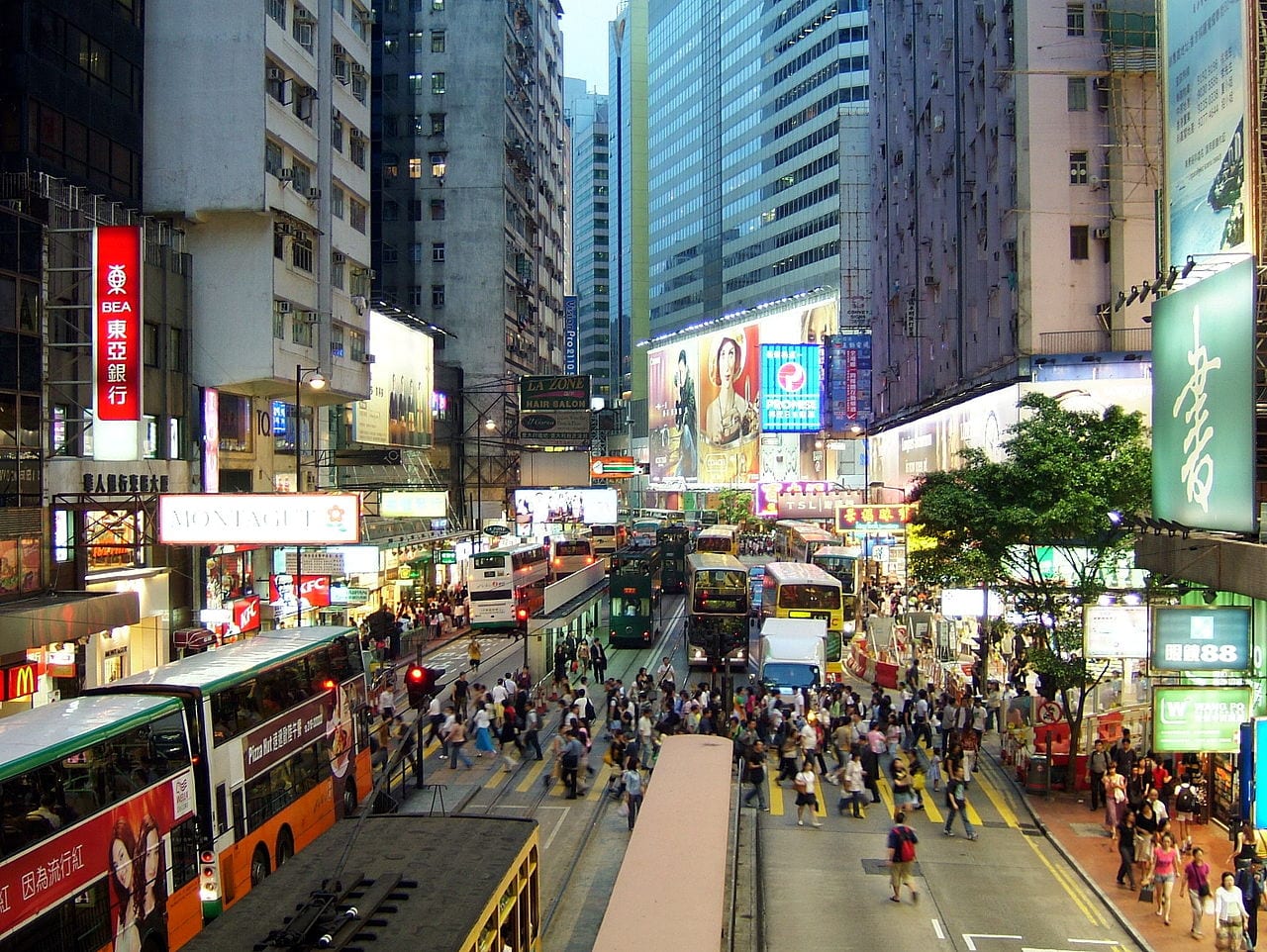
    Russell Street in Hong Kong’s Causeway Bay district has replaced New York’s Upper 5th Avenue as the world’s most expensive retail street by rental value, according to property consultants Cushman & Wakefield. For the first time in five years, the city has regained the crown, with average annual rents of US$2,671 per square foot (HK$20,953) despite a small decline of 1.5 per cent in average rents, according to the company’s annual Main Streets Across the World report.

    This was also the sixth time Causeway Bay has had the distinction of being named the world’s most expensive retail location.

    The report, now in its 30th year, tracks 446 of the top retail streets around the globe, ranking them by their prime rental value as of the second quarter of 2018.

    Upper 5th Avenue in New York slipped to second place globally, with average annual rents of US$2,250 per sq ft compared with US$3,000 per sq ft in the previous 12-month period as vacancy increased. The report said rents had fallen by 25 per cent because of the increased vacancy.

    London’s New Bond Street meanwhile is the most expensive European location and third globally. Annual rents here were broadly flat year-on-year at US$1,744 per sq ft, underlining the fact that luxury and high-end retailers still see the UK’s capital as a key retail destination.

    Beijing’s Wangfujing has become the most expensive street in China, with rents on average costing US$482 per sq ft a year, ranking 11th worldwide.

    “The retail market in Hong Kong has experienced a rebound over the last year, driven mainly by a return of mainland Chinese tourists,” said Kevin Lam, Cushman & Wakefield’s head of retail services for Hong Kong.

    Maureen Fung Sau-yim, executive director of Sun Hung Kai Real Estate Agency, said the number of mainland tourists would remain high if the yuan fell further.

    Fung manages 38 shopping malls with a gross floor area of 10 million square feet in Hong Kong and mainland China.

    One of them, APM, in Kwun Tong, was among the first to introduce round-trip direct buses from the mall to Zhuhai and Macau.

    “Since the opening of the Hong Kong-Zhuhai-Macau Bridge on October 24, APM has been running 780 round-trip direct buses to Zhuhai and Macau, serving 25,000 passengers, in which 80 per cent of them are Macau tourists who came for a one-day tour,”she said on Wednesday.

    Each of these visitors spends between HK$500 and HK$800, mainly on dining, cosmetics, and personal care.

    “APM aims to draw as many as 100,000 monthly visitors to the mall. Extra part-time staff are being hired to support the new demand,” adds Fung.

  • Hong Kong retail rent rises (too) fast

    Hong Kong retail rent rises (too) fast

    Prime Hong Kong street-shop rents rose 4 per cent in the first three quarters of this year, ahead of the up-to 3 per cent rise prediction by Savills a year ago. In a third-quarter real estate briefing released yesterday, Savills said shopping-centre retail rents, which Savills expected would fall as much as 5 per cent, have actually risen 2 per cent year to date.

    Savills expects prime Hong Kong street-shop rents and shopping centre rents will rise by about 2 per cent next year.

    “In the retail market, despite the headwinds of a weaker RMB, more competition from regional cities and elevated new supply in the New Territories, rents will rise modestly,” the company predicted.

    “New infrastructure in the form of the High Speed Rail Link and the Macau Bridge will improve accessibility for mainlanders, while domestic consumption expenditure is expected to remain reasonably robust. Online retail continues to make limited gains in the Hong Kong market.”

    Savills said prime street shops proved the only real estate category in Hong Kong to post a decline in sale value on a per square foot basis, falling 3 per cent – a stark contrast to the 10-12 per cent rise in flatted factories and warehouses, and 8 per cent rise in luxury apartments.

    The company predicts prices for prime high street shops are likely to fall by up to 5 per cent next year.

  • Hong Kong still tops Asian retail rent rankings

    Hong Kong still tops Asian retail rent rankings

    Tokyo’s Ginza has overtaken Sydney into second spot behind Causeway Bay in the latest DTZ/Cushman & Wakefield Asian retail rent rankings.

    The annual Main Streets Across the World report tracks 462 of the top retail streets around the globe, ranking them by their prime rental value.

    Globally just 36 per cent of the markets witnessed an increase in rent rates, a reflection of the growing power of eCommerce and economic challenges in many economies around the world.

    New York’s Upper 5th Avenue, which saw its first decrease in annual rents per square foot since the financial crisis, and Causeway Bay remain more than twice as expensive as the leading street in any other country. So while Causeway Bay rents fell year-on-year, it had no impact on its ranking.

    But DTZ/Cushman & Wakefield says the downward pressure on Hong Kong retail rents is creating an opportunity for some retailers looking to snap up units on prime pitches in good rental terms.

    In Asia, Beijing’s Wangfujing has lept two places into eighth at the expense of Guangzhou’s Ti Yu Zhong Xin District, and Kuala Lumpur’s Pavilion has fallen one spot to 12th. Ho Chi Minh City in Vietnam has jumped two spots to 14th and is now more expensive than Auckland, Nanjing and New Delhi.

    DTZ/Cushman & Wakefield commentators say advances in technology will shape the consumer experience of retail as well as drive the way how people shop and live in the future, placing more pressure on retail rents.

    “We have seen an increasing number of retailers in Hong Kong continually enhance shoppers experience through leisure offerings and differentiate their market positions to maintain competitiveness under the impact of eCommerce disruption,” said Kevin Lam, DTZ/Cushman & Wakefield’s head of business space, Hong Kong.

    Key fact APAC

    “Though we could see that some high street rents were close to the bottom in Q3, eCommerce disruption so far on rents is rather indirect in view of close proximity in Hong Kong.”

    Elsewhere, Chinese brick-and-mortar retailers are facing stiff competition from the growing eCommerce market and the emerging trend is to partner with online-to-offline platforms in an attempt to capture these changing trends in consumer behavior. In parallel, both retailers and landlords are raising the bar on the experience offered to consumers by expanding the food and beverage and leisure offerings.

    Theodore Knipfing, Cushman & Wakefield’s, head of retail, Asia Pacific, says retailers continue to be cautious in their store expansion across the region due to concerns including continued global economic instability, and this will continue well into 2017.

    “When expansion does happen, the focus is typically on quality over quantity. All in all, despite the cautious outlook across the region, major international and regional retailers will have to eye overseas growth, as their respective domestic markets reach saturation point and investors demand results.”

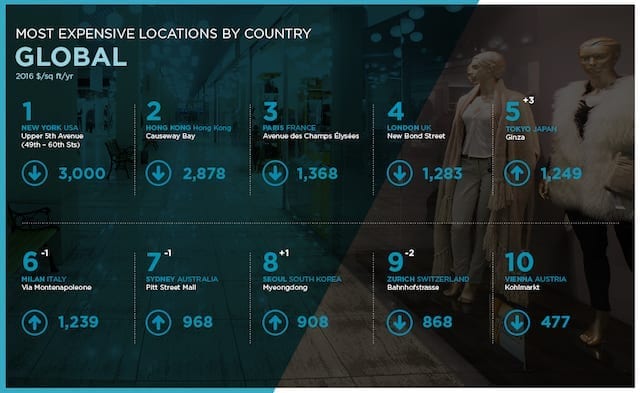
    Most expensive locations by city Pacific chart

    Global rankings

    In the global rankings, the Champs Elysees in Paris comes third followed by New Bond St, London, Tokyo’s Ginza and the Via Montenapoleone in Milan. Pitt St mall in Sydney is seventh followed by Seoul’s Myeongdong district, the Bahnhofstrasse in Zurich and Vienna’s Kohlmarkt.

    global

  • Retail space vacancy expands 8.4% in Q3

    Retail space vacancy expands 8.4% in Q3

    It is the highest vacancy level since 1Q11.

    Island-wide, overall vacancy for retail spaces rose 8.4% in 3Q16, recent figures from Urban Redevelopment Authority showed. According to CIMB, this has been the highest level since 1Q11.

    The brokerage firm noted that well-positioned malls integrated with major transport nodes will continue to withstand this waning demand for retail spaces.

    CIMB noted that this was manifested by the portfolios of CapitalLand Mall Trust, Fraser Centrepoint Trust, Mapletree Commercial Trust and SPH REIT.

    “We expect retail landlords to focus on F&B and retail-tainment/lifestyle offerings to combat the drop in consumers’ purchasing power,” the firm argued.

  • Manhattan Trumps Hong Kong as World’s Most Expensive Retail Market`

    Manhattan Trumps Hong Kong as World’s Most Expensive Retail Market`

    CBRE’s semiannual Global Prime Retail Rents Report found that prime retail rents grew 3.7 percent globally in the second quarter of 2016 from a year earlier, buoyed by consumer confidence in the U.S. and limited supply in Europe’s top retail markets. Regionally, prime rents grew the most in Europe, the Middle East and Africa (up 6.2 percent), followed by the Americas (up 3.9 percent) and Asia (2.1 percent). The report covers more than 90 markets across the globe.

    Prime rents are the highest achievable rents for a retail storefront in a market’s best location with the best quality and specifications of space.

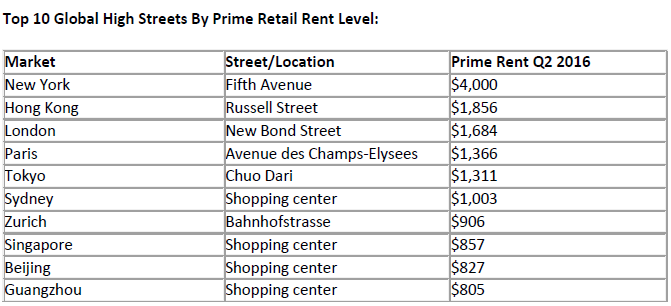
    The perennial top markets for global retail showed substantial divergence in the past year. Prime retail rents on New York’s Fifth Avenue between 56th and 58th streets increased by 14.3 percent in the past year to $4,000 per square foot per year as of this year’s second quarter. Meanwhile, prime rents on Hong Kong’s Russell Street declined by 33 percent to $1,856 per square foot per year amid a slowdown in tourist arrivals from the Chinese mainland and more prudent spending by locals.

    “The cooling off of China’s economy has manifest itself in sharply lower rents in Hong Kong, which has allowed a new crop of retailers to enter the coveted city,” said Anthony Buono, Chairman of CBRE’s Global Retail Executive Committee. “At the same time, prime retail rents in New York can remain stable, but in the near term we will see more landlord concessions to accomplish rate stability. London, however has such scant supply of available prime space that its strong rent growth is likely to continue.”

    In Manhattan, many international and domestic retailers alike are willing to make substantial investments to establish a presence for their brand on the world stage of Fifth Avenue’s priciest blocks. Others are content to gravitate to nearby submarkets that are less expensive but still highly coveted as retail showcases, such as Times Square, Downtown Manhattan and Brooklyn.

    “New York’s high streets have gone through a dramatic evolution in recent years, with rates rising strongly amid a rather ebullient market running from 2013 to late 2015,” said Andrew S. Goldberg, a Vice Chairman of Retail Services in CBRE’s New York City office. “Over the past year, the market has cooled a bit, with increasing availability and more concessions, but it remains resilient. Manhattan, and Fifth Avenue, in particular, is a global showcase where the world’s top brands want to be.”

    Top-10-Global-High-Streets-By-Prime-Retail-Rent-Level.png

    In terms of growth or prime retail rents in the past year, Europe is the story. Half of the 10 fastest growing prime retail rents in the past year came in European markets, led by London with a 53.8 percent increase. The few spaces that come available on London’s high streets are pursued by numerous aspiring lessees, resulting in steep rents.

    Other European markets among the top 10 for prime rent growth are Rome (28.9 percent increase); Milan, Italy (20 percent); Sofia, Bulgaria (12.5 percent); and Warsaw, Poland (11.1 percent). Asia Pacific landed two markets in the top 10: Auckland, New Zealand (23.7 percent) and Sydney, Australia (14 percent). The Middle East had one: Dubai (12.5 percent). And the Americas had two: New York (14.3 percent) and Seattle (11.1 percent).

    Other notable U.S. markets reflected as gainers in the report include Chicago (9.4 percent increase); Washington, D.C. (8.7 percent); Denver (7.7 percent); and San Francisco (3.8 percent). The only major U.S. market to register a decline in its prime retail rent was Miami, which posted a 7.1 percent loss on tempered tourism from Latin America due to challenged economies there.

  • High street rents go, well, sky-high

    High street rents go, well, sky-high

    Current retail thinking that the high and the low ends are driving the industry has gotten a boost from CBRE Group.

    High street rents are off the charts worldwide, according to company’s just-released Global Retail Rents report. Rents in prime shopping locations during the second quarter were up 30% in Rome, 24%, 20% in Milan, and 14% in Sydney and New York.

    New York’s Fifth Avenue remained the prime of “The Prime,” with an average per-sq.-ft. rent of $4,000. Next in CBRE’s tally came Hong Kong’s Russell Street at $1,856, London’s New Bond Street at $1,684, and Paris’s Avenue des Champs-Elysees at $1,366.

    Interestingly, rents on Russell Street posted the biggest decline from second quarter 2015, plummeting 33%. The reason, according to CBRE: Fewer tourists from Mainland China and economizing locals.

    “The cooling-off of China’s economy has manifested itself in sharply lower rents in Hong Kong, which has allowed a new crop of retailers to enter the coveted city,” said Anthony Buono, chairman of CBRE’s Global Retail Executive Committee. “At the same time, prime retail rents in New York can remain stable, but in the near term we will see more landlord concessions to accomplish rate stability.”

    Rents on New Bond Street are like to keep rising, Buono added, due to a scant supply of prime retail space in London.

  • Sa Sa seeks cheaper rent

    Sa Sa seeks cheaper rent

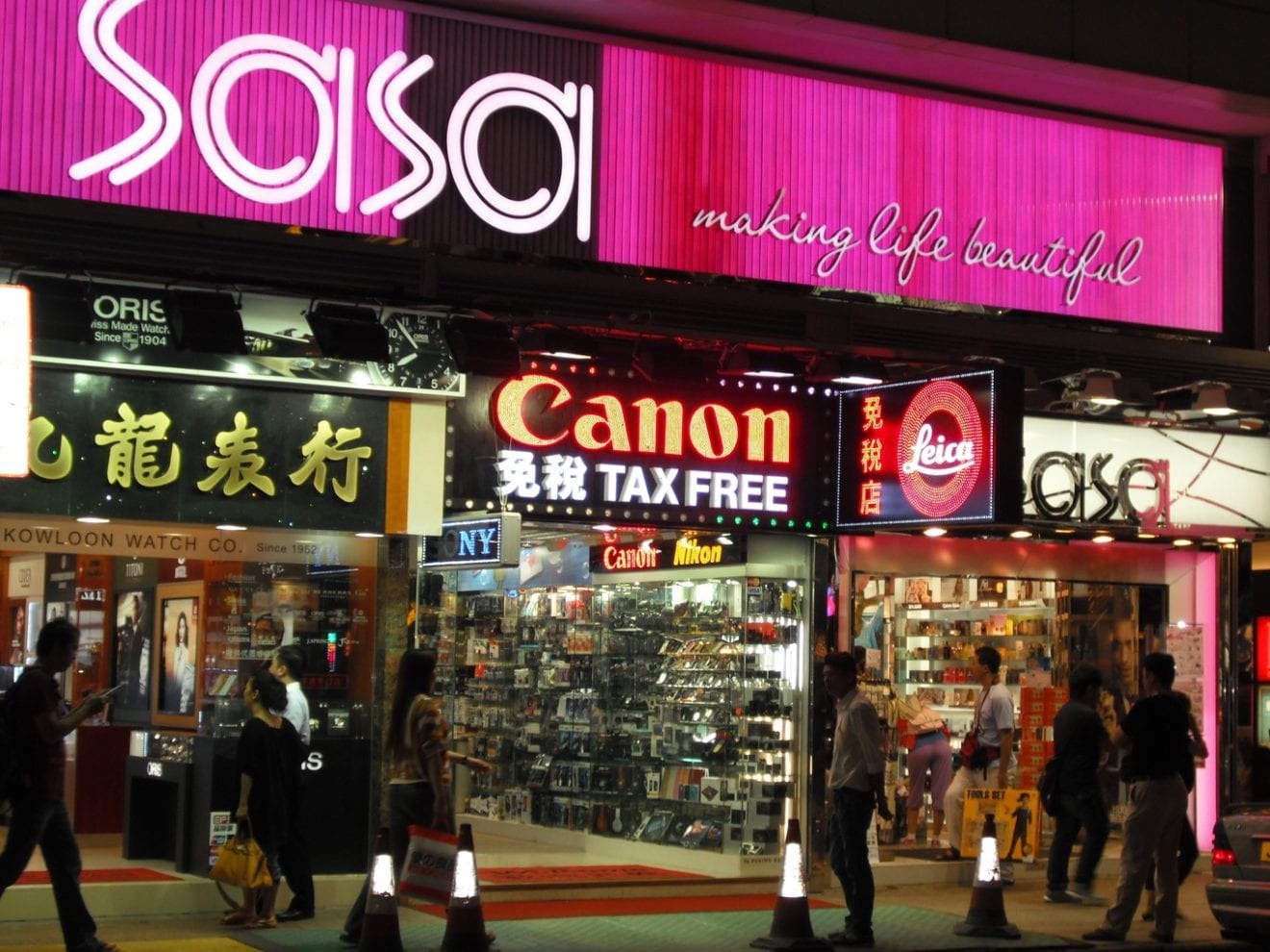
    Twilight has come for the retail industry in Hong Kong, said cosmetic outlet operator Sa Sa International (0178) chairman Simon Kwok Siu-ming, although he remains optimistic of better days ahead.

    The week-long national holiday saw improved sales for the firm, and he hopes the uptrend is sustainable for the rest of the year, especially during Christmas and New Year high season. Regarding the mainland tax reform on luxury cosmetics, with the Chinese government cutting taxes from 30 percent to 15 percent starting this month, Kwok said it came unexpectedly, and it’s too early to determine its impact on Sa Sa.

    But he expressed confidence in Hong Kong products. “I think it is more important to know that authentic and quality goods can be bought here,” he said.

    Kwok noted Sa Sa managed to open several outlets in recent months. But under pressure to reduce operating costs, he hoped shop rents can come down to reasonable levels soon, so that there will be no staff layoffs or pay reductions.

    Sixty percent of Sa Sa sales came from neighborhood areas, and the retailer said earlier it will shift away from the tourist areas if landlords refuse to slash rents.

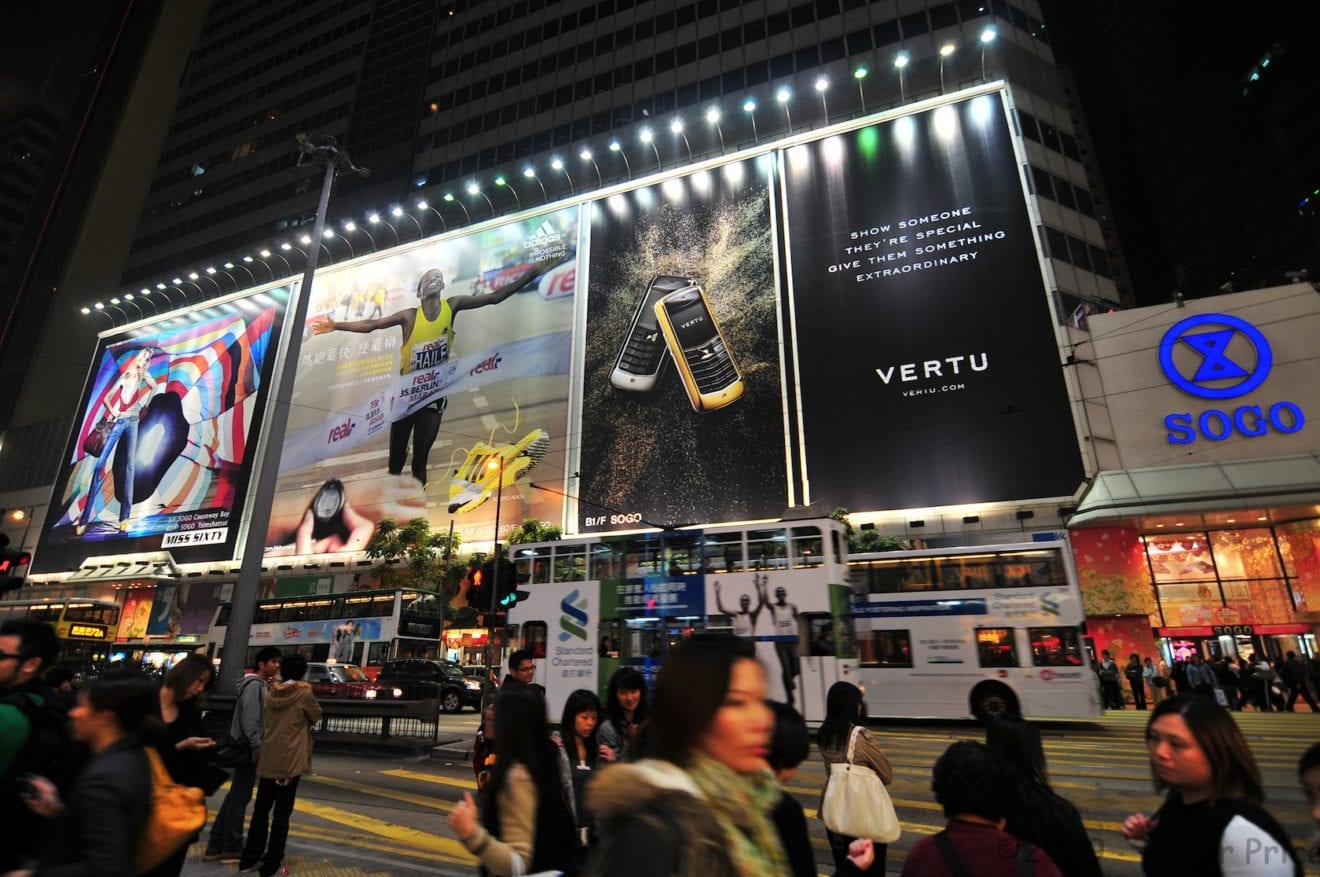
    But Kwok said the firm was able to find cheaper outlets, as a contract was renewed at a site opposite the Sogo store in Causeway Bay at 60 percent lower monthly rent of HK$800,000.

  • Singapore retail rents slip over latest quarter

    Singapore retail rents slip over latest quarter

    Singapore retail rents slipped during the last quarter – but experts say the outlook is not too grim.

    According to Edmund Tie & Company Research, average monthly retail gross rents across the island eased by 1.2 per cent quarter-on-quarter to about $29.30 per sqft in the three months to September 30. This was 9.6 per cent lower than its peak in the first quarter of 2015, when the average monthly gross rent was about $32.40 per sqft.

    “The decline was primarily due to a subdued economic growth forecast, as well as job cuts across various industries that led to weaker consumer sentiments,” the company said.

    According to the Ministry of Manpower in September, the total number of workers made redundant in the second quarter of 2016 rose by 2 per cent quarter-on-quarter and 48 per cent year-on-year to 4800 workers.

    Rents in the other city areas led the overall rental decline in the latest quarter, falling by 3 per cent to about $20.10 per sqft per month. This was followed by the suburban areas, with average monthly gross rents declining by 1.5 per cent to $30.60.

    Orchard Rd holds firm

    Retail rents in Orchard and Scotts Rd precinct, however, stayed unchanged at $37.20 per sqft,

    notwithstanding the slower economy and fears over the impact on tourism of the spread of the Zika virus.

    “The resilience of this district was supported by the lack of new retail developments. While retailers in Orchard/Scotts Rd face strong competition for tourist dollars from regional countries, renowned global brands and local retailers are still attracted to set up shops there. The recent opening of several high-profile flagship stores in the area has further enhanced Orchard/Scotts Rd’s position as one of the top shopping attractions in South East Asia,” said Edmund Tie.

    “Overall, we anticipate the decline in rents to moderate in 2017, barring any external shocks. Landlords and retailers are adapting to the challenges by integrating technology with their physical stores to manage manpower constraints and tap on the growing eCommerce market.” The company cited the upcoming OUE Downtown Gallery along Shenton Way which will introduce a 11,000 sqft “trend gallery” comprising pop-up stores and retail counters on the first-storey, and a 4000 sq ft “social kitchen” fitted with 10 cooking stations available for bookings on the third-storey.

    A new F&B concept will also be introduced, whereby diners place their food orders via a mobile app. The food is prepared in a central kitchen and is subsequently placed in an assigned locker for diners to collect at a specified time. This significantly reduces the amount of leasable space required by the food establishment, as well as its reliance on manpower.

    In addition, the upcoming Singapore Post Centre in 2017 and the newly revamped Funan mall in 2019 will be introducing hands-free shopping. Shoppers will be able to browse through the products in-store, purchase the product and arrange for the product to be delivered directly to their homes. Not only does this provide greater convenience for shoppers, it also allows retailers to save on storage space in their physical stores, as logistic arrangements are done in the warehouse.

    “Separately, there is also a trend towards Click-to-Brick, where the shopping is done online and the merchandise is collected in the shops. Retailers that allow consumers to click-and-collect include Harvey Norman, Courts, NTUC, Decathlon, and Tangs.”

    Too early to write off brick-and-mortar

    Despite eCommerce gaining traction, Dr Lee Nai Jia, Edmund Tie & Company’s Southeast Asia head of research, believes it is too premature to write off the brick-and-mortar retail sector.

    “In order to remain competitive, landlords and retailers are continuously looking for ways to improve their business models and remain adaptable to challenges. Many landlords and retailers are making use of big data analytics to understand the underlying purchasing psychology, which helps them to redefine their marketing strategies to better cater to their customers’ needs.

    “Additionally, retailers are introducing experiential shopping and new retail concepts to increase footfall and encourage in-store sales. They offer hands-on activities for customers to experience at their physical stores. For example, Uniqlo’s SEA flagship store at Orchard Central will be reeling in Singaporean creatives and talents to hold a wide range of workshops in its three-storey flagship store. Similarly, K+ at Scotts Square and Naiise outlets at The Cathay, Orchard Gateway and Clarke Quay Central also provide dedicated spaces for workshops within their stores,” said Jia.

    “While it is still too early to judge the effectiveness of experiential retail in increasing footfall and in-store sales in Singapore, the concept has worked well for some brick and mortar retailers in the US, which saw eCommerce gaining an increasing foothold in the retail industry. A case in point was the success of Whole Foods in the US, which built on its success by creating personalised rewards and in-store experiences, including cooking classes, juice and coffee bars and consultations with nutritionists.”

  • Singapore retail rent decline worsens

    Singapore retail rent decline worsens

    The Singapore retail rent decline gathered pace in the last quarter according to data from Edmund Tie & Company.

    In the second quarter, retail rents across the board fell by 3.9 per cent quarter-quarter.  That was double the 1.9 per cent decline of the preceding quarter.

    Amid weaker demand, occupancy levels also dipped, falling by 0.5 percentage points quarter-on-quarter to 92.2 per cent.

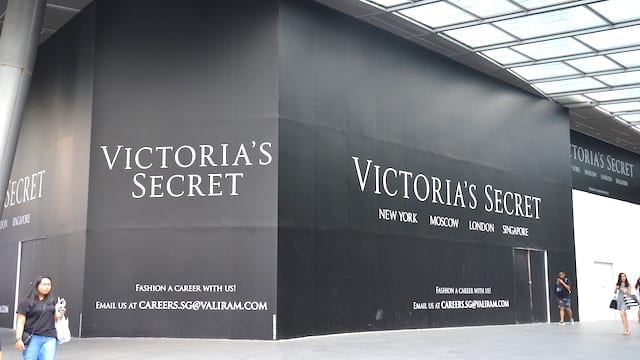
    “In light of declining rents, several established retailers have taken – or are taking – advantage of the lower rents to reinforce their brand presence in Singapore through flagship stores,” the company’s quarterly review said.

    These include:

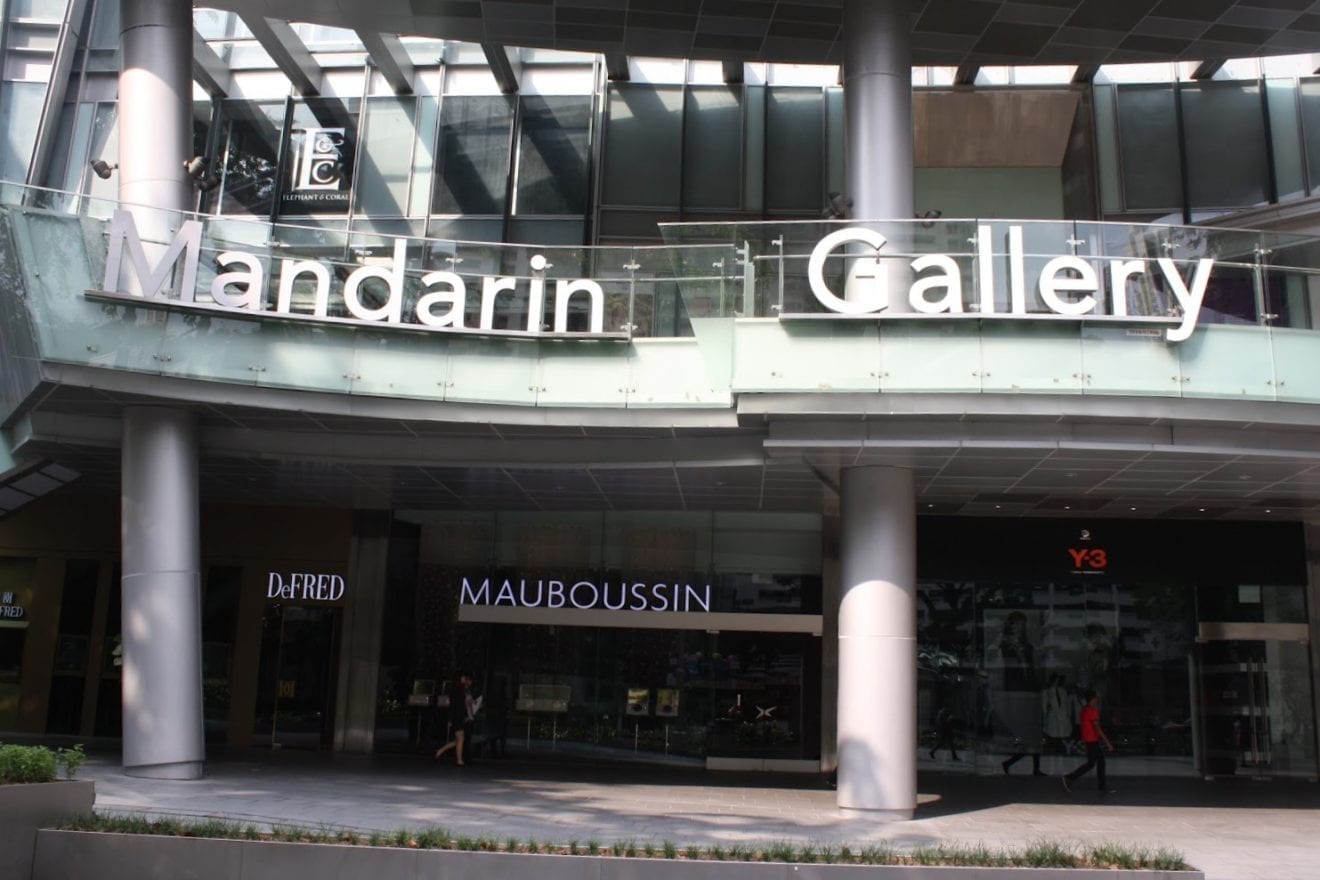
    • Choo Yilin at Mandarin Gallery.
    • HP at Marina Square.
    • Christian Dada at 268 Orchard.
    • Victoria’s Secret at Mandarin Gallery.
    • Uniqlo at Orchard Central.
    • Michael Kors at Mandarin Gallery.

    victoria secret

    “As the sector undergoes bouts of restructuring, retailers are also constantly reinventing themselves to reach out to the rising number of technological-savvy consumers. This includes the recent launch of digital wallets (eg: Apple Pay, Samsung Pay, Android Pay) which a string of established retailers have adopted, including Starbucks, Uniqlo, NTUC FairPrice and Cold Storage.”

    Headquartered in Singapore and supported by offices in Kuala Lumpur and Bangkok, Edmund Tie & Company is an established real-estate consulting firm that operates across Malaysia, Thailand and other countries in Southeast Asia.

  • Short term lease boom

    Short term lease boom

    Growing ranks of Hong Kong landlords are renting out retail space for as little as 90 days to ride out the downturn.

    The number of short term Hong Kong leases has risen sharply since November, according to property agent Midland IC&I.

    The trend began in the lead up to the Christmas-New Year retail peak when landlords opted to have tenants for a short term in preference to forgoing any rent at all.

    Now, in the lead-up to Lunar New Year, the trend has continued as retailers look for opportunities to optimise sales in a peak spending season – and landlords are happy to achieve a return on otherwise empty space.

    The most likely retailers to sign up are jewellers – the hardest hit by the changing demographic of Mainland Chinese tourists – and apparel brands creating pop up stores.

    Retailers are securing space for as little as three months while landlords are achieving about 70 per cent of the normal rent they would have received prior to the retail downturn kicking in.

    Midland IC&I CEO Wong Hon-shing told the Hong Kong Economic Journal retail tenants liked the flexibility of being about to exit the space with as little as seven days’ notice.

    The HKEJ said brands to take advantage of the new environment include Bossini, Tse Sui Luen Jewellery and Colombia. It reported TSL was paying about $350,000 a month for space in a three month lease set to end in February after the Lunar New Year.

  • Bangkok retail market to increase more than 1 million sq.m.

    Bangkok retail market to increase more than 1 million sq.m.

    The entry of new local and international retailers, combined with a challenging economic outlook and weak consumer sentiment is all adding up to the mix.
    Despite a slowdown in retail sales, there is currently 1.1 million sq.m. of retail space under construction in Bangkok, which will bring the total completed supply in 2017 close to 8 million sq.m.
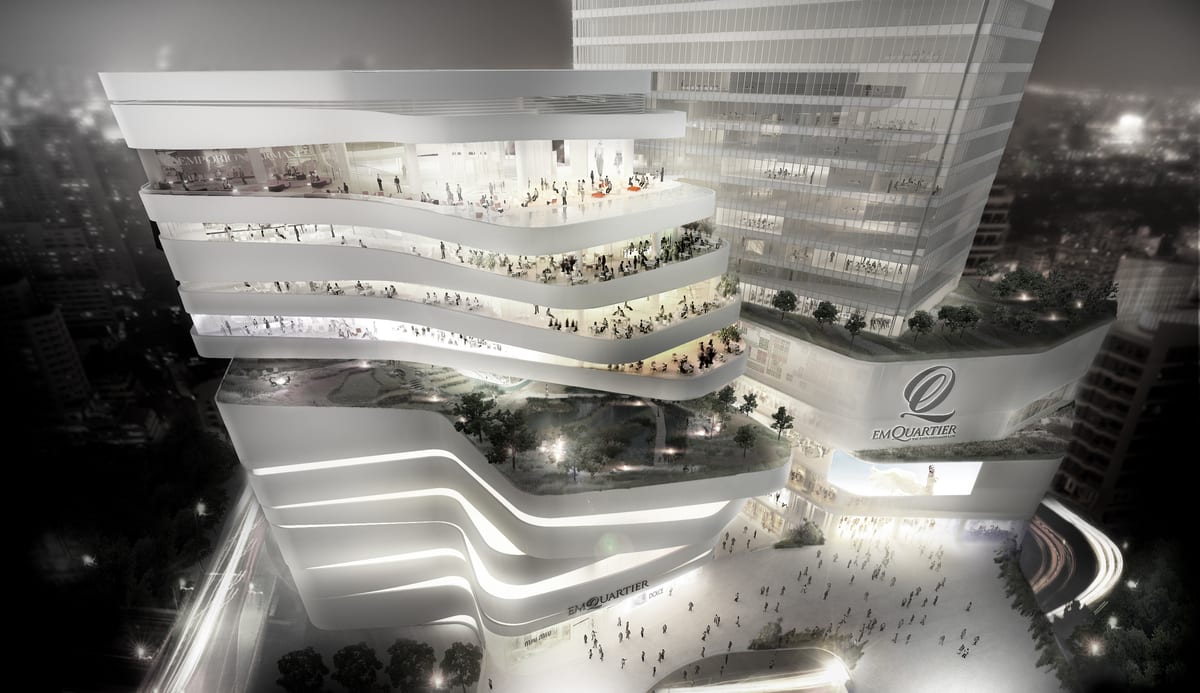
    Within the CBD, the latest major retail developments to open are EmQuartier and Central Embassy, intensifying competition for existing malls such as Siam Paragon, Gaysorn and CentralWorld.

    In addition, big developers continue to renovate their downtown retail centres such as Siam Discovery and MBK.

    Bangkok retail market, EmQuatier
    As the major retail centres are chasing after the same group of consumers, retail events and promotions have become ubiquitous

    As the major retail centres are chasing after the same group of consumers, retail events and promotions have  become ubiquitous leading to a cut-throat competition and heighted promotion campaigns, particularly gearing up to the festive season where consumer spending typically peaks.

    The expansion by major retail developers to suburban areas may also in part draw consumers away from CBD malls, although the impact may be limited.

    Bangkok’s suburban areas today are well served by quality retail centres, reducing the need for consumers to travel into the CBD.

    To the North, Zpell@Future Park has just opened on 27th November. Opened on the same day in Eastern Bangkok on Ekamai-Ram Intra is Central EastVille, adding competition to existing malls in the area such as Crystal Park and Crystal Design Centre.

    The Mall Group is also currently planning The Bangkok Mall on Bangna-Trad which is expected to be completed in 2017. To the West, CentralPlaza WestGate recently opened in August in the Bang Yai area, adding a major retail centre to an area where there have been limited retail developments.

    The Riverside will also get its own luxury shopping complex in 2017 with the opening of IconSiam which will comprise a 500,000 sq.m. retail and entertainment complex, part of which includes a 36,000 sq.m. 7-floor Takashimaya department store from Japan which will be Thailand’s first.Amidst this competition, the segment that will find most challenging is community malls.

    Community malls will be forced to adjust their strategies and have clear unique selling points and propositions to draw in consumers; otherwise they are likely to be overshadowed by major retail developments that have a bigger events and promotions budget.

    It is essential for community mall developers to understand their target consumers’ needs and retain anchor tenants in order to compete in the long-term.

    The plus side of the retail expansion is that it will create room for both domestic and international retailers to expand to suburban areas.

    International fashion brands such as H&M, Uniqlo, Aldo and Charles & Keith have already expanded to CentralPlaza WestGate.

  • High-end retailers in China no longer have the luxury of time

    High-end retailers in China no longer have the luxury of time

    In the heart of Guangzhou’s Yuexiu district, the shopping centre La Perle is a symbol of luxury living in the southern mainland city.

    The high-end shopping mall, which opened in January 2004, has long been the first stop for many international brands seeking to conquer China market.

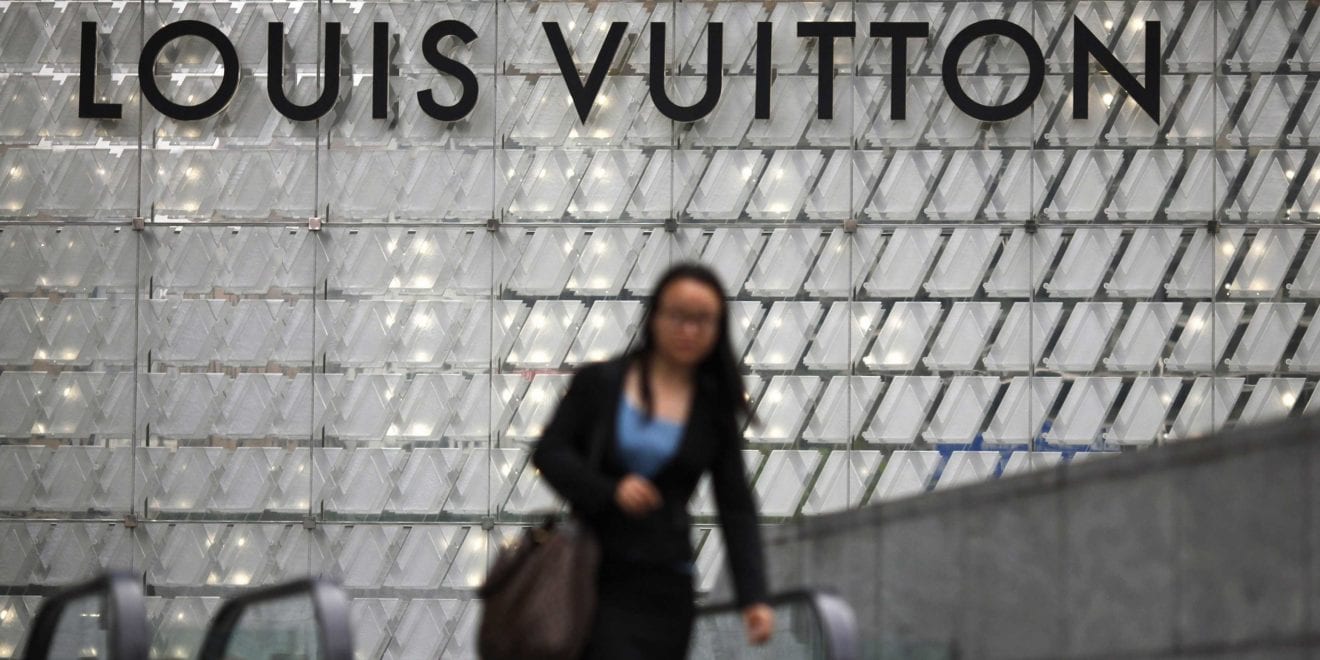
    But times are changing. A few weeks ago, La Perle lost one of its biggest tenants. Louis Vuitton. The French luxury retailer closed its store on the ground floor saying it would not renew its expired lease.

    This followed the shutting down of the two other LV stores – in the northeastern city of Harbin and the western city of Urumqi.

    The brand said the closures were part of a marketing strategy adjustment by headquarters.

    It’s a strategy that appears to have been taken on by many other international luxury brands.

    Following ten years’ aggressive expansion in China, they have been shrinking their physical presence in the nation to adapt to a cooling market plagued by a slowing economy, an ongoing anti-corruption campaign and Chinese buyers’ increasing overseas purchases.

    The Fortune Character Institute, a Shanghai-based market research unit, forecasts mainland luxury sales to grow 3 per cent to US$25.8 billion this year, much slower than the 11 per cent in the recovering global market.

    A study by the institute found that although Chinese shoppers consumed 46 per cent of luxury goods around the world, their purchases in their home market accounted for only 10 per cent of global sales, falling from 11 per cent in 2012 and 13 per cent in 2013.

    The sluggish growth is reflected in the expansion plans of luxury brands. They are opening fewer new stores and closing more.

    During the past two years, Burberry closed four stores on the mainland, Coach shut two, Hermes one, Armani five, and Prada went from 49 to 33.

    Regina Yang, of real estate consultancy Knight Frank Shanghai, said store consolidation would continue, especially in smaller cities.

    “Now the luxury brands do not need two or three outlets in one city. Those having three outlets will be cut to one,” said Yang.

    The situation is no better in Hong Kong, which relies heavily on mainland shoppers’ spending.

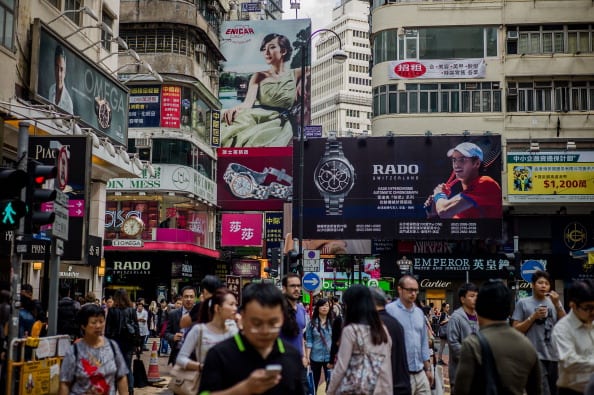
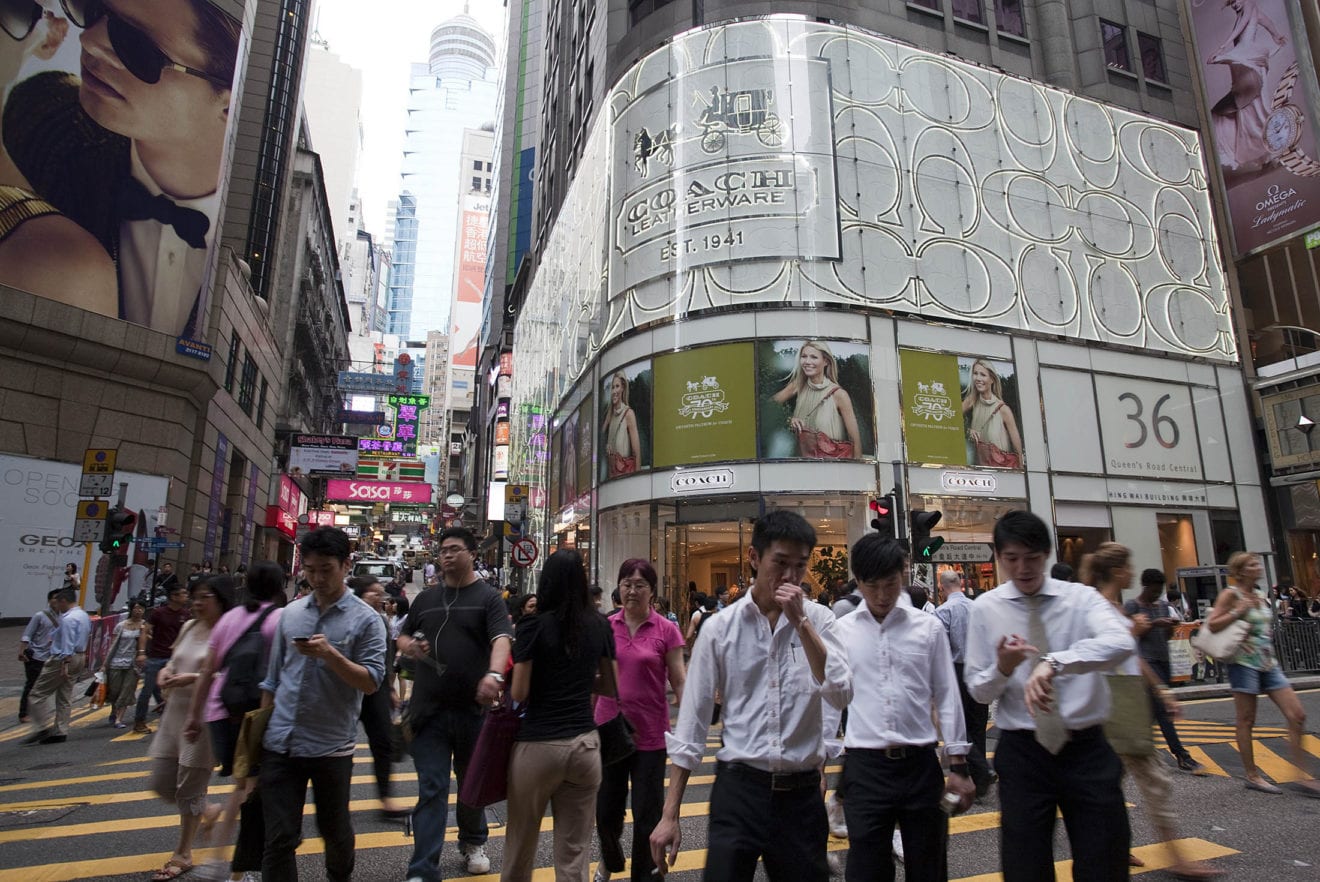
    In August, TAG Heuer, the expensive watch brand under LVMH, closed its Causeway Bay store while Coach closed its flagship store in Central due to high rent pressure and a falling number of mainland tourists.

    Store openings are no longer a major way for international luxury brands to expand in the China market

    Zhou Ting, Fortune Character Institute

    “Store openings are no longer a major way for international luxury brands to expand in the China market. Over the next two years we expect these brands to close even more stores than before,” said Zhou Ting, director of the Fortune Character Institute.

    “But if you think luxury brands are taking a totally defensive strategy in China, you would be wrong. The closures are only a small part of a thorough strategy adjustment they are undertaking in China.”

    While closing smaller and underperforming outlets, the top brands are investing more resources to upgrade and expand other stores and are even venturing into different industries to attract local shoppers. Considering Chinese buyers’ preference to shop online, they are also building e-commerce channels and closing price gaps between China and foreign markets to retain their consumption locally.

    “In the past, foreign luxury retailers had treated the China market like a money printer. They were busy opening stores to cover more cities. But their customer services and shopping experience were far from good compared to their stores in Europe. Now they have to pay a big cost for it,” said Zhou.

    The first batch of luxury brands entered into China in the 1990s. Most of them set up stores in five-star hotels and high-end department stores in big cities, targeting foreign businessmen, overseas Chinese and government officials.

    In 2004, as the Chinese government loosened restrictions on foreign retailers, luxury brands that had previously relied on local distributors started to engage in direct sales and expand into shopping malls.

    In the past, foreign luxury retailers had treated the China market like a money printer

    Zhou Ting, Fortune Character Institute

    The golden era came around 2009 and 2010 as a rising number of affluent Chinese consumers started to spend on high-end leather goods and jewellery, making the country the fastest-growing luxury market in the world.

    Encouraged by the fast growth and huge potential in the China market, luxury retailers rushed to open stores. Global consultancy Bain & Co estimated that the 15 top luxury brands it surveyed had opened more than 80 new shops during the first eight months of 2010.

    Meanwhile, the big brands’ aggressive expansion was also partly promoted by the increase in shopping mall construction.

    “Developers in second and third tier cities lured big brands as anchor tenants by offering them very flexible leasing terms,” said Kenith Kong, director and head of retail service at real estate agency DTZ/Cushman Wakefield China.

    A watershed for China’s luxury market came in 2013. Late that year, Beijing embarked on a long-term anti-corruption campaign and banned government officials from giving or receiving gifts. Such expenditure had previously been a major driver of domestic luxury consumption.

    More recently, the rapid growth of overseas purchases has also been worrying top-end retailers.

    Chinese consumers, who are travelling overseas more often, now spend more than 70 per cent of their luxury budgets in Europe, North America, Japan and other countries where the prices are lower, options are greater, and services better.

    The demand has even created a booming “daigou” or personal shopper industry, in which the daigou makes a living by purchasing products from overseas and selling them to buyers at home at a profit.

    All such developments are forcing luxury retailers to reappraise their business models.

    “We have noticed an upward trend on the portion of large stores opened by luxury brands in recent years,” said Frank Chen, research head of global real estate agency CBRE.

    The company observed that three quarters of renovations by luxury stores that took place between January 2013 and July 2015 in eight major cities were expansions.

    It also said the proportion of luxury stores with floor areas of more than 800 square metres climbed to 22 per cent in 2014 from 18 per cent a year earlier.

    “Larger sizes means luxury retailers can display more products and add more functions in their physical stores. Increasingly, they are displaying categories which were previously given little emphasis, such as shoes, household items, cosmetics and children’s apparel,” said Chen.

    In February, Louis Vuitton unveiled its newly upgraded store in the China World Mall in Beijing. The 3,000-square-metre shop not only offers various tailor-made services, it hosts a bookstore, an arts exhibition room and a Chinese tea zone.

    On July 31, the French luxury brand opened a new store on the bank of the West Lake scenic area in Hangzhou City, Zhejiang province, to tap the growing tourism market.

    Also taking an innovative approach in reaching out to local customers is Italian label Gucci. The brand opened a restaurant, 1921 Gucci, in Shanghai’s iAPM shopping mall.

    French fashion house Versace opened a cafe in one of Shanghai’s most expensive malls, Grand Gateway 66, which also hosts Burberry’s first beauty salon.

    Meanwhile, Hermes, Armani, and Dolce & Gabbana are expected to introduce their restaurants and cafes to China, providing a new engine for revenue growth.

    Such strategies create new forms of profitability based on experience-oriented consumption

    Frank Chen, CBRE

    “Such strategies create new forms of profitability based on experience-oriented consumption, as well as an additional sales opportunities for physical goods by attracting more shoppers to spend more time in their places,” Chen said.

    While reducing their physical presences, luxury retailers are embracing e-commerce despite their concerns that online channels cannot emulate the physical shopping experience.

    However, Chinese consumers’ increasing reliance on online shopping, especially on their mobile phones, has convinced brands to launch shopping sites or form partnerships with e-commerce firms.

    In October, Cartier launched its China shopping site. One month earlier, high-end brand Coach reopened its online store on T-mall.com three years after closing it.

    Other brands such as Burberry and Tag Heuer are working with local e-commerce giants like T-mall of Alibaba and JD.com to provide online selling services in addition to their own official shopping sites.

    “Many luxury brands have begun to close the retailing price gaps between China and other markets. One of their purposes is also to establish a comprehensive global pricing system and prepare for their future online expansion,” Zhou Ting said.

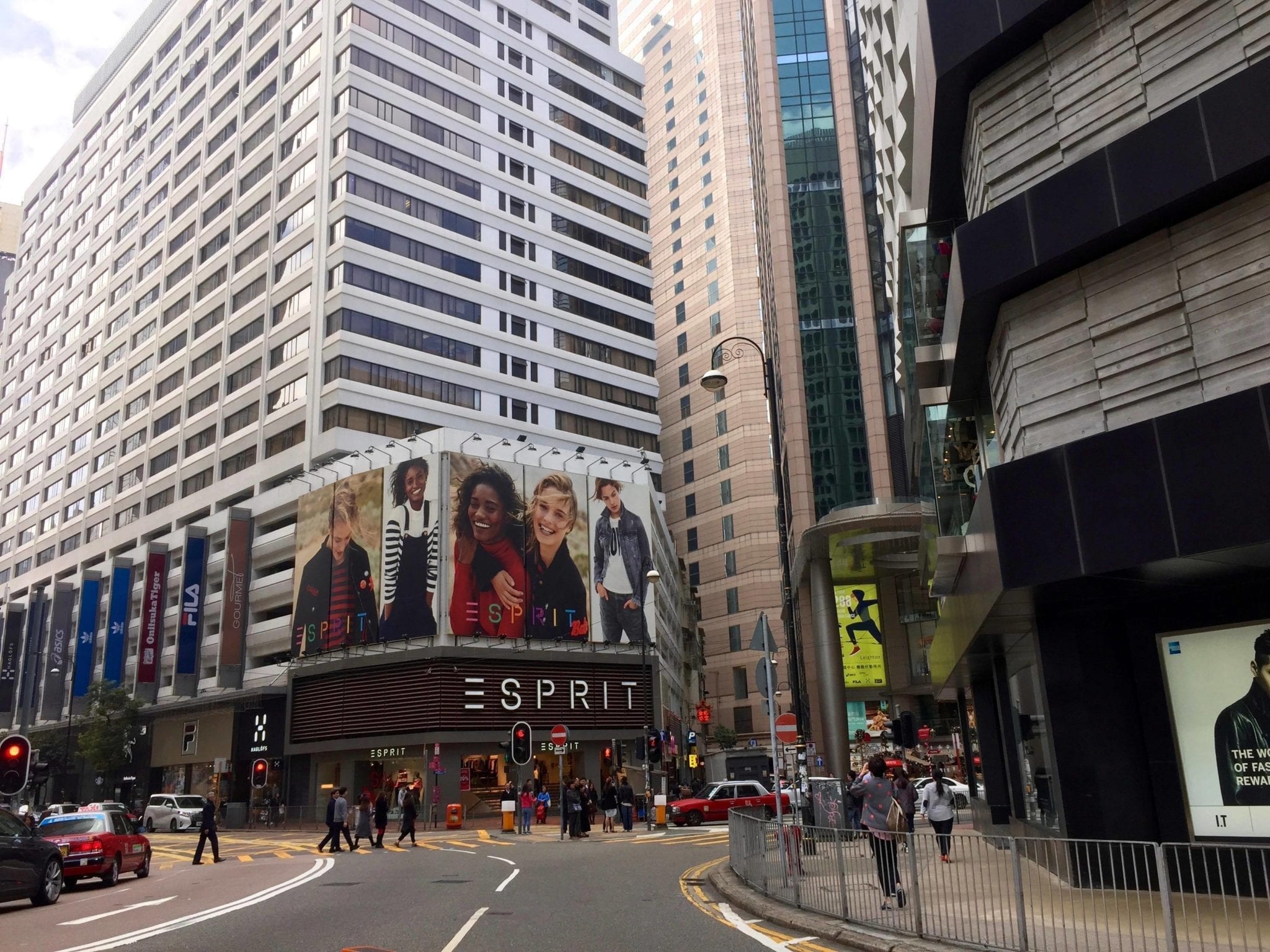
  • Hong Kong retail rents weaken further

    Hong Kong retail rents weaken further

    Hong Kong retail rents weakened further in the third quarter – and worse is to come, according to CBRE’s quarterly review.

    Against a backdrop of a seven per cent fall in watch and jewellery sales in July and August combined, there was an increase in lease surrenders by luxury brands and high-value retailers on tier one streets, the review said.

    “Overall rents in core locations slumped 9.1 per cent quarter on quarter, the largest quarterly decline recorded since 1998.”

    Among the four core submarkets, rents in Causeway Bay fell the most severely – by 11 per cent quarter on quarter – taking the total year to date decline to 22 per cent.

    “Rents in Central, Tsim Sha Tsui and Mong Kok declined by 9.2 per cent, 7.0 per cent and 7.6 per cent quarter on quarter, respectively.

    “Mid-range retailers are attempting to regain their foothold in prime locations. Cosmetics retailers, sportswear brands and fitness centers were the most active sectors in Q3.”

    Joe Lin, executive director, retail services, CBRE Hong Kong​ said the top tier retail market led the deterioration.

    “The shift in mainland Chinese tourist spending patterns coupled with slower tourist arrivals continued to erode confidence among luxury retailers. This resulted in more cases of lease surrender and rental cuts for tier one street shops by jewellery and luxury retailers. We expect the rental downcycle to continue in Q4.”

    Lin predicts average rents for space in core retail locations will continue to decline in Q4, with the full year rental downward adjustment for 2015 projected at between 20 and 25 per cent.

    “Non-luxury retailers are set to be the main driver of retail leasing demand in Hong Kong.

    “Leasing transactions signed over the past two quarters at lower rents in tier one streets will set new benchmarks for lease negotiations in the coming months.”