Retail News CRM

Tag: retail space

  • Analyst Warns: Manila’s Retail Supply Pipeline Set to Challenge Market Resilience

    Analyst Warns: Manila’s Retail Supply Pipeline Set to Challenge Market Resilience

    An estimated 177,000 square meters of new retail space is on the horizon, set to make waves in Manila’s market by the second half of 2025. As the bustling holiday season approaches, tenants are revamping their strategies and gearing up for a promising turnaround. JLL’s latest report highlights that this influx of new store openings in prime malls may counterbalance the negative absorption reported in the first half of the year.

    Market Resilience Faces a Test

    According to the report, the significant volume of new supply is likely to challenge the market’s resilience. However, it also points to a silver lining: improving consumer sentiments and lower borrowing costs are expected to facilitate a gradual absorption of new spaces. With this context, rents are projected to increase by the end of the year alongside a rise in leasing activity.

    Quarterly Trends Revealed

    In the second quarter of 2025, net absorption dipped further to -20,700 square meters, continuing a downward trend that started in the first quarter. Notably, Mandaluyong and Muntinlupa accounted for most of the move-outs, while Quezon City and Makati City saw a flurry of new store openings, reflecting a dynamic albeit challenging landscape.

    The food and beverage sector remains the powerhouse for new store openings, confirming its dominance in the retail space. Interestingly, general retail has also shown resilience, emerging as a top contender for new entries this quarter, signaling ongoing expansion even amid cautious market conditions.

    Static Supply and Rising Vacancies

    Retail supply held steady in Q2 2025 as developers opted to stagger completions to the latter half of the year. With 177,000 square meters of additional space anticipated before year-end, analysts caution that this new supply could further inflate vacancy rates, which already crept up to 7.5%—an increase of 33.9 basis points quarter-on-quarter—mainly attributed to slower store openings.

    Mixed Signals in Financial Metrics

    While retail rents saw a slight uptick of 0.5%, reaching PHP 1,759 per square meter per month, operators are maintaining stable asking prices to keep demand alive. On the investment front, capital values are modestly appreciating at PHP 239,532 per square meter, indicating a careful approach among investors. However, the central bank’s recent interest rate cut to 5.5% is anticipated to boost investor confidence and expedite pending deals as financing becomes more accessible.

    In a retail landscape that seems to be a game of chess, strategists are positioning themselves for the next big play. Who knows? The unexpected twists and turns ahead could make for an exhilarating game as 2025 unfolds.

    Questions & Answers

    What are the key expectations for Manila’s retail market in H2 2025?
    Analysts anticipate a surge of new store openings, totaling 177,000 square meters, which could improve market conditions despite a challenging first half, as consumers become more confident.

    Which areas are experiencing the most retail movement?
    Mandaluyong and Muntinlupa have seen significant move-outs, while Quezon City and Makati City are witnessing a rise in new store openings.

    How are rental rates trending in the current market?
    Rental rates are showing stability with a slight increase of 0.5% in Q2 2025, while operators maintain stable asking prices to foster demand amidst growing vacancies.
  • Singapore Set to Welcome 1.2M Sq Ft of Exciting New Retail Space by 2028

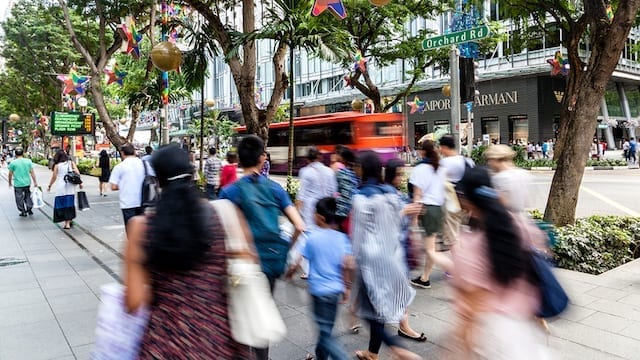
    Singapore Set to Welcome 1.2M Sq Ft of Exciting New Retail Space by 2028

    As Asian retail continues to evolve at a rapid pace, recent data reveals a fascinating landscape reflecting both resilience and transformation. As of October 2023, retail in the region is showing signs of recovery post-pandemic, driven by an increase in consumer spending and innovative shopping experiences. With a blend of traditional brick-and-mortar stores and dynamic online shopping platforms, retailers are adapting to meet the demands of an ever-shifting market.

    Rising Consumer Confidence Fuels Growth

    In recent months, consumer confidence has surged, with many customers eager to return to shopping both online and in-store. E-commerce sales are soaring, thanks to an uptick in mobile shopping and personalized online experiences that cater to individual preferences. Retailers are harnessing data analytics to fine-tune their offerings, ensuring that they remain relevant in consumers’ eyes.

    Embracing Sustainability and Innovation

    Sustainability is no longer just a buzzword; it’s a crucial element shaping the retail sector. Brands across Asia are recognizing the importance of eco-friendly practices, incorporating sustainable materials and ethical production methods into their supply chains. Innovative brands are not just finding ways to reduce waste but are also engaging with their customers through transparent communication about their sustainability efforts.

    Technological Integration Transforms Shopping Experience

    The integration of cutting-edge technology is revolutionizing how consumers shop. From augmented reality fitting rooms to AI-driven customer service chatbots, retailers are creating seamless, engaging experiences that resonate with tech-savvy shoppers. This transformation is not just about efficiency; it’s about creating memorable experiences that keep customers coming back for more.

    In this dynamic environment, retailers that truly listen to their customers and embrace change are the ones poised to thrive. As the market landscape continues to shift, one thing is clear: the future of retail in Asia is bright, vibrant, and full of possibilities—much like a neon-lit street market after dark.

    Questions & Answers

    **What factors are driving the current growth in Asian retail?**
    Increased consumer confidence and robust e-commerce sales, alongside a blend of physical and online shopping experiences.

    How are retailers addressing sustainability today?
    Many brands are adopting eco-friendly practices, utilizing sustainable materials, and being transparent about their production methods.

    What role does technology play in the retail transformation?
    Technology enhances the shopping experience through innovations like augmented reality and AI, creating engaging and memorable interactions for consumers.

  • Mumbai’s Retail Market Set to Expand by 1.4 Million Sq Ft from 2026 to 2029!

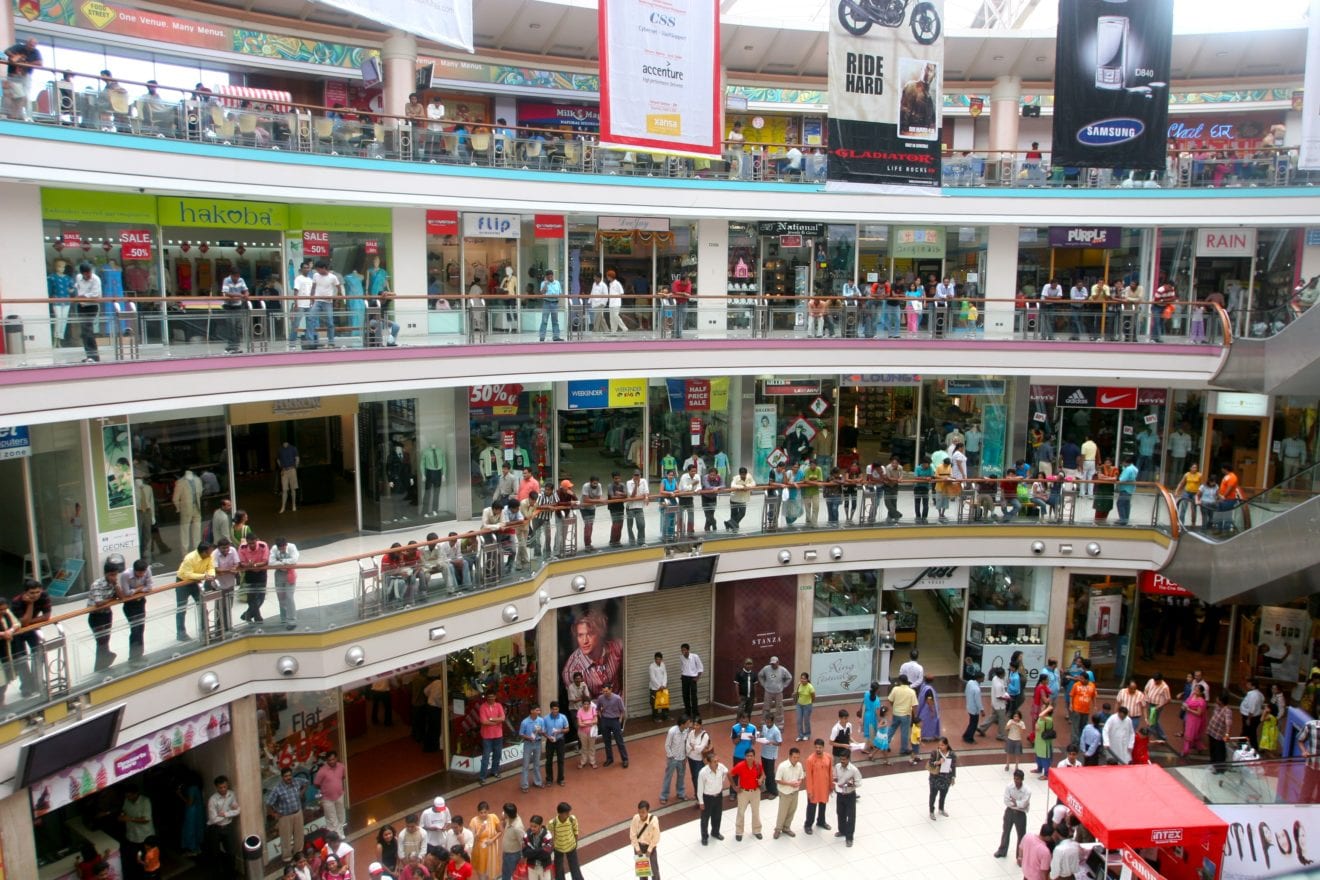
    Mumbai’s Retail Market Set to Expand by 1.4 Million Sq Ft from 2026 to 2029!

    The Mumbai retail landscape is poised for an exciting transformation, with JLL analysts forecasting a vibrant expansion of premium malls packed with new local and global brands—all designed to elevate the shopping journey.

    Promising Growth on the Horizon

    As optimism reigns in the retail sector, JLL anticipates that around 1.40 million square feet of additional premium space will become available from 2026 to 2029, energizing the market with fresh offerings. “The retail sector is expected to see more traction across all submarkets due to upbeat market sentiment,” JLL has reported.

    Quarterly Trends Reveal a Surge

    The momentum in Mumbai’s retail market has gained significant traction, with a marked increase in demand quarter-on-quarter, attributed largely to the completion of three new malls in the first quarter of 2025. This resulted in a net absorption of 0.3 million square feet, with the Suburbs submarket seeing significant lease activity. Popular names such as Decathlon, Cinepolis, Timezone, Play N Learn, Lifestyle, and Enamor expanded their footprints across well-regarded malls during this period.

    New Malls Make Their Debut

    The retail scene welcomed three new centers in Q1 2025: Sky City Mall and Aurum Square Mall in the Suburbs, along with The Rise I in the Prime South submarket. Together, these venues added an impressive 1.35 million square feet of operational space this quarter.

    Rental Prices on the Climb

    As demand for prime retail environments continues to grow, rents have increased moderately, led by high occupancy rates and bustling foot traffic. Landlords are becoming more assertive in negotiations, aware that premium retail spaces are now commanding higher rates. Overall, rents and capital values saw an upward trend across the board, particularly in the Suburbs and Prime North submarkets, following the closure of an average-category mall and the robust performance of other high-end locations. Interestingly, yields dipped slightly as capital values surged ahead of rent increases.

    Mumbai’s retail scene is not just on the rise—it’s shaping up to be a shopper’s paradise filled with delightful experiences and encounters around every corner. Who knew retail could make such a strong comeback?

    Questions & Answers

    What new brands are entering the Mumbai retail market?
    Several exciting brands like Decathlon and Cinepolis are expanding their presence in Mumbai as new malls open up.

    How much retail space is expected to be added in the coming years?
    An estimated 1.40 million square feet of premium retail space is set to hit the market between 2026 and 2029.

    What factors are driving the increase in rental prices?
    The rise in rental prices is primarily due to high occupancy rates, increased demand for premium malls, and the completion of new retail spaces.

  • Hong Kong airport Retail revamp Finalised

    Hong Kong airport Retail revamp Finalised

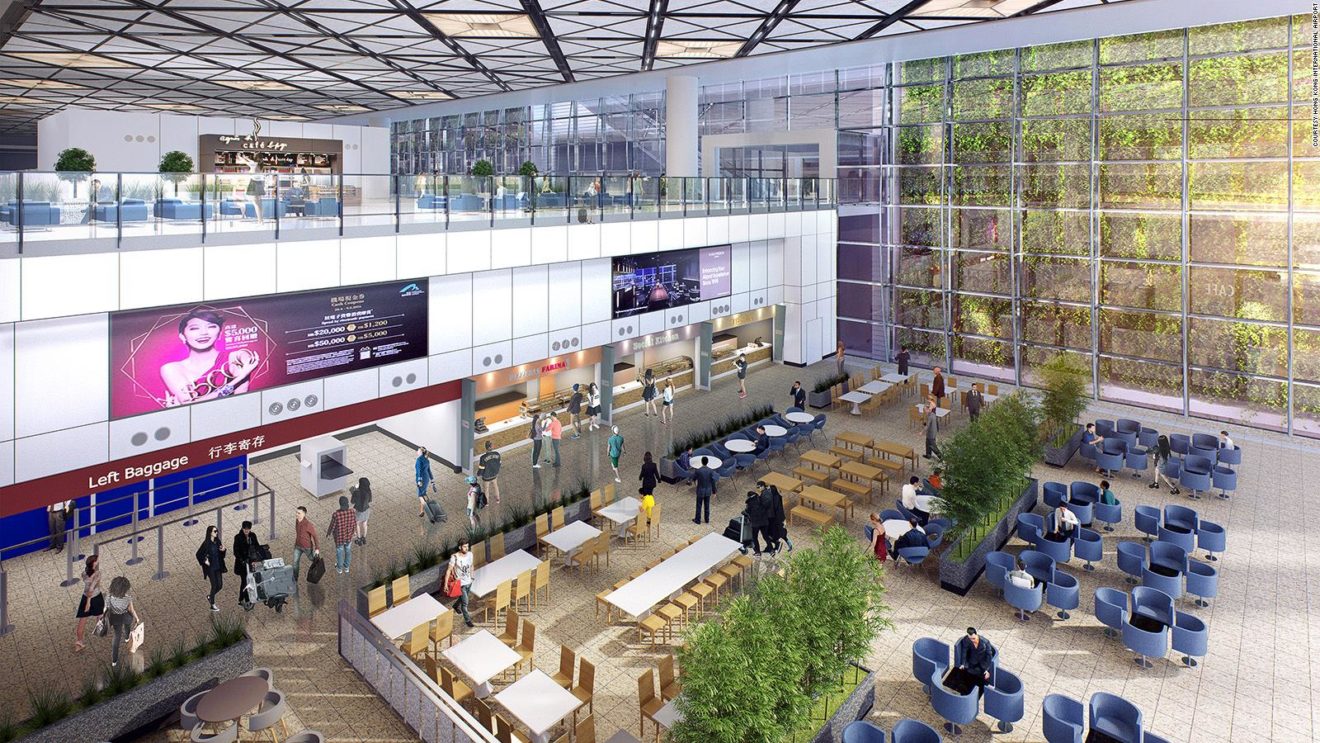
    A major Hong Kong airport revamp is planned spanning passenger facilities and retail spaces.

    Architectural firm Lead8 has been appointed lead designer for the planned Hong Kong International Airport (HKIA) Terminal 1 renovation.

    Working with Airport Authority Hong Kong, Lead8 will spearhead a collaboration of international consultants to deliver a “transformative upgrade” to the passenger halls of the 21-year-old aviation hub.

    The Boarding Gate Transformation project is expected to be completed in 2021. Lead8’s design scope includes a total overhaul and upgrade of the 49 boarding gates and adjacent areas of the Level 6 departure concourses.

    The renovation work will include upgraded technologies at all boarding gates, along with new and refreshed beam seating across all departure waiting areas. Retail and service cabins will be upgraded with more convenience for passenger access, all aimed at delivering “a more fluid experience for travelers”.

    “The refreshed look of the terminal will bring an inviting ambiance that combines new technological features to convey convenience and comfort to the terminal’s local and international travelers when transiting to and from Hong Kong,” said Lead8’s co-founder & executive director Chris Lohan.

    Contemporary seating designs with upgraded charging facilities will provide passengers with convenient and comfortable waiting experiences. The retail and service cabin facilities will also be upgraded to offer a rejuvenating environment for waiting passengers.

    Lead8 have also curated a number of entirely new experiential zones that will provide places of entertainment, relaxation, on-the-go work and general down-time spaces for passengers awaiting flights.

    “The combined enhancements of the transformed facilities at Hong Kong International Airport’s signature Terminal 1 building will further solidify our city’s status as a key international and regional aviation hub,” added Lohan.

  • Hong Kong retail rents tipped to turn

    Hong Kong retail rents tipped to turn

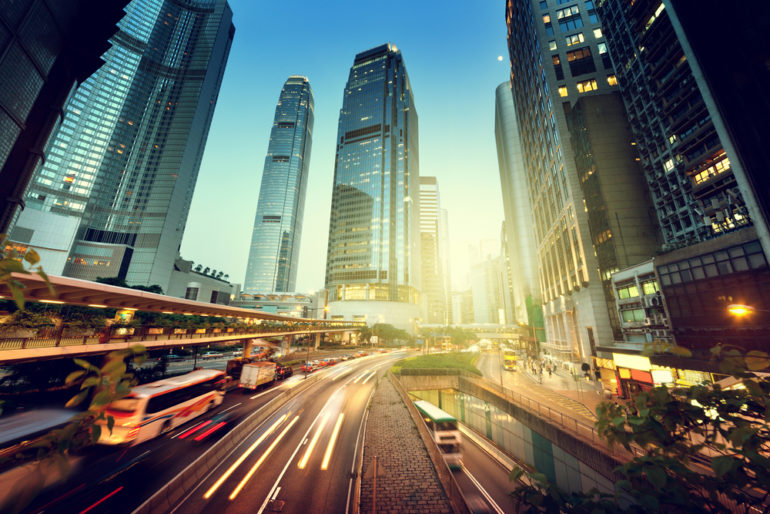
    Hong Kong retail rents are tipped for a modest rise of up to 5 per cent this year according to a research report from real estate advisor Savills. But the authors, Nick Bradstreet, MD, head of leasing and Simon Smith, senior director, research & consultancy, noted that this year has already got off to a positive start. “Landlords and retailers are wary given current uncertainties surrounding trade, stock market valuations, a weak renminbi and rising interest rates among other factors,” said Bradstreet. “But early indications are that the year has got off to a positive start.”

    Smith added: “The well-observed shift towards higher same day mainland visitor numbers and lower per capita spending continued last year and we believe that this year can expect more of the same.”

    Both prime street-shop and shopping-centre rents remained flat last year and rental growth had all but ground to a halt by the fourth quarter due to a weak sales performance, the report said.

    However, the new cross-border bridge and rail link led to a 40.3 per cent year-on-year rise in same-day mainland visitor arrivals in November to 3 million. The number of mainland tourists actually rose during the first 11 months of last year by 14 per cent.

    Smith said the increasing number of same-day visitors and a weak renminbi meant lower per-capita spending and unchanged retail rents by year end.

    “Retail sales growth decelerated to only 1.4 per cent in November, the slowest growth rate registered since June 2017; yet most retailers reported a better-than expected performance over the Christmas holiday period.”

    Thanks to the strong tourist demand, cosmetics and personal care products retailers are expanding rapidly in popular tourist districts such as Causeway Bay, Tsim Sha Tsui and Mong Kok. Food and beverage stores benefited, too, the report said.

    On the contrary, the fourth quarter saw zero rental growth over the previous quarter in prime street shops in most districts, except Tsim Sha Tsui (down -0.9 per cent quarter on quarter). Whilst shopping malls in Kowloon were largely responsible for the marginal decrease with a negative 0.3 per cent change over the third quarter, mall rents remained unchanged on Hong Kong Island and in the New Territories.

    “As a total of 2.3 million sqft of new supply will come on stream this year – the highest level since 2006 – the market fundamentals are expected to remain relatively stable.

  • New commercial landmark set to open at Huaihai Road

    New commercial landmark set to open at Huaihai Road

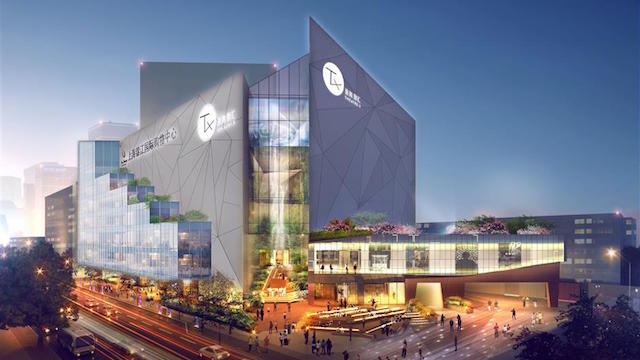
    Chinese mall operator Bailian is merging two disused department stores on Shanghai’s Huaihai Road in partnership with urban renewal firm URF to create Theatre X. The two malls on the city’s prime retail street were formerly trendy shopping destinations. Huating Isetan on 527 Huaihai Road M was the first Japanese Isetan outlet in China, while Bailian’s No.1 Department Store next door once enjoyed great popularity – both commercial gems of the 1990s.

    The new Theatre X shopping mall will merge the two sites, according to an announcement, and offer “interactive and immersive experiences” to consumers. The 25,000sqm property will offer popular international brands, shared spaces for pop-ups, and exhibition stages for Ted Talks – with developers expecting the venue to become a “pilgrimage site for trendsetters.” It will feature a 40m-high waterfall and giant digital screens.

    Theater X is set to open in September, with further developments in the immediate vicinity expected to follow.

  • Retail project “Taikoo Li Qiantan” Shanghai opens door

    Retail project “Taikoo Li Qiantan” Shanghai opens door

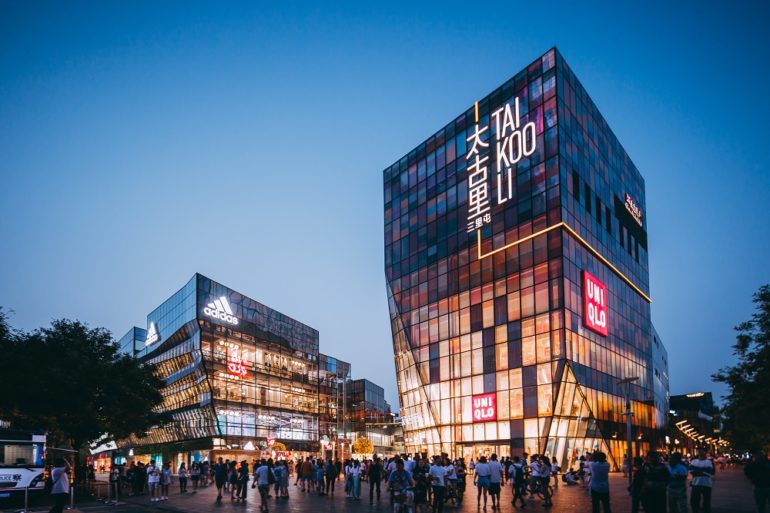
    Swire Properties and Lujiazui Group officially announced the naming of their joint-venture retail project as “Taikoo Li Qiantan”. Located in the heart of the Pudong Qiantan International Business District, this project embodies Swire Properties’ “Taikoo Li” concept, which is well-known for its distinct open-plan, lane-driven architectural design.

    Taikoo Li Qiantan will offer a gross floor area of approximately 1.3 million sq ft (120,000 sqm) and was created in accordance with a ‘naturalism’ design concept; blending elements found in nature with contemporary architecture. The project is a major component of a larger mixed-use development, which will also feature a 56-floor Grade-A office tower – “New Bund Centre” as well as a five-star luxury hotel – “New Bund Shangri-La Hotel”, both invested by Lujiazui Group.

    Qiantan is a new international business district and a rapidly developing hub for art and culture, business, entertainment, residential and world-class sporting facilities. The area is fast-becoming known for its high quality of life and excellent accessibility thanks to the well-developed transportation infrastructure. Qiantan is already home to many multinational corporations and global institutions, including New York University Shanghai and Wellington College International Shanghai. The project will be directly connected to the Oriental Sports Centre metro station which comprises three metro lines – offering direct access to major residential and commercial districts including Lujiazui, Xujiahui, People’s Square and Disneyland.

    Mr Xu Erjin, General Manager of Shanghai Lujiazui Group said, “Following the success of The Bund and Lujiazui, we are confident that the Qiantan International Business District will become yet another remarkable CBD, and our plan is to create a ‘Lujiazui 2.0’, which builds on the successful elements from Lujiazui.

    “Qiantan is quickly becoming a landmark area in Shanghai, and Taikoo Li Qiantan will be a valuable addition to this district, offering unparalleled retail, F&B and leisure experiences to local communities and the greater Shanghai population.”

    Mr Han Zhi, Director-Retail of Swire Properties, said, “Taikoo Li Qiantan marks our third ‘Taikoo Li’ project in Mainland China building on the success of Taikoo Li Sanlitun in Beijing and Sino-Ocean Taikoo Li Chengdu. We are delighted to bring this distinct retail experience to Shanghai. By once again combining local elements with the Taikoo Li concept, we are confident that our second major investment in Shanghai, after the successful launch of HKRI Taikoo Hui in 2017, will become a new retail landmark for residents and visitors.”

    Taikoo Li Qiantan has commenced the leasing process, and is scheduled to open in phases beginning from the end of 2020.

  • Hong Kong high-street retail rents ease

    Hong Kong high-street retail rents ease

    Vacancy rates in tier 1 streets in the four core retail districts edged up by 0.2 percentage points from 3.6 per cent in the third quarter to 3.8 per cent in the last quarter. However, the full-year vacancy rate fell by 0.3 percentage points to 3.8 per cent compared to 4.1 per cent a year earlier.

    CBRE said market sentiment weakened in the fourth quarter, impacted by the US-China trade conflict and volatility in the stock market.

    While retail sales rose by 6 per cent year on year in October, growth slowed to just 1.4 per cent in November – the slowest monthly increase since June 2017.

    “Visitor arrivals remained solid, recording 15.9 per cent growth year on year in October and November combined, the strongest quarterly growth last year,” said CBRE’s report.

    “This ensured continued strong leasing demand from health, personal care and cosmetics retailers.”

  • Courts Indonesia to close its store soon

    Courts Indonesia to close its store soon

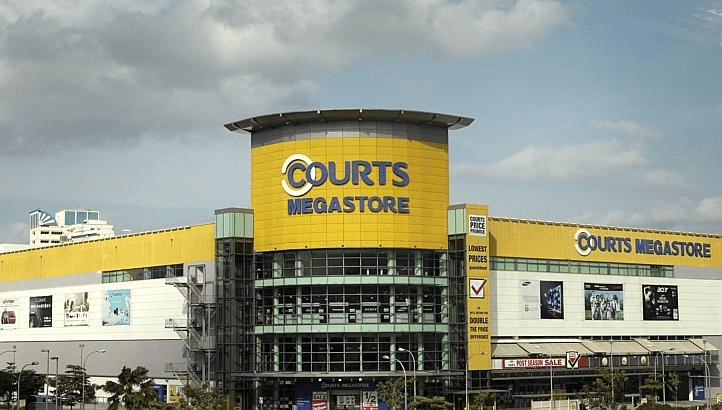
    Courts Asia is to close one of its Indonesian megastores. “The group decided to close the Courts Bumi Serpong Damai (BSD) City Megastore in Tangerang as it is historically not profitable and the group does not want to incur the high rental costs over the remaining lease term,” the retailer said in a statement. Courts Retail Indonesia will also buy the property it currently leases which houses the Kota Harapan Indah (KHI) megastore.

    Both properties were leased from Garwita Sentra Utama. Courts will forfeit a security deposit of Rp14.38 billion (S$1.379 million) and pay a penalty for early termination of the BSD site of Rp 38.7 billion ($3.6 million). The Singapore company will pay Rp97.56 billion (S$9.36 million) to purchase the other site.

    The KHI store has a total gross floor area of 21,800sqm, with about 24 years remaining on the lease.

    Courts said in its statement that the property reorganisation was part of an ongoing review of its store network.

    Having taken ownership of the KHI building, the company can consider options including downsizing its megastore and repurposing the remaining space for other commercial uses.

  • Look more inside to Shanghai Tang Pacific Place

    Look more inside to Shanghai Tang Pacific Place

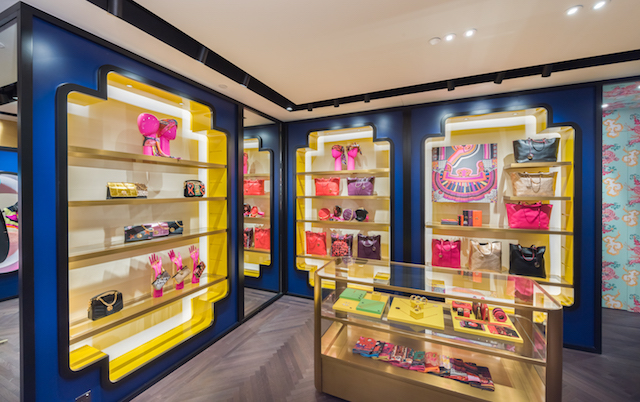
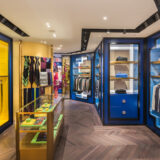
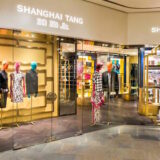
    A “plethora of paints and fabrics that radiate warmth” are at the core of the redesigned Shanghai Tang Pacific Place boutique. Design house Stefano Tordiglione Design (ST) oversaw the executive design and project management of the revamped 154sqm space, which opened last November. The project took six months to complete. Shanghai Tang is a privately owned, modern luxury brand which fuses current fashion design concepts with Chinese-inspired elements steeped in history. It is renowned for its use of bold colours, often contrasting, in fashion and homewares.

    Taking the lead in fine tuning the selection of materials, fabrics and colours, the design team created what creative designer Carlotta Turini describes as “a multi-sensory shopping experience to mirror the richness and beauty of Chinese culture”.

    Among the features are the changing rooms and home section, with the use of famed Jim Thomson wallpapers, giving the design an ‘Asiatic flavour’, with alternative wall coverings and racks fine tuned to create a sense of comfort within the shopping centre.

    The womenswear area has curved walls and a soothing beige fabric contrasted with bright paint, while the menswear area is elegant, warm and cozy, designed with dark brown wood and clean lines.

    These areas are united through a relaxed central seating area featuring art deco furniture.

    “To promote fluid movement through the space, the walls have niches features to provide attractions to the eye throughout the corridor as customers move between retail sections,” says Turini.

    The team had to interpret the original design drawings, developing a unique concept that is now demonstrated throughout the store.

    Efficient project management was vital to the success and on-time completion of the Shanghai Tang Pacific Place redesign.

  • Sears US to close further 80 stores by March

    Sears US to close further 80 stores by March

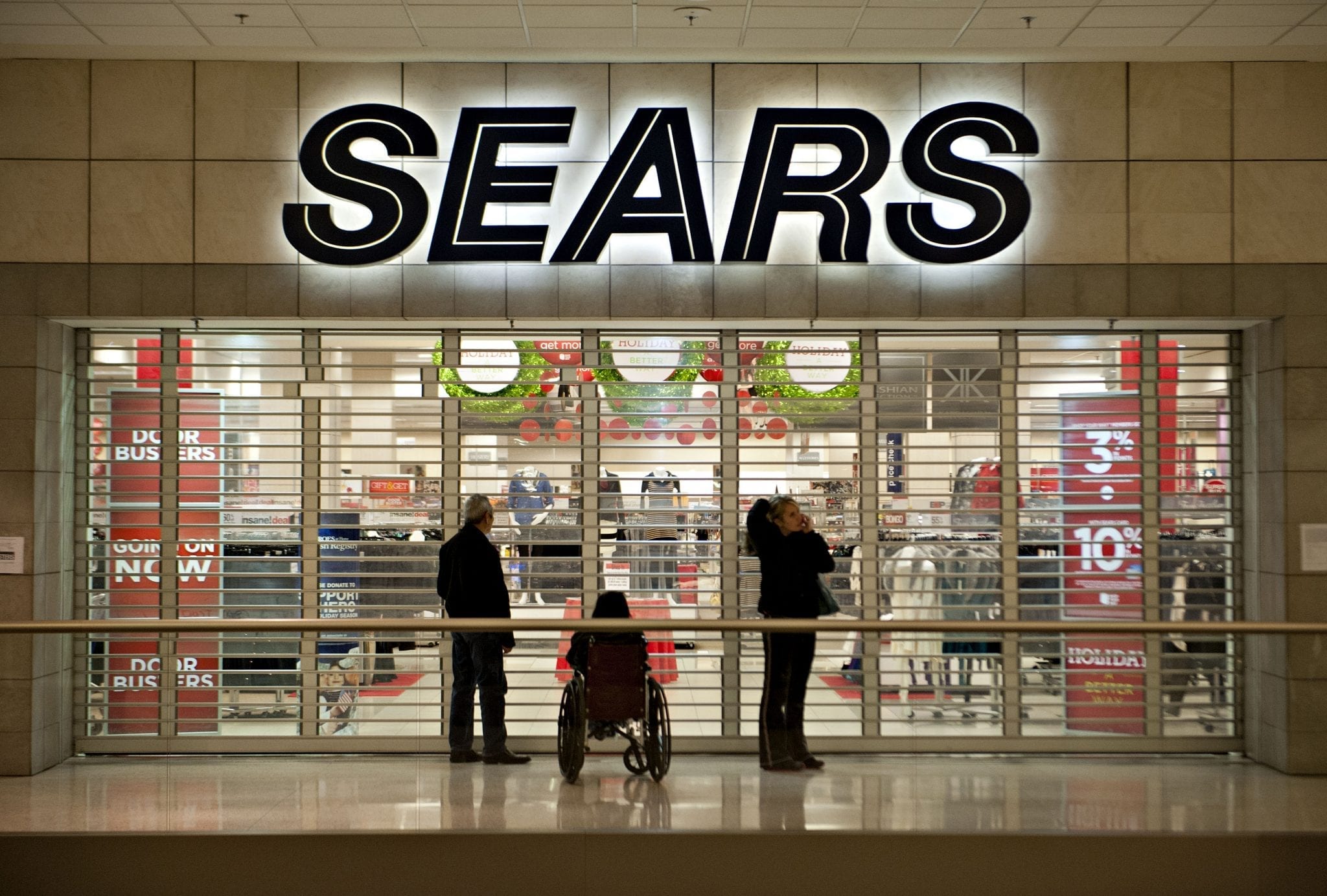
    Bankrupt US retailer Sears has informed 80 further stores of impending closure, in addition to the 40 store closures already announced. The second batch of closures is expected to be finalised by late March 2019, with liquidation sales expected to begin in early January 2019. The closures have been made in an effort to accelerate and facilitate the ‘strategic transformation’ of the business, as well as assist its financial restructuring, though GlobalData Retail managing director Neil Saunders notes that the brand is now at rock bottom.

    “As a last roll of the dice, Sears has attempted to shrink its way to success by closing stores,” Saunders said.

    “While closure sales have helped to temporarily boost footfall and revenue at some shops, they have done nothing to put the firm on a sound footing. Nor have the efforts improved perceptions.”

    According to data from the research firm, overall customer usage of both the Sears and Kmart brands has fallen over the holiday period, and brand perception has fallen below the year prior.

    “Ultimately, reinventing Sears now would be akin to raising the Titanic and making it seaworthy again: a thankless and rather pointless task,” Saunders said, continuing that liquidation is the most likely outcome at this point of the bankruptcy process which began in October 2018.

    “In our view, the lack of bids and the difficulties [Sears chairman] Eddie Lampert is having in raising finance for his own offer reflects the fact that Sears is essentially worthless.”Adtech Ad

    Lampert stepped down as company chief executive when it filed for bankruptcy in October, and made a last-minute US$4.4 billion bid to buy the retailer in late December.

    The bid would “offer employment to up to 50,000 associates”, according to CNBC, and may divert the liquidation process should Sears’ advisors decide the bid to have come from a “qualified bidder”.

  • The highs and lows of Indian retail real estate in 2018

    The highs and lows of Indian retail real estate in 2018

    2018 saw further liberalization of FDI policies, repositioning Indian retail on the global investment map and attracting a large number of global retailers into the country. In H1 2018, private equity investments into Indian retail swelled to over US$ 300 million, denoting a bracing growth of 54 percent over the previous year.

    Worryingly or encouragingly (depending on one’s viewpoint) online retail also witnessed exponential growth in 2018. In fact, online retailing is now expected to be at par with physical retail over the next 5 years. With India positioned to become the world’s fastest-growing e-commerce market, online retail in the country is driven by robust investments and deepening internet penetration in the country.

    As per ANAROCK data, the top cities with significant retail growth in 2018 included MMR, NCR, Bengaluru and Hyderabad
    New retail supply in 2018 was limited to 5.1 mn. sq. ft.
    Interestingly, apart from the top metros tier 2 & 3 cities played a significant role in India’s retail growth story in 2018

    Saturation of the metros due to limited space availability, mounting rental values and escalating infrastructure issues fuelled retail growth in smaller cities like Ahmedabad, Bhubaneshwar, Jaipur, Lucknow, Thiruvananthapuram, etc. New malls that became operational in the smaller cities in 2018 range from anything between 200,000 to 18,00,000 sq. ft. in size, amply vouchsafing the increasing appetite for organized retail in the hitherto underserved cities.

    In response to the huge potential in these markets, both domestic and international brands made deep forays into them via the online route, followed by more gradual offline presence. This disparity is hard to ignore and sends out a clear signal to investors and mall developers – physical retail deployment must pick up considerable pace in these smaller markets in the coming years.

    Other Sunshine Sectors

    The logistics and warehousing sector transformed rapidly in 2018 after the Government granted the coveted infrastructure status to logistics in November 2017. In fact, warehouse stock supply is expected to see substantial increase over the next two years owing to implementation of GST, the Government’s determined infrastructure push and increased interest from national and international investors. Overall, strong economic fundamentals, proactive reforms and increasing use of technology will continue to boost the sector.

  • Supply of India’s retail space up 27 pc in January-June to meet retailers’ demand

    Supply of India’s retail space up 27 pc in January-June to meet retailers’ demand

    Property consultant CBRE on Tuesday said the supply of retail space rose 27 percent during January-June period this year in seven major cities to cater the rising demand from domestic and foreign retailers.

    In its latest report titled ‘India Retail Market View’, CBRE said the new supply of retail space increased to 1.9 million sq ft in the first half of 2018 as against 1.5 million sq ft in the same period last year.

    The fresh supply came in Chennai, Hyderabad and Delhi-NCR. During the reported period, Chennai witnessed the launch of VR Mall (1 million sq ft), L&T Hyderabad Next and L&T Next Galleria (totalling 0.65 million sq ft) in Hyderabad, and 32nd Avenue (0.25 million sq ft) in Gurgaon.

    In January-June 2017, Mumbai saw a supply of one million sq ft, Bengaluru (0.3 million sq ft) and NCR (O.2 million sq ft). Global brands such as Dyson, Molton Brown, Berluti, American Eagle, Antony Morato, Daniel Wellington and Bath & Body Works entered India with their first stores becoming operational during this period.

    International brands such as Tom Tailor, Miniso, Taco Bell, Mango, Marks and Spencer, H&M and Starbucks continued to expand operations by entering new markets across the country.

    “The overall outlook for the Indian retail real estate market continues to be positive at the back of various policy reforms, entry of foreign players and increasing urbanisation,” said Anshuman Magazine, Chairman, India & South East Asia, CBRE.

    He said around 4–5 million sq ft of additional supply could be added during second half of 2018 across most major cities.

    “With REITs in the offing, the focus on developing investment grade developments is likely to redefine the retail segment in India,” he added.

    On rentals, CBRE said trends varied across key high streets in major cities during January-June 2018. Rentals appreciated in high-street markets such as Khan Market, DLF Galleria (NCR), Linking Road (Mumbai), MG Road and Aundh (Pune). Some high street locations in Bengaluru and Hyderabad also saw increase in rents.

    On the other hand, rentals remained stable in most of the other high-streets across the country. Rentals across organised retail developments also displayed a varied trend – mall rentals remained stable in Hyderabad, Mumbai, Pune and Kolkata but increased in Bengaluru, Chennai and NCR.

  • 4 leases available at Singapore Changi Airport

    4 leases available at Singapore Changi Airport

    Continuously ranked as one of the best in the world, Singapore Changi Airport is an experience rather than a simple stop towards your destination.

    The award-winning airport offers its visitors a wide range of attractions, from shopping to dining and entertainment experiences, spread across its four terminals.

    Changi Airport Group is currently looking for established retailers as it is seeking to lease four three years concessions with no renewal options in Terminal 1 at Departure/Transit Lounge West on Level 2. To offer diversity and complete their customers’ experience, they are seeking mid-price fashion brands to add to their portfolio.

    A CAG representative shared their desire for “exciting and unique mid-price fashion brands and concepts that will inject buzz to and differentiate the retail offering”.

    Effective from April 2019 to 2022, the lots range from 70 square meters to 110 square meters.

  • Yangon retail sector posted 95% occupancy rate

    Yangon retail sector posted 95% occupancy rate

    Prime Yangon retail space remains almost fully occupied despite a record addition of new stock on the market last year.

    As a result, city retail rents are likely to rise by 4 to 5 per cent in the near-term, reflecting high demand.

    “Rents should continue moving upwards in the medium term,” said Joan Mae Lee, analyst for Colliers International’s research and advisory team, in a statement.

    According to a research report from the real estate specialist, more than 79,400sqm of new space opened in the fast-growing economy’s largest city last year – more than double the amount of 2016.

    However the occupancy rate held at 95 per cent which would undoubtedly make it one of the highest rates in Southeast Asia.

    The report said the figure reflected business confidence in the country, where the economy is expected to grow by about 7.5 per cent in the year to March 31.

    Yangon’s retail supply was boosted last year primarily by the opening of Junction City and St John City Mall which combined provided a fresh 67,000sqm of lettable area in the city.

    Lee urged developers to focus on tenant diversity in new or revamped projects.

    “Landlords should aim to lure other prospective tenants, such as aesthetic clinics, wellness centres, showrooms, auxiliary service providers and inclusion of institutional occupiers to boost foot traffic,” she said.