Tag: retail store

  • Japan studies regular mandatory closings in the Retail Industry

    Japan studies regular mandatory closings in the Retail Industry

    Large-scale specialty stores such as Daiso and Ikea may be subject to mandatory closings every two weeks as the South Korean government studies the validity of such a regulation.

    Research on the appropriateness of the regulation on large-scale specialty stores will start this month, says the Korea Small Business Institute. It will examine whether the big retailers are hurting small shops, and whether the regular closures are necessary. Requested by the Ministry of SMEs and Startups, the study will determine if the regulation is necessary.

    The restriction on such large-scale specialty stores has become the thorniest issue in the retail industry. Large retail outlets such as E-mart, Home Plus and Lotte Mart are subject to restrictions on working hours following a revision of the Distribution Industry Development Act in 2012, aimed at protecting small shops. Local governments adopted ordinances based on the Act, forcing large retail outlets to close on the second and fourth Sunday of each month.

    However, critics say it is unfair as only retail outlets are subject to the regulation while shopping malls such as Shinsegae Group’s Starfield and specialty shops like Ikea were exempted.

  • Old Navy Vietnam opens second store

    Old Navy Vietnam opens second store

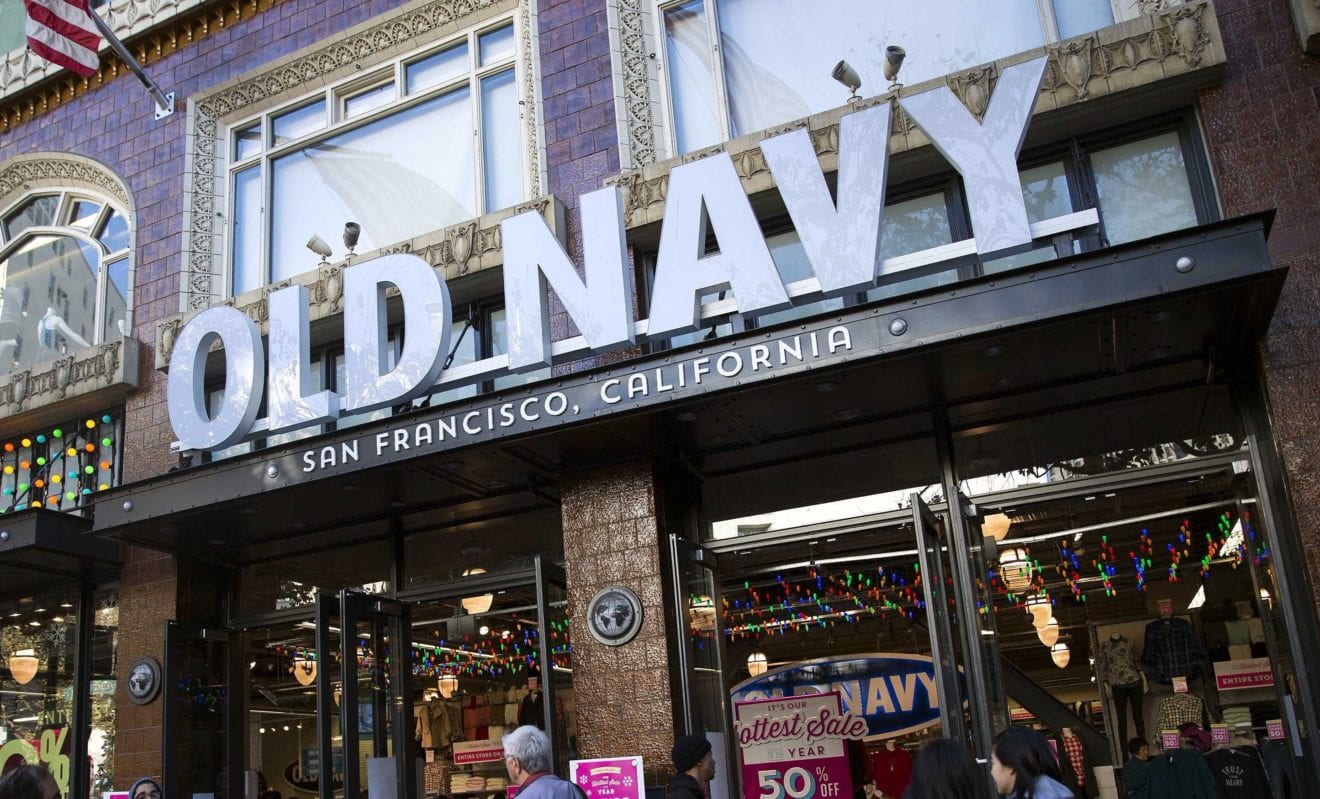
    Old Navy Vietnam has opened its first store in Hanoi, three months after its debut in the country.

    The 655sqm store is located in Vincom Nguyen Chi Thanh and offers collections for men, women, kids and babies.

    Melissa Fehlman, GM of Old Navy Vietnam, said the brand aims to open more stores throughout Vietnam in coming years, with Ho Chi Minh City’s second shop scheduled this month.

    Acknowledging that Vietnamese customers are trendy, Old Navy commits to refreshing 70-80 per cent of its products every three months, alongside core, long-term lines such as denim wear.

    Old Navy came to Vietnam under a franchise agreement between Gap Inc and Vietnam IPP’s subsidiaries ACFC and CMFC, which also hold the Gap and Banana Republic franchises in Vietnam.

    The nation’s fashion market is booming, buoyed by the recent arrival of international brands, including Pull&Bear and Stradivarius on September 1.

    H&M opens its first store in Ho Chi Minh City on September 9 and Zara will open its first Hanoi store next month.

  • Zenfone Concept Store launches

    Zenfone Concept Store launches

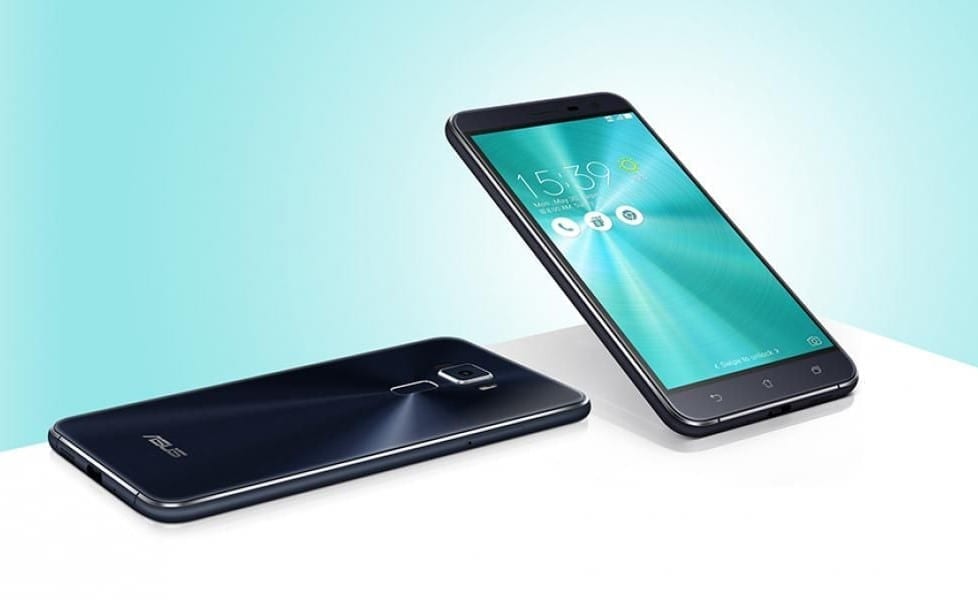
    Asus has chosen the Philippines to launch its Zenfone Concept Store, in Glorietta 2, Makati City.

    Tech brand Asus has chosen the Philippines to launch its Zenfone Concept Store, in Glorietta 2, Makati City.

    More Zenfone concept stores will follow throughout the Philippines next year.

    “Zenfone has become a game changer in the smartphone landscape in the Philippines since being introduced in August 2014,” says Asus Philippines system group country manager George Su.

    The new store features all the latest smartphone releases from the Taiwanese company as well as accessories.

  • Apple makes significant progress on its first retail store in Singapore

    Apple makes significant progress on its first retail store in Singapore

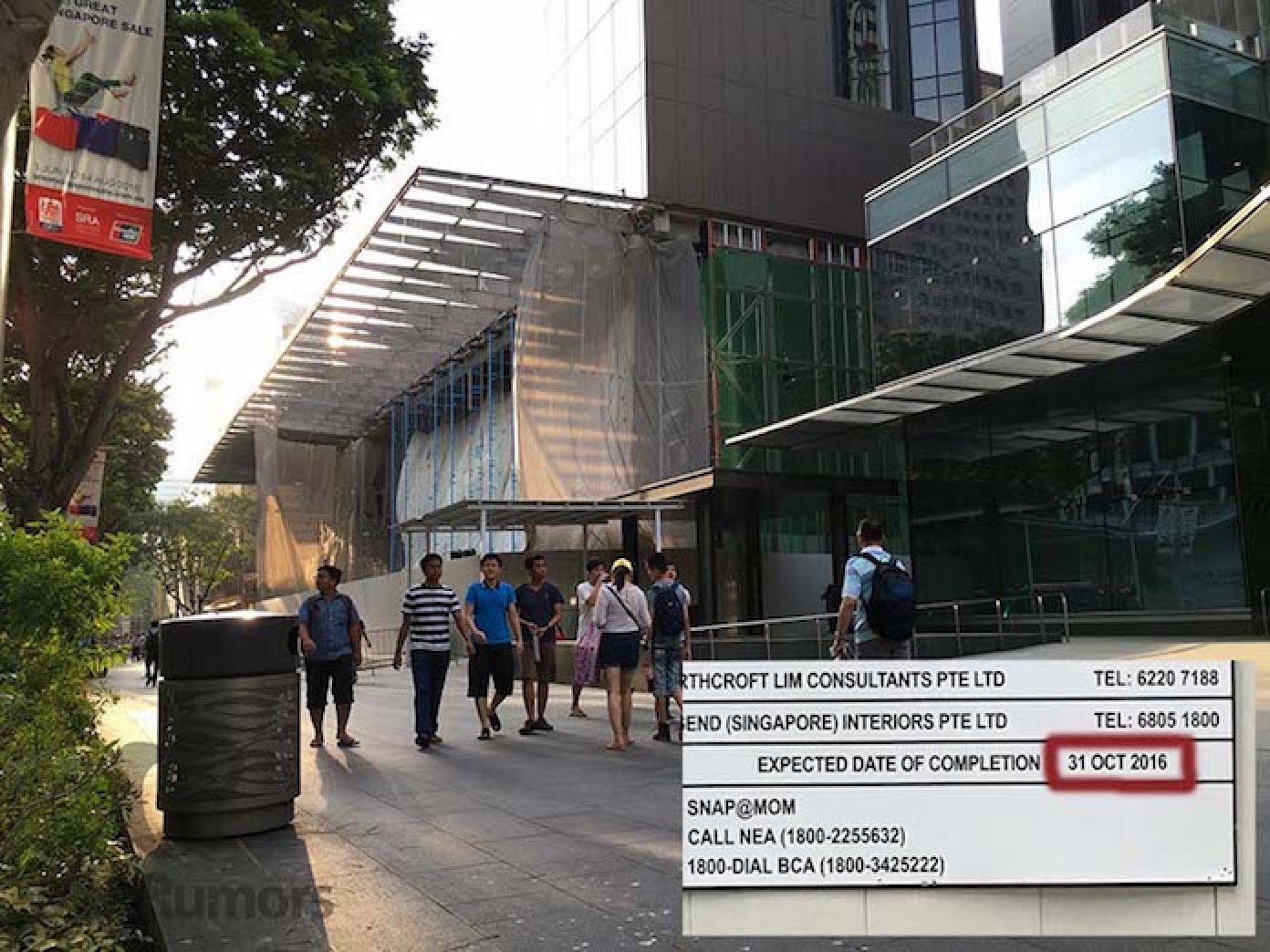
    Apple’s first retail store in Singapore appears to be progressing nicely, with new photos obtained by MacRumors proving that the construction of the store’s glass facade and canopy is now well underway. Apple confirmed in November 2015 that its first-ever store in the Southeast Asia city-state will be powered by hundred percent renewable energy, but did not provide a timeframe for the opening.

    The store location has been under renovation since earlier this year.

    Apple Store coming to Singapore

    The outlet is located in Singapore’s four-story Knightsbridge luxury shopping center.

    Fitness chain Pure Fitness and four other stores inside the Knightsbridge center are set to close next month to make way for an Apple store. In November 2015, Apple posted job listings seeking various positions for the Singaporean store as the company’s retail boss Angela Ahrendts told TechCrunch the following:

    We have more than 900 incredible employees working in our Singapore contact center and are thrilled to begin hiring the team that will open our first Apple Store in Singapore—an incredible international city and shopping destination. We can’t wait to deliver the service, education and entertainment that is loved by Apple customers around the world.

    “The project allegedly has an expected completion date of October 31, 2016, suggesting that the store could open as early as November,” notes the article.

    Apple store Singapore construction

    As per Reuters in November 2015, solar energy developer Sunseap Group will provide Apple with 100 percent renewable electricity from its solar energy systems built atop more than 800 buildings in Singapore, made possible through financing from Apple.

    “The deal will make Apple the first company in Singapore to run exclusively on renewable energy and marks a significant step in its bid to power 100 percent of its facilities and operations worldwide with clean fuel,” as per Reuters.

    Apple’s retail push in Latin America

    As reported, Apple’s retail push in Latin America has just begun with its first store in Mexico City’s Via Santa Fe now being constructed and additional outlets being planned in Guadalajara and Monterrey.

    Apple Stores may be also coming to Chile, Peru and Argentina, as per sources.

    Source: MacRumors

  • Does Your Brand Need a Store in China to Succeed?

    Does Your Brand Need a Store in China to Succeed?

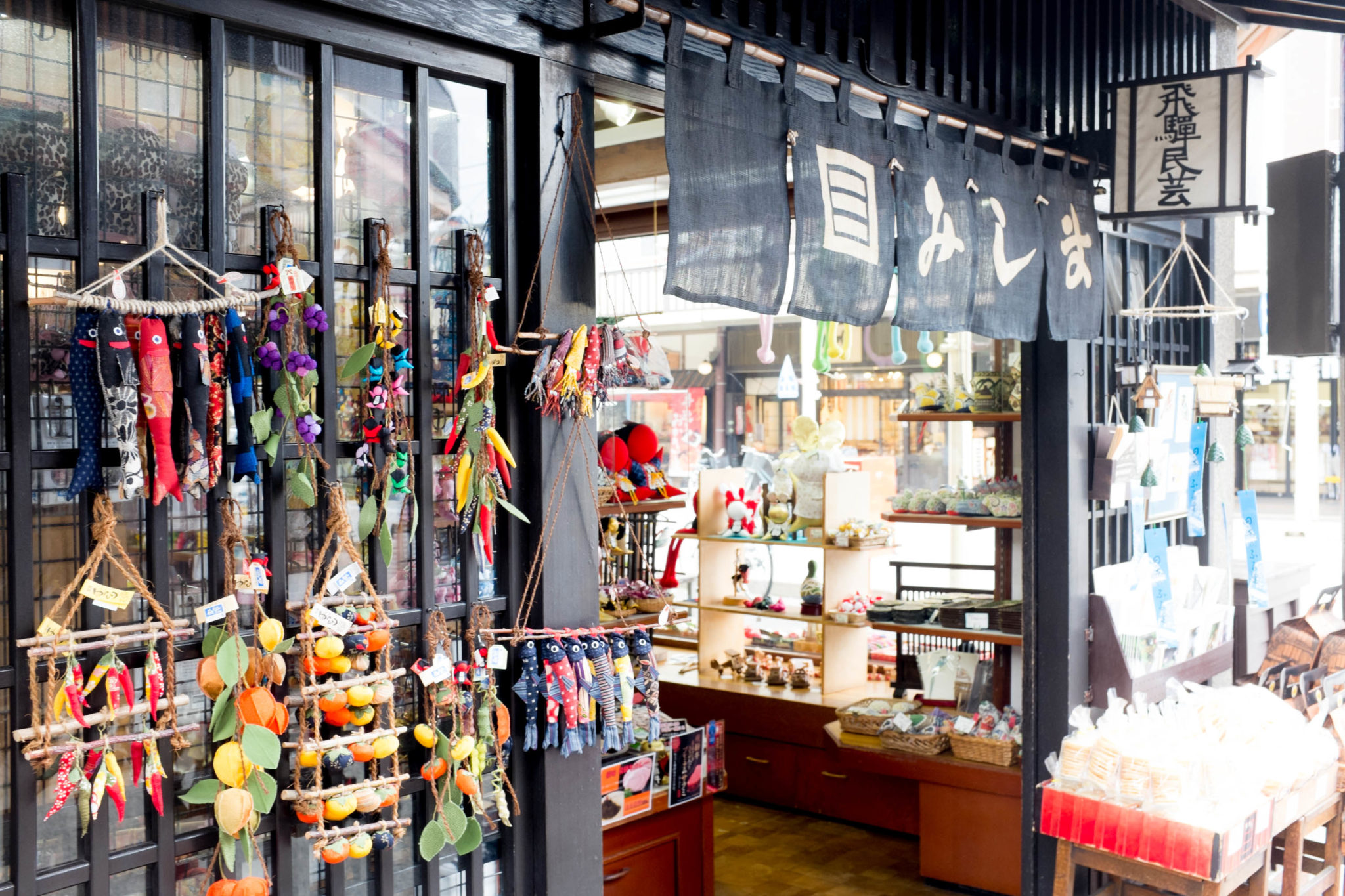
    As brands speculate about continued economic buoyancy in China, the necessity of having physical stores has come under increasing scrutiny. The unrelenting enthusiasm for e-commerce shown by Chinese consumers has also given cause for questioning the relevance of physical retail.

    Luxury and fashion brands have scaled back on their original optimistic plans to store expansion in China. Most notably, Louis Vuitton announced the closure of several Chinese stores last November. Also Walmart, has this week, launched a major brand repositioning to offer e-commerce solutions to Chinese consumers.

    Pessimism about store space is becoming endemic. Dangdang.com, a local online bookseller similar to Amazon, has launched an audacious plan to create actual bookstores based on the idea they will receive free-rent in increasingly vacant shopping malls in big cities.

    When a store, is not just a store

    Looking at the importance of a store presence in China requires a specific cultural lens. A key starting point for most, if not all, foreign brands is that they are not inter-generational. That is, the reputation and trust of the brand has not been passed down through family legend. Instead, brands are initiating relationships from scratch with a fresh generation of consumers.

    Taking the case of luxury, consumers have experienced the brand as a personal form of development. A key moment of truth in their relationship with brands is formed through store experiences –the physical inspection and feeling of products.

    When interviewing Chinese consumers, the key difference that strikes me is how emotional the store experience and service are in the stories they tell about their favourite brands. Often, they become aware of a brand through peer recommendation, but their loyalty and ultimate advocacy is created through their retail experience.

    Forgoing or not maintaining a retail presence is like introducing a ‘circuit breaker’ at the most crucial stage of brand adoption. Stores, irrespective of economic forecasts, must be seen as a symbolic, practical and emotional stepping stone for new consumers in China.

    In one particular interview with in Chengdu, the thriving city in the Western part of the country, a Chinese entrepreneur was describing to me that one of his favourite brands was Tod’s (which he could not pronounce, and jokingly called it “potato slices” because it was the closest Chinese word he could find).

    Despite having extreme difficulty in engaging with the brand at the official level, he has become a Tod’s aficionado based on his experience at the store – that he described as “like the home I imagine I would live in Italy”.

    For him, the brand was the retail experience, it was enough to cement this loyalty and enthusiastic promotion to a large group of businessmen, who like himself, were ‘finding their feet’ with luxury brands.

    Beyond a transaction point: Chinese stores as brand equity

    From a broader strategic point of view, brands need to see stores in a wider cultural perspective. Beyond a point of transaction and sales number, stores are the clearest and most uncompromised expression of your brand to new consumers in China.

    In the context of ‘face’, retail presence in new malls and as part of the new middle class’ weekend walkabouts is essential to suggest status and respect to Chinese consumers.

    Once again, using Chengdu and luxury as an example: The way foreign brands were perceived in terms of their premium offering was directly related to their presence in two of the city’s new mall developments –meaning Burberry and Michael Kors enjoyed almost equal rating as early-arriving European brands.

    Adding to perceptions is the way that Chinese consumers share their recommendations with others in-person and online is almost always footnoted with a proof point on quality. Invariably, this is described as the look, feel, or physical appearance of the product materials – the fabric of the dress or the sheen of the casing. In this initial peer-to-peer introduction to brands, physical inspection at a store is an essential part of the purchase journey.

    Forgoing or not maintaining a retail presence is like introducing a ‘circuit breaker’ at the most crucial stage of brand adoption. Stores, irrespective of economic forecasts, must be seen as a symbolic, practical and emotional stepping stone for new consumers in China. Something that e-commerce, or lack of stores, can not address.
  • Apple’s Tim Cook confirms intent to set up retail stores in India

    Apple’s Tim Cook confirms intent to set up retail stores in India

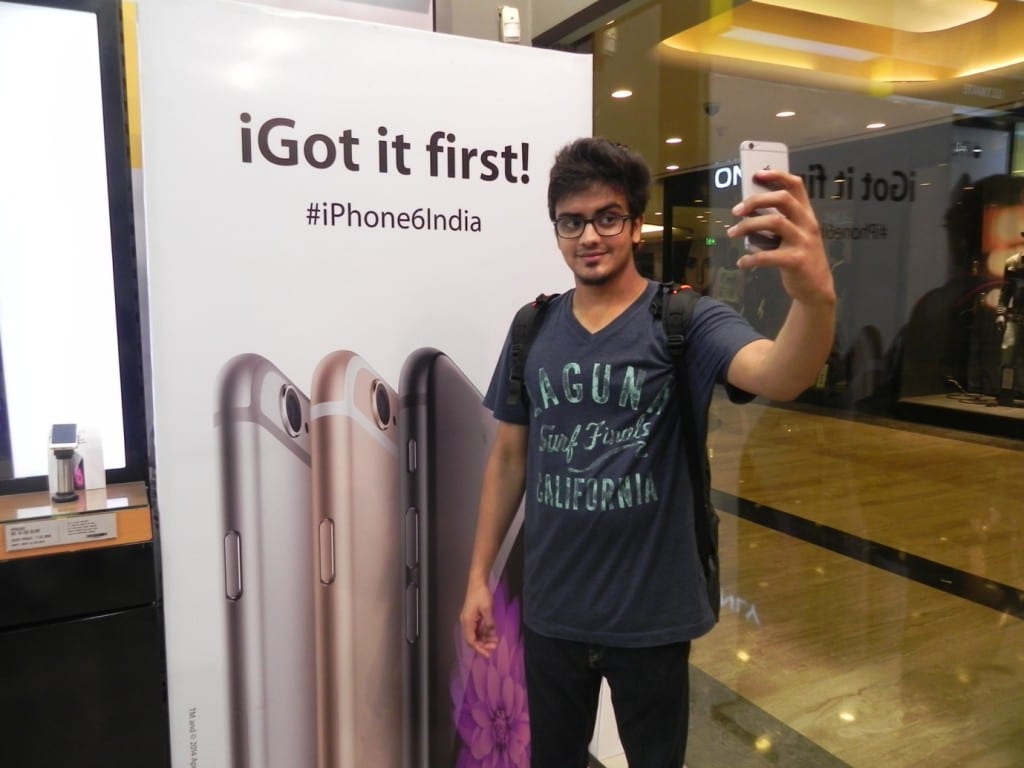
    Weeks after we revealed that Apple has applied to the government to set up its fabled stores in India, its chief executive officer Tim Cook has confirmed the same, signaling India’s elevation in the Cupertino-based smartphone maker’s consciousness as one of its key growth markets.

    In a townhall meeting with Apple employees held at Infinite Loop headquarters in Cupertino in the days following the first quarter earnings, Cook said that Apple was in “early preparations” to bring its retail stores to India, according to report by 9to5Mac, which tracks developments at Apple very closely.

    Cook singled out India as “one of Apple’s most important growth areas for the next decade”, underlining its importance given its favourable demographics and surging smartphone sales.

    Apple’s top boss also said India unlike many emerging markets had 4G mobile services and it which therefore “gives Apple the opportunity to push its latest devices to regions like India”.

    Cook also fielded audience questions, attempting to reduce concerns related to the company’s iPhone dependence, and discussed porting more Apple services to Android and releasing cheaper iPhones to appease growing markets.

    India is the world’s fastest growing smartphone market, having surpassed the US in 2015 as the second largest by unique active users worldwide. This would make a strong case for Apple’s famed retail stores, distinct for its look, feel and customer experience, to come up as the brand enjoys a very strong aspiration value, especially among the youth.

    Apple has applied for the single brand retail license, which once granted, will allow it to open its own stores here. Currently, Apple sells its iPhone, iPad, Mac and other products through third-party resellers in the country. But with the government easing up foreign investment rules on single brands and relaxing mandatory local procurement conditions for high-tech companies, the doors are now open for Apple to make a direct foray.

    Apple posted its best ever quarterly sales in India recently, with volumes crossing 800,000 units for the three month period to end-December 2015. During this period, sales in developed markets faltered. Revenue in India surged 38%, albeit on a smaller base, compared with 11% growth in overall emerging markets and 14% in Greater China, its second-largest market after the US.

    iPhone sales volumes grew 76% in India compared with 45% in Korea, the Middle East and Africa, 20% in several western European countries and 18% in mainland China, in the October-December quarter.

    “During hard times like now, it provides an opportunity to invest in newer markets such as India where there are long-term prospects,” Cook said during the first quarter earnings last month, acknowledging the potential of the Indian market.

    “India is quickly becoming the fastest-growing BRIC nation, the third-largest smartphone market behind China and the US, and the median age of the population is 27 compared to 36-37 in China,” he added.

    Apple has been making aggressive price cuts on older devices such as iPhone 5s and even cut prices on iPhone 6s and 6s Plus models after consumers were deterred by the high cost of new models. It’s also increasing availability, including online besides giving greater flexibility to retailers and distributors on pricing.