Retail News CRM

Tag: retail stores

  • Moleskine opens its first retail store in SEA

    Moleskine opens its first retail store in SEA

    It’s been a big year for Brioni. The fashion house has marked its 65th year by collaborating with us on our ’Wallpaper* Handmade… in Italy’ exhibition, opening several new stores and – of course – throwing a large party. And now it is celebrating the milestone with a commemorative Moleskine notebook, which it’s giving to friends of the brand, illustrated by the whimsical hand of the artist, Carlo Stanga.

    Eschewing fashion’s customary glossy images, Stanga has created a series of playful and informal vignettes depicting the tailoring brand’s history and identity. On one page, a team of tiny characters spills from the pockets of a giant suit jacket as they carry out its finishing touches. And on another, there are a series of Brioni-clad Oscars, with a caption that reads: ’Brioni conquers Hollywood.’

    ’We were attracted to Carlo’s work by his fresh and modern stroke,’ says Brioni. The brand has a large archive of illustrations. From its inception in 1945, up until the 1970s, it collaborated with artist, Luigi Tarquini. ’We feel that illustration is a warmer art form than photography,’ the fashion house explains.

    Next up for Brioni is the opening of its new stores in China and Düsseldorf, plus September will see its first fashion show with Alessandro Dell’Acqua at the creative team’s helm.

  • Retail Stores in the near future will have no employees

    Retail Stores in the near future will have no employees

    Have you ever imagined walking into a D-Mart store in the middle of the night, selecting an item, paying and leaving without any human interaction?

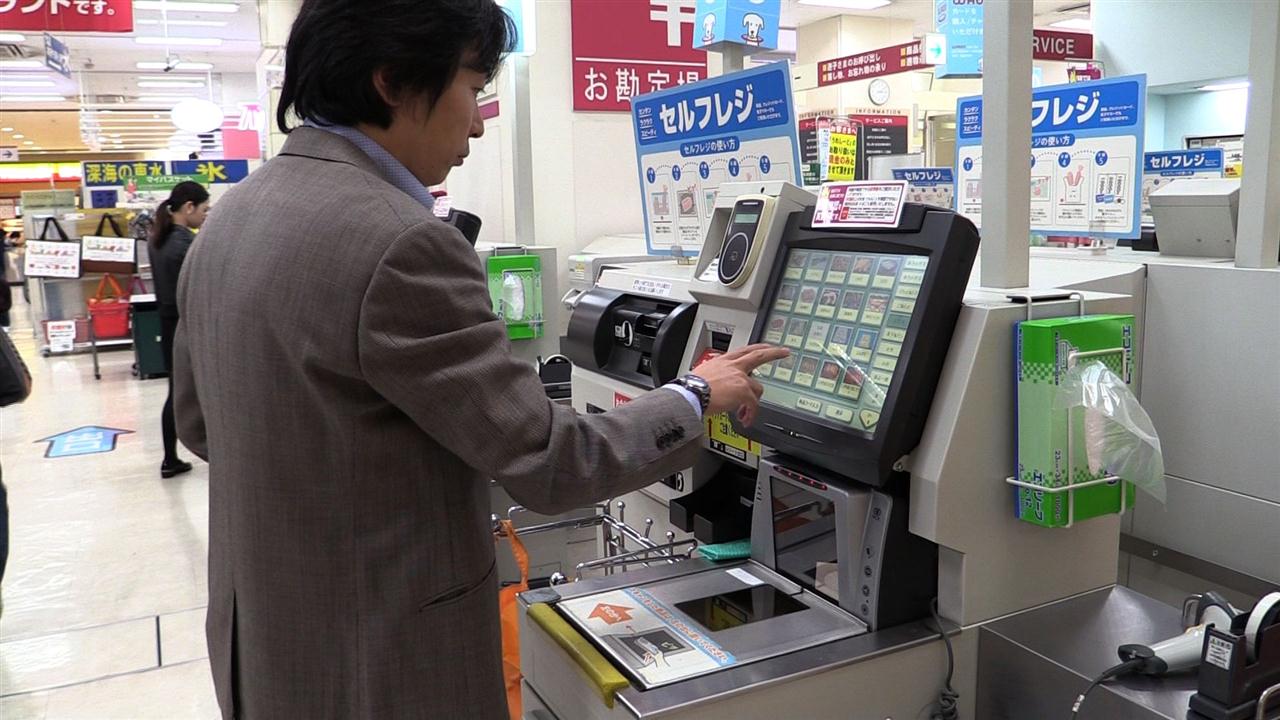
    Still, there’s a detailed data footprint of the transaction from which actionable insights can be drawn. The store is equipped with a responsive technology suite that includes smart shelves, intelligent cameras, gateways and sensors, smart counters for frictionless checkout and smart digital signage.

    Across the globe, retailers are modernising by embracing technologies such as IoT, AI and analytics to personalise the customer experience and reshape the supply chain. One example is JD, one of the online retailers in China. It has opened its first staff-free store called D-Mart at its company headquarters. Staff-free stores are a growing international trend bringing the conveniences of online retailing into the physical shop.

    JD’s staff-free store leverages a suite of Intel responsive technologies that range from edge computing to digital signage to point of sale (POS) solutions. The two companies will continue to collaborate on developing IoT solutions that reimagine the future of brick-and-mortar stores to help over 6.8 million mom-and-pop retailers throughout China meet customers’ expectations and remove existing sales barriers.

    Intel-powered solutions help retailers transform their supply chains. G-Star has plans to scale globally to an additional 100 stores. Used in tandem with RIOT insight software for analytics, the Intel-based solution provides data-driven insights into what’s selling and what’s not and which items need to be replenished so the retailer can make informed inventory management decisions.

    Lolli & Pops, a retailer of gourmet candies, uses computer vision and AI to provide the next generation of personalised customer experience. Through computer vision, Lolli & Pops “Magic Makers” recognise loyalty members in real time as they enter the store. Using AI-enhanced analytics, the retailer accesses members’ preferences and makes personalised product recommendations — giving shoppers the sweet VIP treatment, while ensuring they keep coming back.

    Point of sale equipment can lower the cost of doing business while simultaneously improving productivity. These innovative solutions will also enable transactions at the point of conversion and give customers the power to decide when, where and how they purchase.

    At NRF 2018, over 30 Intel partners will feature Intel-based solutions designed to help solve retail’s biggest challenges.

  • Hublot Japan launches Kyoto townhouse outlet

    Hublot Japan launches Kyoto townhouse outlet

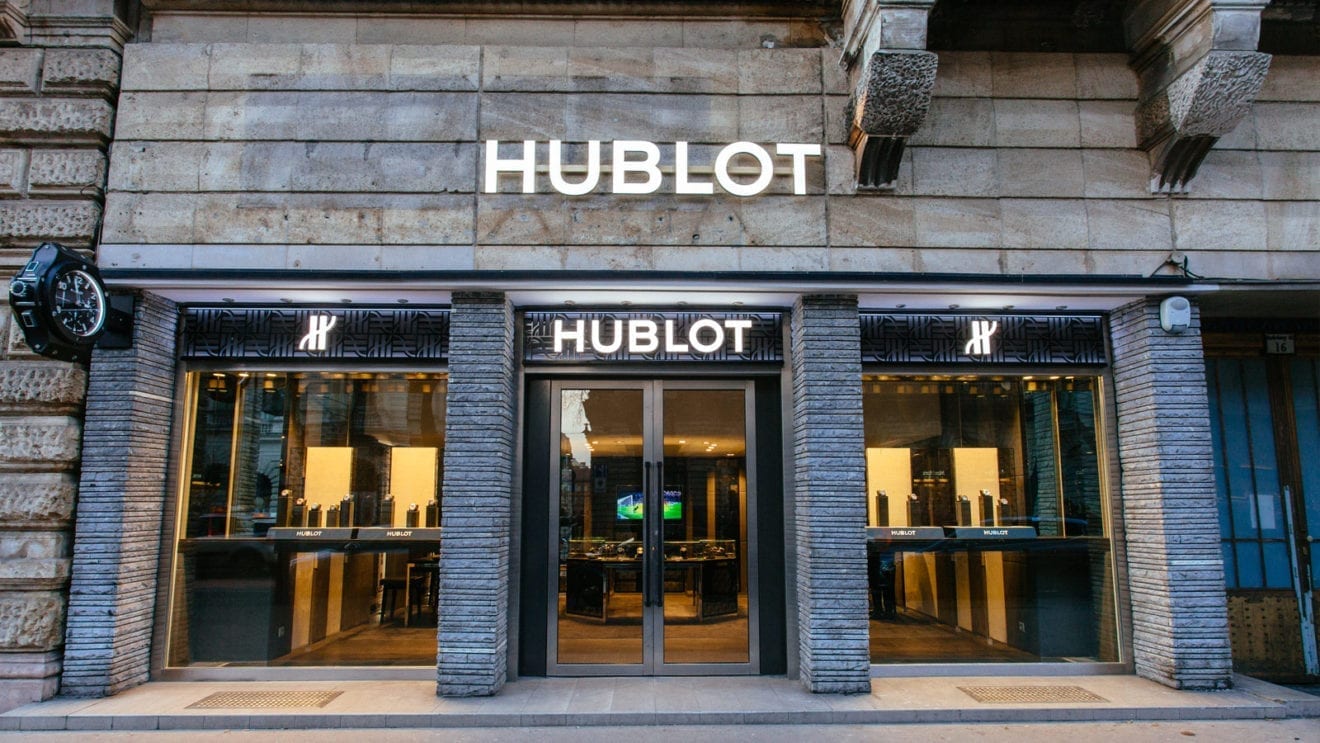
    Hublot Japan has opened a shop in Kyoto’s Gion district, its third directly run outlet.

    The Swiss luxury watchmaker has a store in Tokyo’s Ginza district and another in Osaka. The latest location is in Kyoto’s second Daimaru department store, which has just opened in a traditional Kyoto-style townhouse.

    Hublot Boutique Kyoto is on the ground floor of the two-storey townhouse store in Gion’s main street. A Japanese tearoom on the upper floor can be used for hosting events.

    Founded in Switzerland in 1980, Hublot mainly targets men in their late 30s and early 40s. The Kyoto shop will primarily carry timepieces priced at around ¥1 million (US$9080) to ¥2 million. The shop is a mixture of traditional Japan and 1970s US. A noren (traditional Japanese curtain) printed with the shop’s logo hangs at the entrance; inside, the walls are decorated with American pop art. The sofa is made from Nishijin-ori (a traditional Kyoto textile) while take-zaiku (bamboo crafts) and washi (Japanese paper) are also used in the shop.

    The shop carries some limited-edition items such as the Spirit of Big Bang All Black model.

  • Why Is Apple Opening More Retail Stores in Emerging Markets?

    Why Is Apple Opening More Retail Stores in Emerging Markets?

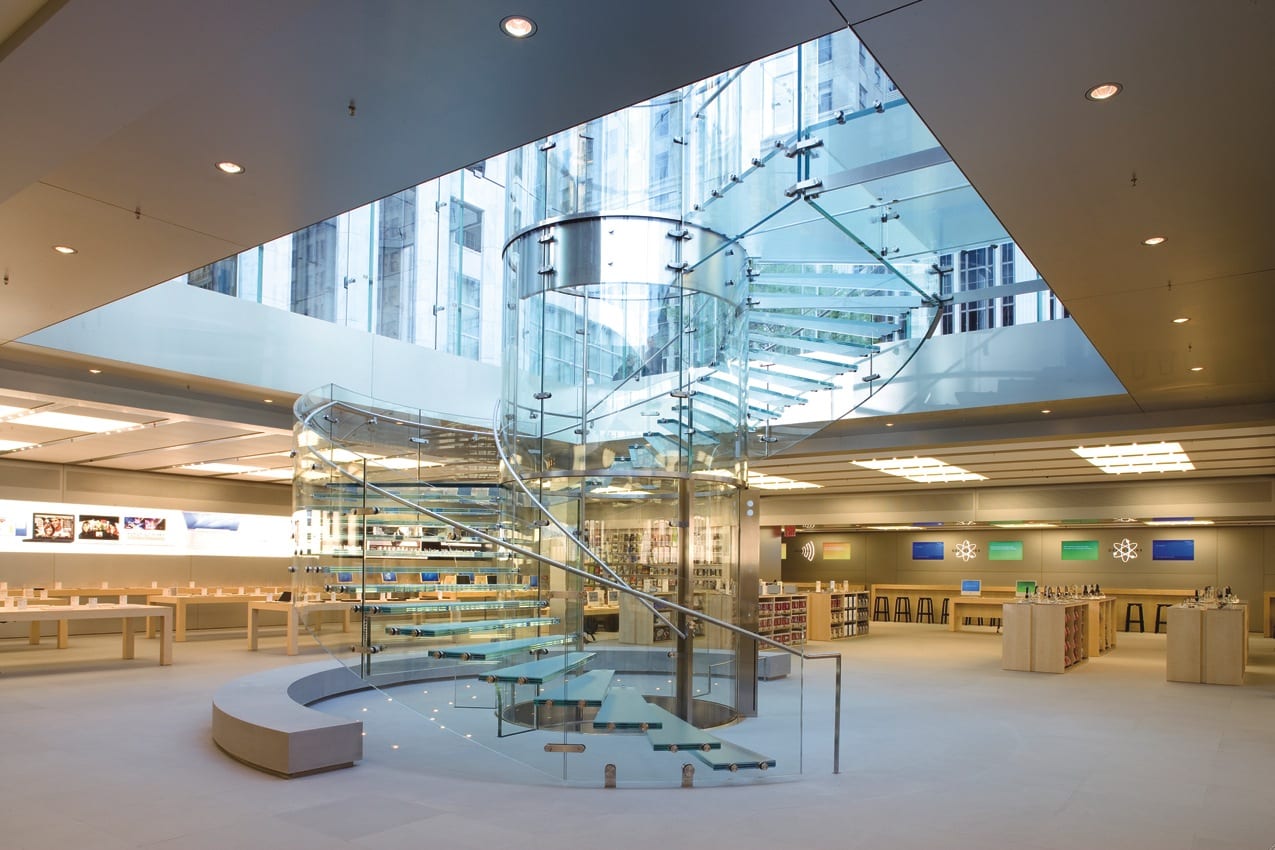
    Apple continues to remain optimistic about China despite the country’s economic slowdown. As a result of this optimism, Apple plans to open a number of retail stores in emerging markets such as China and India. Apple had 28 stores in China through the end of 2015, but it plans to add 12 more by mid-2016.

    In India, Apple had depended on subdistributors for the sale of its products until now. However, Apple has sought approval from the Indian government to open its own retail stores in India.

    Apple considers India to be an important market in the coming days, as the country is now the second-largest smartphone market in the world after China. Apple’s revenues in India grew by a healthy year-over-year (or YoY) rate of 38% in the quarter ended December 2015.

    Percentage of users buying iPhones from Apple US retail stores declining

    India has some positive macroeconomic factors that make it an attractive market. It is one of the fastest-growing economies with a huge young population. According to Apple’s CEO, Tim Cook, “The population of India is incredibly young. The median age there is 27. I think of the China age being young, at 36, 37 and so 27 is unbelievable. Almost half the people in India are below 25. And so I see the demographics there also being incredibly great for a consumer brand and for people that really want the best products.”

    The focus on retail in emerging markets is big for Apple, but it’s the opposite in the US. According to a report, citing research from Consumer Intelligence Research Partners, users are increasingly buying iPhones from telecom providers such as Verizon, Sprint (S), and AT&T (T) rather than its own stores. The above chart shows this trend. The main reason for this trend is that these providers offer consumers attractive leasing, installment plans, and exchange offers.

    Apple commands only 2% share of India’s smartphone market

    In the previous part of this series, we discussed the growing focus by Apple on India. According to Counterpoint, India recently overtook the US to become the second-largest smartphone market, behind only China. However, Apple still only commands a 2% share in India’s smartphone market.

    According to that report and as the chart below shows, Samsung led the Indian smartphone market last year, with Micromax, Intex, Lenovo, and Lava taking the up the remaining four positions among the top five players in this market. Microsoft lost its place among the top five players in this market due to the declining popularity of the Lumia line of smartphones.

    Apple Aims to Increase Penetration of India’s Smartphone Market

    Apple’s initiatives in India have yet to bear fruit

    Apple released the low-cost iPhone SE in March 2016, accompanied by high expectations. It released this smartphone in India in early March, but it has so far failed to garner much interest from users. The problem with the iPhone SE is that although it costs $430 in the US, it is sold at the higher price of $586 in India.

    iPhones cost more in India because Apple currently depends on third-party distributors to sell the devices in India, adding their commissions to the phone’s price. However, as discussed in the previous article, Apple plans to open its own stores in India, which could help bring down the prices of iPhones in India going forward.

    This isn’t the first time Apple has launched a cheaper version of the iPhone. In 2013, Apple launched the iPhone 5C at around $500.

    In 2015, Apple announced that it would slash the price of the iPhone 5S from $665 to $370, according to a report from the Times of India. However, all these efforts have still not helped Apple’s penetration of the Indian smartphone market. In our view, Apple would have to do much more to achieve that goal.

  • Metro Retail Stores Philippines IPO approved

    Metro Retail Stores Philippines IPO approved

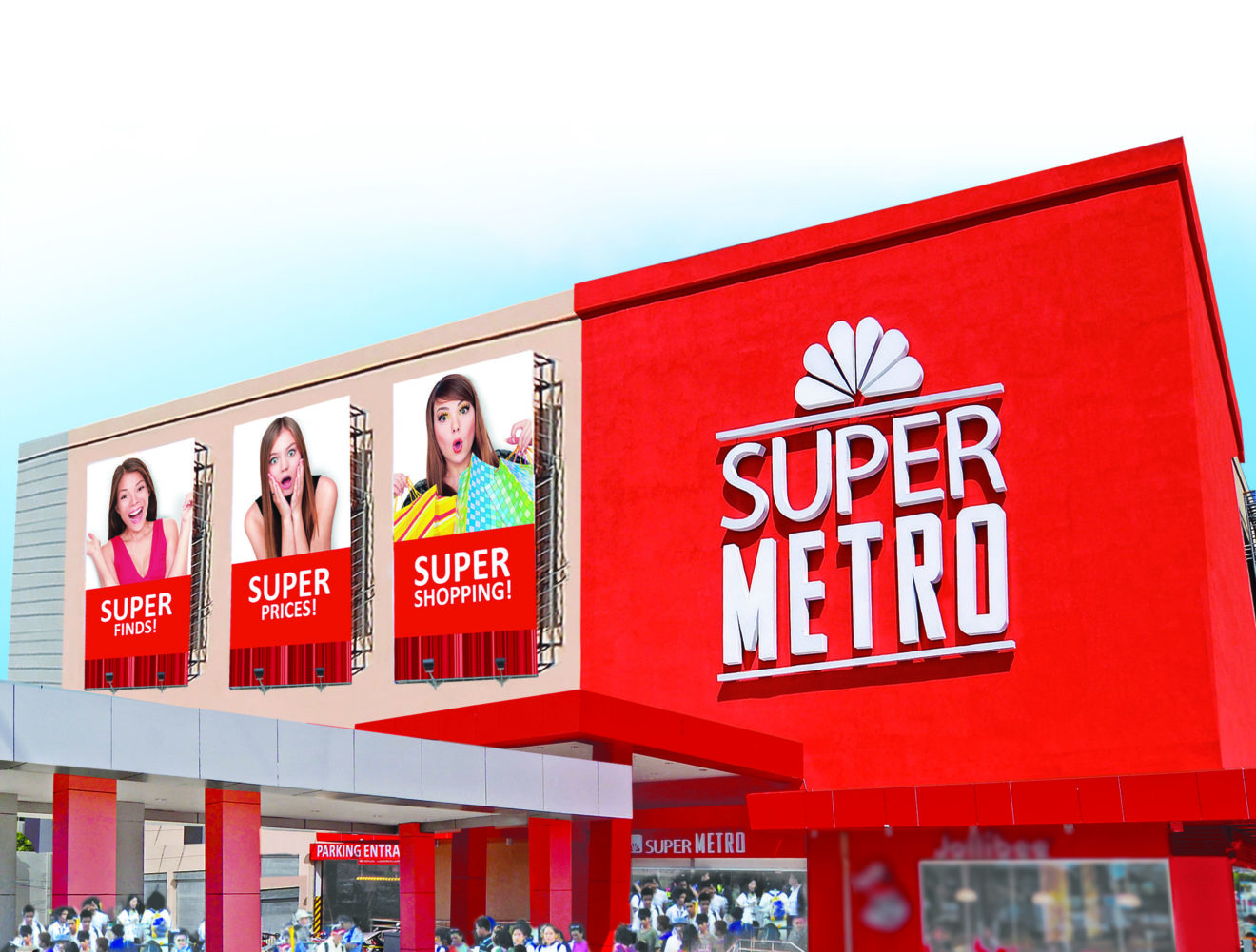
    The Philippines Securities and Exchange Commission has approved Metro Retail Stores Philippines’ initial public offering, with the retail chain expected to raise P6.17bn (US$135m) next month.

    Run by the Gaisano family, Metro Retail Stores operates hypermarkets and supermarkets across the country, and plans to use the proceeds from the float to expand its network of stores, and construct a new distribution centre.

    Metro Retail Stores plans to sell up to 1.01bn shares at P6.1 (US$0.13) each, with the price to be finalised on 28 October head of an expected 12 November listing.