Tag: Retail Tech

  • Graas Raises US$17 Million and Buys Trustana to Expand Retail AI Tools

    Graas Raises US$17 Million and Buys Trustana to Expand Retail AI Tools

    Singapore e-commerce technology platform Graas has raised US$17 million in fresh capital and completed the acquisition of product data company Trustana.

    The transaction brings Trustana’s catalogue and product intelligence software directly into Graas’s automated operating system for consumer brands across the region.

    Integrating Product Data

    Graas builds artificial intelligence software designed to optimize inventory, ad spend, and pricing decisions across digital marketplaces. Adding Trustana, an enterprise data startup initially incubated by Temasek, gives the combined entity deeper capability in structuring product catalogues and syndicating retail data across fragmented sales channels.

    Brand operators across Southeast Asia frequently run concurrent storefronts on Shopee, Lazada, TikTok Shop, and standalone web platforms. Managing product data across those channels remains one of the most persistent operational bottlenecks in regional digital commerce.

    Consolidation in E-Commerce Tech

    Software vendors across the region are consolidating capabilities as enterprise clients push to trim their technology vendor counts. Graas previously expanded its footprint by acquiring specialized marketing and logistics analytics companies across India and Southeast Asia.

    RetailNews Asia views the deal as a clear shift away from standalone point solutions toward unified enterprise software suites capable of running daily merchant operations autonomously.

    Integration of Trustana’s data pipelines into the Graas platform begins immediately, with the combined software suite scheduled for enterprise rollout over the coming quarter.

  • Australian Shoppers Trust AI Recommendations over In-Store Retail Staff

    Australian Shoppers Trust AI Recommendations over In-Store Retail Staff

    Australian consumers now place more trust in artificial intelligence for shopping recommendations than in human retail staff, according to new industry research tracking store-floor buyer habits.

    The findings point to a decisive shift in how shoppers research products, compare prices, and finalize purchasing decisions across Australian retail channels.

    The shift away from floor staff

    Shoppers increasingly turn to automated search assistants, chatbot tools, and algorithm-driven recommendation engines before speaking to floor employees. Fast access to product specifications, unvarnished peer reviews, and real-time inventory checks gives digital tools an edge over human staff who may lack deep product knowledge.

    Retail workers face higher shopper expectations as a result. Store visitors often arrive having already researched technical details online, using physical visits primarily to confirm choices rather than seek basic sales guidance.

    What the preference change means for store networks

    Across the Asia-Pacific region, merchants in mature retail markets like Australia, Japan, and Singapore are reallocating technology budgets to support instant customer queries at the shelf edge. Retailers that integrate generative assistants into loyalty apps and in-store digital kiosks capture buyer intent earlier in the shopping cycle.

    Store operators must now decide how to retrain frontline staff to handle complex customer service issues rather than standard product lookup tasks.

  • Wishlink Secures $17.5 Million in Series B Led by Vertex Ventures

    Wishlink Secures $17.5 Million in Series B Led by Vertex Ventures

    Indian creator commerce platform Wishlink raised $17.5 million in a Series B round led by Vertex Ventures Southeast Asia & India.

    The fresh injection gives the business capital to expand its creator network and deepen retail brand integrations across the country.

    Creator storefronts and brand integration

    Wishlink operates an infrastructure layer connecting social media creators directly with e-commerce brands and marketplaces. Creators curate personal storefronts, share trackable product links across short-form video and social channels, and earn commissions on completed orders. The model gives direct-to-consumer labels and large e-commerce platforms measurable sales attribution rather than unverified impressions from standard influencer campaigns.

    Performance retail drives venture interest

    Venture investors in South Asia continue to back commerce models where creator payouts tie directly to retail sales volume. Traditional influencer marketing budgets in India have faced tighter scrutiny over return on spend, leading consumer brands to reallocate capital to performance-driven affiliate channels. Vertex Ventures Southeast Asia & India led the transaction, expanding its portfolio of retail technology and digital commerce infrastructure companies across the region.

    Wishlink is deploying the new funds into tech infrastructure, automated creator discovery tools, and expanded brand onboarding across major consumer categories.

  • Retail tech solutions showcased at Biopolis

    Retail tech solutions showcased at Biopolis

    Customers eyeing a piece of furniture often hesitate to buy it because they do not know how it would look in their homes.

    But now, an application by a team of researchers from Dimension 5, a spin-off from the Agency for Science, Technology and Research (A*Star), lets users see how an item would look in a specific room. The 3D visualisations are modelled to scale, and users would be able to drag and drop a design from a furniture company’s online catalogue onto their mobile screens for a look before they buy it.

    The team has already secured a contract with a furniture company and is planning to launch the iOS version of the app at the end of the month, with an Android version to come in two to three months.

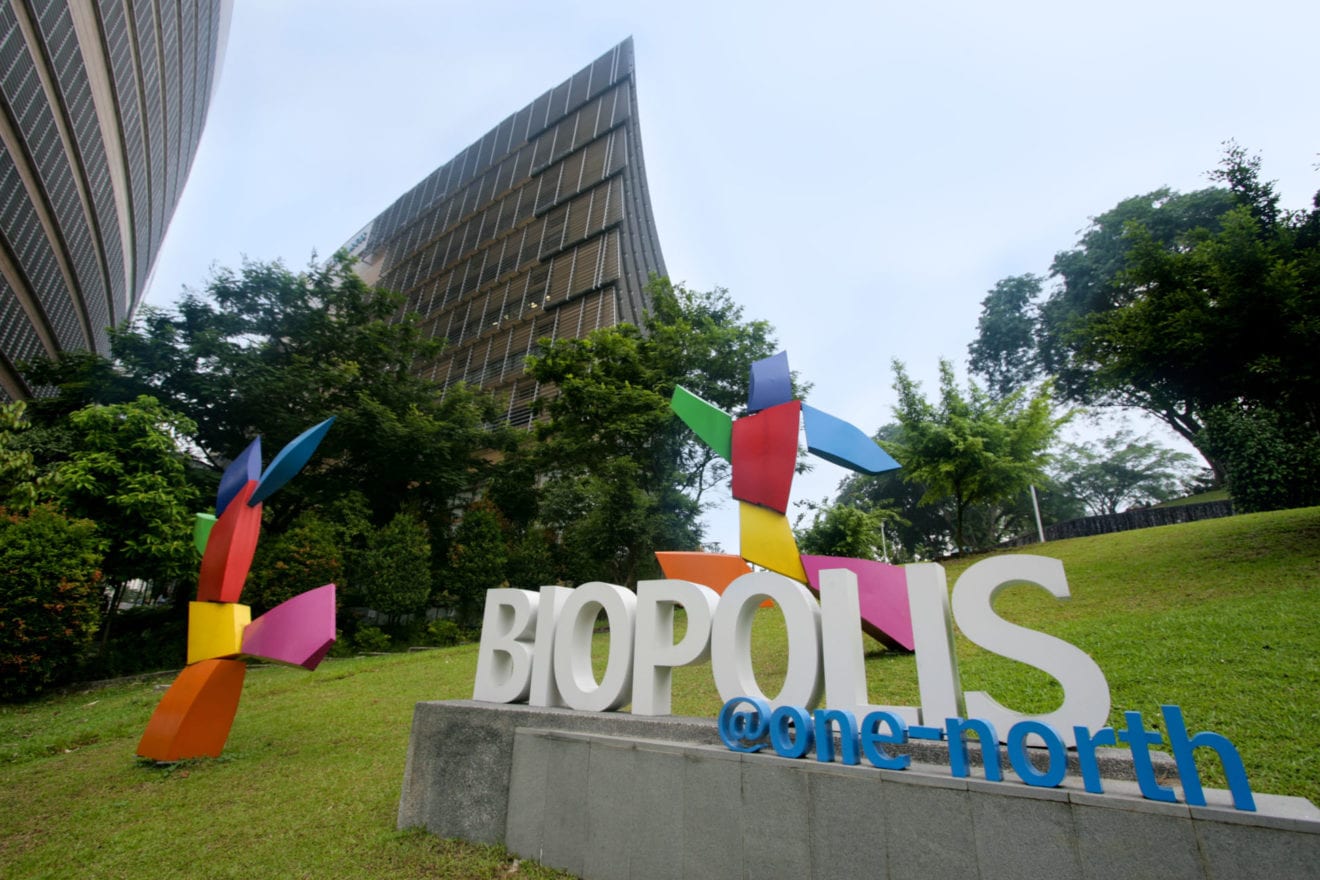
    More than 60 of such infocomm technology-based solutions for the retail industry are on show at the two-day Media Exploits event, organised by A*Star, which ends today. While targeted at industry professionals, the event at the Bio-polis is also open to the public from 9am to 5.30pm.

    Other projects showcased are in varying stages of development. These include SoundEye, a monitoring device that detects screams or shouts so that caregivers can be alerted when elderly residents fall.

    Mr Philip Lim, chief executive officer of Exploit Technologies, A*Star’s commercialisation arm, said a major objective of the event is to bring together people from different communities, particularly those who understand markets and consumer demand.

    “You need to take teams of people and talent forward to where the technology has been groomed, maybe even to the point where they can influence the technology.

    “They can suggest better ways of doing things to researchers, based on what people need out there,” he added.