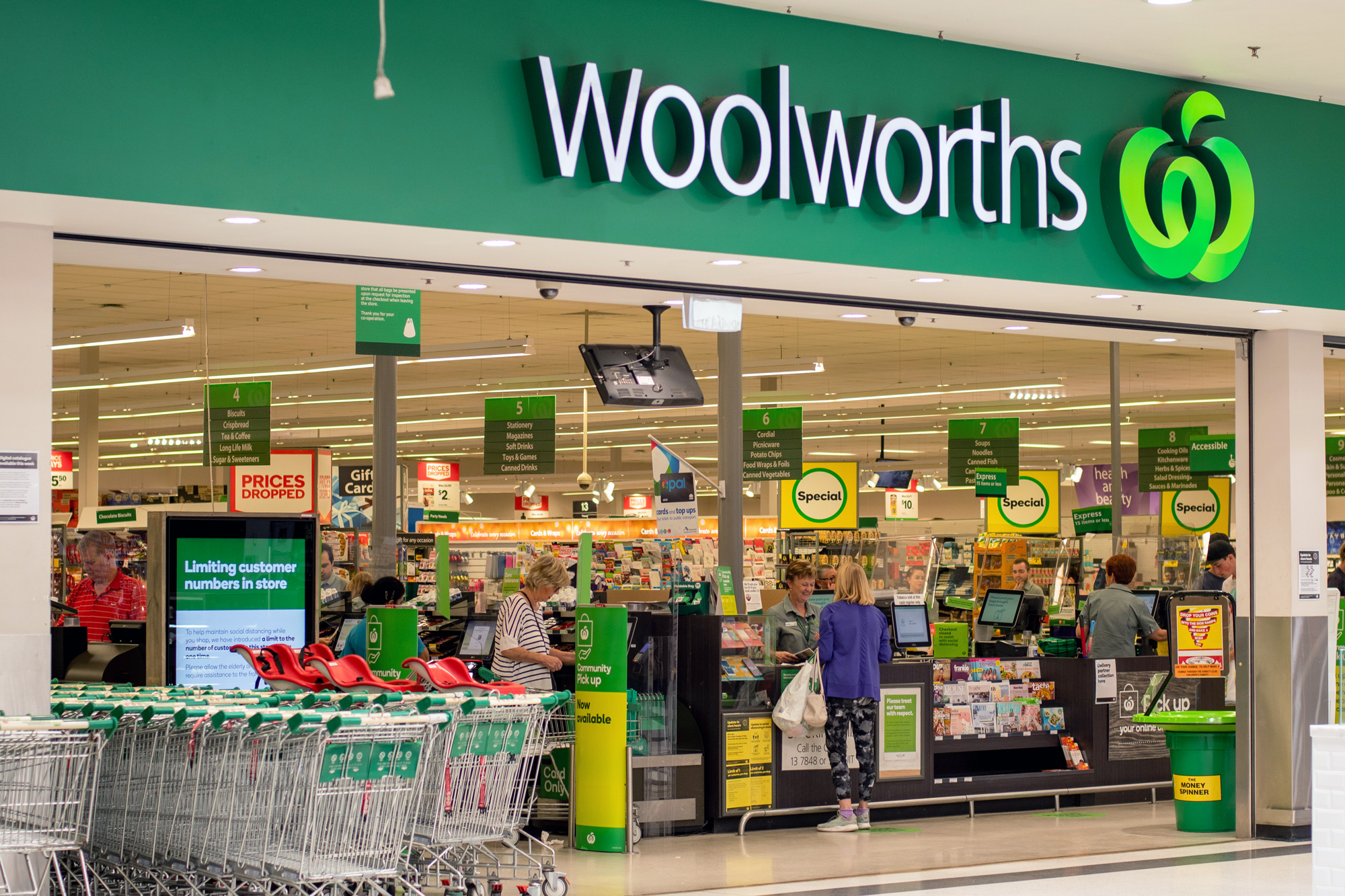
Hundreds of in-store managers across Woolworths New Zealand are staging their first strike in October 2026 to protest a contract proposal that would freeze wages for up to five years.
Staff represented by First Union will walk out between 10:30am and 11:30am on Tuesday across store locations nationwide to speak directly with shoppers about the pay dispute.
Terms of the Proposed Contract
First Union representative Ross Lampert and union officials state the current remuneration package offered by supermarket management locks store leadership into flat base pay rates. During the one-hour stoppage, participating managers plan to distribute information outside storefronts to explain why they rejected the company offer.
First Union representative Ross Lampert condemned the proposal during negotiations with the retailer. “The pay offer is a slap in the face for people who run Woolworths’ stores,” Lampert said.
Operating Pressures in Australasian Grocery
Supermarket operators across the region face tighter margin scrutiny as store-level overheads climb alongside elevated supply costs. For retail chains, holding management compensation flat is a direct lever to contain operational expenditure, but doing so risks damaging retention across frontline supervisory roles.
Store managers handle daily stock replenishment, team rostering, shrink control and checkout flows. Industrial friction at this tier creates immediate operational bottlenecks for grocery retailers, particularly during high-traffic morning trading windows.
Shifting Frontline Labour Dynamics
Supermarket labour disputes in New Zealand historically centred on hourly floor staff, distribution centre workers and checkout operators rather than salaried or supervisory tier staff. Mid-level retail managers taking collective industrial action reflects growing pressure on supervisory wages as living costs outpace historical salary adjustments.
Woolworths has been updating its store networks and brand identity across New Zealand while managing cost inflation in freight, sourcing and store operations. The dispute shows that frontline cost controls are meeting organized resistance from the staff running store floors daily.
Next Steps for Store Negotiations
Union organizers intend to use the Tuesday morning walkout to gauge customer sentiment and escalate collective bargaining terms with grocery executives. Management and union representatives will monitor participation levels across branches ahead of the next round of contract talks.