Tag: revival

  • Daeil Kim Steps Up as New CEO to Fuel 7-Eleven’s Revival in Korea

    Daeil Kim Steps Up as New CEO to Fuel 7-Eleven’s Revival in Korea

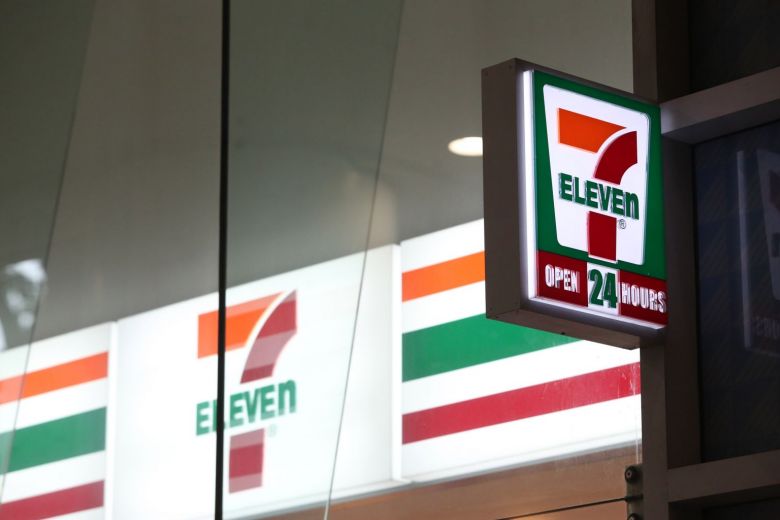
    Korean Seven, the South Korean operator of the worldwide convenience store franchise 7-Eleven, has recently appointed Daeil Kim as its latest CEO. The move is aimed at driving growth and propelling a significant business transformation.

    Daeil Kim Steps Up

    Kim officially took the reins of the company on April 1. He brings along a robust portfolio of 28 years that spans across global business leadership, management consulting, and digital platforms.

    Kim expressed his dedication to his new role by articulating his focus on cooperating with the skilled team at Korea Seven. The goal is to rebuild the brand and steer it towards a period of renewed growth.

    A Wealth of Industry Experience

    Kim’s professional journey includes senior positions across various sectors, such as fintech, digital services, and marketing technology. His most recent role was as CEO of Secta9ine, the marketing and technology solutions division of SPC Group. The group operates globally recognized brands such as Paris Baguette and Baskin-Robbins.

    Prior to his tenure at Secta9ine, Kim held the position of MD and head of international business at Ascend Group. Here, he led the expansion of the ‘TrueMoney’ fintech platform across Southeast Asia.

    Revitalizing the Brand

    Kim’s appointment is a testament to Korea Seven’s dedication to rejuvenating its brand. The retail sector in Korea is witnessing rising competition and evolving consumer expectations. Korea Seven is focused on meeting these new challenges head-on and continuing to thrive in this dynamic market.

    Questions & Answers

    What is the focus of Daeil Kim in his new role as CEO of Korea Seven?
    Kim plans to work closely with the talented Korea Seven team to rebuild and boost the brand to a period of growth.

    What sectors does Kim’s professional experience span across?
    Kim has served in senior roles across fintech, digital services, and marketing technology sectors.

    What is Korea Seven’s commitment amidst the rising competition and changing consumer expectations in the Korean retail sector?
    Korea Seven is committed to revitalizing its brand to meet the increasing competition and shifting consumer preferences in the Korean retail sector.
  • Hong Kong Office Market Revival: Downtown Vacancy Rates Hit 2-Year Low

    Hong Kong Office Market Revival: Downtown Vacancy Rates Hit 2-Year Low

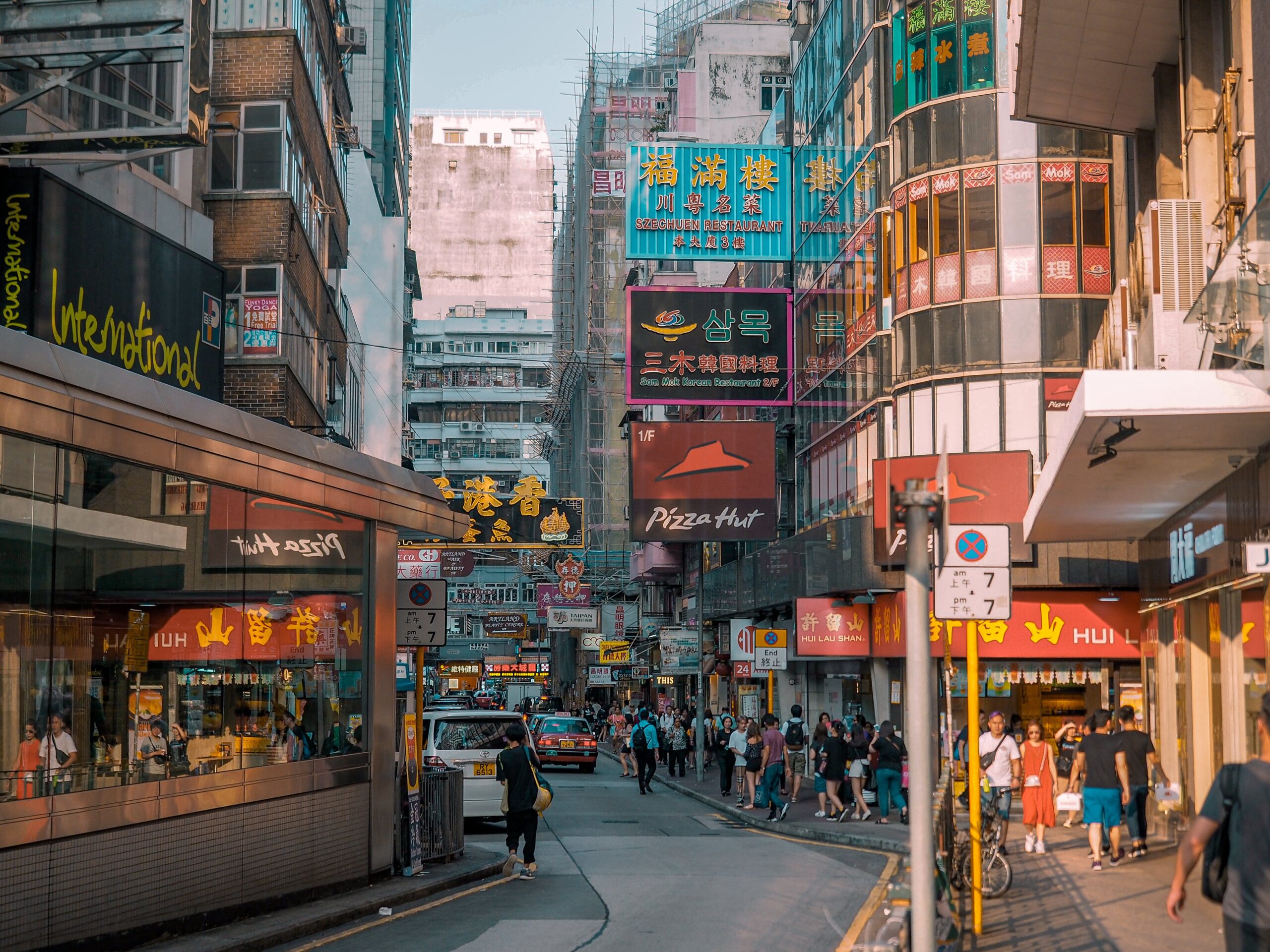
    The prime office space vacancy rates in Hong Kong’s central business district have once again dipped into single figures for the first time in over two years, marking a resurgence in demand within the previously struggling office market.

    A Turnaround in Demand

    The primary business district, situated on the northern coast of the island, saw the vacancy rate for Grade A offices drop to 9.9% in February, a slight decrease from January’s 10.1%. The district last recorded a single-digit vacancy rate in December 2023, standing at the same figure of 9.9%.

    This trend isn’t limited to the central business district. Across Hong Kong, the overall prime office vacancy rate also fell slightly, dropping to 13.4% in February from the 13.5% recorded in the previous month.

    Rising Rents

    In line with the declining vacancy rates, rental costs for Grade A offices in the central district also experienced a rise. The first two months of the year saw rent prices increase by 3.5%.

    Banking remains the main driver for leasing activity, with the demand focusing on newer office buildings within the central business districts. Two districts have begun to show early signs of improvement, a trend that is expected to continue throughout the year. However, non-core districts, such as Kowloon East, are anticipated to remain under strain.

    Increased Optimism

    CK Asset Holdings, a property development company owned by billionaire Li Ka-shing’s family, has also expressed positive expectations for leasing demand this year. The company saw leasing remain under pressure during the previous year, but recent renewals have started to show small increases in rental costs.

    Both rent and sales are projected to see a surge. The overall non-residential property market is expected to continue adjusting and seeking support levels. However, rental and sales prices for offices located in the core districts may stabilize first.

    Uneven Recovery

    According to a report, the recovery within the office market varies across Hong Kong. The premium Grade A buildings in the central district, such as Two IFC, Chater House, and The Henderson, have maintained occupancy rates above 88%. In contrast, older properties within the same district have recorded occupancy rates below 75%. This uneven recovery rate highlights the growing preference for modern, high-specification buildings, reinforcing the “flight-to-quality” trend within Hong Kong’s office sector.

    Questions & Answers

    What is the current vacancy rate for prime office space in Hong Kong’s central business district?
    The vacancy rate for prime office space in Hong Kong’s central business district is currently 9.9%.

    What trends are emerging in Hong Kong’s office sector?
    There is a growing preference for modern, high-specification buildings, and non-core districts like Kowloon East are likely to continue facing pressure.

    What is the forecast for rental and sales prices in the near future?
    Rental and sales prices for overall non-residential properties are expected to continue adjusting, with prices for offices in the core district possibly stabilizing first.

  • Revival on the Horizon: Metro Manila Retail Vacancy Rate Expected to Bounce Back to Pre-Pandemic Figures

    Revival on the Horizon: Metro Manila Retail Vacancy Rate Expected to Bounce Back to Pre-Pandemic Figures

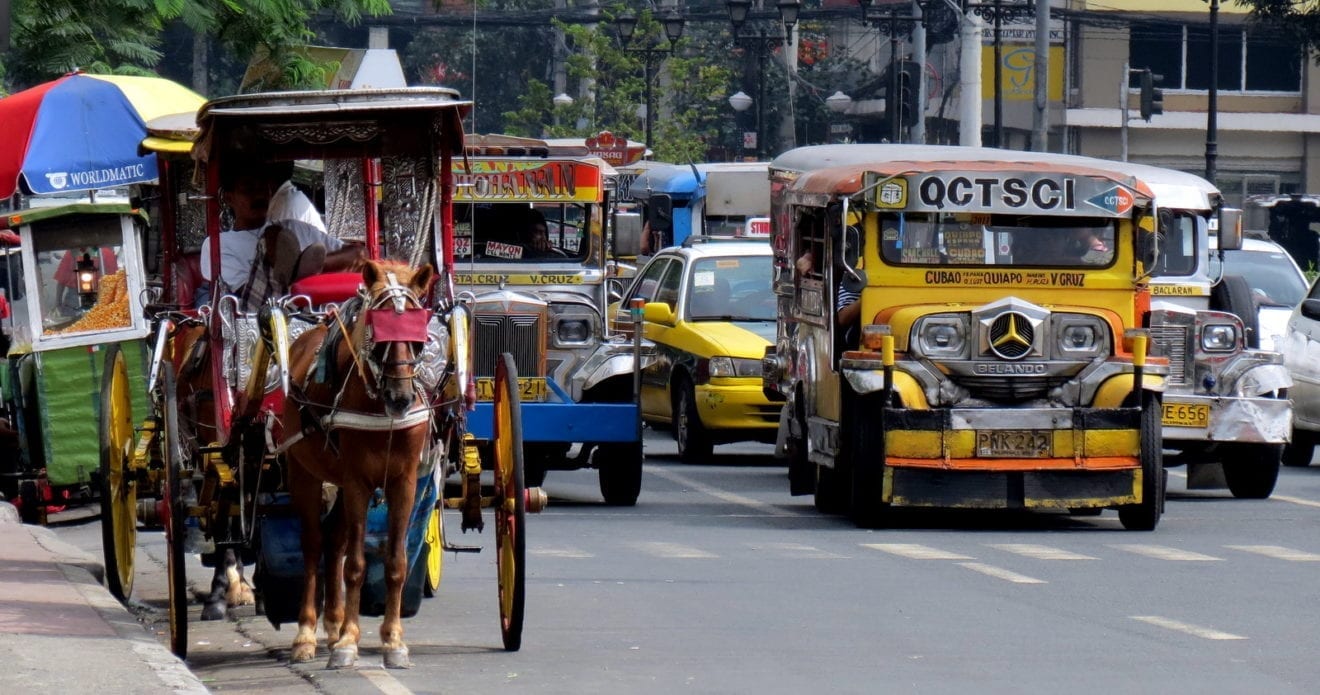
    The retail vacancy rate in Metro Manila is projected to return to pre-pandemic levels by 2022, according to a recent study by Colliers Philippines. The rate of empty retail spaces in Metro Manila eased to 11.4% as of September 30, 2021. By the close of next year, forecasts indicate a reduction to 9.5%, almost matching the 9.3% recorded in the third quarter of 2019.

    Long-Term Forecasts

    The report also offers long-term projections, with a predicted rate of 8.2% by the end of 2027. This figure is notably lower than the pre-pandemic benchmarks, signaling a positive recovery trend for the retail sector in the region.

    The study attributes the anticipated improvement to two main factors. The first is the continuous entry of international retail brands into the Filipino market. The second is the rapid expansion of existing brands.

    The Role of Foreign Brands

    According to Joey Bondoc, Research Director at Colliers, foreign brands play a crucial role in this trend. He noted that many of these brands have previously exited the market but are now making a significant comeback.

    Bondoc further highlighted the attractive refurbishment strategies of major developers in the region, which are drawing in these companies. These refurbishments are focusing more on experiential retail, adding another layer of attraction for both brands and consumers.

    Industries Occupying Retail Spaces

    The report also shed light on the dominant industries in retail space occupancy. The food and beverage sector, fast fashion, and general retail were listed as the primary occupiers of retail spaces. Their continued presence and growth contribute to the overall decreasing trend of retail vacancies.

    Questions & Answers

    What is the anticipated retail vacancy rate in Metro Manila by the end of 2022?
    The retail vacancy rate is expected to decrease to 9.5% by the end of 2022.

    What factors are contributing to the decrease in retail vacancies?
    The entry of foreign retail brands into the Philippines market and the accelerated expansion of existing brands are primarily driving this improvement.

    Which industries are the biggest occupiers of retail space in Metro Manila?
    The food and beverage sector, fast fashion, and general retail industries are the main occupiers of retail spaces.