Tag: revolutionizing

  • Revolutionizing Employee Health: LivWell Broadens Wellness Ecosystem in Vietnam with Innovative InsurTech Solutions

    Revolutionizing Employee Health: LivWell Broadens Wellness Ecosystem in Vietnam with Innovative InsurTech Solutions

    LivWell, a leading Singapore-based InsurTech firm, has announced plans to broaden its OneHealth employee benefits scheme in Vietnam. The expansion includes the development of specialized insurance solutions, focused on various health conditions.

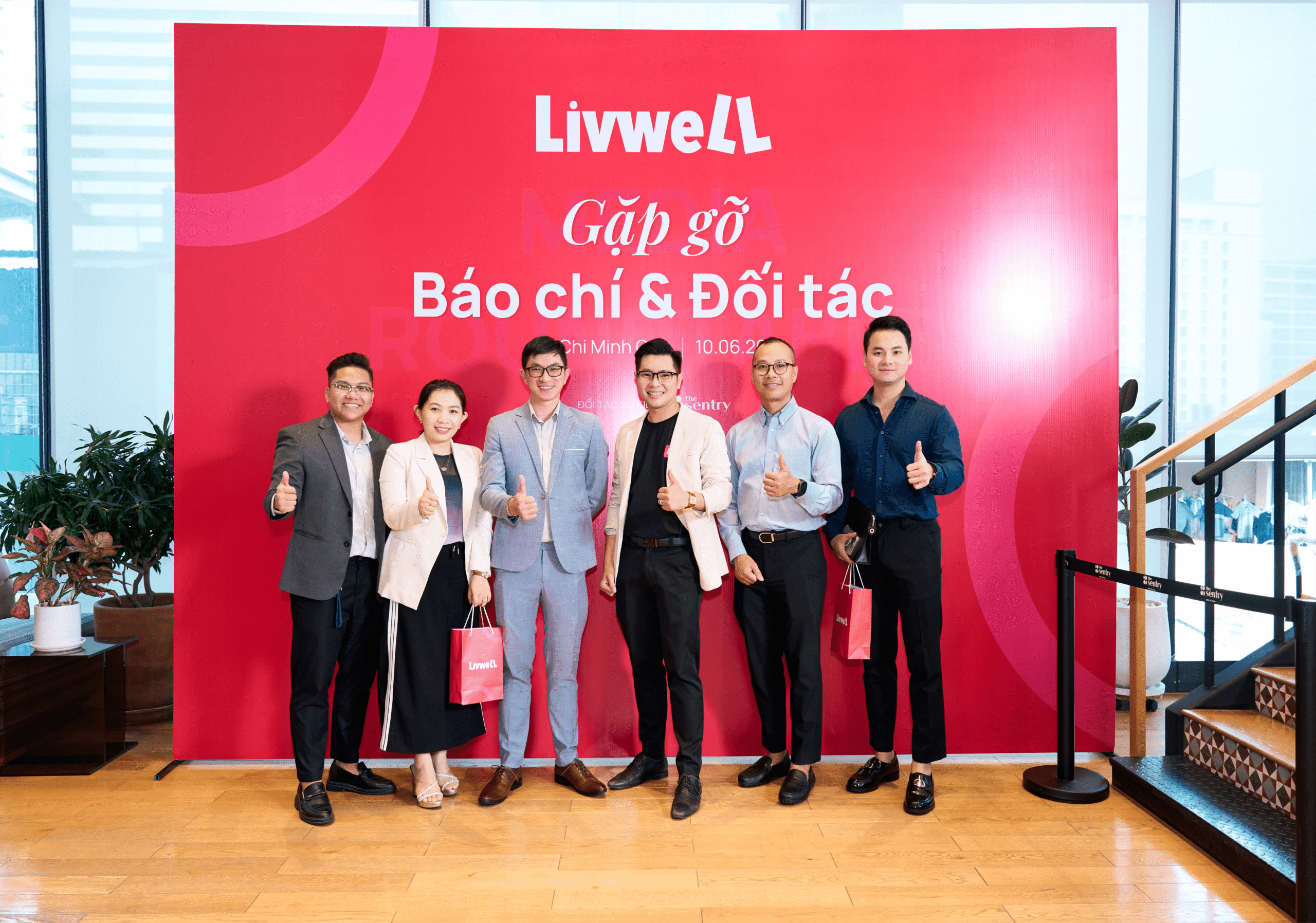
    The company’s decision to expand its services and offerings was announced during a strategic conference held in Ho Chi Minh City, where LivWell also revealed new partnership agreements with InSmart and DiaB.

    Revolutionising Health and Wellness Benefits

    LivWell aims to transform OneHealth from a traditional employee benefits solution, primarily focused on medical expense reimbursement, into a comprehensive healthcare platform. This integrated platform is aimed at consolidating preventive care, financial protection and long-term health support.

    This all-inclusive platform combines numerous elements of health, including insurance, healthcare services, wellness incentive programs, and health monitoring tools, all within a single application.

    For employers, OneHealth delivers a unified view of workforce health and benefits utilization, aiding benefits management. Meanwhile, employees can use the LivWell app to monitor their health indicators while availing themselves of health screenings, workplace wellness activities, and healthcare services.

    Emphasizing the need for proactive health management, Nikhil Verma, Co-Founder and Group CEO of LivWell, said, “We aim to help organizations cultivate healthier workplaces where health is proactively managed and every employee gets the necessary support throughout their wellness journey.”

    Enhancing Workplace Productivity and Reducing Out-of-Pocket Expenses

    LivWell cited studies to illustrate that a staggering 70% of adults believe wellness programs boost workplace productivity. However, Vietnamese households continue to pay nearly 39.5-40% of healthcare expenses out of pocket, despite having public and private health coverage. This figure starkly contrasts with the World Health Organization’s recommended out-of-pocket expenses in the range of 15-20%.

    LivWell’s partnerships with InSmart and DiaB aim to address these issues. The collaboration allows users to submit insurance claims and monitor benefits through the LivWell app, in addition to providing remote consultations, personalized nutrition guidance, and chronic disease management services.

    Additionally, LivWell announced plans to create insurance products specifically for individuals with certain health conditions, starting with cancer. Noting the financial burden of cancer treatment, the company mentioned that patients often pay up to 70% of the treatment cost by themselves.

    Balakrishnan Ambat, Co-Founder and CEO of LivWell Vietnam, reiterated the company’s commitment to not only providing for treatment costs but also encouraging healthier lifestyles to prevent illness.

    LivWell’s expanded ecosystem and future condition-focused insurance products intend to contribute to the evolution of employee health benefits in Vietnam, by aiding businesses in investing in workforce wellbeing and expanding access to healthcare services throughout different life stages.

    Since 2020, LivWell has served over 320,000 users and supported more than 450 businesses, including small and medium-sized enterprises, with employee benefits and wellness programs.

    Questions & Answers

    What is LivWell’s OneHealth?
    OneHealth is an employee benefits solution by LivWell. The company plans to transform it into a comprehensive healthcare platform integrating preventive care, financial protection, and long-term health support.

    What are some of the features of the OneHealth platform?
    OneHealth combines health insurance, healthcare services, wellness incentive programs, and health monitoring tools within a single application. It provides employees with health screenings, workplace wellness activities, and healthcare services.

    What is the aim of LivWell’s partnerships with InSmart and DiaB?
    The collaborations with InSmart and DiaB will allow users to submit insurance claims and monitor benefits through the LivWell app. They will also provide remote consultations, personalized nutrition guidance, and chronic disease management services.
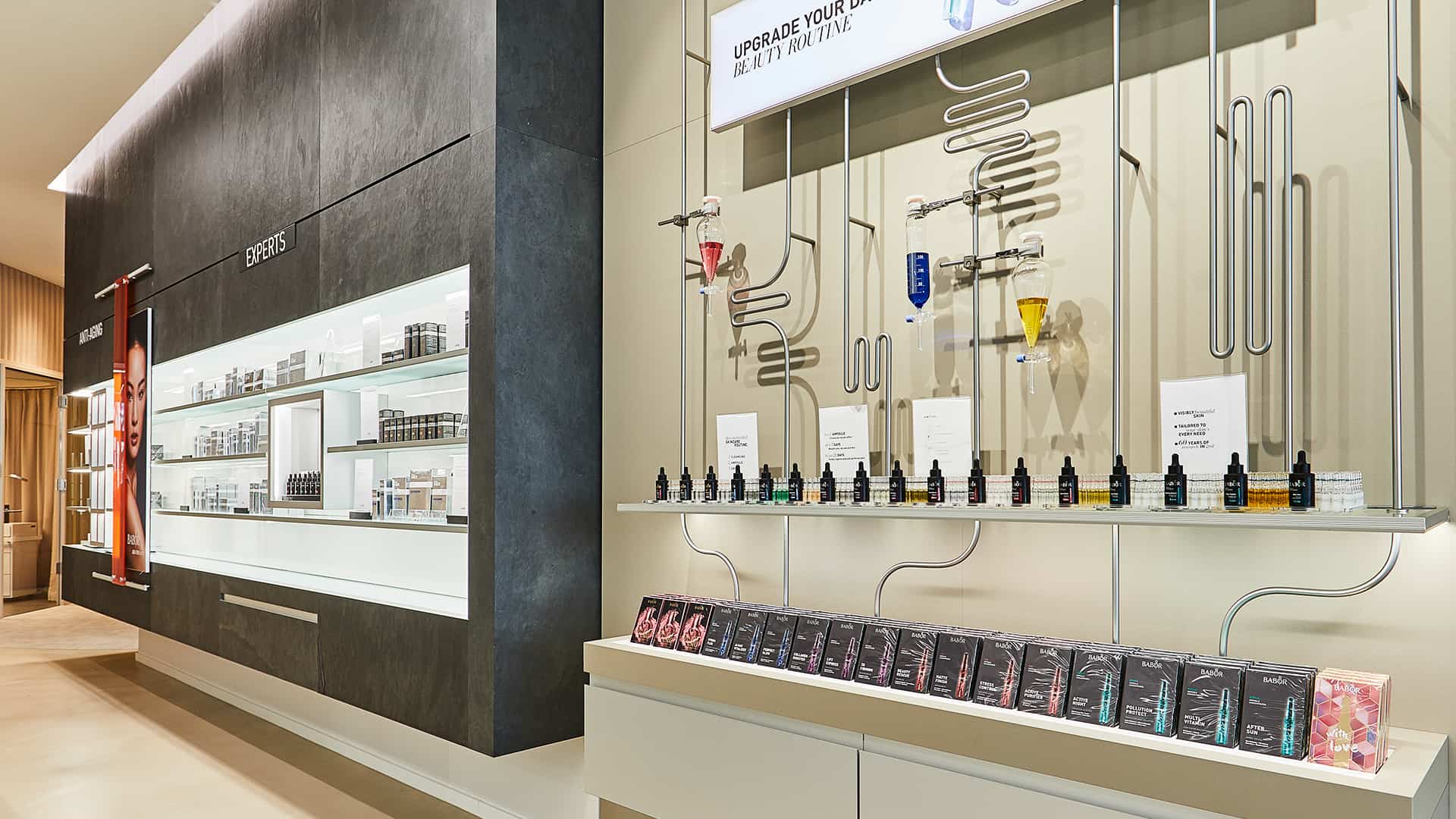

  • Babor Breaks Ground in China: Opens First Flagship Store in Shanghai, Revolutionizing Skincare Retail

    Babor Breaks Ground in China: Opens First Flagship Store in Shanghai, Revolutionizing Skincare Retail

    Germany’s renowned skincare brand, Babor, recently launched its first flagship store in mainland China, specifically in Shanghai, as part of its bid to augment its foothold in one of the world’s major beauty markets.

    An Experiential Retail Concept

    Situated in Shanghai’s Xintiandi Dongtaili district, the flagship store is fashioned as a “specialist skincare atelier.” This unique concept effortlessly fuses Babor’s German roots and professional know-how with an innovative, experience-driven retail framework.

    The store is partitioned into two main sections. The Retail Gallery proudly features Babor’s signature Ampoule Bar, as well as its primary skincare assortments. Conversely, a separate Treatment Atelier is available for customers seeking facial treatments and bespoke skincare services.

    The brand explains that this novel approach aims to foster “deeper connections with consumers” by harmonizing product exploration with tailored skincare treatments and services.

    Milestone in China Expansion Strategy

    Established in 1956, Babor has earned a reputation for its expert skincare products and treatments. The inauguration of this new store signifies a notable achievement in the brand’s China expansion strategy, mirroring the growing demand for high-end skincare experiences among local shoppers.

    Eternal Group, Babor’s regional partner, voiced their confidence in the sustainable future of China’s professional skincare sector, emphasizing the increasing relevance of experiential retail in forging robust consumer relationships.

    This event follows a larger retail expansion by Eternal. The beauty distributor, listed in Hong Kong, announced the opening of four new stores in Beijing, Shanghai, and Shenzhen recently. This is part of their plan to reinforce their directly managed retail network across China’s premier cities.

    Questions & Answers

    What is the concept behind Babor’s flagship store in Shanghai?
    The concept is designed as a “specialist skincare atelier”. It combines Babor’s German heritage and expertise with an experiential retail format to create deeper connections with consumers.

    What does the new store mean for Babor’s expansion strategy?
    The opening of the new store marks a significant milestone in Babor’s expansion strategy in China. It demonstrates the growing demand for premium skincare experiences among local consumers.

    How does Babor’s partner, Eternal Group, view the future of China’s professional skincare sector?
    Eternal Group expresses confidence in the long-term prospects of China’s professional skincare sector. They believe in the increasing importance of experiential retail in building stronger consumer relationships.

  • Mastercard Unveils Phone. Passport. Mastercard Campaign: Revolutionizing Travel in Southeast Asia with Seamless Digital Payments

    Mastercard Unveils Phone. Passport. Mastercard Campaign: Revolutionizing Travel in Southeast Asia with Seamless Digital Payments

    Mastercard has launched a new campaign aimed at making travel across Southeast Asia more seamless and rewarding for consumers. The initiative, named “Phone. Passport. Mastercard”, primarily focuses on improving the payment experience for travelers journeying through Indonesia, Malaysia, Singapore, Thailand, the Philippines, and Vietnam. Developed in conjunction with issuing banks and merchant partners, the program provides access to over 300 promotions that cover dining, shopping, accommodation, transport, and leisure activities throughout the region.

    Enhancing Travel with Seamless Payments

    At the heart of the campaign is Mastercard’s effort to streamline the travel experience with digital payment solutions. The company is positioning its payment network as an essential tool for travelers along with their smartphones and passports. Whether it’s for transport, accommodation, or dining, travelers can access offers while depending on Mastercard’s secure payment infrastructure, which leverages technologies such as tokenisation, multi-factor authentication, and fraud monitoring for secure cross-border transactions. The initiative is aimed at reducing friction during travel and allowing consumers to focus on their experiences rather than worrying about payment logistics.

    Boosting Regional Businesses

    The campaign also seeks to aid regional merchants and tourism-related businesses by connecting them with consumers traveling along Southeast Asia’s busiest routes. According to Dheeraj Raina, Senior Vice President and Head of Integrated Marketing and Communications for Southeast Asia at Mastercard, “Southeast Asia is one of the most rewarding regions in the world to explore today – rich in culture, nature, food, and unforgettable experiences, often just a short trip away.” The campaign aspires to make travel across the region more accessible while encouraging consumers to discover local businesses and experiences.

    As Southeast Asia continues to reap the benefits of robust tourism flows, improved air connectivity, and growing demand for regional leisure travel, Mastercard’s campaign aims to position itself at the heart of the travel payment journey. The initiative will run until December 2026, reinforcing Mastercard’s strategy of integrating payment services more closely with consumer lifestyle and travel experiences.

    Questions & Answers

    What is the goal of Mastercard’s new campaign?
    The goal is to make travel across Southeast Asia more seamless and rewarding by streamlining the payment experience for travelers and providing them access to various promotions.

    How does the campaign benefit regional businesses?
    The campaign aims to aid regional merchants and tourism-related businesses by connecting them with consumers traveling along Southeast Asia’s busiest routes, potentially driving more business to these establishments.

    Until when is the campaign expected to run?
    The campaign is expected to run until December 2026.

  • Revolutionizing E-Commerce: Alibabas Qwen AI Changes the Game in Online Shopping Experience

    Revolutionizing E-Commerce: Alibabas Qwen AI Changes the Game in Online Shopping Experience

    Alibaba, the Chinese technology behemoth, is set to revolutionize the way consumers search for products online. The company plans to link its artificial intelligence (AI) system Qwen to Taobao and Tmall’s online catalogues, which together comprise over 4 billion products. The Qwen-powered shopping assistant will be directly integrated into the Taobao app, allowing users to ask comprehensive questions, receive personalized suggestions, compare different options, and execute transactions, without ever leaving the chat interface.

    Revolutionizing E-commerce Infrastructure

    The impact of Alibaba’s latest innovation is best understood by examining the scale of its implementation. Taobao and Tmall, the world’s largest e-commerce marketplaces in terms of gross merchandise value, handled an estimated combined total of US$1.4 trillion in transactions last year. This figure eclipses Amazon’s third-party marketplace by nearly three times.

    What sets Alibaba’s approach apart is that it is not simply adding an AI feature to an existing platform, like OpenAI’s third-party plug-ins or Amazon’s AI-powered recommendations. Instead, Qwen, which has been trained using over two decades of Alibaba’s proprietary transaction data, merchant operations, and consumer behaviour, is woven into the transaction layer of the company’s e-commerce platform.

    The integration of Qwen addresses the challenges faced by global AI platforms trying to enter the e-commerce space. While they have to start from scratch, building trust and personalization, Alibaba already holds the keys: owning the data, the catalogue, the payment infrastructure through Alipay, and the logistics network through Cainiao. Qwen is the final piece of the puzzle, the conversational interface that ties everything together.

    A New Shopping Experience

    Qwen’s integration offers consumers a novel shopping experience. It goes beyond providing keyword-based search results. For instance, if a user is unsure what to buy for a friend’s birthday, Qwen can suggest appropriate gifts based on the user’s budget and their friend’s preferences. Similarly, someone looking to redecorate a small apartment can describe their needs, to which Qwen responds with a curated bundle of products and styling suggestions.

    Moreover, Qwen can provide detailed product comparisons for specific queries, from children’s camping gear to electric toothbrushes for sensitive gums. With the help of Alibaba’s multimodal model, it can even simulate how a garment would look on a user’s photo. The company plans to extend this feature to include footwear and accessories.

    Qwen can also assist users financially. It can aggregate platform discounts during major shopping events, recommend the best coupon combinations at checkout, and track the price of a specific item over a 30-day period, automatically placing the order when the price reaches the user’s target.

    All these features cumulatively signal a fundamental shift in e-commerce: from a passive model that waits for the consumer to make a decision, to a proactive model that monitors conditions and acts on behalf of the consumer.

    Alibaba is not alone in pushing for this paradigm shift. Other Chinese tech companies, like ByteDance, Tencent, and JD.com, are also integrating AI more deeply into their consumer interfaces.

    Questions & Answers

    What is Alibaba’s new initiative in e-commerce?
    Alibaba is integrating its AI system, Qwen, into the Taobao app. This will allow users to ask detailed questions, get personalized recommendations, compare products, and make purchases, all within a chat interface.

    How does the Qwen integration differ from other AI implementations in e-commerce?
    Qwen has been trained on over two decades of Alibaba’s transaction data, merchant operations, and consumer behaviour. It is not merely an add-on to Alibaba’s platforms, but is deeply woven into the transaction layer, enabling a more seamless and personalized shopping experience.

    What are some of the features of the Qwen Shopping Assistant?
    Qwen offers detailed product comparisons, simulates how clothing would look on a user’s photo, aggregates discounts during major sale events, recommends optimal coupon combinations at checkout, and tracks product prices over a 30-day period, automatically placing the order when the price matches the user’s target.

  • Revolutionizing Beauty: Amorepacific Transforms Seoul Flagship Store into High-Tech, AI-Powered Personalized Cosmetics Lab

    Revolutionizing Beauty: Amorepacific Transforms Seoul Flagship Store into High-Tech, AI-Powered Personalized Cosmetics Lab

    Asia’s leading beauty brand, Amorepacific, has unveiled its rejuvenated flagship retail hub, Amore Yongsan. With a new approach focused on artificial intelligence-powered diagnostics, personalized cosmetic products, and a unique shopping experience, this flagship makeover reflects the current trends in the beauty industry.

    Navigating the New Age of Beauty

    Situated at the company’s headquarters, the refurbished retail space is an innovative blend of shopping, beauty services, and customer-centric research. It is designed to provide a holistic beauty experience to the patrons, right from product discovery to purchase.

    Amore Yongsan, as explained by an Amorepacific representative, is now an interactive platform where customers are invited to partake in a ‘Create New Beauty’ vision. This vision promises an invigorating beauty journey that extends beyond simple purchases to include personalized cosmetology, in-depth skin diagnostics, as well as active participation in the development of new products.

    Innovation at the Heart of the Concept

    Two revolutionary features steal the limelight in this revamp. The first is the ‘Amore Bespoke’ service, a first-of-its-kind on-demand beauty offering. It allows customers to design custom-made products in the makeup, lip, and haircare categories, catering to their individual needs and preferences.

    The second is ‘City Lab’, an AI-assisted skin and scalp diagnostic platform. Utilizing Amorepacific’s historical skin research data, this platform uses predictive technology to forecast potential skin alterations based on various lifestyle factors.

    The decision to relaunch was driven by the increasing demand for personalized, tech-powered beauty experiences. This move also signals Amorepacific’s competitive positioning against other K-beauty brands, as it seeks to attract a younger consumer base and international clientele who crave immersive retail experiences.

    Questions & Answers

    What is the ‘Create New Beauty’ vision?
    It is Amorepacfic’s innovative approach to provide a comprehensive beauty journey to its customers. It includes personalized cosmetics, advanced skin analysis, and active customer participation in product development.

    What is the Amore Bespoke service?
    Amore Bespoke is an on-demand beauty service that allows customers to create custom-made products in makeup, lip, and haircare categories based on their individual needs and preferences.

    What is the function of the ‘City Lab’?
    The City Lab is an AI-powered skin and scalp analysis platform. It uses Amorepacific’s historical skin research data and predictive technology to forecast potential skin changes due to various lifestyle factors.

  • Revolutionizing Intimacy: Skyn Unleashes ‘Supreme Feel,’ Claimed as World’s Thinnest Non-Latex Condom

    Revolutionizing Intimacy: Skyn Unleashes ‘Supreme Feel,’ Claimed as World’s Thinnest Non-Latex Condom

    LifeStyles Healthcare Australia has recently introduced its latest product, Skyn Supreme Feel, a non-latex, polyisoprene condom. According to the company, it’s the most ultra-thin condom of its variety currently available on the market.

    The Innovation Behind the Supreme Feel Condom

    The Supreme Feel condom is produced using a unique, patented material. This innovative polyisoprene material is completely latex-free, which makes it an ideal choice for those with latex allergies or sensitivity.

    Lifestyle Healthcare asserts that this non-latex synthetic material is not only soft and smooth but also boasts superior stretchability. This combination provides a more natural and comfortable experience, without compromising safety or effectiveness.

    The company has conducted comprehensive clinical testing to measure the performance of the Supreme Feel against other leading ultra-thin latex condoms. The results suggest that the Supreme Feel delivers a comparable, if not superior, performance.

    Availability and Price

    The Skyn Supreme Feel is now available for purchase at retailers across the country. The pricing remains competitive, despite the industry-wide uptick in condom prices speculated to be influenced by global events, such as the ongoing conflict in Iran.

    Questions & Answers

    What is the Skyn Supreme Feel condom made of?
    The Skyn Supreme Feel condom is made from a patented polyisoprene material. This non-latex synthetic offers a soft, smooth, and stretchy alternative to traditional latex.

    How does the Skyn Supreme Feel condom compare to other ultra-thin condoms?
    According to LifeStyles Healthcare, the product has undergone rigorous clinical testing against leading ultra-thin latex condoms. The results indicate that the Supreme Feel provides an equivalent or superior performance.

    Where can consumers purchase the Skyn Supreme Feel condom?
    The product is available at various retailers nationwide. Despite industry-wide price increases due to global events, LifeStyles Healthcare ensures that the Skyn Supreme Feel remains competitively priced.

  • Revolutionizing In-Car Transactions: Alipay Debuts Voice-Controlled Mobile Payment System

    Revolutionizing In-Car Transactions: Alipay Debuts Voice-Controlled Mobile Payment System

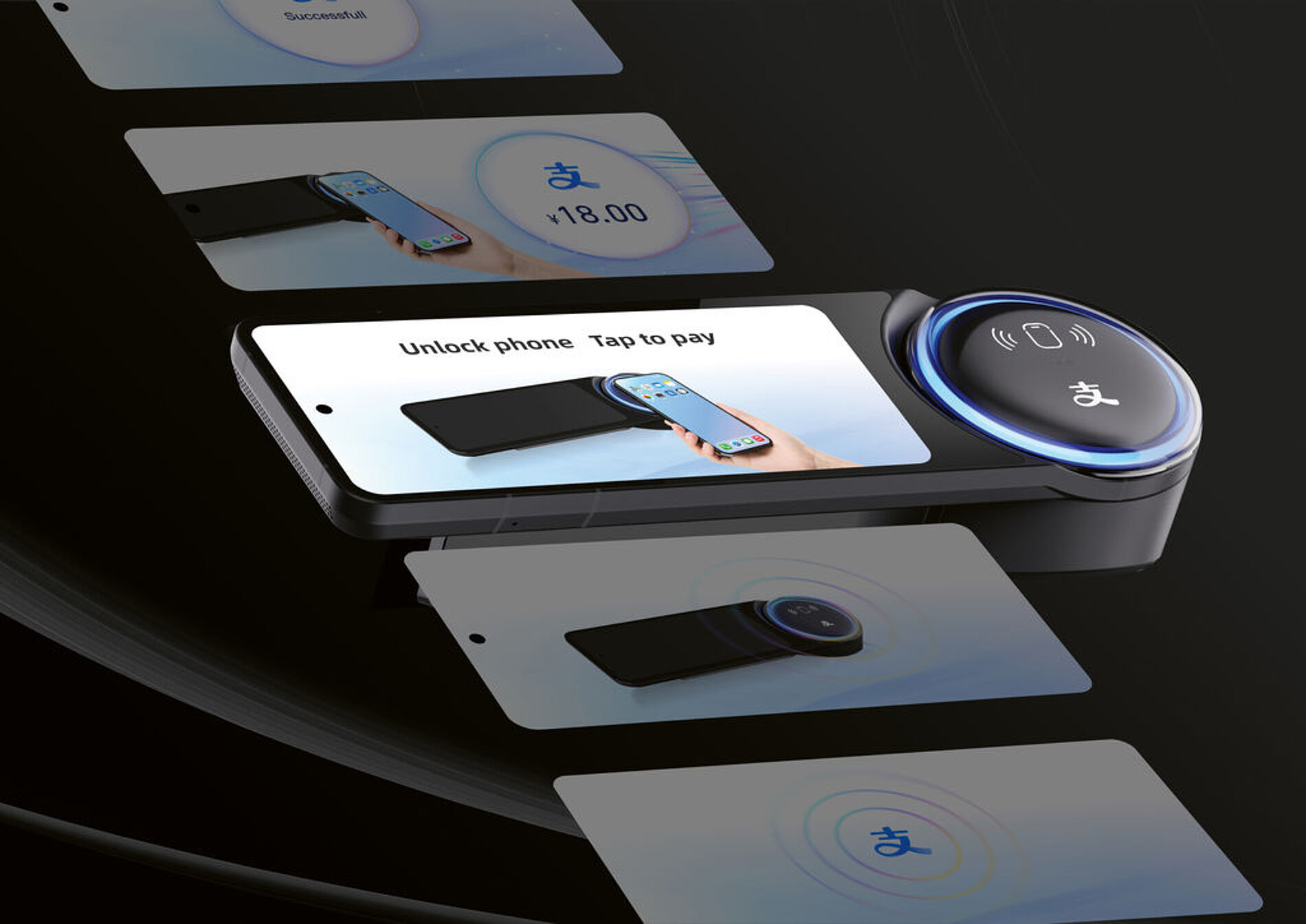
    At the 2026 Beijing International Automotive Exhibition, Banma Intelligence, a renowned Chinese tech corporation, partnered with fintech heavyweight Alipay to introduce a pioneering AI-enabled in-car system. This innovative technology allows drivers to initiate transactions using just their voice.

    Revolutionizing In-Car Transactions

    Known as the “AI cockpit”, the cutting-edge solution merges Banma’s in-vehicle intelligence with Alipay’s AI Pay. This allows drivers to perform hands-free transactions without the need for a smartphone. The developers of this technology aim to simplify in-car digital experiences as vehicles continue to become more software-focused.

    Ming Cai, the Chief Product Officer at Banma, noted that significant progress has been made in the realm of smart cockpits over the past two years, particularly in understanding user intent. He stated that by integrating voice-activated payments, one of the last barriers to smooth in-car digital experiences has been effectively eliminated. As a result, drivers can now simply express their intent verbally to complete a purchase.

    Emphasis on High-Demand Services

    Initially, the system primarily concentrates on services in high demand like entertainment and travel. For instance, drivers can book movie tickets, reserve hotel rooms, or order food through voice commands. A command like “buy two movie tickets” prompts the system to select showtimes and seats, following which the user can verbally confirm the choices to finalize the payment.

    Security Measures

    Security is a key feature of this new system, with Alipay integrating multi-layered risk controls and real-time fraud detection to safeguard the transactions carried out via the system.

    The development indicates a wider industry trend towards intelligent, connected vehicles, with digital services emerging as a key differentiator. Payment integration is viewed as a vital part of this ecosystem as it allows car manufacturers and software providers to deliver smooth, comprehensive user experiences.

    The companies revealed that the AI cockpit has already completed integration testing with several prominent automakers and is set to feature in new vehicle models in the latter half of 2026.

    Questions & Answers

    What is the “AI Cockpit”?
    The “AI Cockpit” is a state-of-the-art system developed by Banma Intelligence and Alipay that allows drivers to conduct transactions using voice commands.

    What services does the AI Cockpit initially focus on?
    The system is initially focused on high-demand services like entertainment and travel. It allows drivers to book movie tickets, reserve hotel rooms, and order food using voice commands.

    How does the system ensure the security of transactions?
    Security is a key feature of the system. Alipay has incorporated multi-layered risk controls and real-time fraud detection measures to protect transactions conducted through the system.

  • Revolutionizing Beverage Discovery: Starbucks Tests ChatGPT for Personalized Drink Recommendations

    Revolutionizing Beverage Discovery: Starbucks Tests ChatGPT for Personalized Drink Recommendations

    Starbucks is testing an innovative feature, ChatGPT beta, which allows customers to explore and customize their drinks through interactive prompts. This latest feature, which was rolled out this week, provides consumers with personalized beverage recommendations based on their mood, preferences, or situations, with the optional use of image inputs to further tailor the suggestions.

    The ChatGPT tool signifies a shift from traditional menu browsing to a more user-friendly, intention-based interaction. The platform allows customers to customize their order, select a store, and initiate an order. The final checkout can be completed via either the Starbucks app or their website.

    Reimagining the Ordering Process

    The addition of the ChatGPT beta feature to the Starbucks digital ordering process reflects the company’s commitment to making online ordering more instinctive and emotionally engaging. The aim is to transform the beverage selection process into an enjoyable journey of discovery, rather than a mere transactional search.

    Paul Riedel, Senior Vice President of Digital and Loyalty for Starbucks, stated, “Our goal is to engage with customers at the point of inspiration and make it as simple as possible for them to find a beverage that resonates with them.” He further added, “The introduction of the Starbucks app into ChatGPT is a significant move towards making this a reality, in a manner that is uniquely Starbucks – welcoming, warm, and steeped in creativity.”

    Stages of Development

    Starbucks is presenting this beta version as an initial testing phase. The development and enhancement of this feature will rely heavily on feedback from users.

    Questions & Answers

    What is the purpose of the new ChatGPT beta feature launched by Starbucks?
    It allows customers to discover and customise their beverages based on their preferences, moods, or occasions through interactive prompts.

    How does Starbucks view the new feature?
    Starbucks views the new tool as a shift from conventional menu browsing to a more user-friendly, intention-based interaction. It aims to make digital ordering more instinctive and emotionally engaging.

    What will determine the further development of the ChatGPT beta feature?
    The further development and improvement of the ChatGPT beta feature will depend on the feedback received from its users.

  • Revolutionizing IT Stability: How 24/7 Monitoring Shields Japanese Firms from Downtime Risks

    Revolutionizing IT Stability: How 24/7 Monitoring Shields Japanese Firms from Downtime Risks

    The necessity for constant system monitoring is gaining traction among Japanese businesses, as it plays a crucial role in ensuring IT operations run smoothly and minimizes the chances of service disruptions. As dependence on digital infrastructures grows, it’s essential to maintain consistent system performance. This rings true for a variety of sectors, from e-commerce platforms to manufacturing systems and financial services, all of which demand nearly uninterrupted availability.

    24/7 Monitoring: The New Norm

    To cater to this demand, organizations are opting for round-the-clock monitoring strategies aimed at fostering stable, secure, and responsive systems. Continuous monitoring enables the early detection of potential problems, which can help to decrease service interruptions and uphold performance standards.

    Enterprise systems these days are often spread across intricate environments that mesh cloud infrastructure, databases, applications, and integrated services. In such landscapes, even minor unresolved issues can escalate into significant operational problems if not attended to promptly.

    A 24/7 monitoring setup offers real-time insights into system health and performance, fostering speedy detection and response to arising issues. Advantages of this approach commonly include early problem detection, less downtime, and enhanced system performance. These factors can facilitate smoother operations as businesses expand their digital services.

    The Digital Transformation Wave

    As the digital transformation journey advances, Japanese businesses are growing more reliant on robust IT systems. Reports predict that Japan’s expenditure on digital transformation will surpass US$73 billion by 2027, mirroring the increasing demand for stable and efficiently managed infrastructure.

    The rise in real-time platforms and hybrid cloud environments usage has led to monitoring solutions becoming a core part of IT operations.

    The Impact of System Downtime

    System downtime can have operational and financial repercussions. In sectors like finance, e-commerce, and manufacturing, even minor disruptions can influence transactions, delay processes, and affect user experience.

    Industry estimates point out that downtime cost for large corporations can be substantial, depending on the scale of the system and business model. Beyond direct financial damage, downtime can interrupt revenue streams, impede productivity, damage reputation, disappoint customers, and necessitate additional recovery efforts.

    For corporations managing environments that mix legacy systems with modern cloud platforms, minimizing disruption risks is an ongoing concern.

    Continuous Monitoring: A Risk Management Strategy

    Continuous monitoring is a strategy embraced to manage these risks. Monitoring systems typically offer real-time data and trigger alerts when irregular activity is detected, allowing technical teams to respond promptly.

    Typical practices include performance tracking, automated alerts, predictive analysis, and incident response mechanisms. Collectively, these functions reinforce system reliability and help manage operational risks.

    An all-encompassing monitoring strategy may encompass infrastructure, applications, security, and incident management. These elements are often merged to support overall system availability.

    Certain businesses collaborate with external service providers to oversee monitoring and related operations.

    Questions & Answers

    What is the role of continuous monitoring in modern businesses?
    Continuous monitoring plays a crucial role in modern businesses, enabling early detection of potential issues which can reduce service interruptions and maintain performance standards.

    What is the predicted expenditure of Japan on digital transformation by 2027?
    Japan’s expenditure on digital transformation is projected to exceed US$73 billion by 2027.

    What are the implications of system downtime?
    System downtime can have significant operational and financial implications, including interrupted transactions, delayed processes, poor user experience, revenue losses, reduced productivity, reputational damage, and additional recovery efforts.

  • Revolutionizing Retail: Australia’s Innovative In-Store Avocado Ripeness Scanner Trial

    Revolutionizing Retail: Australia’s Innovative In-Store Avocado Ripeness Scanner Trial

    In the competitive world of retail, customer satisfaction is key, and the avocado industry is no exception. A common issue faced by both retailers and consumers is determining the ripeness of an avocado on a supermarket shelf. Avocados Australia, an industry association, has introduced a potential solution to this problem – an in-store ripeness scanner.

    Understanding Customer Frustration

    According to John Tyas, the CEO of Avocados Australia, one of the major frustrations faced by consumers is identifying the ripeness of an avocado. This is important because approximately 75% of consumers want to buy avocados that are ready to be eaten within two days. Tyas believes that helping consumers with this selection process can enhance their eating experiences, minimize bruising of the fruit, and strengthen the overall trust in Australian avocados.

    The Ripeness Scanner

    The ripeness scanner aims to minimize the physical handling of avocados, which often leads to bruising. Data shows that about 47% of consumers handle three or more avocados before making a purchase, resulting in product loss for both growers and retailers. The scanner, developed by the Dutch agri-tech firm OneThird, not only reduces the need for physical handling but also prevents potential damage to the fruit.

    The scanner utilizes near-infrared (NIR) spectroscopy to assess the firmness of the fruit without causing damage, thereby helping to estimate the fruit’s readiness for consumption. The device also provides storage guidance to help consumers make informed purchase decisions. This technology has undergone trials in Europe and Thailand, where it was well-received by retailers and customers.

    Benefits for the Supply Chain

    Beyond consumer use, the ripeness scanner provides retailers with valuable data on in-store conditions and purchasing patterns. This information, which includes metrics on shelf ripeness, purchasing behavior, and peak periods, can be used to optimize merchandising, inventory management, and waste reduction efforts.

    The early results are promising, with the device being used for approximately 45% of avocado sales per week in participating stores. The accompanying platform provides fresh produce managers with data to monitor product condition and support efficient stock management.

    John Tyas further emphasized that the Australian avocado industry is committed to investing in research and development to continually enhance product quality and improve the consumer experience.

    Questions & Answers

    What is the purpose of the avocado ripeness scanner?
    The scanner helps consumers select ripe avocados, reduces fruit handling and bruising, and enhances the overall shopping experience.

    How does the ripeness scanner work?
    The scanner uses near-infrared spectroscopy to assess the firmness of the fruit without causing damage. It also provides storage guidance to consumers.

    What additional benefits does the ripeness scanner provide to retailers?
    The scanner provides data on in-store conditions and purchasing patterns, which can be used to support merchandising, inventory management, and waste reduction efforts.

  • Revolutionizing Language Switch: Google Translate’s New Pinned Languages Feature for Android and iOS Users

    Revolutionizing Language Switch: Google Translate’s New Pinned Languages Feature for Android and iOS Users

    Google Translate, the language translation app that has become an essential tool for global travelers and multilingual professionals, is set to introduce a new feature that will streamline the process of switching between languages. Launched in 2011, Google Translate currently boasts a user base of one billion monthly active users worldwide, translating over one trillion words each month.

    Enhancing Language Access

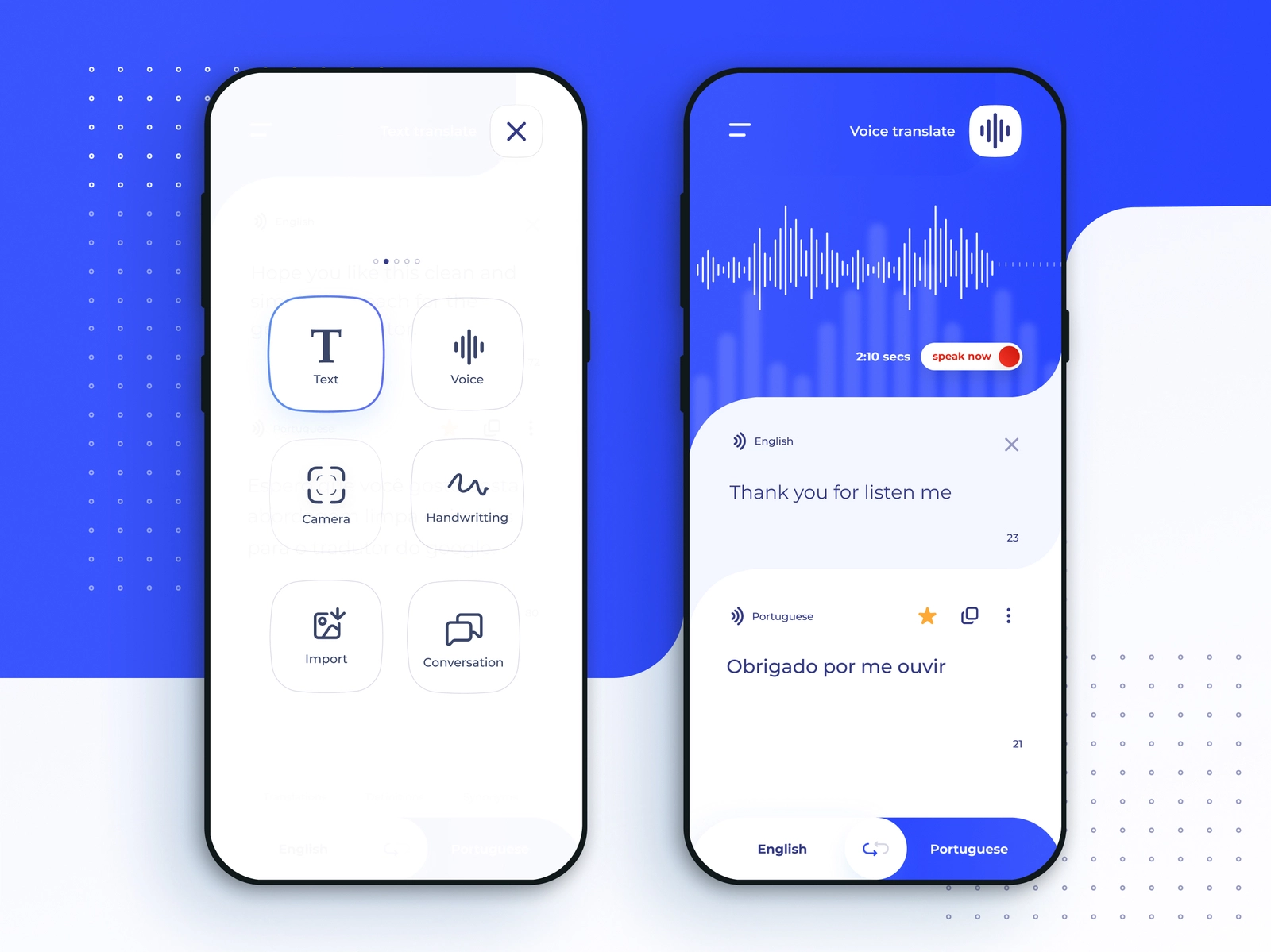
    The upcoming update of the Google Translate app (version 10.8.48.878519627.2) will introduce a feature that allows users to pin their frequently used languages to the language selection page. This feature will enable users to have up to 10 language options readily available for quick selection.

    Currently, the app offers a ‘Recent languages’ list, which displays up to nine recently used languages at the top of the screen. However, adding another language to the list causes one to be removed. The forthcoming ‘Pinned languages’ section, which will be positioned above the ‘Recent languages’ list, will allow users to keep up to 10 languages permanently visible on the screen.

    Though it may seem like a minor addition, for those who regularly switch between languages, this feature could significantly enhance the functionality of the app. For instance, when visiting a country with multiple prominent languages, users will be able to conveniently switch between them via the ‘Pinned languages’ section.

    Using the Pinned Languages List

    To pin a language, users should open the Google Translate app and tap the button on the left side, which showcases the language being translated from. Under the ‘Recent languages’ heading, users can select a language and swipe right to reveal a pin icon next to the language name. Tapping the pin icon will add the chosen language to the pinned section in the app. If users wish to unpin a language, the process is the same, but instead, an unpin icon will be displayed next to the pinned languages, which can be tapped to remove the language from the pinned list.

    Questions & Answers

    What does the new feature of Google Translate do?
    The new feature allows users to pin their frequently used languages to the language selection page, enabling quick and convenient language switching.

    How many languages can be pinned to the Google Translate app?
    Users can pin up to ten languages on the Google Translate app.

    How can a language be pinned or unpinned in Google Translate?
    In the app, under the ‘Recent languages’ section, users can swipe right on a language to reveal a pin icon. Tapping this icon will pin the language. Similarly, tapping the unpin icon next to a pinned language will remove it from the pinned list.

  • Revolutionizing Gold Investment: Singapore Launches First Local Physical Gold ETF After 20 Years

    Revolutionizing Gold Investment: Singapore Launches First Local Physical Gold ETF After 20 Years

    Singapore will soon see the launch of its first domestically developed physical gold exchange-traded fund (ETF) – the LionGlobal Singapore Physical Gold ETF. This noteworthy event is scheduled to take place on March 26th on the Singapore Exchange. This will also serve as the inaugural gold ETF listing on the local market in two decades. Lion Global Investors, a Singapore-based financial firm owned by banking institution OCBC, issued this information. The ETF’s trading will be facilitated in both Singaporean dollars and US dollars.

    Understanding ETFs

    An ETF can be described as an investment fund that owns an array of securities like commodities and stocks. Its operation is similar to that of an individual stock as it is traded on stock exchanges.

    Subscription and Benefits

    Investors will have the opportunity to subscribe to the ETF during the initial offering period, which is set to run from March 6th to 20th. Subscription is possible through participating dealers. The ETF is supported by physical gold, which is both insured and securely stored in Singaporean vaults. The primary goal of this ETF is to provide investors with cost-efficient exposure to the precious metal during a period where conventional asset allocations might encounter more significant hurdles, according to Lion Global’s CEO, Teo Joo Wah.

    Teo also noted that the LionGlobal Singapore Physical Gold ETF’s listing on the Singapore Exchange is a logical step forward in their mission to widen access to Singapore’s physical gold market.

    The Value of Gold

    Amid the current global macroeconomic uncertainty and the volatility of currencies, gold is often seen as a secure asset. Investors’ concerns and the surge in central bank acquisitions have contributed to an increase in gold prices. As evidence of this, gold prices hit a record high of US$5,597.23 per ounce on January 29th. As of the time this report was written, it was valued at $5,124.73 per ounce.

    Questions & Answers

    What is the LionGlobal Singapore Physical Gold ETF?
    The LionGlobal Singapore Physical Gold ETF is Singapore’s first domestically developed physical gold exchange-traded fund, set to launch on the Singapore Exchange on March 26th.

    What is the purpose of the LionGlobal Singapore Physical Gold ETF?
    The primary aim of this ETF is to provide investors cost-efficient exposure to the precious metal during a time when traditional asset allocations might face more significant hurdles.

    How does the current global economic situation affect the value of gold?
    In the face of global macroeconomic uncertainty and currency volatility, gold is often considered a safe haven asset. Factors like investor concerns and increased central bank purchases have helped drive prices higher, highlighting gold’s value during uncertain times.

  • Revolutionizing Retail: How WhatsApp and Conversational AI are Transforming Your Shopping Experience

    Revolutionizing Retail: How WhatsApp and Conversational AI are Transforming Your Shopping Experience

    The shift towards Conversational Artificial Intelligence (AI) is transforming the retail landscape, with AI-powered customer experiences emerging as the new standard, particularly within the realm of daily use messaging apps. This trend signals a departure from the previously flashy, novelty bots to a more meaningful, user-centered approach.

    Transition from Broadcasting to Dialogue

    For the past ten years, retailers have primarily focused on optimizing websites, apps, and mass emails – platforms that were primarily designed for broadcasting messages rather than fostering interactions. Burton Chau, CEO and Co-founder of Sanuker, contends that such platforms are now out of sync with how individuals typically utilize their smartphones. While websites, apps, and email blasts continue to play an essential role, they tend to be more transactional. Messaging platforms, which consumers frequently use daily, present an opportunity for high user interaction, high intent, and measurable customer journeys, particularly when supplemented with AI, automation, and data.

    This shift marks a significant realignment of the tech stack. Retailers are increasingly focusing on meeting consumers within their preferred platforms, such as WhatsApp, Messenger, and Instagram, and threading marketing, service, and commerce into a single chat thread. AI agents are employed within these threads to manage discovery, frequently asked questions (FAQs), lead qualification, and first-line service, with human staff handling more complex tasks.

    WhatsApp as the New Retail Hub

    Sanuker operates across various messaging platforms, but WhatsApp has emerged as the anchor for conversational retail in markets like Hong Kong, Malaysia, Singapore, India, and Indonesia. Chau attributes this to the app’s ubiquity and the quality controls established by Meta. A key selling point is that WhatsApp supports the entire retail journey, from pre-sales inquiries to recommendations, purchasing, post-sales follow-ups, and customer support.

    Using Sanuker’s technology, retailers can integrate the conversation with e-commerce platforms, Customer Relationship Management (CRM), and Enterprise Resource Planning (ERP) systems, providing real-time updates on inventory, pricing, and order status. As a result, the customer experience becomes less like a campaign and more like a continuous relationship.

    Personalization with a Contextual Memory

    While many retailers claim to offer personalization, Chau identifies a clear distinction between basic tweaks and what he terms “CRM-connected personalization.” He asserts that an AI agent achieves true personalization when it uses real-time customer data to provide accurate responses and promote outcomes. This includes access to purchase history, interests, and behaviors. The ability to update the backend with new events when orders or inquiries are made within the chat creates a closed loop that makes conversational AI economically attractive.

    Automation: The Future of the First-line Concierge

    Sanuker foresees a future where AI agents serve as the first-line digital concierge on messaging platforms. Chau believes that AI agents could replace human agents in customer service roles by 2026, not by eliminating human roles, but by taking on repetitive questions and escalating only when necessary.

    Achieving this requires a seamless integration of technologies. Sanuker’s platform, alongside tools like N8N and Dify, enable retailers to quickly and efficiently connect messaging with e-commerce, CRM, and ERP systems, and integrate AI models from OpenAI, Azure, Gemini, or DeepSeek.

    Guardrails, Not Gimmicks

    Despite the promise of conversational AI, it also brings potential risks, including spammy bots that undermine trust and invite regulatory scrutiny. Chau emphasizes the need for robust governance and compliance measures, and highlights the importance of designing explicit handover routes to human agents to ensure that customers never feel trapped in an automated loop.

    In his vision, the most successful retailers in 2026 will not be those that replace staff with bots, but those that utilize conversational AI to enhance human interactions, making them rarer, richer, and more consequential.

    Questions & Answers

    What is the role of messaging platforms in the shift towards conversational AI?
    Messaging platforms, such as WhatsApp, Messenger, and Instagram, are pivotal to the shift towards conversational AI as they provide the daily-use platform that allows for high user interaction, high intent, and measurable customer journeys.

    How does Sanuker’s technology enhance the customer experience on WhatsApp?
    Sanuker’s technology integrates WhatsApp conversations with e-commerce platforms, CRM, and ERP systems, providing real-time updates on inventory, pricing, and order status. This makes the customer experience more personalized and relationship-based.

    How does Sanuker envision the future of conversational AI in retail?
    Sanuker envisages a future where AI agents serve as the first-line digital concierge on messaging platforms. These AI agents would handle repetitive questions, escalating only when necessary, thereby enhancing the efficiency of the customer service process.

  • Revolutionizing Taiwan’s Connectivity: Chunghwa Telecom Spearheads North Asia’s First O3b mPower Ground Station with SES

    Revolutionizing Taiwan’s Connectivity: Chunghwa Telecom Spearheads North Asia’s First O3b mPower Ground Station with SES

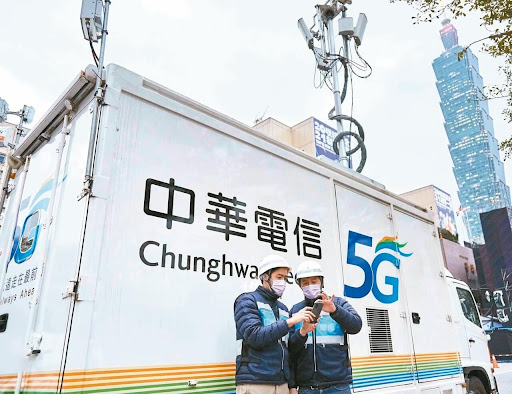
    Chunghwa Telecom, a Taiwan-based telecommunications company, has officially partnered with SES, a satellite operator based in Luxembourg. The two companies have struck a Memorandum of Understanding (MoU) to develop the first second-generation O3b mPower ground station in North Asia, located in Taiwan.

    The Aim of the Agreement

    The primary objective of this cooperation is to substantially improve Taiwan’s Medium Earth Orbit (MEO) satellite data transfer capacity and service performance. The project expects to provide faster, more reliable, and highly robust satellite connectivity. In addition to enhancing the data transmission, the project also seeks to strengthen Taiwan’s vital communication infrastructure. To achieve this, it will ensure that essential traffic information is landed directly within the country, thereby supporting network sovereignty and resilience.

    Collaboration’s Contributions

    As part of their collaboration, SES will use their system deployment and operational expertise from their Satellite Innovation Centre in The Hague, the Netherlands. The partnership will highlight the advanced applications that satellites can offer. These include the integration of multi-orbit satellite communications, connectivity to the cloud, edge computing, data analytics for the Internet of Things (IoT), and automated machine vision.

    Furthermore, Chunghwa Telecom and SES are looking into the possibility of establishing a Satellite Innovation Lab in Taiwan. This proposed undertaking will have demonstration sites and certification processes meant to aid domestic companies in speeding up the validation of technology and the adoption of products. By aligning with SES’s global ecosystem, Taiwanese firms might have the opportunity to penetrate international supply chains and gain commercial opportunities.

    Benefitting Taiwan’s Global Stature

    This collaborative effort utilizes Taiwan’s proficiency in semiconductors and avant-garde manufacturing to create a cooperative hardware-and-software ecosystem. This will further reinforce Taiwan’s strategic position in the global satellite and space technology sector.

    Jia Chung-Yung, President of Chunghwa Telecom’s Network Technology Group, shared that the company continues to amalgamate diverse communication resources to build a new-generation network architecture. This structure marries high resilience and technological innovation. He assured that the company will continue to invest in the development of next-generation communication technologies and promote diversified services and application innovations. Furthermore, he emphasized the company’s commitment to its ESG sustainability goals, laying a long-term foundation for Taiwan’s communication resilience.

    Questions & Answers

    What is the primary aim of the collaboration between Chunghwa Telecom and SES?
    The collaboration primarily aims to improve Taiwan’s Medium Earth Orbit (MEO) satellite data transfer capacity and service performance, and strengthen Taiwan’s essential communication infrastructure.

    What will be SES’s contribution to this collaboration?
    SES will leverage its system deployment and operational expertise from their Satellite Innovation Centre to highlight advanced satellite-enabled applications such as cloud connectivity, edge computing, and IoT data analytics.

    What is the purpose of the proposed Satellite Innovation Lab in Taiwan?
    The Satellite Innovation Lab aims to provide demonstration sites and certification processes to aid domestic firms in speeding up the validation of technology and product adoption, potentially opening up access to international supply chains and commercial opportunities.

  • Revolutionizing AI: SK Telecom Unveils A.X K1, Korea’s First Hyperscale AI Model

    Revolutionizing AI: SK Telecom Unveils A.X K1, Korea’s First Hyperscale AI Model

    SK Telecom has launched ‘A.X K1’, the first hyperscale artificial intelligence (AI) model in South Korea with an impressive 519 billion parameters. This ambitious project is aimed at helping the country emerge as a major global player in the AI arena, following in the footsteps of AI giants like the U.S. and China. The comprehensive AI ecosystem that A.X K1 creates spans a multitude of areas, from semiconductors to services.

    Boosting Global Competitiveness of Korean AI

    A.X K1 is a significant leap forward in enhancing the worldwide competitiveness of Korean AI, a field currently controlled by the U.S and China. Unlike conventional AI models that absorb knowledge, A.X K1 functions as a ‘Teacher Model’, imparting knowledge to smaller models, notably those below 70 billion parameters. It also serves as a critical digital social overhead capital (SOC) that underpins the AI ecosystem. The SKT consortium plans to extend its research, enabling A.X K1 to transmit its knowledge to smaller, specialized models, thereby fuelling innovation in Korea.

    AI models, particularly those with over 500 billion parameters, demonstrate enhanced stability in complicated mathematical reasoning and multilingual comprehension. This capability makes them suitable for complex tasks such as high-complexity coding and agent-based execution.

    Enhancing Nationwide AI Accessibility

    The SKT consortium is committed to improving AI accessibility across the nation by disseminating A.X K1 through A (A-DoT), a service that boasts over 10 million subscribers. The consortium’s objective is to establish an ‘AI for Everyone’ framework enabling the public to readily access AI via various means, including phone calls, text messages, web-based services, and mobile applications.

    Liner, part of the SKT consortium, offers expert knowledge search services to its 11 million global subscribers. With A.X K1, it is poised to provide highly accurate, reliable multi-language search services.

    Boosting Industrial Competitiveness

    A.X K1 is expected to enhance industrial competitiveness by providing AI solutions such as A. Biz for manufacturing, real-time character dialogue for Krafton’s games, and autonomous behavior for humanoid AI robots.

    The AI model will also play a pivotal role in testing the competitiveness of Korea’s semiconductor industry. AI models that can handle a non-standard workload scale of 500 billion operations or more are crucial for practically verifying memory bandwidth and inter-GPU communication speed, two key performance bottlenecks in high-performance AI semiconductors.

    The SKT Consortium

    The SK Telecom-led SKT consortium comprises eight organizations: SK Telecom, Krafton, 42dot, Rebellions, Liner, SelectStar, Seoul National University, and KAIST. These organizations have collaborated to construct a fully sovereign AI platform based on proprietary technologies across the entire value chain, including AI semiconductors, AI data centers (AIDCs), AI models, and AI services.

    Plans for the Future

    The SKT consortium intends to make A.X K1 available as open-source software to businesses in Korea’s AI ecosystem. The consortium plans to provide open-source access and APIs through major developer communities and SK Telecom platforms, aiming to foster seamless AI agent development.

    The consortium also aims to establish an integrated support framework for AI model development and will disclose portions of the training data used for model development. This will be done through public and private platforms, thereby increasing Korea’s overall AI competitiveness.

    Kim Tae-Yoon, the Head of Foundation Model Office at SK Telecom, commented on the development, stating that it marks a significant moment in Korea’s journey to become one of the top three AI nations in the world.

    Questions & Answers

    What is the A.X K1 AI model?
    A.X K1 is the first hyperscale artificial intelligence model introduced in South Korea. It has 519 billion parameters and is designed to enhance the country’s global AI competitiveness.

    What role will A.X K1 play in Korea’s AI ecosystem?
    A.X K1 will serve as a ‘Teacher Model’, transferring knowledge to smaller AI models. It will enhance AI accessibility nationwide and boost industrial competitiveness. The model will also serve as a testbed for the country’s semiconductor industry.

    What is the aim of the SKT consortium?
    The consortium aims to build a comprehensive AI ecosystem in South Korea, improve AI accessibility, and boost the country’s global AI competitiveness. It plans to make A.X K1 available as open-source software to businesses and provide support for AI model development.