Tag: ride hailing

  • Grab Cuts Maximum Take on Vietnam Rides to 32% from 40%

    Grab Cuts Maximum Take on Vietnam Rides to 32% from 40%

    Singapore-based ride-hailing operator Grab will reduce its maximum take from rides in Vietnam to 32 per cent from roughly 40 per cent, according to the country’s antimonopoly regulator.

    The ceiling reduction follows an official review prompted by driver complaints, which culminated in a two-day boycott in Ho Chi Minh City during September.

    Regulatory Pressure Drives Platform Changes

    Vietnam’s antimonopoly authority intervened after drivers lodged formal complaints regarding platform deductions from passenger fares. Across the broader region, fee adjustments and driver support measures are set to cost the Singapore-headquartered mobility group $115 million.

    The policy overhaul follows a similar intervention in Indonesia, where regulators capped ride-hailing commissions to shield gig workers from escalating platform fees. Southeast Asian antitrust authorities are increasingly targeting take rates that platforms expanded during their push toward profitability.

    The Cost of Driver Retention

    Aggressive fee reductions compress margins across Grab’s core mobility arm, altering unit economics in one of its key growth markets. For fleet operators and individual drivers, an eight percentage point cut in maximum platform deductions provides immediate relief against rising vehicle operating costs.

    Competitors across Southeast Asia face identical pressures. Platforms that extracted higher commissions to satisfy public market investors must now calculate whether absorbing the $115 million cost hit will insulate them from deeper statutory fee limits in neighbouring jurisdictions.

    Labor Friction Preceded Intervention

    Driver dissatisfaction boiled over into operational disruption in Ho Chi Minh City during September, when drivers staged a two-day boycott protesting excessive fees. That strike accelerated regulatory scrutiny, pushing authorities to review how the company structures driver compensation.

    Southeast Asian transport authorities are tracking whether the 32 per cent ceiling stabilizes driver supply before deciding on formal nationwide statutory caps.

  • Grab Cuts Maximum Take on Vietnam Rides to 32% from 40%

    Singapore-based ride-hailing operator Grab will reduce its maximum take from rides in Vietnam to 32 per cent from roughly 40 per cent, according to the country’s antimonopoly regulator.

    The ceiling reduction follows an official review prompted by driver complaints, which culminated in a two-day boycott in Ho Chi Minh City during September.

    Regulatory Pressure Drives Platform Changes

    Vietnam’s antimonopoly authority intervened after drivers lodged formal complaints regarding platform deductions from passenger fares. Across the broader region, fee adjustments and driver support measures are set to cost the Singapore-headquartered mobility group $115 million.

    The policy overhaul follows a similar intervention in Indonesia, where regulators capped ride-hailing commissions to shield gig workers from escalating platform fees. Southeast Asian antitrust authorities are increasingly targeting take rates that platforms expanded during their push toward profitability.

    The Cost of Driver Retention

    Aggressive fee reductions compress margins across Grab’s core mobility arm, altering unit economics in one of its key growth markets. For fleet operators and individual drivers, an eight percentage point cut in maximum platform deductions provides immediate relief against rising vehicle operating costs.

    Competitors across Southeast Asia face identical pressures. Platforms that extracted higher commissions to satisfy public market investors must now calculate whether absorbing the $115 million cost hit will insulate them from deeper statutory fee limits in neighbouring jurisdictions.

    Labor Friction Preceded Intervention

    Driver dissatisfaction boiled over into operational disruption in Ho Chi Minh City during September, when drivers staged a two-day boycott protesting excessive fees. That strike accelerated regulatory scrutiny, pushing authorities to review how the company structures driver compensation.

    Southeast Asian transport authorities are tracking whether the 32 per cent ceiling stabilizes driver supply before deciding on formal nationwide statutory caps.

  • Tada Enters Singapore Driverless Minibus Trial Starting in Early 2027

    Tada Enters Singapore Driverless Minibus Trial Starting in Early 2027

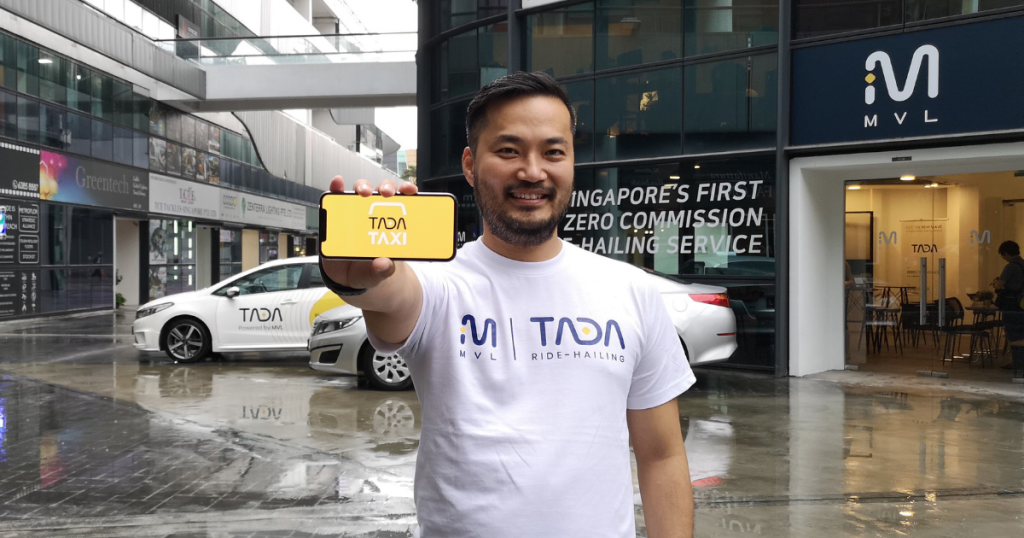
    Singapore ride-hailing company Tada Mobility has joined an autonomous minibus pilot scheduled to launch in early 2027 across the resort island of Sentosa. The initiative deploys driverless vehicles engineered by Chinese developer WeRide, matching moves by regional rival Grab into commercial autonomous services.

    An autonomous minibus destined for the Sentosa route was displayed during a media preview in the city-state on Oct. 29. Singaporean authorities continue to lean on self-contained tourism destinations to evaluate passenger safety, booking uptake and fleet management platforms before expanding trials into busier residential estates.

    The upcoming pilot brings autonomous public transport directly into Tada’s app ecosystem as leisure passengers navigate the island’s attractions. By introducing driverless shuttles to one of the country’s most frequented leisure corridors, the partnership tests whether holidaymakers will embrace automated mass transit for their daily transfers.

    Hardware and Route Rollout

    Vehicles built by China-based WeRide will operate on designated routes across the island resort, where tourist footfall provides dense, predictable transport demand. The platform previewed its autonomous minibus in Singapore on Oct. 29 ahead of route mapping and system certification.

    Tada plans to integrate booking options into its mobility ecosystem to study how leisure travellers interact with driverless public transport. Sentosa already acts as a test ground for private shuttle lines, monorail links and cable cars, giving operators a closed network to run trials without mixing directly into dense urban city traffic.

    The Race Against Regional Competitors

    Grab has pursued its own autonomous vehicle partnerships across Southeast Asia, testing self-driving technology alongside transport research institutes and automotive suppliers. By adding WeRide hardware, Tada avoids the heavy capital expenditure of building proprietary self-driving stacks, relying instead on proven Chinese vehicle platforms.

    For operators, the risk sits in fleet unit economics and battery charging logistics in tropical weather conditions. Driverless shuttles eliminate driver commissions, which form the primary cost line in private-hire operations, but they substitute labour costs with upfront vehicle financing, sensor maintenance and remote tele-operation safety staff.

    Regulatory Steps Across Singapore

    Singapore has tested autonomous buses and road-sweepers over the past decade under regulatory sandbox frameworks. Authorities require physical safety drivers or certified remote monitoring systems during all public demonstration phases.

    WeRide secured Singapore road-testing permits after testing its robotaxi and mini-bus variants on Chinese city streets. The Sentosa pilot represents its most visible commercial show for consumer-facing transport in the city-state.

    Next Steps for the Pilot

    Project engineers are completing route surveys and sensor calibration across Sentosa’s arterial roads ahead of the launch window. The passenger trial will measure route turnaround times, booking frequency and operational uptime across early 2027.

  • Peppermint Bizmoto Partners with HaveIt to Power Transport Payments

    Peppermint Bizmoto Partners with HaveIt to Power Transport Payments

    Peppermint Bizmoto, the company operating the bizmoto e-wallet, has agreed to provide the payment processing infrastructure for HaveIt’s transport and consumer services ecosystem. Announced in November 2026, the deal links Peppermint directly to HaveIt’s passenger-matching mobility arm, Ride It.

    Peppermint secured its electronic money issuer licence from the Bangko Sentral ng Pilipinas in 2022, enabling it to issue digital wallets through the bizmoto app. Integrating its payment rails allows HaveIt to support passenger transactions while directing resources toward scaling its transport services.

    Neither party revealed a launch timeline or confirmed the specific payment methods passenger accounts will support. Integration will route consumer payments and transport bookings through the bizmoto infrastructure, letting HaveIt offload payment compliance while scaling its passenger fleet.

    Rider Economics and Transport Competition

    For HaveIt, running a transport network company without proprietary payment plumbing removes a heavy regulatory burden. Building an in-house clearing engine in the Philippines requires dedicated central bank clearances, capital reserves and continuous anti-money laundering compliance. Outsourcing the settlement layer to Peppermint hands HaveIt a ready-made digital wallet architecture without the overhead of maintaining an e-money issuer licence.

    Ride-hailing margins in Southeast Asia hinge on transaction friction. Platforms that force drivers and riders to jump through disconnected payment channels bleed market share to unified operators. Supplying direct digital payment rails across Ride It gives HaveIt a fighting chance to retain drivers who demand fast daily fare settlements.

    Merchant Rails and Sari-Sari Integration

    Peppermint brings more than consumer wallets to the arrangement. Its parent company, Peppermint Innovation, trades on the Australian Securities Exchange, while Peppermint Bizmoto received an electronic money issuer licence from the Bangko Sentral ng Pilipinas in 2022. By 2025, the operator established direct connectivity to InstaPay for real-time fund transfers across domestic commercial banks and competing digital wallets.

    Crucially for transport networks operating in dense urban centres, Peppermint also holds a central bank merchant acquisition licence. That clearance allows it to sign up neighborhood sari-sari stores to take QR Ph payments through bizmoto. Tying driver payouts into that neighborhood network creates an immediate cash-in, cash-out ecosystem on the ground.

    Building Transaction Scale Against Market Giants

    Independent e-wallets in the Philippines face extreme consolidation pressures. Dominant players control the vast majority of consumer wallet volume and consumer lending books across the archipelago. Smaller balance sheets cannot easily outspend those market leaders on consumer acquisition incentives.

    Peppermint’s play relies on embedded utility rather than standalone consumer marketing. Securing closed-loop transport platforms like HaveIt generates recurring transaction flow from daily commuters. Every daily ride booked through Ride It represents repeatable transaction volume running over Peppermint’s processing rails.

    What Operators Are Watching Next

    The immediate operational challenge sits in fare settlement mechanics. Transport network operators must settle cash balances with thousands of independent riders while managing digital transaction disputes and platform commissions. Speed of driver cashouts often decides which platform drivers keep switched on during peak commuting hours.

    Neither partner has released a firm launch date for the live wallet integration on the Ride It application, which will reveal the supported payment instruments and whether riders can tap QR Ph rails on day one.

  • Indonesia Passes Labor Law as Unions Hail Victory

    Indonesia Passes Labor Law as Unions Hail Victory

    Indonesia’s parliament passed a new labor law on Oct. 6, 2025. The legislation gives trade unions key statutory protections while raising fresh cost concerns across Southeast Asia’s largest consumer market.

    Union leaders celebrated the vote after years of contentious debate over contract terms and compensation standards.

    Tension Between Payroll Costs and Labor Demands

    The revised statute tightens baseline employment terms across domestic industries. It introduces stronger safeguards around working conditions and job security.

    Corporate employers take a different view. Business groups warn the provisions will elevate direct hiring expenses, reduce workforce flexibility, and complicate compliance during a period of cautious consumer spending.

    Platform Operators and Gig Workers in Focus

    Ride-hailing operators and delivery networks face particular scrutiny under the shifting rules. Jakarta saw street rallies by app-based drivers ahead of the vote. Protesters pushed lawmakers to secure protections for transport and delivery personnel.

    Mandatory increases in driver compensation or formal benefits will alter unit economics for retail logistics networks. Fleet operators must now decide whether to absorb the added expenses. The alternative is passing them to consumers through higher delivery fees.

    Investment Climate Faces Fresh Scrutiny

    Multinational investors view regulatory uncertainty as a persistent headwind in Indonesia. Commercial operators need predictable labor codes when budgeting store expansions, distribution hubs, and fulfillment centres.

    Operational planning poses the immediate challenge for regional enterprises. Human resource divisions across retail, manufacturing, and transport services must recalculate wage structures and contract tenures to align with the statute.

    Next Steps for Implementing Regulations

    Lawmakers continue their push to balance foreign direct investment incentives with domestic labor demands. Previous overhauls sought to streamline hiring rules, sparking sustained pushback from organized labor across industrial zones.

    Attention now shifts to the executive branch. Government ministries must draft implementing regulations to define enforcement dates and specific compliance thresholds across commercial sectors.

  • VinFast Affiliate GSM Launches First Overseas Motorbike Service in Jakarta

    VinFast Affiliate GSM Launches First Overseas Motorbike Service in Jakarta

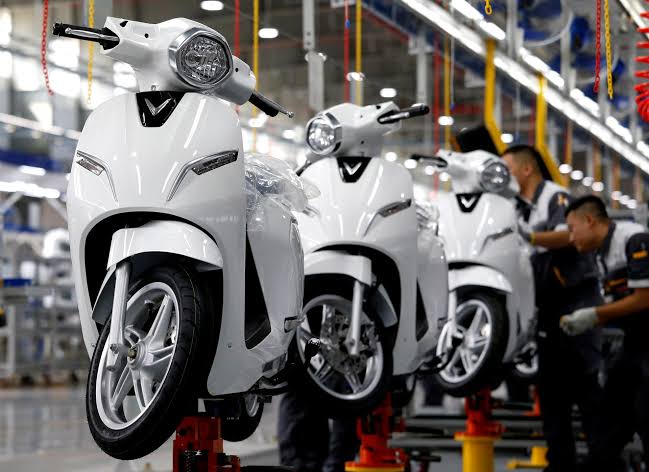
    Vietnam’s electric taxi operator Green and Smart Mobility (GSM) launched VinFast electric motorbike taxis in Jakarta in September 2026. The rollout is its first two-wheeler passenger service outside Vietnam.

    This expansion deepens the Vingroup affiliate’s presence in Southeast Asia’s largest economy, potentially creating another sales channel for the loss-making EV producer. GSM previously launched electric car services in the Indonesian capital.

    Fleet deployment across Jakarta

    Operating locally as PT XANHSM Green and Smart Mobility Indonesia, the company integrated two-wheeler bookings into its consumer app alongside its Green Car and Green Premium tiers. Local operating centres recruit drivers directly, using VinFast electric scooters built for commercial urban transit.

    Jakarta is the first overseas market for GSM’s two-wheeler taxi model. In Vietnam, the company already runs extensive fleets of electric cars and scooters across major cities, including Ho Chi Minh City and Hanoi.

    Captive demand for VinFast

    Commercial volume from the expansion flows directly to VinFast. The Vietnamese automaker remains loss-making as it scales production. Internal fleet sales through GSM absorb factory output and build brand visibility in new export territories.

    Deploying fleets creates instant street-level exposure in congested Southeast Asian capitals. For vehicle manufacturers entering price-sensitive markets without established dealer networks, a proprietary ride-hailing platform serves as both a test fleet and a live showroom.

    Competition in Indonesian ride-hailing

    Entering Jakarta puts GSM into direct competition with dominant incumbents Grab and GoTo’s Gojek. Both operate massive two-wheeler networks across Indonesia. Established players rely primarily on gig drivers who own their vehicles. GSM instead operates a dedicated fleet structure, controlling vehicle standardisation and battery charging infrastructure.

    High capital costs for vehicle procurement, fleet maintenance and charging support present clear financial risks in a market with strictly regulated motorcycle fares and severe price competition. GSM bets that lower operating and maintenance costs per kilometre will offset the capital outlay of deploying new electric two-wheelers.

    Regional footprint and next steps

    Parent conglomerate Vingroup is pushing to build an international footprint for its transport ecosystem. GSM has expanded rapidly across Southeast Asia and Central Asia, entering Laos and Kazakhstan with fleet operations running exclusively on VinFast hardware.

    Regulatory approvals for broader route operations and expanded driver recruitment across greater Jakarta will determine how quickly GSM scales beyond initial central deployment zones.

  • Ho Chi Minh City Plans to Transition 80% of Ride-Hailing Motorbikes to Electric in Two Years

    Ho Chi Minh City Plans to Transition 80% of Ride-Hailing Motorbikes to Electric in Two Years

    The ambitious goal of introducing 400,000 electric ride-hailing motorbikes in Ho Chi Minh City (HCMC) is within reach, provided there are financial incentives, tax exemptions, and the establishment of sufficient charging stations. This optimistic outlook comes from Le Thanh Hai, director of the Institute for Development Studies, who underscores the transition’s potential to cut costs for drivers and enhance environmental conditions in the city.

    Recent research by the institute reveals a striking difference in daily expenses for fuel between traditional fuel and electric motorbike drivers. Grab and Be ride-hailing drivers currently fork out VND70,000–100,000 (approximately $3 to $4) each day on gasoline, based on survey feedback from 400 participants. In stark contrast, drivers of Xanh SM electric motorbikes pay only VND20,000 for charging.

    When considering battery degradation, wait times, and charging expenses, electric motorbike riders can pocket between VND40,000 and VND60,000 more each day—translating to a monthly income boost of about VND1 million—in comparison to their gasoline-powered peers. These savings could enable them to pay off their vehicle loans in just two to 2.5 years.

    Yet, the journey towards electric rides isn’t without its bumps. Charging infrastructure poses a significant challenge. Electric bikes from brands like VinFast, Selex Motors, DatBike, and Honda typically need 4-10 hours to charge and offer a range of 100-200 kilometers—meaning drivers must charge daily, incurring a loss of income during that time.

    Nguyen Huu Phuoc Nguyen, CEO of electric scooter startup Selex Motors, believes that energy infrastructure will cease to be an obstacle as soon as charging speeds catch up with refueling gasoline. Selex Motors is pioneering a quick two-minute battery-swapping service compatible with various brands, currently operating 50 stations in HCMC, with plans to expand to 200 next year.

    However, Nguyen points out that the absence of standardized charging infrastructure remains a critical issue, as companies often function independently. He urges local authorities to motivate businesses to expand shared charging and battery-swapping networks, promoting a collaborative growth atmosphere.

    Financial considerations also play a crucial role in this transition, particularly for technology drivers who often experience low and unstable incomes. The Institute for Development Studies has teamed up with banks to craft specialized credit products and has secured promising commitments from electric motorbike manufacturers and distributors.

    Moreover, the city has proposed appealing to the central government for the elimination of registration fees and value-added taxes on new electric vehicles and technology drivers for the initial two years. Currently, Vietnam’s transportation sector emits 32.9 million tons of CO2 equivalents annually, with HCMC responsible for about 13 million tons. To actively support green transportation, the city aims to convert all buses to electric or green-energy vehicles by 2030, alongside a comprehensive Vehicle Emissions Control Plan that encourages incentive creation and transition roadmaps for taxis, tech vehicles, passenger cars, and vehicles utilized by public agencies and businesses.

    The road to an electric future may be paved with challenges, but an electric motorbike revolution along the bustling streets of HCMC promises a more sustainable urban environment for everyone— and perhaps even a newfound love for battery-powered journeys!

    Questions & Answers

    What financial support is being proposed for the transition to electric vehicles in HCMC?
    The city recommends that the central government waive registration fees and value-added taxes for new electric vehicles and technology drivers during their first two years.

    How much can electric motorbike drivers potentially save compared to gasoline-powered counterparts?
    Electric motorbike drivers can save between VND40,000 and VND60,000 each day compared to traditional gasoline users, leading to an additional VND1 million in monthly earnings.

    What plans does HCMC have for public transportation concerning green energy?
    HCMC plans to convert all buses to electric or green-energy vehicles by 2030, supporting a broader goal of reducing emissions in the city’s transportation sector.