Retail News CRM

Tag: ride-hailing

  • Ho Chi Minh City’s Ambitious Plan: Complete Transition To Electric Motorcycles By 2029 Amidst Infrastructure Challenges

    Ho Chi Minh City’s Ambitious Plan: Complete Transition To Electric Motorcycles By 2029 Amidst Infrastructure Challenges

    In Ho Chi Minh City (HCMC), approximately 14,000 ride-hailing motorbike drivers have transitioned from gasoline-powered vehicles to electric versions. This represents about 3.5% of the total fleet. Ngo Hai Duong, Head of the Road Transport Management Department of the city’s Department of Construction, revealed at a recent forum that HCMC aims to completely transition its 400,000-strong ride-hailing motorbike fleet to electric vehicles (EVs) by 2029.

    Reducing Registrations for Gasoline-Powered Bikes

    The city has plans to decrease the number of registered gasoline-powered motorbikes for ride-hailing platforms starting next year. Duong revealed that out of the city’s 21,300 taxis, over 68% are now electric. He clarified that this transition was primarily driven by the businesses themselves rather than any city ordinances.

    Challenges in the Transition to Electric Vehicles

    However, one of the main obstacles to the successful transition to EVs is the limited availability of charging stations. The growing demand from electric motorbikes, cars, and buses is starkly in contrast to the city’s fewer than 1,000 charging stations with 15,000 ports. Duong acknowledged that the growth of charging infrastructure has not kept up with the rise in electric vehicle numbers.

    Hoang Anh Tuan, Director of the Transport and Traffic Safety Department of the Ministry of Construction, suggested that priority should be given to a city-wide plan for charging stations, akin to the existing network of gasoline stations. This would require setting criteria for locations and technical standards, along with a commitment to universal charging for all vehicles.

    The Vietnam Automobile, Motorcycle and Bicycle Association echoed this sentiment and urged the government to implement “non-monopoly” regulations for charging infrastructure. This means that charging stations should be open to all electric vehicles.

    Recycling Electric Vehicles and Batteries

    Analysts have proposed the establishment of a system for recycling electric vehicles and their batteries. There is also a proposal being considered by the city to give households up to VND20 million (approximately US$800) to trade their gasoline motorbikes for electric ones. This move is part of the city’s concerted efforts to reduce pollution and create low-emission zones.

    Questions & Answers

    What is the percentage of the total fleet that has transitioned to electric vehicles in HCMC?
    Approximately 3.5% of the total fleet in HCMC has transitioned to electric vehicles.

    What obstacles are being faced in the transition to electric vehicles?
    One of the main challenges is the lack of sufficient charging stations to meet the growing demand from electric motorbikes, cars, and buses.

    What initiatives are being considered to encourage the transition to electric vehicles?
    The city is considering a proposal to provide households with up to VND20 million (approximately US$800) to swap their gasoline motorbikes for electric ones. This initiative is part of the city’s broader efforts to reduce pollution and create low-emission zones.
  • Grab Introduces Electric Car Service In Hanoi, Challenging Xanh Sm’s Market Dominance

    Grab Introduces Electric Car Service In Hanoi, Challenging Xanh Sm’s Market Dominance

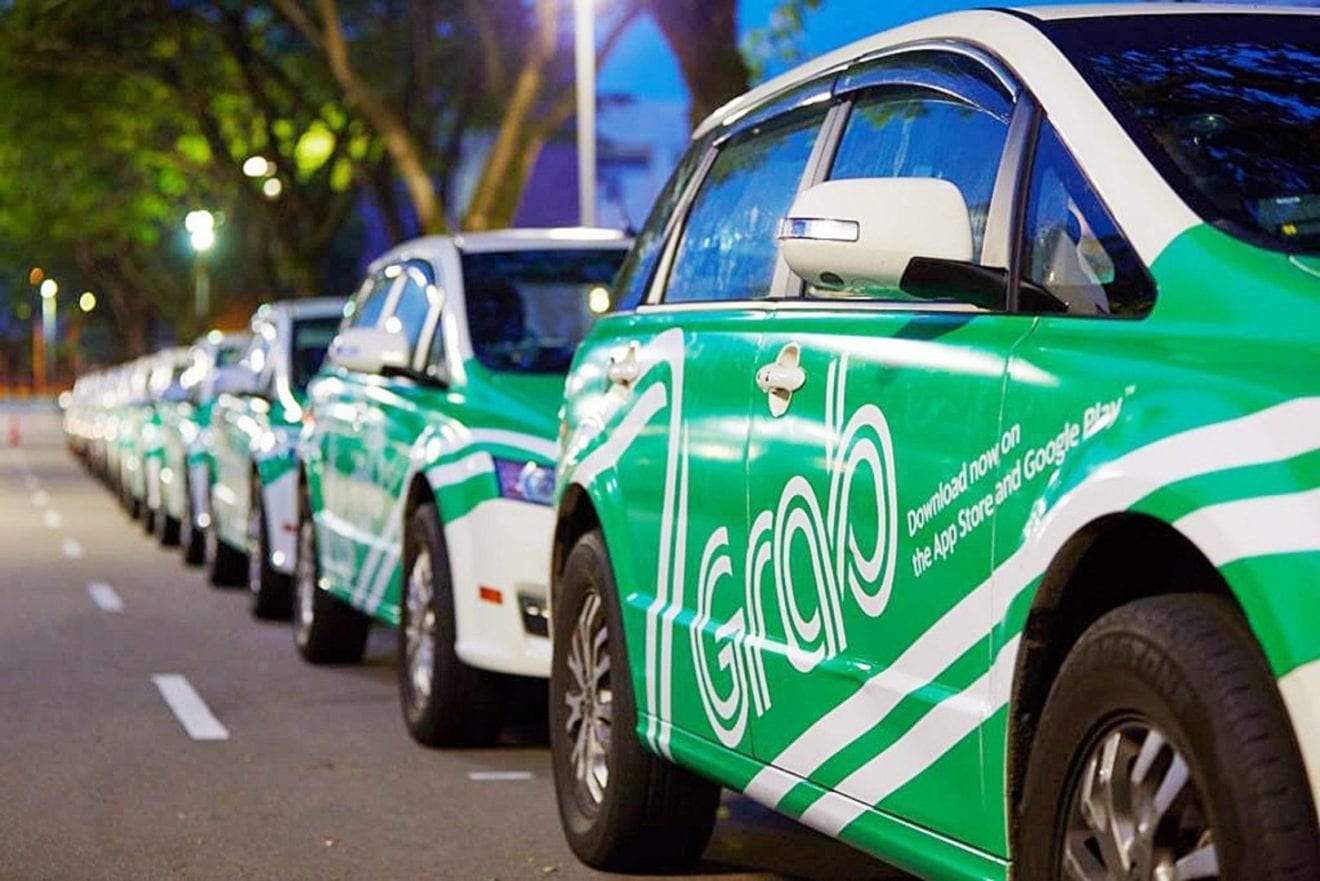
    Grab, the renowned ride-hailing company, has launched its electric car service in Hanoi, marking a significant entry into the predominantly electric taxi market, primarily controlled by Xanh SM. This move is a strategic approach by Grab to expand their customer base and champion sustainable transportation options.

    Strategies and Goals

    Nguyen Hanh Linh, the director of Grab Vietnam’s mobility division, revealed that the newly introduced service aims to diversify income opportunities for their driver-partners. This strategy is expected to boost their confidence to make a shift toward electric vehicles. After its launch in Hanoi, Grab has ambitious plans to roll out the service in HCMC.

    The current ride-hailing market in Vietnam is mainly controlled by three major players: Grab, Be, and Xanh SM. Xanh SM stands out by exclusively using electric cars constructed by its sister company, VinFast.

    Customer Choices

    It is noteworthy that Grab users do not have the option to specifically request electric cars. Whether the customer gets a VinFast or BYD electric car is a matter of chance. Grab’s decision to launch the electric vehicle service was influenced by the rising number of electric vehicles on its platform, a trend which has been encouraged by driver incentives in recent years.

    Market Trends and Predictions

    A 2024 report estimated Vietnam’s ride-hailing and food delivery market to be valued at US$4 billion, with the potential to reach up to $9 billion by 2030. A survey conducted in May indicated that 55% of users in major cities chose Grab for ride-hailing services, compared to 32% for Xanh SM and 9% for Be.

    A report by Mordor Intelligence stated that Xanh SM took the lead in the ride-hailing market in the last quarter of 2024, holding a 44.68% share in the second quarter of this year. Grab Vietnam, however, disputed these figures, claiming that the research methods used and data sources were unverifiable and misleading.

    Questions & Answers

    What was the strategic aim behind Grab launching its electric car service in Hanoi?
    The launch aimed to expand Grab’s user base and promote environmentally friendly transportation.

    What is the next city where Grab plans to roll out its electric car service?
    After Hanoi, Grab plans to introduce the service in HCMC.

    How did Grab respond to Mordor Intelligence’s report about Xanh SM’s market lead?
    Grab disputed the findings, claiming that the data sources were unverifiable and the research methods were inadequate, leading to misleading conclusions.

  • Grab Holdings Surpasses Wall Street Expectations With Multi-service Superapp Strategy Amid Global Economic Uncertainties

    Grab Holdings Surpasses Wall Street Expectations With Multi-service Superapp Strategy Amid Global Economic Uncertainties

    Grab Holdings, a Singapore-based tech company, surpassed Wall Street’s revenue expectations in Q2, with a surge in consumption across its ride-hailing and food delivery services, seemingly unaffected by global economic uncertainties.

    Superapp Drive Pays Off

    The company’s robust growth can be attributed to its strategic efforts to transform its platform into a multi-functional, superapp. This expansive integration of various digital services, including ride-hailing, food, and grocery delivery, continues to entice a growing number of users, who are increasingly investing in the offered subscription plans.

    Despite the unease in global economic stability induced by ongoing US trade negotiations, resulting in worries over tariffs and heightened costs, particularly in Southeast Asia, the Singaporean economy remains robust. In Q2, it witnessed a growth rate of 4.3%, successfully averting a technical recession.

    According to Peter Oey, Grab’s CFO, the company’s growth strategy focuses on affordability, which not only encourages growth but also serves as a protective shield against global macroeconomic factors. In a bid to attract price-conscious consumers, the company has been simultaneously working on expanding its driver base to keep up with the rising user demand.

    Financial Performance

    Grab reported an impressive revenue of US$819 million for Q2, surpassing analyst predictions of $811.3 million. The company attributed a significant portion of this success to its robust performance in Indonesia. Previously identified as a market with potential for deeper penetration, the company is now striving to capitalize on the country’s vast population and expand its market share.

    According to Oey, Indonesia has proved to be a profitable market for the company, prompting increased investment efforts in the region.

    Market Consolidation

    The online service market in Southeast Asia is witnessing a phase of consolidation, with larger entities acquiring smaller firms to diversify their service offerings. Though rumors of Grab’s potential acquisition of smaller Indonesian competitor GoTo were circulating earlier this year, Oey confirmed that no such discussions are underway.

    The company’s Q2 financials indicate a remarkable turnaround, with a profit of $20 million, in stark contrast to a $68 million loss in the same period the previous year.

    Questions & Answers

    How has Grab Holdings managed to exceed Wall Street’s revenue expectations in Q2?
    Grab Holdings has successfully surpassed revenue projections by transforming its platform into a superapp, integrating various digital services and appealing to a growing number of users.

    How is the company responding to global economic uncertainties?
    Grab Holdings is focusing on affordability as a protective shield against global macroeconomic factors. It is also endeavoring to keep up with increasing user demand by expanding its driver base.

    What is Grab Holdings’ strategy for the Indonesian market?
    Considering the robust performance and profitability in Indonesia, Grab Holdings is aiming to capitalize on the country’s vast population and increase its market share by investing more in the region.

  • Grab, Vinasun to negotiate $1.8 million compensation dispute

    Grab, Vinasun to negotiate $1.8 million compensation dispute

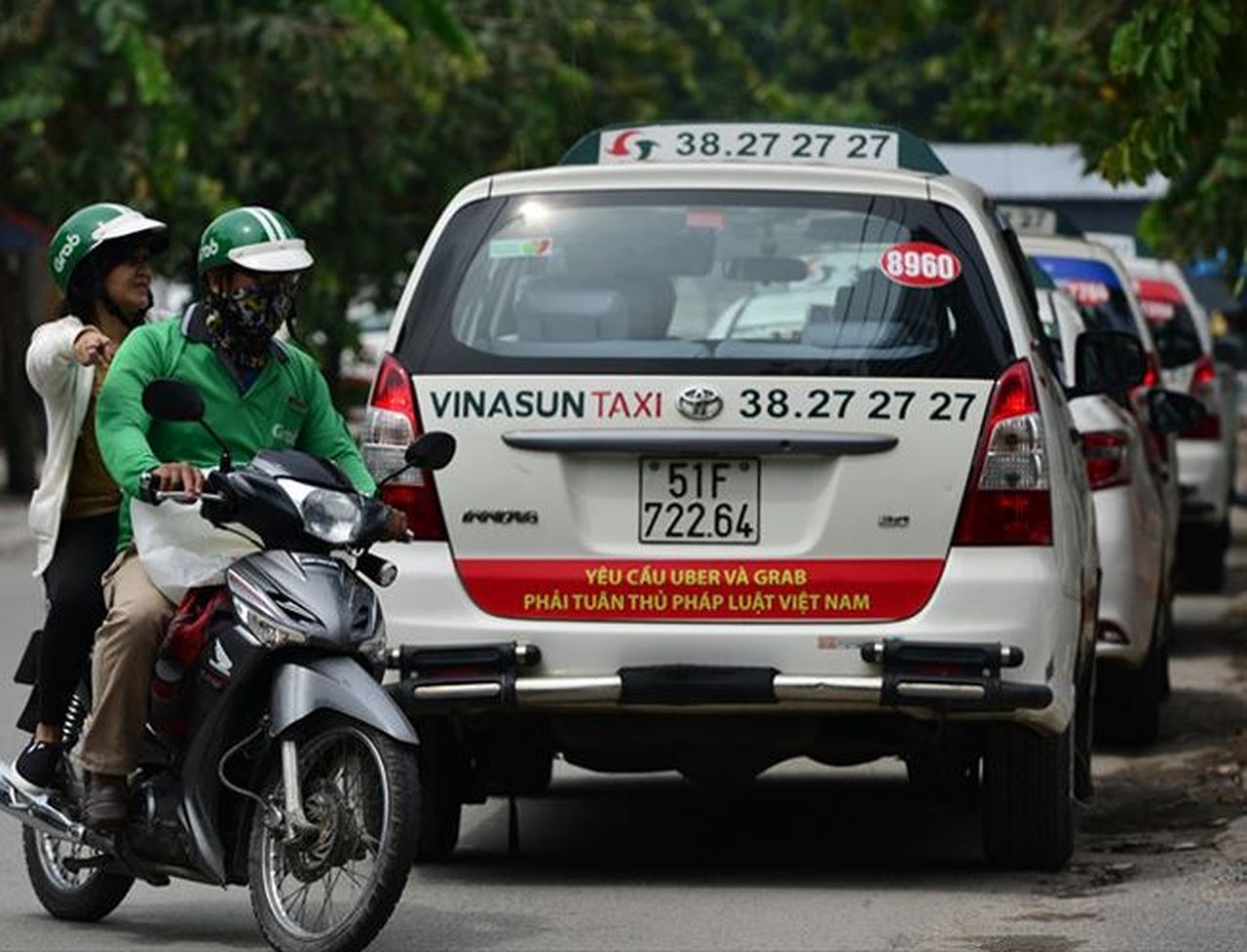
    Top taxi firm Vinasun and ride hailing firm Grab have told the court that they’ll negotiate a compensation dispute. The People’s Court of Ho Chi Minh City on Friday approved the litigants’ wish to ‘sit together,’ and temporarily suspended the trial. The suspension of trial is for no longer than a month, and the reopening date will be announced later, the court said.

    “The lawsuit has dragged on for over a year, but the claimant was not able to prove the damage, as well as the causal relationship with Grab’s influence. The defendant is also very worn out wasting time defending a wrong it did not commit,” said Luu Tien Dung, Grab’s lawyer.

    “This is one of the reasons why both sides have decided to negotiate,” he added.

    Vinasun filed the suit against Grab in June last year, accusing the Malaysia-based firm of abusing the Ministry of Transport’s pilot scheme and committing violations.

    It said Grab’s illegal activities were responsible for nearly VND42 billion (nearly $1.8 million) of the VND76 billion ($3.25 million) in losses that it suffered in 2016 and the first half of 2017.

    The trial began last February, but was adjourned a month later to allow for more evidence to be gathered. Grab protested the valuation of Vinasun’s losses.

    Last October, prosecutors asked the court to accept Vinasun’s petition for compensation of nearly VND42 billion (nearly $1.8 million) in one payment, dismissing Grab’s claim that it was a tech firm and not a taxi company.

    Grab responded by sending a letter to Prime Minister Nguyen Xuan Phuc, saying that identifying Grab as a taxi firm would be “a step backwards from Industry 4.0.”

    Under the latest draft of a decree prepared by the Transport Ministry, transport firms offering services with under 9-seater cars should be registered as taxi firms before they can apply ride-hailing technologies.

    This means that Grab and other ride-hailing firms would have to register their services again as taxi businesses and comply with corresponding legal responsibilities regarding their operating licenses, drivers’ profiles and tax duties.

  • Ride-hailing platform Emddi raises $2 mln

    Ride-hailing platform Emddi raises $2 mln

    Vietnamese ride-hailing platform Emddi has raised $2 million at online fundraising event Virtual Investment Day hosted by venture capitalist ThinkZone Ventures.

    The fund will be used to invest in human resources and expand its market share, Emddi spokesperson said.

    The company had completed last year its Series A funding round, led by ThinkZone Venture. The amount of investment raised was undisclosed.

    It also reached a cooperation agreement with ride-hailing firm Be Group and Vietnam Taxi Alliance in April as part of efforts to increase its market share.

    Emddi is a ride-hailing application developed in 2016 by scientists of Vietnam National University’s Centre for Information Technology. It provides a ride-hailing platform for transporting companies, allowing them to set their own prices and types of services. The platform receives ride requests from both ride-hailing orders on the application and phone calls to the transporting firms’ switchboard.

    It allows customers to access the services of various transporting firms with one application.

    Emddi currently operates in over 40 cities and provinces in Vietnam and Laos with 30,000 drivers. It provides car-hailing services and two additional services in Hanoi – ride-hailing service to airports and round-trip transport between Hanoi and other provinces.

    The application allows cashless payment through e-wallets like VNPay, MoMo, Viettel Pay and Mobile Banking.

    It plans to expand to motorbike-hailing service once its car-hailing has developed its market position, said its representative Le Van Nam. It is currently focusing on car-hailing since it does not have enough resources, he added.

    Emddi expects Vietnam’s ride-hailing industry to grow by 16 percent to $4 billion in the next five years.

  • Grab-Uber deal comes under fresh antitrust scrutiny in Vietnam

    Grab-Uber deal comes under fresh antitrust scrutiny in Vietnam

    Vietnamese authorities are set to further investigate the merger between Grab and Uber last year for possible violation of antitrust regulations. The Competition Council said after a thorough examination of documents and arguments furnished by both parties it has discovered a number of new details related to possible violation of competition laws by ride-hailing platform Grab’s acquisition of Uber’s business operations last March.

    It has returned the case dossiers to the Ministry of Industry and Trade’s competition and consumer protection department for further investigation. The investigation is expected to go on until April this year.

    Last year Singapore-based Grab acquired Uber in Southeast Asia in return for a 27.5 percent stake.

    Vietnam’s Competition Law requires any merger or acquisition that results in a company gaining a 30 percent market share to be reported to competition authorities.

    If a company gains a 50 percent market share from the deal, it can only be carried out with express permission from the authorities.

    The department’s preliminary investigation found Grab’s market share had exceeded 50 percent since the acquisition.

    But Grab insists it had acted legally and that the competition authorities have misinterpreted the scope of relevant markets when calculating the market share.

    Last October the Philippines’s competition watchdog fined the two companies a cumulative 16 million pesos ($296,873) saying they had completed the deal too soon and that the quality of service had dipped.

    Singapore’s competition authority fined them a total of S$13 million ($9.5 million) and announced other measures to address competition concerns arising from the merger.

  • Ride-Hailing Firms Enjoy Growth in Indonesia, but Face Fraud Challenge

    Ride-Hailing Firms Enjoy Growth in Indonesia, but Face Fraud Challenge

    Grab and Go-Jek, two of Southeast Asia’s biggest technology startups, have successfully grown their food delivery and ride-hailing services, but both must pay special attention to better detection of fraudulent orders, a recent study by Spire Research and Consulting Indonesia showed.

    The local unit of the Tokyo-based research company surveyed driver partners and customers to establish what ride-hailing services they prefer, based on various criteria, including consumer awareness, usage frequency and the use of e-money.

    Grab Leads in Product Usage

    Based on Spire’s consumer awareness survey, 75 percent of respondents said they used Grab’s services over the past six months, while 61 percent indicated that they had done so in the past three months.

    For Go-Jek, it was 62 percent and 58 percent, respectively.

    “Regardless, 50 percent of respondents agree that both Grab and Go-Jek are their favorite brands,” the consultancy said.

    Regarding product usage frequency, customers more often used Grab’s services than those of Go-Jek in the last quarter of 2018.

    The survey also found that 34 percent of GrabCar customers were more likely to use the service three to four times a week on average, while for Go-Car, 25 percent of customers were more likely to use the service once or twice a week on an average.

    Grab Leads in Four-Wheel Segment, Go-Jek Leads in Two-Wheel

    On the other spectrum of the survey, it found that Go-Jek’s Go-Ride was still the customer favorite, with 64 percent saying that they use the service once or twice a day, while for Grab it was 58 percent.

    “When it comes to food delivery, Go-Food is in the lead with 35 percent of respondents saying Go-Food was the brand they most often used, but Grab is catching up quickly with 27 percent saying they used GrabFood the most,” Spire said in a press release on Tuesday.

    E-Money

    As of 2018, both services introduced the use of e-money to facilitate digital payments.

    Grab launched an e-payment service in cooperation with OVO, while Go-Jek established its own, Go-Pay.

    “Based on the survey results, OVO usage exhibits strong O2O [online-to-offline] usage, while Go-Pay’s strength is in Go-Jek’s mobile app ecosystem. For example, OVO is the preferred payment for offline items like phone balance, parking bills and bills for nonfood merchants, while Go-Pay is used to pay food-merchant bills [Go-Food] and electricity bills through the Go-Jek app,” Spire said in the statement.

    Natural Selection

    Indonesia has seen monumental growth in the ride-hailing sector over the past few years, with the mergence of dozens of startup companies. However, natural selection resulted in only two surviving and dominating the market.

    Indonesia is still a magnet for tech companies, including ride-hailing services, thanks to the high consumption rate and mobility of its citizens.

    The two survivors have seen intense competition, with both drastically increasing their product offerings.

    Their services such as food delivery and ride-hailing are similar in nature, but the two companies’ more unique offerings are distinguishing factors.

    Fraud

    Spire said the most interesting finding of its study was the prevalence of fraud.

    “The most interesting finding by Spire is the existence of fraud and how the drivers perceive it,” Jeffrey Bahar, group deputy chief executive of Spire Research and Consulting, said in the statement.

    Spire said fraud in online ride-hailing services is an open secret among drivers and that most who commit it gave similar reasons for doing so, which is to increase their monthly earnings.

    Fraud is seen as a major threat to the industry as it results in economic losses to the companies and highlights vulnerabilities in their systems.

    Spire’s research showed that nearly 30 percent of Go-Jek’s total transportation orders might be fraudulent, compared with 5 percent for Grab.

    “This is based on an estimation of fraudulent orders against total orders. This is a systemic problem for both companies and one that Go-Jek needs to address,” Spire said in the statement.

    According to Spire’s driver survey, “as of 2018, nearly 60 percent of Go-Jek’s drivers say they commit fraud on a daily basis to boost their order numbers, which affect their bonuses and daily income.”

    The drivers who were surveyed said Go-Jek’s system was easier to trick by using applications that modify their location data. On the other hand, less than 10 percent of Grab’s drivers admitted to committing fraud.

    Grab’s drivers said the company’s system was not easy to trick and that the sanctions imposed for such offenses was a deterrent. Drivers also commented that both companies had been improving their systems to better detect fraud.

    “Overall, both companies are growing rapidly in food delivery and ride-hailing but special attention must be paid to the issue of fraud to ensure the healthy development of the technology ecosystem in the country,” Spire said.

  • ​Vietnam’s FastGo eyes US, Brazil expansion

    ​Vietnam’s FastGo eyes US, Brazil expansion

    Vietnamese ride-hailing company FastGo plans to enter the U.S. and Brazil this year as it seeks to quickly expand overseas. Its CEO Nguyen Huu Tuat said that he is keen to compete with other ride-hailing apps in foreign countries. “Our investors are located in the U.S. and Brazil, that’s why we have chosen those places as the next markets,” he said without disclosing who they are.

    The announcement comes a month after it expanded into Myanmar. FastGo now has over 1,000 partner drivers in Yangon and Tuat wants to have 2 million users in Myanmar this year.

    But the company wants to expand even faster to other markets this year, with Indonesia, where ride-hailing Go-Jek is based, being the first location.

    “We plan to start operating in Jakarta in March, and will also expand to Singapore this year,” Tuat said.

    The investors want the company to “go global as soon as possible,” he said to explain the rapid expansion plans.

    The company hopes to raise $50 million in the second round by June this year possibly from investors in South Korea and the U.S., he said.

    “Grab and Uber might have deep pockets, but FastGo wants to grab market share by offering better options to customers.”

    FastGo does not collect commissions from drivers but instead charges them an amount of money if they earn a minimum amount per day. FastGo also claims to not increase fees during rush hour but allows users to tip drivers.

    It became Vietnam’s first home-grown ride-hailing app last June and now has 40,000 drivers in 12 cities and provinces.

    FastGo last August received $3 million from Vietnamese fund VinaCapital Ventures, according to reports.

  • Singaporean ride-hailing startup TADA launches in Vietnam

    Singaporean ride-hailing startup TADA launches in Vietnam

    Singapore-based tech firm Mass Vehicle Ledger (MLV) launched its ride-hailing app TADA in Ho Chi Minh City Monday. HCMC is the third Southeast Asian market that the firm is entering after Singapore and Cambodia. Instead of billing commissions from drivers like other major players Grab and Go-Viet, the app aims to profit off advertising as well as fees from B2B (business to business) partners that participate in their ecosystem.

    This ecosystem will operate on blockchain technology to store records such as payments and vehicle maintenance, and will engage transport-related companies such as traditional taxis, insurance, repair services, and car dealers.

    Kay Woo, the South Korean founder of MLV, said that among its current partners are Lotte Rental, a rental company of cars and equipment belonging to South Korean conglomerate Lotte Group, local insurance provider PTI and local taxi firm Vinataxi.

    The app will also not offer promotions like its rivals.

    “They throw promotions everyday but this won’t last forever, and prices will eventually go up. We focus on stability, and without commission our prices will be lower.”

    The MLV founder revealed that over 2,000 drivers had signed up with the company. After HCMC, the firm plans to expand the app to Hanoi and Da Nang.

    TADA plans to get 25,000 drivers to register this year but has no plans to join the motorcycle segment in the near future.

    Currently, MVL is registered as a technology company in Vietnam. Operations manager Peter Nguyen explained that because it does not charge drivers, it is only a technological solution. However, the company is willing to comply with transport tax and regulatory guidelines should they apply, he said.

    TADA, which means “let’s ride” in South Korean, opened in Cambodia just last month, and in Singapore in July 2018.

    MVL Technology Co., Ltd, formerly known as MVL Foundation Pte. Ltd, was founded in March 2018 in Singapore by Kay Woo.

    It aims to connect different sectors in the car industry.

    TADA has over 25,000 registered drivers and made more than 970,000 trips in the last 6 months.

    Vietnam’s ride-hailing market has seen new entrants after Uber’s departure early this year, including Vietnamese firm FastGo, GoViet – a subsidiary of Indonesia’s Go-Jek, Aber, Be Group, and the latest, TADA.

    Grab, which counts Chinese ride-hailing firm Didi Chuxing and Japan’s SoftBank Group Corp among its backers, had 175,000 drivers and bikers in Vietnam as of last September and is the most prominent player in Vietnam after it pushed out Uber.

    Rival GoJek entered Vietnam last August, eyeing to grab a share of the fast-growing market. Vietnam has 95 million people, most of whom use smartphones.

    A number of local taxi companies in Vietnam have come together to compete against ride-hailing firms, Grab has been in a legal battle for more than a year with local taxi firm Vinasun Corp.

  • Singapore’s Grab begins using Hyundai Motor’s Kona

    Singapore’s Grab begins using Hyundai Motor’s Kona

    Hyundai Motor, Korea’s largest carmaker by sales, said Wednesday that Singapore-based Grab began using its Kona Electric for its ride-hailing service this month. In November, Hyundai Motor and its affiliate Kia Motors jointly invested $250 million in the Southeast Asian company for a business partnership in ride-hailing service markets, the carmaker said in a statement.

    “The company is aiming to enter electric car markets in Southeast Asia through the partnership with Grab and gain a share of those markets,” the statement said.

    Grab has initially purchased 20 Kona electric vehicles (EVs) from Hyundai for its service and plans to increase the number to 200 by the end of this year, Hyundai said.

    The Kona EV can travel up to 400 kilometers (248.5 miles) per charge. The driver can charge the all-electric car to around 80 percent full in about 30 minutes, it said.

    In partnership with Grab, Singapore Power has granted Kona EV drivers a 30 percent discount when powering the emission-free car at charging stations, the statement said.

    This week, the Kona EV grabbed a coveted North American Car, Utility and Truck of the Year award at the Detroit auto show.

  • Indonesia to Regulate Ride-Hailing Rates Threatens Grab, Go-Jek Expansion

    Indonesia to Regulate Ride-Hailing Rates Threatens Grab, Go-Jek Expansion

    The government is preparing to launch regulations fixing the rates drivers and riders for ride-hailing services such as Grab and Go-Jek receive, two officials said this week, creating potential obstacles for the companies’ expansion. The regulations would meet drivers’ demands for more oversight and higher rates but there are concerns that the rising costs to the companies could stifle their development as they battle to dominate the ride-hailing market in Southeast Asia’s biggest economy.

    Singapore-based Grab and homegrown Go-Jek have been locked in price wars in Indonesia, part of a wider fight to bring banking, e-commerce, ride-hailing, food-delivery and other services to every corner of Southeast Asia.

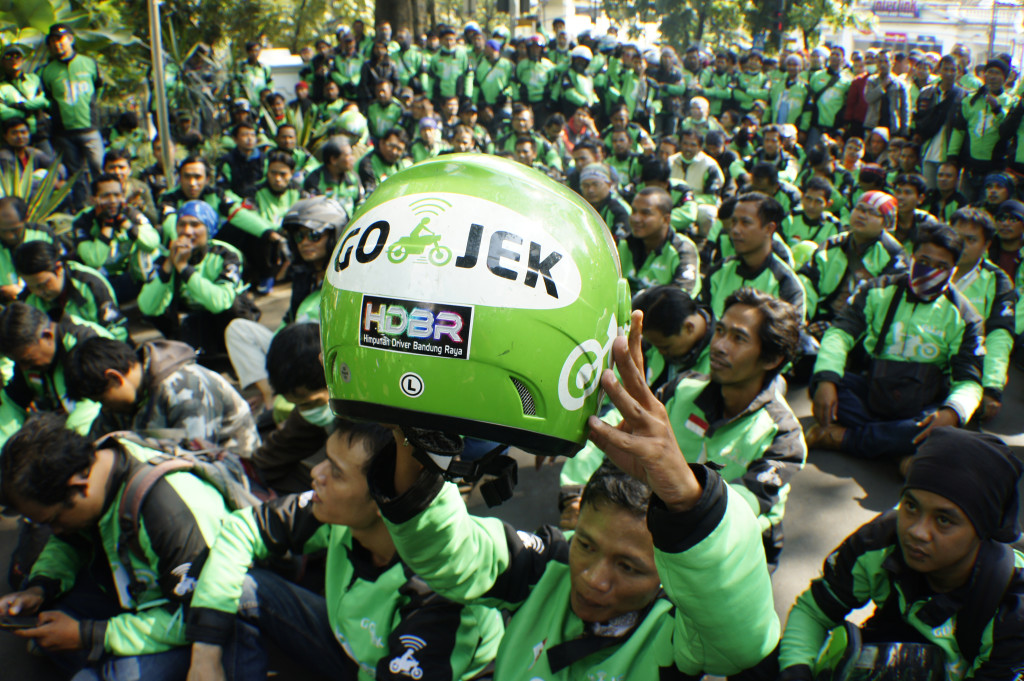
    However, since 2018, motorcycle taxi drivers working for Grab and Go-Jek in Jakarta have held protest rallies calling for higher fares and better conditions.

    The Ministry of Transportation plans to implement minimum and maximum tariffs for car and motorbike ride-hailing that will be “higher than Go-Jek and Grab’s current rates” and impose limits on promotional price cuts, said Budi Setyadi, director general of land transportation at the ministry.

    “This is for the safety and protection of drivers,” he said.

    Ahmad Yani, public transportation director at the ministry, said dependency on incentive-driven payments and low fixed rates per kilometer created a safety risk as it led to drivers overworking.

    He said Grab paid Rp 1,200 (8 US cents) per kilometer with a focus on bonuses, while Go-Jek’s rate was Rp 1,400 per kilometer.

    The officials said fixed fare ranges for motorbikes were still being finalized but would be implemented from March.

    Fixed rates for ride-hailing cars will start in June and be set at between Rp 3,500 and Rp 6,000 per kilometer on the islands of Java, Sumatra and Bali.

    The drivers were pushing for increases to a standard fare of Rp 3,000 to Rp 4,000 per kilometer.

    New Rules

    The firms said they welcomed the new rules, though they had not seen details of the motorbike regulations.”Grab believes the government will develop the best regulatory framework and hopes that all stakeholders will be included in the process,” said Tri Sukma Anreianno, the company’s head of public affairs .

    A Go-Jek spokesman said: “We support the government’s spirit to encourage our driver partners … and hope the regulation will have a positive impact on the sustainability of drivers’ income … and fair business competition.”

    However, both transportation officials said the companies are worried about the pending regulation since they have spent heavily on driver subsidies to slash their customer rates and build their businesses.

    “Grab and Go-Jek have told me they would prefer there was no regulation,” Ahmad said. “Due to the competition between them … they are scared what could happen if they don’t keep up with each other.”

    The Supreme Court blocked a previous attempt in 2017 by the transportation ministry to fix ride-hailing rates after drivers sued, saying the rules favored the taxi firms.

    Both ministry officials said the new regulations met anti-competition standards and followed extensive discussions with driver syndicates.

    Grab and Go-Jek drivers welcomed the prospect of standard fares.

    “I have been working for Grab since 2015. Before, I could earn Rp 300,000 to Rp 400,000 per day. Now, I can only get Rp 150,000,” said Hermansyah, a Grab motorcycle driver partner.

    Another driver, who had worked for both companies, said neither provided much protection, leading drivers to bear operational costs. He asked not to be identified since he had a role in organizing protests.

    The fixed rates will be a challenge to a business model that has depended on cheap passenger prices for growth and could undermine innovation.

    “Cheap fares has been the firms’ main way to attract customers,” said Yayat Suprityatna, urban and transportation observer at Trisakti University in Jakarta.

  • Grab appeals $208,000 Vinasun compensation ruling

    Grab appeals $208,000 Vinasun compensation ruling

    Grab has appealed a verdict by a Vietnamese court to pay compensation to domestic taxi firm Vinasun for causing it losses. Arguing that the order to pay VND4.8 billion ($208,000) by the first instance court was unlawful, the Singapore-headquartered Grab has asked the appellate court to quash the case. It wants the court to quash the verdict on the ground that the HCMC People’s Court had seriously violated procedures and dismiss the case. The court had no jurisdiction to hear the case, handed a verdict that exceeded the scope of the lawsuit and did not summon the witnesses it had sought, the company said.

    The ride-hailing firm maintained it did not commit any wrong against Vinasun. If the appellate court is not willing to dismiss the case, it should at least amend the earlier ruling, ruling that Grab does not carry on a transportation business and has not violated any laws, and dismissing Vinasun’s claims.

    Grab said the court did not fully and objectively evaluate the facts and evidence of the case, but instead relied on biased information based on an inaccurate assessment of losses done by a court-appointed inspection company.

    “Vinasun could not prove its actual damages and/or the causal link between any of Grab’s alleged violations and Vinasun’s alleged damages,” Grab said in the statement.

    The court verdict came after an 18-month battle between Grab and Vinasun since last June when Vinasun filed a suit saying Grab’s illegal activities had caused it nearly VND42 billion ($1.8 million) in losses.

    The latest draft of a Ministry of Transport decree requires firms offering taxi services to register as taxi firms before they can apply ride-hailing technology.

    This means Grab and other ride-hailing firms have to register afresh as taxi businesses and comply with legal requirements related to operating licenses, drivers’ profiles and taxes.

  • Indonesia’s Go-Jek rejected in the Philippines

    Indonesia’s Go-Jek rejected in the Philippines

    Indonesia’s Go-Jek suffered a setback to its expansion plans on Wednesday after the transportation regulator in the Philippines rejected its application to launch a ride-hailing service, saying its domestic unit did not meet local ownership criteria. However, the setback may only be temporary as the firm, whose backers include Google, could appeal the decision or team up with Philippine investors.

    “Go-Jek can get a local partner that will own at least 60 percent of the ride-hailing entity to comply with the law,” said January Sabale, head of communications at the Land Transportation Franchising and Regulatory Board (LTFRB).

    The decision comes as Go-Jek seeks to expand in Southeast Asia, having evolved from a ride-hailing service founded in 2011 to provide a one-stop app through which users can order food and services such as massages and make payments online.

    The firm has raised billions of dollars from investors such as Tencent Holdings, JD.com and Temasek Holdings to challenge market leader Grab.

    Several Philippine ride-hailing firms have been operating in the capital Manila and in major provinces since March 2017, but have had limited success in wresting domestic market share away from Singapore-based Grab, which stands at over 90 percent.

    “Homegrown firms are not making a dent on early player Grab, because the cars they can enroll now have to go through the LTFRB’s filtering hurdles,” said Rene Santiago, a transportation expert and president of Bellwether Advisory in Manila.

    Go-Jek applied for a license to operate in Manila in August through wholly owned subsidiary Velox Technology Philippines. Later the same month, ride-hailing was added to a list of industries where foreign ownership is limited to 40 percent.

    Velox “did not meet the citizenship requirement and the application was not verified in accordance with our rules,” regulator chairman Martin Delgra said

    A spokesman for Go-Jek said: “We continue to engage positively with the LTFRB and other government agencies, as we seek to provide a much-needed transportation solution for the people of the Philippines.”

    There are around 37,000 registered ride-hailing vehicles across eight accredited firms, Delgra said. The Department of Transportation has capped the total at 65,000.

  • Kakao T signs MOU with premium taxi service

    Kakao T signs MOU with premium taxi service

    Kakao Mobility is partnering with premium taxi provider Tago Solutions to improve customer service quality and drivers’ income levels. The move comes as tensions continue to boil over with much of the taxi industry fiercely protesting the company’s carpooling business. On Thursday, Kakao’s mobility subsidiary announced that it signed an MOU with Tago Solutions, a company co-established by some 50 taxi companies and 5,000 taxi drivers last September with the goal of offering distinguished and premium taxi services like pet-friendly options.

    Tago hit headlines last month for requesting the Seoul Metropolitan Government’s approval to offer Korea’s first women-only taxi services. The service, dubbed Waygo Lady, will only allow female drivers and customers.

    Kakao is expected to give customers the option to choose Tago’s services via the Kakao T taxi-hailing app.

    “We hope to create an environment where drivers are friendly and do not refuse customers,” Kakao added in a statement. One of Tago’s stated missions is to accept all customers regardless of destination. Though refusing customers is illegal in Korea, some drivers still do it if the requested destination is unprofitable.

    Kakao is also hoping to improve drivers’ working environment with Tago. The premium services, which are expected to come at a premium price, will improve drivers’ income levels while the services for women will provide new opportunities for female taxi drivers – a minority in Korea.

    The move comes as many other taxi drivers and unions are boycotting Kakao for its plan to launch a carpooling service that potentially threatens the taxi industry. A Kakao spokesman said the company and Tago are on good terms and have been working on the partnership for months.

    Ahead of launching the premium services, Kakao said it will focus on developing technology that will allow for the seamless matching of users to taxis, while Tago will focus on training and educating drivers to provide high quality services.


  • Vietnamese platform FastGo expands to Myanmar

    Vietnamese platform FastGo expands to Myanmar

    FastGo, Vietnam’s first ride-hailing service, has kicked off operations in Myanmar as part of its Southeast Asia expansion plans. Its joint venture with Myanmarese conglomerate Asia Sun Group began offering services on December 28. CEO Nguyen Huu Tuat said at the launch that Myanmar is a promising market with the e-commerce, travel and retail sectors all growing rapidly. With a population of 50 million, transport demand in the country is expected to rise, he said.

    FastGo targets major cities and provinces and expects to sign up two million users and 100,000 drivers.

    It pursues the same business model as in Vietnam, only taking a fixed service cost from drivers and not commissions on each ride and guaranteeing them higher fares during rush hour and bad weather.

    It allows users to tip drivers, and offers a priority service for certain customers.

    Tuat said FastGo has tied up with Asia Sun because the group has experience in various sectors, deep pockets and an understanding of the local market and culture.

    He expected the venture to benefit Myanmar’s digital economy.

    FastGo was launched in Vietnam last June and now has over 40,000 partner drivers in 10 provinces and cities.

    It aims to be more than just a ride hailing app, offering other services such as food delivery.

    FastGo Vietnam Joint Stock Company was established in April 2018 with its headquarters in Hanoi. The company belongs to a wide network of services provided by Nextech, a leading tech firm in Vietnam.

    The Nikkei Asian Review reported that the company hopes to make its service available in 20 cities in Vietnam and five other Southeast Asian markets, including the Philippines, Cambodia and Thailand, by the end of 2019.