Retail News CRM

Tag: rights

  • Xiaomi Vietnam Fined $11,000 For Breach Of Consumer Protection Laws

    Xiaomi Vietnam Fined $11,000 For Breach Of Consumer Protection Laws

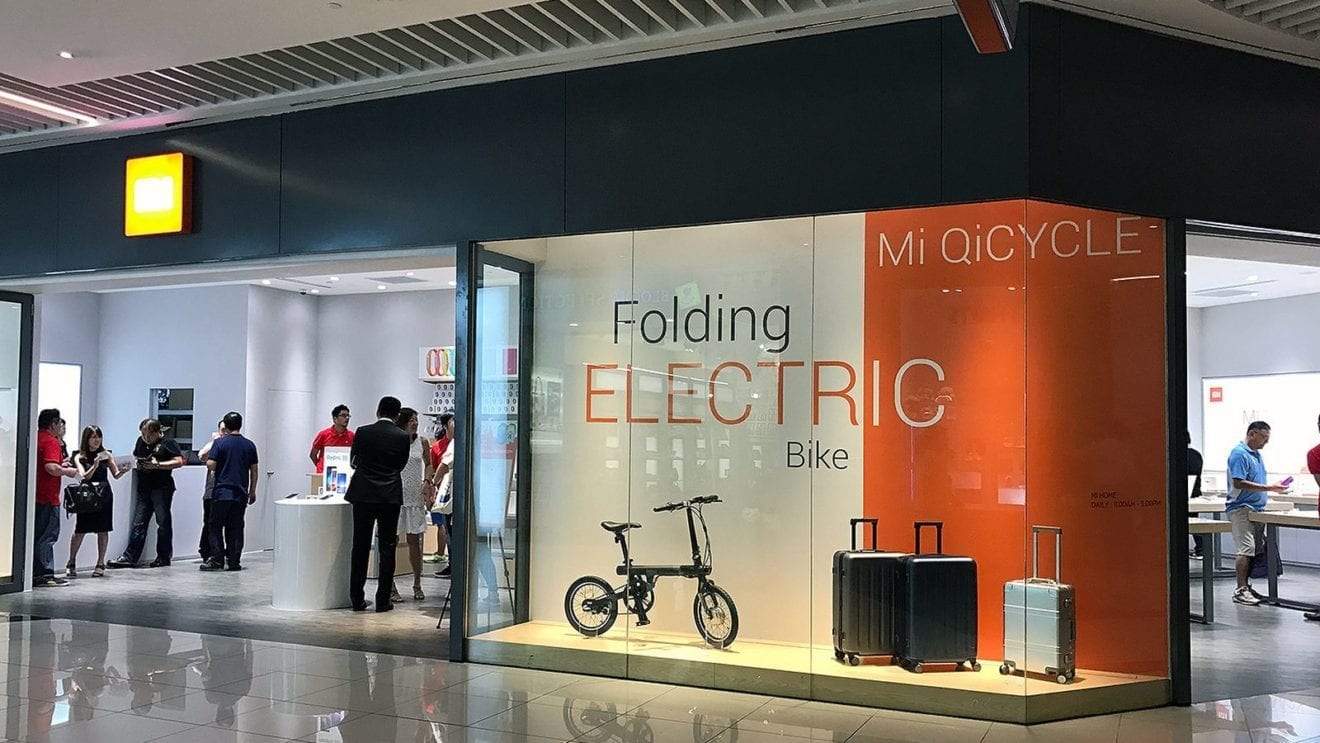
    Xiaomi Vietnam, a distributor of consumer electronics under the Chinese brand Xiaomi, has been penalized with a fine of VND290 million (US$11,000) for breaches of consumer protection laws, especially involving the use of personal data for marketing purposes. The company was charged with not granting customers the choice to either consent or decline the use of their personal details for advertising, product promotion, and various commercial activities. This breach was confirmed by the National Competition Commission (NCC) under the Ministry of Industry and Trade.

    Additional Violations

    Furthermore, Xiaomi Vietnam was found guilty of not informing consumers about its use of influencers for product promotion, using their images and endorsements without due notice. The firm was also penalized for incorporating illegal clauses in its general transaction terms.

    The NCC has mandated that the company immediately halt all illegal activities and promptly reassess and enhance their general transaction terms and conditions, consumer data protection policies, and activities related to the provision of information and product promotions through influencers. This is to ensure full compliance with the legal regulations.

    Xiaomi Vietnam, which has been operating since 2019 and is headquartered in Ho Chi Minh City, offers a variety of consumer electronics, such as smartphones, tablets, wearable devices, TVs, robot vacuum cleaners, and smart home devices.

    Questions & Answers

    What was Xiaomi Vietnam fined for?
    Xiaomi Vietnam was fined for breaching consumer protection laws, specifically in relation to the use of personal data for marketing purposes without consumer consent.

    What other violations was Xiaomi Vietnam charged with?
    Further charges against Xiaomi Vietnam included the failure to inform consumers about their use of influencers for product endorsement, and the inclusion of illegal provisions in their general transaction terms.

    What steps has the NCC mandated for Xiaomi Vietnam?
    The NCC has ordered Xiaomi Vietnam to immediately stop all illegal activities and to review and update their transaction terms, consumer data protection policies, and influencer-related promotional activities to adhere to legal regulations.
  • Thailand’s CP wins 7-Eleven rights to operate in Cambodia

    Thailand’s CP wins 7-Eleven rights to operate in Cambodia

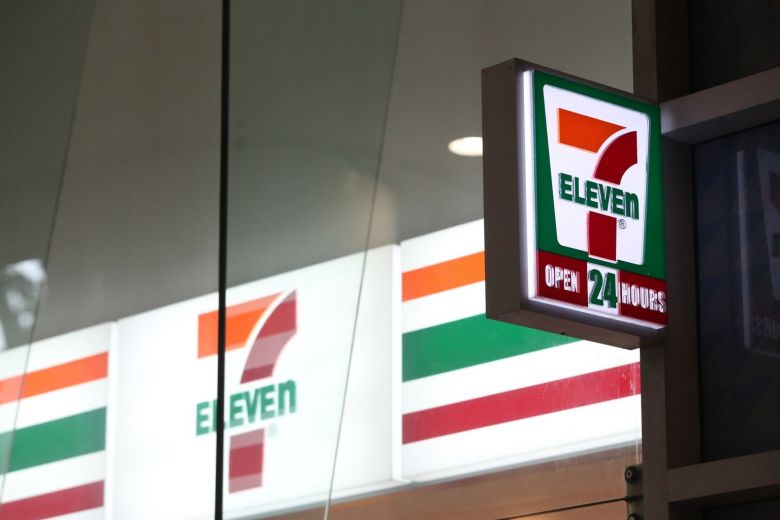
    Thailand’s CP Group will launch 7 Eleven Cambodia next year after winning the franchise rights for the country.

    CP Group, which operates 7-Eleven in Thailand, will run the business via its local subsidiary. The first outlet is expected to open in Phnom Penh.

    According to reporting in Nikkei, CP will be responsible for all business strategy and distribution activities of 7-Eleven Cambodia, and will bear the right to use the brand logo and signage.

    The operation will also include grocery sales along with some banking and delivery services.

    With 12,000 outlets, Thailand is the second-largest market for 7-Eleven after Japan.

    Founded in 1927 in Dallas, Texas, 7-Eleven is now owned by Japanese retail group Seven & I Holdings.

  • Unicef Indonesia Urges Private Sector to Protect Children’s Rights

    Unicef Indonesia Urges Private Sector to Protect Children’s Rights

    “Unicef calls upon all companies to ensure that their operations and other business activities do not harm children. Government policies should support companies in this regard including by making sure that children are protected from possible rights violations by the private sector,” she said.

    Olsson expressed the desire to have comprehensive guidelines for companies on how to respect and support children’s rights in the workplace and marketplace included in Indonesia’s national frameworks and action plans that deal with human rights and business.

    The Ministry of Justice and Human Rights suggested children’s rights should feature more prominently in the government’s National Action Plan on Human Rights (Ranham) and in the Business and Human Rights Action Plan (Ranham Bisnis) currently being developed.

    “One of the key pillars of the UN Guiding Principles on Business and Human Rights highlights the state’s obligation to respect, protect and fulfill human rights. However, other actors, in this case, the business community, also have the responsibility to respect human rights in all its operations and practices,” said Mualimin Abdi, director general for human rights at the Ministry of Justice and Human Rights.

    Nur Kholis, chairman of the National Commission on Human Rights (Komnas Ham), highlighted the key role of the Ranham Bisnis in minimizing possible negative impacts of business operations on human rights and in strengthening private companies’ role in Indonesia’s development.

    Save the Children, the UN Global Compact and Unicef in March 2012 presented the Children’s Rights and Business Principles. Numerous corporations, organized in an Association of Child-Friendly Companies (Apsai), have since assessed their practices regarding their impact on children’s rights.

    “Unicef hopes many more companies will join the initiative and review their operations against the Children’s Rights and Business Principles,” said Olsson, the Unicef representative. “Corporate social responsibility with a focus on child rights that goes beyond philanthropic investment will strengthen companies’ sustainability, reputation and risk management and will ultimately foster a stable, inclusive and sustainable business environment. In the end, it’s in the companies’ own economic interest.”

    “One third of the world’s population are children; they are the future leaders, employees and customers of companies,” added Shinta W. Kamdani, president of the IBCSD. “In striving towards a sustainable business environment this issue should take the center stage of business sustainability. Children’s Rights and Business Principles serve as a tool for companies who are willing to go the extra mile to ensure a viable business future.”