Tag: rimac

  • New Electric Hypercar Powerhouse: Rimac Takes Reins At Bugatti

    New Electric Hypercar Powerhouse: Rimac Takes Reins At Bugatti

    112-year-old Bugatti makes some of the most exclusive cars in the world. Its combination of ultra-luxury and mind-boggling speed has defined the hypercar genre for decades, especially under the stewardship of the Volkswagen group, it has thrived since 1998. In the age of electric cars, however, its dependence on the internal combustion engine would’ve antiquated the brand soon. In a masterful move, Volkswagen Group has handed over all its shares of Bugatti to its subsidiary Porsche which is another iconic sports car brand. Porsche, like most brands in the Volkswagen group, has been on its journey of electrifying its portfolio. Its investment in electric hypercar startup Rimac gave it a 24 percent stake in 2018 and a technology flow-over. But now the relationship is even closer, as Porsche has handed its control of Bugatti to Rimac and formed a joint venture called Bugatti Rimac in which it is a 45 percent stakeholder.

    Rimac is restructuring its corporate structure fully – creating a holding company called the Rimac Group which has a controlling 55 percent stake in the newly formed Bugatti Rimac. It cites Rimac Technologies as its other business and the entity cites Porsche, Hyundai as stakeholders amongst other investors. Mate Rimac, the founder and CEO of RimacAutomobilii will continue to be the CEO of the new Rimac Group with him being the leader of both Bugatti Rimac and Rimac Technologies. He also retains 37 percent of his stake in the Rimac Group. Porsche has a 24 percent stake in the Rimac Group, while Hyundai owns 12 percent in the new entity.

    Under the new structure, Porsche gets 45 percent stake in the JV and retains its 24 percent stake in the Rimac Group.

    “Bugatti and Rimac will both continue as separate respective brands, retaining existing production facilities and distribution channels,” Mate Rimac says. “Bugatti Rimac represents the company that will develop the future of both Bugatti and Rimac vehicles, by joining resources and expertise in research and development, production, and other areas,” he adds.

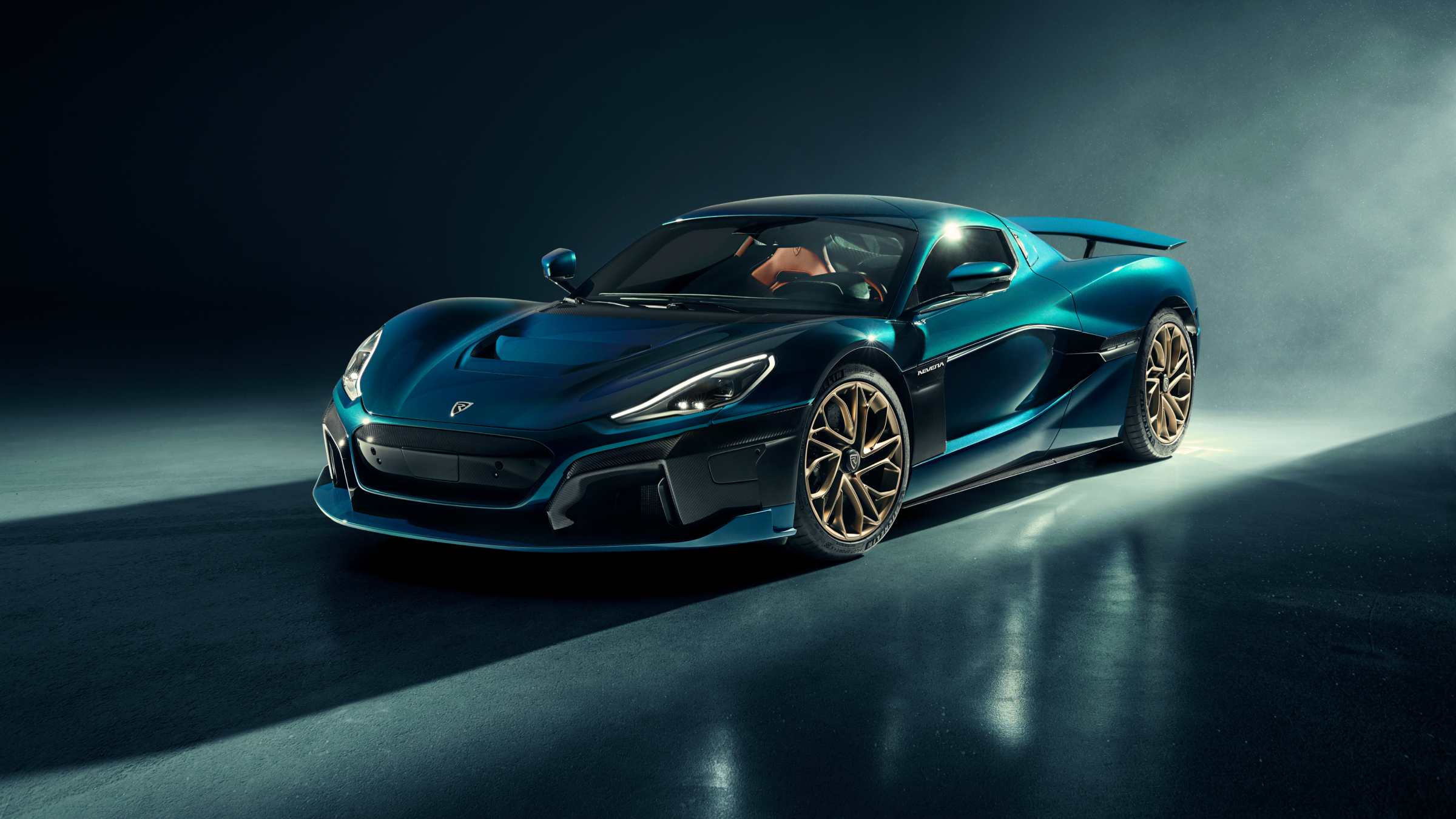
    Rimac and Bugatti as brands will remain separate — while Bugattis will be built to their exacting standards from their home in France while Rimac’s will be continued to made in Croatia. As of now, Rimac’s new electric hypercar, the Nevera will be sold separately from the Bugatti Chiron – but together, the JV is now home to two of the most powerful hypercars – one being based on hybrid technology with an internal combustion engine at its heart and the other one fully being propelled by batteries and electric motors.

    Rimac’s technology has attracted it to many automakers like Porsche and Hyundai which previously invested in it. Its technologies unit supplied parts and technology to some of the world’s biggest OEMs like Porsche, Aston Martin, Pininfarina, and of course Bugatti. In fact, the Rimac Nevera takes over the mantel of the world’s fastest hypercar from the Bugatti Chiron with its 1,888 bhp Nevera having the ability to achieve 0-100 km/h in less than 2 seconds.

    Rimac is also building a new headquarters in Croatia which will open in 2023 replete with its now test track and uniquely will be a fully open campus. Bugatti will most likely utilise Rimac’s technology to make a fully electric hypercar something which Mate Rimac hinted at. This will take time, though, with the new vehicle coming only by the end of the decade, so in the meanwhile, it will continue to sell its hybrid cars alongside fully electric Rimac branded vehicles.

    “This is a truly exciting moment in the short, yet rapidly expanding history of Rimac Automobili. We have gone through so much in such a short space of time, but this new venture takes things to a completely new level. Rimac and Bugatti are a perfect match in terms of what we each bring to the table. As a young, agile and fast-paced automotive and technology company, we have established ourselves as an industry pioneer in electric technologies,” Mate Rimac added.

    “We are combining Bugatti’s strong expertise in the hypercar business with Rimac’s tremendous innovative strength in the highly promising field of electromobility. Bugatti is contributing a tradition-rich brand, iconic products, a loyal customer base, and a global dealer network to the joint venture. In addition to technology, Rimac is contributing new development and organizational approaches,” said Oliver Blume, Chairman of the Executive Board at Porsche AG.
  • Rimac Nevera Electric Hypercar Unveiled

    Rimac Nevera Electric Hypercar Unveiled

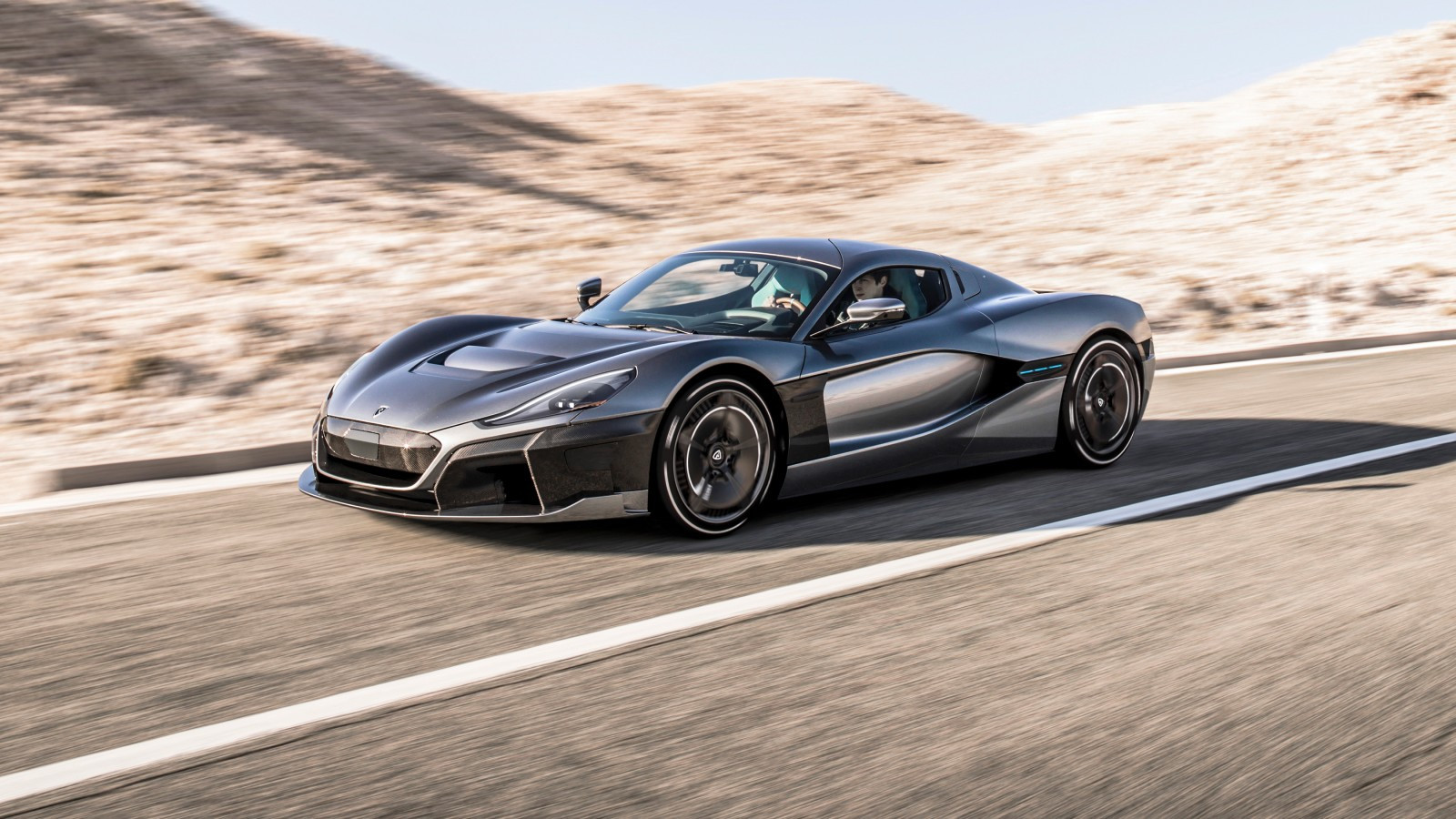
    After a long wait, Rimac Automobili has finally unveiled the Nevera, an all-electric, hypercar that has been designed and engineered to surpass anyone’s expectation of an electric car. The Nevera is the production-ready iteration of the Rimac C_Two concept car, which was revealed at the International Geneva Motor Show in 2018. Since then, Rimac’s engineers have refined the new flagship car. The Nevera was developed in-house at Rimac’s headquarters in Croatia and only 150 examples of the car will be made.

    Underlining his own commitment to the project, Mate Rimac will personally test and sign off each of the Neveras, before they are delivered to customers from the company’s current production site on the outskirts of Zagreb, Croatia.

    Nevera’s monocoque construction includes a bonded carbon roof, integrated structural battery pack, and rear carbon subframe, is forming the largest single carbon fibre piece in the entire automotive industry. Weighing less than 200 kg and utilizing 2200 carbon fibre plys and 222 aluminum inserts, the monocoque encases the car’s battery to form a compact yet incredibly strong structure with a torsional stiffness of 70.000 Nm/degree.

    The unique H-shaped, liquid-cooled, 120kWh, 6960-cell battery was designed from scratch by Rimac and sits at the heart of the Nevera. Capable of producing 1.4MW of power, the Lithium/Manganese/Nickel battery also forms an integral part of the car’s core, adding 37 percent structural stiffness to the carbon fibre monocoque. The battery’s optimum positioning low and central within the car’s floor contributes to an ultra-low centre of gravity. This helps create a 48/52 front/rear weight distribution.

    Four bespoke surface-mounted permanent magnet motors drive the Nevera’s four wheels individually. Together, they enable 1914 horsepower and 2360 Nm of torque, which is triple the output of a ‘conventional-engined’ supercar. The front and rear wheels are each connected to a pair of single-speed gearboxes.

    With the ability to sprint to 96.5 kmph in 1.85 seconds and continue the acceleration all the way to a 412 kmph which is its top speed, the Nevera opens up a new dimension in hypercar performance. Accelerating from rest to 161 kmph requires just 4.3 seconds and it maintains acceleration throughout a full-throttle cycle, achieving 300 kmph from rest in 9.3 seconds, shredding a whole 2.5 seconds from the initial targets.

    Rimac’s All-Wheel Torque Vectoring 2 (R-AWTV 2) system replaces traditional Electronic Stability Program and Traction Control systems to further bolster grip and traction. Meanwhile, the Nevera’s R-AWTV 2 system enables infinitely variable dynamic responses to road and track conditions by calibrating the amount of torque supplied to each wheel. R-AWTV 2 calculates the precise level of torque to channel through each wheel for ultimate stability and exceptional agility. Both predictive and responsive, R-AWTV reads the road and makes over 100 calculations per second to tailor the level of torque to achieve the desired driving style.

  • Mercedes-AMG Cars Will Be Electrified From 2021

    Mercedes-AMG Cars Will Be Electrified From 2021

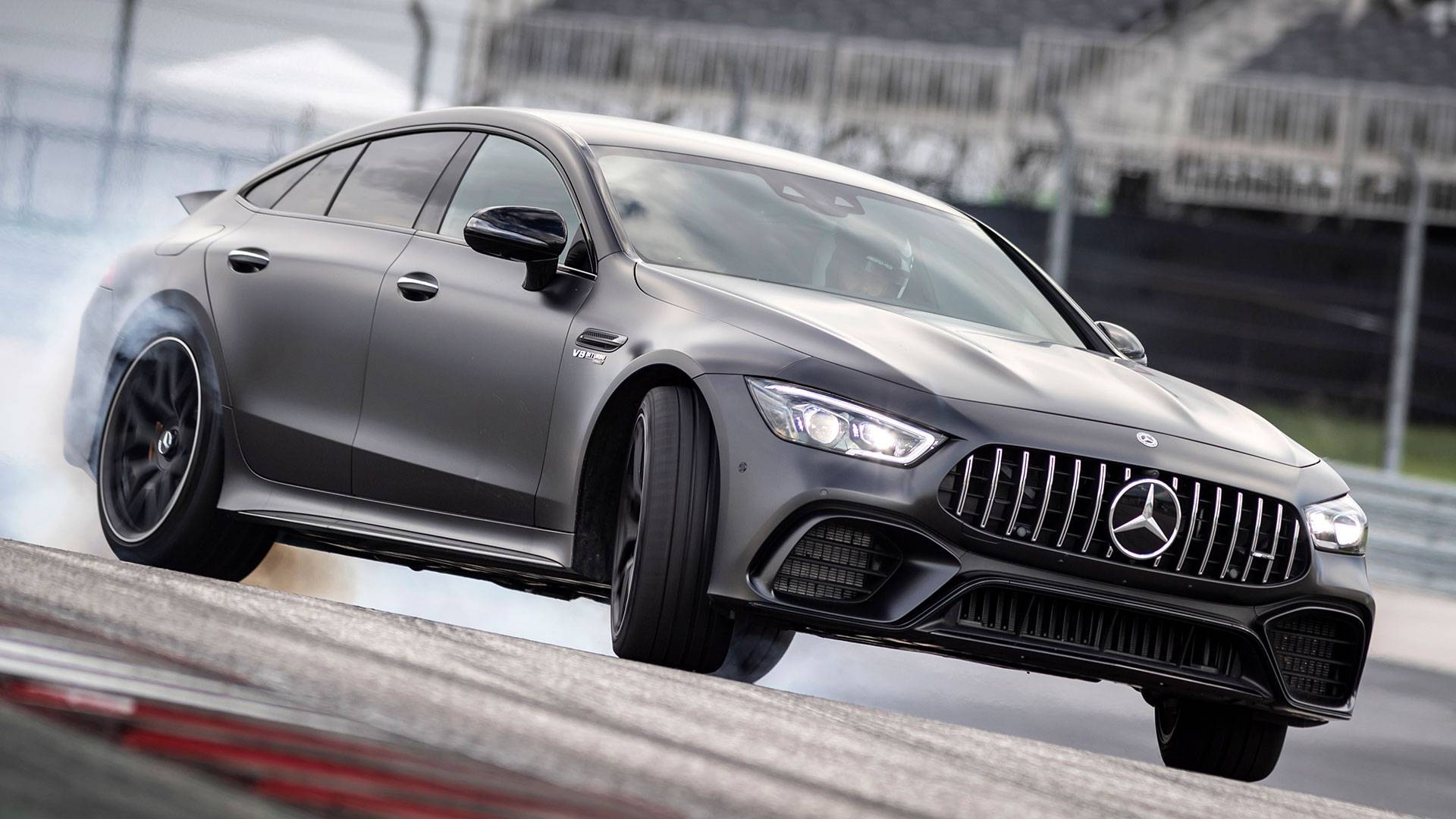
    Electric performance car is not an alien concept anymore. In fact, prominent carmakers like Automobili Pininfarina and Rimac are into the business of making only electric supercars. Electric Mobility is also believed to be the future of automobiles and this stands true even when we talk about performance cars. Mercedes is also thinking in this direction and has said that all its AMG cars will be electrified 2021 onwards.

    According to news reports, Tobias Moers, Head – Mercedes-AMG said that Mercedes-AMG models will be using an electrified V8 drivetrain in the future. The 4.0-litre V8 engine which powers a range of Mercedes-AMG cars will be coupled with a 48-volt electric motor which has been developed indigenously by the team. Initially, Mercedes was planning to use the new powertrain in the 63 engine only in the GLE and GLS SUVs. However, it will play a major role in the future as from 2021 all AMG cars will be launched with an electrified powertrain. Mercedes also believes that the share of electrified powertrains will be higher in the performance segments in 2025.

    We already know that AMG is also working on a high-performance hybrid system for its upcoming hypercar. The Mercedes-AMG One hypercar will use an electric motor driving its front wheels just like the AMG GT four-door concept. Moers also said that the setup will be offered in the 65 series AMG models and will replace the 6.0-litre V12 engine. However, the 2.0-litre, four-cylinder, turbocharged AMG engine won’t be converted into a hybrid system.