Tag: ripcurl

  • Kathmandu shareholders decided to acquire Rip Curl

    Kathmandu shareholders decided to acquire Rip Curl

    More than 99.9 percent of Kathmandu shareholders voted to approve the outdoor-wear retailer’s acquisition of surf brand Ripcurl at a special shareholder meeting on Friday.

    According to the business, the acquisition’s completion is expected to occur on 31 October 2019 following the vote.

    “Rip Curl is an iconic and authentic global action sports brand,” Kathmandu chairman David Kirk said at the meeting.

    “Similar to Kathmandu’s core outdoor products category, the surf products market has a stable, committed core customer, with steady growth in participation and spending.

    “The acquisition of Rip Curl is an opportunity for Kathmandu to considerable diversify its geographic footprint, channels to market and seasonality profile, and creates a NZ$1 billion outdoor and action sports company anchored by two iconic Australasian brands.”

    The acquisition will further broaden Kathmandu’s roster of brands, after it acquired Oboz footwear for $97 million in April 2018.

    It also gives the outdoor group a foothold in the South American, Middle East and South African, as well as South-East Asia markets, where neither Kathmandu or Oboz trade.

    Kathmandu’s intention is to retain Rip Curl’s brand identity and cultural values, allowing business leaders to retail operational ownership of the business.

    Kathmandu initially announced the acquisition in early October, which was funded through a combination of $138 million from institutional investors and $220 million in new debt, as well as the placement of $31 million in new Kathmandu shares to the founders and CEO of Rip Curl.
  • Business Media Rip Curl Under Fire After Using North Korean Slave Labor

    Business Media Rip Curl Under Fire After Using North Korean Slave Labor

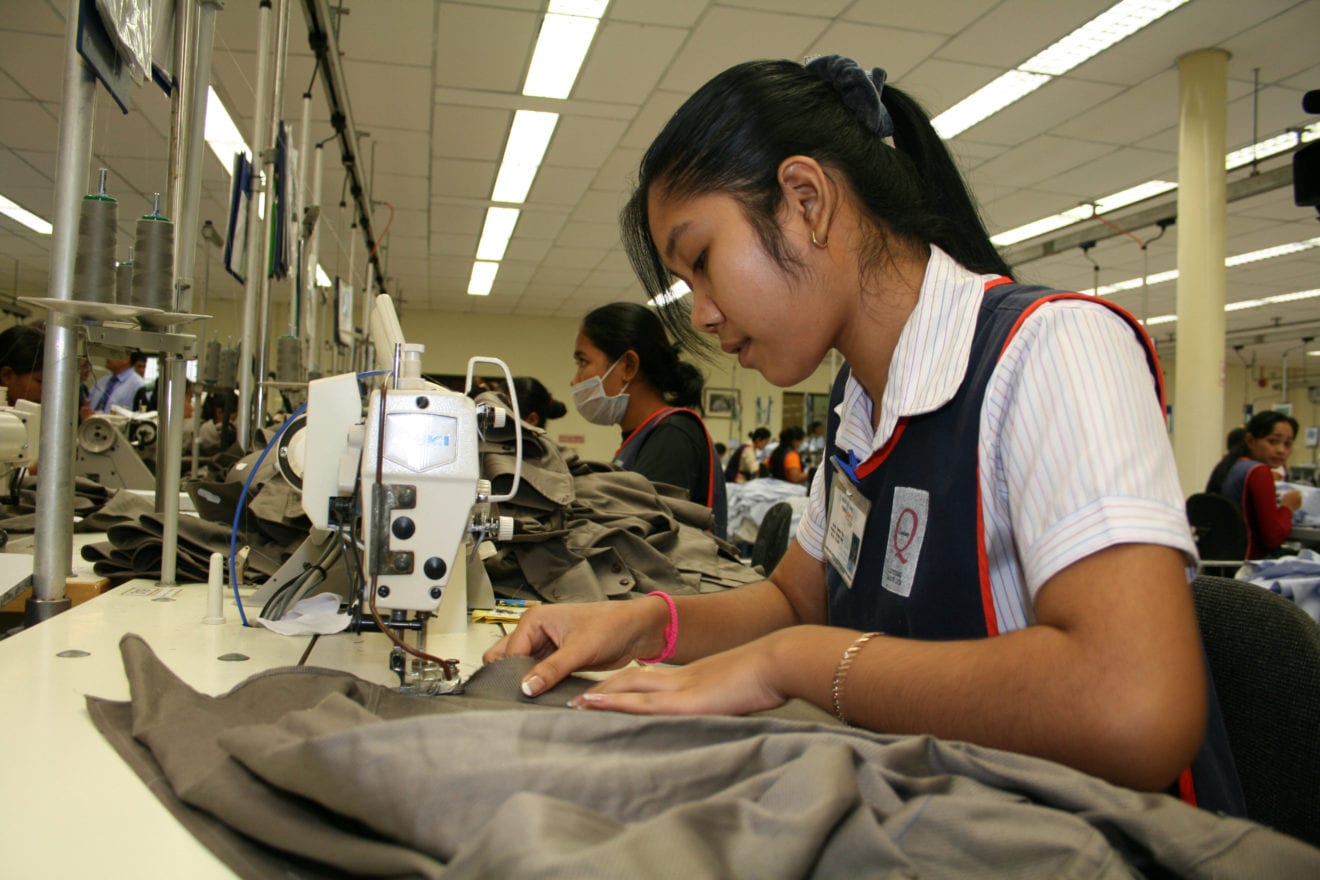
    Rip Curl has been around for a long time. Like many clothing brands, they have a tag on them that says “Made in China.” According to the Sydney Morning Herald, though, a large part of their 2015 line wasn’t made in China–it was made in North Korea, and under conditions being called “slave-like.”

    North Korea is notorious for its working conditions, and Rip Curl’s 2015 mountain-wear line was made in a factory near the North Korean capital of Pyongyang, then shipped around the world and sold in retail stores. Rip Curl is deflecting the blame to one of its sub-contractors.

    “We were aware of this issue, which related to our Winter 2015 Mountain-wear range, but only became aware of it after the production was complete and had been shipped to our retail customers,” said Rip Curl chief financial officer Tony Roberts. “This was a case of a supplier diverting part of their production order to an unauthorized subcontractor, with the production done from an unauthorized factory, in an unauthorized country, without our knowledge or consent, in clear breach of our supplier terms and policies.”

    The news came out after a Australian traveler named Nik Halik secretly took photos of the garment’s “made in China” labels while his tour guide was distracted.

    Oxfam Australia seems to be leading the charge in holding Rip Curl responsible. “Rip Curl has no excuse for being unaware of what is happening. Companies are responsible for human rights abuses within their businesses – not only morally but also within international human rights frameworks,” said CEO Dr Helen Szoke.

    It is becoming more and more common for large companies to show exactly where their goods are made. Kelly Slater’s Outerknown, for instance, has made a point of showing exactly how and where they source their materials. Although OK faced public backlash for it’s higher-than-average price point, it is better than clothing made by forced work.

    Rip Curl, of course, is desperately back-pedaling away from the situation. “We do not approve or authorize any production of Rip Curl products out of North Korea,” said Tony Roberts. The fact remains, though, that if an entire line of clothing can be made and shipped around the world without the company itself having any idea of where it was made, there is a deep-seated problem in one of the world’s largest surf brands.