Retail News CRM

Tag: rivalry

  • JD Revenue Underwhelms Amid Subsidy Shrinkage and E-Commerce Rivalry in China

    JD Revenue Underwhelms Amid Subsidy Shrinkage and E-Commerce Rivalry in China

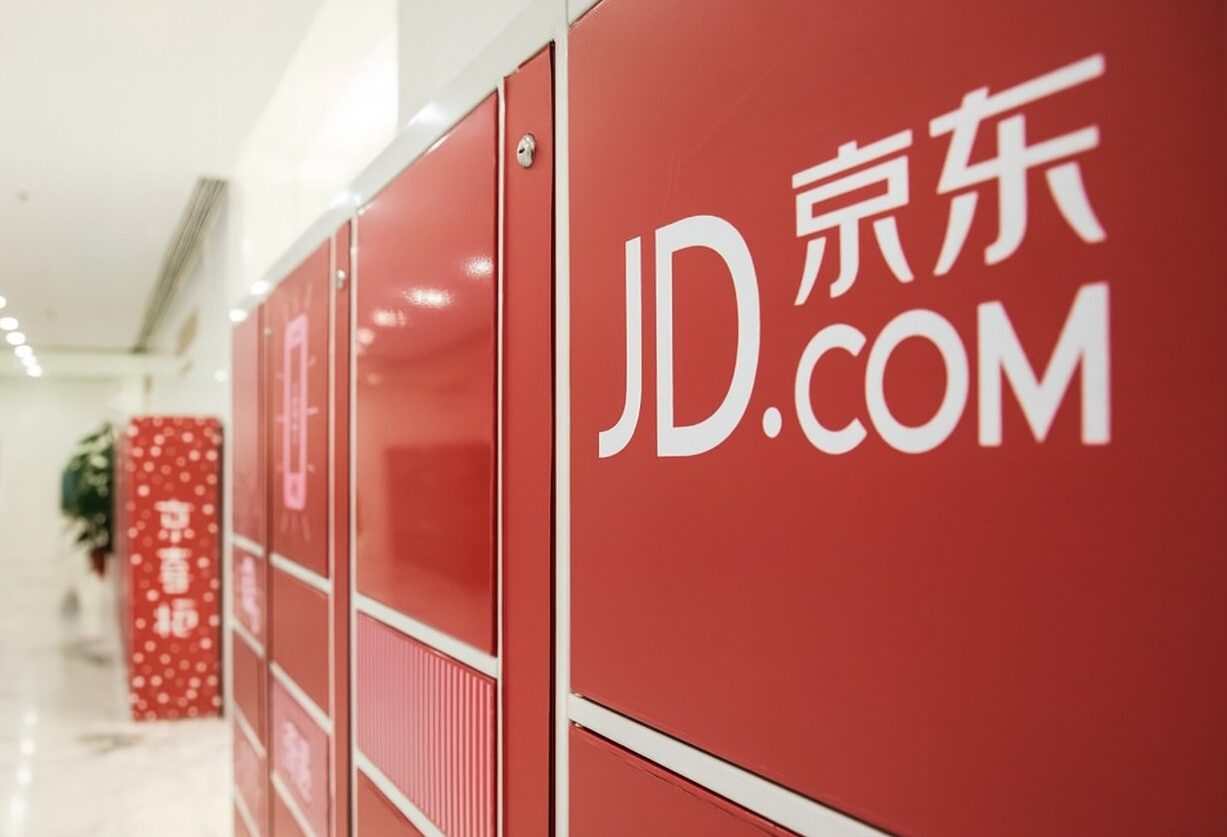
    Chinese e-commerce giant JD has recently reported quarterly revenues that fell short of the market’s expectations. This underperformance has been attributed to tough competition and dwindling advantages from government subsidies, which have impacted the company’s demand.

    China’s Consumer Demand Weakness

    In recent years, consumer demand in China has seen a significant decrease. This downturn can be traced back to a range of contributing factors such as the ongoing crisis in the property sector, concerns over employment, and geopolitical tensions. All of these have placed a strain on the growth of China’s economy, which is the second-largest globally.

    These challenges have made a significant impact on retailers like JD, currently the country’s largest home appliances seller. As consumers have been forced to reduce their discretionary purchases, this has directly affected the company’s revenues.

    The Impact of Government Subsidies

    In past quarters, JD was able to leverage government subsidies to boost its performance. However, the benefits from these subsidies are fading, particularly as year-on-year comparisons are becoming increasingly challenging.

    In an effort to drive sales, the company has been capitalizing on other product categories and exploring new revenue streams. This includes its instant retail business and advertising division.

    JD’s CEO, Sandy Xu, commented during a recent conference call with analysts that “Our growth drivers are becoming more diversified. The general merchandise category maintains a healthy growth trend, while service revenue, including advertising, will sustain rapid growth momentum.”

    E-commerce Competition and Future Outlook

    Despite these efforts, JD still faces stiff competition, particularly from e-commerce rivals such as Alibaba and PDD Holdings that have been increasing their discounts on China-based platforms. These aggressive promotions and price cuts have greatly affected profit margins.

    JD’s fourth quarter revenue rose by 1.5%, reaching 352.3 billion yuan (US$51.12 billion). However, this figure was below the average analyst estimate of 353.86 billion yuan, according to data from LSEG.

    As for JD’s future plans, Xu indicated that investment in the food delivery business is expected to decrease in 2026 compared to 2025. Furthermore, she predicted that the electronics and home appliances category might experience pressure in the upcoming first quarter due to a high base. However, growth could potentially accelerate in the second half of the year and exceed the first.

    Questions & Answers

    What factors have contributed to the decreased consumer demand in China?

    A prolonged crisis in the property sector, employment concerns, and geopolitical tensions have all significantly weighed on China’s economic growth, thereby decreasing consumer demand.

    How is JD addressing the challenges it’s facing in the current economic climate?

    JD has been seeking to diversify its growth drivers and explore new revenue streams, such as its instant retail business and advertising unit, to sustain its growth momentum.

    What are the company’s expectations for the future?

    JD’s CEO anticipates that the electronics and home appliances category will face pressure in the first quarter due to a high base. However, she expects growth to potentially accelerate in the second half of the year and exceed the first.


  • Japan’s Tech Leap: Quadrupling Budget for Semiconductors and AI Amid Global Rivalry

    Japan’s Tech Leap: Quadrupling Budget for Semiconductors and AI Amid Global Rivalry

    The government of Japan is preparing to significantly increase its investment in the semiconductors and artificial intelligence sectors. In the forthcoming fiscal year, the governmental budgetary support for these sectors is predicted to be almost four times larger than in past years. This initiative is part of the country’s strategy to enhance its technological competitiveness in the midst of a growing global rivalry.

    Boost in Budgetary Support

    According to the government’s latest budget plan, the Ministry of Economy, Trade and Industry (METI) will allocate nearly JPY 1.23 trillion or USD 7.9 billion to advanced semiconductors and AI development in the new fiscal year commencing in April. This allocation marks a significant rise from past funding and is part of a wider expansion that increases METI’s overall budget by approximately 50% year-on-year to JPY 3.07 trillion. The draft budget has been approved by the cabinet of Prime Minister Sanae Takaichi, and parliamentary discussions will begin this year.

    Reason for the Surge in Funding

    The substantial increase in funding is indicative of Japan’s drive to reclaim its position in critical technologies, especially in the backdrop of escalating competition between the United States and China. As global supply chains face pressure and geopolitical risks start to influence technology policy, Tokyo aims to bolster domestic capabilities and reduce dependency on foreign suppliers.

    A significant change in the new budget is that the government plans to transition from ad-hoc supplementary funding to more predictable, regular budget allocations for the semiconductors and AI sectors. This strategy is expected to provide greater assurance for long-term investment and research planning.

    Budget Allocation Details

    The budgetary plan sets aside JPY 150 billion for Rapidus, a state-supported semiconductor venture charged with developing next-generation chip manufacturing capabilities. This allocation pushes the total governmental investment in the company to JPY 250 billion. In the AI sector, JPY 387.3 billion will be devoted to creating domestic foundation models, enhancing data infrastructure, and promoting “physical AI”, which involves integrating artificial intelligence into robotics and industrial machinery.

    Apart from digital technologies, the budget also earmarks JPY 5 billion for the procurement of critical minerals, such as rare earths, which are vital for advanced manufacturing. Another JPY 122 billion will be allocated towards decarbonization efforts, which includes the advancement of next-generation nuclear power technologies.

    Furthermore, the government intends to issue JPY 1.78 trillion in special bonds to reinforce the Nippon Export and Investment Insurance, facilitating Japanese corporate investment in the United States under bilateral trade arrangements.

    The increase in spending highlights Japan’s commitment to secure its place in next-generation technologies while managing the challenges of an increasingly fragmented global economy.

    Questions & Answers

    What is the aim of Japan’s increased investment in semiconductors and AI?
    The increased investment is a strategic move to strengthen the nation’s technological competitiveness amid escalating global competition.

    How is Japan’s funding strategy for semiconductors and AI changing?
    The government plans to transition from ad-hoc supplementary funding to more predictable, regular budget allocations for these sectors.

    What is the purpose of issuing special bonds worth JPY 1.78 trillion?
    The special bonds are intended to reinforce the Nippon Export and Investment Insurance, thereby facilitating Japanese corporate investment in the United States under bilateral trade arrangements.

  • Seoul’s Fashion District Transforms As Gucci And Louis Vuitton Ignite Luxury Dining Rivalry

    Seoul’s Fashion District Transforms As Gucci And Louis Vuitton Ignite Luxury Dining Rivalry

    In a fashionable district of Seoul, two premier luxury brands are shifting their rivalry from the fashion world to the restaurant industry.

    Gucci is set to open its redesigned and relocated restaurant, Gucci Osteria da Massimo Bottura Seoul, within its flagship store in Cheongdam. The restaurant, which will replace the brand’s former establishment in Itaewon that was launched in 2022, is located on the fifth floor. According to Gucci, the new space is conceptualized with exquisite interiors and a carefully selected menu to engage diners with the brand’s identity.

    This development comes hot on the heels of Louis Vuitton’s recent opening of Le Café Louis Vuitton in its Maison Seoul boutique, also situated in Cheongdam. The café, which is an extension of the brand’s burgeoning “culinary community” spanning across Paris, New York, Tokyo, Milan, and Bangkok, has been garnering attention for serving dishes branded with Vuitton’s trademark monogram – even featuring the iconic pattern on dumplings.

    The two new dining establishments are located just blocks away from each other on Apgujeong-ro, transforming the neighborhood into a hot spot for luxury dining. Other high-end fashion houses, such as Hermès with its Café Madang in Sinsa and Dior with Café Dior in Seongsu and Cheongdam, have already ventured into the food and beverage sector.

    Industry experts view this trend as more than just a simple venture into the hospitality realm. By providing immersive experiences at relatively affordable price points, luxury brands aim to foster customer loyalty and extend their cultural influence beyond their high-end products. As some experts put it, “Dining allows consumers to taste…”

    Questions & Answers

    Why are luxury brands like Gucci and Louis Vuitton opening restaurants?
    Luxury brands are exploring the hospitality sector as a means to expand their cultural influence and foster stronger customer loyalty.

    What is unique about the new Gucci and Louis Vuitton dining establishments in Seoul?
    These dining establishments are strategically located in a fashionable district in Seoul and provide immersive brand experiences for diners. Louis Vuitton’s café, for instance, serves dishes branded with its trademark monogram.

    Are other luxury brands also venturing into the food and beverage industry?
    Yes, other luxury brands such as Hermès and Dior have also established their own dining establishments in Seoul.

  • Rivalry heats up in Vietnam’s food delivery market

    Rivalry heats up in Vietnam’s food delivery market

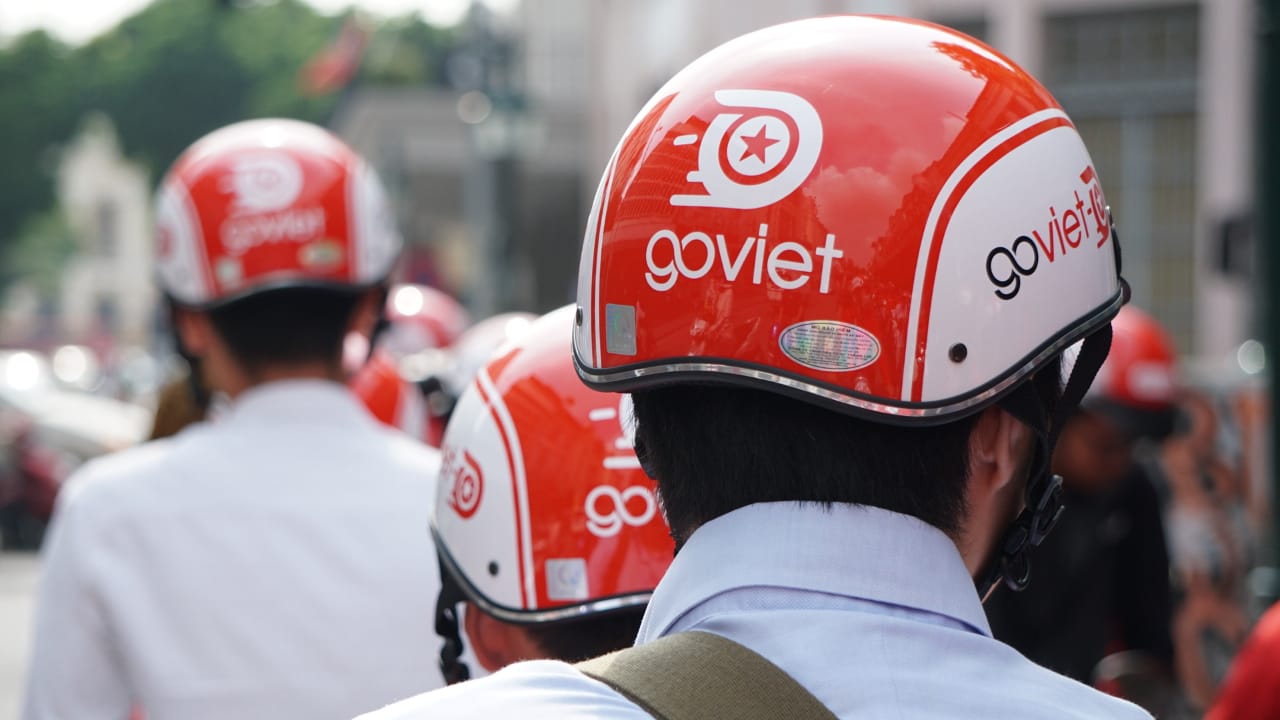
    Last week, a sea of red filled the inside of a milk tea shop in Ho Chi Minh City instead of regular young customers usually found in such places. GoViet drivers were queuing up to purchase food ordered by customers over its online delivery app Go Food, which was running a 50-percent discount program along with free delivery within 5 kilometers.

    The very next morning, the shop was filled with green shirts of Grab drivers. Grab had launched a free delivery promotion for the first 999 cups of milk tea ordered.

    Gradually, the green shirt – red shirt war is becoming visible on the streets.

    Despite being new entrants in the online food delivery market, both Go Viet and Grab are using various measures to attract and capture customer habits. Everyday, these two tech companies spend big on promotions across a wide range of food and drinks.

    They are also recruiting stars from the entertainment industry to endorse their service.

    From the get go, Go Viet had announced a partnership with singer Son Tung M-TP, who broke the record of Asia’s most viewed music video in 24 hours last May, as the company’s brand ambassador.

    Similarly, Grab’s start-studded ads feature diva My Tam, goalkeeper Bui Tien Dung and striker Nguyen Quang Hai of the national football team.

    While having large financial and technological capabilities, both Grab and Go Viet face many challenges after entering the market later than competitors like Delivery Now by Foody, Vietnammm, and Lala, which are apps well known to many customers.

    Delivery Now offers a wider range of food on its menu than Grab and Go Viet, had has a dense network of partners from large restaurants to small pavement stalls, industry insiders say.

    Delivery Now is a product of Foody Corporation, a Vietnamese food service startup that was acquired by Singapore-based internet firm Sea LTD last year; Vietnammm.com is a subsidiary of Takeaway.com, one of the world’s largest online food ordering websites based in the Netherlands; and Lala is invested by Ho Chi Minh City-based Scommerce Group, an information technology and services firm.

    Many experts believe that the race for market share between Go Viet and Grab will resemble that of Grab and Uber when they first entered Vietnam.

    Both Grab and Go Viet are aspiring to become super apps, for which food delivery is an indispensable keystone. In addition to attracting users with incentives and advertising, the two companies are spending a lot of money on reward policies to incentive drivers and expand their network of partner restaurants.

    Grab Vietnam CEO Jerry Lim claimed GrabFood’s growth has been very impressive, with the number of its contractors increasing eight-fold in just a month of testing in Hanoi. GrabFood was released in the city early last month, after a period of testing.

    In Vietnam, Grab is reaching delivery speeds of under 25 minutes and aims for a further reduction to 20 minutes per order, the fastest in regional markets.

    Grab Food is available in both Hanoi and Ho Chi Minh City, while Go Food is only present in the latter.

    Go Viet, however, remains confident that it will meet the needs of customers, aiming to partner up with thousands more restaurants nationwide in casual dining, fast food or luxury dining.

    “Food delivery and e-wallets are promising market segments,” GO Viet CEO Nguyen Vu Duc said after a few months of competing against Grab.

    However, these delivery apps also have certain limitations. For some items on their menu, drivers have to pay up front when ordering for customers in non-partner restaurants.

    Not all drivers are happy to buy food this way as waiting is time consuming, they have to make advance payments and risk the customer not accepting delivery.

    Do Xuan Quang, deputy head of Vietnam Logistics Business Association, said Vietnam was the fastest growing e-commerce market in Southeast Asia, and along with the strong growth of the logistics industry at 15-20 percent, a similar movement in the delivery market was not surprising.

    In 5-10 years, the delivery market in Vietnam will be valued at around $10 billion, he said.

    U.K.-based market research firm EuroMonitor International values the food delivery market in Vietnam at around $33 million this year and at more than $38 million in 2020. It also puts the annual growth rate of the market at 11 percent.