Tag: robinsons land corp

  • Robinsons Malls Adds Accessibility Upgrades Across Philippine Network

    Robinsons Malls Adds Accessibility Upgrades Across Philippine Network

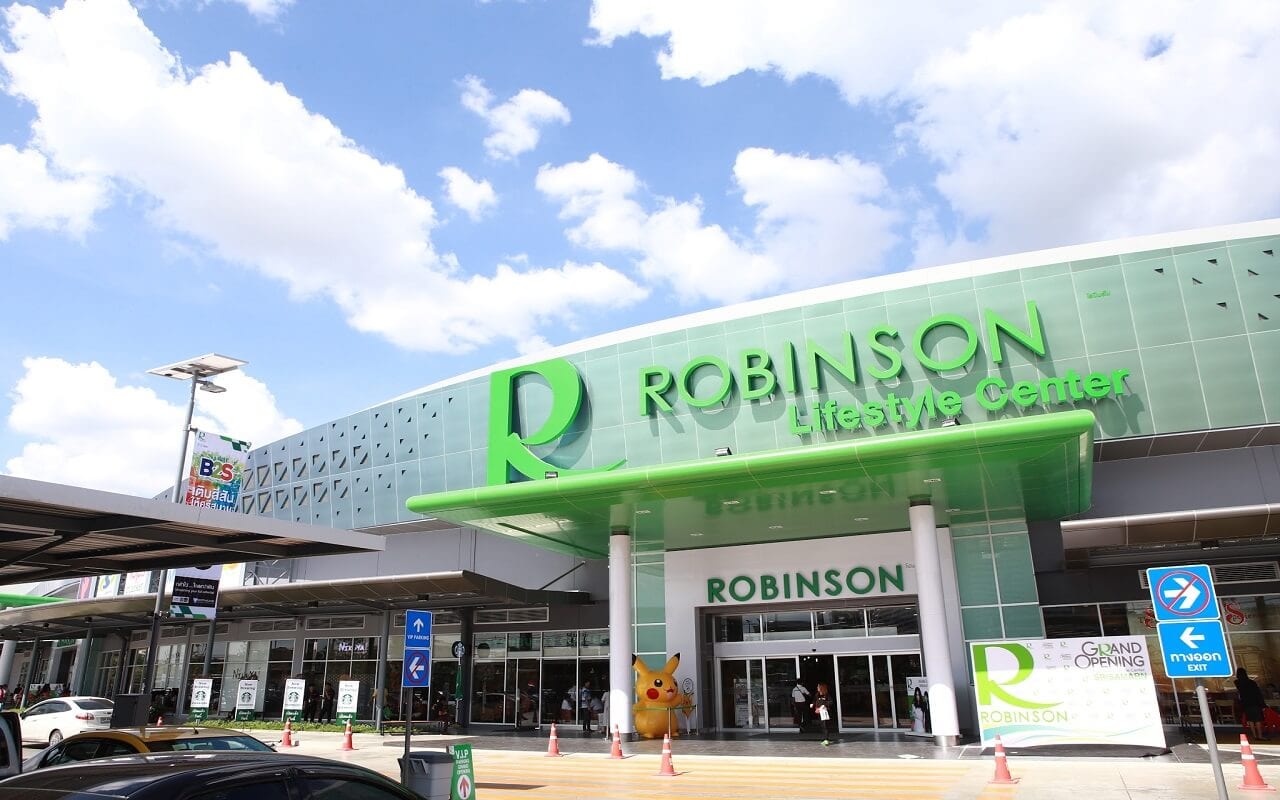
    Robinsons Land Corp. Is rolling out accessibility retrofits across its retail portfolio after Robinsons Las Pinas won a bronze award at the 31st Apolinario Mabini Awards. The recognition evaluated commercial premises on physical design adjustments and day-to-day facilities tailored for persons with disabilities.

    Organised by the Philippine Foundation for the Rehabilitation of the Disabled, the Mabini awards evaluate physical infrastructure, barrier-free pathways, operational assistance, and staff readiness across commercial properties. Robinsons Las Pinas took the Bronze Award in the Disability-Friendly Establishment category.

    Portfolio Retrofits and Building Standards

    Design teams at Robinsons Land Corp. Are adapting architectural layouts across existing properties to align with updated accessibility targets. The program covers ramps, accessible rest areas, dedicated parking bays, transit access points, and service counters designed for wheelchair users and visitors with mobility limits.

    Operational protocols also involve coordination with local community organizations and government agencies to ensure frontline mall personnel handle customer assistance requests correctly. Two other portfolio properties, Robinsons Magnolia in Quezon City and Robinsons Galleria South in San Pedro, Laguna, previously earned Mabini awards under similar operational audits.

    Commercial Footprint in Greater Manila

    Philippine mall developers face rising pressure to modernize older suburban assets as shopping centres evolve into community service centres handling government agencies, clinics, and everyday retail. Metro Manila shopping complexes compete intensely on basic convenience and universal access to retain family foot traffic.

    Property owners that neglect universal design risk losing footfall from multi-generational shopping groups, particularly as suburban transit links bring older shoppers and mobility-impaired visitors directly into retail corridors. Robinsons Malls plans to maintain these design standards as baseline criteria for upcoming renovations and new mall openings across regional provinces.
  • Prolonged Rains Slow Philippine Retail, Construction, and Logistics Sector

    Prolonged Rains Slow Philippine Retail, Construction, and Logistics Sector

    Extended monsoon rains are anticipated to negatively affect the third-quarter operations of consumer-facing companies and the construction sector in the Philippines. Logistics and mining firms may also experience higher costs and delays due to the persistent wet weather.

    Toby Allan C. Arce, head of sales trading at Globalinks Securities and Stocks, Inc., noted that the prolonged monsoon is likely to exert a moderate but discernible drag on corporate activity during the third quarter. The severity of the impact will depend on how long the challenging weather conditions last and if they cause significant damage to infrastructure or supply chains.

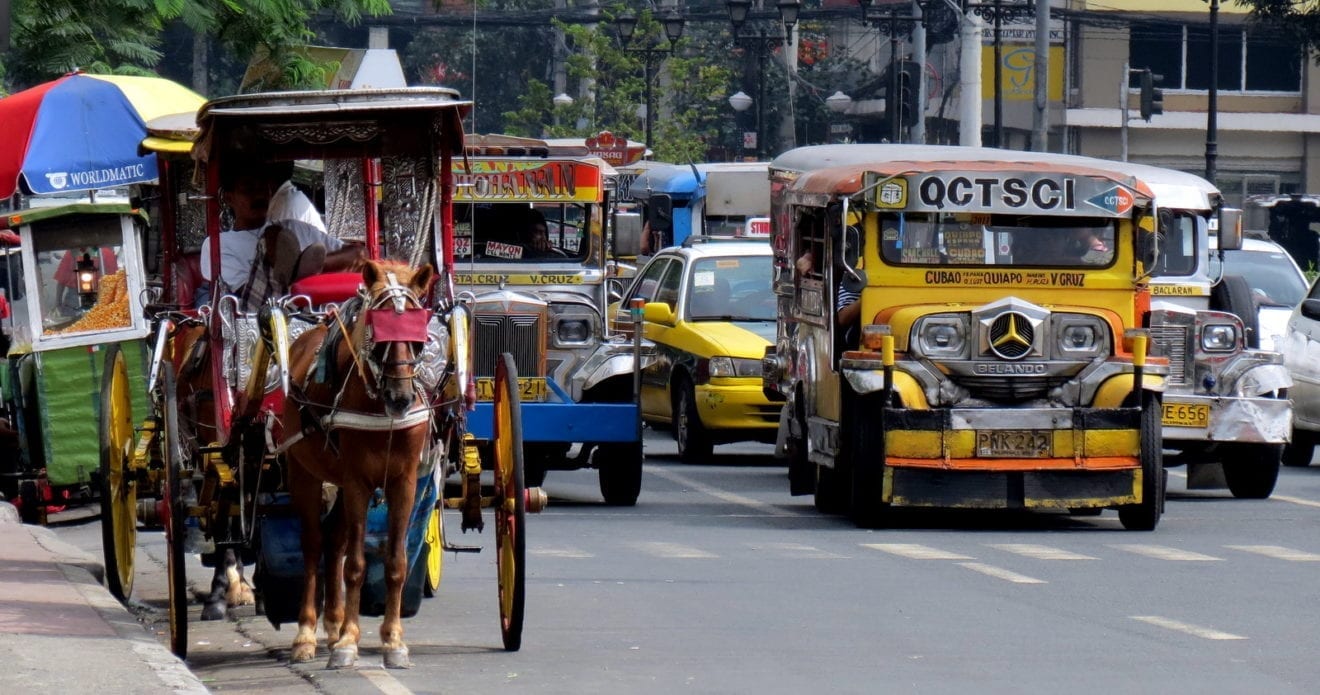
    Recent heavy rainfall and widespread flooding have disrupted transportation in Metro Manila and Luzon, leading to road closures and suspensions of work and classes.

    Retailers Face Reduced Foot Traffic

    Retailers, mall operators, and restaurants are likely to see a decrease in customer traffic as heavy rains discourage travel and discretionary spending. Companies like SM Prime Holdings, Inc., Robinsons Land Corp., Ayala Land, Inc., SM Investments Corp., Robinsons Retail Holdings, Inc., and Puregold Price Club, Inc. Are among those that could experience softer physical sales.

    Large destination malls and retailers selling non-essential goods are more susceptible to consumers postponing visits. Supermarkets and essential retailers, however, tend to be more resilient as purchases are necessities and consumers can adjust their shopping times rather than cancel them entirely.

    John Tristan D. Reyes, President of BDO Securities Corp., confirmed that retailers could face weaker foot traffic and sales. Transportation issues could also disrupt store operations. Philippine Seven Corp. (PSC) reported that same-store sales at some 7-Eleven branches dropped by up to 20% on particularly rainy days recently, though overall sales momentum for July remained strong, partly thanks to the 7-Eleven Day promotion. The geographic diversity of 7-Eleven stores helped cushion the impact, with reduced traffic in some areas offset by activity in residential locations.

    Restaurants might see fewer dine-in customers, although delivery and takeout services could offer some mitigation. Food manufacturers are less exposed in the short term, as consumers continue to buy staple products. However, prolonged heavy rainfall could affect agricultural output, potentially leading to higher raw material costs and impacting food manufacturers and restaurant operators.

    Construction And Logistics Suffer Delays

    The construction and property development sectors are facing more direct operational challenges. Persistent rainfall reduces the number of workable days, which can delay project completion and property turnover. Outdoor activities like excavation and concrete work are particularly affected, and flooding can hinder worker access and material deliveries.

    Companies such as Ayala Land, SM Prime, Megaworld Corp., Filinvest Land, Inc., and Vista Land & Lifescapes, Inc. Could experience project delays. While this might not result in permanent revenue loss, it could shift revenue recognition to later periods. Infrastructure contractors and construction material suppliers face similar timing risks, with fewer workable days impacting project progress and third-quarter billings. Extended delays could strain companies that still incur fixed costs despite slower construction activity. In the long run, severe weather might also create demand for repairs, drainage, and flood-control projects.

    Logistics companies are also seeing increased operating expenses. Flooding and traffic congestion prolong delivery times and boost fuel consumption. Disruptions at ports and airports can also temporarily delay the movement of goods. For retailers and consumers across Asia, such weather-related disruptions highlight the critical need for resilient supply chains and diversified retail strategies to mitigate the impacts of increasingly unpredictable climate patterns.