Retail News CRM

Tag: Robinsons

  • Woolworths to launch 150 products through Philippine grocer Robinsons

    Woolworths to launch 150 products through Philippine grocer Robinsons

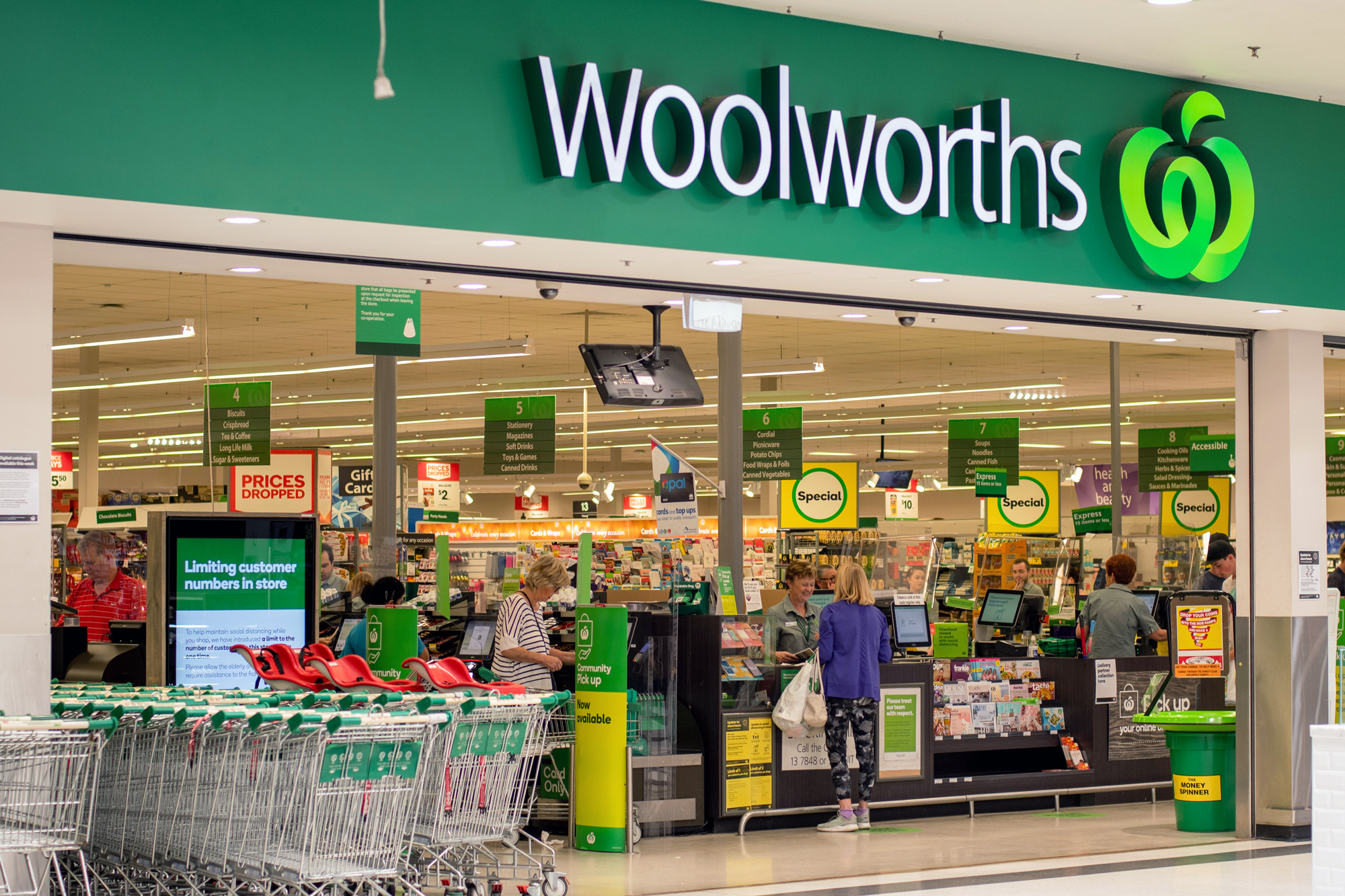
    Woolworths has partnered with the Philippines retail group Robinsons to launch a range of more than 150 products in the Southeast Asian country.

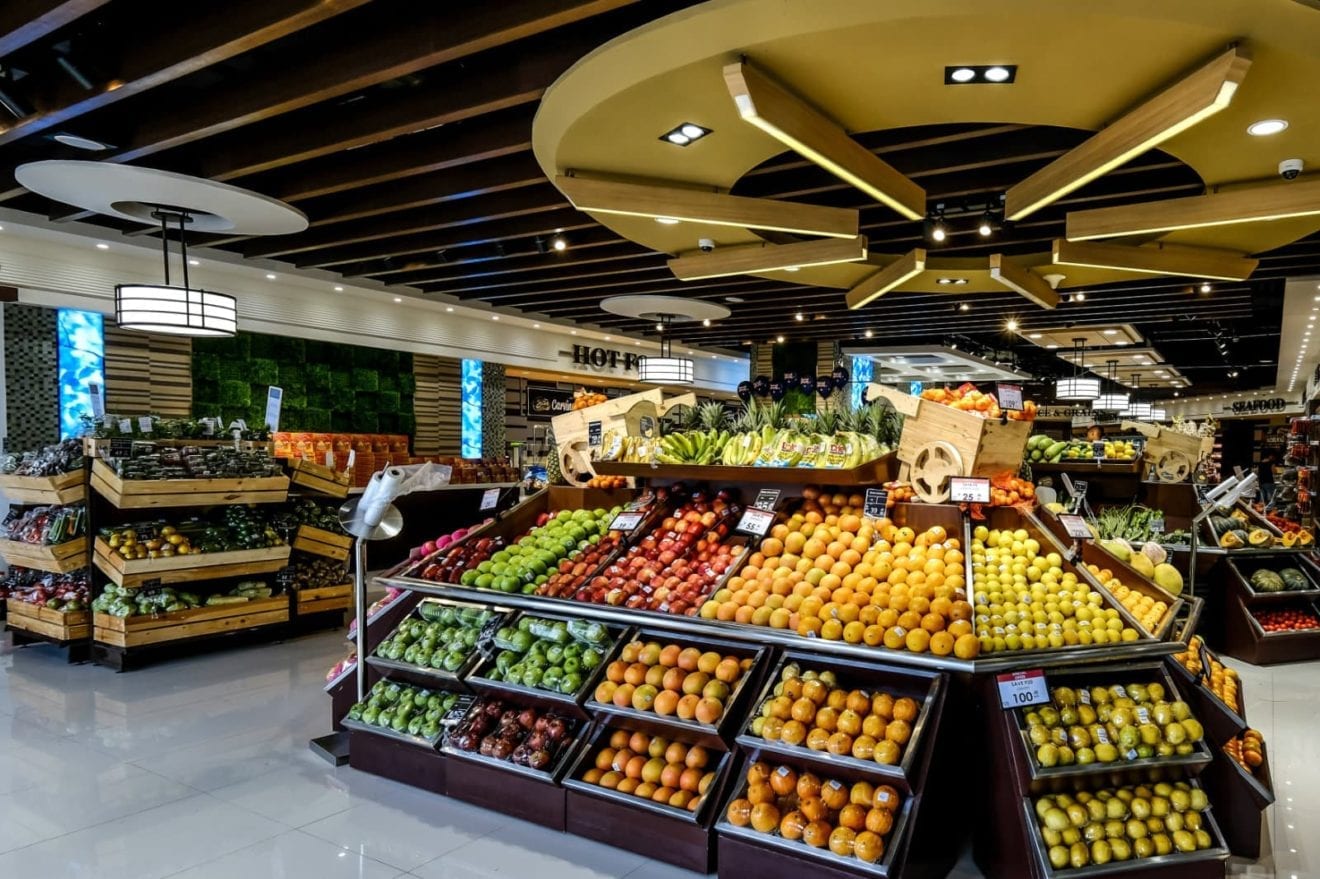
    Filipinos now can buy products from popular Australian brands, including milk, wine, honey, cereals, and baby food at Shopwise, The Marketplace, and selected Robinsons Supermarket branches.

    “It has always been our thrust to continue offering new products that will excite our shoppers every time they visit our stores,” said Jody Gadia, MD of supermarket segment at Robinsons Retail.

    “Woolworths’ values are consistent with the Robinsons Supermarket Group’s focus on health and wellness.”

    According to Gadia, Philippines consumers can find Australian products at Robinsons physical stores about 10 to 15 percent cheaper than other imported goods sold in the Philippines.

    International sales head at Woolworths, Brian Newton, the group’s expansion in the Philippines results from the growing demand for healthier options during the pandemic.

  • Robinsons Retail chief to head Ace Hardware international arm

    Robinsons Retail chief to head Ace Hardware international arm

    Ace Hardware Corporation, the world’s largest retailer-owned hardware cooperative, announced today that Jay Heubner, President and General Manager of Ace International will retire March 1, 2021 after 38 years with the company.

    Heubner joined Ace Hardware in 1983 in the IT department and quickly rose up through the organization to become a director. In 2004, he took a position on Ace’s Technology Value Team within Retail Operations and was then tapped in 2007 to help lead a special retail project. In his next role, Heubner lead Operations Development and Retail Training until he was promoted in 2015 to the position of President and General Manager of Ace International, a subsidiary of Ace Hardware.

    “Jay is one of the most effective, highest character, servant-hearted leaders I know,” said John Venhuizen, President and CEO of Ace Hardware. “His wise, encouraging influence has had a significant impact on the business and made Ace a better place. I am grateful for Jay’s contributions and wish him and his family all the best as they embark on this exciting new chapter.”

    Over the coming weeks, Heubner will focus on ensuring a smooth leadership transition for Ace International.

    Effective April 5, David Goh will assume the role of President and General Manager of Ace International. Goh is currently managing director of Philippine-based retail chains Ministop convenience store, Southstar Drug and TGP (The Generics Pharmacy), which are subsidiaries of Robinsons Retail Holdings, Inc.

    Prior to this role, Goh held several leadership positions across various industries including a Vice President position at Singapore Airlines, CEO of 7-Eleven Singapore and CEO of Cold Storage, a grocery chain throughout Singapore.

    “David has a remarkable track record of success in growing businesses and transforming the customer experience,” said Venhuizen.

    Goh and his family will be relocating from the Philippines to Singapore to be closer to Ace International’s highest growth regions.

  • Singapore’s Robinsons store closing after 162 years

    Singapore’s Robinsons store closing after 162 years

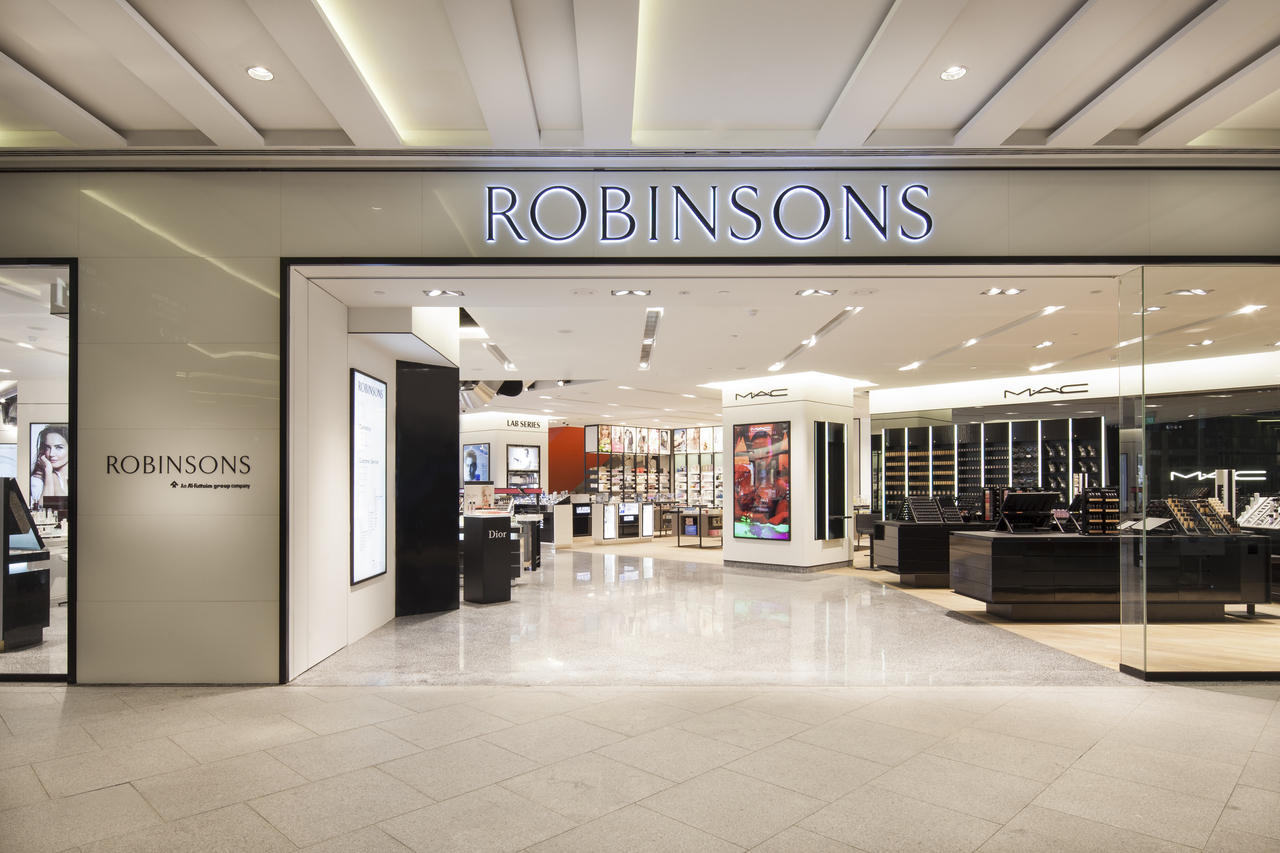
    Singapore’s department store Robinsons is closing its last two brick-and-mortar outlets, ending an era dating back 162 years. The business has been placed into liquidation effective today. Robinsons had already closed its Jem Mall store just a few months ago. Now the 186,000sqft, six-storey flagship at The Heeren which opened in 2013 and the other at Raffles City, opened in 2001, will follow.

    Robinsons is owned by UAE-based Al Futtaim Group which paid $600 million for the business back in 2008. Al Futtaim owns the rights to multiple fashion brands in Singapore, along with the Marks & Spencers business.

    In a statement released today, senior GM Danny Lim said the decision was made due to weak demand at department stores.

    “We regret this outcome today. Despite recent challenges in the industry, the Robinsons team continued to pursue the success of the brand. However, the changing consumer landscape makes it difficult for us to succeed over the long term and the Covid-19 pandemic has further exacerbated our challenges.

    “We have enjoyed success over the years, and it has been an honour for Robinsons to serve the Singapore market. I am grateful for the dedication of our team, and for the support shown by our customers over the years.”

    While Covid-19 has had an impact on footfall at every retailer in the city, it only exacerbated the trend towards consumers shopping online and at specialty stores, and shifting away from department stores.

    According to a report in the Business Times, Robinsons has been trading at a loss for the last six years as footfall and sales fell.

    In 2014, the business achieved sales of S$257.3 million, but by 2018, turnover had fallen to $153.8 million, resulting in a loss of $54.4 million.

    While the stores are being placed in liquidation, it is unclear if the company will continue to operate online, at least in the short term. The co-branded Robinsons OCBC credit card will be discontinued in April.

    Cameron Duncan and David Kim of corporate restructuring company KordaMentha have been appointed provisional liquidators. Their first task will be to assess the best course of action to maximise the return to creditors. It is not yet clear how long the stores will continue to trade, but the company said in its statement that it hopes they will remain open during the coming weeks to clear stock and “facilitate final sales for customers before they are shuttered”.

    Staff were told of the decision today and the company says it has confirmed with the liquidators that the next payment cycle will be honoured. Unions representing workers are in talks with the liquidators over settlements.

    Robinsons dates back to 1858 when Englishman Philip Robinson and business partner James Spicer, a former jailkeeper, opened Spicer & Robinson on a site which is now known as Raffles Place.

    The demise of Robinsons in Singapore comes in the sme week that Japanese department-store operator Tokyu announced it was exiting Bangkok, following on the heels of rival Isetan.

  • Robinsons Jem mall store in Singapore about to close

    Robinsons Jem mall store in Singapore about to close

    Singapore department store Robinsons is to close its store in Jem mall in what it terms an “amicable exit” after negotiations with landlord, Lendlease.

    The Robinsons Jem store will close by the end of August, leaving the Al-Futtaim Group-owned retailer with just two remaining stores in the city-state, at The Heeren on Orchard Road and Raffles City.

    In a statement, Robinsons said it had been discussing its future at Jem since November and “the timing of the exit has been scheduled on a mutually agreed basis”.

    The company offered no further explanation or comment on the closure, although it did indicate it sees its future appealing to “a new generation of shoppers which includes customers both online and offline”.

    “Robinsons is an iconic brand, and the management is committed to ensuring viable and successful operations in Singapore. They are grateful for the ongoing support received from their Jem store customers over the years, and look forward to serving them at their other locations,” said the statement.

    The retailer plans to revamp its online presence, adding additional solutions for buying products and services and last month it opened a store on LazMall.

  • Robinsons may quit one Kuala Lumpur site

    Robinsons may quit one Kuala Lumpur site

    Singaporean department-store chain Robinsons may close one of its locations in Kuala Lumpur before its lease expires due to lackluster performance.

    The store launched a four-story 20,000sqft space in The Shoppes in Four Seasons Place less than two years ago, which has failed to live up to the firm’s expectations in terms of footfall. Its other outlet in the city has been operating since 2007.

    Robinsons has reportedly approached other department store operators in the territory to take over the space, including Parkson – which vacated its longstanding space in the neighboring Suria KLCC mall just last year.

    According to a report in The Edge, discussions between tenant and landlord are ongoing to determine the firm’s exact date of departure, which is likely to be in the third quarter this year. Robinson’s has filed widening financial losses in recent years.

  • Robinsons Retail down last month

    Robinsons Retail down last month

    Robinsons Retail has reported a 25-per-cent profit drop to US$75.2 million (PHP3.83 billion) last year and $18.8 million in the fourth quarter.

    However, net sales rose 22.8 percent to $3.2 billion for the full year driven by same-store sales growth of 3.4 percent. It was the first full year including the consolidation of Rustan Supercenters.

    The company blamed the profit decline on the effect of the new accounting standard PFRS16 which resulted in a net impact of $6.2 million in the fourth quarter and $19.6 million for the full year.

    Core net income excluding the PFRS16 adjustment rose by 9.5 percent to $31.4 million in the fourth quarter and 2.1 percent to $100.3 million for the full year.

    Net income post-PFRS16 was $78.7 million.

    “We have bolstered our strategic focus on data and digitalization, with our investments in Data Analytics Ventures Inc and e-commerce platforms BeautyMNL and Growsari, Inc,” said RRHI president Robina Y Gokongwei-Pe.

    “We remain optimistic because we approach technology as a means for our brands, loyalty programs, and marketing campaigns to become even more customer-centric and engaging in this new digital market.”

    Meanwhile, net sales for the fourth quarter went up by 14.4 percent to $921 million, primarily driven by the company’s drugstore network, up 7.4 percent, convenience stores up 5 percent, department stores up 4.7 percent and supermarkets at 4 percent.

  • Robinsons developed a loyalty and engagement app

    Robinsons developed a loyalty and engagement app

    Singapore-headquartered department-store chain Robinsons has built a 120,000-strong loyalty program database in just 18 months using an app-based solution.

    The program, called R, is signing up new customers every day through interactions with customers of the company’s five stores in Singapore and Malaysia.

    The 161-year-old department store has reinvented its customer relationship strategy since teaming with Capillary Technologies to develop the app and associated data management and interpretation activities.

    Danny Lim, Senior GM at Robinson, said the program evolved because the store wanted to communicate and interact better with its customer base than the previous credit-card anchored loyalty programs allowed. The application can be used by OCBC Robinsons Group Visa Card Members and Private Label Card Members and those signing up directly to the app, called ‘R-Listers’.

    “We really needed to have more flexibility to reach out to our customers in the way that best resonates and works well with them,” Lim told Inside Retail Asia. “So through Capillary, we undertook a couple of initiatives towards integrating our customer base. And today we’ve got a relatively much more robust program that we are taking to the next level, year by year.”

    Charuvagun S, who is regional director of Southeast Asia for customer success at Capillary, said the two companies decided a mobile application was the best way to start improving engagement with customers.

    As a department store, Robinsons has hundreds of brands it is constantly trying to share news about with its customers – and shoppers in general. The app enables people to learn what is new in stores, something difficult or costly to achieve through traditional media like newspapers.

    At the same time, the company is building a rewards program so people can acquire points and then spend them on items from a catalog of products.

    “The mobile application has a lot of content in it that the consumer can interact with. They can look at the different brands available in the department stores, learn more about the brands and also understand where they are on the loyalty journey, how many points they have, and what they can do with those points.”

    To build interest in the program the app highlights a catalog of items that they can redeem points to buy.

    “So the idea was to make the engagement stronger, not just through push mechanisms, which are traditionally used – and we continue to use EDMs and SMS notifications – but also for customers,” said Charuvagun S. “Whatever they want to know about Robinson’s they can use the app to find out.”

    The app was an immediate success upon launch. Robinsons’ customer-acquisition rate rose four-fold, from around 1000-1200 per month to 5000. Within 12 months, 60,000 customers had installed it on their phones.

    Perhaps the most significant measure of the app’s success is the spending behavior of members. The average transaction value of members is running at 25 percent more than that of nonmembers, and there was a 25-per-cent increase in the average basket size.

    Lim says a positive spinoff from developing the program is the additional insights into their customers’ shopping behavior, such as how much they spend by demographic group and what promotions or communications they are responding to. An early lesson was recognizing that the retailer did not offer as many reward options for customers wanting to redeem their points as they should have had.

    “It was really important for us to be able to quickly react to this and increase our offering,” said Lim.

    He believes that upgrading the reward system and developing a custom app for the business is an important step in preparing for future trends in digital commerce and customer relationships. He feels there is a lot of hype surrounding e-commerce when consumers are increasingly turning to mobile commerce: people are using their mobiles to shop, or they are viewing websites on their phones rather than a computer.

    “There needs to be a lot of synergy in terms of omnichannel, of having a physical store presence and also really connecting to the digital world itself. E-commerce also serves as a marketing platform, aside from a selling channel.”

    Charuvagun S agrees. “One of the challenges that retailers are facing is that there is this big movement of different technologies coming into the picture, of different solutions in the market. Being able to choose what is the right technology that fits into the overall plan and how the technology is to be leveraged to continue the brand story as well as improving the customer experiences is key.

    “Somebody has to have a good understanding of retailers, to understand the whole ecosystem and to bring solutions that fit into the brand story. Also, like with so many things around, prioritization becomes key. Having a crawl-walk-run strategy and a six-month plan every half year to see what is to be implemented so as to learn more from those six months and take that feedback into the next six months; to continuously improve on the journey itself. That digital transformation journey itself becomes key.”

    The next step for Lim is to integrate the rewards program app with the e-commerce platform so the entire pathway is seamless and that customers can buy products via the app.

    Charuvagun S says the current rewards platform solution is focused on engagement. “It’s like having a salesperson sit inside a customer’s mobile phone to constantly engage the customer. Apart from that, we also bring data from different sources like transactional data, and other data like NPS (net promoter score) survey data into the platform.”

    Pulling that data and engagement together via machine learning can provide a lot of insights into the business which can be used to refine and improve communication with customers.

    Capillary has also been running tests to see how the app can be used to create more engagement when customers are in store. During the Black Friday sales, for example, new offers were added every 15 minutes, which would run for limited time spans, such as 30 or 60 minutes.

    Filtering is a key part of the app which Capillary says it will continue to develop.

    “If you have a specific communication going out to customers to talk about a new product that is being launched, we can be specific, communicating only with customers who have bought similar products or similar color or a range of products. All these can be filtered,” says Charuvagun S.

    “It is a tactical communication where we can reach exactly the segment of customers who would be likely to respond to such a campaign.

    “What’s happening today is that with the different technology touchpoints that we have, we’re getting a lot of data about customers from multiple places. If you go to an e-commerce site, you get a lot of clickstream data. If you browse for 10 minutes on an e-commerce website, I’ll get 1000 data points about all that you have been doing on the side. And we get a lot of data from social media on what you’re saying about the brand, whether you are talking good things or not, if you like the brand pages, etc. That is the other data that we are getting from social media.

    “Then, we also get transactional information from what you do in the retail store and on other e-commerce sites. The challenge now is how do we make all this data actionable.”

    Charuvagun S says the software should be able to ascertain what products customers are interested in on the site, down to the color and specific features. That information should enable personalized communication to a customer talking specifically about those products.

    “That’s the key to how you leverage all the data that is coming into the system, in terms of providing that insight to the marketing team so it can take action, or automate the action.”

    That, he says, is the focus area for both Capillary and Robinson’s during the coming months.
  • Robinsons Retail profit dips despite sales growth

    Robinsons Retail profit dips despite sales growth

    Robinsons Retail reported a drop in profits during its third-quarter despite significant growth in net sales.

    The firm booked PHP1.25 billion (US$24.7 million) net income compared to PHP1.39 billion ($27.4 million) during the same period last year.

    The decline is thought to be due to changes in the Philippine Financial Reporting Standard 16, which had an impact on the firm’s method of presenting accounting results.

    At the same time the firm registered a 24.2-per-cent rise in net sales to PHP38.95 billion ($769 million). A statement from the firm attributed the sales jump to the opening of new stores over the past year as well as its addition of Rustan Supercenters, greatly enhancing the firm’s supermarket business.

    Robinsons Retail operates 1918 outlets in the Philippines.

  • Robinsons Retail favours pets over fashion

    Robinsons Retail favours pets over fashion

    Robinsons Retail is looking to shrink its fashion business as competition with cheaper chains gets tougher.

    “We are shrinking fashion, for it has become very difficult,” said the firm’s CEO Gokongwei-Pe. “There are other brands that came in who are more progressive and cheaper. We are already reducing the number of stores and we have to think if we move out altogether.”

    The firm is reporting stronger returns from pet, health and beauty products where there is growing demand.

    “Pets have become very big,” added Gokongwei-Pe. “Dogs now are very spoiled. Just look at Instagram and Facebook, it’s all about dogs. You should put money where the money is, which is food, drugstores, hardware, and growing businesses like pets and beauty.”

    The firm is also making moves into high-end groceries as well as growing its beauty and pet care franchises overseas. It is reportedly seeking 15 per cent annual revenue growth in these sectors within five years.

    Robinsons Retail is also investing PHP3–5 billion (US$58.59–97.65 million) on expanding its store network by 100–150 outlets per year from its current 1911 stores during the same period.

  • Robinsons Retail plans 150 new stores in Philippines

    Robinsons Retail plans 150 new stores in Philippines

    Robinsons Retail Holdings will launch up to 150 new stores in the Philippines this year.

    The firm published a presentation online revealing plans to invest PHP3–5 billion (US$57.8–96.3 million) on the store openings, following expenditure of PHP4.41 billion ($85 million) on openings last year. As at December, it had 1910 stores, including supermarkets, department stores, do-it-yourself stores, specialty stores, drugstores, and convenience stores. The entire network covers a gross floor area of 1.48 million sqm.

    Robinson’s achieved a 5.9 percent same-store sales growth last year, with help from a 1.5 percent uptick in transaction count and a 6.1 percent increase in basket size in its supermarket business. The group is targeting a 2-4 percent same-store sales growth this year.

    The firm’s net income reached PHP5.11 billion ($98.5 million) last year, an increase of 2.6 percent on the year previous, with a 15.1 percent increase in net sales.

  • Robinsons Place opened in Ormoc City

    Robinsons Place opened in Ormoc City

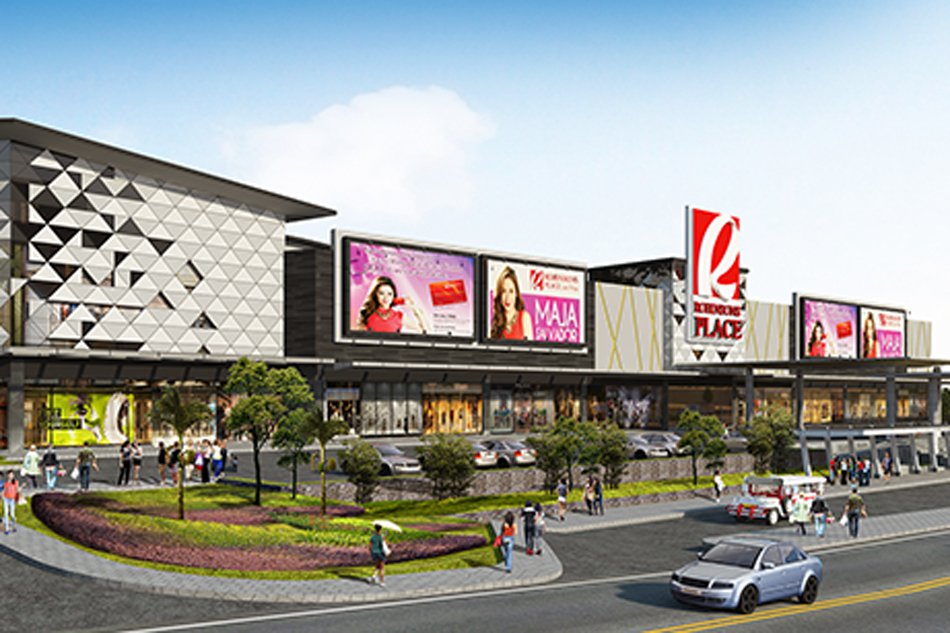
    Robinsons Malls has strengthened its presence in the Visayas region with the opening of Robinsons Place Ormoc, a three-level, full-service mall in Ormoc City.

    It offers a variety of national and global brands along with the chains of Daiso Japan, Handyman, Robinsons Department Store and Robinsons Supermarket.

    Its products and services extend to health and beauty, gadgets, banking, courier and government-related processes and requirements with its Robinsons Malls Lingkod Pinoy Center.

  • Robinsons Retail to take over Rustan’s Supermarket

    Robinsons Retail to take over Rustan’s Supermarket

    Multi-format retailer Robinsons Retail Holdings is spending PHP18 billion (US$343 million) to acquire Dairy Farm’s Rustan’s Supercenters, which operates the upmarket Rustan’s department stores.

    Owned by the Gokongwei family, Robinsons Retail has more than 3500 retail outlets including supermarkets, department stores, drugstores, international fashion and beauty, and specialty coffee shops. Rustans is 100 per cent owned via a subsidiary by Hong Kong-listed retail group Dairy Farm International, which is majority owned by Jardine Matheson. It runs the food retail brands Marketplace by Rustan’s, Rustan’s Supermarket, Shopwise Hypermarket, Shopwise Express and Wellcome.

    Robinsons Retail will acquire the 100 per cent stake held by Dairy Farm subsidiary MCBV in Rustans through a share swap. The deal calls for Rustans swapping shares for primary common shares of Robinsons. Some members of the Gokongwei family also intend to sell some of their shares under the deal.

    Robinsons says it has agreed to partner with Dairy Farm to create a leading food retailer in the Philippines. The Gokongwei family will effectively own 51 per cent of the expanded capital of Robinsons Retail while Dairy Farm, through its arm MCBV, will own 18.25 per cent of the listed retail company upon the completion of the secondary sale tranche. The board of directors of Robinsons Retail and MCBV have approved the acquisitions.

    In December, Robinsons Retail acquired a 20 per cent stake in Taste Central Curators, which runs Filipino e-commerce site BeautyMNL. Robinsons Retail shelled out PHP4 billion in capital expenditure last year, higher than the PHP3.3 billion spent a year earlier, to open about 150 new stores.

  • Cashless payments now available at Robinsons retail outlets via PayMaya QR

    Cashless payments now available at Robinsons retail outlets via PayMaya QR

    Robinsons Retail Holdings., in partnership with PayMaya Philippines, is now enabling mall-goers to do quick and seamless digital transactions through PayMaya QR, as Robinsons Galleria in Ortigas is now among the first shopping malls in the country to deploy the cashless payments technology.

    The merchants who are now accepting PayMaya QR payments in Robinsons Galleria include Robinsons Department Store, Robinsons Supermarket, and merchants under Robinsons Specialty Stores. (RSSI)–which include brands such as Topshop, Topman, Dorothy Perkins, Burton Menswear, G2000, benefit, Shiseido, Miss Selfridge, and Warehouse, among others.

    Earlier, PayMaya QR was also successfully deployed in select Ministop branches to provide quick and convenient payments inside convenience stores. The technology will soon be deployed at all Robinsons malls nationwide.

    “We’re looking forward to have our customers experience QR-based payment innovation from PayMaya, especially in time for the holiday shopping season. Aside from convenience, this will bring greater flexibility to our customers in terms of the way they pay for transactions inside our malls,” said Robina Y. Gokongwei-Pe, President and Chief Operating Officer at Robinsons Retail Holdings.

    “We are excited to see customers of Robinsons Retail use our PayMaya QR technology. With this collaboration with trailblazing partners like Robinsons Retail, more Filipinos can now experience digital payments at its most convenient,” said Orlando B. Vea, President and CEO at PayMaya Philippines and Voyager Innovations.

    Payments made via PayMaya QR offer utmost convenience especially for mall-goers since all they would need are their mobile phones and their PayMaya app to make instant payments.

    The technology is initially available in select stores in Robinsons Galleria today, with wider deployment in other merchants and Robinsons malls expected soon.

    Loading up their PayMaya accounts to pay for items in these stores is also made easy because top-ups are easily available at Robinsons Business Centers.

    Through its QR-based payments–the first-of-its-kind implementation in the country for QR code payments–PayMaya is paving the way for mainstream adoption of digital payments for all Filipinos nationwide.

    Robinsons is just the latest to adopt PayMaya’s QR-based payment technology, which recently saw an accelerated rollout across the country, particularly in establishments such as Smart Stores; in communities starting with canteens in partner schools like STI and commercial establishments in cashless cities such as Muntinlupa and Malabon; and in popular merchants within SmartSpots already enabled by WiFi connectivity in key cities such as Baguio, Cebu, and Davao.

    PayMaya Philippines, the country’s pioneer and leader in cashless payments, is the digital financial services arm of PLDT’s Voyager Innovations.

  • Robinsons Retail acquires 20% stake in beauty website

    Robinsons Retail acquires 20% stake in beauty website

    Multi-format retailer Robinsons Retail Holdings has acquired a 20 per cent stake in Taste Central Curators, which runs Filipino e-commerce site BeautyMNL.

    Robinsons Retail has taken 1 million shares of the online store, which sells a range of beauty products including makeup, skincare and haircare.

    Financial details of the deal have not been disclosed as the transaction amount was less than 10 per cent of Robinsons stockholders’ equity.

    Robinsons Retail has six business segments: supermarkets, department stores, do-it-yourself stores, convenience stores, drugstores and specialty stores. Its brand names include Costa Coffee, Daiso Japan, Handyman Do it Best, Ministop, South Star Drug, The Generics Pharmacy, Topman, Topshop, Toys R Us and True Value.

  • More online super sales for Asia online market

    More online super sales for Asia online market

    While the US formulated online super sales, such as this week’s Black Friday, Asia has adopted the concept with a vengeance.

    In fact, China has increasingly been exporting Alibaba’s Singles Day (11.11) event, which this month racked up a massive US$35 billion in sales. November is the favoured month for this new consumer mania, offering the Singles Day, Black Friday and Cyber Monday sales.

    Both Black Friday and Cyber Monday themselves have been catching on in the Asia Pacific, growing by 29 per cent last year, according to global payments company WorldPay.

    It says that despite forking out $17.8 billion on Singles Day last year, Chinese consumers still went hunting Black Friday bargains, with overall spending on the day up by 37 per cent from the previous year. In Hong Kong, the rate of growth was 32 per cent, and in Singapore 21 per cent.

    While retailers are among the biggest Black Friday winners, new WorldPay data suggests this year could also be a great opportunity for savvy APAC businesses in the travel and digital sectors. In Hong Kong, spending with travel and airlines saw a 30 per cent surge last year, with Singapore figures up 20 per cent as travellers jumped online to search for flight and hotel deals.

    Not just retailers

    Shoppers are also increasingly seeking out bargains for digital content such as subscriptions, e-books and on-demand box sets. Black Friday spending in this sector last year grew 62 per cent in Hong Kong and 14 per cent in Singapore.

    Not just retailers can benefit from Black Friday, but also a range of e-commerce businesses, says WorldPay Asia Pacific GM Phil Pomford.

    “While Black Friday and Cyber Monday have typically been the realm of retailers, a more diverse range of businesses are now recognising they can also take can take advantage of this special online opportunity.

    Shoppers during this time are highly engaged, proactive and looking for a wide range of online deals, so the potential to reach new customers and strengthen brand loyalty is huge, regardless of sector.

    “E-commerce businesses should set themselves up for success by ensuring their websites are prepared for heavy traffic, and offer simple payment options to drive shopping-cart conversions. They might also consider following the example of Amazon and kickstart Black Friday deals a week early.”

    Black Friday online sales surpassed $3 billion last year and are expected to rise this week, says Adobe Digital Insights, as buyers seek to avoid long queues and lost hours in retail stores.

    In Southeast Asia, Google searches for “Black Friday” have surged over the past five years, and 12 months ago major offline/online retailers like Robinsons, Sephora and Zalora offered generous discounts for the event.

    “Many industries rely on this event to make up a large portion of their fourth-quarter sales, in particular toys and games,” says Euromonitor International senior toys and games analyst Matthew Hudak.

    ‘Sure to jump on’

    Digital campaign company RTB House says Black Friday last year attracted 106 per cent more people to online stores, with 204 per cent more transactions.

    “We anticipate conversion rates surging this time,” says RTB House Southeast Asia country director Chandra Kuncara. “Customers who missed out on Singles Day will be sure to jump on this event.”

    He says personalised retargeting is an important selling tool during Black Friday. With AI technology and deep-learning algorithms, marketers can highlight most-desired products for each individual customer.

    More purchases mean more packages being shipped, and international courier service FedEx is again expecting to handle a record number of packages over the peak holiday shopping period, which starts on Monday and runs to December 24. This year it is expecting 380 to 400 million packages.

    The growth of cross-border e-commerce is turning the peak shipping season into a global phenomenon, says FedEx. For instance, 37 per cent of Singles Day purchases in China last year were from international brands or merchants. Cross-border shopping is expected to make up 20 per cent of e-commerce sales by 2022, led by Asia Pacific.

    “While an online purchase takes just a few clicks, logistics providers are working hard behind the scenes powering every moment,” says FedEx Express AsiaPacific president Karen Reddington. “Our business is the backbone of the e-commerce market.”

    Meanwhile, while shoppers scramble for Black Friday bargains this week, outdoor retailer REI is closing its 154 US stores for the third consecutive year, offering its nearly 12,000 employees a paid holiday. It is truly going against the tide by also putting a hold on online orders.