Tag: Rocket Internet

  • Rocket Internet-backed Flash Coffee plans Asia-wide rollout

    Rocket Internet-backed Flash Coffee plans Asia-wide rollout

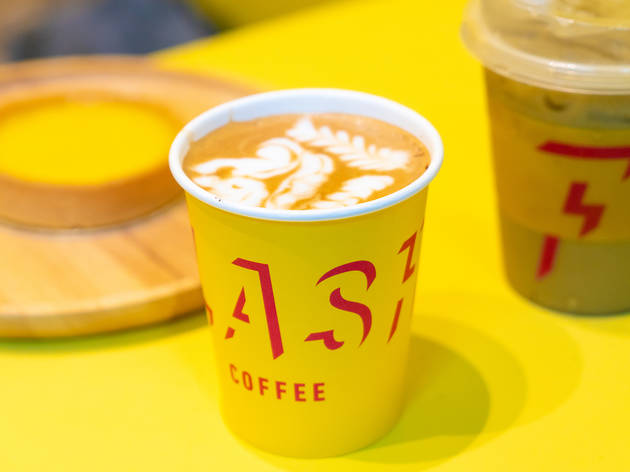
    The tech-enabled coffee chain, Flash Coffee, is accelerating its Asian expansion plan, making its Hong Kong debut this month and committing to opening its first stores in Japan and South Korea later this year.

    Launched last year, Flash Coffee already operates more than 100 locations across Indonesia, Thailand, Singapore, Taiwan and Hong Kong. The chain aims to increase its network to more than 300 stores, expanding its footprint into Malaysia, Vietnam and the Philippines next year.

    The Hong Kong launch follows Flash Coffee’s Series A funding round led by tech investment firm White Star Capital last April where it successfully secured US$20 million from a range of investors, including Rocket Internet, whose subsidiaries include Global Fashion Group and HelloFresh.

    Located at Golden Centre in Sheung Wan, the chain’s first Hong Kong store is – like its others – designed to “fit the needs of the ‘new normal’ and cater to a bustling lifestyle”. Customers can order through a mobile app and pay before picking the order at the store or have it delivered. Meanwhile, Flash Coffee connects its customers and baristas through individualized consumer and barista mobile apps, matching the order with a nearby pick-up outlet.

    The chain also offers a digital coffee loyalty program on the app, offering gamified challenges and personalized rewards.

    “Hong Kong is already recognized as a city that is willing to embrace technology,” said Jonathan Tsao, MD at Flash Coffee. “Over the past few decades the city has also built up a reputation for its love of premium coffee – but so far, this has only been available at premium prices.

    “Flash Coffee intends to shake things up, by offering a new coffee culture built around technology, affordability, and digitally-driven customer-focused solutions.”

    The launch of Hong Kong’s first Flash Coffee store will be followed by a series of new store openings in Causeway Bay, Mong Kok and Wan Chai by the end of next month. The coffee chain aims to reach 50 stores in the territory by mid-next year.
  • Alibaba buys Pakistani online retailer Daraz

    Alibaba buys Pakistani online retailer Daraz

    Alibaba has bought Pakistani e-commerce firm Daraz, as the Chinese tech giant looks to increase its presence in South Asia.

    Financial details of the transaction, which was announced on Tuesday, were undisclosed.

    Daraz, founded in 2012, is backed by European tech incubator Rocket Internet. It operates in Bangladesh, Myanmar, Sri Lanka and Nepal as well as Pakistan.

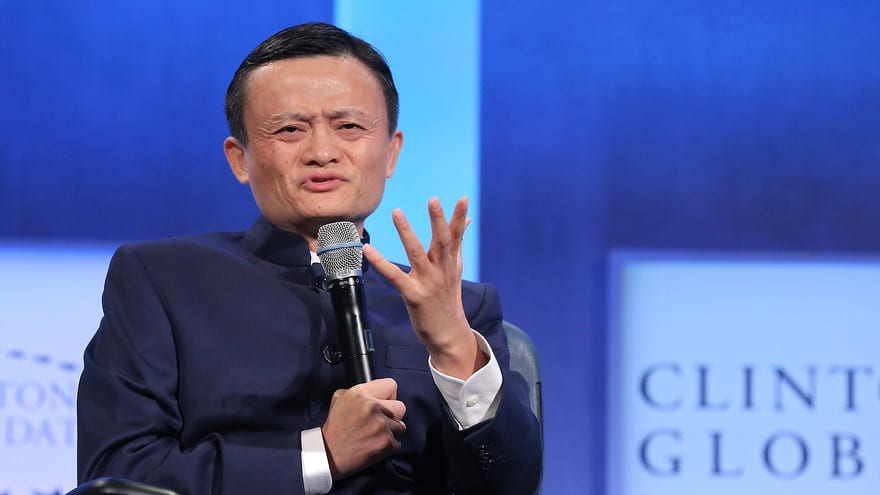
    The deal marks another foray for billionaire entrepreneur Jack Ma’s Alibaba into the South Asian market. The e-commerce titan invested in India’s popular payment app Paytm in 2015.

    “Together with Daraz, we can now empower entrepreneurs to better serve consumers in the region through our technology and expertise,” Alibaba CEO Daniel Zhang said in a statement Tuesday.

    Daraz will continue to operate under the same brand, Rocket Internet said in a statement.

  • Zalora Indonesia future under a cloud

    Zalora Indonesia future under a cloud

    Is Zalora Indonesia for sale? Fresh after selling off a chunk of the Philippines business, Rocket denies further Asian withdrawal.

    Last week, Ayala announced it will buy 43.3 per cent ownership in Zalora manager BF Jade E-Service Philippines for an undisclosed amount, taking its ownership to 49 per cent. The investment marks Ayala’s first foray in eCommerce.

    But what of Zalora Indonesia? Parent, German eCommerce investor Rocket Internet, is also said to be in negotiations with Indonesian retail conglomerate Map Group, according to a report by TechCrunch. Other reports say it is withdrawing entirely from Indonesia. But Zalora PR director Christopher Daguimol denies a retreat from Indonesia.

    “Southeast Asia is a diverse region, and we will always look at adapting our strategy to local country dynamics and opportunities. Our objective is to build the online fashion leader in each of our Southeast Asia markets,” Zalora said at the time it announced its Philippines divestment.

    Zalora sold off its businesses in Thailand and Vietnam last year.

    Map runs nearly 2000 retail outlets in Indonesia, including fashion outlets, and more in partnership with global firms like Marks and Spencer, and Zara. The publicly listed company has more than 22,000 employees.

    Fierce competition has started escalating in Indonesia, marked by layoffs by Berrybenka and SaleStock a few months ago, says Deal Street Asia. Giants like Lazada and MatahariMall.com are meanwhile steadily marching forward with both companies received major funding from global investors last year.

  • Delivery Hero takes control of Foodpanda

    Delivery Hero takes control of Foodpanda

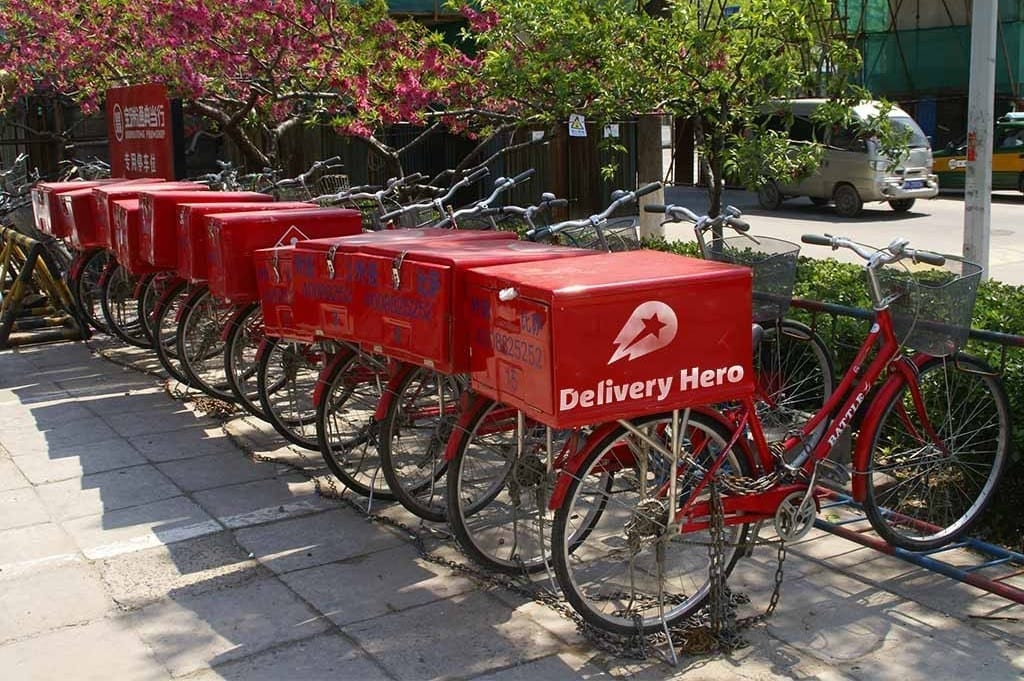
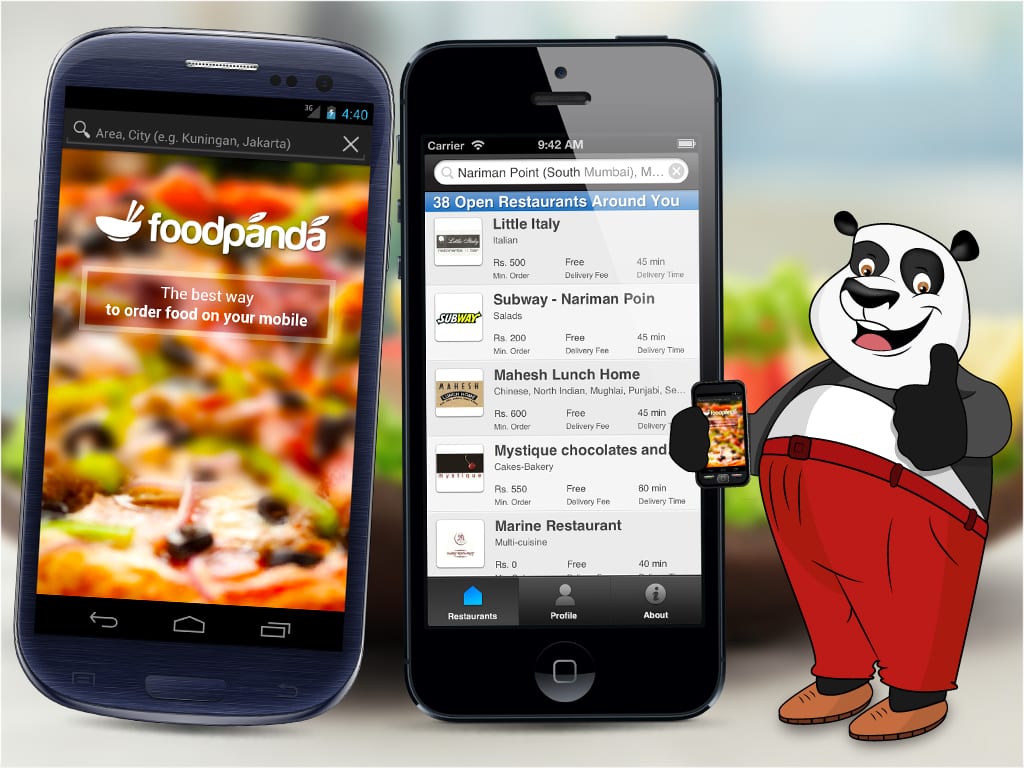
    Control of the Foodpanda business has been sold by parent Rocket Internet, including the remaining Asian operations.

    German-based online food-ordering service Delivery Hero Holding, which is active in 33 countries, has acquired Rocket Internet-backed Emerging Markets Online Food Delivery Holding, parent of the shrinking Foodpanda business.

    Foodpanda, 49 per cent owned by Rocket Internet, has a presence in 22 countries, but shut its Indonesia business in October in the face of growing competition from app-based ride-hailing services that also offer food delivery, such as Go-Jek and Grab Bike. It has also exited Vietnam but remains operational in Singapore, Hong Kong, Thailand, Malaysia, the Philippines and Taiwan.

    In a partial share swap, the deal will see Rocket Internet’s stake in Delivery Hero increase from 30 per cent to 37.7 per cent. The sale will strengthen Delivery Hero’s global leadership position in online food ordering and delivery, with the combined group processing more than 20 million orders a month across 47 countries, says Rocket Internet.

    Bloomberg data shows that both companies together have raised more than $1.5 billion across several funding rounds with investors including Goldman Sachs and Insight Venture Partners.

    “The combination of Foodpanda and Delivery Hero, one of our most important companies, further consolidates key markets,” says Rocket Internet CEO Oliver Samwer. “Delivery Hero is also acquiring new markets.”

  • Rocket Internet sells Foodpanda business

    Rocket Internet sells Foodpanda business

    Rocket Internet has sold its mobile and online food ordering portal foodpanda to rival Delivery Hero for an undisclosed sum.

    Berlin-based Delivery Hero was founded in 2011 by Niklas Östberg. The company said in its announcement that the purchase would increase its stake in the global online food ordering and delivery business. With the acquisition, the combined group will now be processing over 20 million orders per month across 47 countries.

    Delivery Hero will also be able consolidate its market leadership position in the Middle East and will be adding 20 new countries in Eastern Europe, MENA, and Asia to its platform. Before the acquisition, foodpanda operated in 22 countries with market leading positions in 17 of them, according to Rocket.

    In exchange for all its shares in foodpanda, Rocket Internet received newly issued shares in Delivery Hero, which effectively increases its stake in the company to 37.7% (on a fully diluted basis).

    “The combination of foodpanda and Delivery Hero, one of our most important companies, further consolidates key markets resulting in significantly improved market positions. Delivery Hero is also acquiring new markets with leading market positions further broadening its geographic footprint,” said Oliver Samwer, Rocket Internet’s CEO, in a media statement.

    The transaction is subject to customary closing conditions and is expected to close prior to December 31.

    “We look forward to working with the team to continue creating unparalleled take away experiences for our customers around the world,” Östberg said.

    In the first half of the year, Delivery Hero reported more than 83 million processed orders globally, which is up 45% compared to the same period the previous year. It said revenues during the first half of 2016 also grew by 53%.

  • Easyship raises more funding

    Easyship raises more funding

    Hong Kong logistics startup Easyship has raised an undisclosed amount of pre-series A funding from 500 Durians, a fund managed by Silicon Valley’s venture capital major 500 Startups.

    Easyship is an online platform providing crossborder logistics services for eCommerce companies, claiming to have access to more than 80 shipping companies and offering visibility on delivery time, cost breakdown, reliability and tracking.

    To date, it has raised aggregate funding estimated at US$2.5 million. The latest round will help it expand into Southeast Asia via Singapore, following the validation of its business model and building of traction in the Hong Kong market.

    Its expansion to Singapore provides strategic access to Southeast Asia and leverages off the city-state’s logistics infrastructure and networks – just as US eCommerce giant Amazon is establishing a presence there.

    The venture originates from problems with international shipping encountered by co-founders Tommaso Tamburnotti and Augustin Ceyrac when they were trying to build the crossborder business of Rocket Internet’s Lazada, as reported. At the time, Lazada was trying to attract more vendors to its platform in China and Hong Kong selling into Malaysia, Singapore, Thailand, and the Philippines.

    However, Lazada’s rapid sales growth was inhibited by a “very unstructured and fragmented” logistics industry. Easyship streamlines this process, providing an end-to-end process for packaging, labelling and tracking goods with couriers. It charges no fees for these services, with sellers paying the couriers. Revenue is generated from courier commissions.

    Easyship claims its saves its 1000-plus clients in Hong Kong up to $20,000 a month on shipping fees.

  • Revenue up 36pc for Zalora parent

    Revenue up 36pc for Zalora parent

    The Lazada and Zalora parent is paring back its losses after divesting operations in two markets.

    With operating losses nearly halved and excluding disposals in India and Southeast Asia, Global Fashion Group (GFG) has reported a 36.3 per cent rise in net revenue.

    Backed by Rocket Internet and comprising online fashion retail businesses in emerging markets, GFG says net revenue in constant currency rose 47.5 per cent to 456 million euros (US$512.73 million).

    GFG sold interests in Thailand and Vietnam for an undisclosed amount to retailer Central Group in April. It also sold its Indian fashion business Jabong to Flipkart for $70 million in cash in August.

    GFG raised 330 million euros in funding from existing investors in July, cutting the holding of Rocket Internet to 20.4 per cent.

    The company says adjusted losses before interest, taxes, depreciation and amortisation (EBITDA) narrowed to 67.6 million euros in the first half of this year from 120.5 million euros in the same period last year. The EBITDA margin improved to a negative 14.8 per cent in the first half from minus 33.4 per cent, which the company says was driven by tighter inventory management and cost-cutting.

  • Foodpanda India looking to raise $50m

    Foodpanda India looking to raise $50m

    Rocket Internet-backed Foodpanda India, which last year faced allegations of internal fraud and misappropriation of funds, is reported to be raising fresh capital.

    It has mandated Mumbai-based mid-market investment bank O3 Capital for a US$40-60 million fundraise as it initiates talks with investors, reports the Times of India.

    Foodpanda has already said it is selling its Indonesian business and rethinking its presence across the rest of Southeast Asia.

    “To be certain, we are not looking to exit India,” says Foodpanda India CEO Saurabh Kochar. “We have grown rapidly over the past months while increasing our already positive operating margins.”

    In the past six months, Foodpanda India is said to have had its average daily orders inch up to about 30,000. Swiggy, the market leader, clocks about 45,000 orders a day on average, while Zomato has about 35,000.

    Over the past year, Rocket Internet global head of corporate development Spyro Korsanos has been stationed in India to get the business back in shape, according to an insider.

    Launched in 2012, Foodpanda has a presence in 20 countries.

  • UberEats Singapore hits the road

    UberEats Singapore hits the road

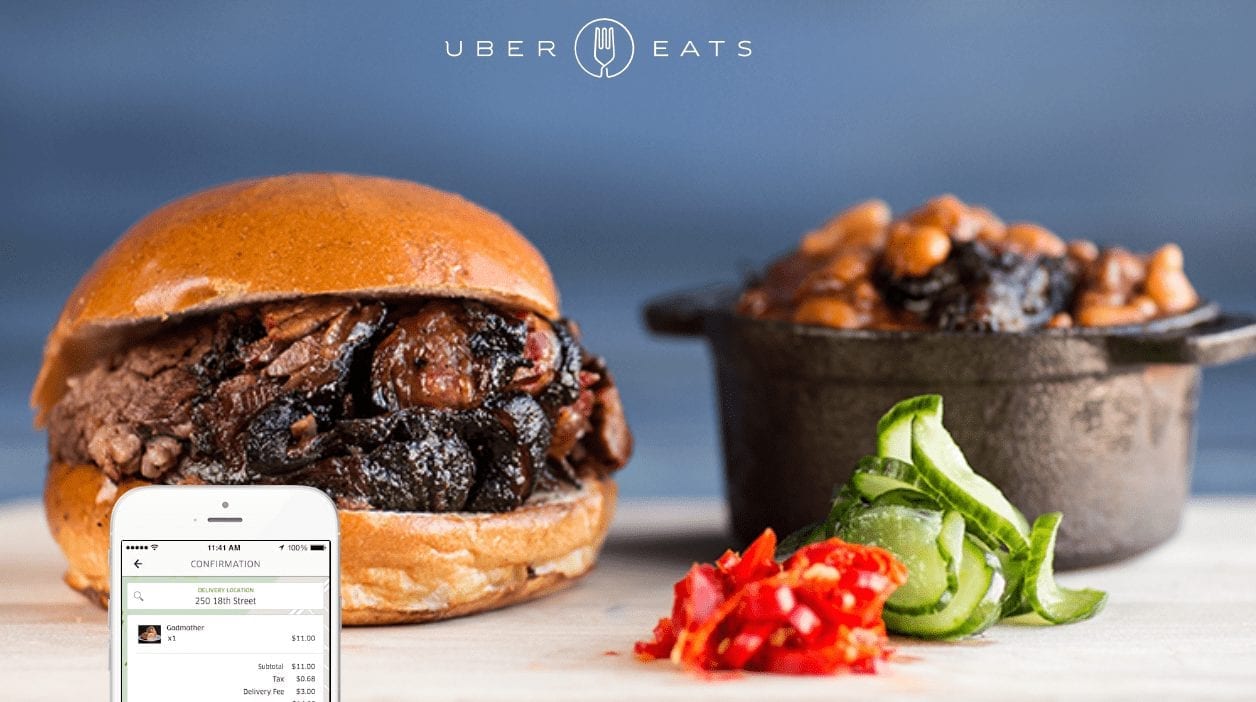
    UberEats Singapore has launched, the ride-hailing app’s food-delivery service making its Asian debut.

    Using the standalone app, Singaporeans can order food from about 100 restaurants. While deliveries are initially limited to the central business and commercial area, the company plans to expand its service coverage as well as menu.

    Making its debut in Toronto early this year, the app expanded to four major US cities in March, and Uber began signing up restaurants and testing the service in Singapore last month.

    Singapore was also the first Asian market to have Uber’s ride service, in February 2013.

    UberEats is up against entrenched food-delivery services such as Rocket Internet-backed FoodPanda and Deliveroo, whose investors include Accel and DST Global. Using the map-routing algorithms Uber uses to connect drivers and passengers as quickly as possible, UberEats Singapore promises delivery within 35 minutes.

    It has raised US$9 billion in funding so far, and the delivery driver program is separate from ride-sharing, though drivers can do both.

  • Central Group Vietnam halts buying spree

    Central Group Vietnam halts buying spree

    Thai retailer Central Group Vietnam is putting the brakes on its acquisition spree to focus on consolidating profit, according to media reports.

    Deputy group CEO Prin Chirathivat says Vietnam is shaping up as a second home for the Central Group, with the company having established three Robins Department Stores there, acquired a 49 per cent stake in electronics retailer Nguyen Kim, taken over fashion eCommerce site Zalora Vietnam from Germany’s Rocket Internet, and bought out Big C Vietnam for $1.1 billion.

    Prin has told The Nation that he realises it is time to reap profit from the businesses in Vietnam, with the depreciation of fixed assets putting pressure on profitability despite positive cash flow.

    But while Central has decided to pull back on buying, he says it does not want to miss any interesting inorganic growth opportunities.

    Its biggest equity investment has been taking over 30 Big C Vietnam supermarkets, for which it secured a bridging loan from Bangkok Bank, according to the Bangkok Post. Central will use Zalora to strengthen the channels of local partner Nguyen Kim as well as its Robins stores.

    The Thai group still considers Vietnam as an important market, buoyed by a growing economy and high purchasing power. But it still has plans for Indonesia, including opening five more department stores in Jakarta and Surabaya by 2017.

    Back in Thailand, Central Group no longer owns Big C SuperCentre, but has acquired the Zalora business there.

  • Lazada Malaysia claims double-digit growth

    Lazada Malaysia claims double-digit growth

    Online retailer Lazada Malaysia claims it had at least double-digit growth in sales last year, yet is still losing money.

    It was a challenging year for retail, says CEO Hans-Peter Ressel of Ecart Services Malaysia, the company behind Lazada Malaysia.

    He says the focus is now on making Lazada’s service more accessible to the “general masses”, particularly those in east Malaysia, starting with improving its logistics and distribution centres in east Malaysia, where the company had 80 per cent sales growth last year.
    However, this growth was lower than in other regions, which saw at least 110 per cent year-on-year growth, says Ressel.

    He says Lazada would appeal to most Malaysians because of its affordability, accessibility and convenience. With its complex supply chain, Lazada and its 10,000 third-party sellers can now offer products below store prices, and many of the 5.5 million items on sale are not even available in stores in Malaysia.

    Lazada had the most application downloads of e-tailers in Malaysia, 2.3 million as at the end of December. Second is 11street.my at half of Lazada’s downloads, while fashion application Zalora had 700,000 downloads.

    Malaysia has 10.3 million smartphone users, according to mobile marketing firm Vserv.
    Ecart Services wants to double its items in inventory to 10 million stock-keeping units this year. The company will also have a third warehouse 16 times larger than its first warehouse in Subang Jaya, plus there is another warehouse and distribution centre in Sarawak.

    Ecart Services’ new loss blew out by 72.94 per cent to RM87.54 million (US$22.28 million) in the financial year ended December 31, but its its top-line growth of 142.22 per cent saw record sales of RM114.81 million from RM47.4 million the previous year. Ressel says the company has yet to break even.

    Following Alibaba Group Holdings’ purchase of Lazada Group, founded by Germany’s Rocket Internet in 2012, Ressel said he looks forward to more synergies between the two eCommerce giants.

    “With Alibaba’s eCommerce knowhow, systems and processes, we will also be better able to help our sellers grow their businesses.”

  • New lifeline for sagging Rocket Internet fashion sites

    New lifeline for sagging Rocket Internet fashion sites

    Investors have injected US$339 million lifeline into GFG, which owns the struggling Rocket Internet fashion websites.

    Rocket Internet and others have sunk the euro 300 million into its Global Fashion Group, raising GFG’s valuation to €1 billion – which is about a third of what it was worth hardly a year ago, when it raised €150 million.

    Launched in Luxembourg in 2014, GFG is a holding company formed from a merger of five eCommerce fashion companies – India’s Jabong, Latin America’s Dafiti, Russia’s Lamoda, Middle East firm Namshi, and Zalora (Southeast Asia and Australia).

    GFG acting CEO Romain Voog says the financing will provide the group with the capital it needs to continue with its strategy of “building out its leading position” in the online fashion sector in emerging markets.

    Rocket claims GFG’s performance has improved in the past year, easing its losses and raising its adjusted EBITDA margin. But it has been struggling to gain market share, and pulled out of Thailand and Vietnam, one of the fastest-growing eCommerce and internet markets in Asia.

    And GFG’s Jabong business in India, considered the next big market after China, has reportedly been up for sale for months with its valuation eroded by a tenth in just a year. Meanwhile, rival eCommerce companies like Flipkart and Snapdeal have soared in value.

    Voog is optimistic the reduced losses combined with this funding round will help accelerate the GFG’s path to profitability while it expands. A third of the €300 million raised came from Rocket. Swedish investor Kinnevik was also involved, along with existing shareholders.

  • Zalora Thailand and Vietnam to be offloaded

    Zalora Thailand and Vietnam to be offloaded

    Rocket Internet is selling its Zalora Thailand and Vietnam eCommerce fashion sites.

    This follows the Alibaba Group investing in Rocket Internet’s Lazada, valued at US$1.5 billion. Zalora, which raised more than $250 million, was once on an equal footing with Lazada, according toTechCrunch.

    Southeast Asia did not have service from Amazon or eBay when Rocket started Lazada and Zalora in 2012, but the two outlets have posted heavy losses and experienced slow market growth.

    Zalora, part of the Global Fashion Group (GFG), covers 11 countries across Asia Pacific, including Australia, Indonesia and Taiwan. While its revenue rose 78 per cent to US$234 million last year, its net loss blew out 36 per cent to $105 million.

    Meanwhile, Rocket has announced a new strategy that takes it back to its roots, launching early-stage startups. It sold India-based Fab Furnish this month and Foodpanda Vietnam last year, and is said to be seeking buyers for Foodpanda India and eCommerce site Jabong.

  • Vaniday app starts Asia foray

    Vaniday app starts Asia foray

    Beauty salon booking app Vaniday, backed by eCommerce giant Rocket Internet – the company behind fashion eTailer Zalora – has launched its first Asian platform in Singapore.

    Following in the footsteps of five other countries, the app now covers the city Vaniday co-founder and MD Robinson Blanckaert calls home.
    “Singapore is not that small actually,” says Blanckaert. “We have the most active spa-going population across the globe with more than 18,000 beauty salons.”

    With more than 800 salons signed up to the app, users can compare and review services as well as book appointments. Beauty businesses can use the app to manage staffing, appointment-making and invoicing through Vaniday’s free software.

    “From the launch in each country, we’ve learnt a lot of lessons. Now, for example, we send a professional photographer to every salon so each business benefits from professional images.”

    Vaniday has reportedly raised €15 million ($16.29 million) in funding.

    Meanwhile, AsiaOne says due diligence before stepping into a salon is worthwhile given that theConsumers Association of Singapore (Case) receives a sizeable number of complaints about spas and beauty-related businesses – almost 2000 cases of negative feedback were lodged in 2014 – and there has been an increase in complaints about unsubstantiated claims by beauty industry advertisements last year.

    In a parallel development, Case has signed a memorandum of understanding to jointly develop anaccreditation scheme for the hair and cosmetology industry in Singapore, following the signing of a memorandum of understanding with the Hair & Cosmetology Association Singapore (HACOS).

  • Foodpanda India ‘likely to close’

    Foodpanda India ‘likely to close’

    Foodpanda India appears likely to be shut down after parent Rocket Internet failed to find a buyer at a bargain basement price.

    It’s the latest chapter for the increasingly troubled Asian operations of Foodpanda which last monthgave up in Vietnam after failing to win market share off rivals and in Hong Kong axed its upmarket spinoff brand Foodora, merging the two businesses into one.

    India’s Economic Times reports Foodpanda is “desperately searching for a buyer” for the troubled Indian business, despite setting the price tag at just US$10 – $15 million.

    “Both Zomato and Swiggy have been approached for a buyout, besides one larger horizontal company. But Rocket is yet to garner keen interest from possible suitors for Foodpanda,” another source told theTimes of India.

    At the end of December, Foodpanda India laid off 300 staff , about 15 per cent of its local workforce, as it faced increasing competition from Zomato. The company said the redundancies were the result of achieving near 98 per cent automaticon of its ordering process.

    The Economic Times reports Rocket’s problems in India are not restricted to Foodpanda.

    “The Samwer brothers-led Rocket Internet’s interest in its Indian portfolio has been waning with most of its flagship firms, including FabFurnish and PrintVenue, being put on the block,” the newspaper said.

    It concluded that if a buyer for the sites cannot be found the company would simply close them.