Tag: Rothschild

  • Hive & Wellness Australia Initiates Strategic Review Amid Global Interest

    Hive & Wellness Australia Initiates Strategic Review Amid Global Interest

    Hive & Wellness Australia Begins Business Review

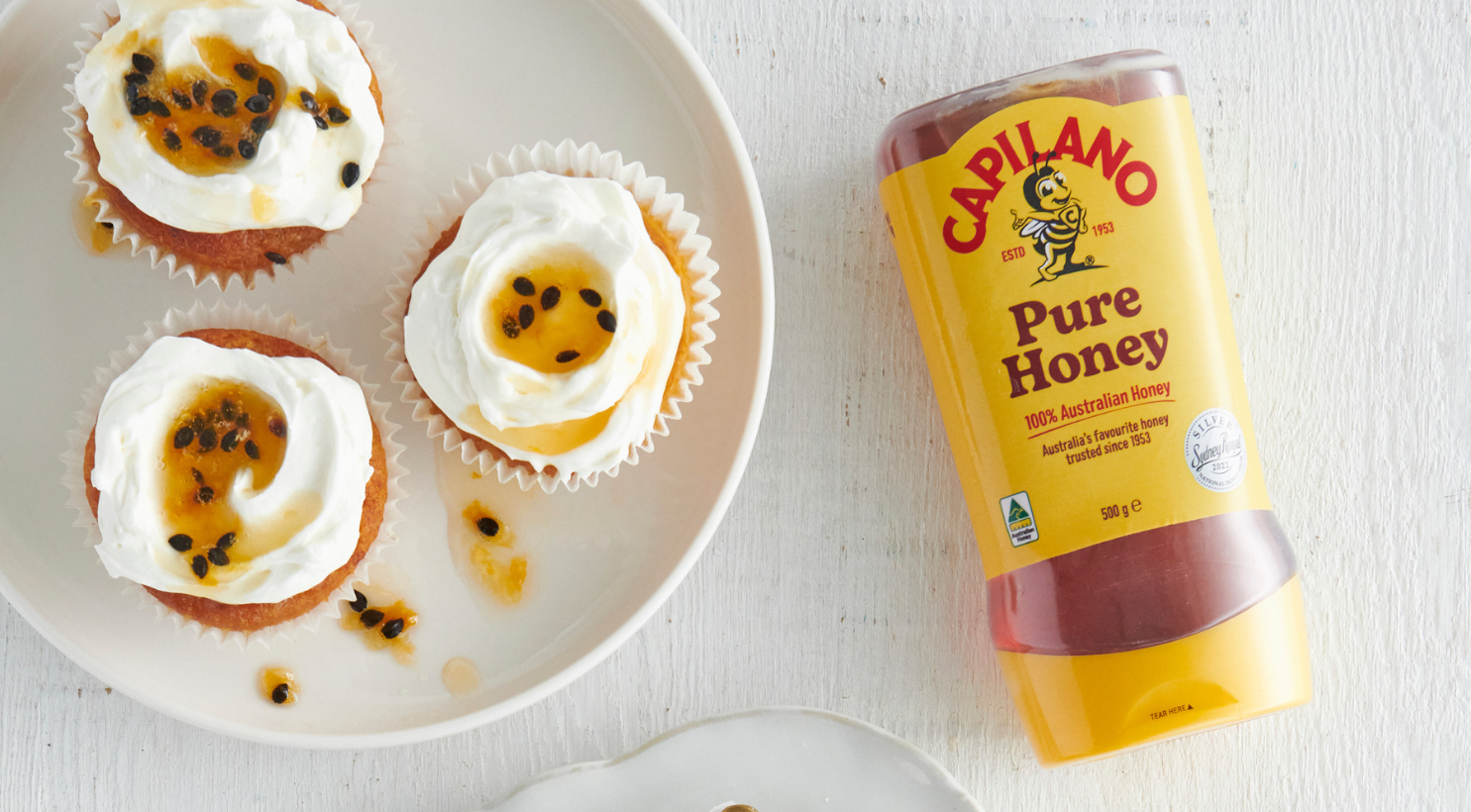
    Hive & Wellness Australia, the firm behind the Capilano Honey brand, has initiated a comprehensive evaluation of its operations. The company has engaged the services of Rothschild & Co to assist in this strategic review.

    This decision has been prompted by unsolicited interest shown in the company’s operations. Hive & Wellness Australia is considering a range of potential avenues, including courting interest from global food corporations and financial backers.

    Capilano Honey Goes Private

    In 2018, Capilano Honey transitioned to private ownership as part of a joint venture consisting of Wattle Hill Capital, ROC Partners, and Australian Capital Equity. This led to the formation of Hive & Wellness Australia.

    Subsequent to the acquisition, the consortium has collaborated with CEO Ryan d’Almeida to extend Hive & Wellness’s reach on a global scale. The brand’s products are now available in over 35 countries, with its international presence spanning markets such as China, Japan, and the United States.

    Business Performance and Portfolio

    Hive & Wellness Australia is a major player in the honey industry, sourcing over 15,000 tonnes of honey every year. The company posted impressive gross sales figures, approximately $150 million, for the 2025 fiscal year.

    Besides Capilano, Hive & Wellness Australia also owns other notable brands including Barnes Naturals and Wescobee, further diversifying its portfolio and strengthening its market positioning.

    Questions & Answers

    What prompted Hive & Wellness Australia to initiate a business review?
    The company decided to undertake a strategic review following unsolicited expressions of interest in its business operations.

    Which firms were involved in taking Capilano Honey private in 2018?
    Wattle Hill Capital, ROC Partners, and Australian Capital Equity formed a consortium to transition Capilano Honey to private ownership, resulting in the formation of Hive & Wellness Australia.

    What brands does Hive & Wellness Australia own apart from Capilano Honey?
    The company’s portfolio includes a number of brands such as Barnes Naturals and Wescobee, in addition to Capilano Honey.
  • Pie Face expansion plan in Japan and Korea

    Pie Face expansion plan in Japan and Korea

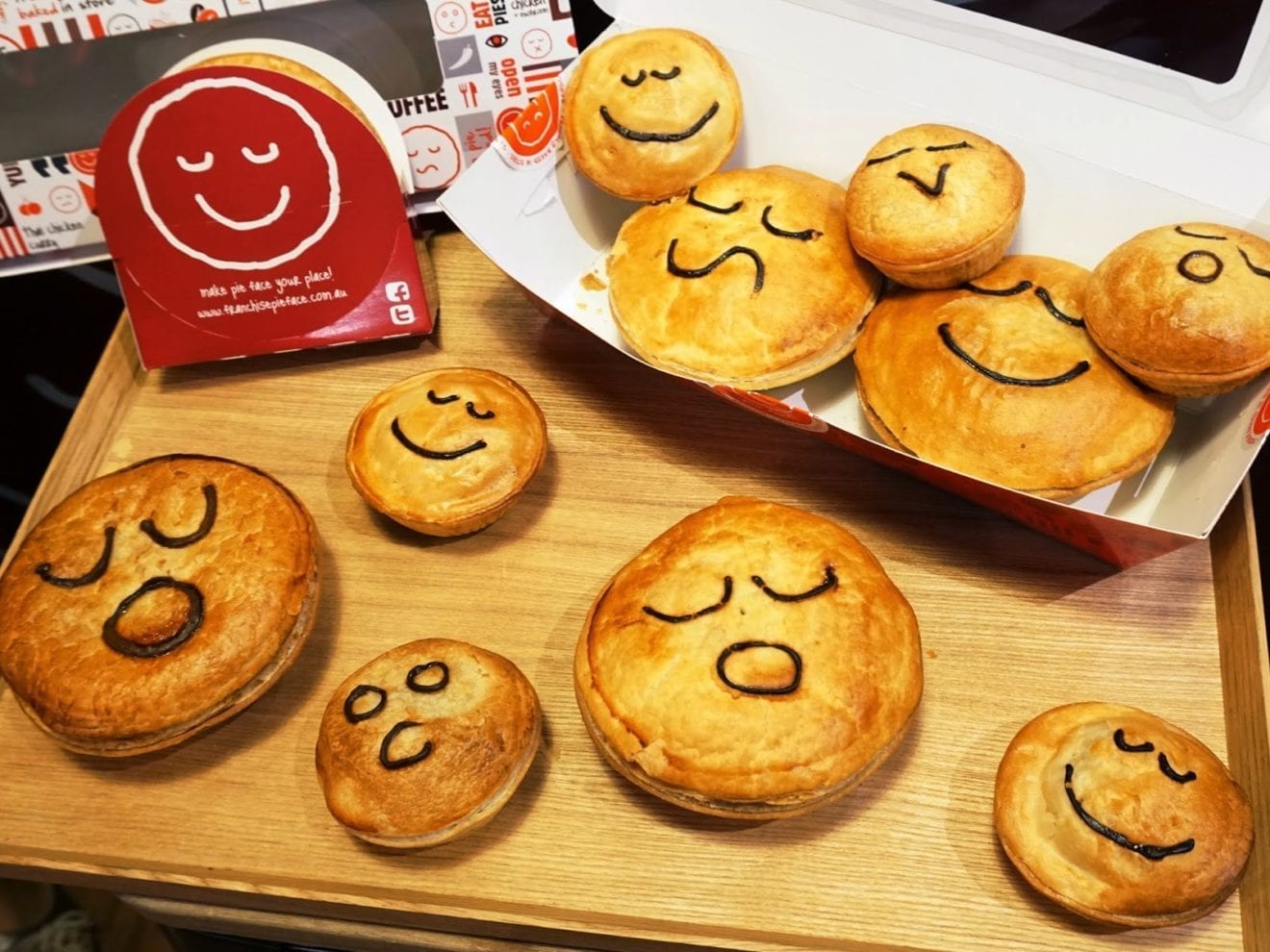
    As it turns around and heads toward profitability again, Australian fast-food chain Pie Face has plans to expand into Japan and South Korea.

    Its receiver flags the hot-pie business will be sold soon, but it has left behind a trail of destruction: secured debt is AU$4 million (US$3 million) and unsecured debt is estimated to be nearly AU$5 million, with employees alone owed more than AU$1 million.

    Also, listed Retail Food Group has made an application to the Queensland Supreme Court to wind up Pie Face Australia over an unpaid debt. But many creditors are unlikely to receive payment out of the receivership, says Pie Face trading entities joint receiver Liam Bailey, a partner at insolvency firm O’Brien Palmer.

    “I can’t speak to what the liquidator may be able to recover and pay them as a dividend, but it’s unlikely a surplus will be generated on the sale of the business, allowing funds to flow to unsecured creditors.”

    The Pie Face company runs a commercial kitchen and wholesaling business, Pie Face Holdings, which owns the intellectual property as well as Pie Face Franchising, which oversees its franchised business in Australia.

    US market

    Bailey became involved after Pie Face went into receivership for the second time in two years late last year. Founded in 2003 by couple Wayne Homschek and Betty Fong, after spreading through Australia the company moved into the US market and planned to open stores in the Middle East, Japan, Korea and the Philippines.

    Investors including retail entrepreneur Brett Blundy, Fat Prophets founder Angus Geddes and Rothschild Australia chairman Trevor Rowe had poured more than $35 million into Pie Face since 2009 with hopes of a sharemarket listing, reports The Age.

    In 2014, Pie Face collapsed owing tens of millions of dollars, sparking store closures, job losses, lawsuits and board changes. Pie Face then struck a deal with financier TCA Global, which took over loans to major lender Macquarie bank.

    Under a deed-of-company arrangement, unsecured creditors such as food suppliers agreed to receive between 14¢ and 19¢ in the dollar over several years, and Pie Face changed its focus to wholesale and direct retail sales.

    When this turnaround bid came unstuck, TCA Global appointed O’Brien Palmer in late October. The business was then restructured for sale. A new CEO and CFO were appointed, 11 unprofitable stores were closed and three franchised stores were opened. Nearly 100 staff members lost their jobs.

    Pie Face now has 30 franchised stores, about 10 people in its head office and 60 to 70 kitchen workers – and plans to expand overseas, particularly in Japan and South Korea.

    Bailey says seven or eight companies are now conducting due diligence, with binding offers due in at the start of next month.

    “We were very much taken aback by the level of interest in the business notwithstanding the bad press it has received over the years,” he says. “There’s a lot of recognition of the growth potential, if properly managed.”