Retail News CRM

Tag: rush

  • Global Gold Rush Stumbles: Vietnam Witnesses Gold Price Drop Amid Rising Crude Oil Rates

    Global Gold Rush Stumbles: Vietnam Witnesses Gold Price Drop Amid Rising Crude Oil Rates

    In Vietnam, the price of gold took a hit on Wednesday morning, coinciding with a global decrease in bullion rates. Saigon Jewelry Company, a prominent gold dealer, experienced a 0.32% drop in the price of their gold bars. This translated to a new rate of VND157 million, equivalent to US$5,960.5 per tael.

    In a parallel development, the cost of gold rings also witnessed a similar decline, ending up at approximately VND156.8 million per tael. It should be noted that one tael is equivalent to 37.5 grams, or 1.2 ounces.

    Global Downturn in Gold Prices

    Internationally, the price of gold experienced a downturn on Wednesday. The renewed tension in the Middle East, which resulted in a surge in crude oil prices, sparked fears of prolonged high-interest rates. This fear was intended to curb inflation.

    Spot gold registered a 0.2% decline to stand at $4,476.50 per ounce. Meanwhile, U.S. gold futures set for August delivery also echoed the downward trend, falling 0.3% to land at $4,504.40.

    The Middle East saw renewed hostilities on Wednesday. The U.S. military reported thwarted or otherwise unsuccessful Iranian missile attacks on Bahrain, Kuwait, and other regional targets. The lack of diplomatic progress between Washington and Tehran seemed to contribute to the situation.

    As a result, oil prices marked an increase of more than 1% in early trading on Wednesday. This development deepened concerns about inflation and potential interest rate hikes, factors that tend to negatively impact non-yielding gold.

    Questions & Answers

    What was the percentage decrease in the price of gold in Vietnam?
    The price of gold in Vietnam fell by 0.32%.

    What were the global factors contributing to the decline in gold prices?
    Several global factors contributed to the decline in gold prices, including renewed tensions in the Middle East, a rise in crude oil prices, and fears of prolonged high interest rates intended to curb inflation.

    How did the situation in the Middle East affect oil prices?
    The renewed hostilities in the Middle East led to an increase in crude oil prices by more than 1% in early trade on Wednesday.

  • Vietnam: The Lone Decline in Southeast Asia’s 2025 Gold Rush Amidst Supply Shortages

    Vietnam: The Lone Decline in Southeast Asia’s 2025 Gold Rush Amidst Supply Shortages

    In 2025, Vietnam stood out as the sole Southeast Asian nation to experience a decline in its sales of gold bars and coins. The volume experienced a 14% decrease from the previous year, falling to 36.1 metric tons, in spite of robust consumer interest.

    Gold Trading Contraction in Vietnam

    The World Gold Council has reported a consistent contraction in Vietnam’s gold trading for six consecutive quarters up until the end of 2025, landing at a near-five-year low. A primary factor contributing to this downward trend has been identified as short supply.

    Shortages in the supply of gold bars and a sudden surge in the demand for 24K rings induced a sharp increase in prices. This caused a significant divergence from global rates, with bullion prices experiencing a rise of 81% in the previous year and 25% in the current year.

    Comparison with Other ASEAN Countries

    Contrastingly, most of the ASEAN member countries experienced a surge in demand for bars and coins, reaching multi-year highs. Thailand was the regional leader in terms of gold bar and coin purchases, boasting a 29% increase at 51.4 tons. Indonesia, Malaysia, and Singapore also reported growth of 29%, 37%, and 48% respectively.

    The State Bank of Vietnam has highlighted the fact that Vietnam is not a gold-producing country and primarily relies on imports, which lends itself to a restricted supply given foreign currency is typically reserved for more pressing needs.

    In the previous year, the government made the decision to permit private gold producers who meet specific capital requirements to operate. However, up until now, no licenses have been issued.

    Global Gold Demand

    On a global scale, gold demand experienced a 1% rise to reach 5,002 tons, setting a new record. This is largely attributed to the continuous geopolitical and economic uncertainty, which has led investors to seek refuge in this safe-haven metal.

    Questions & Answers

    Why did Vietnam experience a drop in gold bar and coin sales in 2025?
    The significant decline in sales is attributed to supply shortages, despite strong consumer demand.

    How did other ASEAN member countries fare in comparison to Vietnam?
    Contrary to Vietnam, most ASEAN member countries, including Thailand, Indonesia, Malaysia, and Singapore, saw a surge in demand for gold bars and coins, reaching multi-year highs.

    What measures has the Vietnamese government taken to address the issue of gold supply?
    The government has granted permission to private gold producers meeting certain capital requirements to operate, in an effort to address the issue of gold supply. However, as of now, no licenses have been issued.

  • Rush for Retail Reign: AI Firm Harex InfoTech Joins Bid War for Korean Giant Homeplus

    Rush for Retail Reign: AI Firm Harex InfoTech Joins Bid War for Korean Giant Homeplus

    In the quest for acquiring the South Korean retail giant Homeplus, two contenders have stepped forward. The attempt to secure new ownership for Homeplus is aimed at stabilizing its operations.

    AI company Harex InfoTech and an anonymous bidder have expressed their interest by submitting their respective letters of intent (LOIs) before the cut-off date of October 31, as informed by investment banking insiders.

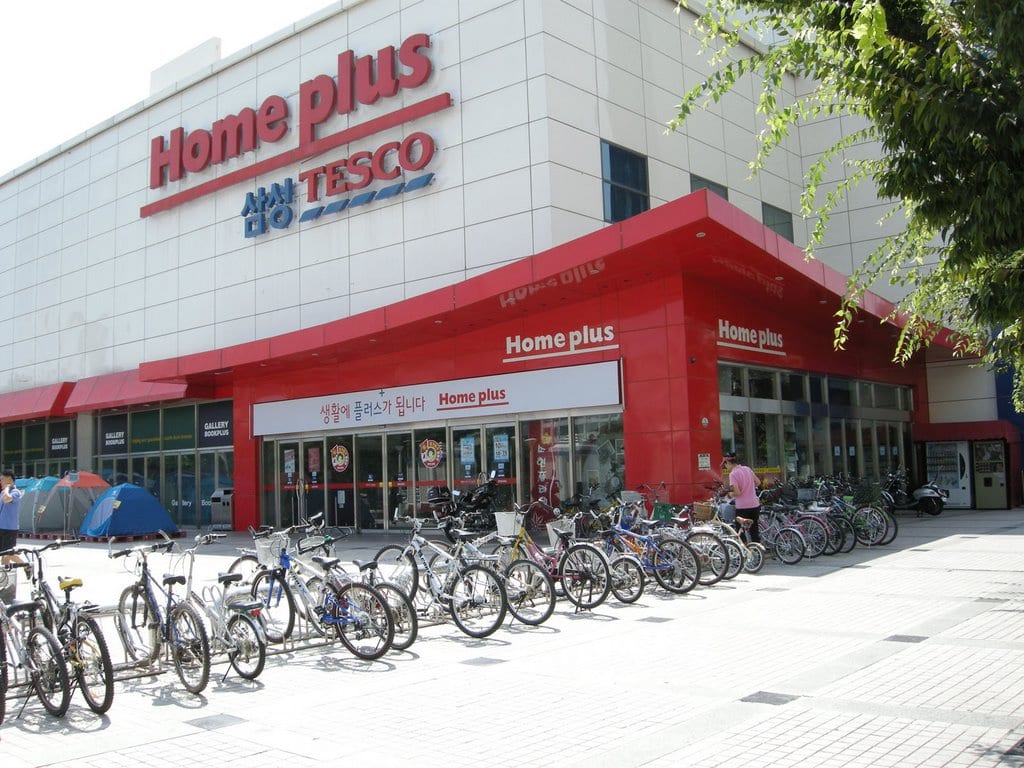
    Homeplus, a retail arm which MBK Partners took over from Tesco in 2015, went bankrupt following years of falling sales and liquidity crunches. It was reportedly grappling with basic expenditures, such as electricity bills. However, in March, the court gave Homeplus the green light to look for a buyer under its rehabilitation scheme.

    In preparation of its bid, Harex InfoTech is said to be strategizing to amass approximately 2 billion US dollars in the United States. With the proposed deal, all regular shares owned by MBK Partners would be voided. In contrast, new shares would be allocated to the bidder who succeeds.

    It is obligatory for the triumphant bidder to assume Homeplus’ debts. These include a debt of 940 million US dollars owed to Meritz Financial Group and preferred shares amounting to 405.8 million US dollars held by the National Pension Service (NPS).

    The process of due diligence for qualified bidders will persist through to November 21, with ultimate bids scheduled to be submitted by November 26.

    While the existing deadline for presenting Homeplus’ rehabilitation plan is November 10, those keeping a close watch on the industry anticipate the court to prolong it to sync with the bidding timeline.

    Questions & Answers

    What is the current development with Homeplus’ ownership?
    Two firms have submitted their letters of intent to bid for the ownership of Homeplus.

    Who are the current bidders for Homeplus?
    AI firm Harex InfoTech and an undisclosed bidder have shown interest in acquiring the South Korean retail giant.

    What financial obligations will the successful bidder of Homeplus have to assume?
    The winning bidder is required to tackle Homeplus’ debts, which consist of a 940 million US dollar debt to Meritz Financial Group and preferred shares valued at 405.8 million US dollars held by the National Pension Service.

  • Unprecedented Gold Rush: Global Demand Hits Record High Amid Surging Investment

    Unprecedented Gold Rush: Global Demand Hits Record High Amid Surging Investment

    In the third quarter, global gold demand experienced a 3% annual increase, amounting to 1,313 metric tons. This marked the highest level of demand ever recorded, primarily driven by a surge in investment demand, reported the World Gold Council.

    Spot Gold Prices Rise

    Spot gold prices have seen a remarkable increase of 50% in the year to date, culminating in a record high of $4,381 per troy ounce on October 20th. This surge can be attributed to safe-haven demand triggered by geopolitical instability, uncertainty surrounding U.S. tariffs, and a recent wave of ‘fear-of-missing-out’ or ‘FOMO’ buying.

    Senior markets analyst at the World Gold Council, Louise Street, expressed optimism regarding the future of gold. She pointed to factors such as ongoing weakness in the U.S. dollar, predictions of lower interest rates, and the potential threat of stagflation, that could further stimulate investment demand. Street also noted that their research suggests the market is not yet saturated.

    Gold Bar and Coin Demand Increase

    The demand for gold bars and coins witnessed a rise of 17% in the third quarter, with India and China leading the way. Inflows into physically backed gold exchange-traded funds soared by 134%, according to the industry body whose members comprise global gold miners.

    These categories combined managed to counterbalance the continuing steep decline in gold jewellery fabrication, which is the largest category of physical demand. The latter saw a 23% drop to 419.2 tons as high prices deterred buyers worldwide.

    Central Banks Boost Gold Demand

    Central banks, another significant source of gold demand, ramped up their purchases by 10% to 219.9 tons in the third quarter. This estimate was based on reported purchases and the World Gold Council’s assessment of unreported buying.

    From January to September, central banks have acquired 634 tons, which although lesser than the unusually high amounts of the last three years, is still significantly higher than the levels recorded before 2022.

    Gold Supply Reaches Record High

    On the supply side, a 6% contribution from recycling and a 2% increase in mine production in the third quarter led to the gold supply reaching an all-time high.

    Questions & Answers

    What factors are contributing to the increased demand for gold?
    Economic factors such as continued U.S. dollar weakness, lower interest rates, and the threat of stagflation are driving increased investment demand for gold.

    Which countries are leading in the demand for gold bars and coins?
    India and China are currently leading in the demand for gold bars and coins.

    How have central banks influenced gold demand?
    Central banks have increased their purchases by 10% to 219.9 tons in the third quarter, thereby significantly influencing gold demand.

  • Gold Rush Down Under: Massive Queues at Sydney Bullion Stores Amid Investment Frenzy

    Gold Rush Down Under: Massive Queues at Sydney Bullion Stores Amid Investment Frenzy

    In the face of global uncertainty, Australians in Sydney have been flocking to buy gold, a traditionally regarded safe-haven investment. Long queues have formed outside gold bullion stores as people patiently wait their turn to secure this precious metal.

    Gold Buying Rituals Amidst Challenges

    For Prakas, a Nepali Australian, purchasing gold during Diwali, an annual Hindu festival, is a treasured tradition. Yet, this year, this ritual proved to be a daunting task due to the thousands of Australians lining up for gold in Sydney. On October 18, Prakas drove to Sydney’s central business district, only to find approximately 400 people in line at the ABC Bullion store on Martin Place. Disheartened, he returned home. He later attempted to order online, but the expedited process still led him to a two-hour waiting line for online pre-purchasers.

    Gold Demand Skyrockets

    The demand for gold, a traditional hedge in uncertain times and a non-yielding asset, has soared by over 51% this year. This surge is attributed to ongoing geopolitical and trade tensions, as well as anticipated U.S. interest rate cuts. The ABC Bullion store on Martin Place recently experienced an influx of customers, with retirees and families jostling around the entrance in hopes of making a purchase, their presence persisting throughout the day. Jordan Eliseo, the store’s general manager, reported approximately 1,000 customers visiting daily for over a month, with thousands more opting for online purchases. Buyers from across the city arrive as early as 9 a.m. to secure their spots in line, while others wait for hours to make their purchases. To accommodate the rush, Eliseo extended trading hours and added five new staff members in the last two weeks.

    The Gold Market’s Potential Risks

    Despite the current gold-rush frenzy, market experts warn of potential risks in the gold market. Chief economist at a financial services firm, Shane Oliver, expressed concerns that the lengthy queues could be a red flag indicating a speculative market prone to correction. His warning seemed prophetic when, on October 22, gold prices plummeted 6.8% to $4,082.35 per ounce, marking the steepest single-day drop in 12 years. Although the price slightly rebounded later that week, it still ended lower, disrupting a record nine-week rally. Ray Attrill, head of FX strategy at National Australia Bank, noted that the steep fall mirrors a familiar pattern, hinting that a dash for profit was inevitable.

    Questions & Answers

    What is the current trend in the gold market in Sydney?
    A significant surge in gold buying has been observed in Sydney, partly due to its traditional status as a safe-haven asset during times of global uncertainty.

    What challenges are buyers facing in securing gold?
    Buyers are enduring long queues at gold bullion stores and even online pre-purchasers are facing waiting times. The high demand has resulted in extended trading hours and increased staffing at stores.

    What are the potential risks in the current gold market?
    Experts caution that the current trend could indicate a speculative market potentially at risk of a correction. The sharp fall in gold prices on October 22 supports this cautionary stance.

  • Unprecedented Gold Rush Grips Vietnam Amid Soaring Global Prices

    Unprecedented Gold Rush Grips Vietnam Amid Soaring Global Prices

    For five straight days, Hoai, a 38-year-old self-employed individual, has been among the throng of hopeful buyers outside a Hanoi gold shop on Tran Nhan Tong Street. The majority of these people, much like Hoai, end up leaving without any gold in their hands.

    The Pursuit of Gold

    Hoai, who has some liquid savings, is attempting to safeguard her wealth through gold investment. The low returns offered by bank deposit rates have led her to this choice. Customers are permitted to buy only a single mace of gold at a time, which equals one-tenth of a tael or 3.75 grams. Despite the small quantity, Hoai is determined to endure the extensive waiting hours or even days to secure gold as an asset.

    In a similar situation is Thu Ha, a 26-year-old office worker in Hanoi. She withdrew half of her savings, totalling VND300 million (US$11,388), to invest in gold. Last month, she succeeded in buying five maces when the price was around VND130 million per tael. Now, she starts queuing as early as 4 a.m. every day in the hopes of purchasing more. However, the shortage of supply has left her with nothing. Some stores have even started issuing appointment slips, promising delivery within 7-10 days.

    Lan, a 43-year-old woman, took a day off from work to queue for her elderly mother. Her mother had been trying to buy gold with her pension without success. Lan decided to step in and help.

    The Gold Rush

    Gold shops across Hanoi and Ho Chi Minh City are currently witnessing unprecedented demand as prices soar to record highs. A tael of gold bar is now trading around VND153 million while gold rings range between VND153–160 million, representing an 80% increase since the start of the year.

    The rush has led to some interesting dynamics. Some people are making money by standing in queues on behalf of others. Most shops run out of stock by noon, with both bars and rings disappearing from the shelves. Customers are advised to return the next morning, but there are no guarantees of availability.

    In Ho Chi Minh City, the Saigon Jewelry Company outlet on Nguyen Thi Minh Khai Street had to stop taking orders for gold rings by midday Friday, limiting sales to just 3 maces per person.

    Global Gold Frenzy

    According to Huynh Trung Khanh, Vice President of the Vietnam Gold Trading Association, the gold-buying frenzy is not exclusive to Vietnam. People in other countries, including South Korea, are also rushing to buy gold as global prices have crossed US$4,300 per ounce.

    The State Bank of Vietnam, however, has warned buyers about the volatility of gold as an investment and advocated for prudence. The bank attributes the sharp domestic price increase to escalating global rates, public anticipation of further hikes, and limited local supply.

    Questions & Answers

    What is causing the gold-buying frenzy in Vietnam?
    The rush to buy gold is being driven by low bank deposit rates, soaring gold prices, and the desire to secure wealth.

    Are other countries experiencing a similar gold-buying frenzy?
    Yes, this is not unique to Vietnam. Countries like South Korea are also witnessing a rush to buy gold due to the increase in global prices.

    What has been the response of the State Bank of Vietnam to this situation?
    The State Bank of Vietnam has urged buyers to act prudently, given the volatility of gold as an investment. It attributes the rise in domestic prices to surging global rates, public anticipation of further increases, and limited local supply.

  • South Korean Retailers Innovate To Welcome Returning Chinese Tour Groups Amid Changing Consumer Trends

    South Korean Retailers Innovate To Welcome Returning Chinese Tour Groups Amid Changing Consumer Trends

    As South Korea prepares for the much-anticipated return of Chinese tour groups from September 29, retailers are taking proactive measures to welcome them. To cater to these visitors, who will be allowed visa-free entry, a wave of new promotions is on the horizon, and retailers are expanding their product ranges. Instead of focusing solely on luxury cosmetics, retailers are branching out to incorporate fashion, lifestyle, and even convenience store exclusive items.

    Change in Chinese Tourists’ Preferences

    In the mid-2010s, Chinese travelers, often referred to as “Youke,” were known for their bulk purchases of high-end skincare products. However, recent industry data indicates a significant shift in their preferences. Currently, eyewear brands such as Gentle Monster, K-fashion labels, health foods, and lifestyle goods are gaining popularity among these travelers.

    Retailers’ Innovative Strategies

    In response to these changing demands, Lotte Department Store has launched curated boutiques as part of the “Kinetic Ground” platform. These boutiques will feature trendy domestic brands. In addition, the department store’s duty-free branch has plans to inaugurate a new “K-Beauty Hall” in Myeongdong, accompanied by an expansion of local specialty food offerings.

    Shinsegae Department Store is orchestrating a “Global Shopping Festa” around the Chuseok holiday, with a focus on categories popular with foreign shoppers. Convenience chains are also making preparations. GS25 is advertising Greek yogurt, highballs, and K-pop albums as emerging favorites. They have even released a “K-Convenience Store Guidebook,” presenting product rankings and celebrity snack choices. Additionally, 7-Eleven is promoting souvenir items that represent Korean symbols like the national flag and old currency.

    Duty-Free Shops Gear Up

    Duty-free shops, known to benefit most from group tourism, are also gearing up. Lotte Duty Free is bolstering relationships with agents in second- and third-tier Chinese cities such as Chongqing and Qingdao, while Shilla is setting its sights on corporate travel groups. Shinsegae Duty Free is honing in on smaller groups that tend to spend more. Retailers are further enhancing the shopping experience by introducing experiential attractions like revamped “Star Avenues” and Artificial Intelligence (AI)-aided translation services to facilitate shopping for international visitors.

    Challenges Ahead

    Despite these proactive measures, retailers face several challenges. One critical issue is the shift in travel patterns towards individual tourism, making it uncertain whether duty-free operators will regain their past dominance. Another concern is the increase in hotel costs since the pandemic, which could potentially impact package competitiveness.

    A duty-free executive expressed optimism, stating that visa-free entry for Chinese group tourists might signal a turning point for Korea’s tourism recovery. However, the real litmus test lies in whether spending bounces back. The industry is eagerly waiting for the APEC summit in late October, hosted by Seoul, as it could provide more clarity on the situation. The event is also likely to attract China’s President Xi Jinping.

    Questions & Answers

    What changes are South Korean retailers making to accommodate the return of Chinese tour groups?
    Retailers in South Korea are launching new promotions and expanding their product offerings. They are diversifying their product lineups to include not just luxury cosmetics, but also fashion items, lifestyle goods, and exclusive convenience store products.

    How are duty-free shops preparing for the return of Chinese tour groups?
    Duty-free shops are looking to strengthen ties with agents in Chinese cities, targeting corporate travel groups, and focusing on smaller, high-spending groups. They also aim to improve the shopping experience by introducing experiential attractions and AI-powered translation services.

    What challenges do retailers face with the return of Chinese tour groups?
    Retailers are facing challenges such as the shift in travel patterns towards individual tourism, which raises questions about the future dominance of duty-free operators. Additionally, rising hotel costs since the pandemic could impact package competitiveness.

  • Investors Overlook Risks as They Go All-In on Gold

    Investors Overlook Risks as They Go All-In on Gold

    Surge in Gold Prices Captivates Vietnamese Consumers Amid Growing Investment Frenzy

    In recent months, a wave of enthusiasm for gold has swept across Vietnam, particularly among young investors eager to secure their wealth. With prices recently hitting a historic peak, many consumers are turning to gold as a reliable asset. The dynamics of this trend reflect changing consumer behavior and highlight the evolving landscape of investment in the retail sector.

    Rising Interest in Gold Investments

    Hanoi resident Anh Nguyet, 28, has emerged as a case study in this trend. Over the past four months, she has taken out monthly loans of VND4 million (approximately $154) to purchase smaller quantities of gold. Once indifferent to this traditional asset, she now stocks up as soon as her salary arrives, driven by her belief that today’s high price could foreshadow a future dip.

    “I buy more gold, even if it means taking on more debt,” Nguyet admits. “The allure of rising prices and the fear of missing out are compelling.”

    The Burden of Investment Decisions

    Similarly, Nguyen Tuan and his wife from Hai Phong City find themselves in a precarious financial position. After borrowing VND200 million for home renovations, they now face mounting pressures with their initial gold investment untouched. Rather than cashing in on their two taels of gold during a peak price, they have opted for additional loans, anticipating further increases in value.

    “Selling now feels wrong when prices are climbing,” Tuan explains. “We’re committed to adding to our gold reserves, even if it means tightening our budget significantly.”

    A Broader Market Trend

    The experiences of Nguyet and Tuan reflect a larger phenomenon occurring across Vietnam. Recently, gold prices surged to an unprecedented VND124 million per tael, marking a staggering 45% increase since January. Market analysts attribute this trend to various factors, including low bank interest rates and a lack of diverse investment avenues for the general population.

    Ngo Tri Long, a market analyst and former director at the Institute for Market and Price Research, comments, “There is a significant fear of missing out among consumers. Many regret not investing earlier and feel compelled to buy at current rates, despite the inherent risks.”

    The Consumer Gold Rush

    As part of this retail news, a survey conducted among gold retailers in Hanoi reveals a frantic buying atmosphere, with many outlets running out of stock by midday. To secure purchases, customers are accustomed to booking appointments, waiting in line, and are often limited to buying minimal quantities.

    “Gold has become the default investment strategy for many,” says Long. “The increased demand has led to visible queues outside major retailers, illustrating a collective rush to secure gold as inflation continues to impact purchasing power.”

    Navigating the Gold Market Wisely

    However, this gold rush is not without its pitfalls. Investment experts urge consumers to approach gold purchases thoughtfully. Defining a clear purpose for buying—whether for long-term savings or short-term speculation—is essential for avoiding impulsive decisions driven by market fluctuations.

    Investors are advised against obsessively tracking gold prices on social media, as doing so can lead to unnecessary stress and anxiety. Balanced asset allocation remains a fundamental strategy, and Long emphasizes diversification—suggesting that individuals only allocate 5-10% of their total investments to gold.

    Conclusion: Implications for the Retail Sector

    The current gold trend in Vietnam highlights shifting consumer preferences toward tangible assets amid economic uncertainty. As more individuals seek refuge in gold, the implications for the retail sector are profound. Retailers may need to adapt strategies to meet increased consumer demand, balancing the dynamics of supply with a hyper-aware community of investors. The ongoing situation underscores the importance of informed decision-making in a market driven by fear and excitement, ultimately shaping the future landscape of consumer investment behavior.

  • Under Armour Singapore showcases Rush

    Under Armour Singapore showcases Rush

    Under Armour Singapore has partnered with Celliant to create performance apparel line UA Rush and Recovery.

    Designed to enhance performance, the collection includes men’s and women’s fitted tees, long-sleeved shirts, leggings and tights and more.

    All pieces will range from S$69-$199, and are now available for purchase on Under Armour Singapore’s online store, retail stores in Orchard Central, Bugis Junction, VivoCity, and through authorised Under Armour resellers.

    In conjunction with the launch, Under Armour is hosting an admission-free “Rush & Recovery Experience” at Orchard Central Discovery Walk until May 2.

    The interactive exhibits bring to life the inner workings of Rush technology. Distinct experiential zones will showcase how the technology generates performance improvements for the wearer, and helps power recovery.

    Another zone, “Test of Will”, features Under Armour’s annual advanced urban fitness challenge where visitors can see a preview of this year’s unique challenges and put their grit, strength and determination to the test.

    Under Armour’s Rush-and-Recovery-engineered fabric promotes improved performance and energy return. It is intended to provide the same benefits to the body as an infrared sauna.

    “The introduction of UA Rush is our commitment to giving athletes 360-degrees of training support both in the gym and beyond,” said Dan Leraris, GM of men’s training at Under Armour.

    “With the launch of UA Rush, we now complete the training cycle – there is now UA gear designed to optimise human performance at every training occasion.”

    Under Armour athletes from around the globe have been training in UA Rush including Singapore Athletic Association athletes such as swimmer Amanda Lim, marathon runner Jasmine Goh, master coach at Ritual Gym, Shrek Ismail, and SuperheroRunners founder Nelson Wong.

  • Myanmar rushes through masses of investments

    Myanmar rushes through masses of investments

    The Myanmar Investment Commission (MIC) has approved an unusually large number of projects in its final meeting before the new government takes office, including luxury resorts, office towers, port developments, factories and roads.

    The commission, which answers directly to the President’s Office, meets several times a month to approve foreign, joint-venture and local investments.

    According to MIC information dating back to January 2015, the average number of investments approved at each meeting is just under 10. No more than 20 projects have been approved at any previous meeting.

    Bucking the trend, the MIC approved 48 new investments on March 25, according to a document published on the Directorate of Investment and Company Administration website.

    Asked about the unusually high number of approvals, a spokesperson directed requests to secretary Aung Naing Oo, who was not available for comment on Tuesday.

    Notably, the MIC has approved a number of major projects at Yangon’s ports.

    Kaung Myanmar Aung Shipping Co, owned by well-known tycoon Khin Maung Aye, received consent to build a wharf and supporting facilities in Seikkan township after winning a government tender just over a week ago.

    New Downtown Development Public Co has approval to build a shopping mall and office complex in the Myanma Port Authority-owned Nanthida compound and New Strand Development Co has permission to build commercial, office and retail space, hotels and serviced apartments at Ahlone international port in Ahlone township.

    Several port-related investments have also been approved at Thilawa. Khaing Oo Co has been given the green light to build a jetty and buildings, and Myanmar Edible Oil Industrial Public Co is allowed to build and operate a multi-purpose international wharf in the Thilawa port area.

    The MIC also approved a number of hotels and resorts in its most recent meeting, including H&Co Platinum Pathein Co’s 15-acre project in Ayeyarwady region comprising a hotel, shopping mall and villas.

    Pongpipat Development, known for operating the Heinda tin mine in Tanintharyi region, has been given permission to build a resort in Htee Khee village in Myitta, Dawei township, while a company called K Future secured approval to build a hotel on Bo Net Kyaw island in Kawthoung district.

    In Yangon, KT Development Co has approval to build a hotel, office space, retail, serviced apartments and other commercial businesses and long-term leasehold units on an 11.753-acre site in Yankin township.

    New City Development Public, which also has links to tycoon Khin Maung Aye, has approval to build a light industrial park in Yangon region’s East Dagon township. Another of his companies, Kaytumadi Development Public, has approval to build two further industrial parks in Bago region’s Taungoo.

    Also in Bago, Hantharwady Development Public has approval to build an improbably large eco-resort and high-end housing project on 2455.77 acres, and Thiri Multi Agricultural Co has permission to build a hotel in Taungoo.

    A number of roads were also approved, and more than a dozen manufacturing ventures. Three companies – Mya Kan Engineering, Htoo Naing Lin and Linn Shwe Sin – received a green light to produce and distribute crushed stones.

    Sembcorp Myingyan Power Co has received the go-ahead to build a 225-megawatt gas-fired plant near Mandalay, which will eventually transmit more power to the national grid than any other independent gas-fired plant in the country.

    Malaysian firm OCK Yangon has been approved to build telecoms infrastructure and Asian Blue Aviation to run an international air transport service. The company is a tie-up between Japan’s ANA Holdings and Shwe Than Lwin-owned Golden Sky World, and plans to offer services between Yangon and Tokyo.

    The MIC approval does not necessarily guarantee a project will go ahead, as Hong Kong-based developer Marga Landmark and a number of local companies discovered when their real estate projects beside Shwedagon Pagoda were cancelled by the President’s Office early last year.

    Many of these projects will also require approvals from other government departments. Nevertheless, once approval has been granted it is difficult to undo.

    Han Thar Myint, who chaired the National League for Democracy’s (NLD) economic committee until it was dissolved last week, said the incoming government had not been warned that such a large number of investments would be approved.

    “Since respective ministerial offices do not have to inform us of their decisions, we had no knowledge of this. We cannot criticise or object to the outgoing government permitting a lot of new investments, or whatever the case is,” he said.

    “Only after the new ministers have taken office can these things possibly be done.”

    Last month the NLD called for an investigation into a wave of lucrative business deals that had seemingly been fast-tracked by officials in the outgoing government during the period between the election and the power transfer.

    Military MPs reacted to the motion with disapproval, standing up in unison to demonstrate their objection. The debate infuriated the outgoing government and prompted presidential spokesperson Ye Htut to suggest that it does not need to be accountable to parliament.

    “Whether the incumbent Union government should be accountable to the second parliament or not is an issue to be reviewed according to the constitution,” he said, adding that the government had decided to “suspend” its cooperation with parliament on responding to questions and proposals.