
Tag: Rusland

  • Rosatom’s Advanced Nuclear Power Tech to Fuel Vietnam’s Energy Future: New Combined Efforts Revealed

    Rosatom’s Advanced Nuclear Power Tech to Fuel Vietnam’s Energy Future: New Combined Efforts Revealed

    Rosatom, Russia’s state-owned nuclear company, has proposed offering its cutting-edge technology to assist in the construction of Vietnam’s Ninh Thuan 1 nuclear power plant. In a recent phone call, Rosatom’s CEO, Alexey Likhachev, assured Vietnamese Prime Minister Pham Minh Chinh of the company’s commitment to reinforce collaboration and achieve the high-level agreements set between both countries.

    Rosatom’s Planned Delegation to Vietnam

    Rosatom has expressed interest in sending a delegation to Vietnam. The objective of this initiative is to discuss the potential transfer and development of nuclear technology for peaceful applications. Lately, Vietnam has been engaged in discussions with Russia about the Ninh Thuan 1 plant’s construction. This plant is one of two nuclear facilities planned to be developed within the country over the next five years.

    Strengthening Bilateral Relations

    Prime Minister Chinh has previously met with Russian President Vladimir Putin and PM Mikhail Mishustin to discuss the partnership. During his call with Rosatom, Chinh acknowledged Russia’s valuable contributions to the energy sector in Vietnam. This includes the peaceful use of nuclear energy, the education of scientists and experts, and the establishment of an essential foundation for Vietnam’s current nuclear energy sector.

    According to Chinh, Vietnam regards its Comprehensive Strategic Partnership with Russia highly and considers Russia as one of its key partners. The nation hopes to continue collaborating with Russia in all areas, including the peaceful utilization of nuclear energy. This collaboration is targeted not only for mutual benefit, but also to stimulate regional and global development.

    Requested Assistance from Rosatom

    Chinh has sought Rosatom’s assistance for strategic initiatives such as the Ninh Thuan 1 nuclear power plant and the Centre for Nuclear Science and Technology Research. Additionally, he has asked for assistance in overcoming challenges that may hinder the progress of both countries. He also requested Rosatom’s help in training human resources and fortifying the management of the nuclear industry. This includes developing other essential nuclear energy applications like nuclear medicine and irradiation.

    Vietnam is planning to construct two nuclear power plants in Khanh Hoa’s central province as part of its efforts to diversify energy sources. This revives the plan to develop nuclear energy, a plan that was initially discarded in 2016.

    Questions & Answers

    What is the role of Rosatom in Vietnam’s nuclear energy development?
    Rosatom, Russia’s state-owned nuclear company, has proposed to assist in the construction of the Ninh Thuan 1 nuclear power plant in Vietnam, offering its advanced technology and expertise.

    What are the key components of the partnership between Vietnam and Russia?
    The partnership includes the peaceful use and development of nuclear energy, training of scientists and experts, and strategic initiatives like the Ninh Thuan 1 nuclear power plant and the Centre for Nuclear Science and Technology Research.

    What is Vietnam’s future plan for nuclear energy?
    Vietnam plans to develop two nuclear power plants in the central province of Khanh Hoa. This is part of its strategy to diversify its energy sources and revive its previous plans for nuclear energy development.
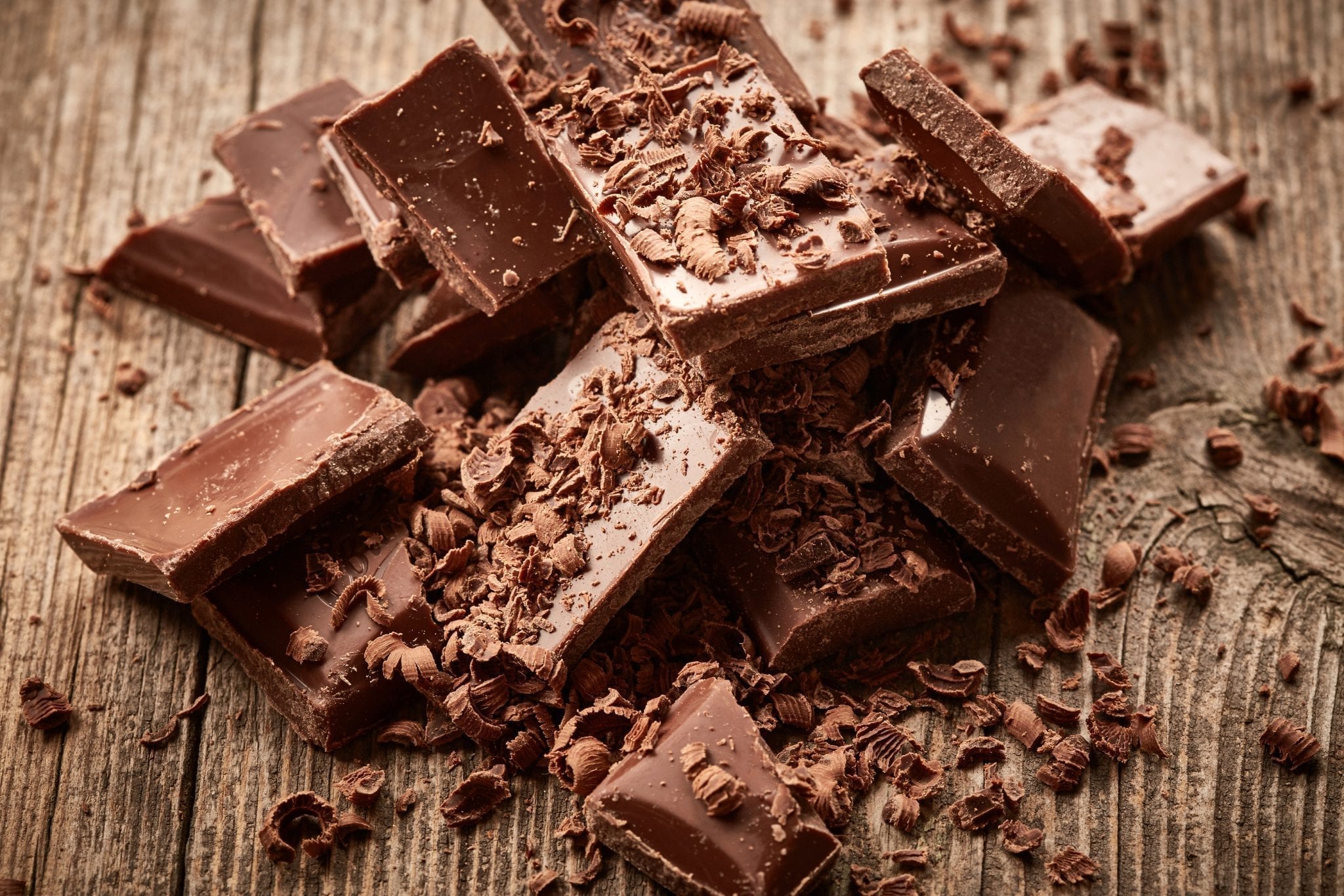
  • Russian chocolate, beer and baby food companies aim to conquer Asia

    Russian chocolate, beer and baby food companies aim to conquer Asia

    Every time Chinese President Xi Jinping visits Russia, he asks for some Russian ice cream. As a result of this craving, Russian President Vladimir Putin presented a whole box of ice cream to his Chinese counterpart at the G20 summit.

    Chinese tourists share their leader’s love for Russian ice cream so much that there are rumors that China is planning to build its own Russian ice cream factory. Consumers from across Asia are increasingly buying Russian food products thanks to a recent growth in exports from Russia.

    Chocolate

    Alyonka, Babaevsky and Rossyia chocolate bars, which are popular among tourists, are now being exported to Asia.

    “Alyonka is the most popular brand of chocolate that is being sold in China, but Babaevsky and Vdohnovenie chocolate bars are also becoming popular,” says Denis Usalev, marketing manager of Uniconf, which owns all three brands, and is the largest confectionery holding in Eastern Europe.

    He adds that sales of Alyonka grew six-fold year-over-year in China in 2015 and the company expects to see even more growth in 2016. Chinese consumers can buy Russian chocolate through ecommerce platforms as well as in local shops.

    Russian companies are also looking beyond China, and are obtaining Halal certification to compete in Muslim countries in Asia.

    Waffles and biscuits

    The Russian confectionary industry is developing new products specifically for the Asian market to cater to local tastes.

    “Korovka waffles with milk and chocolate fillings is our main driver of sales in China,” says Usalev. “Also around 50 per cent of Alenka biscuits are exported to China.”

    The Jubilee sugar cookies brand was launched in early 1913 and gradually became very popular in Russia. In 2007, Mondelēz International Inc acquired the brand and renamed it to belVita Breakfast. In 2015 belVita Breakfast biscuits were introduced in China and Indonesia . The company has become a global breakfast icon, with sales growing at about 20 per cent annually over the last few years.

    Healthy snack bars

    The organic food market segment has been growing rapidly for years. In 2015, Take a Bite was launched in Hong Kong, China and Singapore. The Russian company relied almost exclusively on retail sales in local super markets, but today buyers can purchase Take a Bite from the TMALL online store.

    Another Russian healthy food brand ECO botanica, which is owned by Uniconf, is also looking to tap into the Asian market.

    “Sales in China grew tenfold in the first nine months of this years,” says Usalev. Next month we will launch the ECO Botanica store on the Alibaba platform.”

    Baby food 

    The leader in the baby food market in Russia, Frutonyanya has also entered the Chinese food market.  “We’ve already received two 40-feet containers of Frutonyanya products and are now waiting for the third one,” says Artem Zhdanov, co-founder and marketing director of UChina, which is helping the Russian baby food company enter the Chinese market.

    “The first consignment went to our Chinese partners, distributers, trade platforms and a food exhibition to enhance brand recognition and to promote the brand name.”

    The company has more than 200 products including fruit drinks, jellies, desserts, fruit puree, milk and milkshakes. It will launch a separate line for pregnant women and breastfeeding mothers.

    Beer

    Baltika, a favorite of former U.S. Ambassador to Russia Michael McFaul, became the first Russian beer to be exported to Asia. It is now available in Vietnam and Malaysia.

    The Russian beer brewer, Ochakovo established licensed production in Japan in 2016. Since July 2016, the company has been supplying three types of canned beer. Ochakovo has also launched beer exports to China.