Tag: safe

  • Mideast Strife Spurs Safe Haven Flows: DBS Reports Investor Shift Amid Iran Conflict

    Mideast Strife Spurs Safe Haven Flows: DBS Reports Investor Shift Amid Iran Conflict

    As the conflict in the Middle East escalates, DBS, a Singapore-based bank, is observing a significant rise in safe haven flows, leading to an increase in deposit growth. However, this development could also lead to a downward trend in Singapore’s interest rates. Market volatility, while potentially beneficial for trading income, may adversely impact investor sentiment and activities in wealth management.

    DBS addressed the potential risks that could arise from the increased turbulence in the Middle East, asserting that it employs a robust system of frameworks and processes to monitor and manage potential risks. This system encompasses stringent customer selection, proactive risk scenario planning, early warning indicators, watchlisting, and regular stress testing.

    DBS reassured that despite the unpredictable outcome of the ongoing events in the Middle East, their robust liquidity, solid capital position, and comprehensive general allowance buffers, in combination with their proven adaptability, will allow them to effectively navigate the risks and seize potential opportunities.

    Questions & Answers

    What is the impact of the Middle East conflict on DBS?
    DBS is seeing an increase in safe haven flows leading to deposit growth. However, they also foresee potential downward pressure on Singapore’s interest rates and note that market volatility could affect wealth management activity and investor sentiment.

    What measures does DBS take to manage potential risks?
    DBS employs a comprehensive system that includes rigorous customer selection, proactive risk scenario planning supported by early warning indicators, watchlisting, and regular stress testing to monitor and manage potential risks.

    How is DBS positioned to handle the uncertain outcome of the Middle East conflict?
    DBS reassures that its robust liquidity, solid capital position, and substantial general allowance buffers, coupled with their proven agility, will place them in a strong position to navigate risks and capitalize on opportunities arising from the situation.
  • Save More and Enjoy Delicious Food with OpenRice and Mastercard

    Save More and Enjoy Delicious Food with OpenRice and Mastercard

    Hungry? Dreading that lunch queue? Busy Hong Kong foodies never have to worry about waiting in line for food ever again! Pre-order and collect takeaways straight away with special discounts from OpenRice app using Mastercard!

    From now until June 30, 2019, Mastercard cardholders who register for the OpenRice takeaway service cansave up to HK$50 through discounts while having the best food options in Hong Kong at the palm of their hands1!

    • Upon registration using an eligible Mastercard, a HK$20 instant discount can be enjoyed by OpenRice members in their first transaction in the preorder takeaway service when paying with Mastercard.
    • The successful registrants can enjoy HK$15 discounts in both their second and third transactions, with orders above HK$40 under their OpenRice accounts, when selecting their registered Mastercard as payment method.

    Hurry! Fill yourself up with your favorite food and beverages from all over Hong Kong via Mastercard!

  • Sears gets away from bankruptcy

    Sears gets away from bankruptcy

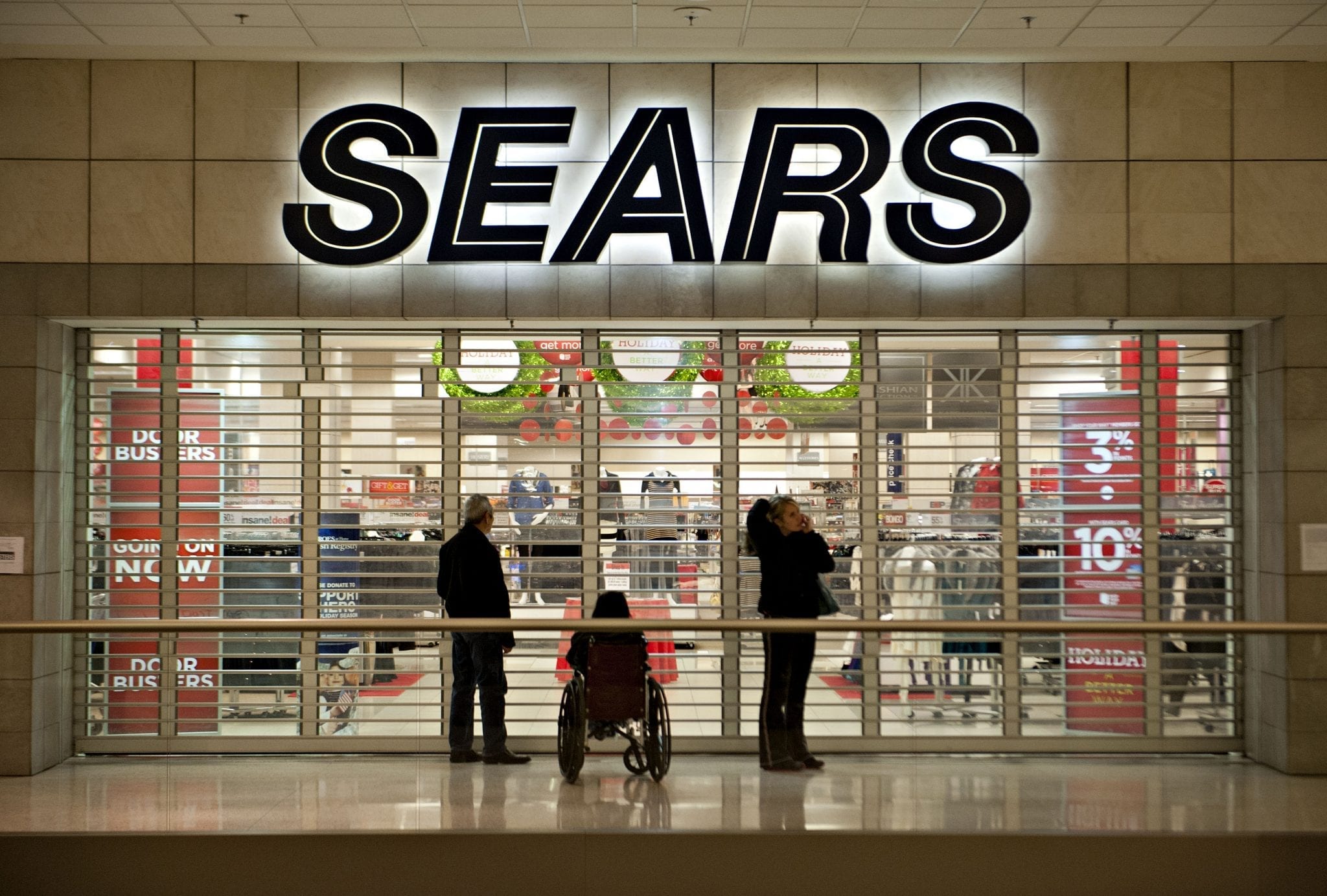
    Sears Holdings chair Edward Lampert’s US$5.2 billion bid to save 425 Sears and Kmart stores and roughly 45,000 jobs from liquidation was approved by a US bankruptcy court judge last week. Lampert’s bid, which he made through his hedge fund ESL Investments Inc., was approved by Judge Robert Drain after a hearing spanning several days in a White Plains, NY, federal bankruptcy court.

    Terms of the sale allow for some litigation to continue against Lampert and ESL.

    Drain said that Lampert, the only bidder offering to keep Sears alive, had been subjected to substantial verbal abuse during the proceedings, with critics characterising the Sears chairman’s plan a scheme to rob the company and its creditors of assets.

    “He is a wealthy individual and a big boy and I guess he can take it,” Drain said, adding that some of the abuse may have been justified.

    As CEO and chairman, Lampert’s time at Sears led to cost-cutting efforts that had resulted in a decline in sales, store closures, and inventory reductions.

    He arranged the US$11 billion merger between Sears and discounter Kmart in 2005 and tried for years to boost business.

    The company’s restructuring officer Mohsin Meghji and company directors Bill Transier and Alan Carr were among those questioned on the witness stand during the court hearing on Lampert’s offer.

    Lampert, who stepped down as CEO when the department store chain filed for bankruptcy in October last year, remained the retailer’s chairman, largest shareholder and creditor. A restructuring committee of independent directors negotiated with Lampert and his advisers.

    Lampert’s offer, which had been rejected more than once, came after the retailer had been pushed to the brink of liquidation multiple times. In the end, he increased his initial offer by $800 million, largely in the assumption of Sears’ bills for taxes and merchandise.

    As per a report, Drain grew impatient as the proceedings wore on Thursday, when a creditor’s committee lawyer argued an objection to the takeover bid.

    It added money owed to lawyers, bankers and other advisers working on the retailer’s bankruptcy case also proved contentious as Sears lacked enough money to meet all its obligations.

    The report added Lampert still remains exposed to lawsuits related to certain transactions he engaged in while leading Sears before filing for bankruptcy.

  • Most APAC consumers feel safe shopping online

    Most APAC consumers feel safe shopping online

    While online security remains a top consideration for Asia-Pacific consumers, it hasn’t stopped them from opening up their wallets.

    According to the latest Mastercard Online Shopping Survey, eight in 10 of consumers across the region who have shopped online last year intend to make at least one online purchase in the first half of 2017.

    Purchase intentions are strongest in emerging markets including China (97.3%), Vietnam (96.2%), India (92.9%), Malaysia (92.8%) and Thailand (87.1%).

    Findings from the study indicate that while one in two consumers in Asia Pacific feel secure shopping online, providing secure payment facilities (85.9%) remains the most critical to getting shoppers in the region to make such purchases, along with price (85.5%) and convenience (85.1%).

    This consideration resonates most strongly in Indonesia (95.3%), followed by the Philippines (92.2%), Taiwan (91.5%) and Malaysia (91.2%).

    In Asia Pacific, nine in 10 consumers have made an online purchase in the three months preceding the survey, led by those in South Korea (96.7%), India (95.8%), Japan (95.0%), Vietnam (92%) and China (91.8%).

    A majority of consumers in Asia Pacific (53.9%) feel secure when shopping online. This sentiment is felt especially in India (72.1%), Indonesia (66.4%), China (63.5%), Australia (62.2%) and New Zealand (59.8%).

    On the other hand, consumers in Vietnam (34.0%), South Korea (34.6%), Japan (36.6%) and Hong Kong (37.4%) are more wary of online shopping security.

    Indonesian consumers are the most satisfied with existing opportunities and facilities for online shopping (97.1%) in the region. Consumer satisfaction also rings strongly in India (94.3%) and Malaysia (92.6%).

    “The verdict is in – consumers across Asia Pacific want enhanced security and convenience when shopping online. Despite our research showing that the majority of consumers feel safe when shopping online, we cannot stop our relentless focus on developing solutions that address and erase underlying fears about the safety and security of payments across the board,” Mastercard SVP for Digital Payments and Labs, Asia-Pacific Ben Gilbey said.

    “We know the payment experience consumers are looking for, no matter where they choose to shop. As a result, we will not relent on our commitment to work with merchants and key industry players to design, develop and deploy e-commerce experiences that are fast, easy, seamless and safe. Some of these include digital wallets and biometric payments, which are also reimagining and redefining the shopping experience for consumers.”