Tag: Salad

  • Salady, the Korean Salad Chain, Makes Fresh and Flavorful Debut in the Philippines

    Salady, the Korean Salad Chain, Makes Fresh and Flavorful Debut in the Philippines

    Salady, a popular salad chain from Korea, has recently inaugurated its first outlet in the Philippines. This strategic move was made possible through a master franchise agreement with a local partner, Palette Passion Inc.

    Salady has opted for a franchise-led model, which permits a more streamlined and efficient expansion of their brand. Instead of directly entering new markets, this model enables Salady to license out its brand, facilitating faster growth and brand recognition.

    Signature Offerings

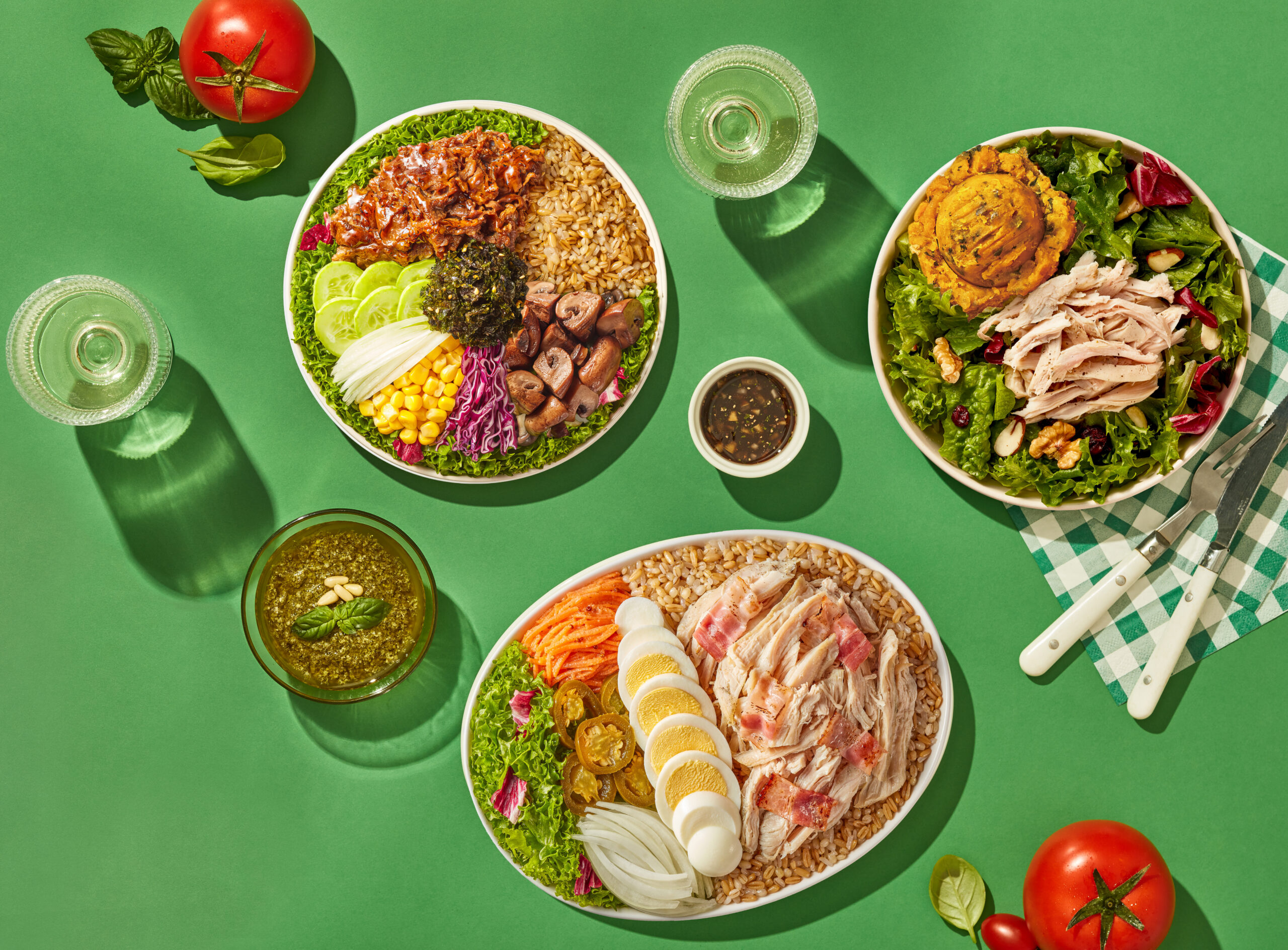
    Salady’s menu merges the comfort of Korean-inspired food with the health benefits of salads and wraps. Their signature dishes include the Bulgogi Bibim Grain Bowl, Bulgogi Soba Bowl, and a range of Mexican-style wraps.

    In addition to their pre-set menu, Salady also offers customers the opportunity to customize their own bowls and wraps. A wide assortment of meats, sauces, and vegetables are available for patrons to select and create their unique culinary masterpiece.

    Expansion into the Southeast Asian Market

    Oh Se-deok, the head of Salady’s international business division, expressed that venturing into the Philippine market was a logical progression for the brand’s expansion in Southeast Asia.

    He noted, “The wellness dining market in the Philippines is witnessing exponential growth, primarily driven by a young and dynamic consumer base.”

    Se-deok further added that through collaboration with their local partner, the company aims to introduce premium ingredients and distinctive Korean-style healthy dining options. This initiative is expected to organically infuse Korean’s healthy food culture into everyday life around the globe.

    Questions & Answers

    What is Salady’s strategy for global expansion?
    Salady employs a franchise-led model for global expansion, allowing local partners to license its brand for new outlets rather than directly opening new stores in foreign markets.

    What does Salady’s menu offer?
    Salady offers Korean-inspired comfort food in the form of salads and wraps. Their menu includes signature dishes like the Bulgogi Bibim Grain Bowl and Bulgogi Soba Bowl. They also provide an option for customers to custom-make their own bowls and wraps.

    What is the driving force behind Salady’s expansion into the Philippines?
    The rapidly growing wellness dining market, propelled by a young and dynamic consumer base, makes the Philippines an attractive destination for Salady’s expansion in Southeast Asia.
  • SaladStop! heading for Korea

    SaladStop! heading for Korea

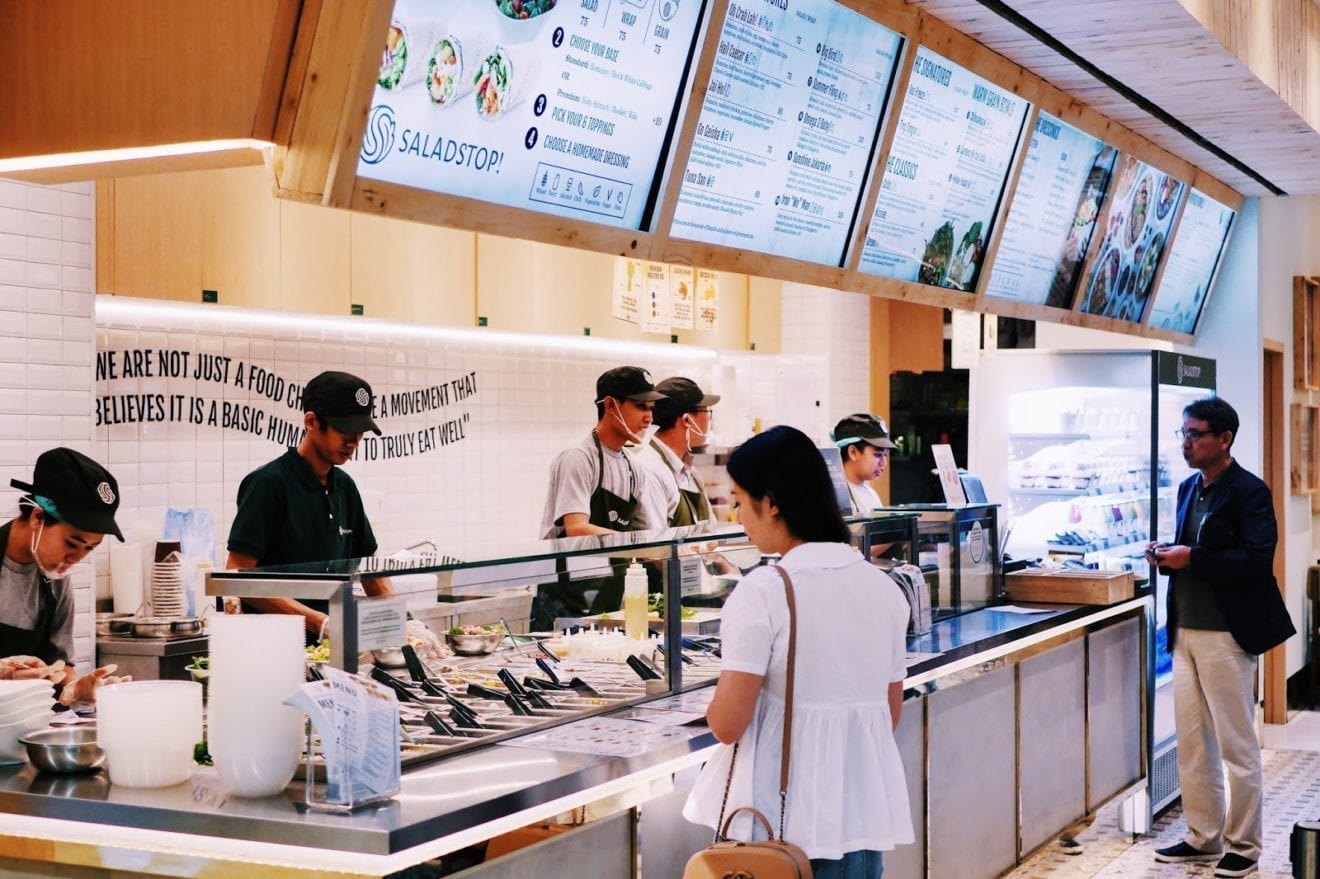
    Established eight years ago, Singapore food brand SaladStop! is about to launch into Korea.

    It opens in Seoul next month, about the same time as its first non-Asia location, in Barcelona. The brand has 19 outlets across Singapore, 12 in the Philippines, three in Jakarta and four in Tokyo.

    Co-founded by Adrien Desbaillets and his father Daniel, SaladStop! Is still a family affair. At 36, Adrienne is president while Daniel, 67, is director and chairman. Daniel’s sister Katherine handles marketing while her Paris-born husband Frantz Braha is business development manager, spearheading overseas franchising.

    The Desbaillets are Swiss citizens who put down roots in Singapore 22 years ago. Daniel was previously a hotel executive. When Adrien returned to Singapore after working in China for a hotel investment company, he planned a chain of nutrition-conscious quick-service restaurants.

    However, the says affordable, wholesome and nutritious were three options rarely found together in one meal, and he guessed that expats like himself were “craving a good salad”.

    Father and son opened their first store in Marina Square, working with corporate chef Tony Tan.

    All overseas locations have more or less the same core combos, but franchise holders modify them to suit local preferences.

    In Singapore, the next stage of growth is a mobile app.

  • SumoSalad joins Menulog network

    SumoSalad joins Menulog network

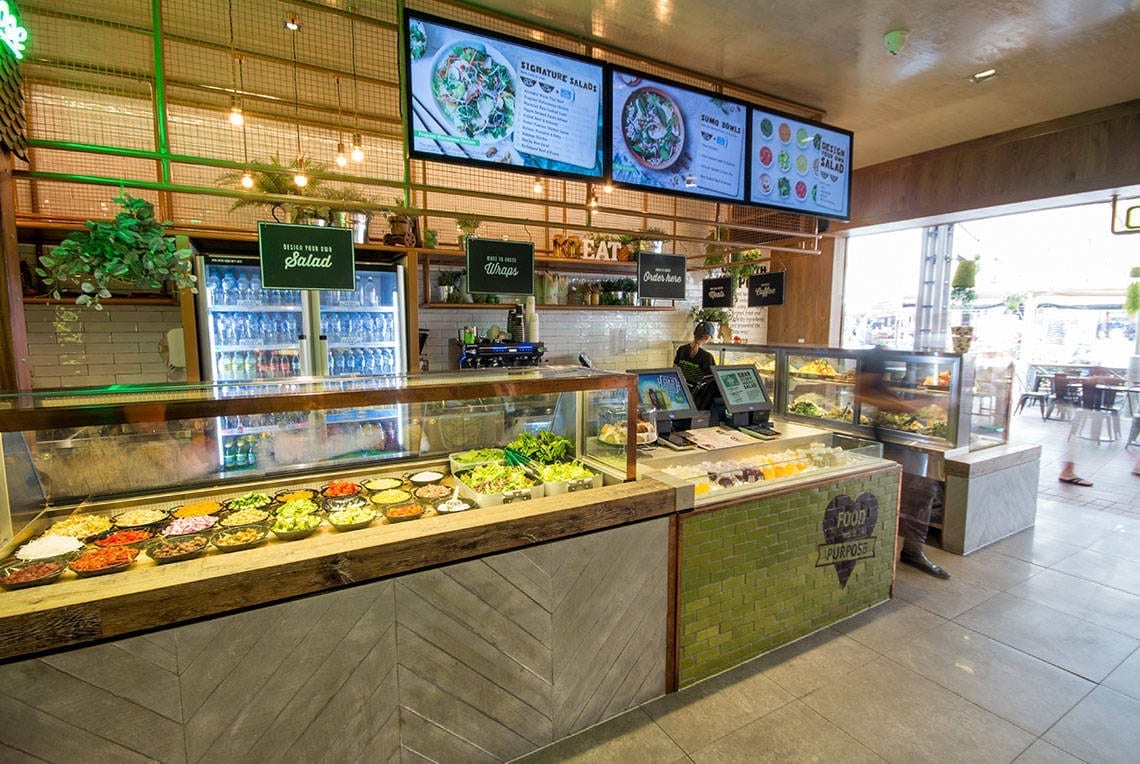
    Health fast food chain, SumoSalad, has partnered with online food platform, Menulog, to launch a delivery service in NSW and Victoria.

    Sumo Salad co-founder and CEO Luke Baylis said the partnership reflects a growing demand for healthier foods.

    “One of our major goals is to make better food choices more readily available. We want to take Australia off the podium of being one of the world’s fattest nations and encourage socially responsible private enterprise as a solution,” he said.

    SumoSalad pointed to research that found over two thirds of Australians are not meeting the recommended intake of vegetables, with ‘convenience’ attributed as one of the major factors.

    The health food chain joins Menulog’s network of over 9000 food companies across Australia.

    “We’re excited to start our partnership with stores in NSW and VIC, with the view to expand in coming months,” said Rory Murphy, commercial director, Menulog.

    According to McCrindle Research, four per cent of Australians bring lunch from home every day, leading the average employee to spend $18.52 on lunches, snacks and beverages during the workday every week.

    Research also shows that the workday is getting busier, with 28 per cent of the labour force eating lunch ‘al desko’, rather than sitting down with co-workers or leaving the office.

    QSR chains and food delivery companies alike have noted a rise in lunchtime orders, and some, spotting an underserved market, have expanded their offerings to include more convenient lunch options.

  • Bauhaus posts loss as margins squeezed

    Bauhaus posts loss as margins squeezed

    Fashion retailer Bauhaus has reported a net loss of HK$26.6 million for the first half year after sales tumbled in key markets.

    In Taiwan, where it has 95 stores and counters, stagnant retail sentiment and weak consumption presented great challenges, with same-store sales tumbling 18 per cent.

    In Mainland China, where the group has self-managed shops in Beijing, Shanghai, Guangzhou, Nanjing and Suzhou and a franchise network focusing on the second-tier cities, turnover dropped by 4.9 per cent to about $58.4 million and same store sales slipped two per cent.

    And in Hong Kong and Macau, same store sales declined by seven per cent in the first half year.The two territories account for about 73 per cent of the locally listed company’s sales through 90 stores, less than half its total network of 228.

    The group’s turnover is mostly from its major in-house labels like Salad, Tough and 80/20, and licensed brands including Superdry.

    Bauhaus opened seven new stores in  in Hong Kong and Macau in the six months to September 30 as it “continued to enrich its shop portfolio to be more attractive, efficient and competitive”.

    “However, retail performance in many sectors across the region deteriorated, possibly due to less spending from both inbound tourists and local citizens as a result of the growth slowdown in Mainland China, strong local currency and volatile finance markets. In addition, the operating costs in the region still remained high in general, particularly rentals, further cutting profit margin of the retailers.”

    Profit before tax in the two territories dropped by 57.2 per cent to about HK$24.1 million (compared with $56.3 million in the same period last year).

    Bauhaus said in its half yearly results filing that gross profit across the whole business decreased by about 11.1 per cent to $353.9 million, with gross margin declining by two percentage points to about 60.5 per cent.

    “Global economic performance was weaker than expected during the six months. The slowdown of growth in Mainland China together with the strengthening US dollar, which in turn resulted in a strong Hong Kong dollar against most Asian currencies, gradually had an obvious negative impact on inbound tourism and local retail consumption,” the company said.

    However, the group says its sales and results are greatly affected by seasonality, with the first half of the year traditionally less important than the second.