Retail News CRM

Tag: salary

  • UOB CEO Faces 20% Salary Slash as Bank’s Profits Plummet

    UOB CEO Faces 20% Salary Slash as Bank’s Profits Plummet

    The Chief Executive Officer of Singapore’s UOB, Wee Ee Cheong, experienced a decrease in his total remuneration in a year that also witnessed a fall in the company’s profit. This comes as per the bank’s annual report, which highlighted his reduced earnings.

    Details of the Remuneration Package

    The CEO’s total compensation in 2025 amounted to S$12 million (equivalent to $9.4 million), indicating a downward trend of 20 percent on a yearly basis. The components of this remuneration package include a base salary of S$1.4 million, bonuses totaling S$10.6 million, and additional benefits worth S$42,629. It is noteworthy that 60 percent of the variable pay will be deferred and vested over the ensuing three years.

    A Reflection of the Company’s Performance

    The decrease in the CEO’s pay goes hand in hand with UOB’s overall performance. The bank recorded a 23 percent slump in its net profit in 2025, ending the year with a total of S$4.7 billion. This decrease in profit has been reflected in the reduced pay packet of the bank’s top executive.

    Questions & Answers

    What was the total compensation of UOB’s CEO in 2025?
    The total compensation of UOB’s CEO in 2025 was S$12 million, which translates to $9.4 million.

    What components made up the CEO’s remuneration package?
    The CEO’s remuneration package was made up of a base salary of S$1.4 million, bonuses amounting to S$10.6 million, and benefits worth S$42,629.

    How did UOB’s performance in 2025 relate to the CEO’s pay?
    UOB’s performance in 2025, which saw a 23 percent decrease in net profit, was reflected in the CEO’s reduced pay.

  • UOB Defies Profit Dip to Bestow 6,000 Junior Staff with Surprise Half-Month Salary Bonus

    UOB Defies Profit Dip to Bestow 6,000 Junior Staff with Surprise Half-Month Salary Bonus

    Despite a dip in 2025 net profits, the United Overseas Bank (UOB) of Singapore plans to award approximately 6,000 junior staff members with a half-month base salary payout. This one-time payment aims to recognize their hard work and contributions amidst trying external circumstances.

    A Rewarding Gesture

    UOB intends to distribute these payouts in the second quarter of this year. The total sum of the payouts will amount to roughly S$4 million (US$3.16 million), as disclosed in the bank’s recently released earnings report.

    In the report, UOB also reaffirmed its dedication to uphold a competitive and equitable wage structure for all its employees.

    Financial Performance in 2025

    This generous gesture comes in spite of UOB’s net profit experiencing a 7% year-on-year decline in the fourth quarter, closing at S$1.41 billion. This decrease resulted from margin pressures counterbalancing loan growth.

    For the entire year, UOB’s net profit was recorded at S$4.7 billion, showing a decrease from S$6 billion in 2024. UOB identified the primary cause for this decline as the precautionary general allowances it had allocated in the third quarter, intended to fortify provision coverage in response to increasing macroeconomic uncertainties.

    A critical profitability indicator for the bank, its net interest margin, decreased to 1.89% in 2025, down from 2.03% in the previous year. Simultaneously, net interest income saw a 3% decline, amounting to S$9.36 billion.

    A Trend in Singaporean Banking

    UOB is not the only Singaporean bank showing appreciation for its employees in such a manner. Another prominent bank in the country, DBS, also declared a S$1,000 bonus for its numerous junior employees upon the disclosure of its 2025 earnings earlier this month.

    Questions & Answers

    What is the total amount UOB plans to distribute to its junior staff as a reward?
    UOB plans to distribute around S$4 million (US$3.16 million) among approximately 6,000 junior staff members.

    What caused UOB’s net profit to decrease in 2025?
    The decrease in UOB’s net profit for 2025 is largely attributed to the bank setting aside precautionary general allowances in the third quarter, aimed at bolstering provision coverage due to escalating macroeconomic uncertainties.

    Did other banks in Singapore also provide bonuses for their junior employees?
    Yes, DBS, another prominent bank in Singapore, also announced a S$1,000 bonus for its junior employees when it released its 2025 earnings.

  • Vietnam Leads In Projected Salary Growth In Southeast Asia, Says Global Study

    Vietnam Leads In Projected Salary Growth In Southeast Asia, Says Global Study

    Vietnam is projected to have the most significant salary increase among Southeast Asian countries in 2025, with an estimated growth rate of 7.7%, according to a recent study by a leading global professional services firm.

    Salary Increase and Turnover Study for Southeast Asia

    The study, which ran from July to September 2025, assessed salary alterations and staff turnover rates from over 700 businesses in Indonesia, Malaysia, the Philippines, Singapore, Thailand, and Vietnam. The research indicated that the anticipated salary hikes for Southeast Asia (SEA) are projected to be 5.3% for 2026.

    When examining salaries across various industries per country, the life sciences and medical devices sector is predicted to witness the highest increase in Singapore (4.6%), whereas technology is leading in Vietnam (7.1%) and Indonesia (5.9%). In Malaysia, the consulting, business, and community services sector takes the lead with an expected increase of 4.8%.

    Retaining Top Talent and Reducing Attrition

    Rahul Chawla, the partner and head of Talent Solutions for Southeast Asia at the professional services firm, highlighted the dual challenges organizations are currently grappling with. As companies across SEA ramp up their investments in technology and strategic ventures, they are increasingly concentrating on retaining their best and most skilled employees. According to Chawla, balancing escalating compensation costs with the necessity for agility is paramount. The most successful enterprises are utilizing real-time market data and total rewards strategies to stay competitive.

    The study found that employee attrition rates were in double digits across all countries in the region. The Philippines and Singapore are anticipated to have the highest turnover rates, at 20.0% and 19.3% respectively, followed by Malaysia at 18.2%.

    Attrition rates also differ across industries, with the consulting, business, and community services sector topping the list with a rate of 22.6%. This is followed by the retail sector at 21.6% and manufacturing at 17.5%. The research revealed that 42% of businesses report difficulties in hiring or keeping employees.

    Skills Gap Challenges

    The study also found that 63% of businesses are currently dealing with skills gap challenges, while 12% anticipate short-term gaps, and 16% foresee longer-term gaps. Roles in information technology, engineering, and sales remain the most difficult to fill, while new hire premiums range between 1.3 to 8.2%, which is lower than the previous year, indicating an increased focus on cost control.

    The most sought-after “hot jobs” include sales (24%), information technology (24%), artificial intelligence (AI)/machine learning (ML) (21%), cybersecurity (20%), and engineering (19%). This trend towards digital and risk-focused skills suggests that firms are emphasizing sustained compensation strategies to secure skills that are crucial for the future in an increasingly competitive market.

    Evon Lock, head of data solutions for Southeast Asia at the professional services firm, commented that despite the hiring and retention pressures, most organizations remain cautiously optimistic and plan to maintain or slightly increase their workforce.

    Questions & Answers

    What is the expected salary increase in Vietnam in 2025?
    The expected salary increase in Vietnam in 2025 is 7.7%.

    Which industry is projected to have the highest salary increase in Singapore?
    The life sciences and medical devices industry is expected to have the highest salary increase in Singapore.

    What are the most in-demand jobs according to the study?
    The most in-demand jobs are in sales, information technology, artificial intelligence/machine learning, cybersecurity, and engineering.
  • Starbucks Seeks Private Jet Pilot with Competitive Salary Reaching $360,000

    Starbucks Seeks Private Jet Pilot with Competitive Salary Reaching $360,000

    Starbucks is on the hunt for a private jet pilot, offering a staggering salary that can soar up to $360,300 annually, according to a recent report by Business Insider. This ambitious pay scale positions the coffee giant as one of the top employers in the aviation industry.

    The Seattle-based company is prepared to start the lucky captain at a minimum of $207,000—still higher than the average airline pilot’s salary of $280,000, as per the U.S. Bureau of Labor Statistics. But it’s not just about the paycheck; the role comes with a unique blend of responsibilities and perks that promise an exhilarating lifestyle.

    Experience and Qualifications Required

    Starbucks is seeking an experienced aviator with a total of 5,000 flight hours and at least five years of service in a corporate flight department. The ideal candidate will also need to pilot the latest Gulfstream private jets—a task that requires not only technical know-how but also a dash of flair.

    But the responsibilities extend beyond flying the plane. The captain is expected to act as a “Starbucks ambassador both at home and abroad,” showcasing the brand in the skies. Duties will include assisting passengers with their luggage, ensuring security away from the home base, and the flexibility for extensive travel—talk about a high-flying gig!

    The job description highlights collaboration with crew members, dispatch teams, and maintenance personnel, all while fulfilling the air transportation needs for Starbucks Aviation.

    CEO’s Unique Arrangement

    This aeronautical quest comes on the heels of Starbucks making headlines when they appointed Brian Niccol as CEO last year, allowing him to remain in California and commute 1,000 miles to Seattle. His offer letter referred to the use of Starbucks’ corporate aircraft for his travels, a perk that extends to personal trips valued at up to $250,000 annually.

    It seems that for Starbucks, the sky isn’t the limit; it’s just the beginning!

    Questions & Answers

    What qualifications does Starbucks require for the pilot position?
    Candidates need a minimum of 5,000 flight hours and five years of experience in a corporate flight department, along with the ability to operate the latest Gulfstream jets.

    What are the main responsibilities of the private jet pilot?
    The pilot will serve as a brand ambassador for Starbucks while assisting with passenger needs, ensuring security, and traveling extensively.

    How does the salary compare to industry standards?
    Starbucks is offering up to $360,300 annually for the position, which is significantly higher than the average airline pilot’s salary of $280,000.

  • Vietcombank Remittance named best remittance company in Vietnam

    Vietcombank Remittance named best remittance company in Vietnam

    Vietcombank Remittance was honored as “Remittance Company of the Year – Vietnam” for the third consecutive time by Asian Banking & Finance on Dec. 24.

    This achievement affirms the quality of services and the growth of Vietcombank Remittance, recognizing the company’s efforts and demonstrating its position in both the domestic and international remittance markets.

    Vietcombank Remittance is the only remittance company in Vietnam to organize the Client Conference for three consecutive years successfully. This year’s event featured participation from strategic partners in Taiwan, South Korea, the United States, and several other countries, highlighting the company’s role in fostering international cooperation and collaboration.

    The company consistently supports government agencies in developing policies to enhance remittance resources. Vietcombank Remittance actively participates in programs organized by the Overseas Vietnamese Committee of Ho Chi Minh City to promote collaboration among stakeholders and increase the efficiency of remittance flows. The company has also significantly contributed to Ho Chi Minh City People’s Committee’s project on “Optimizing the Effectiveness of Remittance Resources.”

    Vietcombank Remittance is committed to collaborating with the Ho Chi Minh City People’s Committee to implement specific initiatives such as supporting the improvement of policy mechanisms and facilitating convenient conditions for overseas Vietnamese to send money home. It collaborates closely with regulatory agencies to create clear legal frameworks and facilitate the use of technology in remittance operations.

    The company is leading initial efforts to establish the Vietnam Remittance Association to elevate the industry’s position on the international stage. This association is expected to serve as a bridge between the government, businesses, and the overseas Vietnamese community, ensuring policies are geared toward sustainable development.

  • Thailand’s average employee salary to grow 5% in 2025

    Thailand’s average employee salary to grow 5% in 2025

    Thai employees’ average salary is expected to rise by 5% in 2025, maintaining the same growth rate as this year, according to a recent survey.

    Key factors that affect salary hikes are performances of individuals and organizations, salary range and the organization’s competitiveness in the job market, the Total Remuneration Survey 2024 by professional services company Mercer shows.

    Some 91% of the organizations polled reported having short-term incentive plans such as bonuses, said the survey, which was cited by The Bangkok Post.

    The ratio of businesses offering long-term incentives (such as stock options) grew by 1.8 percentage points to 80.7% this year.

    The auto industry is expected to award its employees with the highest short-term incentives which accounts for 23% of total remuneration packages.

    The highest paying sector is the life sciences industry which compensates 20% more than the average for annual base salaries.

    “The average salary increase of 5% in 2025 reflects an ongoing commitment by Thai organisations to invest in their workforces,” said Thira Laulathaphol, career principal at Mercer’s Thailand, as reported by The Nation.

    “With 100% of surveyed companies planning salary increases, it is clear that Thailand has a competitive job market.”

  • Singaporean women earn 14.3% less than men

    Singaporean women earn 14.3% less than men

    The median income difference between women and men working in Singapore was 14.3% last year, down from 16.3% in 2018, according to the Ministry of Manpower’s study.

    Differences in occupation between men and women remained the key factor influencing the gender pay gap. Men are overrepresented in higher-paying occupations, according to a study examining the incomes of full-time employees aged 25 to 54, who are either Singaporean or permanent residents.

    Women often receive lower pay than men, even when they share the same job title, work in the same industry, and have similar age and education levels.

    In 2023, 75% of women were employed in professional, managerial, executive, and technician (PMET) roles, marking an 8.8 percentage point rise from 2018. Meanwhile, the proportion of men in PMET positions climbed by 6.3 percentage points, reaching 79.4% in 2023.

  • New graduates want monthly salary around 500$

    New graduates want monthly salary around 500$

    Almost half of the fresh university graduates expect a monthly salary of VND10-15 million ($435-650), but most employers are only willing to pay VND6-10 million, a survey has found.

    The survey by headhunting agency Adecco Vietnam said over 43 percent want a salary of more than VND10 million, and 31 percent want VND6-10 million, but only 27.5 percent of employers are willing to pay above VND10 million.

    Up to 88.5 percent of new employees regard to salary and remuneration as the top priority closely followed by training and development opportunities (87.7 percent) and then by promotion prospects (73.8 percent).

    Work-life balance and cultural fit are also highly valued (67.2 percent and 55.7 percent).

    Many employers said their main concerns when recruiting new graduates are lack of soft skills, unrealistic expectations and instability.

    Y Pham, chief growth officer at flexible pay startup Nano Technologies, said she has met many new graduates who start their first full-time job with too high expectations due to the lack of clarity about their career path.

    More than 56 percent of employers appreciate the new vision and initiative of fresh graduates, 54 percent appreciate their enthusiasm and 40 percent say new graduates help build a diverse workplace.

    Due to Covid-19, nearly 39 percent of enterprises have reduced recruitment demand, with nearly 19 percent cutting it by more than 50 percent.

    Over 59 percent of new graduates believe there are fewer job opportunities and 37 percent are worried about labor market instability.

    Adecco predicted that 62 percent of fresh graduates would seek new jobs in the next six months when recruitment demand would rise considerably.

  • Expats Pay Packages Fall in Singapore, Hong Kong

    Expats Pay Packages Fall in Singapore, Hong Kong

    Expat packages have taken a hit as a result of lower cost of benefits and a dip in salaries.

    The average pay package for a mid-level expatriate in Singapore fell by $7,284 a year, and now stands at $225,171 annually – the 17th highest in the world, ECA International said.

    However, cash salaries in the republic stand at the fifth-highest globally, and the city holds the title of the location offering the best quality of living, the global mobility specialist said in its annual MyExpatriate Market Pay report, published this week.

    Expatriate packages comprise three main components: the cash salary, benefits such as accommodation, international schools, utilities, or cars, and tax.

    While expats take home less, the latest rankings are expected to increase the country’s attractiveness to expatriates and companies looking to set up regional hubs in the country, given the cheaper cost of employing expatriate staff, Lee Quane, Regional Director – Asia at ECA International, said.

    Elsewhere, expatriate pay packages in rival regional financial hub Hong Kong dropped by over $5,000 over the last year, to a new average total of $279,399, despite an average salary increase of $265, largely due to falling accommodation costs.

    Globally, Japan was the most expensive location to send workers to, overtaking the United Kingdom, with the average expatriate package there costing $405,685.

  • Honda Two-Wheeler India Announces Voluntary Retirement Scheme For Employees

    Honda Two-Wheeler India Announces Voluntary Retirement Scheme For Employees

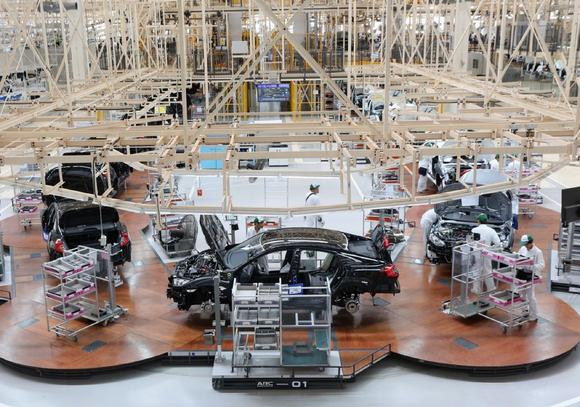
    Honda Motorcycle and Scooter India has initiated a voluntary retirement scheme (VRS) for the company’s permanent employees. The decision comes in the middle of challenging market conditions and a downturn in the Indian economy, although the automotive industry has seen somewhat of a bounceback after the challenges from the COVID-19 pandemic. The VRS will run from January 5 till January 23 this year and cover permanent employees, barring director-level officials. Permanent employees who have completed 10 years with the company as on January 31, 2021 or who are above 40 years of age can opt for the V ₹

    In a statement, HMSI said that the Indian auto industry is going through an exceptionally challenging phase from the past three years “considering the prolonged demand slowdown and overall economic fallout from the COVID-19 pandemic.”

    “The VRS scheme announcement for our associates is a part of Honda’s overall production realignment strategy across all 4 factories to improve our operational efficiency with the objective of ensuring long-term business sustainability,” HMSI said in a press statement.

    “As part of this strategy, the Voluntary Retirement Scheme (VRS) option for all eligible permanent associates. It gives a new opportunity to those associates who may wish to explore new dimensions in their life and empowers them with best among the industry financial and healthcare benefits, while helping the organisation improve its overall operational efficiency,” the statement added.

    Under the VRS, Senior Managers, Vice-Presidents and permanent workmen can get a maximum amount of ₹ 72 lakh. Managers can get ₹ 67 lakh, Deputy Manager , Assistant Manager, Senior Executive, Executive and Assistant Executive. The company is also offering ₹ 5 lakh extra for the first 400 employees who opt for the scheme.

    In December 2020, HMSI reported domestic sales of 2,42,046 units, just a 5 percent increase over the same month a year ago. Exports accounted for 20,981 units, with total December 2020 sales at 2,63,027 units. The October to December 2020 quarter stood out as the first quarter of the current financial year where Honda reported positive sales.

  • Most Vietnamese expect increased incomes

    Most Vietnamese expect increased incomes

    A recent survey by French market research firm Ipsos has found 61 percent of respondents expecting their earnings to improve in the next six months.

    However, the survey also found 15 percent fearing a further decline in their incomes during the same period.

    The impact of the second Covid-19 outbreak that started July 25 has been less severe than the first, the firm says in its report titled “Rebounding from Covid-19 in Vietnam” published Thursday.

    The survey found 79 percent of Vietnamese respondents reporting a decrease in income, down 11 percentage points compared to data collected by the company in May 2020. The rate of respondents seeing their incomes drop by half also dropped to 6 percent from the earlier 12 percent.

    The survey, conducted September 18-22, used online interviews to collect the opinions of 500 people. Participants were divided into three groups – low income: below VND7.5 million ($323.6) per month; average income: from VND7.5-23.5 million; and high income: above this level.

    Ngan Ly, Ipsos Country Manager in Vietnam, said with a margin of error of about 4 percent, the survey results could be representative of the general trend in the country. She said that Vietnamese were more optimistic than citizens of other countries in the region in terms of economic prospects and personal incomes.

    In the latest survey, only 1 percent said their income had increased, but when asked about the next six months, 61 percent expected improvements, with the high-income group reporting the best recoveries.

    Most of the 15 percent who worried that their income might slip further were unskilled labor.

    Many Vietnamese seem to remain optimistic about the future, but they were still concerned about the stability of their jobs. This prompted them to cut down their savings and investments in real estate, stocks, gold, loan and insurance schemes.

    Their spending on entertainment and similar activities reduced by 45 percent.

    Over 80 percent of respondents said they would be more careful when shopping, giving priority to essential needs like food and healthcare.

    The new lifestyle that have emerged from the social distancing period has been sustained, with consumers more willing to stay at home and maintain a healthy lifestyle. Over 60 percent confirmed that they were using more healthy foods, nutritional supplements and have reduced the frequency of alcohol and tobacco consumption.

    Shopping habits have also changed as people limit direct visits to markets and supermarkets and increased online shopping, the report said.

  • Beaurepaires identifies nine years of payment issues

    Beaurepaires identifies nine years of payment issues

    Beaurepaires Australia revealed this week that around 3700 current and former employees were underpaid or overpaid due to a payroll error stretching back to 2010.

    Back payments to the affected staff are expected to cost the business approximately $1.8 million.

    Beaurepaires identified the payroll error during a review of its system conducted with the assistance of independent experts to ensure it was consistent with the Vehicle, Manufacturing, Repair, Services and Retail Award 2010.

    The error specifically relates to overtime and annual loading for shift workers, and was caused by a failure to update the payment system following changes to the award.

    “Paying our associates accurately is one of the most fundamental responsibilities of our business,” Scott Bennett, Beaurepaires director of retail operations, said.

    “We know it is of critical importance to our people, and also to the integrity and trust that Beaurepaires stands for. We want to be very clear in stating that this failure is completely unacceptable, and we take full responsibility for addressing the issue as quickly and transparently as possible.”

    Bennett added that as soon as the team realised what had happened, its priority became understanding how the mistake occurred and what was owed, and ensuring that affected associates are correctly compensated.

    The service network is working with external experts so that staff can have confidence in the outcome, and to ensure the analysis is completed as quickly and accurately as possible.

    Beaurepaires is the latest in a string of retailers to identify payment issues in the last year, with Lush and Super Retail Group having set aside $2 million and $7.9 million respectively to repay employees.

    The onus of these issues has largely been put on the complicated nature of the Modern Awards.

    “The industrial relations system in Australia is incredibly complicated, and small-medium size and large size businesses actively deal with it every day,” Dominique Lamb, CEO of the National Retail Association, said.

    “It’s absolutely likely if a business has grown quite rapidly over a period of time and has not maintained and continued to review those systems and look at how they’re paying and how they’re processing pay, this could absolutely happen to them.

    “If you aren’t checking your payroll systems, this is definitely the time to make sure you’re definitely getting it right.”

  • Minimum wage increase Kicked off in April

    Minimum wage increase Kicked off in April

    The minimum wage increase announced by the government last December is set to kick in on April 1. Starting Monday, the adult minimum wage will rise from the current rate of $16.50 per hour to $17.70 per hour.

    This means that businesses that have adult employees earning less than $17.70 an hour are legally required to increase their wage rates.

    Businesses will need to advise the employee of this and record the change in writing, such as by drafting a ‘Variation Letter’ for the employee to sign.

    The industry association advises employers should keep a copy for their records in case of an audit by the Labour Inspectors.

    The minimum rates apply to all employees whether they work full-time, part-time or casually and whether they are paid a wage for time worked, a salary, partly or wholly on a commission basis, or for what they produce (piece rates).

    The minimum adult rate applies to any employee aged 16 years and over unless they are eligible for the ‘starting-out’ wage or the ‘training’ wage.

    There is no legal minimum rate for employees aged 15 years or younger.

    If a business has salaried employees, it will need to make sure the employees’total remuneration meets minimum wage requirements for each individual pay period, taking into account any overtime, meetings, or time spent opening and closing stores.

    While the new minimum wage will likely put pressure on other business costs, the association said there are a number of ways to combat this, and to incentivise employees other than simple pay increases.

  • GM Korea’s union has plan to get workers paid

    GM Korea’s union has plan to get workers paid

    GM Korea’s union is planning to request further government support for employees who took unpaid leave after the shutdown of the Gunsan manufacturing plant last year. The decision, outlined in a follow-up document detailing a GM Korea union meeting held on Jan. 22, could go back on the original arrangement with the company to share the cost burden of supporting employees who went on unpaid leave.

    Since GM Korea’s Gunsan plant closed last year, the government provided support for six months, until November, to hundreds of workers who took unpaid leave. The company and its union decided to each cover half of the support payments, or 1.125 million won ($1,000) for every worker, for 24 months after the end of the government support. According to the document, the union will work towards gaining further government support by recategorizing unpaid-leave workers as paid-leave workers.

    According to the Ministry of Employment and Labor, companies can apply for government support for workers on paid leave to partially cover their payment. If the company pays 70 percent of the pay for employees on paid leave, the government can provide around two-thirds the amount for up to 180 accounting days.

    The document said the change would require agreement from the company and approval from the Labor Ministry. GM Korea said it has paid what it owes to workers on unpaid leave. It declined to comment on the union’s plans. Korea Development Bank completed last month injection of $750 million into the struggling company.

  • Vietnamese banks report solid profits, employees hopeful of high bonuses

    Vietnamese banks report solid profits, employees hopeful of high bonuses

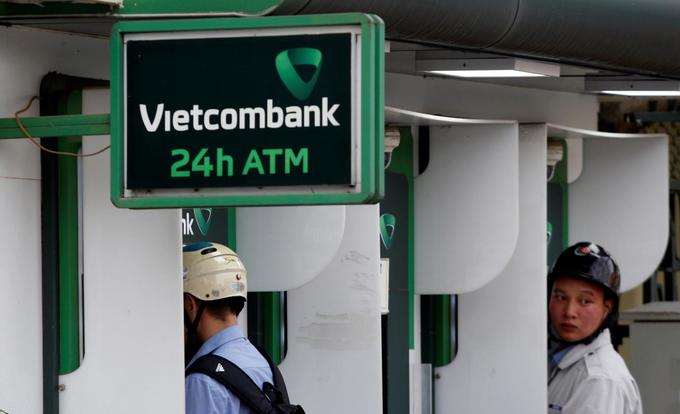
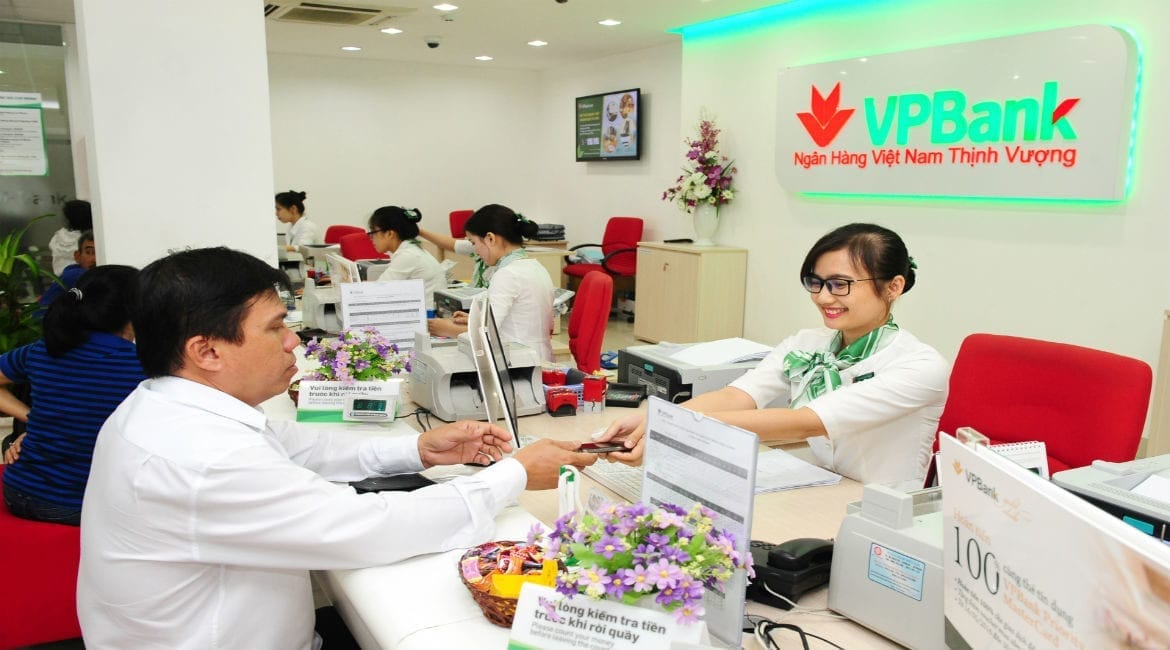
    With Vietnamese banks reporting substantial profits last year many of their employees are expecting higher Lunar New Year bonuses. The banking sector’s overall profit before tax increased by 40 percent year-on-year, according to the National Financial Supervisory Commission. Vietcombank, the largest bank by market capitalization, said in a recent report that its consolidated pre-tax profit was up 62 percent to VND18.3 trillion ($789.55 million).

    TPBank said pre-tax profit doubled to VND2.26 trillion ($97.5 million), exceeding its target of VND2.2 trillion ($94.93 million). The lender’s profit has almost quadrupled against 2015.

    Sacombank’s profit before tax of VND2.2 trillion ($94.93 million) was 20 percent higher than its target.

    Bank employees are thrilled by the performance ahead of Tet, Vietnam’s Lunar New Year, which falls on February 5 this year.

    Mai, a Sacombank worker who asked to be identified only by her given name, said: “Our bank’s profit is a few times that of 2017, so we hope to have a higher bonus.”

    Minh Nhat of Orient Commercial Bank, said his bank determines Tet bonuses based on the performance of each branch and individual. Last year his most productive colleagues had received a five-month bonus, while everyone got at least a month’s salary as bonus. He hopes this year it would be even higher.

    Le Minh Tan, director of the Ho Chi Minh City Department of Labor, Invalids and Social Affairs, told VnExpress that the highest Tet bonus this year is by a HCMC-based bank — VND1.17 billion ($50,493) for an employee.

    Companies plan to pay VND3.4 million ($147) on average, 30 percent higher than last year, he added.

    Three bank leaders said they are still calculating the rewards.

    “We calculate rewards using personal KPI (key performance indicator) and branch productivity, so the bonus will vary between individuals,” one CEO said, adding that some employees would receive a three- or four-month bonus or even higher, while some would get nothing.