Tag: sales growth

  • Chinese Holiday Spending Hits $79 Per Person, Boosting Retail Sales

    Chinese Holiday Spending Hits $79 Per Person, Boosting Retail Sales

    May Day Holiday Signals Mixed Results for Chinese Consumer Trends

    Chinese Consumer Confidence Tested Amid Growing Travel and Spending
    The recent May Day holiday has emerged as a significant indicator of consumer sentiment in China, showcasing a blend of heightened travel activity and modest spending. The five-day celebration, traditionally a peak time for family trips, witnessed a notable uptick in travel, while per capita expenditures lagged behind pre-pandemic levels.

    Surge in Travel Activity

    During the May Day holiday, approximately 10.9 million travelers moved in and out of the country, marking an impressive 28.7% increase compared to 2024. Among them, 1.1 million were international visitors, reflecting a robust 43.1% rise, according to the official Xinhua news agency. This resurgence in travel underscores a rebound in consumer patterns following previous years of restrictions.

    Modest Spending Growth

    Despite the surge in visitors, average spending per person over the holiday reached 574.1 yuan (approximately $79), a modest increase of 1.5%. This figure still trails behind 2019 levels, which recorded per capita spending at 603.4 yuan. This discrepancy highlights ongoing challenges facing consumer confidence in China amidst economic fluctuations and external pressures.

    Domestic Travel Trends Expand

    Data from China’s tourism ministry revealed 314 million domestic trips during the May holiday, signifying a 6.5% increase from the previous year. Notably, transactions through Weixin Pay, a prevalent payment platform, surged by over 10% year-on-year, especially in restaurant sectors, indicating strong consumer engagement in specific areas.

    Cinema Revenues Decline

    While travel and dining have seen positive trends, the cinema industry faced setbacks, with total box office receipts plummeting to 747 million yuan over the holiday – about half of what was generated in 2024. This decline raises questions about consumer interest in entertainment options during holiday periods.

    Easing Growth in Services Sector

    Recent surveys highlight a slowdown in the services sector’s new order growth, reflecting heightened uncertainty due to U.S. tariffs. The Caixin/S&P Global services purchasing managers’ index (PMI) dipped to 50.7 in April, down from 51.9 in March, indicating the lowest growth rate since September.

    Despite initial optimism fueled by government stimulus, China’s broader economic landscape remains fragile, grappling with deflationary risks. The services PMI, deemed a reliable indicator of the economic pulse among smaller firms, suggests a sharp decrease in new business growth, although modest recovery in export orders has been noted thanks to tourism.

    Implications for Future Consumer Behavior

    With around 48% of the workforce employed in the services sector, the potential impacts of U.S.-China trade tensions resonate deeply within an economy predominantly driven by domestic consumption. As challenges mount, experts suggest that restoring consumer confidence and enhancing spending strategies will be crucial in navigating the post-holiday period.

    Short-term measures such as consumption vouchers could invigorate domestic demand, while longer-term strategies focused on improving service quality and availability will be vital. Economic analysts stress the need to foster a positive consumer sentiment to unlock savings and stimulate growth in the retail sector.

    Potential Impact on the Retail Sector
    The mixed signals from the May Day holiday highlight crucial dynamics in China’s retail landscape. While travel and dining sectors display signs of resurgence, overall consumer spending trends indicate a cautious recovery. The retail sector’s adaptability will be tested as it navigates these evolving consumer behaviors in a challenging economic environment.

    Questions & Answers

    1. What was the increase in travel during the May Day holiday in China? Approximately 10.9 million travelers entered and exited the country, representing a 28.7% increase compared to last year.

    2. How much did per capita spending change during the holiday? Average spending per person rose by 1.5% to 574.1 yuan, but it remains below pre-pandemic levels from 2019.

    3. What sectors showed contrasting performance during this holiday? While sectors such as dining benefitted from increased spending, the cinema industry suffered a downturn, with ticket sales falling to about half of last year’s take.
  • Private Labels Fuel 8% Surge in Global FMCG Sales Growth

    Private Labels Fuel 8% Surge in Global FMCG Sales Growth

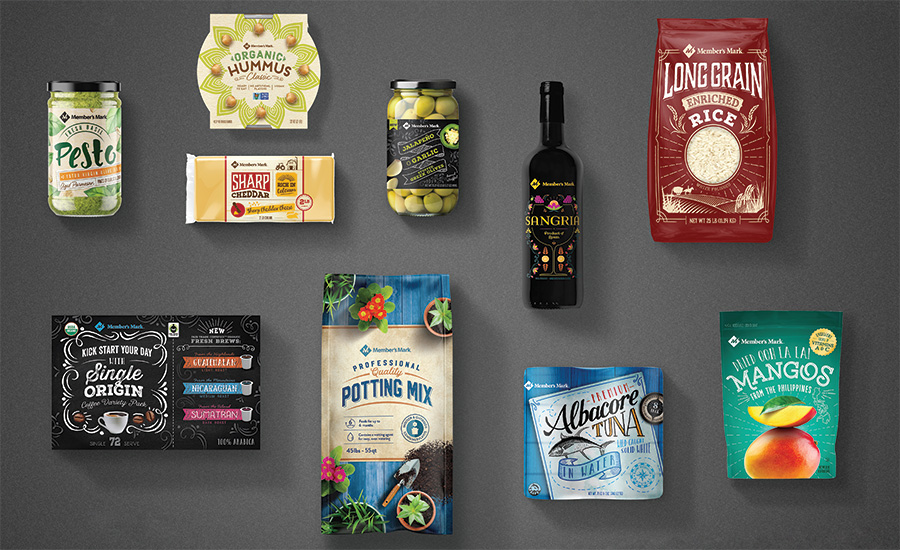
    In a notable shift within the retail landscape, private label products are becoming increasingly popular among consumers, contributing nearly 8% to global sales growth in the fast-moving consumer goods (FMCG) sector in the past year, according to recent insights from NIQ. With 53% of global shoppers indicating they are purchasing more private labels, retailers are reimagining these store brands as innovative alternatives to traditional national brands.

    Rising Demand for Private Labels
    The study reveals a striking 4.3% year-over-year increase in global private label sales, showing strong growth potential as these brands carve out significant share in the marketplace. Furthermore, projections from Technavio indicate a compound annual growth rate of 6.64% for private labels through 2028, signaling sustained consumer interest and brand expansion potential.

    Innovation Drives Brand Perception
    Retailers are shifting from viewing private labels as mere budget options to positioning them as premium offerings. This transformation is fueled by consumer demand for innovative products that prioritize wellness, sustainability, and convenience. Brands that can effectively adapt and showcase these qualities stand to benefit greatly.

    Omnichannel Strategy Becomes Essential
    To capitalize on the growing trend, retailers must enhance their omnichannel strategies. Today’s consumers expect private label products to match, if not exceed, the quality and presentation of established national brands. This means robust digital content is essential, with a focus on making private label offerings informative, discoverable, and visually appealing.

    The Importance of High-Quality Visuals
    Visual appeal plays a crucial role in influencing purchasing decisions. High-resolution images allow consumers to assess product quality and foster trust, simultaneously reducing return rates. With 87% of grocery shopping now conducted via mobile devices, optimizing visuals for smaller screens is increasingly important.

    Leveraging CGI for Consistency
    Computer-generated imagery (CGI) presents a scalable solution for retailers managing large portfolios of private label products. This technology enables consistent, high-quality product images, which is particularly beneficial for those frequently updating packaging or launching seasonal items.

    Detailed Information Enhances Discoverability
    Beyond visuals, providing comprehensive product details—such as dietary claims and allergen information—improves discoverability on e-commerce platforms. This is particularly vital for categories witnessing rapid growth, such as gluten-free foods or eco-friendly household items.

    Consistency Across Channels
    As consumers expect a seamless shopping experience, maintaining consistency in product naming, packaging visuals, and descriptions is critical. A cohesive presentation across online and offline channels not only fosters brand trust but also helps shoppers navigate their choices confidently and efficiently.

    Conclusion: Implications for the Retail Sector
    The rise of private labels reflects shifting consumer trends and heightened demand for value, quality, and innovation. As retailers adapt to this changing landscape, the focus on strong digital strategies and consistent branding will be pivotal in defining the future of the retail sector. This dynamic evolution will ultimately empower consumers, offering them more choices and enhancing their shopping experiences.

  • US-Vietnam Trade Talks Fuel Optimism for Retail Sales Growth

    US-Vietnam Trade Talks Fuel Optimism for Retail Sales Growth

    U.S. Trade Office Reports “Productive” Talks with Vietnam on Bilateral Trade Relations

    The U.S. trade office has announced a positive outcome from a recent virtual meeting with Vietnamese authorities, aimed at strengthening the bilateral trade relationship between the two countries.

    Key Discussions Between Trade Representatives

    U.S. Trade Representative Jamieson Greer engaged in dialogue with Vietnam’s Minister of Industry and Trade, Nguyen Hong Dien. This conversation stems from an earlier call between U.S. President Trump and General Secretary of the Communist Party of Vietnam, To Lam, on April 4.

    During the discussions, both parties recognized the necessity of facilitating reciprocal and balanced trade. They agreed to enhance market access and address unfair trade practices through ongoing technical discussions.

    Temporary Tariffs and Strong Commitment from Vietnam

    As negotiations progress, the Trump administration has decided to postpone imposing high retaliatory tariffs on several countries, including Vietnam, for an additional 90 days. Currently, a temporary tariff rate of 10% is in effect.

    Minister Dien reaffirmed Vietnam’s dedication to strengthening its Comprehensive Strategic Partnership with the U.S., emphasizing the country’s desire for economic relations that are balanced, stable, sustainable, and effective. He underscored the readiness of Vietnamese ministries to address concerns from the U.S. and work towards mutually beneficial solutions, guided by the principle of “harmonized benefits and shared risks.”

    Implications for Retail and Consumer Trends

    The outcome of these discussions could significantly influence the retail sector and consumer trends in both countries. As the dialogue progresses, potential tariff reductions may boost trade volumes, enhancing product availability for U.S. consumers and fostering brand expansion opportunities for businesses. The collaborative spirit between the U.S. and Vietnam may not only stabilize their trade relationship but also pave the way for future economic partnerships.

  • UBS Highlights Global Crisis as Potential Threat to Retail Sales Growth

    UBS Highlights Global Crisis as Potential Threat to Retail Sales Growth

    Swiss Banking Giant Highlights Potential for Global Crisis

    In its latest earnings report for the first quarter, UBS has underscored the growing uncertainties in the macroeconomic landscape, particularly as tensions escalate in the ongoing trade war. The bank has re-evaluated its economic scenarios, introducing a new global crisis scenario to better account for potential risks.

    Revised Economic Scenarios Reflect Rising Geopolitical Tensions

    UBS’s decision to modify its expected credit loss (ECL) models comes amid significant political and economic turbulence. “As of March 31, 2025, the geopolitical and macroeconomic environment appeared increasingly complex and uncertain,” the bank noted, emphasizing the potential impact of future tariff implementations by the U.S. government.

    With tariffs introduced in April 2025, UBS conducted its assessment based on prevailing uncertainties at the time of reporting, indicating a meticulous approach in navigating these challenges.

    New Risk Assessments Signal Caution

    The updated forecasts reflect a notable shift in UBS’s outlook. The bank has replaced its previous “stagflationary geopolitical crisis scenario” with a more broad-ranging “global crisis scenario,” now pegged at a 15% likelihood. This scenario accounts for risks such as sovereign defaults and potential strain in emerging markets, while also introducing a “mild stagflation crisis scenario” at a 30% probability.

    In contrast, the bank has scaled back the likelihood of stable economic conditions, reducing its baseline scenario to a 50% chance from 60% previously, highlighting a cautious stance as global conditions evolve.

    Ongoing Market Monitoring

    UBS is committed to closely tracking the ever-changing market landscape and has indicated that it may revisit these economic narratives and weightings in the second quarter of 2025 to ensure they remain relevant amid potential developments.

    Impact on Retail Sector and Consumer Trends

    UBS’s revised outlook is likely to reverberate through the retail sector, where businesses are already adapting to shifting consumer trends and economic pressures. As brands navigate this uncertain environment, an emphasis on monitoring consumer demand and adjusting strategies will be vital for sustaining growth and resilience in the face of potential economic challenges.

  • Millennials Drive Global Wealth Shift and Retail Sales Growth

    Millennials Drive Global Wealth Shift and Retail Sales Growth

    Multipolitan has released its inaugural Wealth Report for 2024, titled Navigating the Future of Wealth. This insightful report examines the profound changes in the global wealth landscape, primarily driven by a historic transfer of assets from Baby Boomers to younger, tech-savvy generations: Millennials and Gen Z.

    Wealth Transfer and Changing Investment Trends
    As we navigate an era marked by rapid geopolitical shifts and economic fluctuations, Millennials and Gen Z are reshaping financial paradigms. Their investment strategies reflect a diverse array of interests, leaning heavily towards alternative assets such as cryptocurrencies, gold, art, and more. With a strong transnational mindset, these younger generations are not only focused on maximizing financial returns but are increasingly merging wealth preservation with personal well-being. The report underscores the trend of prioritizing health and longevity as integral components of financial planning.

    Prioritizing Health in Wealth Management
    As the pace of life accelerates, an increasing number of high-net-worth individuals (HNWIs) are incorporating health initiatives into their wealth preservation strategies. The recognition that personal well-being is essential for sustaining both personal and financial legacies across generations is becoming more pronounced.

    Emerging Wealth Hubs: Opportunities Abound
    The report goes on to highlight the burgeoning role of artificial intelligence in wealth management. With technological advancements enhancing efficiency and precision, emerging wealth hubs like Malta and India’s GIFT City are presenting competitive alternatives to traditional financial centers. This shift introduces new opportunities and complexities within the global wealth ecosystem.

    A Unique Perspective: Blending Data with Insights
    Unlike many wealth reports bogged down by numbers and forecasts, Navigating the Future of Wealth 2024 offers a balanced mix of quantitative analysis and qualitative insights. It presents a holistic view of how wealth is evolving while pinpointing relevant trends impacting the financial future.

    Innovation on the Horizon: The Launch of a Super App
    Co-founded by entrepreneur Lee Smith and Nirbhay Handa, Multipolitan is also set to unveil an innovative super app aimed at redefining customer acquisition. This platform will facilitate seamless access to international mobility solutions for individuals and families, further expanding the brand’s market presence.

    Expert Insights from Industry Leaders
    The Wealth Report is enriched by contributions from 16 industry thought leaders, who delve into themes such as alternative investments, wealth preservation, and health. Key insights include:

    • Alexander Knight on whisky cask ownership as an emerging investment class.
    • Bernadette Rankine discussing the dynamic art markets of Asia.
    • Paul Rodenburg emphasizing the future of cryptocurrencies and their place in wealth management.

    These expert perspectives provide invaluable guidance for navigating the ever-evolving landscape of finance.

    The Future of Mobility: Redefining Wealth Locations
    The report identifies a crucial theme: the location choices of successful individuals. As global mobility becomes pivotal in a complex, multipolar world, affluent individuals increasingly seek alternative residences. Recent policy shifts, such as changes in taxation, have further motivated this trend among affluent individuals in Europe and the U.S.

    Global Mobility as a Fundamental Right
    Multipolitan’s advisory services encompass a wide range of migration options, affirming the company’s commitment to a world where modern life isn’t restricted by geography. Sandeep Jain, Senior Managing Partner, remarks on the importance of facilitating access to opportunities beyond borders.

    Conclusion: A Transformative Era for Retail and Consumers
    With the release of Navigating the Future of Wealth 2024, Multipolitan positions itself as a thought leader in the private wealth sector. The emphasis on mobility and alternative investments signifies a transformative era that could reshape retail strategies and consumer behaviors, making global opportunities more accessible than ever. As consumer trends evolve, the impact on the retail sector could be profound, pushing brands to adapt in response to the changing tides of wealth and mobility.

  • Malaysia projected 4.9% retail sales growth for 2018

    Malaysia projected 4.9% retail sales growth for 2018

    The Malaysia Retail Chain Association (MRCA), which expects retail sales growth to come in at 4.9% for 2018 in line with the country’s gross domestic product growth, has pointed out that some of its members face difficulties in retailing online amid the push for e-commerce.

    MRCA, in releasing its first quarterly retail sales survey for the third quarter (Q3) today, highlighted that online sales make up only 3.9% of its retail revenue.

    The sample of respondents for the survey include 10% of MRCA’s members, representing 59 brands and 2,266 stores across a variety of trade categories, including food & beverage (F&B), fashion, health & beauty, supermarket & department stores, entertainment, optical, education, home improvement and more.

    MRCA president Datuk Seri Garry Chua said the association constantly reminds members to bring their businesses online and be part of the digital ecosystem, adding that MRCA also has digital membership for players like Lazada, Lelong and 11street, which are all its members.

    “We can also work closely with them (digital players) to reinforce and increase the market share for online. We’re confident the (industry) sales from online retail is going to be double-digit growth every year as more brick and mortar retailers go online, as with many start-ups,” Chua said.

    MRCA vice-president Datuk Liew Bin said although all members have an online presence, most of its members rely on the brick and mortar model and “survive happily on brick and mortar”, whereby online sales is regarded as a bonus to them.

    “With so many years in brick and mortar, it’s difficult for our members to turn to online. This is one of the challenges that our retailers face because (the) online (wave) is coming on strongly. This should be an alert to our members, as 3.9% is still a small figure,” Liew said, adding that MRCA expects online sales to grow 5% next year.

    Individually, he said some retailers have seen a 20% growth in their online retail sales.

    MRCA projected retail sales growth to grow 6.1% year-on-year in Q4 this year as year-end school holidays and the festive season are expected to bolster consumer spending; while an increase in the number of outlets is also expected to boost sales growth.

    It said retail sales grew 5.7% year-on-year in Q3 with the tax holiday between June and August that had encouraged consumers to spend.

    In Q2, retail sales grew at a slower rate of 2.1% year-on-year, affected mainly by the general election in May, where consumers held back on spending due to economic uncertainty.

    Retail sales grew 5.7% year-on-year in Q1 due to Chinese New Year sales and promotions.

    F&B, health & beauty and other retailers reported encouraging growth rate of 5.4%, 3.1% and 21.3% year-on-year respectively. However, fashion retailers suffered a negative growth in Q2 and Q3 at -2.2% and -2.8% year-on-year respectively.

  • Singapore Retail Sales Growth Eases Less Than Expected In July

    Singapore Retail Sales Growth Eases Less Than Expected In July

    Retail sales rose 0.2 percent in August, slightly below analysts’ consensus estimate.

    “Along with a 0.3% m/m rise in core sales and an expected increase in restaurant sales, these components imply a 0.2% gain in total retail sales for August”.

    In August, spending at gasoline stations slid 1.8 percent in August. Excluding volatile autos and gasoline, sales advanced 0.3%.

    People “have chosen to spend some of their gas price windfall on services – leisure, recreation, travel, etc. – which aren’t included in the retail sales numbers”, he said in a client note.

    On a seasonally-adjusted basis, retail sales decreased 2.2 per cent in July over the previous month. Sales at clothing stores rose 0.4 percent.

    Consumer spending has picked up in recent months after a choppy showing early in the year – gains that some economists attribute to milder weather after a harsh winter and Americans’ growing belief that low pump prices will be around for a while. The hiring – 2.9 million additional jobs over the past 12 months – has translated into a surge of spending at auto dealers and restaurants. The USA economy has become increasingly reliant on consumer spending to maintain growth as Europe and China have struggled to expand at a faster pace.

    “Retail sales showed solid gains in August, despite financial market volatility and a deflationary pricing environment in retail”, said NRF Chief Economist Jack Kleinhenz in a blog posting.

    Consumers came back to life in the first two months of the third quarter after lying low in June, wrote IHS Global Insight Director of U.S. Consumer Economics Chris Christopher in a research note. Overall, however, the numbers suggest consumers have been upping their spending in the spring and summer as they begin to feel more confident about their circumstances. The strong labor market has also helped.

    The index for mining fell 0.6% in August, while the index for utilities rose 0.6%.

    “With the Fed eagerly awaiting a sign or signs the economy is strong enough to withstand a rising rate environment, the data suggests the Fed will continue to wait for some time”, Piegza said.

    Americans spent less on gas in August as prices fell and used some of the savings to buy new cars or go out to eat.

  • Newest progress technique to incorporate hiring older staff, constructing extra duty-free outlets

    Newest progress technique to incorporate hiring older staff, constructing extra duty-free outlets

    The federal government plans to triple the variety of duty-free outlets in native vacationer spots across the nation to 20,000 by 2020 to attempt to lure extra overseas vacationers. It’s going to additionally transfer up its 2020 aim of increasing farm and fishery exports to ¥1 trillion, authorities sources stated Wednesday.

    In a draft of the federal government’s progress technique to be formulated by the top of this month, the federal government additionally plans to assist organize visits for round 200 Japanese corporations to Silicon Valley in California over 5 years from subsequent April, to assist them procure funds and discover enterprise companions, the sources stated.

    Different plans embrace subsidies for corporations hiring skilled middle-aged staff as a strategy to increase private revenue and company productiveness and to make use of obtainable expertise, the sources stated.

    Measures may even be drafted by March 31, 2016, to show nonregular staff into common staff as a part of efforts to help feminine profession improvement.

    Stimulating progress is significant to the federal government purpose of pursuing nominal financial progress of greater than three %, wanted to realize its fiscal reform aim of turning its main stability right into a surplus by fiscal 2020.

    At Wednesday’s assembly of the Council on Financial and Fiscal Coverage, the federal government proposed decreasing the ratio of the first stability deficit to GDP to 1 % by fiscal 2018. The projection for the present yr is three.three %.

    “It is very important deal with financial and monetary reform speedily with out lacking an opportunity presently once we are making progress towards financial revival,” Prime Minister Shinzo Abe advised the assembly.

    GDP progress for the January-to-March quarter was just lately revised upward to an annualized actual three.9 %, from an initially estimated 2.four %, reflecting robust company spending.

    Beneath the coverage tips to be mirrored in compiling the fiscal 2016 price range, the federal government additionally proposed drawing up an financial and monetary revival plan for fiscal 2016 to 2020.

    To realize the aim of turning the first stability — the distinction between tax income and authorities spending on all the things besides curiosity on debt — right into a surplus, the federal government goals to extend income by way of financial progress, whereas curbing social safety spending.

    At Wednesday’s assembly, Abe instructed Well being, Labor and Welfare Minister Yasuhisa Shiozaki to hurry up efforts to evaluation social safety bills in such areas as medical service charges and pharmaceutical costs.

    Beneath the essential coverage of “no fiscal soundness with out financial revitalization,” the federal government stated it is going to reply swiftly if vital to make sure an appropriate setting for finishing the doubling of the consumption tax fee to 10 % in fiscal 2017.

    Japan’s fiscal well being is the worst amongst main developed economies, with public debt exceeding 200 % of nominal GDP, due primarily to swelling social safety prices for the getting older inhabitants.

  • China retail gross sales progress secure

    China retail gross sales progress secure

    China retail gross sales grew 10.1 per cent yr on yr in Might based on knowledge from the Nationwide Bureau of Statistics.

    Complete retail gross sales reached 2.42 trillion yuan, or US$396 billion, the bureau introduced.

    General for the primary 5 months of 2015 retail gross sales grew 10.four per cent.

    As in current months, retail gross sales progress in rural areas was stronger than in cities the place a maturity is turning into obvious.

    Gross sales in rural areas rose 11.6 per cent each in Might and within the January-Might interval, whereas metropolis progress was 9.9 per cent for the month and 10.2 per cent for the 5 months.

  • Cities stunt China retail gross sales progress

    Cities stunt China retail gross sales progress

    China retail gross sales progress is strongest in rural areas, with city space progress persevering with to say no.

    China’s Nationwide Bureau of Statistics introduced Wednesday that retail gross sales general grew 10 per cent in April, year-on-year, to 2.24 trillion yuan, or US$366 billion.

    The official determine dissatisfied economists who had been forecasting a 10.5 per cent rise. Progress measured within the first 4 months of the calendar yr was 10.four per cent.

    A lot of the injury seems to be being accomplished in city areas.

    Yr-on-year progress in rural areas was 11.four per cent in April and 11.5 per cent for the 4 months.

    However in city China, April progress was simply 9.eight per cent, and 10.2 per cent for the complete yr up to now.

    Different financial indicators, nevertheless, have been solely barely extra encouraging. Industrial output rose 5.9 per cent in April, in contrast with 5.6 per cent in March. Economists had projected six per cent.

    Fastened asset funding grew 12 per cent over the primary 4 months, under predictions of 13.5 per cent.