Tag: salvatore ferragamo

  • Some luxury brands thriving in Korea despite pandemic

    Some luxury brands thriving in Korea despite pandemic

    Expensive luxury brands are racking up strong sales in South Korea, despite the coronavirus outbreak.

    Consumers, denied overseas travel, have resorted to spending on luxury goods instead, gaining popularity among the MZ Generation (millennials and Generation Z) in particular.

    The Financial Supervisory Service reported that Christian Dior Couture Korea Co, the South Korean branch of French luxury brand Christian Dior, generated operating profits of 104.7 billion won (US$93.6 million) last year, 2.4 times more than the previous year.

    The company reported 328.5 billion won in sales and 77.7 billion won in net income, up by 75.8 percent and 253.4 percent, respectively.

    Moncler Korea, the operator of the puffer jacket brand Moncler, generated 31.7 billion won in operating profits and 23.1 billion won in net income last year, up by 57.4 percent and 59 percent from the previous year.

    The Ministry of Trade, Industry, and Energy reported that last year’s luxury sales at major department stores jumped by more than 15 percent from the previous year.

    Out of all products sold at department stores, only products from famous foreign brands and household goods saw a rise in sales.

    There are other high-end brands, however, that failed to demonstrate better performance.

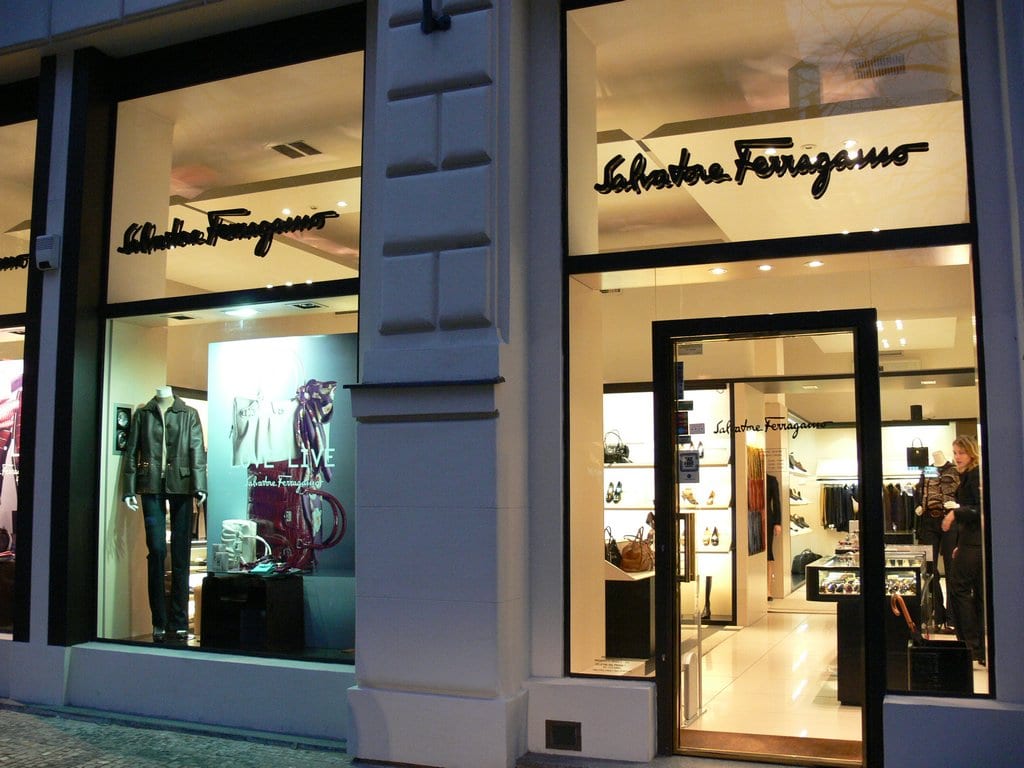
    Ferragamo Korea, the South Korean branch for the luxury shoes brand Salvatore Ferragamo, reported 4.5 billion won in operating profits last year, a drop of more than 50 percent from the previous year.

    The company generated 105.6 billion won in sales and 3.5 billion won in net income, dropping by 29.7 percent and 56.9 percent.

  • Ferragamo CEO announced

    Ferragamo CEO announced

    Salvatore Ferragamo has officially found its new chief executive officer.

    The luxury Italian brand’s CEO and general manager, Micaela Le Divelec Lemmi, will relinquish her dual title to take on the sole position of CEO in November.

    The general manager position will be made obsolete, as reported by the Italian press.

    After joining Ferragamo from Gucci in April, where Le Divelec Lemmi was chief financial officer, the executive was named Ferragamo’s CEO in July, a role taken ad interim by group president Ferruccio Ferragamo, following the departure of Eraldo Poletto in March.

    Ferragamo looks to lift dwindling sales across the globe with Le Divelec Lemmi, who has 20-plus years experience in luxury, namely at Gucci.

    For the first-half 2018, the company said revenues were down 3.4% currency-neutral or 6.2% on a reported basis to €674 million, lower than the €685 million that analysts had predicted.

    Retail sales fell 5.2% and wholesale revenues were down 7.6%.

    By region, Asia Pacific revenues fell 5.5%, lead by China down 1%, while Hong Kong sales rose 32% currency-neutral.

    Overall, net profit dropped 23.1% to €59 million.

  • Salvatore Ferragamo wins US$60 million payout over counterfeit product

    Salvatore Ferragamo wins US$60 million payout over counterfeit product

    A New York court has confirmed an injunction against 60 unidentified holders of illegal online profiles and the transfer to Salvatore Ferragamo of about 150 domains that were infringing upon the luxury brand’s rights.

    The websites were selling counterfeit Salvatore Ferragamo products, and the court ruling acknowledged the substantial damage this had caused for the luxury Italian brand, ordering US$60 million in compensation.

    Also comprising exemplary damages, the ruling was the highest ever awarded for this type of violation, says Salvatore Ferragamo Group chairman Ferruccio Ferragamo.

    “The internet is the prime channel for traffickers of counterfeit goods and so is the focus of our monitoring and control efforts. In recent years, our group has implemented a series of anti-counterfeiting measures, both on- and off-line, to protect our customers and the value of our brand.”

    These measures last year enabled the group to have more than 35,000 items and illegal profiles removed from major social networks, as well as the interception, blocking and deletion of nearly 69,000 counterfeit products from online auctions.

    Furthermore, the group constantly monitors offline markets through court and out-of-court activities, focusing its efforts on China. About 62,000 counterfeit products were seized in China last year, out of the more than 268,000 counterfeit products seized around the world.

  • Ferragamo and Versace watches to innovate

    Ferragamo and Versace watches to innovate

    It is no secret that retailers, distributors and manufacturers need to find new ways to meet consumers’ changing expectations in the luxury and fashion markets.

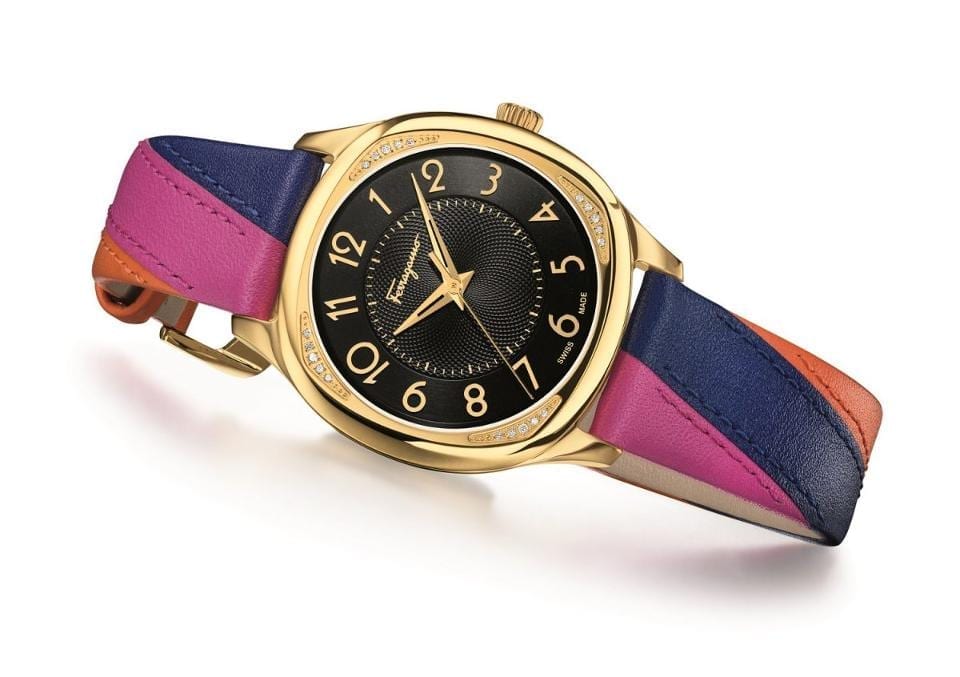
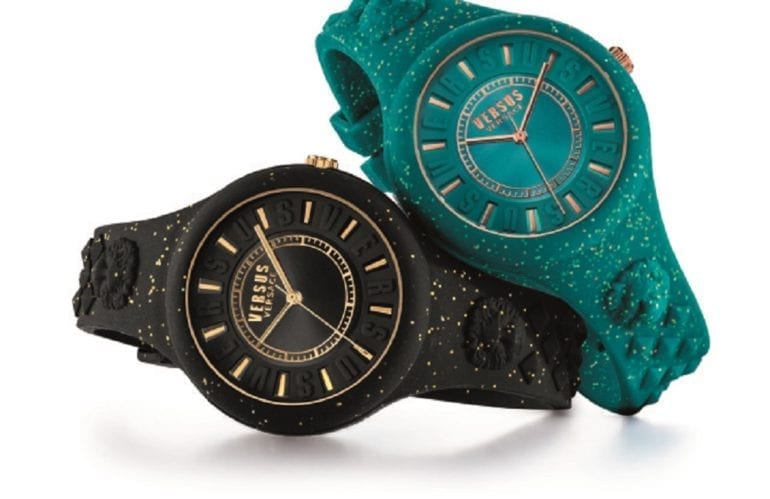
    These changes in consumer behavior led Paolo Marai, president and CEO of the Timex Group Luxury Division, which manages the timepiece business for Salvatore Ferragamo, Versace and Versus Versace, to appoint the MadaLuxe Group as its U.S. and Caribbean distributor.

    This new arrangement was actually announced in January 2017 but the two companies have spent almost a year formulating a strategy before truly making the partnership known in November 2017. It is a multi-tiered approach that ultimately focuses on the in-store experience for consumers.

    “We started in January 2017, but we really wanted to have a kind of honeymoon period and develop an understanding of the way we need to work and the way we need to develop and that is why we decided not to make it a big event in the very beginning. Let’s work a few months together and get a really strong team,” Marai said in a recent interview.

    The companies have spent this year hiring people in management roles experienced in both the fashion and the Swiss watch industry, including people who used to work with Fossil, Burberry, Tom Ford and Tag Heuer.

    They are working on sales training, product pricing, inventory management at the store level, in-store displays and after-sales service that are all uniform in the experience they provide. It’s not an easy task as the watch brands are sold in department stores, independent specialty stores and in branded boutiques. So relationship building is vital for this effort to be successful.

    “This year has been a transition year but we are seeing very positive signs that 2018 will be a strong year. First of all because we have a bunch of new products coming that we feel good about; and second, we organized ourselves to have this smooth transition not to disrupt the market,” he said. “I feel that 99% of the time we are absolutely aligned at what needs to be done.”

    MadaLuxe Group is a 30-year-old family-owned business that is one of the largest distributors of luxury fashion and accessories. It designs, produces, buys, sells, markets and distributes apparel, accessories and home goods from well-known luxury and contemporary brands. This is the company’s first time in the watch business, which is one reason why it has been on a hiring spree looking for talent. However, this is a company well-experienced in providing solutions for luxury fashion brands with a distribution network of about 300 retail stores in the U.S.

    The company, which has seven divisions, was co-founded by the mother and son team of Sandy Sholl, CEO, and Adam Freede, president. They created the luxury segment of their business seven years ago and see it as a growth business because of younger consumers who are well-educated and curious when it comes to luxury.

    “We just believe many more Americans understand what luxury is,” Sholl said during the same interview with Marai. “In the past they may have been intimidated to walk into a luxury store but now they are a lot more knowledgeable. We penetrated the luxury market very aggressively and spent a lot of time with all types of luxury lifestyle products.”

    Freede added, “We see the American market as a very big growth area in all categories, not just timepieces, because of the quality and craftsmanship of heritage brands. These timepieces go right into what we believe are major trends in the U.S.”

    Marai said MadaLuxe has long-term relationships with department stores. He believes MadaLuxe will increase their presence of Ferragamo and Versace watches, ensure the sales staff is well trained and properly manage the inventory.

    “We needed a partner who knows luxury and who has a distribution-enhanced approach with department stores. They know the heads when going from one department store to another. This helps a lot. We chose someone with tremendous luxury experience and with a very open-minded approach.”

    Marai is also happy that MadaLuxe has created a division just for the management of the Ferragamo and Versace watch business.

    “There is a complete new team dedicated to watches, which is something that makes us feel good,” he said. “We really hired a bunch of people who are expert in the watch category.”

    Marai, a native of Milan, has seen first-hand the changes in the fashion and luxury watch businesses since he began to lead the Timex Group Luxury Division in 2005, headquartered nearby in Lugano, Switzerland.

    “It is a new type of consumer that wants to buy in a different way and we have to learn how to process this new consumer,” he said. “It’s not just about new products because new products mean nothing if you don’t have the entire marketing story around it. I’m not even talking about marketing as it has been done in the past. It is a completely different story right now.

    “What is happening is that when people are entering a store they don’t want to buy a product. They want to have an experience, which involves the quality of service and the way you display your story inside the store,” Marai continued. “There is a lot of history behind a brand and there’s a new generation of people who want to know more about it in order to feel that they’re not just buying a product. Instead, they want to buy something that pertains to their world.”

    Much of the strategy is dealing with how young people digest fashion today and what appeals to them. Some fashion brands, such as Versace, have an identity based on its enormous popularity in the 1990s. When asked if young people still identify with this esthetic, Sholl said that in her experience Versace is as relevant today as it ever was and she points to her Versace watch as an example.

    “Versace is the most recognized and the most popular brand. It’s actually astounding how good Versace does in general as a brand,” she said. “When you look at this watch I would buy this as jewelry. It’s more than just a timepiece. It’s just a great fashion statement.”

    Marai pointed to Milan Fashion week, where Versace was the highlight with its tribute to its founder, Gianni Versace, who was tragically killed 20 years ago. For the runway show, the fashion house brought back supermodels of the ’90s: Cindy Crawford, Naomi Campbell, Claudia Schiffer, Carla Bruni and Helena Christensen. But Marai also noted that the show was a statement about the future of the brand.

    “The strength of the brand is not from a position of the past. It must show that it has a capacity of what it says for the future generations. Definitely, Versace as a brand is showing they are really turning the page. The last show they did in Milano was in honor of Gianni. But it also was statement that said, ‘You did it, now it’s time to move forward.’ It was a very important message.”
  • Salvatore Ferragamo revamps its website in Europe and China

    Salvatore Ferragamo revamps its website in Europe and China

    Florentine luxury label Salvatore Ferragamo is busy deploying its new, revamped www.ferragamo.com website.

    After being first introduced in the USA and Canada, the new-look site, featuring fresh design and content, is now also available in Italy, the rest of Europe and China.

    “We wanted to blend the contemporary style of the Ferragamo world today with its brand’s unique heritage,” said Eraldo Poletto, the Ferragamo group’s CEO.

    The website will go live in the rest of Asia, in Australia and Latin America in 2018.

    Once fully deployed, it will be active in 28 countries, making it possible to buy and pay for the label’s products in 13 different currencies.

    The new site hosts all of Ferragamo’s collections: menswear, womenswear, accessories, handbags and footwear.

    The site’s omni-channel functionalities allow direct access to products available in-store, with the possibility of ordering online and picking up the items at the customer’s preferred store.

    The site is mobile and tablet-friendly and also features a news section with up-to-date information on the label’s initiatives and its history.

    As of the end of September 2017, the Ferragamo group employed about 4,000 people and, through its parent company and its US and Asian subsidiaries, it operated a network of 687 monobrand stores worldwide.

  • Sales plunge for Salvatore Ferragamo

    Sales plunge for Salvatore Ferragamo

    Asia Pacific, particularly China, was best dressed for Italian luxury brand Salvatore Ferragamo as it foundered overall in negative territory for the nine months to the end of September.

    Asia Pacific was its top market, with revenues growing by 2.8 per cent (3.5 per cent at constant exchange rates), despite softness in South Korea through significantly reduced tourism from China, and ongoing negative performance in Hong Kong.

    Meanwhile, says its consolidated interim report, China recorded 8.1 per cent retail grown (15.5 per cent at constant exchange rates) for the period, while there was a 6.7 per cent (4 per cent) drop in the Japanese market.

    Ferragamo says a strategic rationalisation of its wholesale channel saw revenues drop 0.8 per cent to €1 billion (US$1.1 billion), while overall retail revenue rose 1.2 per cent. The wholesale channel was also penalised by political tensions in South Korea and a strategic rationalisation in Japan.

    Its gross operating profit (EBITDA) fell by 25.1 per cent to €162 million, and its net profit by 28.3 per cent to €79 million.

    Footwear sales were down by 1.2 per cent, and handbags and leather accessories by 0.6 per cent, while fragrance sales were up 3.2 per cent.

    At the end of September, the group’s retail network comprised 687 points of sales including 407 directly run stores and 280 third-party outlets in the wholesale and travel retail channel, as well as its presence in department stores and multi-brand specialty stores.

    With a positive net financial position of  €100 million compared to debt of €18 million at the same time last year, Ferragamo says the current year is a transition period for the group which will see the introduction of strategic initiatives.

  • Mixed half-year for Salvatore Ferragamo Group

    Mixed half-year for Salvatore Ferragamo Group

    While retail revenue rose, net profit fell 15.4 per cent for Italian luxury goods company Salvatore Ferragamo Group for its first half to the end of June.

    Retail revenue was up 4.7 per cent, offset by a 4.7 per cent drop in wholesale revenue because of destocking activity.

    Revenues reached €718 million (US$848 million), up 1.1 per cent year on year, yielding a net profit of €76 million compared to €90 million for the same period last year. Revenue growth at constant exchange rates was 0.1 per cent.

    Led by China, Asia Pacific was the group’s top market in terms of revenues, increasing by 6.1 per cent (4 per cent at constant exchange rates), despite a soft trend in South Korea mainly because of a significant drop in the number of Chinese tourists, and a still negative performance in Hong Kong in particular.

    China’s retail revenues grew 12.2 per cent (15.5 per cent at constant exchange rates) for the half-year.

    In Japan, the company’s sales fell 3.4 per cent (3.5 per cent at constant exchange rates) because of a strategic rationalisation of the wholesale channel. Retail stores had a positive performance.

  • Salvatore Ferragamo Japan re-opens flagship

    Salvatore Ferragamo Japan re-opens flagship

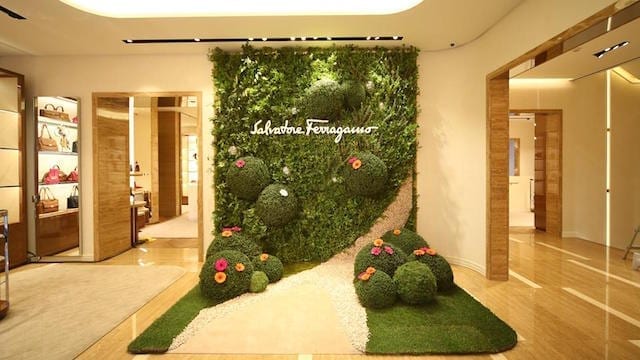
    Italian luxury house Salvatore Ferragamo Japan has re-opened its wholly renovated and extended Tokyo flagship store, at Chuo-dori, Ginza.

    Salvatore Ferragamo Japan - Ginza 1

    Covering 600 sqm, the new store is now Salvatore Ferragamo’s largest in Japan. Extending over three floors, it carries the label’s full range of men’s and women’s collections: ready-to-wear apparel, handbags, footwear, leather goods, silk accessories, eyewear, fragrances, watches and jewellery.

    Salvatore Ferragamo Japan - Ginza 3


    Each floor comprises interconnected rooms creating a domestic feel. They are furnished with a blend of Italian design classics and references to period design from the 1930s to the 1950s. The decor is an Italian-style showcase, from Gio Ponti furniture to period Venetian glass vases, from sofas and chairs from Italy to handmade rugs, together with Venetian stucco and travertine marble. LED illumination highlights the products on display.

  • DLF Brands quits luxury sector

    DLF Brands quits luxury sector

    India’s DLF Brands, which runs high-street fashion brands mall Emporio in Delhi, is quitting the luxury business.

    It has just shut down two of the seven stores of US fashion brand DKNY after parting ways earlier with such brands such as Giorgio Armani, Mango, Salvatore Ferragamo and Sephora.

    “We don’t have any plans to open more DKNY stores,” says DLG Brands MD Timmy Sarna. “And we don’t want to be in the high-fashion business. It’s difficult to scale up that business because there aren’t too many locations in the country where you can sell luxury.”

    Instead, DLF Brands, the retail arm of real-estate company DLF, wants to focus on mass brands. “We have profitable businesses in Kiko, Mothercare and Sunglass Hut,” says Sarna.

    DLF Brands has bought the franchise rights of UK-based Mothercare for 15 years, and plans to launch smaller stores, even in community-based markets, selling value-added products.

    “From 109 stores at present, we want to increase the number to 300. A major part of production is happening here now, so prices will eventually come down,” Sarna says. “Apart from this, our other brands such as Sunglass Hut, Claire’s and make-up brand Kiko are doing extremely well and are profitable.”

    DLF Brands started its exit from the luxury market in 2012, quitting its joint ventures with Ferragamo and Giorgio Armani. In 2014, it shut down stores of Italian menswear brand Boggi Milano, then last year parted with LVMH’s make-up and skincare brand Sephora, which was taken over by Arvind Lifestyle Brands.

    “You can either be in the fashion business or in the mass-brand business. You cannot have your finger in too many pies,” says Sarna.

  • Paris label BA&SH eyes Asia expansion

    Paris label BA&SH eyes Asia expansion

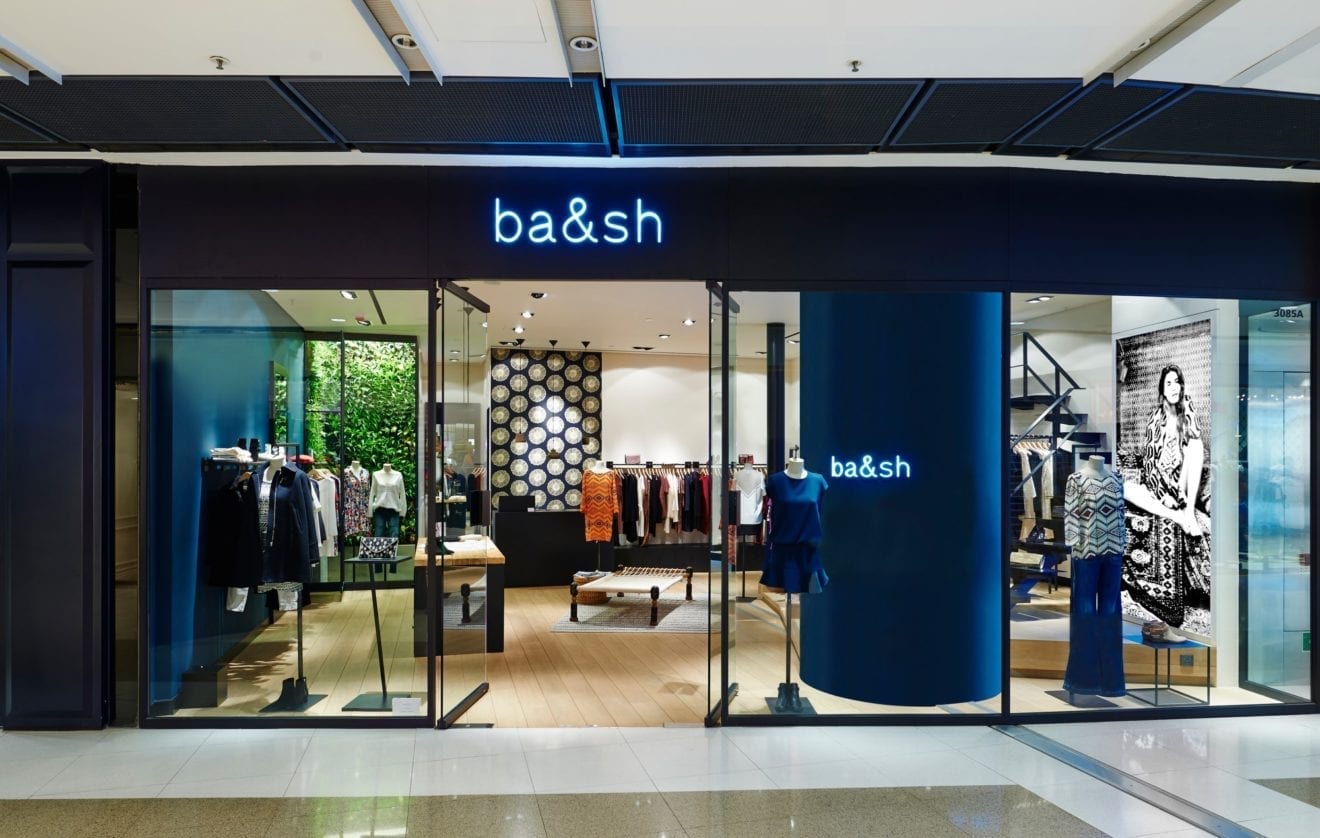
    Parisian fashion house BA&SH has partnered with Hong Kong retail and brand management company ImagineX Group to strengthen its presence in Asia.

    BA&SH has hopes of accelerating its expansion in Hong Kong, Macau, Singapore, Taiwan and China. The label opened its first Asian store at Hong Kong’s IFC Mall in September 2014 and with ImagineX now plans 30 more openings in the region, including a second Hong Kong outlet early next year.

    “Hong Kong customers have taken to our style and our collections,” say designers Barbara Boccara and Sharon Krief. “We are very happy to share our vision of fashion and femininity.”

    Associate general directors Dan Arrouas and Pierre-Arnaud Grenade say the new partnership marks an important and supplementary stage in the company’s development strategy following its establishment in the Middle East and the US.

    They say the ImagineX Group’s expertise in fashion retail and marketing will help BA&SH expand rapidly and contribute to its globalisation.

    ImagineX Group president Alice Wong says the label’s Parisian flair, combined with its unique positioning and price point, make it appealing to Asian customers.

    Childhood friends, Boccara and Krief established BA&SH in 2003 to offer contemporary fashion in the affordable luxury sector. With 91 stores last year, the brand aims to reach 130 stores this year.

    Founded in 1992, ImagineX Group introduced luxury brands such as Cartier, Gucci, Prada and Salvatore Ferragamo to China more than 20 years ago. It represents more than 18 international brands including DKNY, Marc Jacobs and Paul Smith. The portfolio also includes such lifestyle and beauty brands as Apivita, Aveda and Natura Bisse.

  • Coach Tmall flagship abandoned

    Coach Tmall flagship abandoned

    The official Coach Tmall flagship shop has been abandoned.

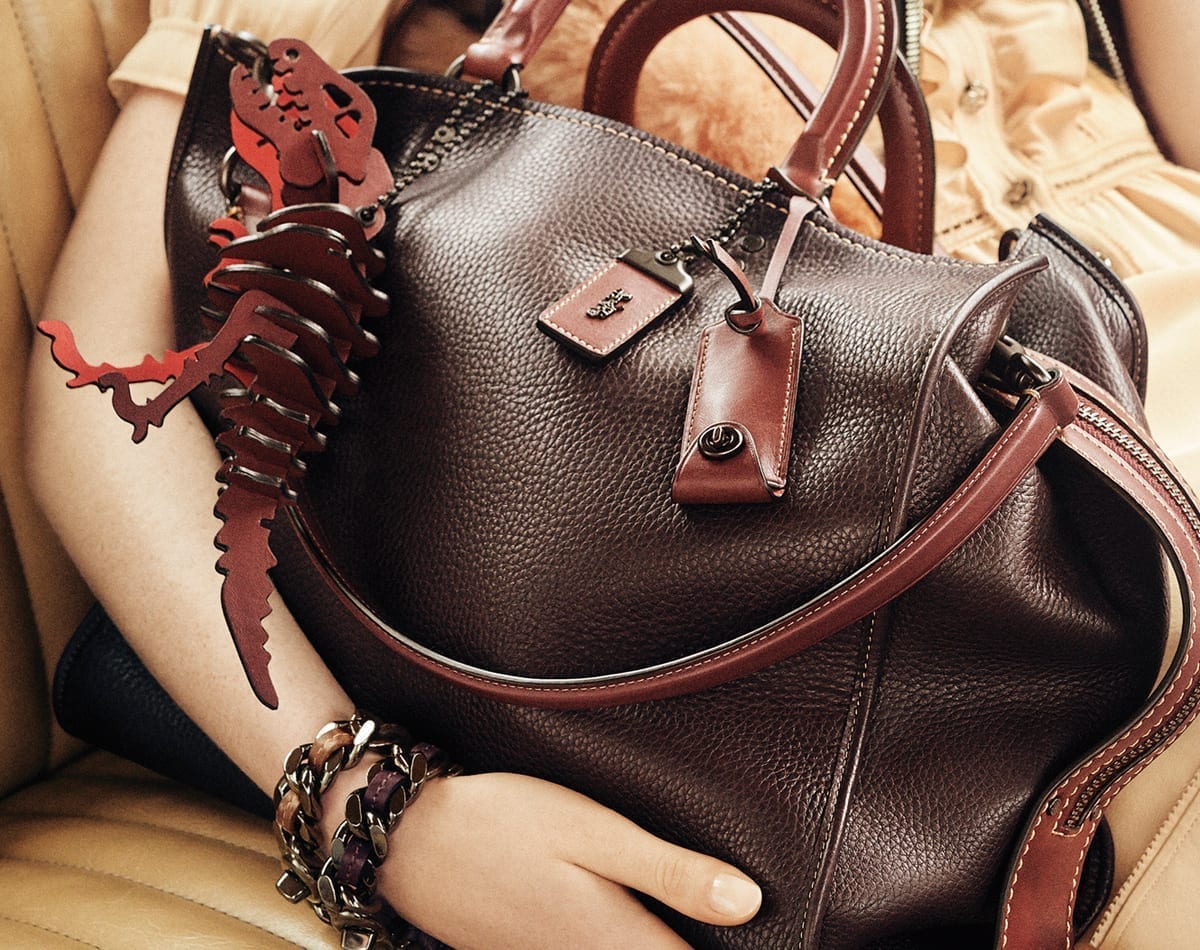
    Luxury bag brand Coach Inc says it will replace its shop on Alibaba Group Holding’s business-to-consumer sales site by selling directly through its own website and on its WeChat account, the social-media app run by Alibaba rival Tencent Holdings. Coach has offered coupons and launched a media campaign on WeChat.

    A Coach spokeswoman says the company wants to consolidate resources and will continue to look for innovative ways to leverage digital and social platforms.

    Alibaba says Coach products are still available on TMall from other merchants.

    Selling shoes, purses and accessories, Coach was one of the first US luxury brands to launch an official store on the TMall. It started with a temporary pop-up store from December 2011 to January 2012, opening a full store in 2015.

    Early this month, nearly a dozen trade groups wrote to Alibaba complaining that it was not doing enough to combat counterfeits. And the loss of Coach comes as Alibaba faces added scrutiny from a US trade agency as to whether it should be added to a list of marketplaces that are known for selling counterfeits.
    Alibaba’s Taobao consumer-to-consumer marketplace was on the list years ago, but was removed in 2012.

    Meanwhile, LVMH Moët Hennessy Louis Vuitton SE’s Guerlain has just opened a flagship store on TMall, and MakeUp Forever and Sephora, two other brands under the LVMH umbrella, also have TMall stores. Also, the cosmetics unit of Salvatore Ferragamo will launch its store later this month.

  • Furla Stays Focused on China Expansion While Luxury Scales Back

    Furla Stays Focused on China Expansion While Luxury Scales Back

    If there’s one clear example of “accessible luxury” making strides in China’s retail industry, it’s Furla. The Italian fashion house has been in the midst of a rapid evolution, going from being known globally as a playful, youthful handbag brand to capturing China’s growing middle class with a new lifestyle-centric range of products. They’re doing something right—Furla, which recently announced it will go public in 2017, posted a 126 percent global sales increase in the past five years up to 2015, the highest since its founding in 1927. Sales were up 30 percent at 339 million euros and net profit was up 41 percent last year from 2014. China sales grew 75 percent in the same five-year period, and outgoing CEO Eraldo Poletto, who will be leaving in June for Ferragamo, says he expects China to soon become Furla’s main market.

    To capitalize on this opportunity, Furla has major plans for China in 2016. Currently, there are 44 Furla boutiques in 18 cities in China, including two new flagship openings in Hong Kong and Macau last year, but the focus for the next couple of years is expansion in “fast-developing” first- and second-tier cities in the mainland, such as Chengdu, Hangzhou, Chongqing, Shenyang, and Tianjin. Of particular note, the company is preparing to reveal its flagship store in Shanghai CITIC Square this month. Creating an e-commerce platform in China is another huge priority for the company before the year ends.

    Still, Poletto says Furla is keeping in mind the need to remain exclusive in order to remain appealing to their customer in China. Tighter household budgets may be making affordable luxury more appealing to middle-class consumers, but according Poletto, the key to Furla’s success is more complicated than the brand’s price point.

    “The definition of luxury is not to be expensive, but to be unique,” he says. “Over-expansion violates this rule, this is why many brands currently are facing difficulties and have to downsize their boutique quantity.”

    Furla’s impressive performance for 2015 was also driven by the company’s new product categories, and it’s their delivery of these as part of an Italian lifestyle brand that helps them “be successful and outstanding in the worldwide downturn,” Poletto says. This year, Furla introduced a menswear collection and women’s shoes, and continued its eyewear collaboration with De Rigo. Furla is also now partnering with Ratti for textiles, and Morellato for watches, as part of a well-rounded lifestyle selection with the modern Chinese consumer in mind that “brings Furla to a new era.”

    “The Chinese customer will always be our first priority in all global projects,” Poletto says. “We consider China to be the biggest market in the next five years, so what we’re doing now is finding an easier and more comfortable way for the Chinese customer to experience the typical Italian lifestyle, which is one of the most high-quality ways of life.”

    A screenshot of Furla's global online game for customizing a Metropolis bag.

    A screenshot of Furla’s global online game for customizing a Metropolis bag.

    Furla is also catering to the Chinese consumers’ interest in acquiring bespoke goods. It will soon be offering a made-to-order service at Shanghai CITIC Square, where customers can design their “exclusive Furla dream bag.” Already, Furla fans around the world can choose from a colorfully designed selection of leather covers to dress up their bag in tune with their personality, but now, in China, customers can also customize the stitching, edges, hardware, and custom tags on the Metropolis or the IT BAG Artesia—still at accessible price points, although this varies depending on the materials. In keeping with their Italy-focused philosophy, Chinese consumers get their bags in 12 weeks—they’re made in Italy, after all.

  • Salvatore Ferragamo confident despite China woes

    Salvatore Ferragamo confident despite China woes

    Italian luxury goods brand Salvatore Ferragamo is confident it can weather the impact of falling sales in China, Hong Kong and Macau.

    The company has admitted to slowing growth in Asia, its largest market, but says it will stick to its previous profit guidance and is confident activities in other markets can balance the impact. That guidance is an EBITDA or about euro 320 million – 27 million more than it achieved in 2014.

    In the first half of this year, Asia-Pacific, the brand’s largest market, was the only one where it posted a sales decline, expressed in constant exchange rates. Most of the damage was done in Hong Kong and Macau where the downturn in luxury spending has been well documented.

    In China, most of Salvatore Ferragamo’s peers are reporting challenging conditions, revising their overall expectations based on slowing luxury and discretionary spending there.

    But Salvatore Ferragamo CEO Michele Norsa told journalists at the Milan Fashion Week: “We’ve been giving a very constant and consistent indication regarding this year.”

    However, the company said it would be reviewing prices in markets where the local currency was under pressure. While he did not name China, he did cite Russia and Brazil as examples.

  • ‘First’ high-end luxury concession for Kunming

    ‘First’ high-end luxury concession for Kunming

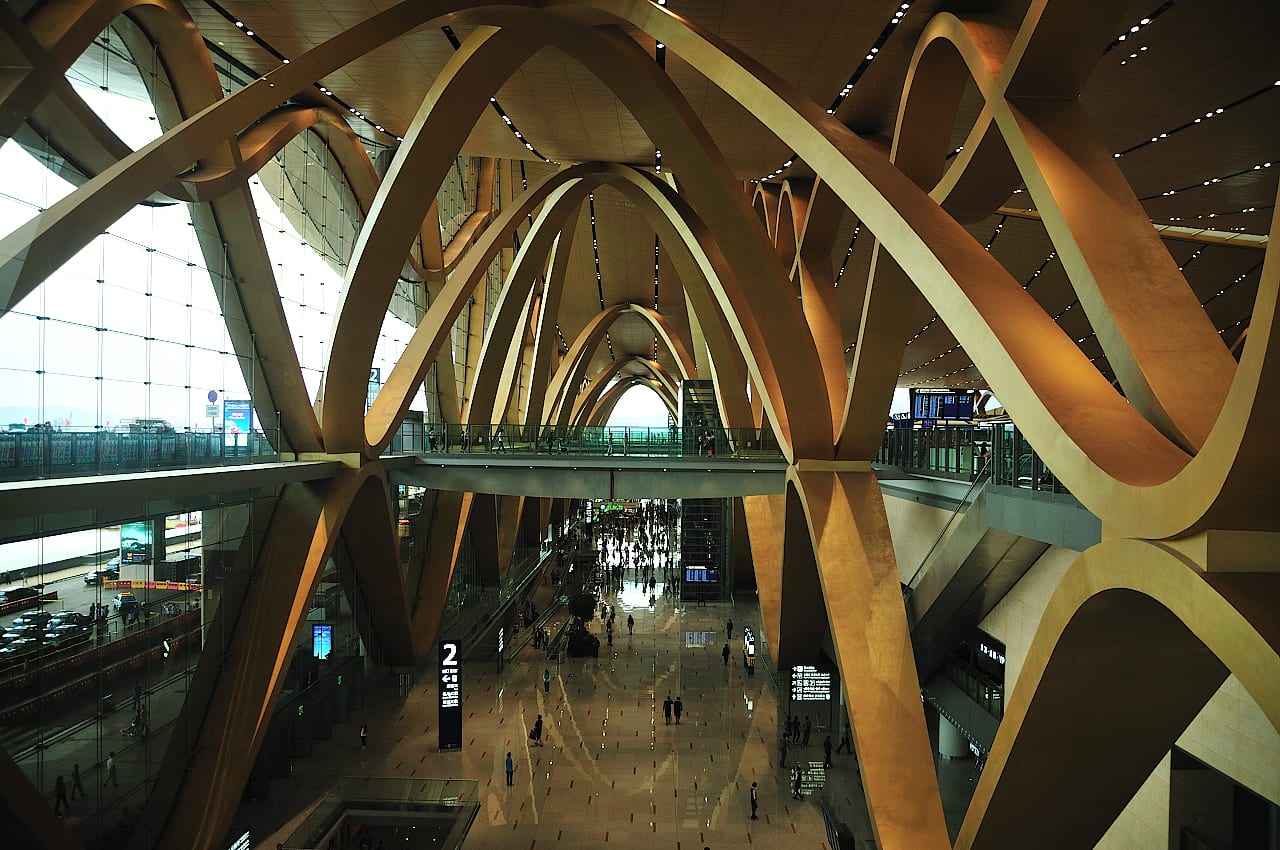
    Lagardère Travel Retail has opened the first high-end luxury concession in Kunming’s Changshui International Airport in South-Western China, which the retailer says is the result of a ‘close and successful partnership’ with Yunnan Airport Group and Asiaray Media Group.

    Inaugurated in 2012, Changshui airport is said to be one of the largest and most modern in Asia and serves as a gateway to China’s Yunnan region with growing links to neighbouring countries of South-East Asia.

    Evidence of this can be found in the airport’s traffic reports, which show that the number of passengers at Kunming airport has risen rapidly in recent years. In 2015, the airport is expected to serve over 36m passengers and will be the fastest-growing of China’s large airports.

    The master-concession, encompassing an area of over 1,000sq m in the main departure concourse, brings together ‘ten of the biggest names in luxury fashion and cosmetics’, says LTR.

    Emporio Armani, Salvatore Ferragamo, Dior, Hugo Boss, Bally, Montblanc, Coach, MCM, Tommy Hilfiger and Calvin Klein Jean comprise a strong brand line-up offering a range of ready-to-wear, accessories and beauty products.

    Dublin-based Aer Rianta International originally opened 11 domestic shops at what was Kunming’s newly-built Changshui International Airport in south-west China in June 2012.

    The contract, secured in 2011, was seen as an important one at the time for ARI, marking its first Mainland China airport store openings where it held exclusive rights to sell duty paid fashion goods and accessories, perfume and cosmetics, confectionery, jewellery and souvenirs at the capital city airport in Yunnan Province.

    However, in September 2014, Aer Rianta International confirmed that it had has ceased duty paid operations at Kunming International Airport and in a brief statement issued at the time, ARI CEO Jack MacGowan said: “We are pleased that ARI Yunnan has reached this constructive and amicable agreement with Yunnan Airports Group in the best interests of both parties and look forward to potential opportunities for working together again.”

    ‘WORLD-CLASS SERVICE FROM SALES CONSULTANTS’

    According to LTR, customers will be able to enjoy “world-class service delivered by Lagardère Travel Retail’s sales consultants who benefit from the company’s ISO-9001 certified OSCAR training programme,” says the Paris headquartered group.

    “The industry leading training program covers customer service, brand philosophy and product knowledge, is unique in the travel retail industry and gives the font-line team the expertise and confidence to provide the exceptional service and personalised experience.

    “The addition of high-end brands to the retail offer at Changshui airport was made possible by the complete transformation of the main commercial surfaces in the airport’s departure concourse.”

    LTR and Asiaray Media have worked closely with Yunnan Airport Group to plan and implement the terminal’s commercial upgrade, which intends to elevate the passenger experience by aligning the quality of the commercial offer with that of the terminal’s ‘outstanding’ architectural design.

    “We are also very pleased to have the opportunity to further deepen our working relationship with our global brand partners that have taken part in this project. We look forward to further development in Kunming Changshui airport across the spectrum of categories. Our partnership with Asiaray creates novel and unique opportunities to drive passenger engagement and increase the visibility of the commercial offer.Eudes Fabre, General Manager – China for Lagardère Travel Retail, said: “This new opening is an exciting development for Lagardère Travel Retail in China. We are grateful to Yunnan Airport Group for their trust in our capabilities and for their effective support throughout the planning and building process.

    “We are now working together with the airport to offer exclusive and personalised services that improve the airport experience for our customers, create delightful moments and build loyalty.”

    Vincent Lam, CEO of Asiaray Media Group added: “We very pleased with the collaboration with Lagardère Travel Retail. They are a global leader in the airport retail and F&B sector and have demonstrated their professionalism, innovative spirit and understanding of local market trends throughout the different stages of this project. This partnership is an important development for our company.

    “We aim to create an innovative business model that benefits all parties by delivering an engaging experience between customers, shops and airport. This is our first pilot site where we have exclusive advertising concession at Kunming Changshui airport.

    “By closely integrating advertising and commercial assets within the terminal, we will be able to create a more interactive and ultimately more compelling experience for travellers. Our media assets will support the growth of the retail operation which shall certainly benefit us as advertising service provider riding on the business performance of such operation.”“We look forward to cover the other 25 airports where we have similar exclusive rights in the whole of China. This new development creates many new possibilities for our mutual brand partners.

    Wang Xinrui, Director of Commercial Management of Kunming Changshui International airport, added: “Kunming Airport is very satisfied with the outcome of our collaboration with Lagardère Travel Retail and Asiaray Media Group.

    “The newly-opened luxury brands significantly enhance the image and service provided by our airport and help bring our commercial offer in line with the best airports in the region. We look forwards to growing the collaboration with our partners.”

  • Xiu.com confirms model enlargement

    Xiu.com confirms model enlargement

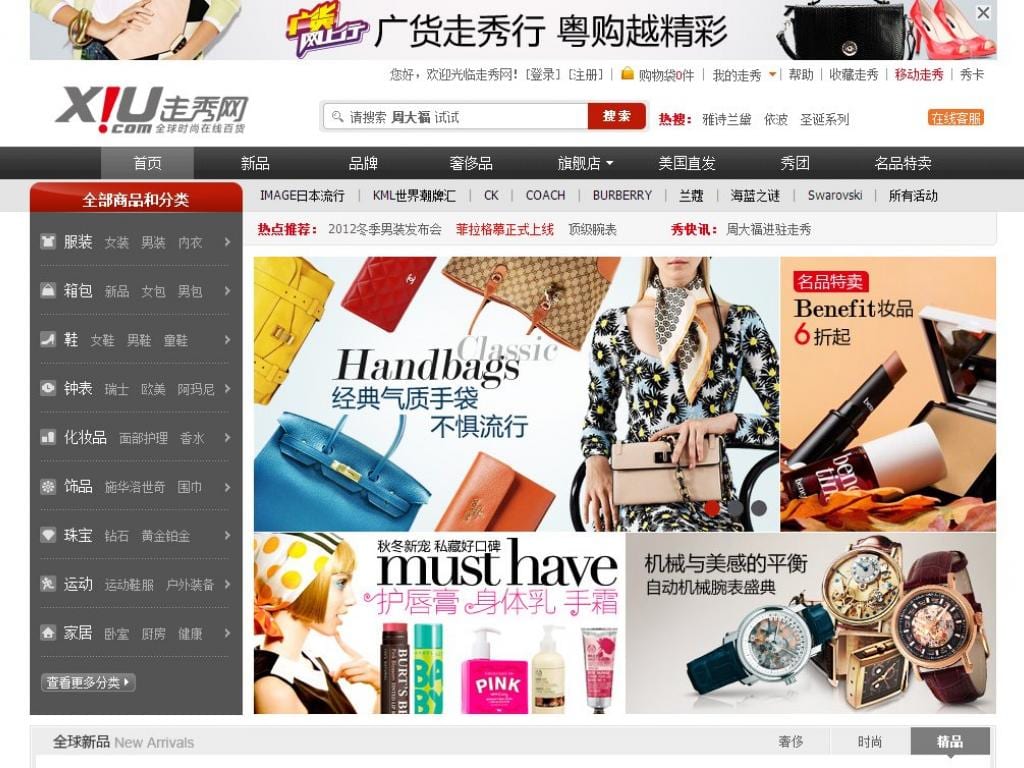
    On-line luxurious trend retailer Xiu.com says it’ll use its recent $30 million capital injection to attach extra western manufacturers with internet buyers in China.

    Xiu.com lately raised $30 million in collection C funding, led by personal fairness firm Pacific Enterprise Companions, a deal reported by Inside Retail Asia on Might 19, however solely formally introduced in the previous few days.

    Launched in 2008, Xiu.com sells worldwide branded trend merchandise, together with clothes, cosmetics, luggage, jewelry, footwear and homewares.

    “As an online-fashion main firm, Xiu.com operates superior logistic networks that cowl Europe and the US,” stated Ji Wenhong, founder and CEO.

    “Working instantly with established worldwide corporations, Xiu.com might supply quite a lot of Worldwide model merchandise and supply Chinese language shoppers in-season trend merchandise with lower cost than these in different markets.”

    “We’re very assured in Xiu.com after we studied the Chinese language eCommerce market for a very long time,” stated Tan Changwen, a associate in PVP.

    “We’ll help Xiu.com’s strategic improvement, particularly in growing its efforts of cellular e-commerce and expansions in Asia markets.”

    Regardless of Chinese language shoppers tending to buy luxurious items once they journey overseas, Xiu.com discovered that Chinese language at the moment are displaying extra willingness to buy luxurious items on-line.

    Greater than 600 abroad corporations, together with Salvatore Ferragamo, Blue Nile, and Hugo Boss, are partnering with Xiu.com, and almost 200 of them promote solely on Xiu.com to Chinese language internet buyers.

    Greater than 10 million shoppers have registered with Xiu.com and greater than 85 per cent of orders come from repeated consumers. The typical order worth is US$240.

    Xiu.com will use the funds to consolidate its worldwide provide chain community and to take a position into the venture of connecting offline shops in western nations with internet buyers.

    “We assist shops in western nations promote their inventories on Xiu.com,” Ji stated. “We might improve our product choices quickly, whereas shoppers may benefit from extra alternatives for new-arrival merchandise.”

    The Shenzhen based mostly firm additionally plans to make use of the funds to organize its forthcoming IPO.