Tag: samr

  • Three Regulators Probe Huawei-Backed Maextro EV Brake Failures

    Three Regulators Probe Huawei-Backed Maextro EV Brake Failures

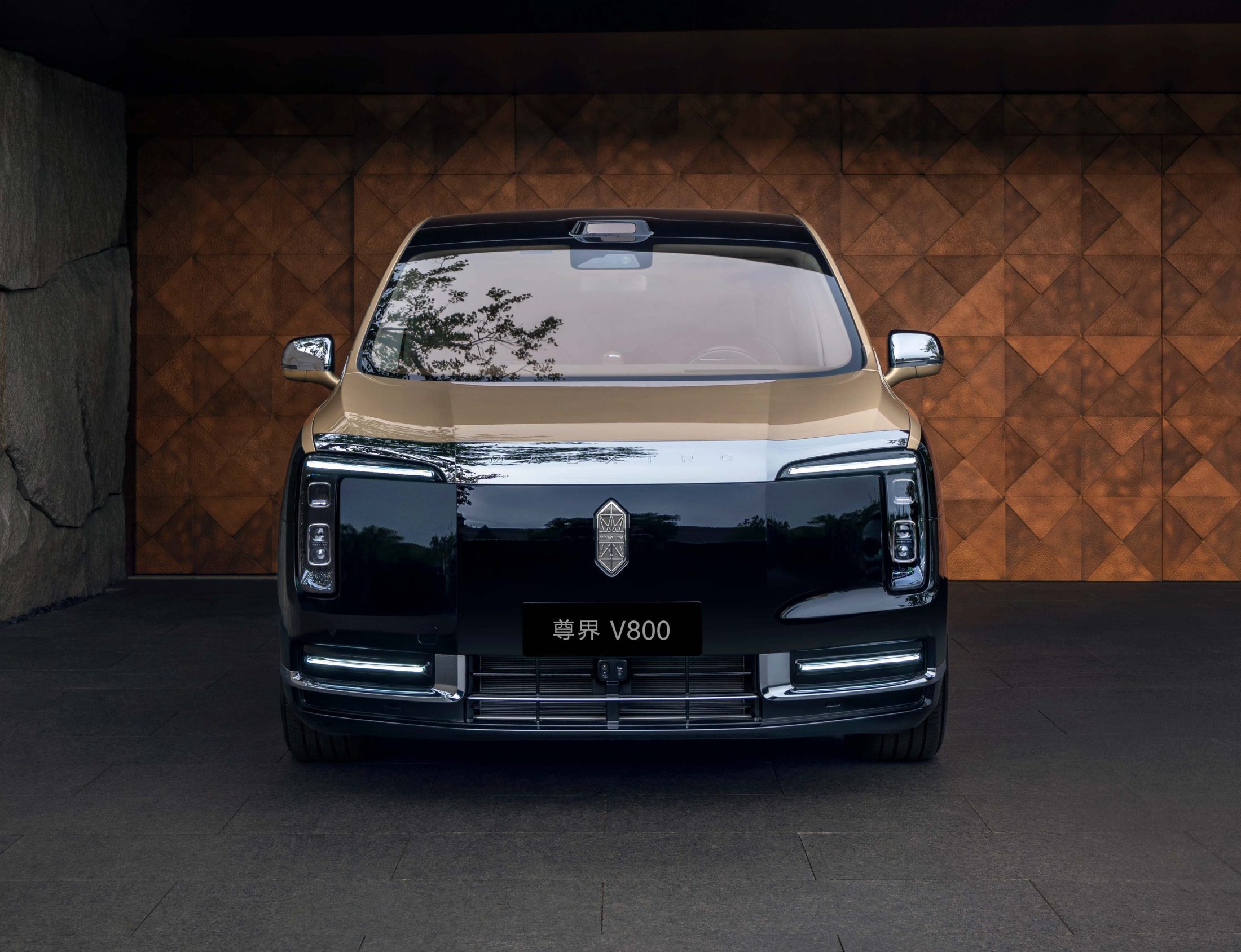
    China formed a joint investigation team across three ministry-level regulators on Thursday to probe reported brake pedal failures in luxury electric vehicles from Huawei-backed brand Maextro.

    The inquiry pulls in the Ministry of Industry and Information Technology alongside the Cyberspace Administration of China and the State Administration for Market Regulation.

    Three Regulators Step In

    Officials from the three bodies will review test records and inspect physical components. Online video footage showed Maextro brake pedals snapping under test conditions. Huawei Technologies and state-owned carmaker JAC jointly developed the brand as a flagship push into high-end smart mobility.

    The Ministry of Industry and Information Technology stated that authorities are paying close attention and pledged to publish findings promptly. Involving the internet watchdog alongside industrial and market regulators signals scrutiny over mechanical engineering as well as technical claims shared on social platforms.

    Tighter Scrutiny on Fast Rollouts

    Automakers in China have compressed vehicle development cycles to under 24 months. They use rapid software updates and modular chassis systems to beat foreign rivals. Regulators are now pushing back, demanding longer validation cycles and stricter durability benchmarks for critical mechanical hardware.

    For parts suppliers and technology partners, the joint probe raises immediate financial and compliance risks. Braking assemblies cannot be fixed with over-the-air patches. Any required redesign or recall will hit manufacturing margins and delay scheduled dealership deliveries.

    Pressure Mounts on Premium Brands

    Maextro debuted in Beijing earlier this year as a collaboration between legacy manufacturing and consumer electronics ecosystems. Scrutiny intensified earlier this month after an automotive blogger documented mechanical failures during independent vehicle testing.

    Domestic EV sales growth has softened across major Chinese urban centres. Luxury entrants have little room for engineering missteps. Rival brands expanding premium lineups will face higher inspection burdens before securing commercial clearance from industrial watchdogs.

    Validation Timelines to Watch

    Regulators are preparing broader testing standards. The rules will mandate extended road trials for chassis electronics and physical control mechanisms before series production permits are granted.

    Inspectors plan to deliver an initial technical assessment on the Maextro braking components before final commercial deliveries commence.
  • BYD Recalls 183,000 Vehicles in China over Brake Pedal Defect

    BYD Recalls 183,000 Vehicles in China over Brake Pedal Defect

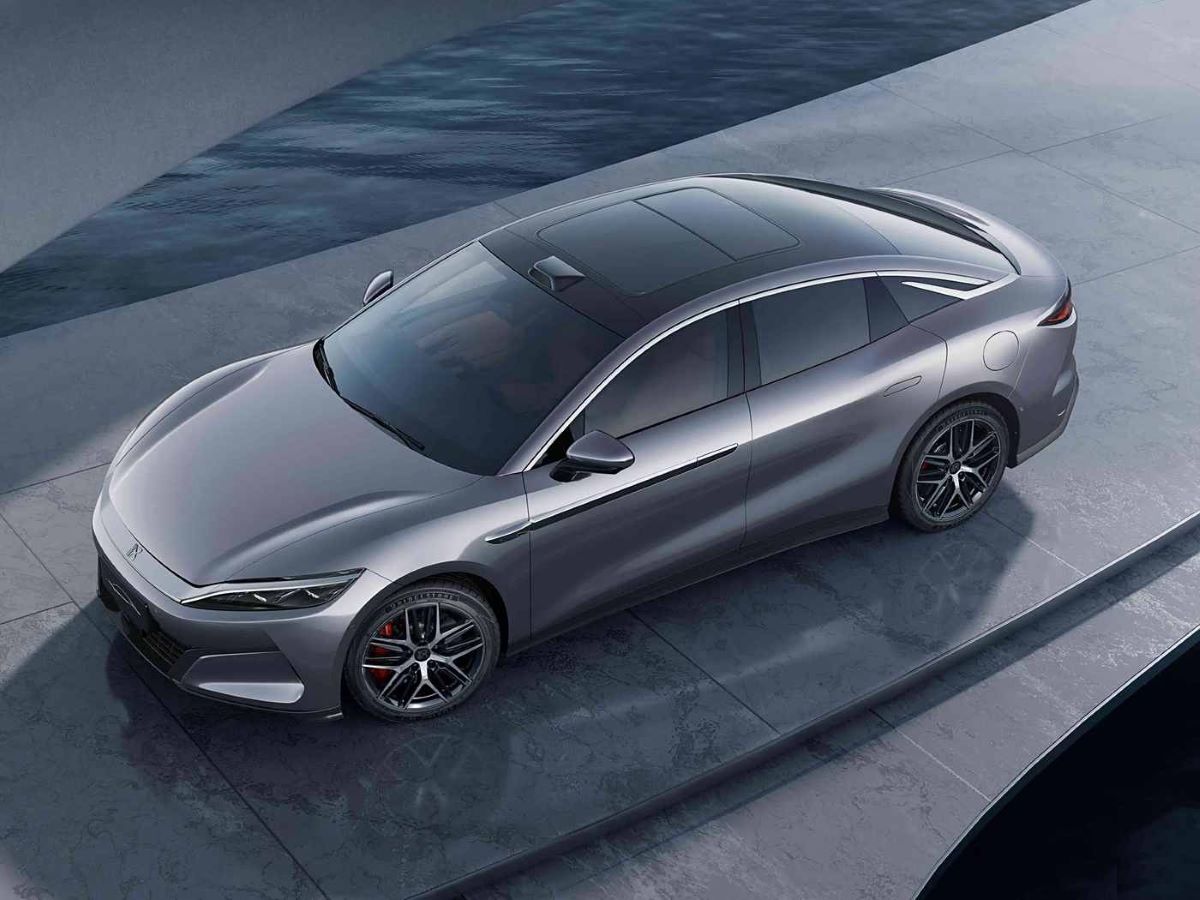
    BYD is recalling 183,211 electric and hybrid vehicles in China after regulators identified a manufacturing defect in the brake pedal assembly. China’s State Administration for Market Regulation confirmed the recall affects Qin sedans and Tang sport utility vehicles built between 2014 and 2022.

    Most of the affected units belong to the Tang series, alongside roughly 40,300 Qin models. The defect involves a batch of brake pedal stop buffers that can tear or detach over extended use. When the buffer fails, brake lights can stay illuminated continuously even when the driver is not touching the pedal. That creates a collision hazard for trailing traffic. BYD will inspect the vehicles and fit replacement components at no cost to owners through its authorised dealer network.

    Steering issues hit Nio’s Firefly line

    The regulator also published a separate recall notice covering Nio. The company must recall 686 vehicles from its Firefly sub-brand due to a wiring harness fault in the electric power steering assist. In extreme operating conditions, the defect can cause sudden power steering failure. Nio dealers will inspect the batch and replace the affected harness free of charge.

    Both notices arrive during heightened regulatory scrutiny over automotive hardware quality across China. In August, the market regulator oversaw corrective campaigns affecting more than four million vehicles across eleven manufacturers, including Tesla, Xiaomi, Leapmotor, Xpeng, and Zeekr. Those actions addressed emergency mechanical door releases rather than braking hardware, but the regulatory intervention demonstrates tighter enforcement on basic vehicle safety mechanics.

    Domestic market friction versus export gains

    For BYD, the physical recall tests dealership service capacity across Chinese cities at a time when domestic retail demand has softened. While BYD set a company record in August by delivering 256,230 battery-electric passenger cars, its domestic retail sales dropped below prior-year levels. Total monthly deliveries reached 440,293 new energy vehicles, supported primarily by strong export growth into overseas markets.

    The recall creates immediate operational work for BYD service centres. Dealership networks must process more than 183,000 physical workshop visits while maintaining routine vehicle servicing and pre-delivery inspections for new buyers. The Tang and Qin nameplates represent early volume drivers for BYD’s new energy transition, meaning many affected cars are now out of their initial warranty periods.

    Inspection deadlines and component supply

    Managing older vehicle fleets is becoming a standard operational requirement for Chinese electric vehicle makers. Earlier production runs from the 2014 to 2018 era relied on different component suppliers than current vehicle architectures. Ensuring replacement parts reach regional service centres quickly will determine how fast BYD clears the regulator’s safety docket.

    Authorized repair networks across China have started scheduling owner appointments for the free buffer replacements. The market regulator will track completion rates for both BYD and Nio as workshop filings come due in the final quarter.

  • China Recalls Seven Million Electric Vehicles over Door Handle Safety Flaws

    China Recalls Seven Million Electric Vehicles over Door Handle Safety Flaws

    Chinese market regulators ordered the recall of more than seven million vehicles on Friday across automakers including Tesla, Xiaomi, Xpeng and Geely over emergency door release hazards. The joint filing stands as the single largest automotive recall round in the country’s history.

    State Administration for Market Regulation officials identified interior emergency mechanical door releases designed in colors matching adjacent trim, leaving occupants unable to locate or operate the latches quickly during severe collisions that disable vehicle low-voltage electronics.

    Tesla Accounts for Majority of Notices

    Tesla represents the largest share of the campaign, filing two separate notices covering 5,716,552 vehicles. The company is recalling 2,975,910 cars for the door release defect starting September 25, 2026, comprising 973,156 locally built Model 3 sedans, 1,956,713 Shanghai-made Model Y crossovers, and 46,041 imported Model 3, Model S and Model X units. Tesla will apply warning labels at no cost and push over-the-air software updates to lower windows automatically after an impact.

    A parallel Tesla recall covers 2,740,642 domestic Model 3 and Model Y units to fix driver attention monitoring systems. The regulator determined existing steering torque sensors failed to catch drivers looking away from the road, prompting Tesla to activate in-cabin camera monitoring immediately through software.

    Domestic manufacturers submitted simultaneous plans for their electric lineups. Xiaomi is recalling 390,435 units of its SU7 sedan to add labels and update central console unlocking code, while Leapmotor called back 371,200 vehicles across its C11 and C01 ranges. Xpeng recalled 264,842 units, Geely’s Zeekr brand listed 92,658 models, Chery recalled 68,488 vehicles, Dongfeng took in 53,452, and BAIC BluePark Magna recalled 46,850 Arcfox Koala cars.

    New Door Hardware Standards Loom

    The regulatory action follows repeated consumer complaints and crash investigations where electronic flush handles failed to deploy after battery failure. China’s auto sector previously prioritized flush exterior handles and hidden interior buttons to improve aerodynamics and interior styling, but safety authorities have pushed back firmly against purely electronic latches.

    Automakers in China must now prepare for mandatory national standard GB 48001-2026, issued in February. The rule requires physical, mechanical releases on all passenger doors for newly certified models starting January 1, 2027, with previously approved models required to comply by January 2029.