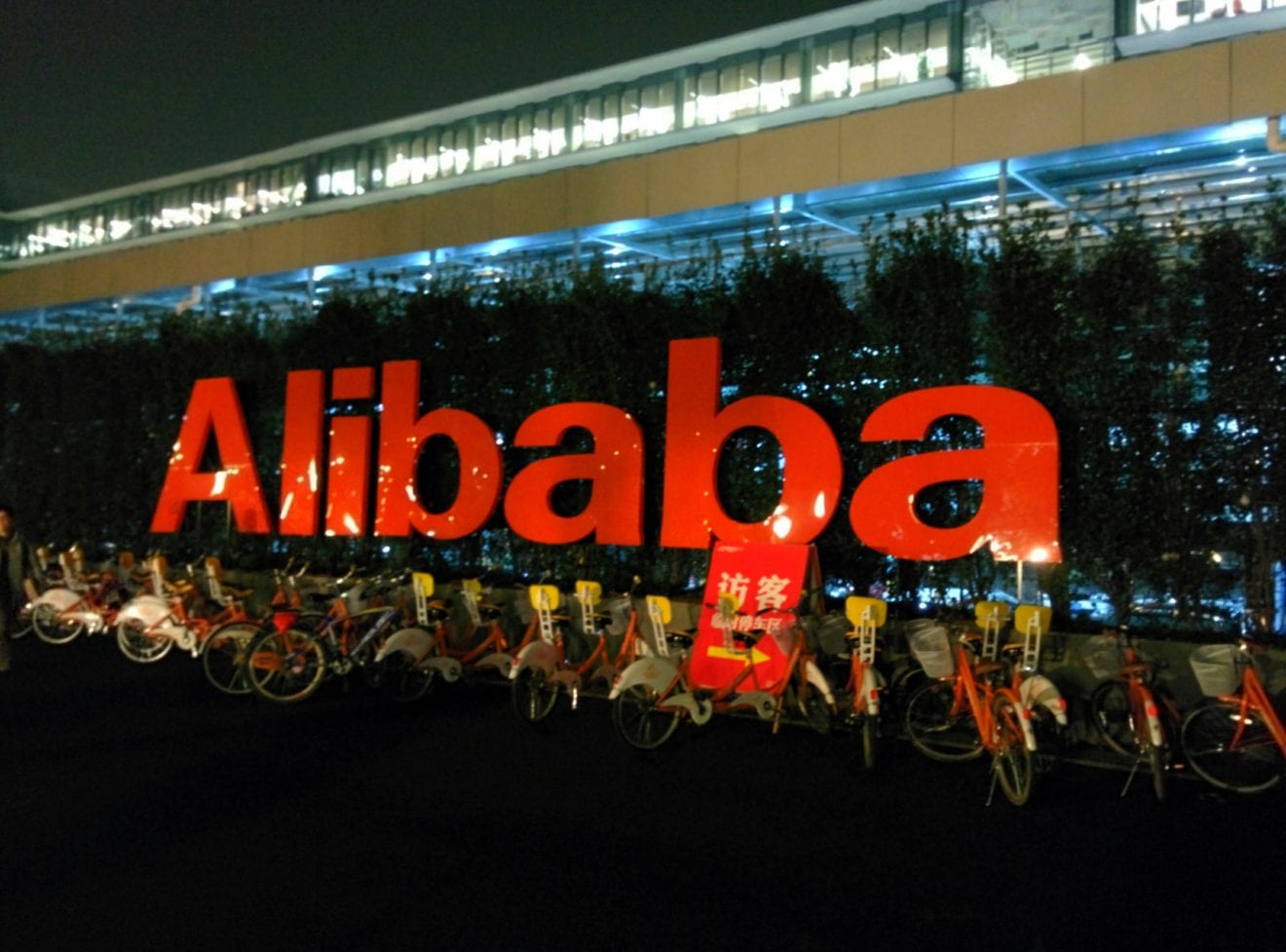
Chinese e-commerce giant Alibaba Group launched its Korea Fashion Week with its Taobao, Juhuasuan and Tmall online platforms in Seoul.
Alibaba pledged to strengthen its exploration of overseas markets and to ink agreements with overseas brands to jointly explore the market, the report said.
Imported Korean products have achieved annual sales of more than 10 billion yuan (US$1.6 billion) on Alibaba’s online retail platforms, according to statistics released by the company. Best-selling imports include beauty products, women’s clothing, daily life goods and baby products, accounting for 60% of the total market for imported Korean goods, according to statistics.
The two nations have repeatedly announced moves to boost bilateral trade. In March, the two signed a free trade agreement. In addition, South Korea became one of the top destinations for Chinese tourists traveling abroad, the report said.
In mid-May, Alibaba chair Jack Ma visited Seoul for the opening ceremony of the group’s Korean shop, indicating more Korean brands and products can reach Chinese consumers through the Alibaba platform.
Samsung C&T, South Korea’s largest conglomerate with interests in construction, electronics, chemicals, finance and numerous other fields, has already moved three of its apparel brands — Beanpole, Rapido and Mvio — into the Chinese market through Tmall. It plans to cultivate China as its second domestic market, Samsung said.
Samsung has annual revenue of US$30 billion.
South Korea’s Eland Group began cooperating with Juhuasuan and Tmall in 2013, and reached sales of over 300 million yuan (US$47 million) last year. The group is expected to double sales to more than 600 million yuan (US$94 million) this year.
The popularity of Korean TV dramas in China has sustained demand for Korean clothing, with 80% of the 4.32 million Chinese tourists to South Korea in 2013 shopping for clothes, shoes and bags.
More than 200 Korean fashion brands have joined the Alibaba fashion week in Seoul, with most of them aiming to enter the Chinese market via the Alibaba retail platform. Zhang Jianfeng, president of Alibaba’s retail group, said he hopes to introduce Korean brands to Chinese consumers through their cooperation.