Tag: samsung pay

  • Korea’s convenience stores to use mobile payments more

    Korea’s convenience stores to use mobile payments more

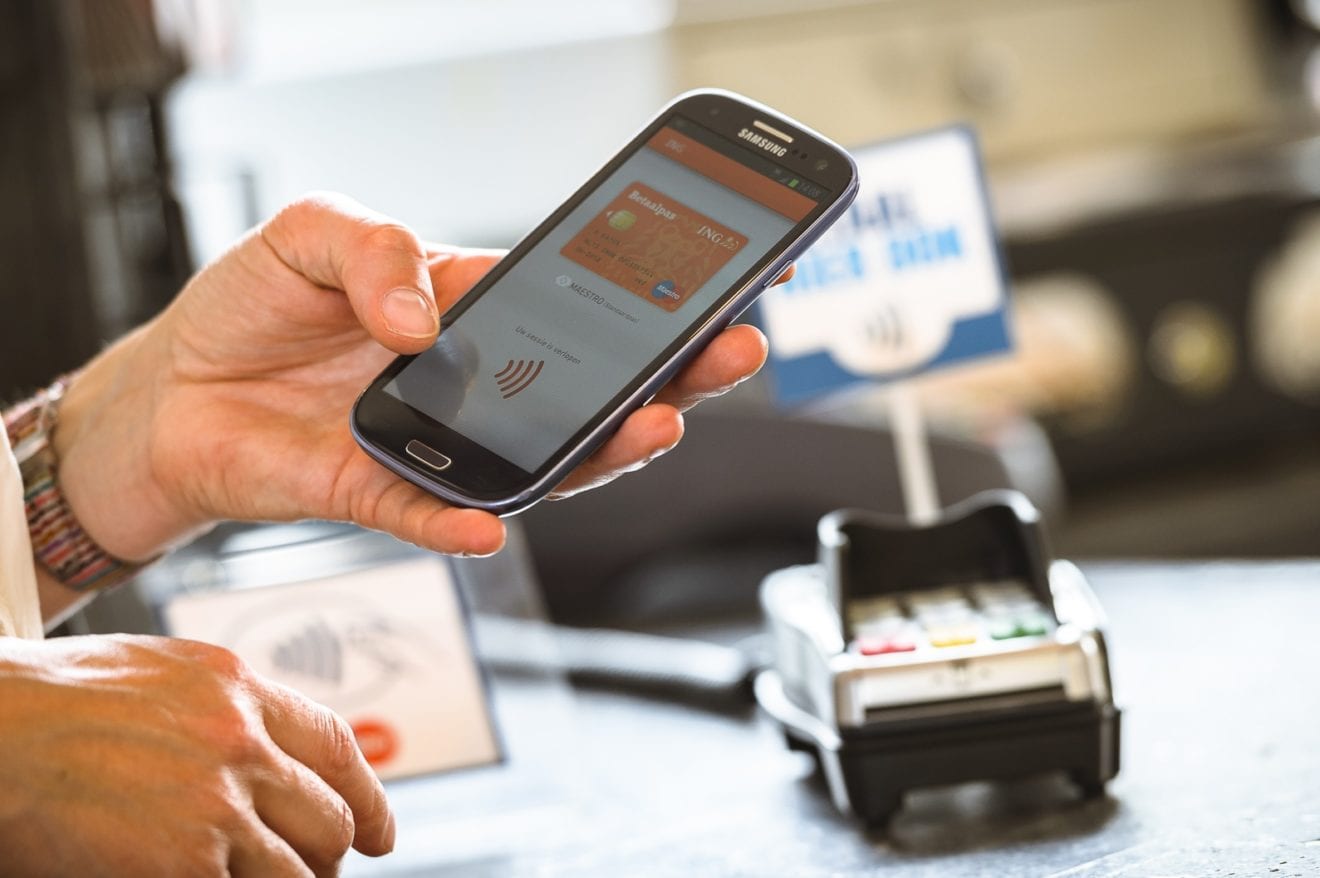
    Mobile payments at South Korean convenience stores have more than doubled this year thanks to the greater use of smartphones and the expansion of mobile settlement services. South Korea’s top convenience store chain CU said the number of so-called easy mobile payments at its outlets soared 121.5 per cent year on year in the first 10 months.

    Convenience chain operators in Asia’s fourth-largest economy adopted the easy mobile payment system in 2011, but the service only started to take off last year.

    The percentage of mobile payments out of total settlements at convenience stores expanded to 3.5 per cent this year, compared with 1.9 per cent last year and just 1 per cent in 2015.

    “The number remains in the single-digit range, but the easy mobile-settlement system has been growing at an exponential pace,” a CU spokesperson said.

    Currently, CU allows customers to use Samsung Electronics’ Samsung Pay and 19 other payment tools at its stores.

    Samsung Pay accounted for 85.5 per cent of CU’s mobile settlements during the January-October period, followed by Kakaopay with 4 per cent and LG Pay with 2.8 per cent.

    Industry sources said retailers in South Korea have been ramping up efforts to develop their own mobile payment platforms as more tech-savvy consumers turn to their smartphones to make mobile payments at South Korean convenience stores.

    Some seven in 10 South Koreans are known to own a smartphone, the fourth-highest smartphone penetration rate in the world.

  • Samsung Pay no longer on cheaper phones

    Samsung Pay no longer on cheaper phones

    Samsung Electronics recently stopped embedding its mobile payment system, Samsung Pay, in budget smartphones, industry watchers said Sunday, apparently to save costs by excluding the feature, which has been less popular among teens and senior users.

    Among 10 smartphones released by Samsung Electronics in Korea this year, only three – the Galaxy S9, Galaxy S9 Plus and Galaxy A8 – supported Samsung Pay. Other models with prices lower than 700,000 won ($628) did not come with the payment tool.

    In contrast, the Galaxy J5 and J7 smartphones, released last year with prices below 400,000 won, had the Samsung Pay program.

    Samsung Pay is a mobile payment tool that works on traditional credit card machines based on magnetic secure transmission (MST) technology and also supports the near field communication (NFC) technology.

    Industry watchers said Samsung apparently sought to cut production costs of budget smartphones, which mainly target teens and senior users who are less familiar with mobile-based credit card payment systems.

  • Samsung Pay arrives in Hong Kong

    Samsung Pay arrives in Hong Kong

    Samsung Pay has finally landed in Hong Kong. The Korean technology giant launched an early access program in the Hong Kong market last month, but officially launched the mobile payment system to the general public last Thursday.

    Samsung Pay can be used almost anywhere a point-of-sale (POS) terminal is available and supports payments via both near field communication (NFC) and Samsung’s proprietary magnetic secure transmission (MST) technologies.

    According the maker of the Galaxy smartphone, MST sends a magnetic signal from the supported Samsung device to the payment terminal’s card reader (to emulate swiping a physical card), allowing Samsung Pay to work almost anywhere cards are accepted.

    “We are happy to have received overwhelming, positive responses from users of Samsung Pay’s Early Access Program,” said Yiyin Zhao, vice president and head of information technology and mobile communication business for Samsung Electronics Hong Kong.

    “We look forward to building a complete digital wallet solution in Hong Kong, which will allow users to not only pay conveniently, but also use membership cards and many more.”

    Several major banks in Hong Kong, including Citi and DBS, are set to offer incentives to encourage customers to pay for items using credit cards via Samsung smartphones, The incentives include discounted food, drink and toiletries, as well as free mobile phones.

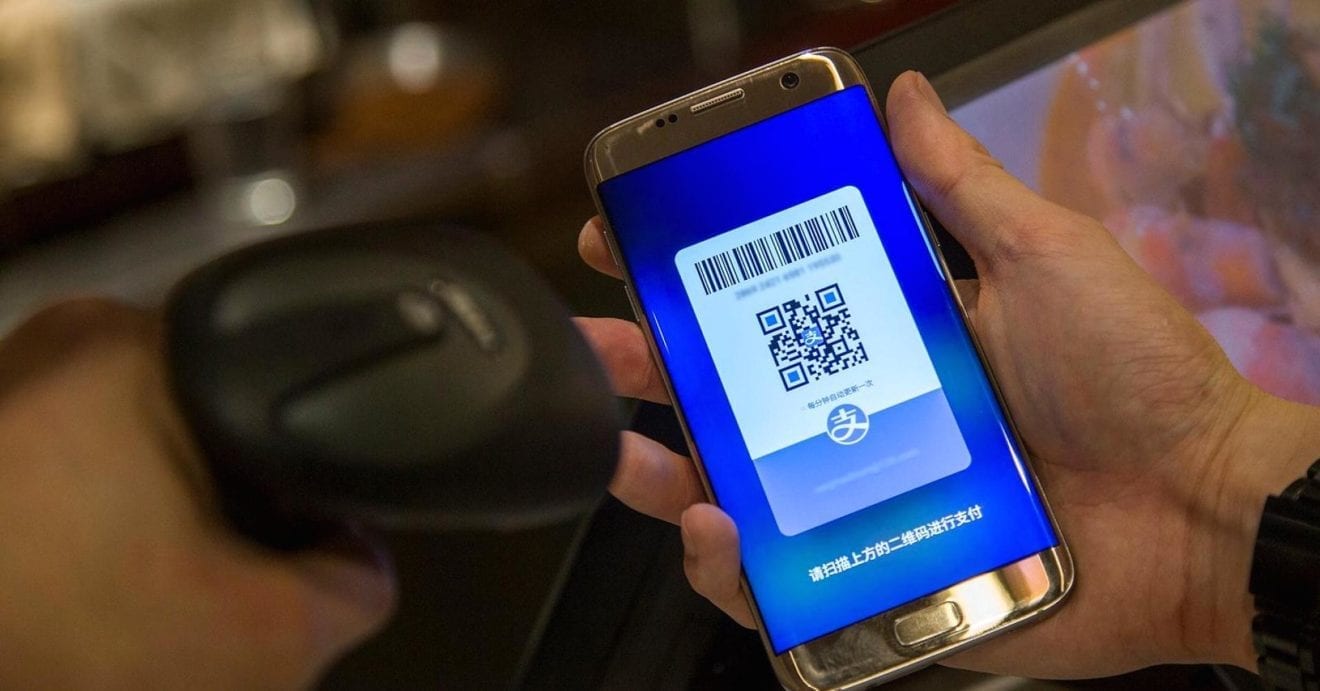
    The perks come as the South Korean company enters the Hong Kong mobile e-pay market relatively late. Apply Pay launched its mobile payments service in July last year, while Google launched Android Pay in October. Several of the mainland’s technology giants, including Tencent Holdings and Alibaba Group Holding’s financial arm Ant Financial Services Group, have also launched WeChat Wallet and Alipay, respectively, in the city.

    Samsung Pay is available on Galaxy S8+, Galaxy S8, Galaxy S7 edge, Galaxy S7, Galaxy S6 edge+ and Galaxy Note5.

  • Samsung Pay early access program launches in Hong Kong

    Samsung Pay early access program launches in Hong Kong

    Samsung has launched an early access program for Samsung Pay in Hong Kong, in collaboration with local banks.

    Customers with American Express, Citibank, Dah Sing Bank and Standard Chartered Bank cards are able to register to participate in the early access program.

    The service is expected to launch more widely in the second quarter, adding support for other card issuers including Bank of China (Hong Kong).

    Samsung Pay is a mobile payment system that supports both NFC and Samsung’s own Magnetic Secure Transmission (MST) technologies.

    It uses three levels of security – biometric authentication, card tokenization and the Samsung Knox mobile security platform, as well as the ability for users to lock or wipe Samsung Pay remotely should their phone be lost or stolen.

    To date, Samsung pay has launched in 12 markets worldwide and is in early access in a further four. Over 240 million transactions have been processed by Samsung Pay in the past 18 months.

    Samsung has partnered with payment technology companies American Express, Mastercard and Visa for the mobile payment service.

    “As a global leader in information technology, Samsung has always aspired to create better and more fulfilling experiences for our users through meaningful innovations,” Samsung VP and head of IT and mobile communications Yiyin Zhao said.

    “We hope to offer our consumers a payment service that is truly safe, simple, and widely-accepted. We are also thankful for the support of Mastercard. Together, we are creating a more complete payment experience, further enhanced with promotions, to bring mobile payments capability to more users than ever before.”

    Mastercard division president for Hong Kong, Macau and Taiwan said a recent survey by the payment card company indicates that more than four in 10 Hong Kong consumers have made purchases via their mobile device in the past three months.

    “This partnership demonstrates Mastercard’s commitment to delivering innovative solutions for the rapidly evolving mobile payments space,” he said.

    Compatible Samsung Pay devices include the Galaxy S8+, Galaxy S8, Galaxy S7 edge, Galaxy S7, Galaxy S6 edge+ and Galaxy Note5, with more compatible devices due to launch soon.

  • Samsung Pay Service Comes To Thailand

    Samsung Pay Service Comes To Thailand

    Similar to Android Pay from Google and Apple Pay from Apple, Samsung Pay works like other mobile payment platform by using NFC. Samsung Pay, which was made to build brand loyalty from consumers allows users to pay for things online with their smartphone or smartwatch.

    Samsung has fully unveiled the Samsung Pay in the Thailand. The company aims to entice at least one million users within this year. The mobile payment platform was already made available in Malaysia, Singapore and China a while ago. Samsung apparently already boasts a network of 100 retail partners found in Thailand following a soft launch just in November of 2016. Thailand has been working to adopt a more cashless society much like other Western countries.

    “Samsung is the first phone maker jumping into the mobile payment fray in Thailand,” said the Thai corporate Vice President for IT and Electronics of Samsung Electronics, Wichai Pornpratang. The company is expecting to bring in one million customers using Samsung’s Pay service by the end of the year.

    Consumers can use the Samsung Pay by just tapping their compatible Samsung smartphone on near field communication (NFC) or magnetic security transmission (MST). Doing this will allow them to proceed to making payments in stores.

    Samsung Pay is considered as one of the best mobile payment solutions but it can only be supported on the Galaxy S7 family, Galaxy S6 family, Galaxy Note 5, Galaxy A5 and Galaxy A7. Samsung Pay Mini, however, was reportedly just launched and what’s nice about the service is that it is not limited to just Galaxy smartphones. With an Android smartphone that has a 1280 x720 pixel resolution or higher than Android 5.0 Lollipop, the Mini version will function well. An offline payment option feature, however, that can be found on the Samsung Pay is nonexistent on the Samsung Pay Mini.

  • Samsung Pay, partner banks launch offers for Thai customers

    Samsung Pay, partner banks launch offers for Thai customers

    Samsung Pay and its financial partners have introduced exclusive offers for customers who make payments using a partnered credit card via Samsung Pay, The Nation reports. The offers are provide in partnership with Citibank, Kasikornbank, KTC, and SCB.

    Citibank card owners will have access to 5-fold reward point increase for every payment transaction of THB 1,000 or more. Kasikornbank card users will receive THB 100 cash back on every payment of THB 100. KTC card holders will receive 5 percent cash back with special privileges from participating shops, while SCB users will get THB 100 cash back for payments of THB 200.

    Samsung Pay went live in Thailand on 27 October. The platform enables customers to use their smartphone as credit cards. Supported payment gateways and credit cards for Thai users are Visa and MasterCard issued by six financial institutions namely Bank of Ayudhya, Citibank, KasikornBank, KTC, Siam Commercial Bank, and soon Bangkok Bank.

    In Thailand, Samsung Pay is compatible with the Galaxy S7, Galaxy S7 edge, Galaxy S6 edge+, Galaxy Note 5, Galaxy A7 (2016) and Galaxy A5 (2016) smartphones.

  • ​Samsung Pay available at Korean department chain Shinsegae after delay

    ​Samsung Pay available at Korean department chain Shinsegae after delay

    Samsung Pay will now be available for franchises in South Korea owned or run by Shinsegae, which owns its own brand of department stores, Samsung Electronics has announced.

    The mobile payment service will be available in Starbucks — the coffee chain is run by Shinsegae in South Korea — and famous brands such as E-mart, Shinsegae Food, Shinsegae Dutyfree, and Every Day Retail.

    Samsung said the delay was caused by the difficulty in providing consumers with discounts, points, and membership services.

    Shinsegae has been resisting allowing Samsung Pay in its franchises to promote its own counterpart SSG Pay.

    Samsung Pay hit 2 trillion won transaction as of August and is among the most popular mobile payment services provided by a handset manufacturer. Samsung controls over 70 percent market share in South Korea, its home country.

    It supports all credit cards except Citi’s in South Korea. Support for Citi will begin in the first half of next year, Samsung said.

  • Samsung Pay to expand to Malaysia, Thailand

    Samsung Pay to expand to Malaysia, Thailand

    Samsung Electronics has confirmed Samsung Pay Thailand will make its debut before the end of this year.

    Thailand, Malaysia and Russia are three of 10 new markets where the payment technology will be introduced.

    Samsung Pay has also announced a global partnership with MasterCard to offer a simplified online payment and express checkout solution through its digital payment service Masterpass, starting early next year. Hundreds of thousands of merchants in 33 countries currently accept Masterpass for online payments.

    “When we introduced online payments in South Korea last year, the service was well received by the market.

    Online payments accounted for more than 25 per cent of the 2 trillion won in processed transactions, demonstrating that consumers may be actively looking for solutions to make their online experiences faster, simpler and secure,” said Thomas Ko, VP and Global GM, Samsung Pay, Mobile Communications Business at Samsung Electronics.

    Samsung Pay will provide consumers with a seamless online payment platform with benefits including:

    • Express Checkout: Skip the process of filling out long online forms. With the express checkout solution, customers will be able use their Mastercard debit or credit cards along with the shipping information saved on their Samsung Pay account to quickly complete online transactions.
    • Make Purchases from Any Device: Customers can make online purchases from a computer, tablet or smartphone while shopping on their favorite sites or apps.
    • Secure Transactions: Security remains our top priority. When making online payments, a unique token is used in an encrypted form – not the actual debit or credit card number. Users can authenticate transactions using secure methods including a fingerprint scanner, which is built into Samsung’s mobile devices.
  • Carrefour China concentrating on convenience

    Carrefour China concentrating on convenience

    Carrefour China says it will concentrate on convenience store development for the rest of this year.

    The French-headquartered retailer has been losing market share in the hypermarket segment and has closed about 30 stores during the past three years. It is trying to find a new growth model for the competitive Chinese model according to IGD analyst Catherine Ellwood and IGD Singapore program director Shirley Zhu.

    Hypermarkets will still play a role for Carrefour, particularly in western and central China, they say. The retailer is changing focus because of the increasing challenges for hypermarkets.

    Carrefour reportedly plans to open 40 to 50 convenience stores in Shanghai as well as about 15 Carrefour Easy stores by the end of the year.

    Rapid urbanisation, smaller families and rising affluence levels mean Chinese shoppers are demanding more convenient solutions, says the IDG team.

    “Convenience stores present a huge growth opportunity, but winning in this sector under rising costs and fierce competition is not an easy task.”

    However, Carrefour does have the advantage of existing sourcing and supply-chain capability for fresh products. Daily delivery from its own fresh distribution centre ensures availability and quality.

    A typical Carrefour Easy store has a floor size of 250 to 300 sqm with plenty of room for fresh produce displays. The stores act as pick-up locations for online shopping, and have kiosks to provide various services. There is also free Wi-Fi and charging devices in-store.

    For mobile payment alone, the stores accept Alipay, Apple Pay, Samsung Pay and WechatPay.

    Carrefour opened an extra distribution centre in June. The 21,000 sqm centre, in Dongguan, Guangdong province, will help with expansion in south China. Carrefour aims to have six distribution centres by the end the year.

  • Samsung Pay e-wallet to launch in Singapore on June 16

    Samsung Pay e-wallet to launch in Singapore on June 16

    Samsung Pay, the Korean electronics giant’s e-wallet system, will launch in Singapore on June 16.

    At launch, those holding Visa and MasterCard credit or debit cards issued by POSB Bank, DBS Bank, OCBC Bank, Standard Chartered Bank and Citibank will be able to use a compatible Samsung phone to pay at almost all retail outlets that accept credit cards.

    Singapore will be only the fifth country to have Samsung Pay. It was launched in South Korea last August, followed by the United States in September. In March this year, Samsung Pay made its debut in China, while it was launched in Spain just earlier this month.

    “We are excited to bring this service to Singapore consumers and we hope to introduce value-added services to drive and lead innovation in mobile commerce,” said Mr Thomas Ko, vice-president and global general manager of Samsung Pay.

    Samsung Pay allows users to register their credit card details on selected Samsung smartphones with Near-Field Communication (NFC) wireless technology. Once registered, users can tap the phones for payment on almost all credit card payment terminals here.

    This is because Samsung Pay uses a proprietary Magnetic Secure Transmission (MST) technology that works with both traditional magnetic-stripe credit-card terminals and NFC contactless payment terminals.

    Unlike other contactless payment methods that are limited to transactions of $100 or less, Samsung Pay does not have this limit due to its MST technology.

    Four Samsung Galaxy smartphones – the S6 edge+, Note 5, S7 and S7 edge – are compatible with Samsung Pay at launch. Fingerprint authentication is required for each transaction.

    As of February this year, Samsung Pay has over five million registered users and recorded more than US$500 million (S$672 million) worth of transactions globally.

    Rival mobile payment service Apple Pay was launched in April with support for American Express-issued cards only. But as of last month, Apple Pay also accepts Visa and MasterCard credit and debit cards issued in Singapore from five major banks – POSB, DBS Bank, OCBC Bank, UOB Bank and Standard Chartered Bank.

    Apple Pay only works with contactless NFC payment terminals. This limits Apple Pay to only around 30,000 payment terminals in Singapore.

    It also has a $100 cap for most transactions. But UOB has lifted this limit for some merchants, such as Singapore Petroleum Company, Caltex, Metro and The Coffee Bean & Tea Leaf.

  • Samsung Pay wins Citi support for Singapore launch

    Samsung Pay wins Citi support for Singapore launch

    Samsung has secured the support of Citibank as it readies the release of its mobile payments service in Singapore.

    Samsung has already won around Singapore’s major banks as it prepares for the launch of its service in Q2.The company is hoping the deal with Citi will give it the edge over rival Apple, which last week announced that it had lined up five major banks, extending the use of the mobile wallet beyond a limited earlier release for AmEx cardholders.

    Samsung says it will be able to tap in to Citibank’s extensive customer base and merchant network to promote greater adoption and usage of digital payments in the country.

    The South Korean consumer electronics giant says it has signed up ‘thousands’ of consumer to enter into beta tests of Samsung Pay ahead of its launch later this quarter.

  • Lotte L Pay takes on Apple and Samsung

    Lotte L Pay takes on Apple and Samsung

    South Korea’s retail conglomerate Lotte Group is ratcheting up efforts to promote its own mobile payment platform, L Pay, industry watchers said Wednesday, as such services gained popularity over previous months amid the rising number of smartphone users.

    Lotte Group chairman Shin Dong-bin was recently quoted as saying by corporate officials that L Pay is an “important asset” for the business group, adding that Lotte should expand the scope and quality of the services provided by the L Pay platform.

    1201_epay_pcShin also highlighted the importance of expanding business partnerships to garner a larger slice of users in the market.
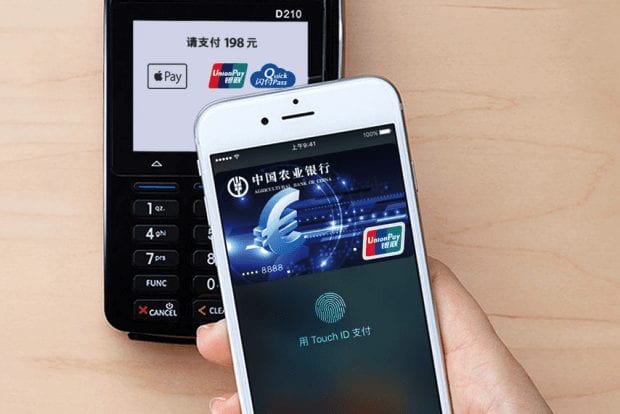
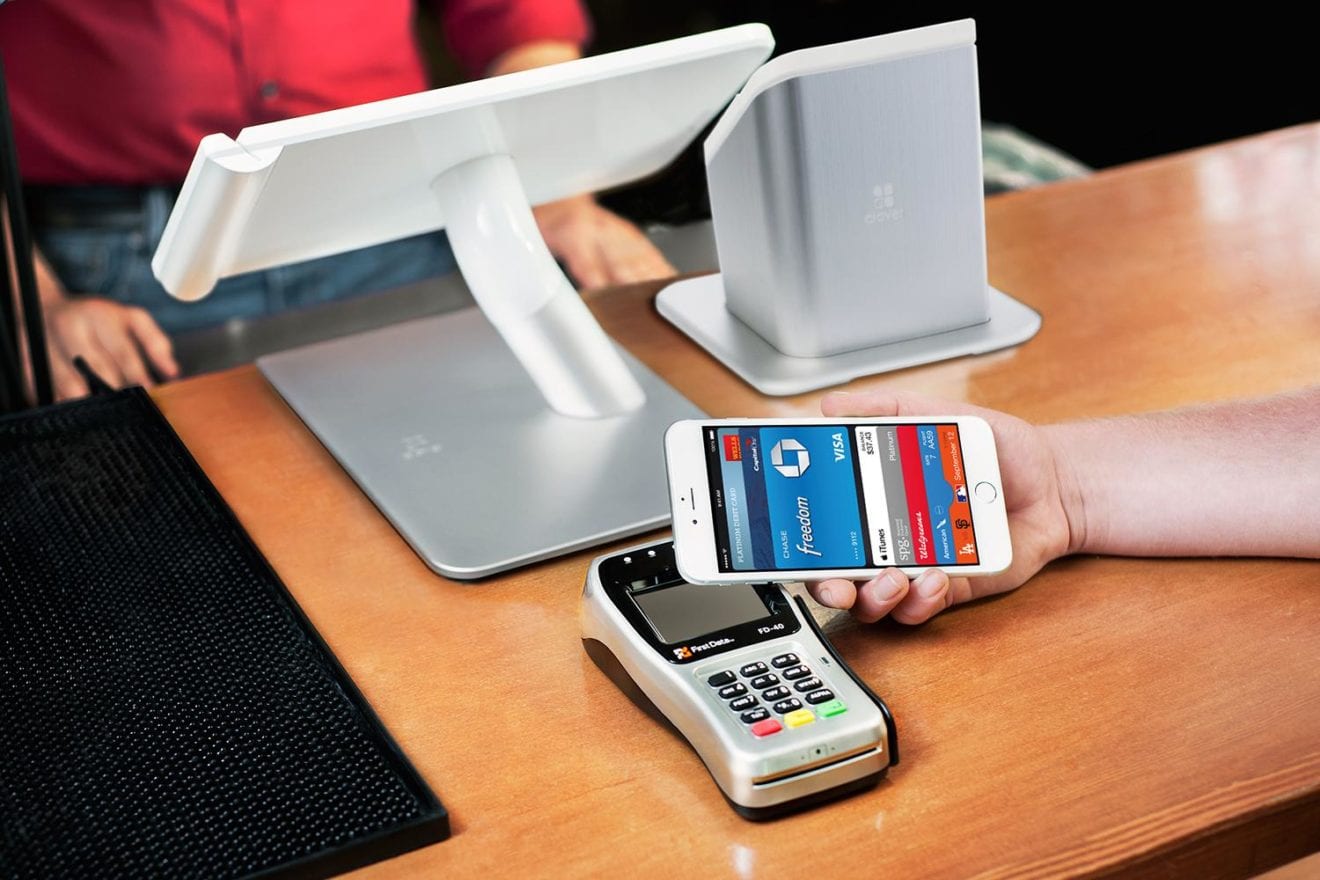
    The business group has been making efforts to establish “omnichannel” solutions, which refer to bringing together online and offline shopping platforms.

    L Pay is significant as it allows users to manage their mileage at shops and restaurants operated by Lotte Group, including Lotte Cinema, 7-Eleven and Lotte Department Store.

    The service has been forging ties with eight South Korean credit card firms and is also in talks with Samsung Electronics Co. to have L Pay applied to Samsung Pay.

  • Samsung Pay China goes live

    Samsung Pay China goes live

    Samsung Pay China is live after being launched by the South Korean smartphone giant this week.

    Samsung Electronics said Tuesday the introduction of the Samsung Pay China mobile payment service will speed its efforts to expand the scope of its flagship mobile payment platform globally.

    The South Korean tech company said Chinese users of high-end Galaxy smartphones can now use Samsung Pay in cooperation with China-based bank card giant UnionPay.

    The mobile platform supports magnetic secure transmission technology that works on traditional credit card machines. Like rivals Apple Pay and Android Pay, it also supports near field communication technology that requires a separate transaction device.

    Users of UnionPay debit and credit cards can now use Samsung Pay-equipped smartphones to make purchases, including the Galaxy S7 and Galaxy S7 Edge just released earlier this month.

    Samsung Pay joined forces with nine major Chinese banks, while six more partners will be added in the near future, Samsung added.

    Samsung said it will also make efforts to roll out more devices that support its mobile payment platform.

    Samsung Pay, first released in South Korea and the US last year, currently boasts around 5 million users. Samsung said last month it is also preparing to launch in Australia, Brazil, Spain and a handful of other countries.

  • China leads digital payment adoption globally: Report

    China leads digital payment adoption globally: Report

    China has the highest adoption rate in the world for technology-enabled payment systems, the media reported on Thursday.

    In a survey of 13,000 respondents in 26 countries, 86% of Chinese respondents said they paid for online purchases during the past six months via digital payment systems compared with a global average of just 43%, the China Daily reported.

    The survey report by the market research firm Nielsen was issued on Wednesday

    About 98% of the respondents in China, the world’s largest e-commerce market, said they had made purchases online.

    At 71%, food-related businesses topped the list of purchases made via smartphones while event ticket purchases stood at 51%.

    The rising use of digital payments has attracted numerous players to the Chinese market.

    Apple launched its contactless payment system Apple Pay in the Chinese mainland last month. It allows users of the iPhone 6 or more advanced versions, certain iPads and Apple Watches to pay by their devices in bricks-and-mortar stores.

    The new service immediately became a hit.

    Samsung Electronics Co Ltd is expected to bring its own mobile payment service to China in mid-March.

    China’s internet giants Alibaba Group Holding Ltd and Tencent Holdings Ltd have already taken about 90% of the mobile payment market, but industry observers said the competition is just about to start.

  • Cross-border deals, connected shoppers, and mobile payments

    Cross-border deals, connected shoppers, and mobile payments

    Black Friday, the day after the Thanksgiving holiday in the US (celebrated on the fourth Thursday in November), and Cyber Monday, the first Monday after Thanksgiving, mark the start of the year-end holiday shopping season.

    Figures from the United States National Retail Federation shows that over 151 million consumers made purchases online and in physical stores during the most recent Black Friday and Cyber Monday shopping seasons.

    The trend, however, is becoming global. In Asia, where connected shoppers are constantly searching for the best deals, often crossing physical and geographical boundaries, Black Friday and Cyber Monday have been integrated into the retail experience. This, despite the popularity of China’s own Single’s Day online shopping festival that is also being adopted by many retailers across the region.

    Warren Hayashi, President, Asia-Pacific, Adyen, said this is partly due to the growth of cross-border e-commerce, which is giving Asian consumers access to both US and European retailers, who market Black Friday and Cyber Monday promotions in the region and ship to Asia.

    The trend has also been driven by the growing reach of US e-commerce giants like Amazon, which has meant that e-commerce companies based in other markets, such as Lazada, Qoo10, Rakuten, Alibaba, and Zalora, are rolling out similar promotional periods.

    “An interesting effect of this trend is that rather than adversely affecting transactions during the non-promotion period, we are seeing that seasonal shopping promotions actually expand the size of the market. They provide consumers with even more opportunities to shop,” he explained.

    Ayden’s data shows that in Asia, sales volumes increased by 170 percent in a year-on-year comparison over the course of the Black Friday weekend. Meanwhile, shoppers in China spent twice the amount during Black Friday 2015 as compared to the same period in 2014. In Japan, the average transaction value increased by 50 percent.

    Interestingly, the payments industry for online and offline retail is also innovating to keep up with these developments in the retail scene. Ayden sees that companies are also going global with a payments first approach.

    “For example, we have Asian merchants expanding into Europe with their English-language website and local payment methods, such as iDEAL in the Netherlands (which accounts for over 60 percent of transaction volume in that market), SOFORT in Germany, and so on,” Hayashi shared.

    “Likewise, we have global customers selling in Asian markets from their global website, but offering targeted payment methods such as Alipay, which are dynamically offered at the checkout stage according to the shopper’s geographical location. This is a huge opportunity for retailers to expand globally,” he added.

    Interestingly, he said one of the most innovative payments technologies that is changing the user experience is the zero-click transaction – which takes place in the background, without any action required by the customer. An example is how Uber is accepting payments.

    “When passengers take an Uber, they do not need to take any specific action for the payment to be made, everything happens in the background. This kind of frictionless connectivity brings businesses closer to their customers and will spread rapidly,” he explained.

    In 2016, Hayashi sees the retail landscape in the region as going more on mobile, especially in the area of payments.

    Citing Ayden’s own data – tracked quarterly through the Mobile Payments Index – shows that Asia-based payment methods such as Alipay, UnionPay, and JCB have among the highest proportions of mobile payments globally.

    “With everything they do around payments, retailers should simply be asking themselves, how does this improve the customer experience? One key goal should be to provide a frictionless payment experience across channels,” he said.

    “For mobile, along with optimizing the size of the page, many merchants find that a “less is more” approach drives conversion increases, with page layout minimized to ensure the smoothest possible payment flow,” he continued. “It’s also important to remember that the checkout stage of the shopper should be the beginning of an on-going relationship with the consumer. Merchants that have created a frictionless checkout experience, regardless of the channel, see sustained increases in their repeat customers and purchases.”