Tag: samsungpay

  • Google Android Pay lands in Hong Kong

    Google Android Pay lands in Hong Kong

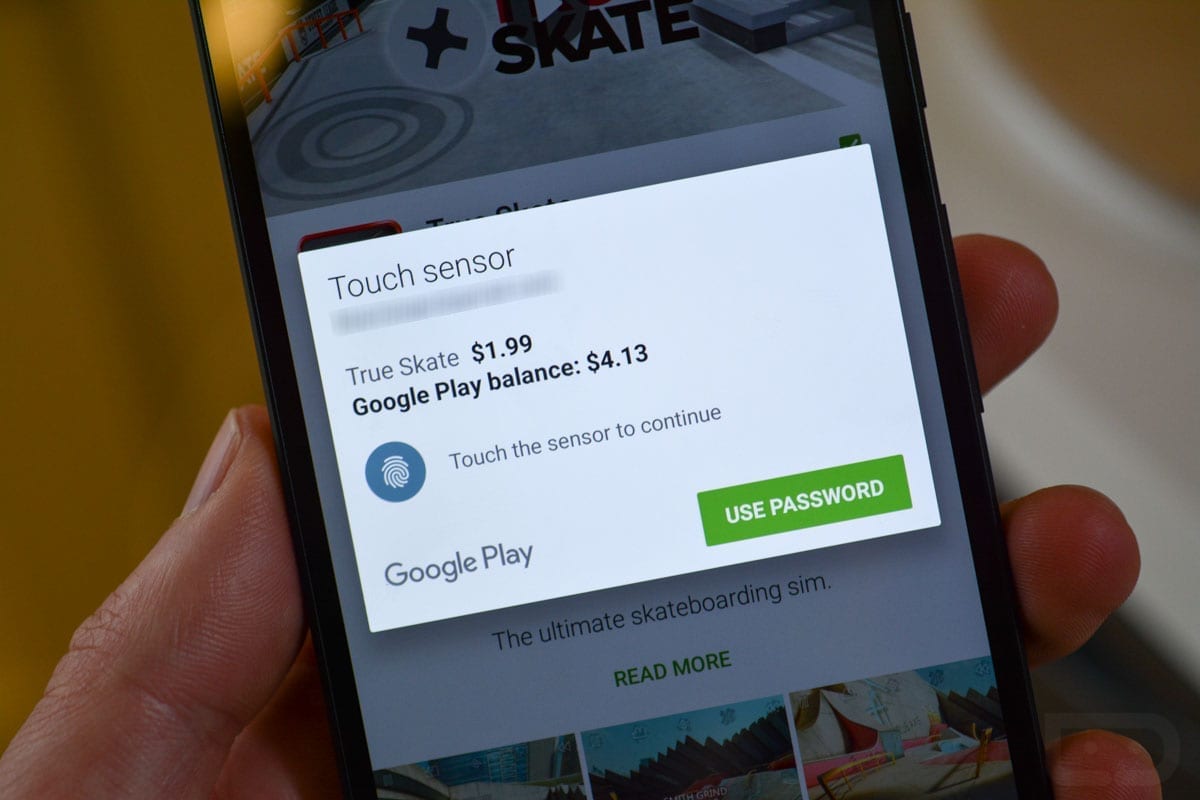
    Google may be blocked in mainland China, but it’s Android Pay mobile payment service has just launched in the freer environs of Hong Kong.

    The mobile payment service from the American Internet company has launched in Hong Kong and is now available at thousands of retail outlets.

    Android Pay is a “one-click payment” service launched by Google. It features NFC communications technology and can be used on devices starting with the KitKat 4.4 Android system.

    Android Pay is similar with Apple Pay, which supports rapid and convenient payment functions via smartphones. Apple Pay launched in Hong Kong and mainland China earlier this year.

    Android Pay has established partnerships with the Bank of East Asia, DBS, Dah Sing Bank, Hang Seng Bank, HSBC, and Standard Chartered Bank in Hong Kong. At the same time, Android Pay gained support of over 5,000 retailers, including 7-11, Circle K, Fortress, Mannings, Maxims Cakes, MX, and McDonald’s.
  • Contactless mobile payments growing

    Contactless mobile payments growing

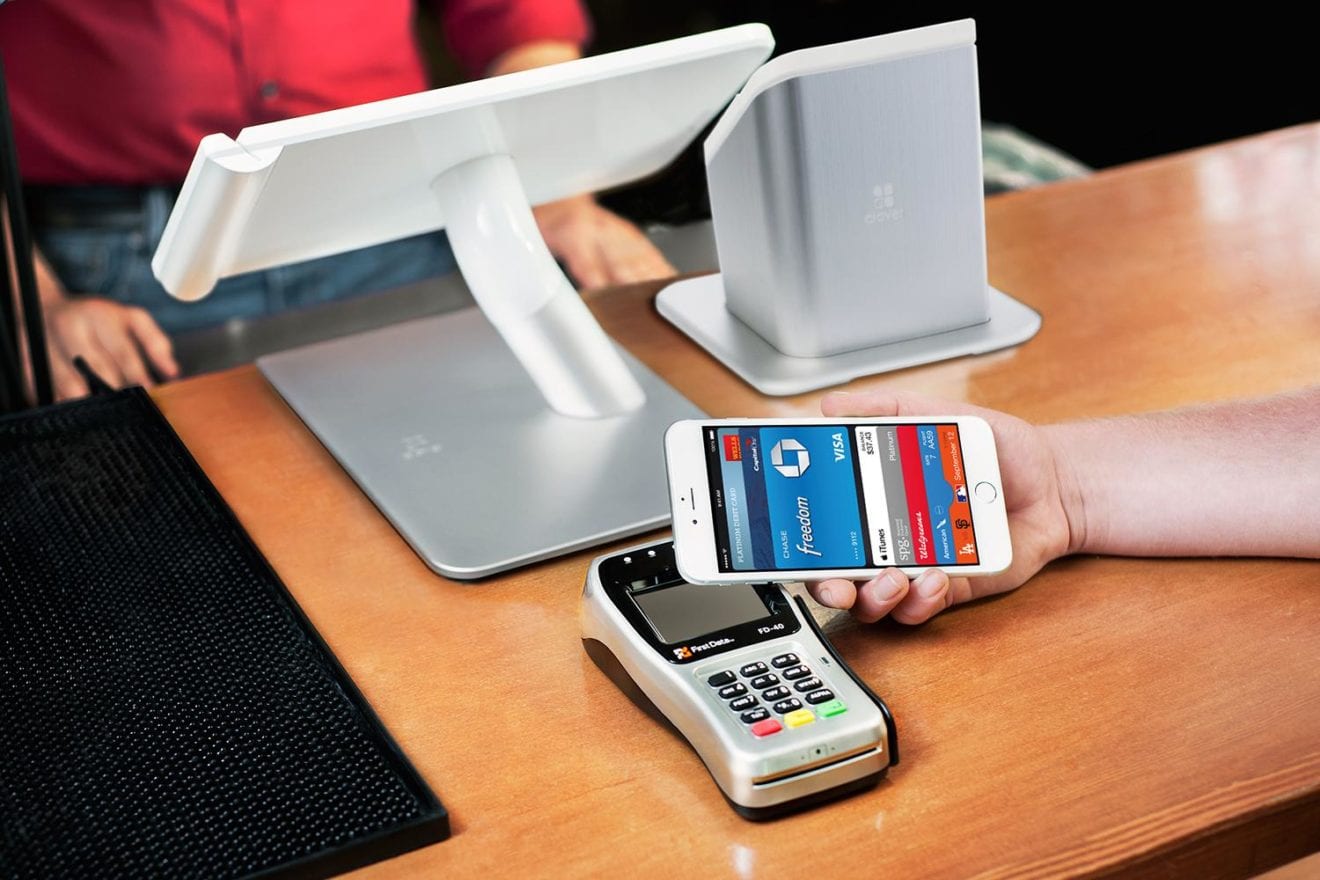
    The number of contactless payments made via mobile handsets will reach 148 million globally this year, according to a study conducted by Juniper Research.

    Samsung and Apple will account for approximately 70 per cent of new customers.

    The study showed consumers have been receptive to this payment method, predominantly because of their strategic placement. When Apple Pay was introduced in China, nearly 40 million payment cards were registered to the service in 24 hours in mid-February.

    Nearly one in five point-of-sale terminals in the US are now contactless-capable, with the report finding this will see smartphones be the number one driver of contactless payments in the US. The report also revealed banks and leading “over the top” players will deploy Host Card Emulation-based (HCE) models.

    “The combination of HCE and tokenisation is extremely attractive to banks. HCE means that they are not dependent on a mobile operator to enable the service; tokenisation reduces the burden on the issuer and allows them to use their existing infrastructure,” research co-author, Dr. Windsor Holden said.

    The study also found that NFC sticker-based solutions can be ‘risky,’ stating that in closed-loop solutions, ‘there’s a chance thieves could simply use all the money in the wallet at participating retail outlets.’