Tag: Sanpower

  • Brookstone files for bankruptcy for the second time

    Brookstone files for bankruptcy for the second time

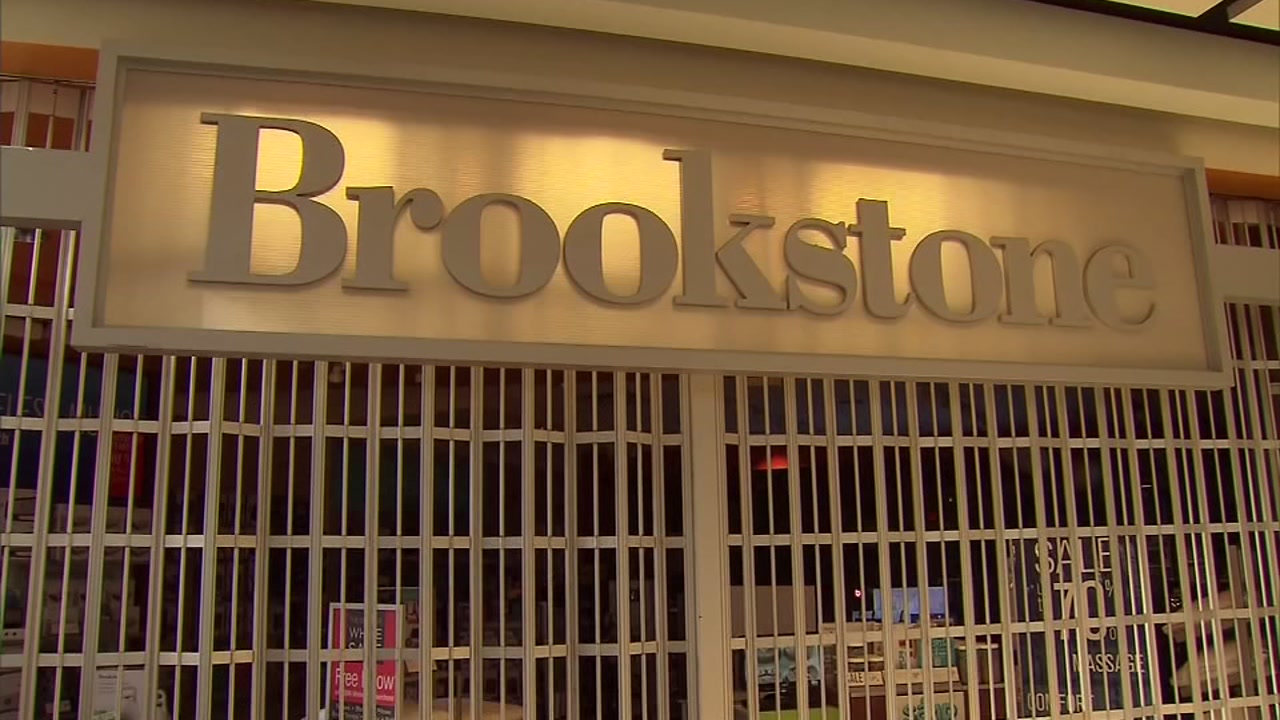
    Quirky gadget retailer Brookstone has filed for Chapter 11 bankruptcy protection – again.

    But the company has a clear strategy for its survival: closing its 101 remaining mall-based stores in favour of focusing on expanding its airport retail concept – which now numbers 35 stores – selling goods online and wholesaling.

    Brookstone has secured US$30 million in bankruptcy financing from Wells Fargo and Gordon Brothers. It said the mall-based store business was no longer viable “following continued deterioration of traditional retail mall traffic”.

    But its airport, online and wholesale operations are “operating successfully and should prove attractive to a buyer with the financial resources and vision to carry our company into the future,” said CEO Piau Phang Foo in a statement.

    Brookstone was founded in 1965, selling “hard-to-find tools” through Popular Mechanics magazine as a direct-marketing business. It opened its first brick-and-mortar store in 1973.

    In 2014 it was placed in Chapter 11 before being rescued by China’s Sailing Capital and Sanpower Group for $174 million.

  • Blow for House of Fraser as Chinese firm drops plan to invest

    Blow for House of Fraser as Chinese firm drops plan to invest

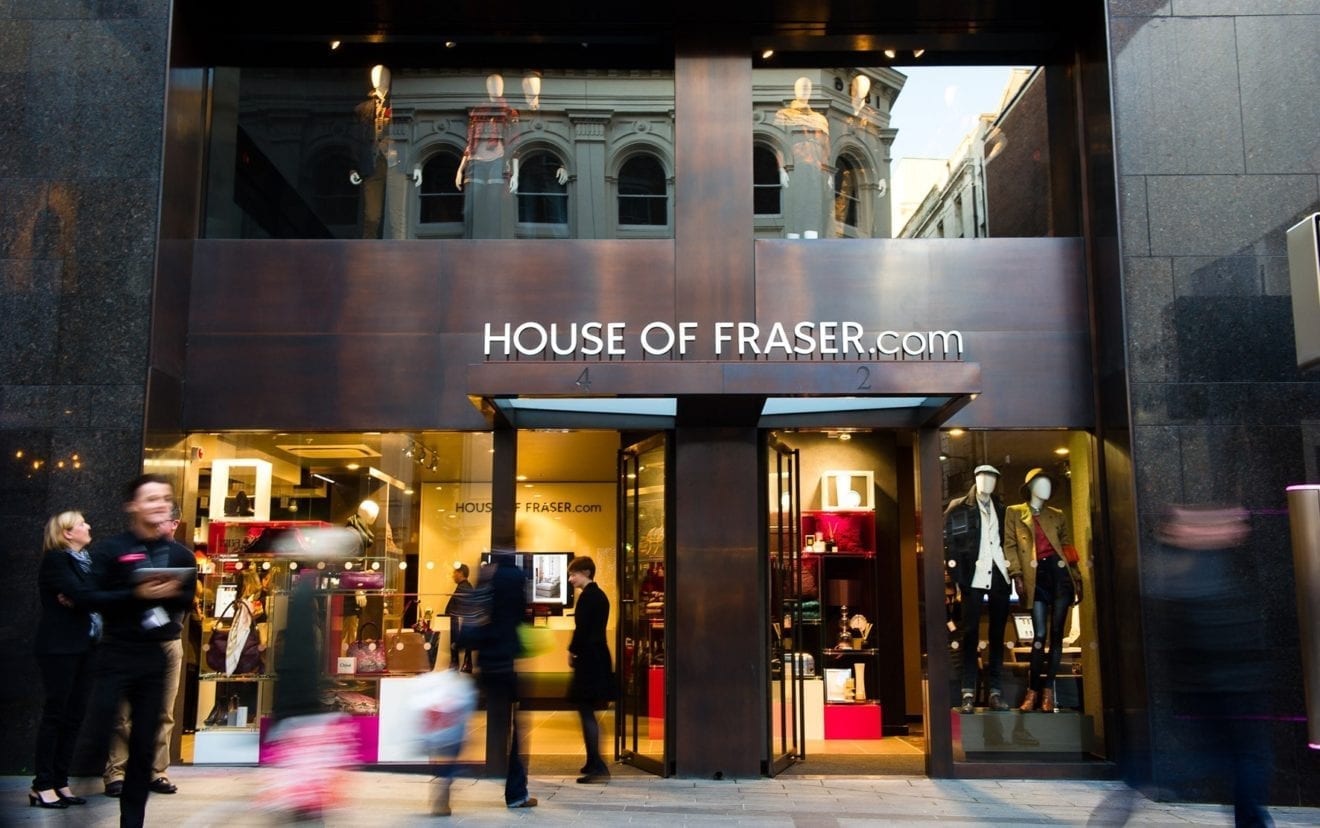
    C.banner International has dropped its House of Fraser rescue plan, dealing what some observers in the UK are describing as a potentially fatal blow.

    Hong Kong-listed C.banner, which is the parent of toy retailer Hamleys, had undertaken to invest £150 million into House of Fraser assuming control of the business.

    In June, the deal appeared to be confirmed after creditors of House of Fraser agreed to a Company Voluntary Agreement in which 31 stores would close in the UK and Ireland and 6000 jobs cut. After the downsizing, House of Fraser would have just 28 stores in the UK and Ireland. Creditor approval of the CVA was a pre-condition of C.banner’s investment.

    However in a statement issued to the Hong Kong stock exchange, C.banner has backed out.

    “In view of the fact that the recent market prices of the shares as quoted on the stock exchange have significantly dropped to a level which is far below the placing price range of HK$2.40 to $3.00 per placing share, the company and the placing agent are of the opinion that the placing has been rendered impracticable and inadvisable, and therefore no longer intend to proceed with the placing.”

    C.banner’s share price has fallen to $0.71 since June 1, when it announced the plan.

    Furthermore, C.banner has issued a profit warning, predicting a loss of RMB20 million in the six months to June, compared with a RMB39 million profit for the same period last year.

    Talks with new suitors

    Meanwhile, House of Fraser is now in negotiations with other parties, including Mike Ashley, the owner of Sports Direct, over a rescue bail-out – it needs £50 million rapidly to avoid collapse.

    As reported, the department store group is struggling to pay a quarterly rent bull of nearly £25 million due in late September and to fund the purchase of millions of pounds of stock for the peak Christmas trading period.

    And, subsequent to creditor approval of the CVA, some of the company’s landlords have launched a legal challenge against the planned store closures and rent reductions. While all creditors had a vote on adopting the CVA, it only required a majority of 75 per cent to be carried. The landlords were on the losing side of that vote.

  • House of Fraser’s Chinese owners to sell stake in department store

    House of Fraser’s Chinese owners to sell stake in department store

    The Chinese firm which has a majority ownership in House of Fraser has confirmed plans to offload most of its stake.

    A Chinese stock-exchange filing indicates that Nanjing Xinjiekou Department Store (or Nanjing Cenbest) is poised to sell off most of its holdings to tourism development company Wuji Wenhua.

    Nanjing Cenbest has an 89 per cent stake in House of Fraser, and is looking to sell off 51 per cent of it. This would mean retaining a 38 per cent stake in the retailer.

    Meanwhile, Nanjing Cenbest has confirmed it is in “advanced discussions” with Wuji Wenhua about it investing in the British department store chain.

    Nanjing Cenbest – a subsidiary of Sanpower Group, which acquired House of Fraser in 2014 – also hailed the potential collaboration as a strategy that could “further internationalise” the retailer. “We are very proud of our continued stake in the 169-year-old House of Fraser brand.”

    House of Fraser had a slump in Christmas sales, its credit rating has been downgraded, and it has drafted in Rothschild to help refinance its debt package.

    Nanjing Cenbest is a department store retailer in China, where it runs both the Xinjiekou fascia and Chinese House of Fraser stores.

    Bloomberg data shows Sanpower Group has a 27.32 per cent stake in Nanjing Cenbest. When the firm acquired its 89 per cent ownership of House of Fraser in 2014, it had planned to open 50 outlets in China.

    So far it has opened only two. The remaining 11 per cent stake in the retailer is owned by Sports Direct founder Mike Ashley.

    The department stores have struggled amid the rise of online shopping and a surge in sourcing costs driven by the pound’s 7 per cent fall against the US dollar and 14 per cent decline against the euro since the Brexit vote.

    House of Fraser reported a 2.9 per cent drop in sales over the holiday shopping season and has entered negotiations with landlords to reduce rents on some of its 59 UK stores. In the year ended January last year the company reported net income of £26.8 million (US$37.2 million).

    Sanpower Group, which owns a 27.32 per cent stake in Nanjing Xinjiekou, acquired House of Fraser in 2014 in a deal that valued the chain at £450 million.

  • House of Fraser China opens first store

    House of Fraser China opens first store

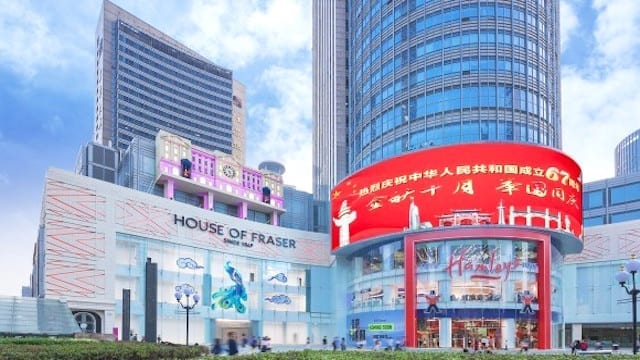
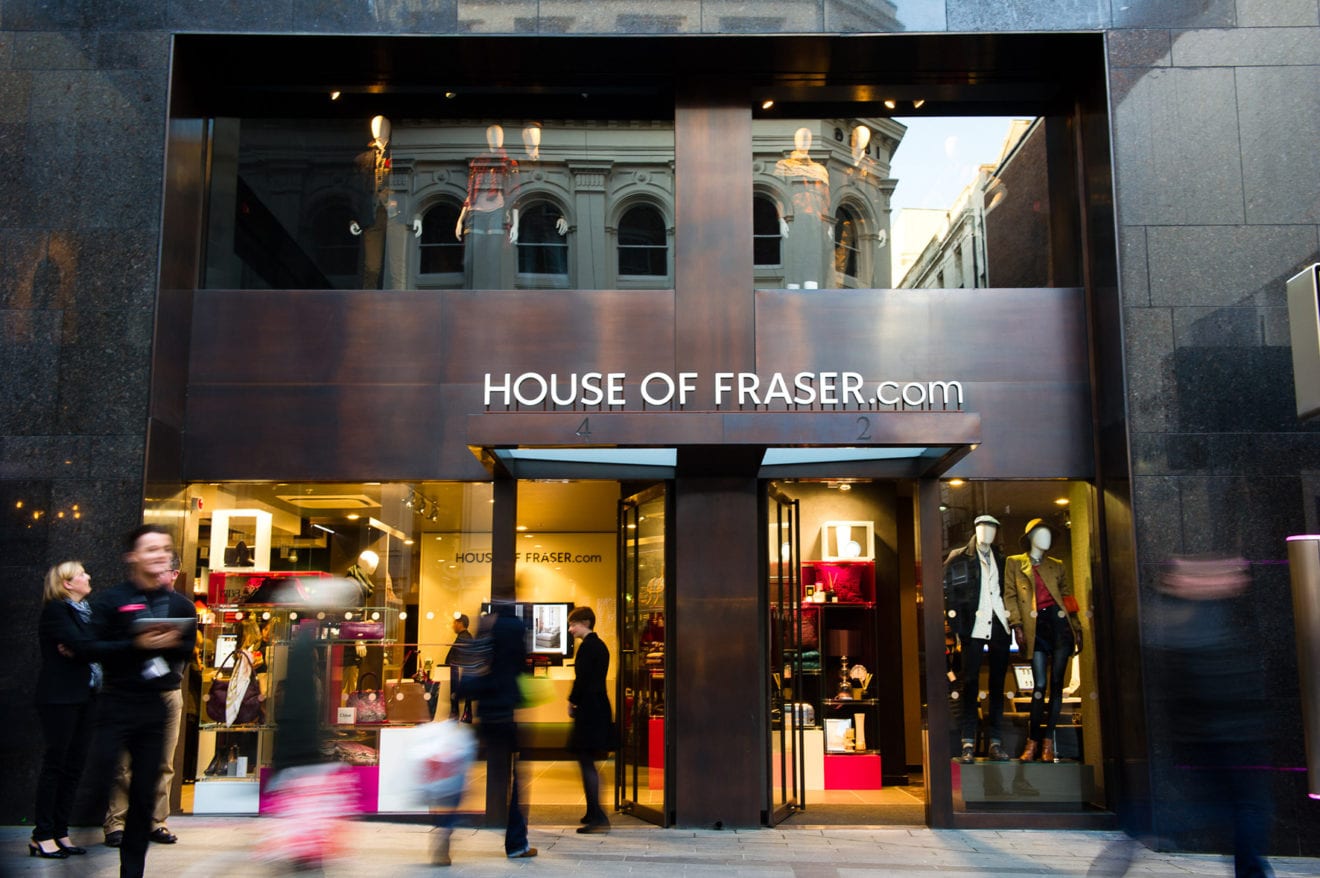
    British department store chain House of Fraser has opened its first standalone store in China, in Sanpower Plaza in Nanjing, the capital of Jiangsu province.

    Owned by Chinese conglomerate Sanpower Group, the House of Fraser China store spans six floors with more than 425,000 sqft (39,483 sqm) of retail space. It is introducing such brands as Cambridge Satchel Company, Peter Werth and Radley into the Chinese market.

    House of Fraser chairman Frank Slevin says the chain will look to benefit from the strong demand by Chinese consumers for UK brands.

    In September, the company described trading in the UK as “very challenging”. It said the retail sector there was facing significant change in “structural dynamics as consumers’ shopping habits and delivery expectations continue to evolve”.

    “The opening of the store in Nanjing is a strong way to finish the year,” says Slevin.

  • Bidding disappoints McDonald’s Corporation

    Bidding disappoints McDonald’s Corporation

    McDonald’s Corporation says it is struggling to attract the calibre of bidders it envisioned when it put its China and Hong Kong franchise up for tender.

    The restaurant group is offering a 20-year master franchisees for its markets in China, Hong Kong and South Korea. Bidding has gone into its second round and predictions are the deal could be worth US$2 billion to $3 billion.

    Conditions include McDonald’s keeping management intact for two years, with a limitation on taking the franchise public. Other restrictions have reportedly discouraged many private-equity firms from participating in the bidding.

    Global buyout firms such as Bain Capital, Carlyle Group and TPG Capital have put up their hands with the aim of teaming up with some of the Chinese strategic bidders.

    Bidders asked to submit for the second round of the tender include dairy company Beijing Sanyuan Foods, Beijing Tourism Group, ChemChina, state-owned China Cinda Asset Management and Sanpower.

    McDonald’s share price has surged more than 23 per cent since CEO Steve Easterbrook launched a turnaround effort. The plan for Asia comprises one or more local partners taking over the China and Hong Kong franchise of 2800 stores for 20 years while paying royalties to the corporation.

    However, many investors are anxious following the food scandal that hit McDonald’s sales in 2014, reports BFN.

    Meanwhile, McDonald’s last year announced plans to sell its business in Taiwan plus a substantial ownership stake in Japan, but as yet investors have yet to be secured. “We are making solid progress as we look for long-term strategic partners with local relevance who have complementary skills and expertise,” says a company spokesperson.

  • Bidding starts for McDonald’s China business

    Bidding starts for McDonald’s China business

    Beijing Tourism Group, ChemChina and Sanpower are among bidders for McDonald’s China restaurants and the 20-year master franchise covering China and Hong Kong.

    The deal is said to be worth about US$3 billion, and bids close on Monday.

    Restrictions on the franchise agreement have discouraged such buyers as private equity firms, but others have entered the auction, reports CNBC.

    McDonald’s China partner Beijing Capital Agribusiness Group has been reported to be among companies preparing first-round bids ahead of the deadline, but an official has said the company is not participating in the bidding.

    Illinois-based McDonald’s has hired Morgan Stanley to run the sale of about 2800 restaurants in China, Hong Kong and South Korea. The South Korea sale is being run separately.

    McDonald’s announced in March that it was reorganising in Asia by bringing in partners to own restaurants within the franchise business. Competitor Yum Brands, which has the KFC and Pizza Hut chains, is also restructuring in China.

    Domestic rivals are becoming more competitive, and the two international fast-food giants have had food-safety scares.

    “Given the difficulties Western chains have had recently with public perception, local players have become a serious competitive threat,” says Euromonitor International foodservice analyst Elizabeth Friend.

    Meanwhile, McDonald’s will draw up a shortlist of bidders for the next round in the coming weeks.

    McDonald’s China and Hong Kong business posted about $200 million in earnings in its latest financial year.

  • First Brookstone store China opens

    First Brookstone store China opens

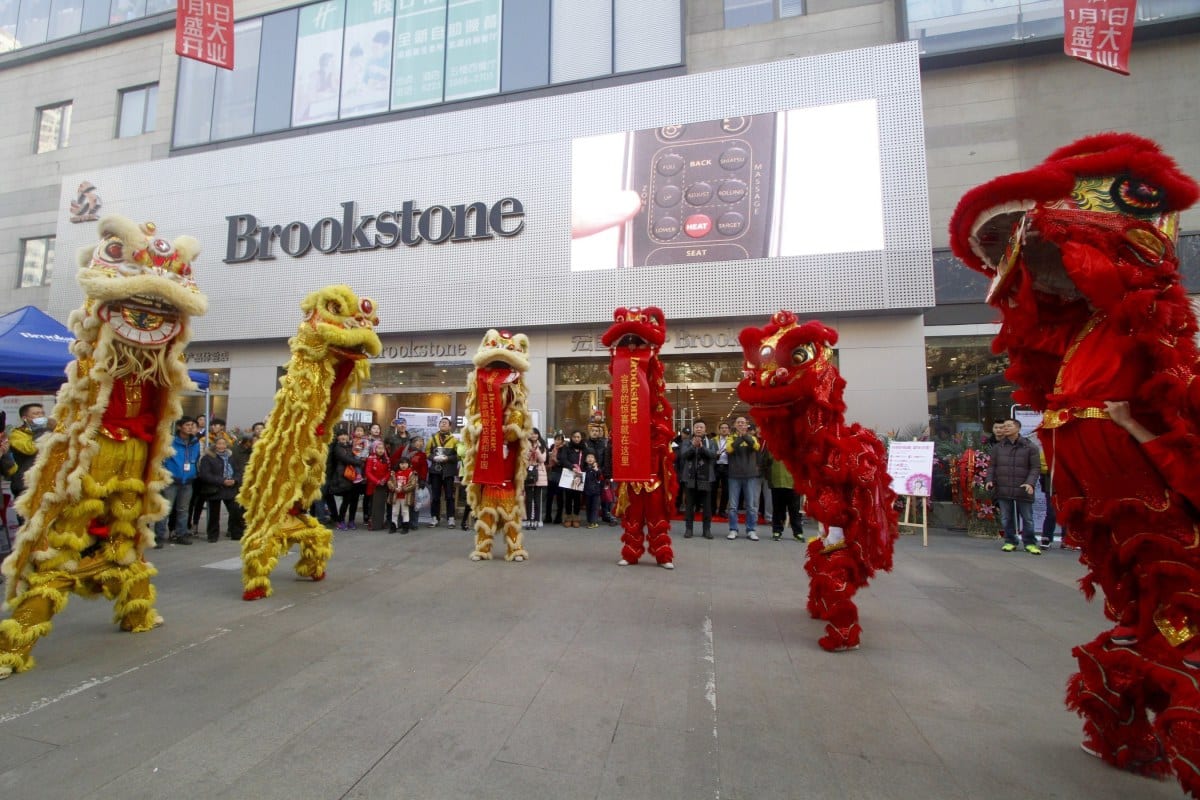
    US specialty retailer Brookstone has opened its first overseas store in one of the largest shopping centers in Nanjing, China.

    First-day sales far exceeded expectations for the new outlet, says CEO Tom Via. “We’re thrilled with how enthusiastically customers are embracing their first Brookstone China store experience.”

    Brookstone shops allow customers to try out products, and Via says visitors to the new outlet “love being able to try out our massagers, wear the Cat Ear headphones and see drones in action”.

    Founded in 1965, Brookstone offers innovative and lifestyle products designed for smart living. It has more than 300 mall and airport stores across the US, plus an online presence and a B2B/wholesale business. Two months after filing for bankruptcy in April 2014, the company was bought by Chinese investment firm Sailing Capital and Chinese conglomerate Sanpower for more than $173 million. By July, the company had emerged from bankruptcy with a restructured balance sheet, improved capital structure and a new strategic partner with a corporate mission to introduce premium American lifestyle products to shoppers in China.

    Over the years, Brookstone has built a following for its memory-foam pillows, sleep-sound machines, massagers and checkpoint-friendly luggage.

    Brookstone China chairman Xin Kexia is using the slogan “Easy surprise” to position the store as a destination for people to find “surprising innovations that make life easier”.

    Not only does the brand have in-house R&D teams that develop exclusive products, it also explores innovative products from makers all over the world.

    “For offline commerce to have any real meaning in the future internet-based society, it must meet the spiritual needs of consumers,” says Xin Kexia, “and offer customers a richer experience. Our mission is to consistently offer fresh and exciting product that customers have never seen before.”

    To help achieve this goal, the Sanpower Group has made active strategic adjustments and joined hands with Brookstone to sign a co-operation agreement with research and innovation institution MIT Media Lab.

    For China, Brookstone is adopting a sales model featuring hands-on interactive shopping. Store “associates” (rather than sales persons) will show customers how to control its products.

    Looking ahead, Brookstone’s China strategy will include opening independent shops in airports and high-speed railway stations, says chairman and Sanpower Group global vice-president Piau Phang Foo. It will also continue to launch store-in-stores in Sanpower’s offline retail brands, including Hisap and Smart Funtalk Telecommunications.
  • House of Fraser China closer to debut

    House of Fraser China closer to debut

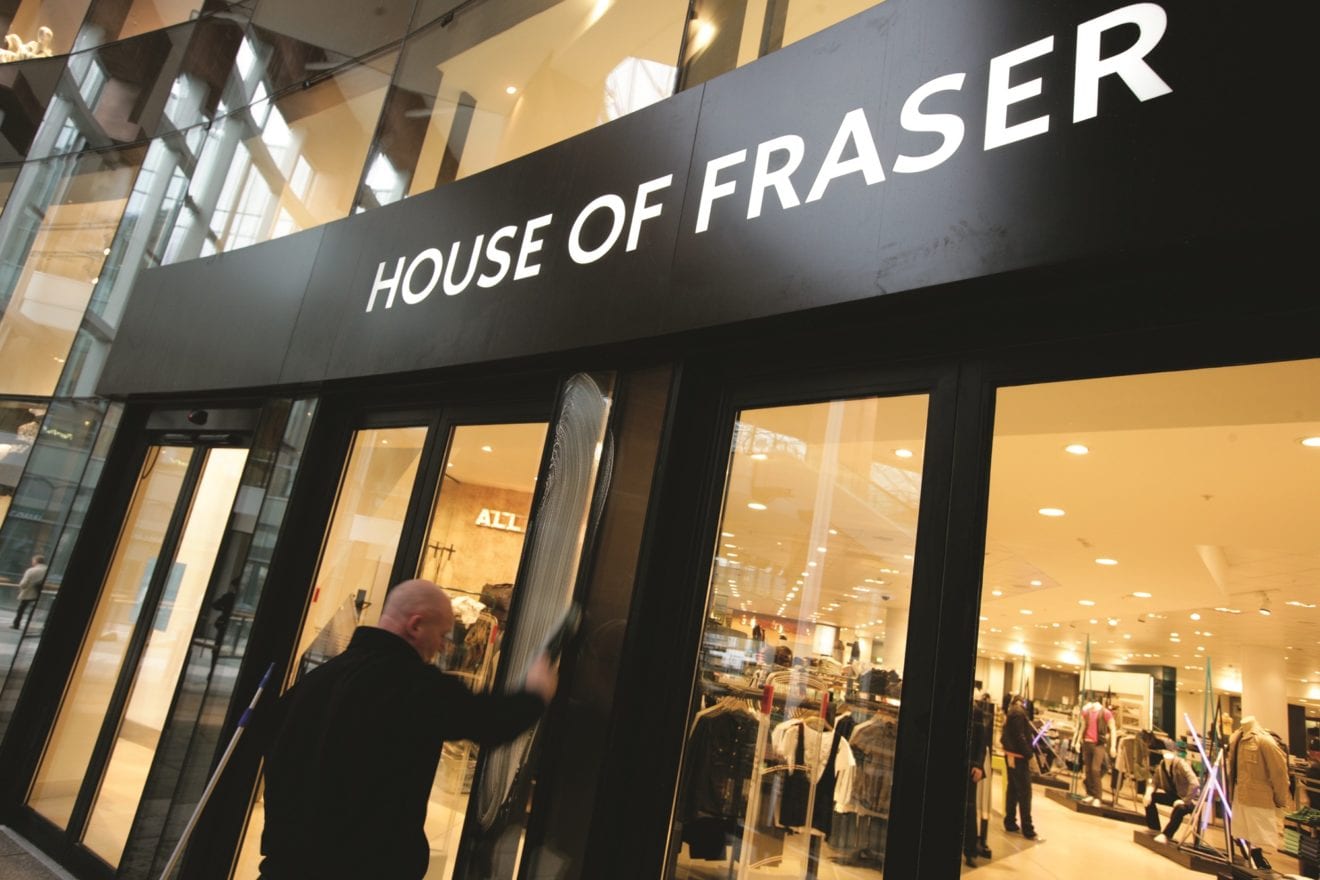
    UK department store retailer House of Fraser has confirmed it will open three stores in China.

    The first will be in Nanjing, the home of House of Fraser’s Chinese owners Sanpower after its £489 million buyout of 89 per cent last September.

    The second store will be in Chongqing and the third in Xuzhou, which is scheduled to open in 2017.

    A second franchised store is also planned for Abu Dhabi.

    House of Fraser revealed record annual profits this week, driven by a 32 per cent increase in online sales and like for like sales up 5.8 per cent to £1.3billion. It reported a record gross profit of £460.2 million. Own brand sales – for Linea and Army & Navy – rose 10 per cent.

    House of Fraser chief Nigel Oddy said the company is excited about its future prospects as it embarks on its next phase of growth internationally.

    Oddy joined House of Fraser in february after a career with Marks & Spencer which included a term as head of its retail operations in Hong Kong and involvement in buying, giving him extensive knowledge of greater China.