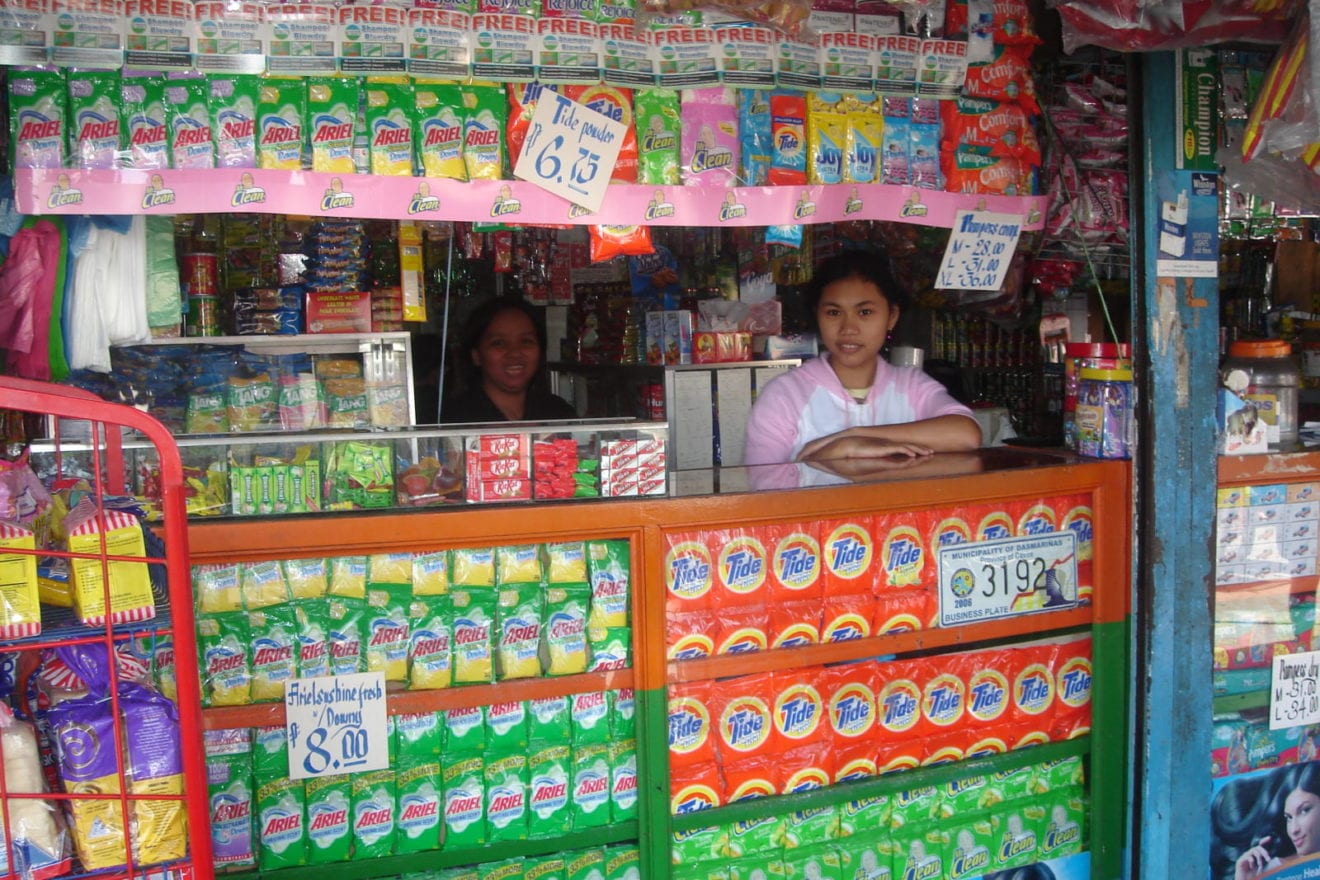
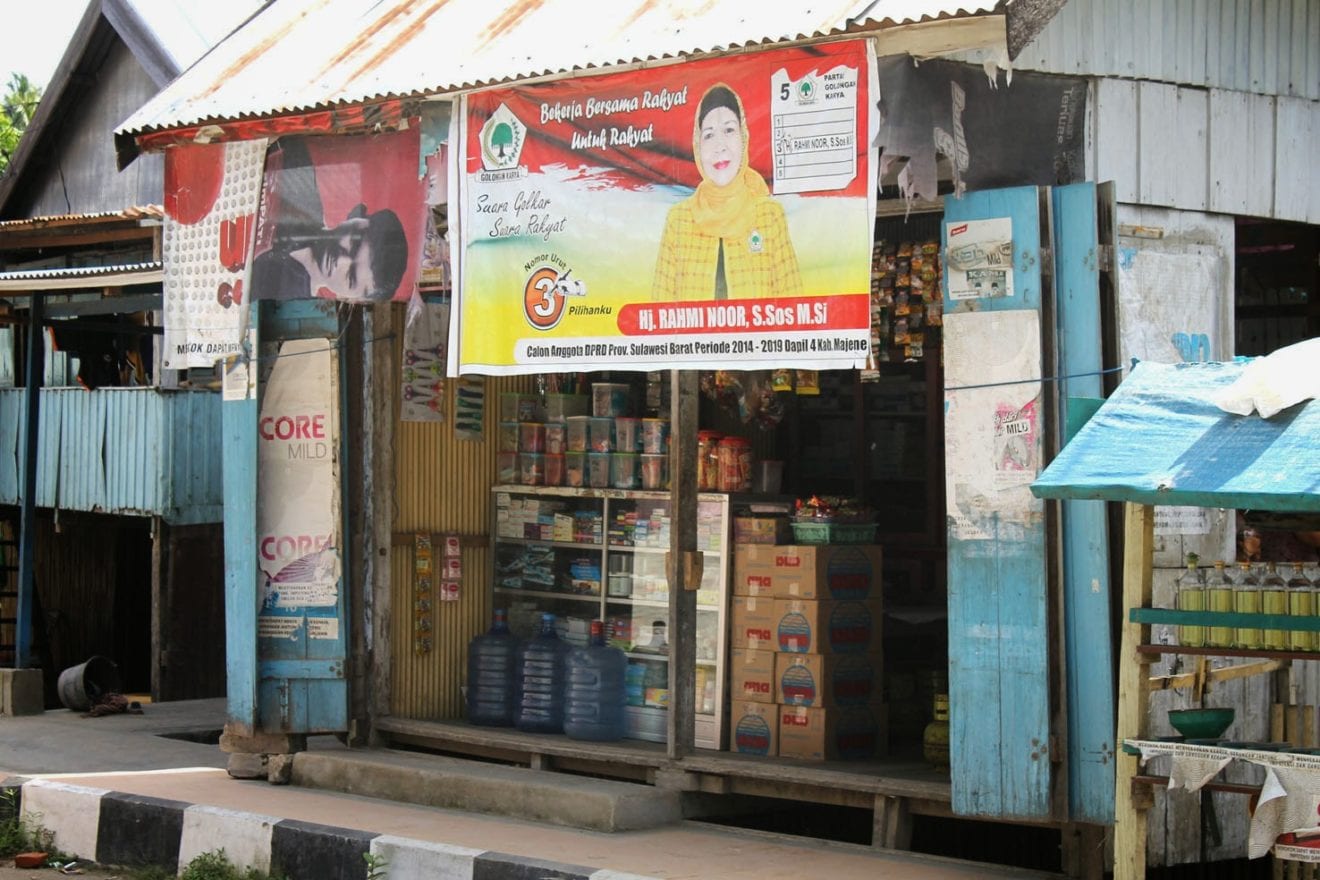
In Asia retail, the humble corner store is an essential ally to fast-moving consumer goods in the battle for market share and customer loyalty, according to a new report from global performance management company, Nielsen.
The whitepaper, Maximising Traditions – The Shop. Shopper. Shopkeeper, argues that a better understanding of this fragmented yet ubiquitous traditional trade channel – which comprises more than 5 million outlets in Southeast Asia alone – has the potential to drive sales by putting brands in front of more consumers.
Nielsen’s research suggests that to better maximise sales, brands should consider a more thorough analysis of their market segmentation, and tap into the understanding of the shopkeeper and shopper.
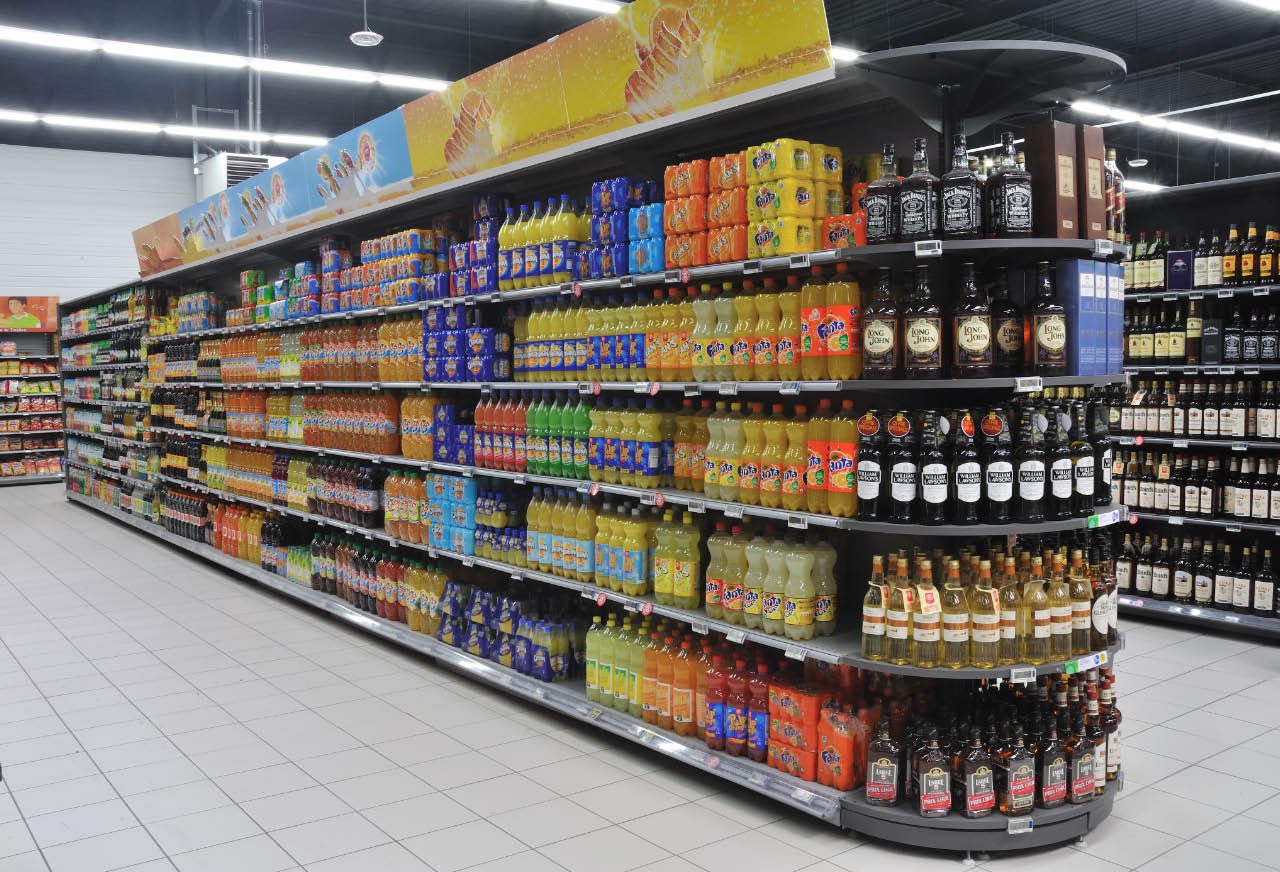
Traditional trade channels account for almost half of all grocery sales in Asia and India. In 2014, 47.9 per cent of all retail sales were made through traditional trade channels, compared to 17.2 per cent for supermarkets which account for the second-largest proportion of sales.
The paper’s author, Connie Cheng, Nielsen’s executive director of shopper solutions for Southeast Asia, North Asia and Pacific, says traditional trade accounts for up to 70 per cent of all retail sales in key markets such as Jakarta, Indonesia, and Ho Chi Minh City, Vietnam.
“While there’s been a headlong rush into the hypermarket and supermarket retail formats throughout most of Southeast Asia, there are untapped loyalties between brands and consumers shopping at traditional trade stores on every street corner, in every town, village and city,” said Cheng.
“With almost 50 per cent of retail sales in Asia made at a small, independent grocery store, the research suggests that FMCG brands are leaving money on the table. The key to maximising sales through traditional trade channels is to focus on the relationships between the shopkeeper and the shopper,” she said.
Maximising Traditions finds that the humble warung in Indonesia, the Philippines’ sari-sari, Malaysia’skedai runcit and Vietnam’s cử a hàng tạp hóa are used by consumers in similar ways. The majority of consumers shop at traditional trade stores for daily meals, snack foods and beverages for immediate consumption, while they are less important for top-up or main shopping trips.
The whitepaper reveals that the majority of consumers plan their trips to the most conveniently located store in advance, and have a specific brand in mind. Such behaviour highlights opportunities for brands to vary pack formats or leverage loyalty for premium lines to increase basket size.
When it comes to commonly purchased products, powdered coffee blends, coffee and carbonated drinks top the list in Indonesia, the Philippines and Vietnam, respectively.
While shoppers clearly tend to view the traditional trade store as an extension of their kitchen pantry, sales of homecare and personal care lines are also common purchases. Laundry items, shampoos, makeup, vitamins, baby-care lines and general household products are the most frequently purchased items at grocery stores in Indonesia, the Philippines and Vietnam.
The report suggests that marketers need to undertake a more thorough segmentation analysis to maximise market share. Although traditional trade grocery outlets are plentiful in Indonesia, Malaysia, the Philippines, Thailand and Vietnam, the market is fragmented.
Cheng suggests extending segmentation and tapping shopkeepers for their intimate understanding of hyper-local consumer behaviour.
“Information on demographics, psychographics and shopper behaviour can help provide actionable information for sales teams,” she adds.
A better understanding of grocery shoppers can also assist in brand strategy and modelling, potentially unlocking value for brands in regions with a higher average GDP. This may help overcome issues in a fragmented market.
“There’s an unfortunate and unnecessary disconnect between the desires of brand managers, who may think that bigger is better, and the demands of shoppers utilising Southeast Asia’s most popular channel for purchasing groceries,” continues Cheng.
“Traditional format stores are as relevant now as they have ever been. By better tapping into consumer behaviour, brands can discover what most Southeast Asians already know; that bigger doesn’t always equate to better.”