Tag: save

  • Nestlé To Cut 16,000 Jobs Globally In Cost-cutting Initiative

    Nestlé To Cut 16,000 Jobs Globally In Cost-cutting Initiative

    Nestlé, a global leader in the food and beverage industry, has recently announced plans for a significant reduction in its worldwide workforce. Over the next two years, the company intends to eliminate approximately 16,000 positions as part of its ‘Fuel for Growth’ cost-cutting initiative.

    Workforce Reduction Plan

    In a bold move to streamline operations and achieve financial targets, Nestlé’s management has decided to cut costs by raising the ‘Fuel for Growth’ program’s objective to CHF 3.0 billion (equivalent to US$3.8 billion) from the previously set goal of CHF 2.5 billion (approximately $3.1 billion) by the close of 2027.

    The proposed downsizing, which will be implemented following applicable consultative processes, is expected to affect around 12,000 salaried professionals across various functions and geographical locations. The company believes that this measure will facilitate annual savings of up to CHF1 billion ($1.26 billion) by 2027.

    In addition, Nestlé plans to layoff 4,000 employees as part of ongoing productivity efforts in its manufacturing and supply chain operations.

    Adapting to Change

    “The world is evolving rapidly, and to stay ahead, Nestlé must adapt at an even faster pace,” stated CEO Philipp Navratil. He acknowledged the necessity of making tough decisions, including reducing staff numbers, over the coming two years.

    Emphasizing the company’s commitment to handling these changes with respect and transparency, Navratil affirmed that these actions are crucial to securing Nestlé’s future as a leader in its industry.

    Financial Focus

    Beyond workforce reduction, Nestlé also plans to intensify its focus on driving cash generation. This shift is designed to ensure sustainable returns to shareholders, with the aim of delivering free cash flow exceeding CHF8 billion within the current year.

    In terms of sales growth, Nestlé reported an organic growth of 4.3% in the third quarter. The company also noted ongoing challenges in the Greater China region, which is now managed by a new team focused on business transformation. The first nine months of the year saw organic sales growth of 3.3%, with real internal growth (RIG) at 0.6% and pricing at 2.8%. There were sequential improvements across major markets, global businesses, and categories during this period.

    Despite a more challenging comparison base expected in the fourth quarter, the company anticipates recording annual organic sales growth for the full year.

    Leadership Changes

    Earlier in the month, Nestlé’s chairman Paul Bulcke stepped down from the board ahead of schedule. Vice chairman Pablo Isla is set to assume the role.

    Questions & Answers

    What is Nestlé’s ‘Fuel for Growth’ program?
    This is the company’s cost-cutting strategy aimed at achieving financial targets by streamlining operations and reducing expenditures.

    How many employees will be affected by Nestlé’s workforce reduction plan?
    The plan entails a reduction of approximately 16,000 positions worldwide over the next two years.

    What other financial plans does Nestlé have in place?
    Aside from cost-cutting, the company also intends to concentrate on driving cash generation to ensure sustainable returns to shareholders.

  • VR is dead! And even Apple and Samsung can’t save it

    VR is dead! And even Apple and Samsung can’t save it

    My Decade-Long Journey with Virtual Reality

    Nearly a decade ago, I was struck by the potential of virtual reality (VR) technology when I had my first experience with an early prototype of the HTC Vive. The dynamics of VR were expected to dominate the tech industry and influence lifestyle on a global scale. However, the present scenario seems to paint a different picture with growing rumors of Apple’s plans to transform the Vision Pro headset into a lighter, more affordable, augmented reality system. This has made me question the success trajectory of VR, a technology that was expected to revolutionize our world.

    The Limitations of Virtual Reality

    As time went on, some of the issues that initially seemed like minor growing pains have turned out to be significant drawbacks. The most persistent of these is the discomfort associated with VR headsets. The first generation HTC Vive, weighing 470 grams, proved to be quite tiresome to use after just fifteen minutes. This discomfort has only increased with the Apple Vision Pro headset, which weighs between 600 and 650 grams. This weight does not include the additional 350 grams of the battery pack that’s meant to be carried in your pocket.

    Another deterring factor is motion sickness, commonly referred to as VR sickness, characterized by symptoms such as sweating and eye strain. Although one can adjust to these physical discomforts over time, the sense of disconnect from the real world remains a significant negative factor.

    The Challenge of Affordability

    The high cost of VR technology has been a significant barrier to its widespread adoption. The Apple Vision Pro comes with a hefty price tag of $3,500, whereas the HTC Vive retails for $799. These are not price points that would encourage mass adoption of the technology. To add to this, a report from analyst firm Omdia indicated a 10% decrease in sales of consumer VR headsets in 2024.

    Developers’ Skepticism Towards VR

    Interestingly, there’s a growing skepticism towards VR even among developers. A recent study found that only 13% of developers, who do not currently work in VR, envision shifting their focus to this technology in the next 5 years. This is not a promising figure for the future of VR. The software scene also seems to lack innovative advancements that could make VR indispensable.

    The Future: Augmented Reality?

    The Samsung Galaxy XR headset, which has been leaked extensively, shows the Korean company’s attempt to mainstream the headset Apple Vision Pro couldn’t. However, the Galaxy XR does not seem to offer anything significantly different. On the other hand, Augmented Reality (AR) seems to be making its mark by offering features that are more user-friendly and essential. AR glasses enhance users’ interaction with their environment without the physical discomforts associated with VR.

    Questions & Answers

    What is one of the biggest challenges VR technology faces?
    One of the biggest challenges VR technology faces is the physical discomfort users experience when using VR headsets for extended periods. This includes motion sickness and the heavy weight of the headsets.

    How has the cost of VR technology affected its adoption?
    The high cost of VR headsets has been a significant barrier to its widespread adoption. With price points in the hundreds or even thousands of dollars, many potential users are discouraged from purchasing these devices.

    What is the outlook for VR according to developers?
    A recent study showed that only 13% of developers who do not currently work in VR can see themselves shifting focus to this technology in the next 5 years, pointing to a bleak outlook for the future of VR.

  • Google Meet Revolutionizes Video Calls With Ai-powered Makeup Filters

    Google Meet Revolutionizes Video Calls With Ai-powered Makeup Filters

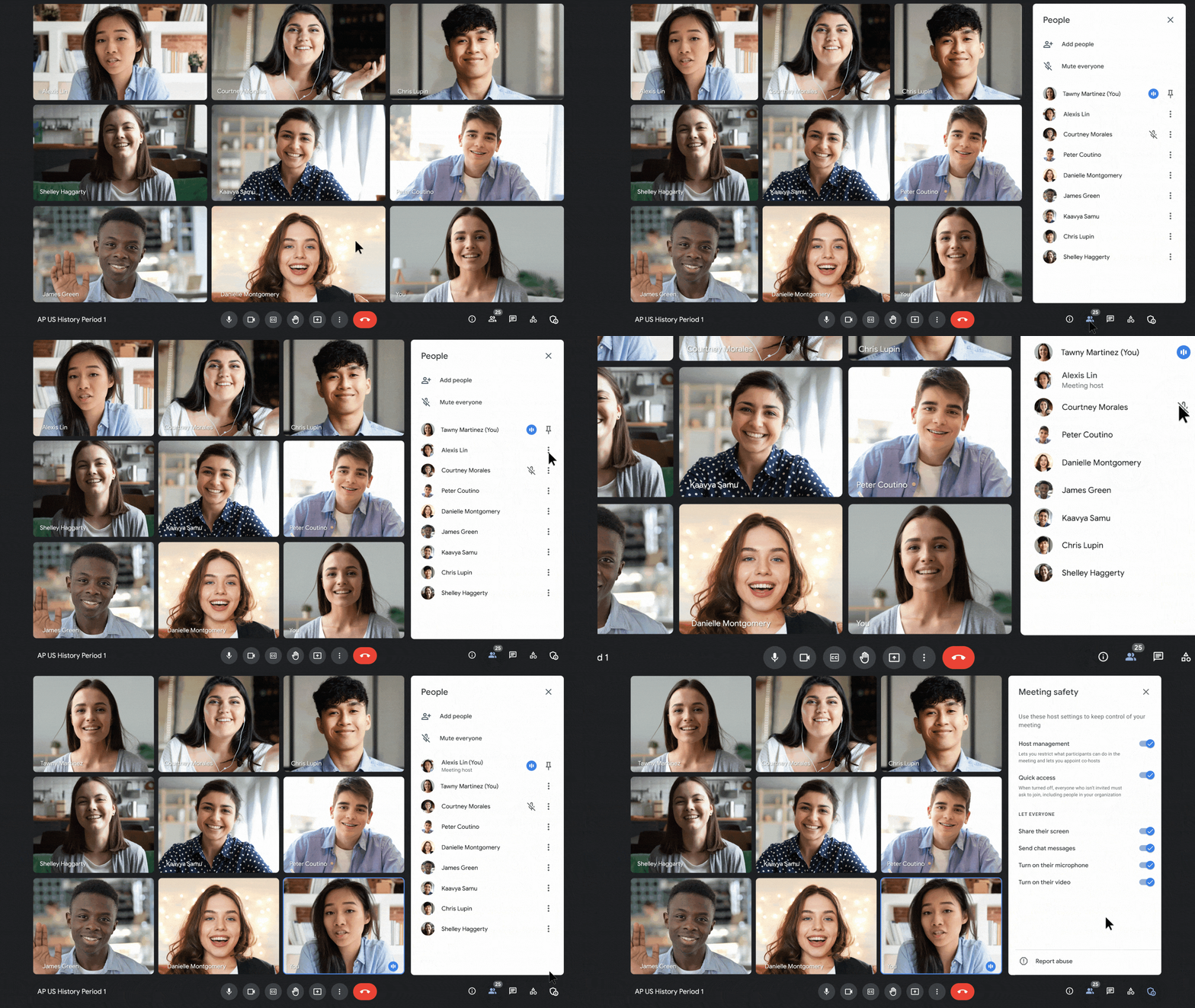
    Google Meet, the popular online conferencing platform, has introduced a game-changing feature: AI-driven makeup filters. Users can now choose from 12 different styles, ranging from subtle to dramatic, that lend an instant touch of refinement to their on-screen appearance.

    Always Camera-Ready with Google Meet

    There’s no question that the prevalence of video conferencing has necessitated new ways to stay camera-ready, often at a moment’s notice. Google Meet’s latest upgrade is designed to meet this exact need. Building on their existing ‘Touch-up’ feature, they have added 12 new makeup filters powered by artificial intelligence.

    Notably, these filters are more than just standard overlays that are prone to flaws or glitches. Google assures that these AI-driven filters maintain a natural and consistent effect, regardless of whether you’re sipping coffee, touching your face, or moving around. Depending on your mood or preference, you can opt for a look that is professional and polished, or one that’s a bit more daring.

    While the feature is not activated by default, users can easily enable it and select their desired look on either the web-based platform or mobile application. The chosen look will conveniently be saved and applied for subsequent meetings, creating a seamless solution for users wanting to maintain their on-screen appearance.

    Keeping Pace with Competitors

    Google Meet is not the first video conferencing platform to venture into virtual makeup. Both Microsoft Teams and Zoom have previously integrated similar features. This trend underlines an acknowledgment from tech giants that virtual meetings are here to stay, and offering features to enhance these experiences is crucial.

    For individuals working remotely or in hybrid work environments, these kinds of features can be highly beneficial. They provide a quick and easy solution to appearing more professional and confident on camera, eliminating the need to get fully ready for each call. This can significantly affect how you present yourself professionally.

    Practicality Over Vanity

    While the introduction of makeup filters in video conferencing might initially be met with skepticism, their practicality soon becomes apparent. It isn’t so much about vanity as it is about convenience and confidence. For those with early morning meetings or days filled with back-to-back calls, the ability to click a button and instantly look presentable is undoubtedly advantageous.

    However, the use of this feature is optional, and it is deactivated by default. Users can activate and use it as required. Currently, this service is available to certain Google Workspace Business and Education tiers and to Google One and Google Workspace Individual subscribers.

    Questions & Answers

    What is Google Meet’s new feature?
    Google Meet’s new feature is an AI-driven makeup filter that users can apply to enhance their on-screen appearance during video calls.

    How can I enable the new makeup filter feature on Google Meet?
    The makeup filter feature can be enabled on the settings page of either the web-based platform or mobile application of Google Meet.

    Who can use the AI-driven makeup filter feature on Google Meet?
    Currently, this feature is accessible to certain Google Workspace Business and Education tiers and to Google One and Google Workspace Individual subscribers.

  • Indonesian supermarket opened in Qatar

    Indonesian supermarket opened in Qatar

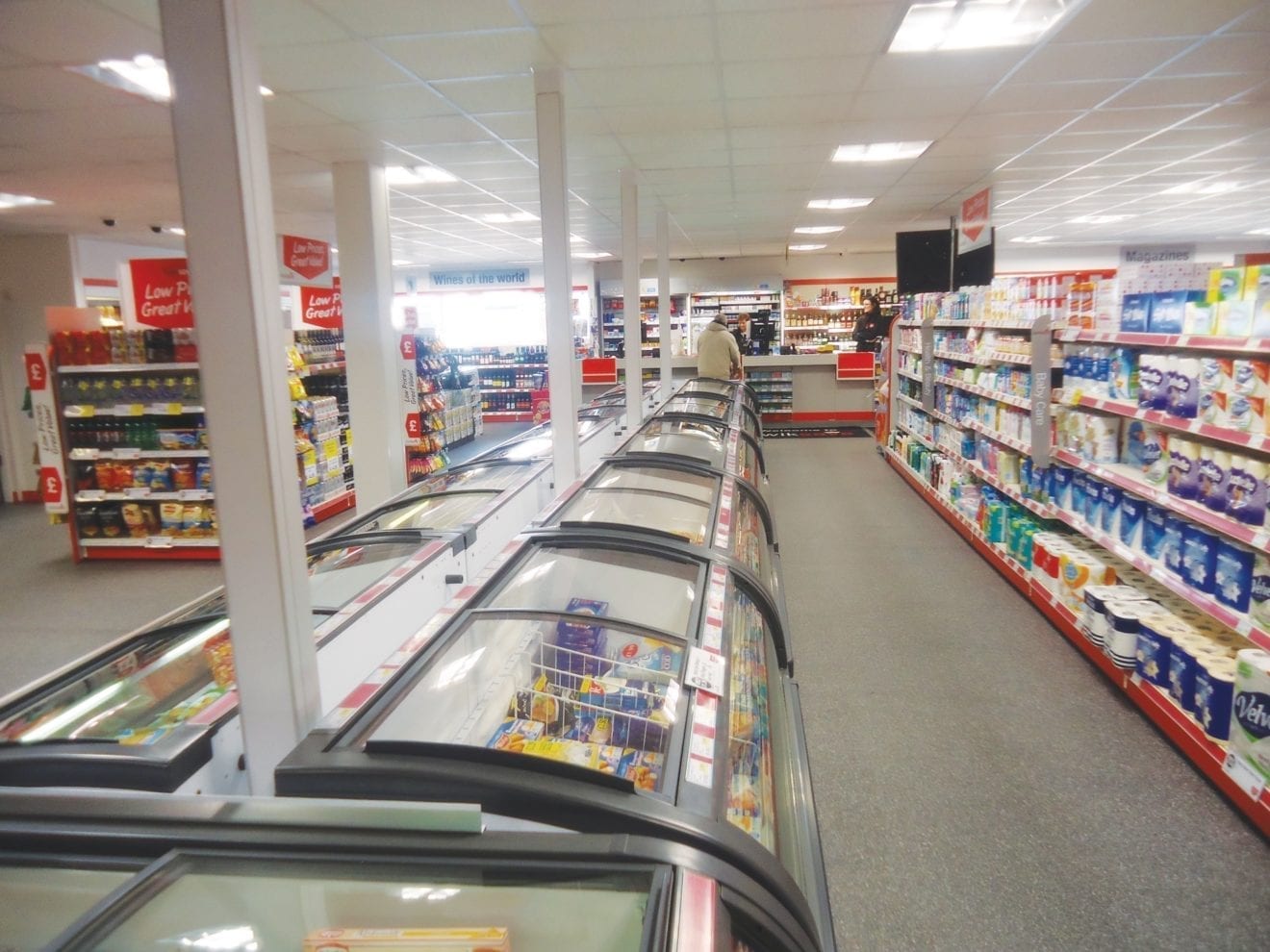
    A supermarket selling Indonesian products was opened in the Messaieed City, located around 40 kilometers from Doha, Qatar. The Indonesian supermarket, called KWIQ Supermarket, was officially opened to the public on June 17 by Indonesian Ambassador to Qatar Muhammad Basri Sidehabi, as quoted from the official website of the Indonesian Ministry of Foreign Affairs on Monday.

    “This Indonesian supermarket serves as a concrete manifestation of Deputy Minister of Foreign Affairs A.M. Fachirs instruction during a coordination meeting last month,” Sidehabi noted.

    The deputy minister had instructed the Indonesian representative to focus on feasible and concrete efforts and to dare to innovate for the benefit of the people, he said.

    The supermarket is expected to encourage the Indonesian diaspora to develop businesses in Qatar as well as to serve as a platform for Indonesian businessmen keen to expand their business in Qatar.

    The plan to set up an Indonesian supermarket was initiated by the KWIQ cooperative group.

    Head of the KWIQ cooperative group Kartini Sarsilaningsih said Indonesian citizens living in Messaieed and Wakrah are keen to support the plan to set up an Indonesian supermarket in Qatar.

    Sasilaningsih said the business holds high potential, adding that the Government of Qatar is currently conducting diversification of products following the diplomatic rift with several gulf countries.

    She hoped that in future, the Indonesian supermarket would gain greater support from Indonesian business entities and producers that are looking to expand their business in Qatar.

    “For now, the supermarket has set a target to function as a distributor for Indonesian products since it has a business network,” she revealed.

    The supermarket has been supported by the Indonesian Business Association in Qatar and is selling Indonesian products, such as food and beverages and household appliances.

  • Sunseap Group launches SAVE Campaign

    Sunseap Group launches SAVE Campaign

    Sunseap unveiled its first marketing campaign simply titled, “SAVE” in line with the company’s launch of their clean energy retail offering. Sunseap conducted extensive surveys, and “SAVE” reflects the insights of many individuals’ and corporations’ desire to help protect the environment and fight climate change and save in the process of doing so – a mind-set that is aligned at the very core with the company’s ethos.

    The heavy reliance on the burning of fossil fuels has led to the rise in carbon dioxide levels and global warming. While many businesses wish do their part to save the environment for future generations and at the same time, save on electrical bills or upfront cost, many do not find ready solutions.

    More, recently, listed corporations have also been mandated by Singapore Exchange (SGX) to publish sustainability reports by 2017/2018.

    Frank Phuan, Managing Director of Sunseap Group, explained, “Sunseap’s SAVE campaign will make clean energy more accessible to everyone. Regardless of which industry the business lies in or whichever energy retailer the business is buying power from, anyone can utilize clean energy readily at competitive prices without any upfront costs. Building owners can save electricity bills via an on-site power purchase agreement (PPA) with Sunseap and the solar systems can be installed on the rooftop to provide competitively priced clean energy in the day.”

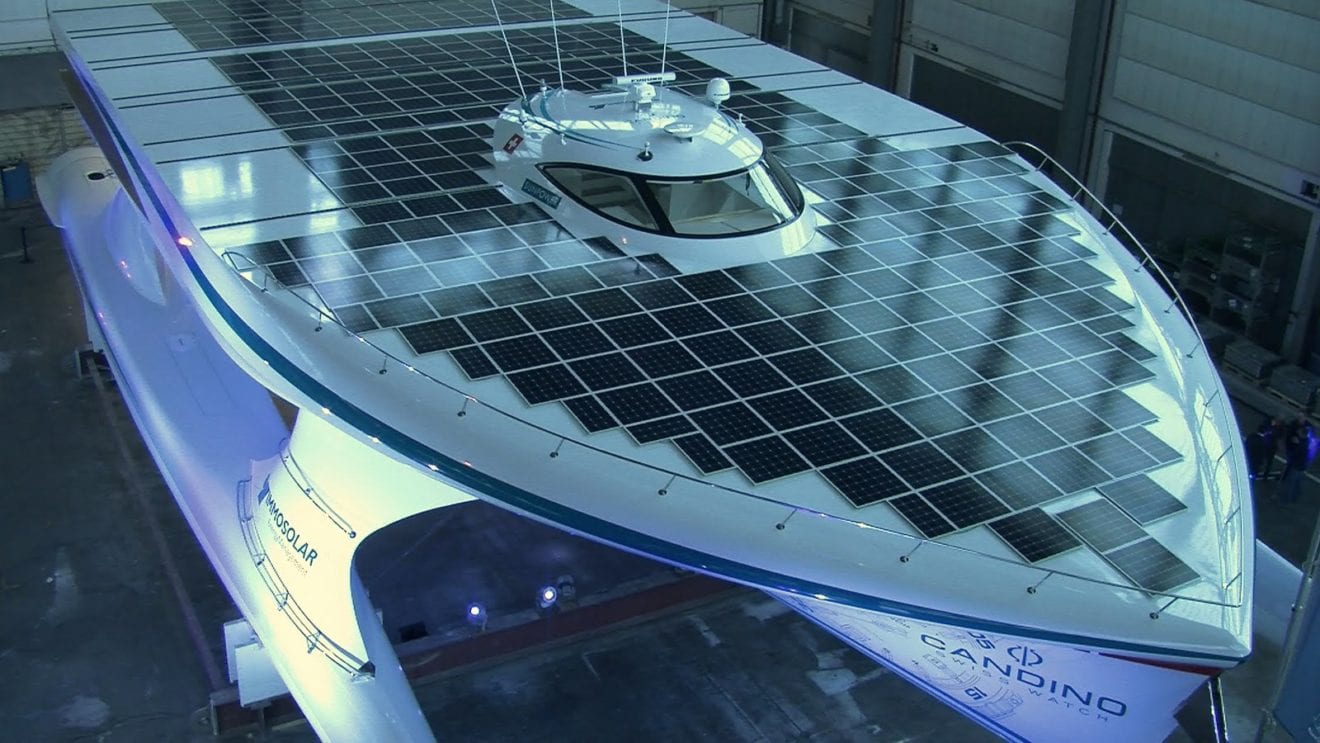
    Kicking off as one of the early adopters of the SAVE Campaign is Panasonic Appliances Refrigeration Devices Singapore (Panasonic), where Sunseap has installed a 2.4 MW system, spanning more than 20,000 square meters of rooftop area.

    In order to put the size of this project into perspective, the 2.4 MWp system is able to power close to 7,000 HDB households with its annual energy generation capacity of more than 3 Gigawatt hours (GWh). As a huge power consumer with operations running 24 hours all year round, Panasonic is able to offset close to 10 per cent of its peak energy needs. At the same time, this project will further demonstrate Panasonic’s commitment towards environmental sustainability. Sunseap hopes this project to be the first of many other collaborations with Panasonic to come.

    Atsunao Terasaki, Managing Director, Panasonic Appliances Refrigeration Devices Singapore, said, “This is the first time Panasonic is participating in a solar leasing agreement with a clean energy provider. Our partnership with Sunseap reflects the company’s commitment in integrating environmental sustainability with business growth. With the government’s vision to utilise solar energy to power 5% of Singapore’s peak electricity demand by 2020, we hope this will encourage more businesses and industries to adopt solar.”

    Other than Panasonic, Housing Development Board (HDB), Singapore American School, ABB, Sakae Holdings and Jurong Port are just some names that have taken that step to save the environment with Sunseap.

    Through the SAVE campaign, Sunseap hopes to create awareness of the cost efficiencies of solar energy in Singapore and invoke action to revolutionize the local energy supply to help SAVE the environment, reduce carbon footprint and electrical bills at the same time

    Lawrence Wu, Director of Sunseap Group, “Sunseap’s unique proposition of providing clean energy accumulated from rooftop farms scattered across the island will continue allow clients to enjoy the benefits of renewable energy even without installing solar energy systems on limited roof spaces and in a country where land is extremely scarce and precious. Sunseap can now potentially offset 100% of anyone’s electricity carbon footprint – something deemed impossible in the past. This is made possible with Sunseap clean energy retail offering.”

    The journey of Solarizing Singapore is being catalyzed by Sunseap as it has installed solar systems on building rooftops and this is fast reaching the thousandth mark, and in doing so the power grid is being “greenified” as there is a large amount of clean energy being fed into the grid. As a Market Participant Retailer (MPR) authorised by Energy Market Authority (EMA) and registered with the Energy Market Company (EMC), Sunseap is able to resell the clean energy generated via their off-site generation solar plants to contestable consumers who are interested procuring electricity from a clean energy producer.

    Deploying a 1 MW solar system (estimated one football field area) is equivalent to reducing 500 tons of carbon emission or planting 20,000 trees in Singapore each year. As such, Sunseap’s 80MW of contracted capacity translates to helping SAVE Singapore 400,000 tons of carbon emission annually, savings for it’s clients and is equivalent to planting 1.6 million trees each year.

    The SAVE campaign by Sunseap is timely as a key meeting dubbed COP21, held in Paris in early December 2015, will see the world’s leaders congregate for “a new international agreement on the climate, applicable to all countries, with the aim of keeping global warming below 2 degrees Celsius.”