Retail News CRM

Tag: Savills

  • Experiential Retail: The Resilient Future Of Physical Stores Amidst E-commerce Surge

    Experiential Retail: The Resilient Future Of Physical Stores Amidst E-commerce Surge

    Despite the rise of e-commerce, physical retail continues to retain a strong appeal among consumers. According to Savills latest survey of its global expert network on occupier outlooks, physical retail is proving resilient with responses leaning 65% towards anticipating rental growth, 26% forecasting stable rents, and 9% anticipating declines; a clear shift from previous years. In 2024, only half of the experts polled projected rising rents, and one in five expected rental decreases.

    Sarah Brooks, Associate Director, Savills World Research, stated that across Asia Pacific, India, Malaysia and Viet Nam are expected to see robust retail rent rises and improved take-up. These markets benefit from rapidly increasing consumer affluence, growing tourism and an influx of international brands. In addition, the supply of high-quality retail space has not kept pace with demand, pushing vacancy rates down and driving competition.

    Experiential retail as a key growth driver

    According to Matthew Powell, Director of Savills Ha Noi, Viet Nam has a distinctive traditional market culture, where grocery stores and physical retail spaces are essential in daily life. Retail spaces are not just transactional; they also provide connection and community building. As such, retail stores will continue to maintain a significant presence in the market.

    In this context, experiential retail has become a key strategy for shopping centres seeking to remain competitive. By shifting the focus from purchasing to experience-led environments that are engaging, such as interactive stores, pop-ups, workshops, and curated F&B concepts, it creates compelling reasons for visitors to stay longer, return more often, and ultimately drive footfall beyond products alone.

    The importance of this shift has increased as online channels continue to change consumer behaviour. Physical retail can no longer rely solely on product offerings, especially in Viet Nam, as Gen Z and Millennials account for 60–70% of urban mall traffic and care more about discovery, interaction and social engagement.
    According to research conducted by Censuswide, 62% of Gen Z consumers and 68% of Millennials believe that luxury is defined not only by the product but also by the experience. This shift in consumer expectations is reshaping how shopping centres operate and select tenants, with operators moving beyond occupancy-led strategies to curate tenant mixes that enhance the overall customer experience.

    Tenant selection is therefore no longer based only on brand names or rental levels, but also on a brand’s ability to encourage interaction, create immersive experiences, and match lifestyle expectations.

    Looking ahead, the future of physical retail is experiential. In markets such as Viet Nam, where consumption, tourism, and lifestyle spending continue to grow, shopping centres that embrace experiential retail will not only remain relevant but strengthen their role as community and commercial hubs, supporting long-term value for occupiers and investors alike.

  • Housing liquidity in 2022 lowest in 5 years

    Housing liquidity in 2022 lowest in 5 years

    The number of house and apartment transactions in the north and the south in 2022 fell to the lowest level in 5 years, according to report by real estate agencies.

    The report said that the apartment market in Ho Chi Minh City and in some southern provinces has been on the decline throughout the year.

    In the first two quarters, nearly 14,000 new apartments were put up for sale, and some 75% were sold. In the third quarter, 1,250 apartments went on the market, and the absorption rate dropped to about 52%.

    In the fourth quarter, 100 new apartments were sold, the lowest number for the year. Furthermore, the number of units sold during the peak sales season at the end of this year was far below the expectations of investors.

    According to Batdongsan, this is an unprecedented situation in the pre-Tet period over the past 5 years. The period before Tet (Lunar New Year holidays)is the peak time for yearly real estate transactions. Many businesses have already increased discount rates to 40-50%, but the liquidity has not shown any improvement. Tet falls in late January 2023.

    According to a market report by real estate services provider DKRA Vietnam, the apartment market showed that 1,385 units were sold in HCMC in the first quarter of this year, down 68% compared to the previous quarter. The liquidity improved in the second quarter, but weakened in the third quarter.

    In August, in the primary market, only 177 apartments in the city were sold, the lowest number in three years, and down 4.6 times against July. The absorption rate in December was around 20%, the lowest in three years.

    Over 200 apartments were sold in November in HCMC and southern provinces, dropping nearly 90% against the same period last year.

    In the south, just four houses were sold in August, down 23 times against July, and down over 70 times compared to April.

    In the secondary market in the south, many apartment and house investors have offered high discount rates to cut their losses, but liquidity has remained low in the second half of this year, according to VnExpress’ observation. The housing market remained quiet in December.

    In the north, housing liquidity has also decreased sharply this year.

    According to Savills Vietnam, in Hanoi, some 4,000 apartments were sold in the first quarter, while sales dropped 45% in the second quarter against the previous one, and decreased 10% in the third quarter.

    In the third quarter, 299 semi-detached houses and villas in Hanoi were sold, down from 666 units in the first quarter.

    Nguyen Van Dinh, president of the Vietnam Association of Realtors, said since the second quarter, the real estate market in the north has decelerated due to the impact of the credit tightening policy.

    The market’s absorption rate in the third quarter decreased 66.5% against the first half of the year, and the number of transactions dropped over 50% against the same period last year.

    The cash flow has slowed down in the real estate market, causing a marked decrease in liquidity, Dinh said.

    Batdongsan’s southern regional manager Dinh Minh Tuan explained that transactions were frozen because some investors and buyers had difficulty accessing bank loans, while others were shocked at increasing interest rates. This situation has caused people to delay purchases in the short term while they assess the market.

    Many well-off people are hesitant to disburse money, expecting housing prices to fall further and discount rates to increase in the coming time, Tuan said.

  • Hong Kong retail rents tipped to turn

    Hong Kong retail rents tipped to turn

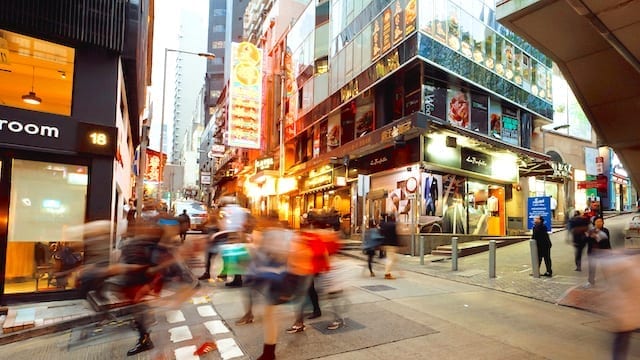
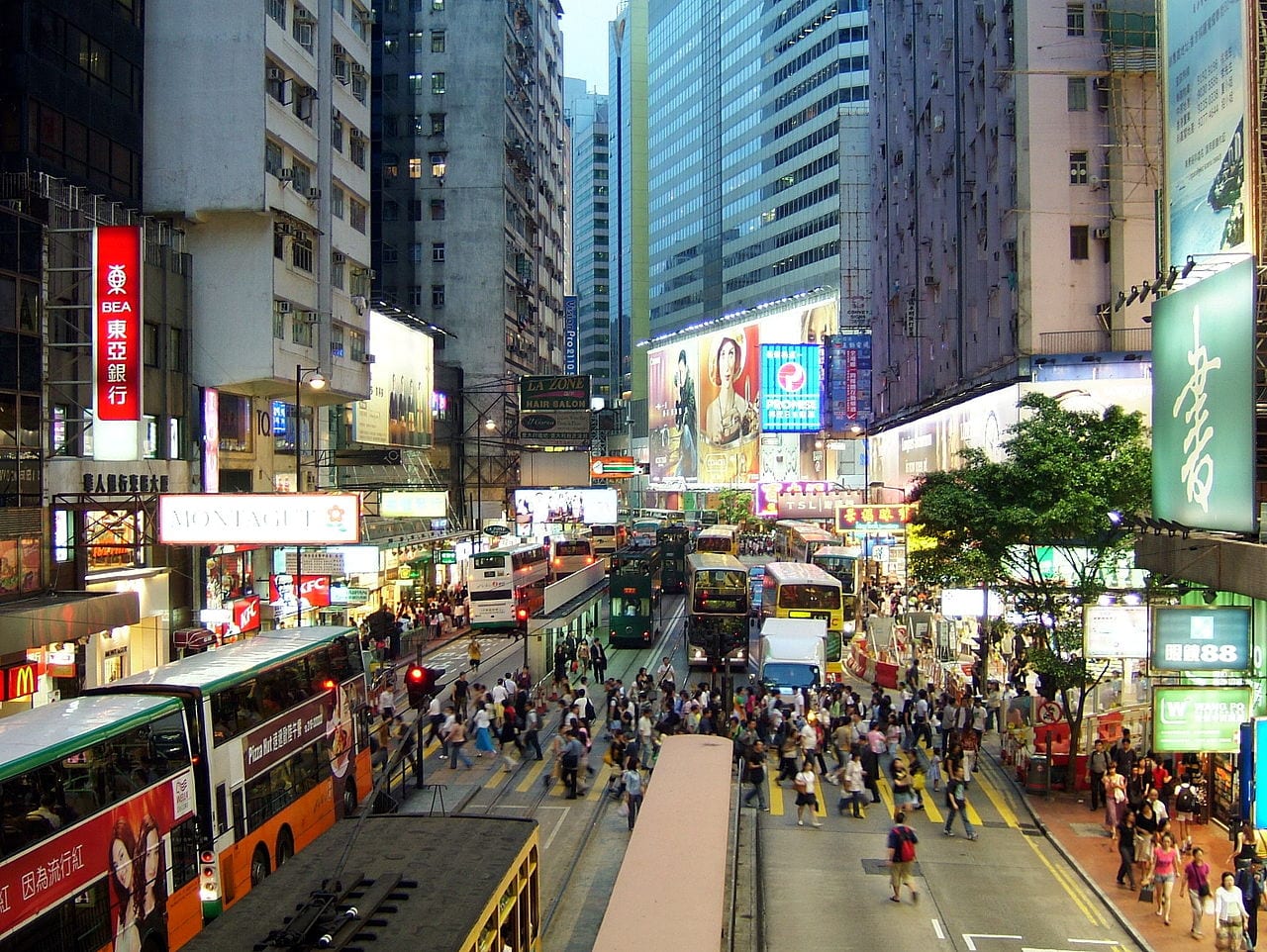
    Hong Kong retail rents are tipped for a modest rise of up to 5 per cent this year according to a research report from real estate advisor Savills. But the authors, Nick Bradstreet, MD, head of leasing and Simon Smith, senior director, research & consultancy, noted that this year has already got off to a positive start. “Landlords and retailers are wary given current uncertainties surrounding trade, stock market valuations, a weak renminbi and rising interest rates among other factors,” said Bradstreet. “But early indications are that the year has got off to a positive start.”

    Smith added: “The well-observed shift towards higher same day mainland visitor numbers and lower per capita spending continued last year and we believe that this year can expect more of the same.”

    Both prime street-shop and shopping-centre rents remained flat last year and rental growth had all but ground to a halt by the fourth quarter due to a weak sales performance, the report said.

    However, the new cross-border bridge and rail link led to a 40.3 per cent year-on-year rise in same-day mainland visitor arrivals in November to 3 million. The number of mainland tourists actually rose during the first 11 months of last year by 14 per cent.

    Smith said the increasing number of same-day visitors and a weak renminbi meant lower per-capita spending and unchanged retail rents by year end.

    “Retail sales growth decelerated to only 1.4 per cent in November, the slowest growth rate registered since June 2017; yet most retailers reported a better-than expected performance over the Christmas holiday period.”

    Thanks to the strong tourist demand, cosmetics and personal care products retailers are expanding rapidly in popular tourist districts such as Causeway Bay, Tsim Sha Tsui and Mong Kok. Food and beverage stores benefited, too, the report said.

    On the contrary, the fourth quarter saw zero rental growth over the previous quarter in prime street shops in most districts, except Tsim Sha Tsui (down -0.9 per cent quarter on quarter). Whilst shopping malls in Kowloon were largely responsible for the marginal decrease with a negative 0.3 per cent change over the third quarter, mall rents remained unchanged on Hong Kong Island and in the New Territories.

    “As a total of 2.3 million sqft of new supply will come on stream this year – the highest level since 2006 – the market fundamentals are expected to remain relatively stable.

  • Central Premium Mall Vietnam plans to open next year

    Central Premium Mall Vietnam plans to open next year

    Ho Chi Minh City is getting a new shopping centre, Central Premium Mall, in District 8, next year. Set to open in the third quarter of next year, the six-storey mall spans 40,000sqm, and is expected to welcome more than 3 million visitors annually.

    The first and second levels will host 200 kiosks from fashion retailers, a supermarket and luxury cafes.

    The third level is for dining, with more than 30 restaurants, including China’s Melie Dimsum, America’s HolyCow, Korean BBQ Gangnam, together with sushi and buffet restaurants.


    The fourth and fifth floors are for entertainment with a children’s playground Kid World, spas, Mexican-style Ritacita Bar, Beer Club Vuvuzela, Bar Redbull and Bar Rocco, among others.

    A cinema will occupy the whole 4000sqm sixth floor.

    Project owner Quoc Cuong Gia Lai says the shopping centre will be managed by a reputable international company, whose identity has yet to be revealed.

    The mall has cost VND1 trillion (US$43 million) to build.

    Central Premium Mall occupies the lower levels of the Central Premium apartment complex currently under construction. A roof-topping ceremony was held recently and apartments are expected to be handed over to residents by the third quarter of next year. It will be managed by Savills Vietnam.

  • H&M Vietnam big expansion in birthday celebration

    H&M Vietnam big expansion in birthday celebration

    H&M Vietnam has opened two new stores, in Ho Chi Minh City and Hanoi.

    The HCMC store is located inside District 7’s Crescent Mall, managed by Savills Vietnam, while the Hanoi store is situated in Vincom Nguyen Chi Thanh.

    Crescent Mall, comprising 45,000sqm of retail space, is one of the city’s earliest international-grade shopping centres and has been trading for about eight years. An extension adding 11,200sqm of retail space, is currently under construction and expected to open late next year, beneath a 25-storey office tower.

    “Crescent Mall is fortunate to be in an area where expansion is still possible,” said Tu Thi Hong An, associate director of commercial leasing at Savills HCMC. “When compared to other areas in Ho Chi Minh, District 7 has been planned and well zoned by Phu My Hung. We hope that H&M will be very happy in this new location.”

    According to Savills, retail turnover in Vietnam last year was US$129 billion, increasing 11 per cent year on year. From now until 2021, the retail market is forecast to grow steadily with the increased demand of leisure (10 per cent per annum), modern grocery (9 per cent) and apparel (6 per cent).

    After entering Vietnam in September last year, H&M Vietnam now has six stores in both Hanoi and HCMC while its rival Zara’s taking time with two outlets, one each in HCMC and Hanoi.

    Another fast-fashion brand, Uniqlo, is planning to expand into Vietnam next year.

  • Hai Di Lao will open first London store

    Hai Di Lao will open first London store

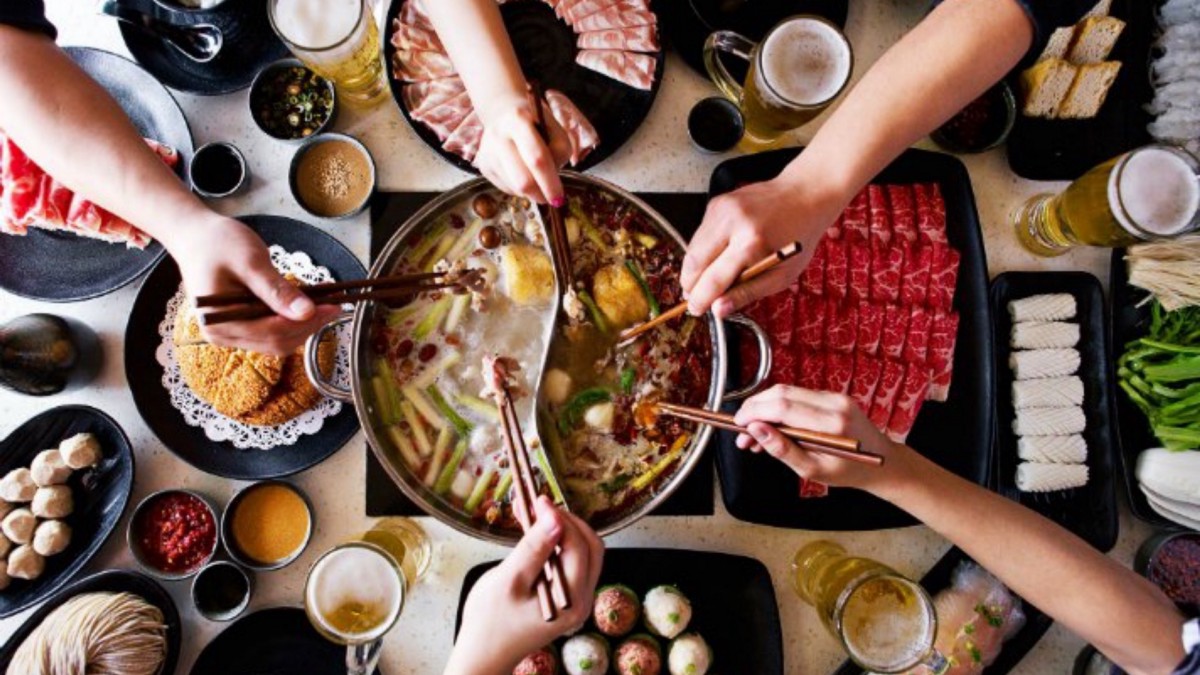
    Chinese hot pot chain Hai Di Lao will open its first UK restaurant at the Trocadero in Piccadilly Circus, London.

    In a deal facilitated by real estate firm Savills, the brand has signed a 15-year lease of an almost 10,000sqft site. It is the chain’s first venue in Europe and follows the opening of its New York restaurant in Times Square.

    Savills’ leisure team associate director Richard Thomas said “Hai Di Lao is a globally recognised brand with fans of the concept worldwide… the chain already has its sights set on expansion both in the UK and across Europe and we are very pleased to have secured this prime spot for its flagship restaurant.”

    To date, Hai Di Lao has opened 310 locations around the world.

  • Hong Kong retail rents prepare to move into ‘early upswing’

    Hong Kong retail rents prepare to move into ‘early upswing’

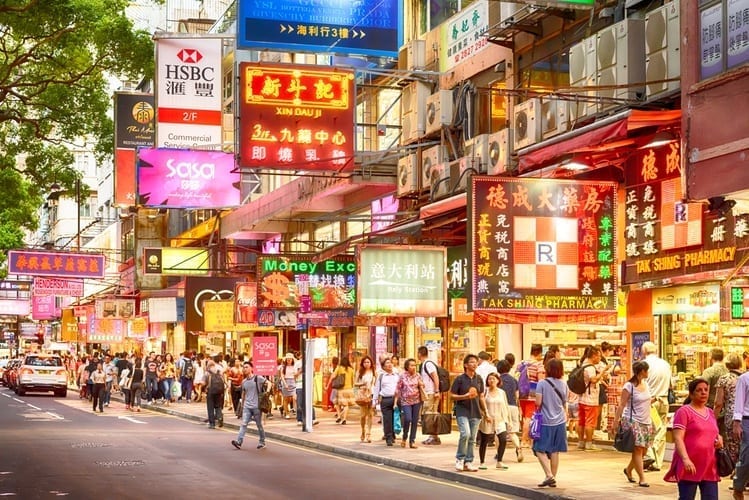
    Hong Kong retail rents are expected to move into an “early upswing cycle” this year according to a regional real estate market briefing prepared by Savills.

    The report details commercial and residential property leasing trends across major Asian markets and as the accompanying tables show, compares occupancy costs of space as well.

    It groups major cities by upswing and downswing, late and early, showing that Hong Kong is at the end of its downswing in retail rental rates. Cities currently in early upswing are Manila, Guangzhou, Jakarta and Singapore. Hong Kong is grouped with Taipei, Hanoi, Ho Chi Minh City and Seoul, suggesting all those markets are about to turn.

    Savills says regional prime retail rents moved by between a decline of 1.8 per cent in Beijing and an increase of 5.9 per cent in Guangzhou last year.

    “Strong local retail consumption growth of 9.5 per cent year on year in the second half of the year following 10.5 per cent in the first half of the year supported the Guangzhou leasing market, while prime shopping malls began to re-position and upgrade, focusing more on entertainment and food & beverage,” said Savills in a brief commentary.

    “Again, Hong Kong’s prime shopping mall rents are considerably ahead of all other Asia-Pacific markets and are expected to move into an ‘early upswing’ cycle this year.”

    Savills says economic growth across Asia-Pacific continued to picked-up moderately in the second half of last year and the International Monetary Fund estimates that the “Emerging and Developing Asia” economies grew by 6.5 per cent over the year as a whole while China grew by 6.8 per cent and Japan’s economy grew by 1.8 per cent last year, from 0.9 per cent in 2016.

    “The improving global economic outlook and an accommodative monetary policy created momentum for business expansion,” said Savills.

  • Hong Kong shopping centre rents predicted to rise

    Hong Kong shopping centre rents predicted to rise

    Hong Kong retail rents are expected to inch up in 2018 according to projections by Savills.

    In a media briefing on Tuesday, Savills senior director of research and consultancy, Simon Smith, predicted a rise in prime retail shop rents of up to 3 per cent, following a decline of 2 per cent this year.

    “The domestic economy is supporting demand as unemployment is low and consumer confidence is high as incomes grow and house prices hit new records,” Smith said.

    “Retail sales are beginning to show signs of life while mainland demand is also returning after two to three years of downward adjustment.”

    At the end of last year, Smith forecast a prime street retail rent decline of between 5 per cent and 10 per cent, but despite some high-profile rent renegotiations, they held up.

    Smith’s data is based on ‘spot’ rents which are different to the headline-grabbing rent reductions achieved by some retail groups in Central and Causeway Bay during this year.

    “When you read about a 50 per cent rent cut, that is usually the renewal of a three-year lease. My rents are ‘spot’ rents and the 2 per cent is this year alone.”

    However, Smith expects shopping mall rents to slip over the next year, giving the narrowing gap with strip-shops. After a decline of just 1 per cent this year, he is tipping a fall of up to 5 per cent next year.

    In terms of sales of retail real estate, Smith predicts an increase in prices of up to 5 per cent next year following a decline of 4 per cent this year, which was well below the 5 to 10 per cent he expected in late 2016.

  • Hong Kong retail start recovering

    Hong Kong retail start recovering

    A “steady if cautious” Hong Kong retail recovery is clearly underway, according to a report from Savills released today.

    “The retail sector is slowly coming to life after four years of painful adjustment which has seen the emergence of a ‘tenant’s market’, a rare occurrence in Hong Kong’s landlord-dominated retail scene,” observed Simon Smith, head of research and consultancy with Savills.

    Over recent months, he said, retailers have been taking the opportunity to upgrade for little or no extra cost and examples include Pandora which moved within IFC Mall and Hourglass, which runs Patek Philippe, relocating within Tsim Sha Tsui from the Imperial Hotel to a better site in the Holiday Inn.

    In further evidence of upgrade demand, Harry Winston has taken the space previously occupied by Ferragamo in the Mandarin Hotel and will open in early 2018. Alternatively, retailers are cutting overheads as they find that renewal negotiations are yielding significant savings as landlords discover a new pragmatism.As reported, Topshop has renewed the lease on its Queen’s Road Central store at a discount of about 50 per cent.

    While landlords of high street shops remain on the back foot, larger shopping centres, such as  Harbour City, IFC Mall and New Town Plaza, are proving relatively immune to the downtown, says Smith.

    In IFC Mall, Italian menswear brand Boggi opened recently while Brunello Cucinelli has launched a new flagship in the same mall.

    “As street-shop rents have fallen heavily while centre rents have only seen a minor adjustment, the gap between the two has narrowed considerably and tenants are now finding that a prime street front pitch can be a viable alternative to taking space in a nearby mall. This is the narrowest the gap has been since 2009 and represents a return to the norm after seven years of major gains in street shop rents.”

    Strength in regions

    Savills also notes that regional and district malls such as Popcorn in Tseung Kwan O and Tuen Mun Town Plaza are doing relatively well.

    “Hong Kong’s tight geography, excellent transport infrastructure and dense retail environment has helped this type of mall defend against the threat from online. The appeal of air conditioned spaces in the summer months and the lure of enhanced F&B offerings have also helped boost the appeal of local malls. We have also seen landlords putting more effort into marketing campaigns with better events, more pop-up stores and creative TV and online advertising,” said Smith.

    “Most malls now have a very well-established cyber-presence via websites and apps. Click-and-collect is making some limited headway locally, with brands such as Zara, Burberry, L’Occitane, Watson’s Wine, Chow Sang Sang and Starbucks all offering the service.

    “In a mixed market some trade categories are performing well and pharmacies in particular are expanding aggressively at the moment. Not every landlord wants them but they are often prepared to pay above-market rents. F&B is also out-performing, driven in part by a richly valued stock market and rising wages.”

    Nick Bradstreet, head of retail with Savills, said luxury fashion is turning around in Hong Kong even though brands have been closing stores in Macau and Mainland China over the past year or so. Luxury sales in China have actually surged over the past six to nine months.

    “Cosmetics retailers are reporting fairly stable business, but after a period of rapid expansion, many brands are still culling store numbers. Electrical goods retailers are consolidating in what is a very competitive marketplace,” he said.

    Savills prime street shop rental indices remained flat over the third quarter while rents in prime malls continued to drift off marginally. The latest September retail sales figures from government recorded a seventh consecutive month of rises attributable in part to a strong inbound tourist numbers. Jewellery, watches, clocks and valuable gift sales outperformed, rising by 14.7 per cent year-on-year, with strong growth also noted for medicines, cosmetics and Chinese drugs.

  • Shoppes at MBS share set at $4.9b

    Shoppes at MBS share set at $4.9b

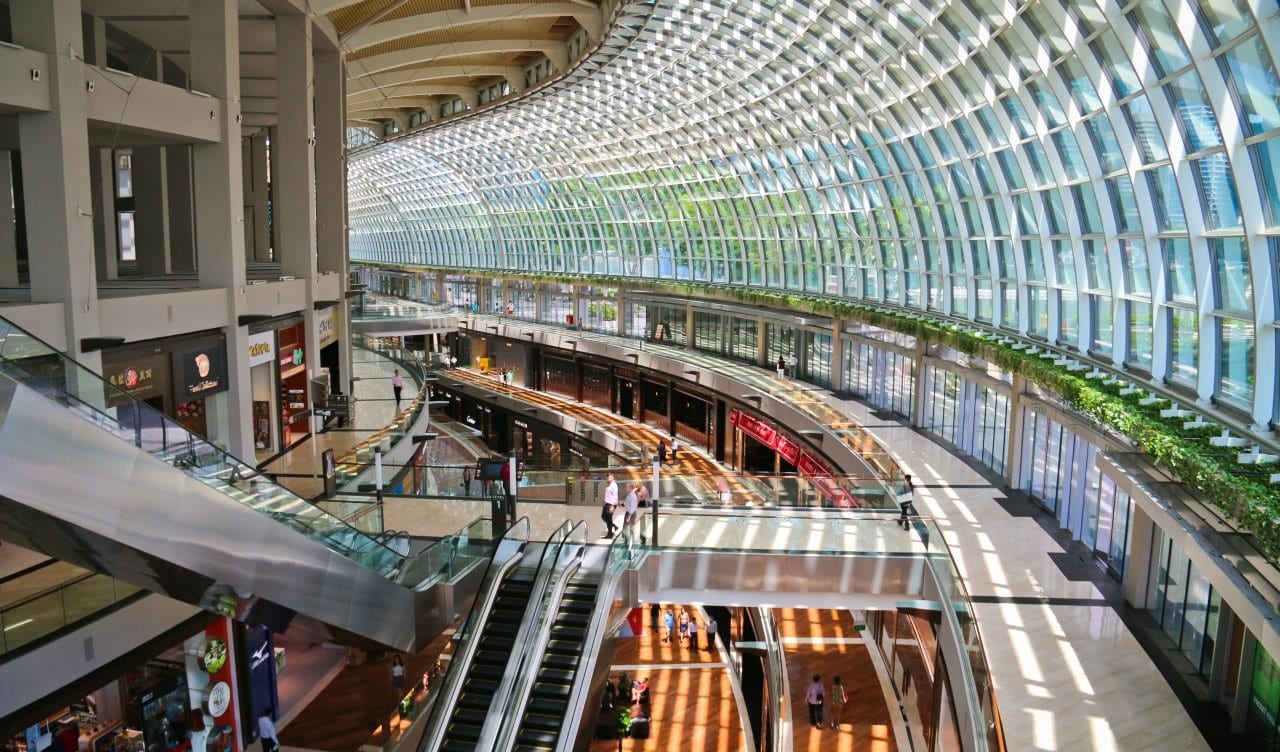
    Casino mogul Sheldon Adelson’s price tag of up to S$4.9 billion (US$3.5 billion) for a 49 per cent stake in Shoppes at Marina Bay Sands makes it the “most expensive mall in the world,” he says.

    However, sovereign wealth funds and private-equity giants may be willing to pay a massive premium to own a stake in such a high-profile asset, says real-estate consultancy firm Chesterton Singapore MD Donald Han.

    He says Singapore stacks up as one of Asia’s best property markets because its relatively strong dollar enables investors to preserve their capital.

    “The property has to be assessed based on yield or the operating income from the mall, and how it stacks up against market expectations…But buildings with a certain character or iconic stature that are one of a kind are also worth a premium.”

    Another selling point is that there are few quality malls on the market, and little prospect in the near term of more land being released for such large developments, says Savills Singapore research head Alan Cheong.

    Meanwhile, the proposed sale is subject to approval from the authorities, under an agreement that allowed US gaming giant and Marina Bay Sands parent Las Vegas Sands (LVS), as well as Genting Singapore, to have exclusivity in Singapore for 10 years. The agreement says LVS cannot sell any part of its 800,000 sqft (74,322 sqm) mall for that period, and then only after government approval. The 10-year duopoly, which also applies to Genting’s Resorts World Sentosa, expires next month.
    Adelson says the mall sale proceeds could be used in the firm’s next investment in Japan or South Korea.

  • Philippine property giants turn to retail

    Philippine property giants turn to retail

    Philippine property giants are entering record capital expenditure programs in 2016, on the back of strong economy, according to the global property advisor Savills.

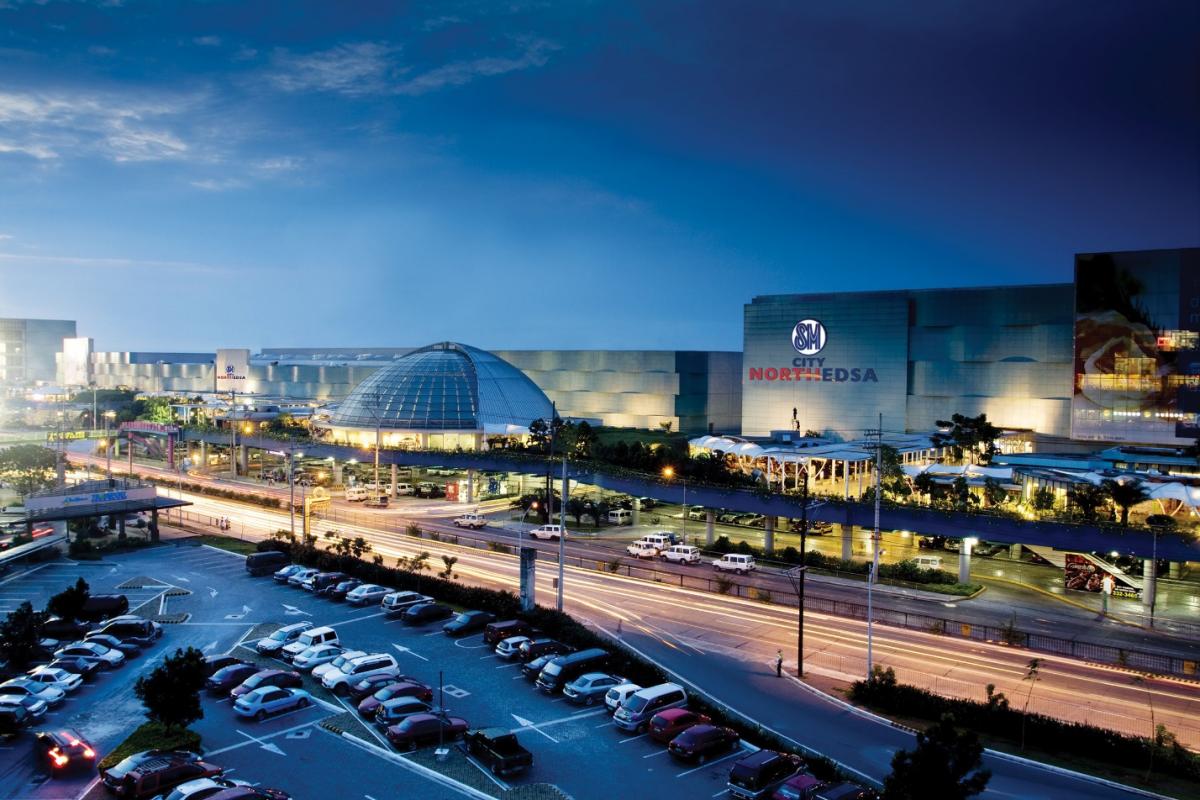
    Three of the eight biggest property developers – Ayala Land, SM Prime Holdings and Robinsons Land – are also the biggest mall developers in the country.

    “When the real estate boom started, residential sales were the sweet spot. It seems that the residential market is becoming more saturated that’s why developers are shifting to the commercial side,” said Antton Nordberg, research and consultancy manager at KMC MAG Group.

    The 2016 capex budget will mostly fund the development of large-scale mixed-use communities, mostly commercial components such as office and retail, Nordberg said.

    Nordberg said real estate firms – mostly listed in the Philippine Stock Exchange – could spend an all-time high of P369 billion (US$7.9 billion) this year, surpassing the record investment of P360 billion last year by 2.5 per cent.

  • Savills to tenant Carrefour China

    Savills to tenant Carrefour China

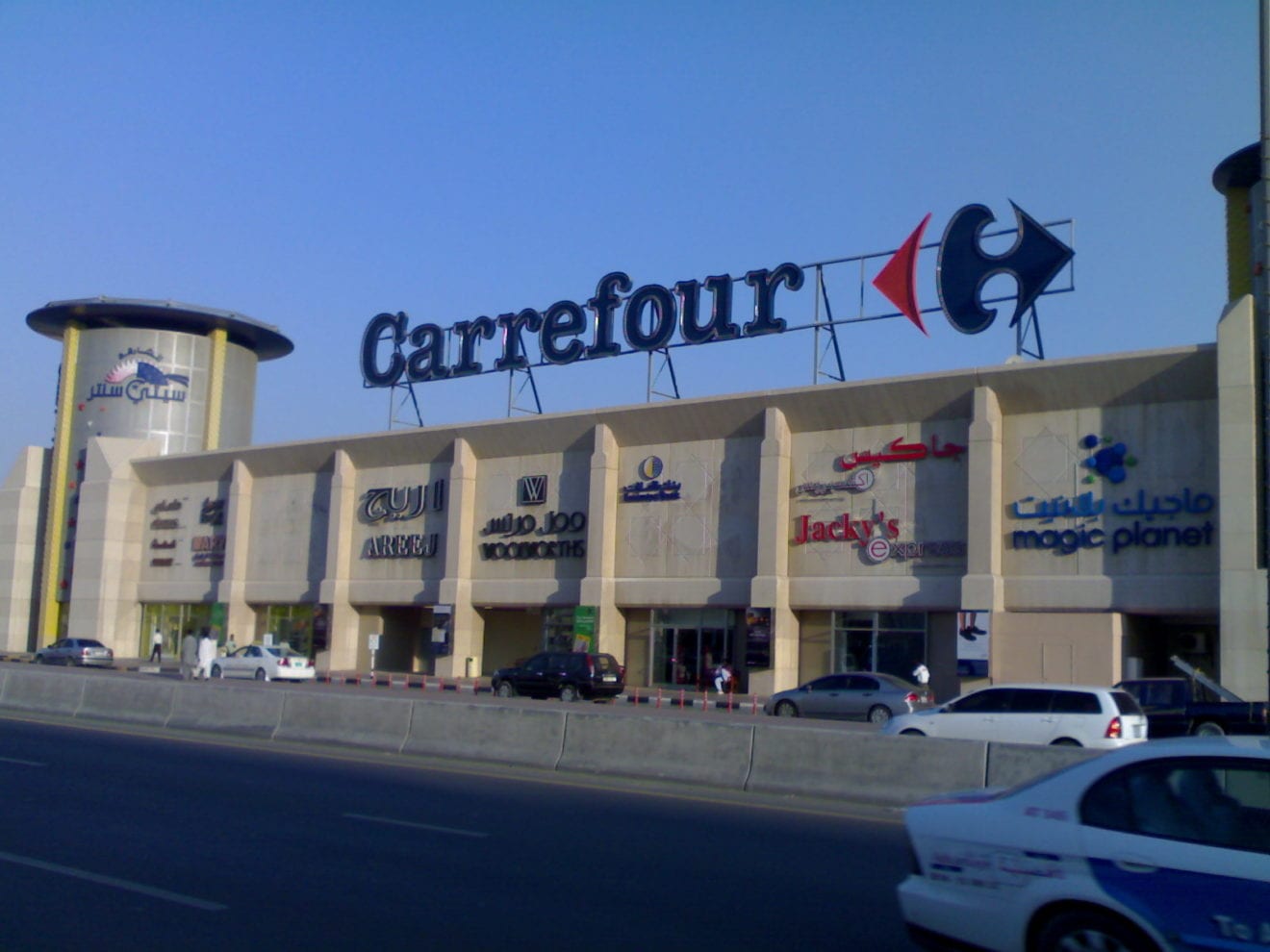
    Savills has signed an agreement with Carrefour to sign up tenants for its new Siyuan Plaza, Carrefour’s first shopping centre in China.

    Siyuan Plaza is located at Siyuan bridge in the Chaoyang district, in the core of Wangjing commercial region. With a total leasable area of 35,000 sqm, it includes one underground floor and three floors above ground. It will integrate about 80 lifestyle stores, one food court, 20 restaurants, an 11,600 sqm Carrefour supermarket and a 5000 sqm Decathlon sports retail outlet.

    Brands signed so far include C&A, Uniqlo, La Chapelle, Starbucks, Burger King, Baskin Robbins, Papa Johns, and Xiabu Xiabu.