Tag: scan

  • Google Wallet now rolling out option to digitize physical cards

    Google Wallet now rolling out option to digitize physical cards

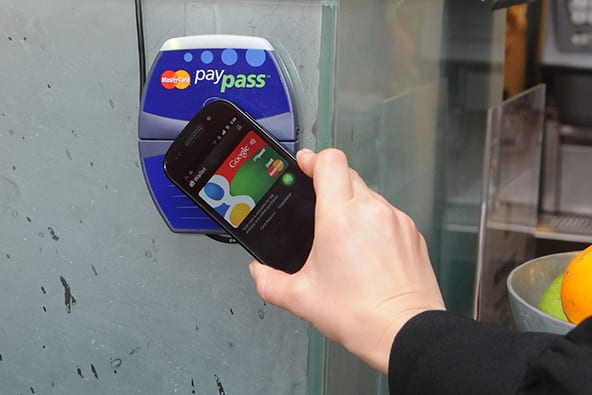
    Google Wallet is finally rolling out a previously announced feature that lets you digitize your physical passes, like transit passes, gym memberships cards, parking passes, and library cards. The feature is currently only available on Pixel phones, but will hopefully be rolled out to other Android devices in the future.

    This feature was originally teased by Google back in June, among a list of “coming soon” features for Google Wallet, as a way to save passes from an image. This opened up the possibility of digitizing a number of items you couldn’t before, however, it isn’t to be confused with the ability to digitize ID cards, or the option to use a QR code to pay on phones without NFC that rolled out in some countries.

    It is important to note that this method of adding passes requires a photo of the physical pass (or screenshot), and for it to contain a barcode or QR code. For example, I was able to add my gym membership card, but only because I was able to capture a screenshot of it from the gym’s app and this screenshot contains the QR code I usually scan to gain entrance. You will receive an error explaining the issue if you attempt to add an image that does not contain the aforementioned requirements.

    According to Android Central, this feature is just now rolling out to Pixel devices after getting pushed back to become part of the September 2023 Pixel feature drop. This means it might take a while to reach all Pixel users as so far it has only been spotted on the Pixel 8 series and the Pixel Fold.

    Additionally, there is one more design element that is making its way to Pixels as part of this update. This minor design tweak adds a toggle to enable or disable “Success animations,” which appear after completing a transaction. These fun little animations were themed and, according to some, a time-waster when trying to purchase something quickly. Thankfully, Google now allows us to completely disable them within Google Wallet’s settings.

    The new feature is a convenient way to keep all of your passes in one place and a more secure way to carry your passes. You no longer have to worry about losing physical passes or have to fumble to through different apps in order to use them.
  • Google Lens will soon let you search an image directly with Google Image Search

    Google Lens will soon let you search an image directly with Google Image Search

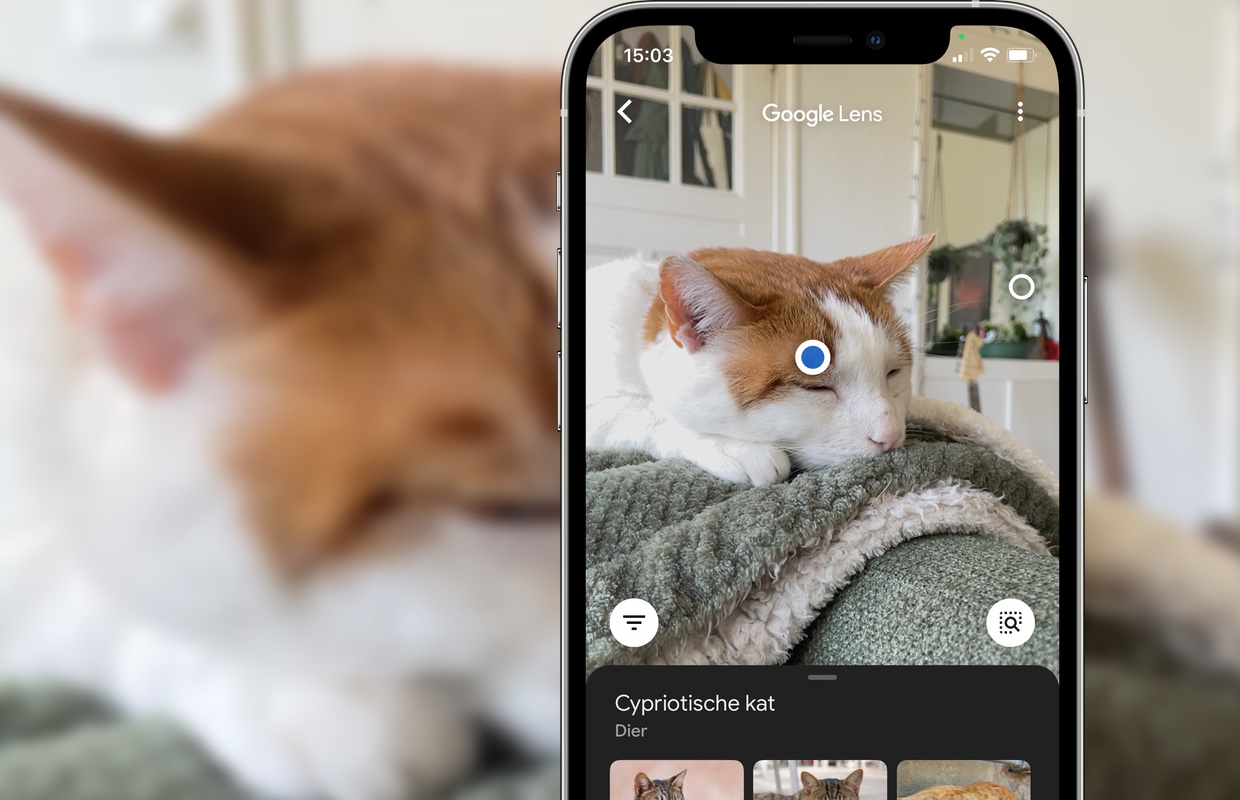
    If you haven’t used Google Lens before, this app lets you scan an item with your phone’s camera and, by using AI image analysis, search for information on the object on the Internet. And now, as the people from 9to5Google spotted, Google is releasing a new feature to its Lens app.

    It appears that the tech giant is rolling out a new button to the Android version of the Lens app that enables you to search a scanned object or an image directly with Google Image Search.

    If you have the new feature, after analyzing an image with Google Lens, you should see a new circular button — with a globe and a magnifier on it — in the bottom-right corner, just below the picture. When you tap it, the app will open Google Image Search and show you results from the search engine regarding the analyzed picture.

    This may be in response to the fact that many users still seem to prefer Google Images instead of trying to work with Lens. The new feature will allow you to try out the Lens result and then swap to the ol’ reliable image search if all else fails.

    Now, keep in mind that Google is still rolling out the new feature, so you may need to wait a while before using it. The new Google Image Search button in Lens will probably come to iPhones as well, but we can’t currently tell with certainty.

  • Woolworths expands Scan&Go to five more stores

    Woolworths expands Scan&Go to five more stores

    Following the first successful trial of Scan&Go at Woolworths’ Double Bay store, the supermarket giant has expanded the smartphone shopping trial to five more locations. Four Metro stores in Sydney’s CBD will offer a checkout-free experience from Thursday along with the supermarket’s Mona Vale store on the Northern Beaches.

    Customers will have the option to scan products with their smartphone and pay in the app, before tapping off at a dedicated kiosk. But those who prefer the human experience or are a little less tech savvy will still have the option of traditional and self serve checkouts at each of these stores.

    Woolworths became the first major supermarket in the country to offer a checkout-free shopping experience when it launched the first Scan&Go trial at Double Bay over 10 months ago.

    Head of payments Paul Monnington said the Double Bay trial was a success with “positive feedback” from customers and team members, and expects time-poor shoppers in Sydney’s business district to appreciate the convenience of the new service.

    “Most customers in our CBD Metro stores just want to duck in and out for a few items, so we expect the speed and ease of Scan&Go will be quite a popular offer in this setting,” Monnington said in a statement.

    The Metro stores selected for the trial include Pitt Street, Met Centre, George Street and York Street.

    The retailer is also keen to see how consumers beyond the CBD take to the technology, with another trial in operation since last week at its recently renewed Mona Vale store on the Northern Beaches.

    “This will allow us to test the offer with even more customers in a different setting, so we can determine the best role for it in the future,” Monnington said.

    Last month 7-Eleven Australia opened its first cashless and cardless convenience store in Melbourne, in which customers choose products, scan the barcodes at checkout counters and pay via the app.

    The convenience chain is hopeful the technology will free up workers to now focus on customers and delivering its food offerings. It was first trialed at 7-Eleven’s Exhibition Street Melbourne store while still having the traditional point of sale system, before going the fully cashless and cardless offering.

    The Scan&Go app, developed by the WooliesX digital team, is available on the App and Google Play stores, with customers required to upload a credit or debit card prior to shopping.

  • Apple Watch’s ECG became finally available in Europe

    Apple Watch’s ECG became finally available in Europe

    The Apple Watch is the world’s most popular line of smartwatches right now, holding about 50% of the global market. When Apple announced the Apple Watch Series 4 last year, there was one feature that stood above all. It wasn’t the larger display or the Digital Crown with tactile feedback.

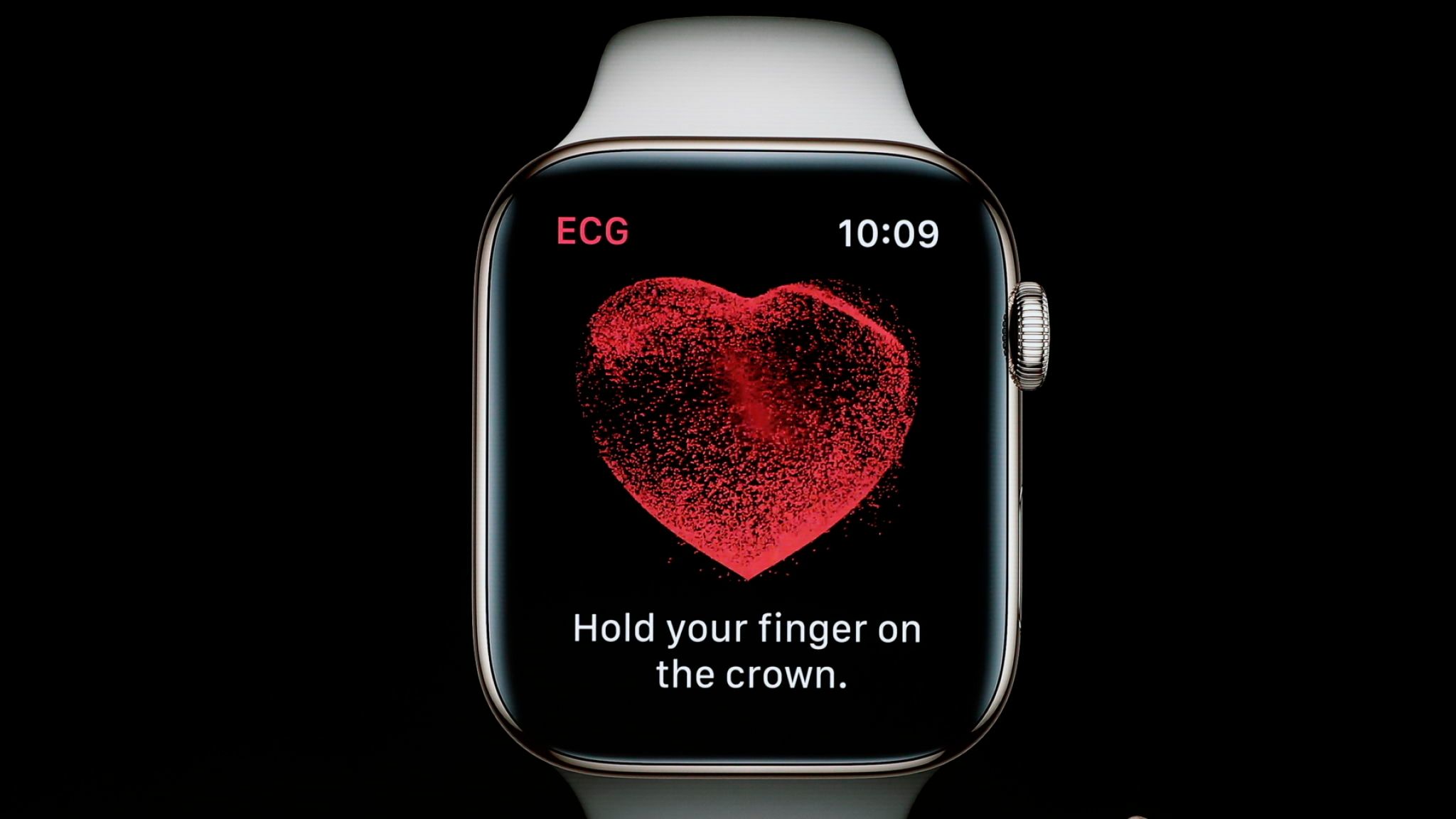
    Instead, it was the addition of ECG (electrocardiogram) capabilities without any additional hardware needed (besides the Apple Watch itself, of course). The feature allows the user to quickly and easily take an ECG and then, if need be, send the results to their doctor. Even without having the results looked at by a specialist, the device’s own algorithms would alert the user if they notice something out of the ordinary. Since then, reports are showing up regularly about how the Apple Watch helped one person or another notice an issue with their heart that was later confirmed by a cardiologist. This allowed proper measures to be taken a lot sooner than if the patient had waited until the problems became obvious.

    Unfortunately, despite the Apple Watch being loved all around the world, the ECG functionality was limited only to the United States. Not anymore!

    Select European countries and Hong Kong are getting ECG

    Apple’s watchOS 5.2 is now available for all Apple Watch models and adds a couple of features for users in 19 European countries and Hong Kong. The more important one is ECG, which comes only to the Apple Watch Series 4. Here’s the full list of European countries that are getting the new feature:

    Austria, Belgium, Denmark, Finland, France, Germany, Greece, Hungary, Ireland, Italy, Luxembourg, Netherlands, Norway, Portugal, Romania, Spain, Sweden, Switzerland, the UK.

    Despite the ECG app and the Irregular Rhythm Notification (more on it below) being cleared for use in the European Economic Area, according to Apple, there are several countries that are part of the EEA and won’t be getting these features yet: Bulgaria, Croatia, Czech Republic, Estonia, Iceland, Latvia, Lithuania, Poland, Slovakia, Slovenia.

    The reason for that is unknown. It could be due to additional regulatory approval needed or, alternatively, those are just markets Apple isn’t as interested in right now.

    A more notable country that’s also missing from the expansion list, although not in Europe, is Canada. It was expected to be one of the first countries besides the US to get the ECG app, but it appears that Canadians will have to wait at least until the second wave of expansion.

    ECG on a smartwatch, how does that work?

    For those of you that are just hearing about the Apple Watch’s ECG, here’s a quick rundown. Electrodes inside the Apple Watch Series 4 measure the electrical impulses your heart is releasing when beating. To do that, the user must touch the Digital Crown (the rotating bit on the side of the watch) in order to close the circuit, creating an effect similar to a single-lead electrocardiogram.
    After 30 seconds of measuring your rhythm, the ECG app will classify it as either AFib or sinus rhythm. If you get AFib as a result, you might want to get a consultation from your general practitioner or cardiologist. Of course, the results won’t be nearly as accurate as those taken by professional medical equipment, but the Apple Watch feature is far from a gimmick. Medical trials have shown that the wearable device is classifying the different heart rhythms with very high accuracy.
    The watchOS 5.2 update is also bringing a health-related feature to older Apple Watches as well. Called Irregular Rhythm Notification, this feature is coming to Apple Watch Series 1 and newer models. It checks the user’s heart rhythm on regular intervals using the optical sensors of the device and sends a notification if five irregular rhythms are detected over the span of at least 65 minutes.

    Sinus rhythm notification on the left (in Spanish) and an irregular heart rhythm warning on the right (in Italian

    To start using the new features, users have to enable them from the Health app on their iPhones. Obviously, the Apple Watch must be updated to watchOS 5.2, but to do that the iPhone itself must be updated to iOS 12.2.

  • Honeywell Launches Slimmest Scan Engine and Ultra Compact Decoding Board

    Honeywell Launches Slimmest Scan Engine and Ultra Compact Decoding Board

    Honeywell has released the N6600 Series Ultra-Slim Area-Imaging Engine and its miniature decoding board Mini DB, which together enable small mobile devices to quickly and accurately capture data from barcodes using small mobile devices.

    Measuring just 6.8 millimeters in height, the N6600 series is one of the slimmest and most compact engines of its kind currently on the market. It can be embedded in mobile devices, such as smartphones, tablet sleds or wearable scanning solutions used in retail, distribution center, logistics and parcel delivery environments.