Retail News CRM

Tag: scandal

  • Singha Beer Heiress Withdraws Ungrateful Child Suit Amidst Family Scandal

    Singha Beer Heiress Withdraws Ungrateful Child Suit Amidst Family Scandal

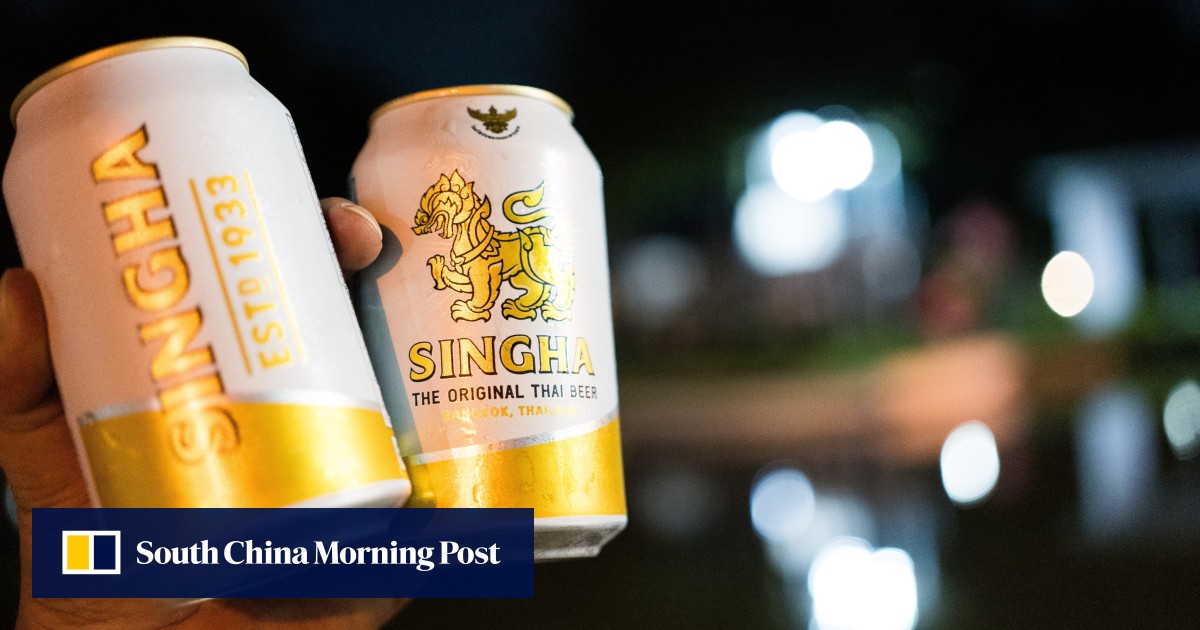
    On Wednesday, a mother from one of Thailand’s wealthiest families officially withdrew the lawsuit she lodged against her son under the “ungrateful child law.” The litigation stemmed from accusations her son, Siranudh “Psi” Scott, made against his older brother of sexual abuse. The mother, Jeeranuch Bhirombhakdi, is part of the billionaire family that founded Thailand’s Singha beer empire.

    The Ungrateful Child Law and Its Implications

    The “ungrateful child law,” invoked by Jeeranuch in February, provides parents the right to revoke gifts if their children are deemed ungrateful, abusive, neglectful in their later years or if they cause significant reputational damage. Triggered by the lawsuit, Siranudh disclosed in May that he had suffered sexual abuse at the hands of his elder brother, Sunit, and his babysitter.

    Jeeranuch contended that Siranudh’s accusations tarnished the family’s reputation. As a result, she sought to reclaim land valued in the millions that his late grandfather had bequeathed him. Despite the case withdrawal, Siranudh reported to journalists outside the courtroom, “Even though they withdrew the case, my life is still shattered.”

    Family Dispute Publicized

    Approximately 20 of Siranudh’s advocates assembled near the court, bearing paper flowers and photographs of him. Siranudh expressed that he could not consider the lawsuit withdrawal a victory, as the case should never have been initiated. He insisted, “I’ve never been ungrateful to anyone.”

    Parnthep Pourpongpan, Siranudh’s representative, informed reporters that Jeeranuch’s filing suggested resolution within the family due to the dispute’s familial nature. In a Friday-dated statement, Jeeranuch declared her willingness to converse, provided it was conducted with “love and genuine goodwill.” Jeeranuch also indicated her readiness to “respect and accept” the judicial process concerning the issue between her sons. She expressed her hope that “the truth will come to light and fairness will be served to both of my children.”

    Denying the allegations against him, Sunit admitted to roughhousing between the siblings. Singha’s parent company, Boonrawd Brewery, terminated Sunit’s executive role in May. According to Forbes, the Bhirombhakdi family ranks as Thailand’s 15th richest, with a net worth of approximately US$1.75 billion.

    Questions & Answers

    What is the “ungrateful child law”?
    The “ungrateful child law” is a measure that allows parents to revoke gifts to their children if they are deemed ungrateful, physically abusive, neglectful in old age, or responsible for serious reputational harm.

    Why did Jeeranuch Bhirombhakdi file a lawsuit against her son, Siranudh?
    Jeeranuch filed the lawsuit under the “ungrateful child law” after Siranudh accused his older brother of sexual abuse, which she claimed had damaged the family’s reputation.

    What happened to Sunit, the elder brother accused of sexual abuse?
    Sunit denied the allegations against him and was subsequently dismissed from his executive role at the family’s business, Boonrawd Brewery.
  • Coupang CEO Steps Down Amidst South Korea’s Largest Data Breach Scandal: Security Measures Revamped

    Coupang CEO Steps Down Amidst South Korea’s Largest Data Breach Scandal: Security Measures Revamped

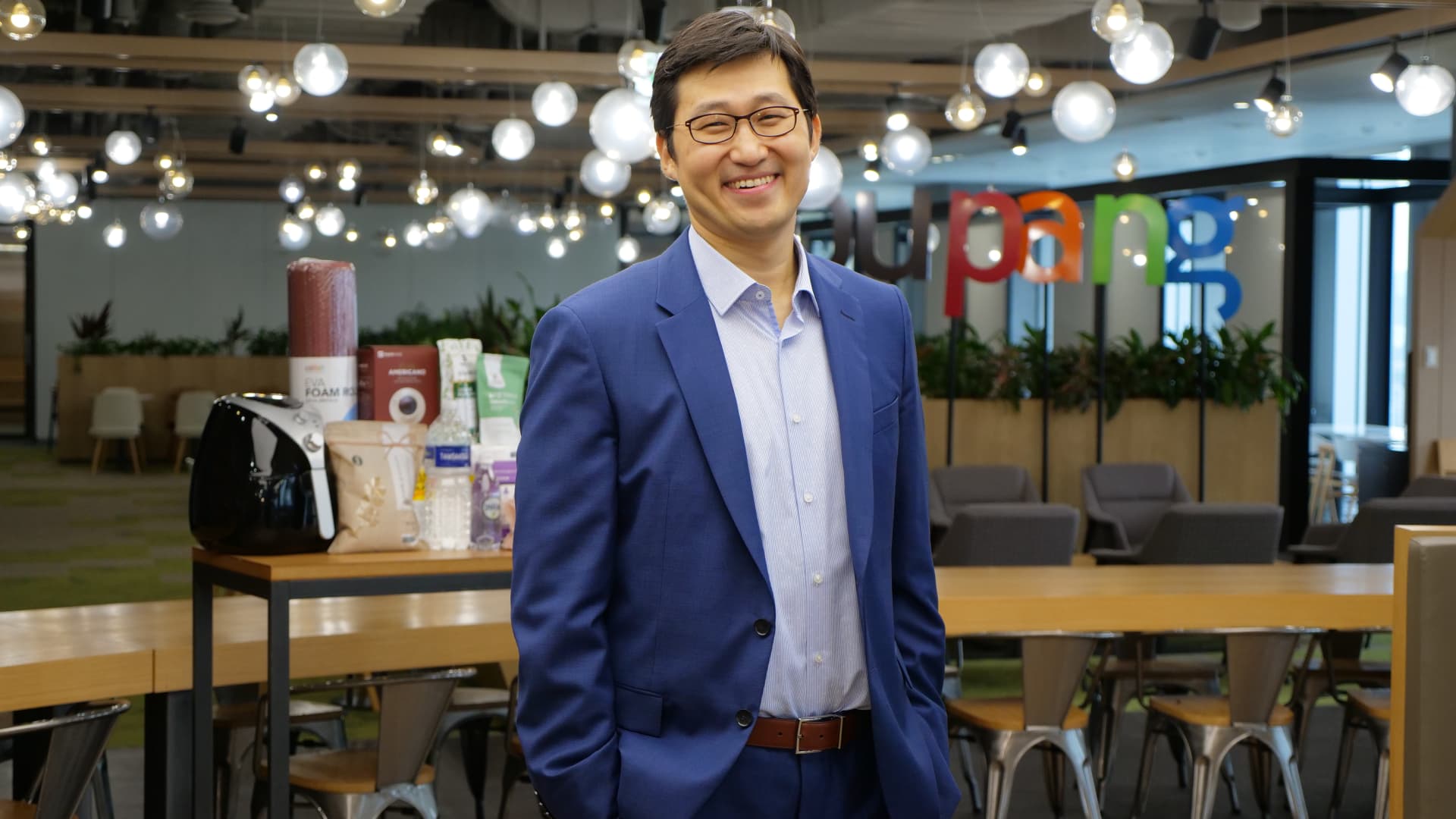
    In light of a severe data breach, one of the most significant in South Korea’s history, Coupang Corp’s CEO, Park Dae-jun, has resigned. The cyberattack exposed the personal details of approximately 33.7 million customers, including their names, email addresses, phone numbers, shipping addresses, and certain order histories. However, payment details and login credentials were not compromised in the breach.

    Park’s Tenure and Resignation

    Park Dae-jun had been a part of Coupang Corp since 2012, ascending to the position of co-CEO in 2020, and subsequently becoming the sole CEO in May amid a company-wide leadership restructuring. Following the data breach incident, Park accepted responsibility for the breach and its handling, expressing his deep regret for letting down the public. He announced his decision to resign from all his positions within the company.

    In response to the significant breach, the e-commerce giant issued an apology, expressing deep regret for the anxiety caused by the data leak. The company pledged to work diligently to regain customer trust and strengthen security protocols to prevent future data breaches.

    Leadership Transition

    In the wake of Park’s resignation, Coupang Inc., Coupang Corp’s US-based parent company, has appointed Harold Rogers, the company’s chief administrative officer, as the interim CEO for the Korean branch.

    The appointment comes in the aftermath of one of South Korea’s most devastating data breaches, believed to have originated in June.

    South Korean Prime Minister Kim Min-seok announced earlier this week that the government would be investigating any possible legal violations made by the company. In response, police subsequently initiated a raid on the company’s office in Seoul.

    Under the new interim CEO, the company’s key focus will be on relieving customer anxiety, resolving the data breach issue both from within and outside the company, and restoring stability to the organization. The leadership transition signifies the parent company’s proactive approach to managing the fallout from the data leak incident.

    Questions & Answers

    Why did Coupang Corp’s CEO, Park Dae-jun, resign?
    Park Dae-jun resigned from his position due to a major data breach that exposed personal information of about 33.7 million customers.

    Who has been appointed as the interim CEO following Park’s resignation?
    Harold Rogers, the chief administrative officer of Coupang Inc., the US-based parent company of Coupang Corp, has been appointed as the interim CEO.

    What are the company’s plans following the data breach?
    The company has pledged to restore customer trust, enhance security measures, and focus on resolving the data breach issue, both internally and externally, under the new interim CEO.

  • Standard Chartered Engages in Legal Clash Over $2.7 Billion Fraud Allegations in 1MDB Scandal

    Standard Chartered Engages in Legal Clash Over $2.7 Billion Fraud Allegations in 1MDB Scandal

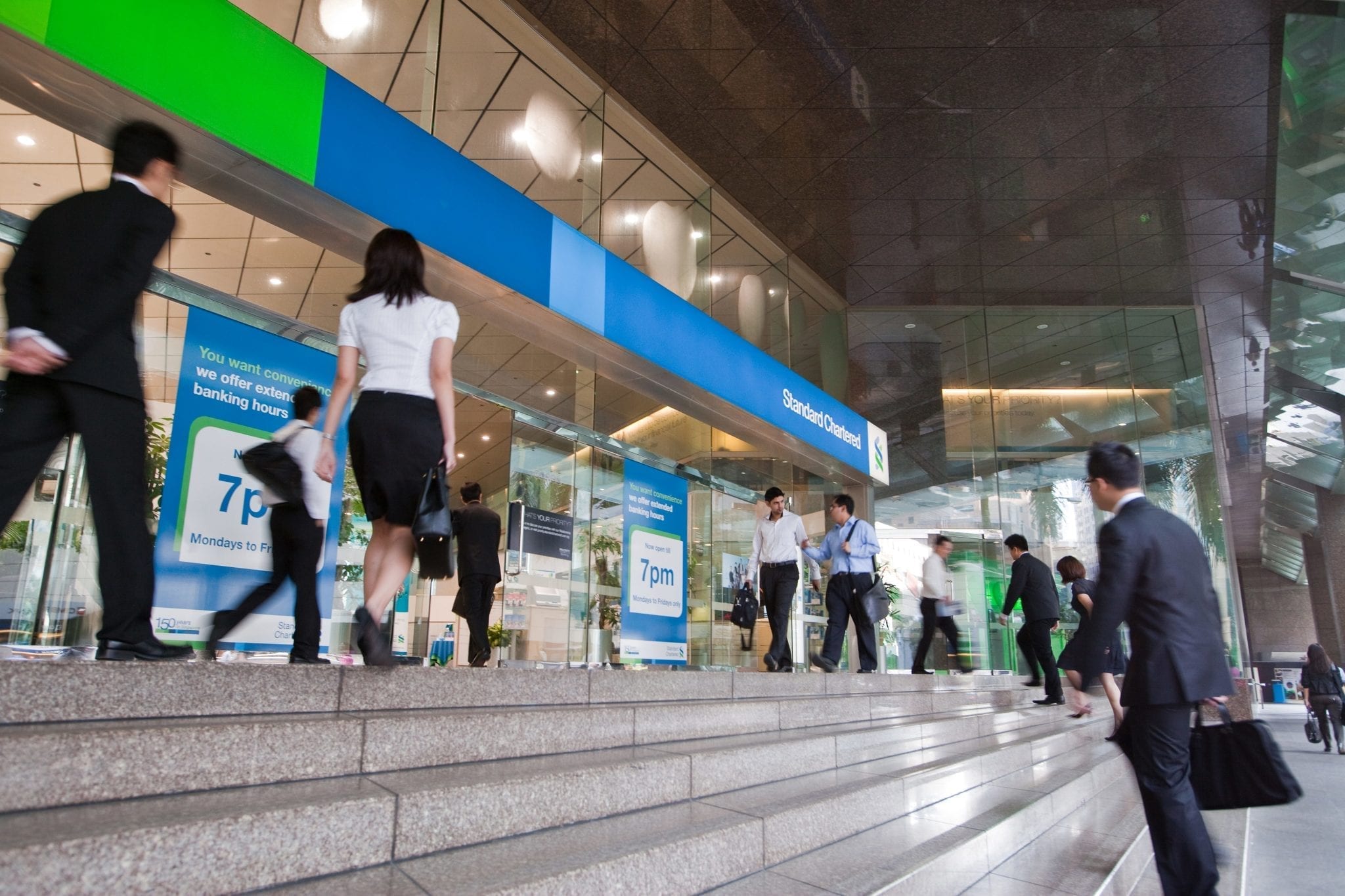
    Standard Chartered Bank is firmly pushing back against allegations that it played a role in facilitating fraudulent activities linked to the infamous 1Malaysia Development Berhad (1MDB) scandal, which has continued to reverberate through financial headlines nearly a decade later. At the heart of the controversy is a lawsuit filed by liquidators seeking $2.7 billion, asserting that the bank was complicit in laundering ill-gotten gains from the sovereign wealth fund.

    Liability or Misunderstanding? Standard Chartered Defends Itself

    In a spirited defense, Standard Chartered categorically rejected the claims, stating, “We consider these claims to be without merit, and Standard Chartered will vigorously defend them.” According to a report from Reuters, the liquidators allege that the bank allowed for over 100 intrabank transactions from 2009 to 2013, which allegedly helped mask the misappropriation of funds totaling billions.

    The Players Involved: A Web of Allegations

    This legal battle is unraveling in the High Court of Singapore, led by liquidators from financial services firm Kroll. However, Standard Chartered insists that the entities behind the claims are not legitimate. The bank pointed out that these liquidators have acknowledged the companies involved were mere shell entities, with ties to high-profile fugitives such as Low Taek Jho and his associate Eric Tan. “These companies did not engage in any legitimate business and acted as conduits for misappropriated funds,” Standard Chartered added, emphasizing its distancing from the sordid events that unfolded.

    Facing the Music: What Lies Ahead for Standard Chartered

    In an increasingly complex saga of financial misappropriation, Standard Chartered’s determined rebuttal illustrates the challenges banks face when drawn into legal disputes involving deeply entrenched corruption. As the case unfolds, one can’t help but wonder: in the world of high-stakes finance, can any good ever come from a scandal as convoluted as this? The answer may lie in the courtroom.

    Questions & Answers

    What are the main allegations against Standard Chartered Bank?
    Liquidators are accusing Standard Chartered of facilitating over 100 transfers that helped launder funds linked to the 1MDB scandal, with claims totaling $2.7 billion.

    How has Standard Chartered responded to these allegations?
    Standard Chartered has vehemently rejected the allegations, asserting they are “without merit” and that the entities making the claims are fraudulent shell companies not engaged in legitimate business.

    What is the next step in this legal dispute?
    The lawsuit is currently being argued in the High Court of Singapore, where Standard Chartered intends to defend itself vigorously against the claims made by the liquidators.

  • Malaysia’s Land Dispute: 1,000 Chopped Durian Trees Linked to Ex-Officials

    Malaysia’s Land Dispute: 1,000 Chopped Durian Trees Linked to Ex-Officials

    An alarming land dispute in Pahang, Malaysia, has drawn significant attention as investigations reveal connections to multiple former officials. This dispute has culminated in the removal of over 1,000 durian trees, with the Malaysian Anti-Corruption Commission (MACC) leading the inquiry. So far, no arrests have been made in relation to this case.

    Details of the Land Dispute

    The conflict, rooted in land ownership claims, ignited on April 8 when government authorities felled approximately 200 durian trees, deeming them to have been cultivated on illegal land. Within days, this destruction escalated to involve more than 1,000 trees, many of which belonged to the highly sought-after Musang King variety. Farmers, rallying under the Save Musang King Alliance, contested these actions, citing a court order issued last May that allegedly prohibited the government from demolishing their farms.

    Investigative Progress and Findings

    Tan Sri Azam Baki, the chief commissioner of the MACC, stated that the investigation not only addresses governance issues but also scrutinizes how land clearing operations proceeded without proper oversight. He noted that a list of implicated individuals has been compiled, with some officials being retired for over a decade. “Some settlers claim they have been working the land since 1974, but we have also found trees only eight or nine years old, indicating recent encroachment,” he remarked, highlighting discrepancies in claims about land tenure.

    Implications for the Retail Sector and Consumers

    The ongoing developments surrounding the land dispute could have ripple effects on the durian market, a key sector in Malaysia’s economy. As consumer demand for durian products continues to rise, the outcome of this investigation may influence production capabilities and market prices. Retailers and consumers alike should monitor these developments closely, as they may shape the future of this highly valued crop.

  • Porsche SE Faces U.S. Lawsuit Over Dieselgate Scandal

    Porsche SE Faces U.S. Lawsuit Over Dieselgate Scandal

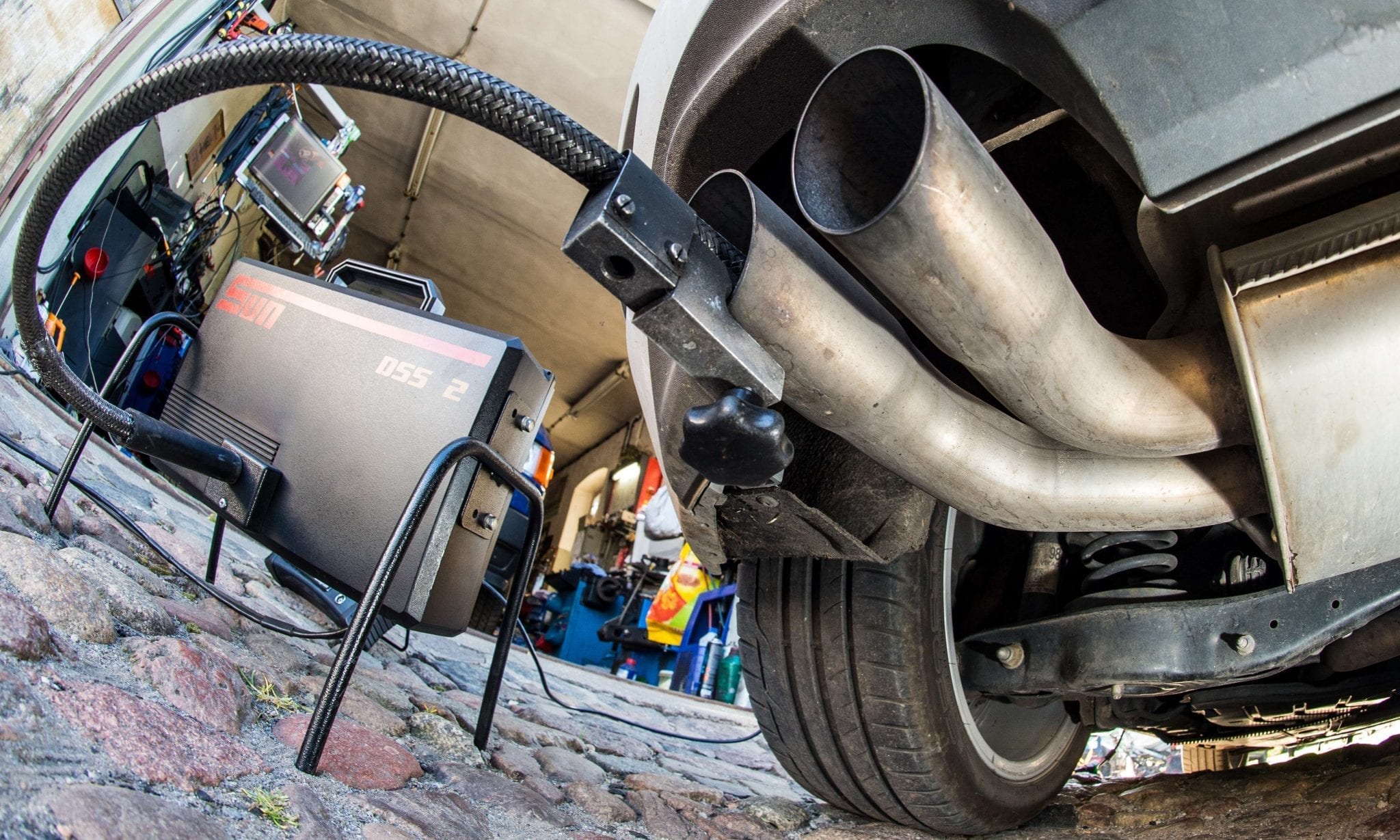
    Porsche SE, Volkswagen’s largest shareholder, is facing a lawsuit in the United States over claims related to the carmaker’s diesel emissions scandal. The suit, filed with the Supreme Court of the state of New York in April, targets Porsche SE as well as former members of the management and supervisory boards of Volkswagen, Porsche SE said in its half-year report. Porsche SE, which holds 31.4% of Volkswagen, did not identify the plaintiffs and did not detail or quantify possible claims, saying the action had not yet been served.

    “The plaintiffs claim to be shareholders of Volkswagen AG and assert with their action alleged claims of Volkswagen AG on behalf of Volkswagen AG,” Porsche SE said.

    The lawsuit marks the latest chapter in the “dieselgate” saga since Volkswagen admitted in September 2015 to using illegal software to rig diesel engine emissions tests. The scandal has cost the carmaker more than 32 billion euros ($38 billion) in fees, fines and legal costs so far.

    Volkswagen and Porsche SE are already subject to 4.1 billion euros worth of shareholder claims in relation to the crisis, but it could take years before they are resolved.

    Last month, Volkswagen shareholders approved a deal to settle claims against four former executives, including long-time CEO Martin Winterkorn, related to the crisis.

  • Daimler Sued For $1 Billion In German Court Over Diesel Cheating

    Daimler Sued For $1 Billion In German Court Over Diesel Cheating

    Investors have sued Daimler for 896 million euros ($1 billion) in a regional court in Stuttgart, accusing the carmaker of concealing its use of emissions cheating software, German law firm TILP said on Tuesday.

    The suit was filed on behalf of institutional investors who accuse Daimler of failing to inform investors about the risks and costs of using such devices, which amounts to a violation of capital markets law, the law firm said.

    In a statement, attorney Andreas Tilp said: “This means that the plaintiffs bought the Daimler stock at too high a price, and it is our conviction that Daimler is liable to them for compensation of damages.”

    Daimler said it had not yet been formally notified of the lawsuit adding it believed that the lawsuit was without merit.

    “We will defend ourselves against the accusations with all legal means,” a spokeswoman said on Tuesday.

  • Volkswagen Starts Settlement Talks With German Consumer Groups Over Diesel Scandal

    Volkswagen Starts Settlement Talks With German Consumer Groups Over Diesel Scandal

    Volkswagen on Thursday said it was in talks to discuss a settlement with German vehicle owners who are suing the carmaker over excessive pollution caused by VW’s diesel cars. In 2015 the carmaker admitted to using manipulated engine management software to mask excessive pollution levels in its diesel cars, sparking a raft of prosecutions and lawsuits that have led to at least 30 billion euros in legal costs and fines.

    “Volkswagen and the Federation of German Consumer Organisations have agreed to enter into discussions regarding a possible settlement,” the carmaker said.

    “The discussions are at a very early stage, and there is no guarantee that they will result in a settlement. Both parties have agreed that the discussions should remain confidential.”

    German consumers have had less success than vehicle owners in the United States in securing compensation from VW because German cars did not lose their road worthiness certification in the wake of the diesel scandal.

    In Germany VW’s diesel vehicles retained their road worthiness certification if customers agreed to an update of vehicle engine management software, leading VW to take a different approach to compensate consumers.

  • Audi To Pay 800 Million Euros Fine Over Dieselgate Scandal

    Audi To Pay 800 Million Euros Fine Over Dieselgate Scandal

    Volkswagen said on Tuesday that its subsidiary Audi would not contest an 800-million-euro (USD 927 million) fine issued by German prosecutors over “deviations from regulatory requirements” in diesel engines.
    “Audi AG has accepted the fine” investigators levied for “deviations from regulatory requirements in certain V6 and V8 diesel aggregates and diesel vehicles”, the group said in a statement, adding that “the fine will directly affectVolkswagen AG’s financial earnings” for 2018
  • Facebook scandal creates opportunity for cellcos

    Facebook scandal creates opportunity for cellcos

    The Facebook and Cambridge Analytica data harvesting scandal has eroded trust in digital service companies, which has opened a window of opportunity for mobile operators, according to new research from Openet.

    A survey of consumers in the Philippines, the UK, US and Brazil found that more than 50% of consumers are now less likely to share personal data with digital services companies.

    Consumers now see their mobile operator as more trustworthy than both social media platforms and digital services companies such as Netflix, Spotify and Skype.

    More than nine in ten (92%) consumers would be happy to consider mobile operator delivered digital services as an alternative.

    In addition, 66% would now prefer to pay for services if it means more control over their data, which could even signal the beginning of the end of the Freemium era, Openet said.

    Openet CEO Niall Norton noted that despite having an abundance of subscriber data, mobile operators have traditionally had a much more conservative approach to making use of this data compared to digital service providers.

    “For a long time, this conservative approach to data use has been used as an unfavorable measure for operators’ digital efforts, especially in comparison to other digital-first companies. But times are changing and it’s clear that consumers expect more if they are to hand over personal data in exchange for services,” he said.

    “Mobile operators have earned the right to answer this call. But to be successful, they must learn from the mistakes made by social media and digital service companies alike. Transparency around data collection and opt-in processes are now top priorities for consumers. Operators must bear this in mind when seizing new digital opportunities.”

  • Scandal-hit Toshiba cuts 6800 jobs, sells Indonesia plant, sees annual loss of $4.5 billion

    Scandal-hit Toshiba cuts 6800 jobs, sells Indonesia plant, sees annual loss of $4.5 billion

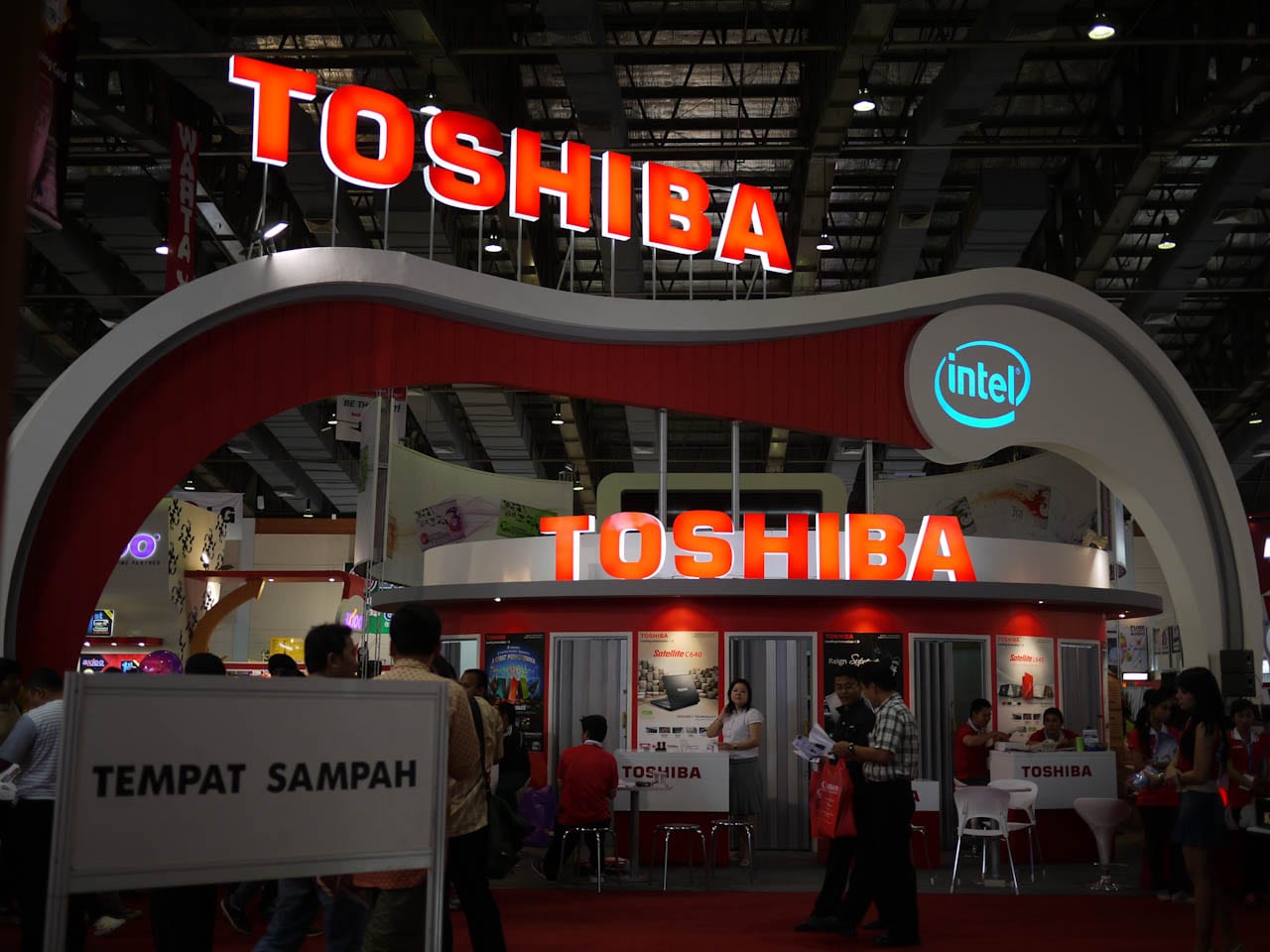
    Scandal-plagued Japanese manufacturer Toshiba Corp. is cutting 6,800 jobs after projecting a net loss of 550 billion yen ($4.5 billion) for the fiscal year through March 2016.Toshiba said Monday it will slash the jobs in its personal computer, video product and consumer electronic businesses.

    The job cuts equal about 3 per cent of Toshiba’s overall employees. It is also selling its TV plant in Indonesia.Toshiba, which also makes nuclear power plants, has repeatedly apologized after acknowledging it had systematically doctored its books over several years to inflate profits by 152 billion yen ($1.3 billion).Officials have said that mangers set unrealistic earnings targets, under the banner of creating a big “challenge,” and subordinates faked results.

    The scandal at one of the nation’s top brands highlights how Japan is still struggling to improve corporate governance, despite efforts to beef up independent oversight of companies.Toshiba said the job cuts in Japan will be by early retirement, but a significant number of overseas jobs will also be involved and steps will vary by each nation. It did not immediately have a detailed regional breakdown.Earlier this year, Toshiba said it is selling facilities for making computer chips related to image sensors to Sony Corp.Toshiba is also in trouble because it operates and is decommissioning, with Hitachi and other companies, the Fukushima Dai-ichi nuclear power plant, which went into meltdowns after the March 2011 tsunami.

    Toshiba said it had not yet fully calculated the impact of the nuclear disaster on its books.The latest earnings projection means Toshiba is sinking into its second straight year of red ink, after racking up a nearly 38 billion yen ($312 million) loss for the fiscal year that ended in March.Japanese media reports said the loss forecast for this fiscal year would be a record for Toshiba, surpassing the massive losses during the Lehman financial crisis.

  • Tesco Gives More Detail on Supplier Deals After Scandal

    Tesco Gives More Detail on Supplier Deals After Scandal

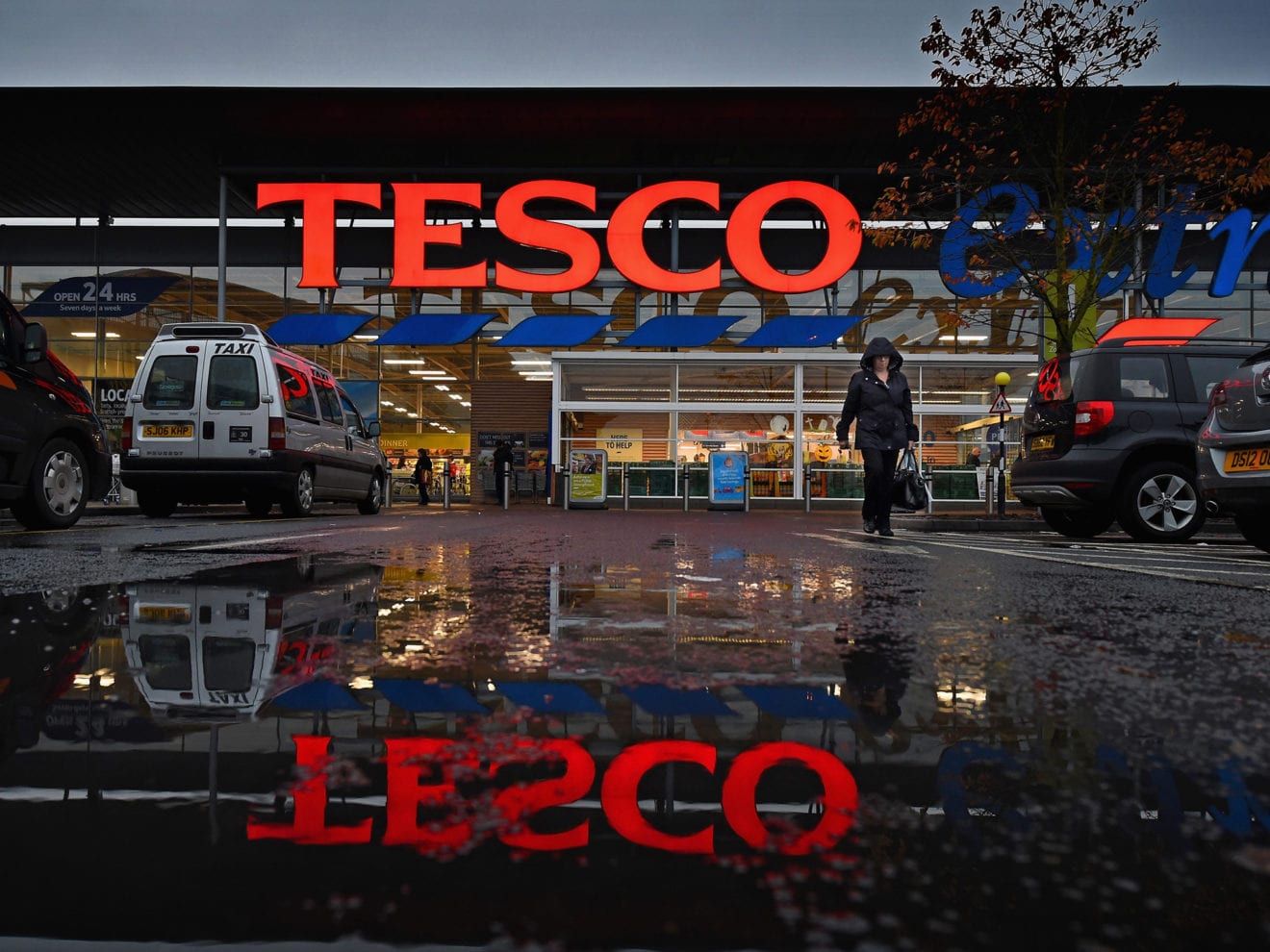
    Tesco provided more information about how it accounts for relationships with suppliers on Wednesday after an accounting scandal that contributed to an annual loss of 6.4 billion pounds ($9.5 billion).

    Britain’s biggest retailer announced last year it had overstated profits by 263 million pounds due to booking deals with suppliers too early, prompting a criminal investigation by Britain’s Serious Fraud Office.

    As it announced the biggest loss in its 96-year-history on Wednesday, Tesco said it was increasing transparency and seeking to build “longer-term, mutually beneficial partnerships” with its suppliers as it tries to rebuild trust in the market.

    It is seeking to simplify the deals it negotiates with suppliers, noting it was currently using over 20 different kinds of payment terms, including multiple offers and rebates when agreed sales volume targets are met.

    It also gave more details on how it accounts for supplier deals and the impact on its balance sheet and said it had launched new guidelines for staff in this area.

    UK consumer watchdog Which? demanded an investigation on Tuesday into “misleading and confusing” pricing tactics over seven years in areas such as multi-buy offers at British grocers.

    Led since September by Dave Lewis, a former executive at major Tesco supplier Unilever, the retailer said it had met with over 100 suppliers to draw up new business plans to focus ranges and improve efficiency in its supply chain.

    Suppliers are feeling the squeeze due to a fierce price battle between Tesco and its main rivals, Sainsbury’s, Asda and Morrison’s, with 146 food producers entering insolvency in 2014, up from 114 in 2013, according to accountants Moore Stephens.