
Retail News CRM

Tag: scanner

  • Revolutionizing Retail: Australia’s Innovative In-Store Avocado Ripeness Scanner Trial

    Revolutionizing Retail: Australia’s Innovative In-Store Avocado Ripeness Scanner Trial

    In the competitive world of retail, customer satisfaction is key, and the avocado industry is no exception. A common issue faced by both retailers and consumers is determining the ripeness of an avocado on a supermarket shelf. Avocados Australia, an industry association, has introduced a potential solution to this problem – an in-store ripeness scanner.

    Understanding Customer Frustration

    According to John Tyas, the CEO of Avocados Australia, one of the major frustrations faced by consumers is identifying the ripeness of an avocado. This is important because approximately 75% of consumers want to buy avocados that are ready to be eaten within two days. Tyas believes that helping consumers with this selection process can enhance their eating experiences, minimize bruising of the fruit, and strengthen the overall trust in Australian avocados.

    The Ripeness Scanner

    The ripeness scanner aims to minimize the physical handling of avocados, which often leads to bruising. Data shows that about 47% of consumers handle three or more avocados before making a purchase, resulting in product loss for both growers and retailers. The scanner, developed by the Dutch agri-tech firm OneThird, not only reduces the need for physical handling but also prevents potential damage to the fruit.

    The scanner utilizes near-infrared (NIR) spectroscopy to assess the firmness of the fruit without causing damage, thereby helping to estimate the fruit’s readiness for consumption. The device also provides storage guidance to help consumers make informed purchase decisions. This technology has undergone trials in Europe and Thailand, where it was well-received by retailers and customers.

    Benefits for the Supply Chain

    Beyond consumer use, the ripeness scanner provides retailers with valuable data on in-store conditions and purchasing patterns. This information, which includes metrics on shelf ripeness, purchasing behavior, and peak periods, can be used to optimize merchandising, inventory management, and waste reduction efforts.

    The early results are promising, with the device being used for approximately 45% of avocado sales per week in participating stores. The accompanying platform provides fresh produce managers with data to monitor product condition and support efficient stock management.

    John Tyas further emphasized that the Australian avocado industry is committed to investing in research and development to continually enhance product quality and improve the consumer experience.

    Questions & Answers

    What is the purpose of the avocado ripeness scanner?
    The scanner helps consumers select ripe avocados, reduces fruit handling and bruising, and enhances the overall shopping experience.

    How does the ripeness scanner work?
    The scanner uses near-infrared spectroscopy to assess the firmness of the fruit without causing damage. It also provides storage guidance to consumers.

    What additional benefits does the ripeness scanner provide to retailers?
    The scanner provides data on in-store conditions and purchasing patterns, which can be used to support merchandising, inventory management, and waste reduction efforts.
  • Datalogic Magellan 1500i delivers high-performance scanning for retailers

    Datalogic Magellan 1500i delivers high-performance scanning for retailers

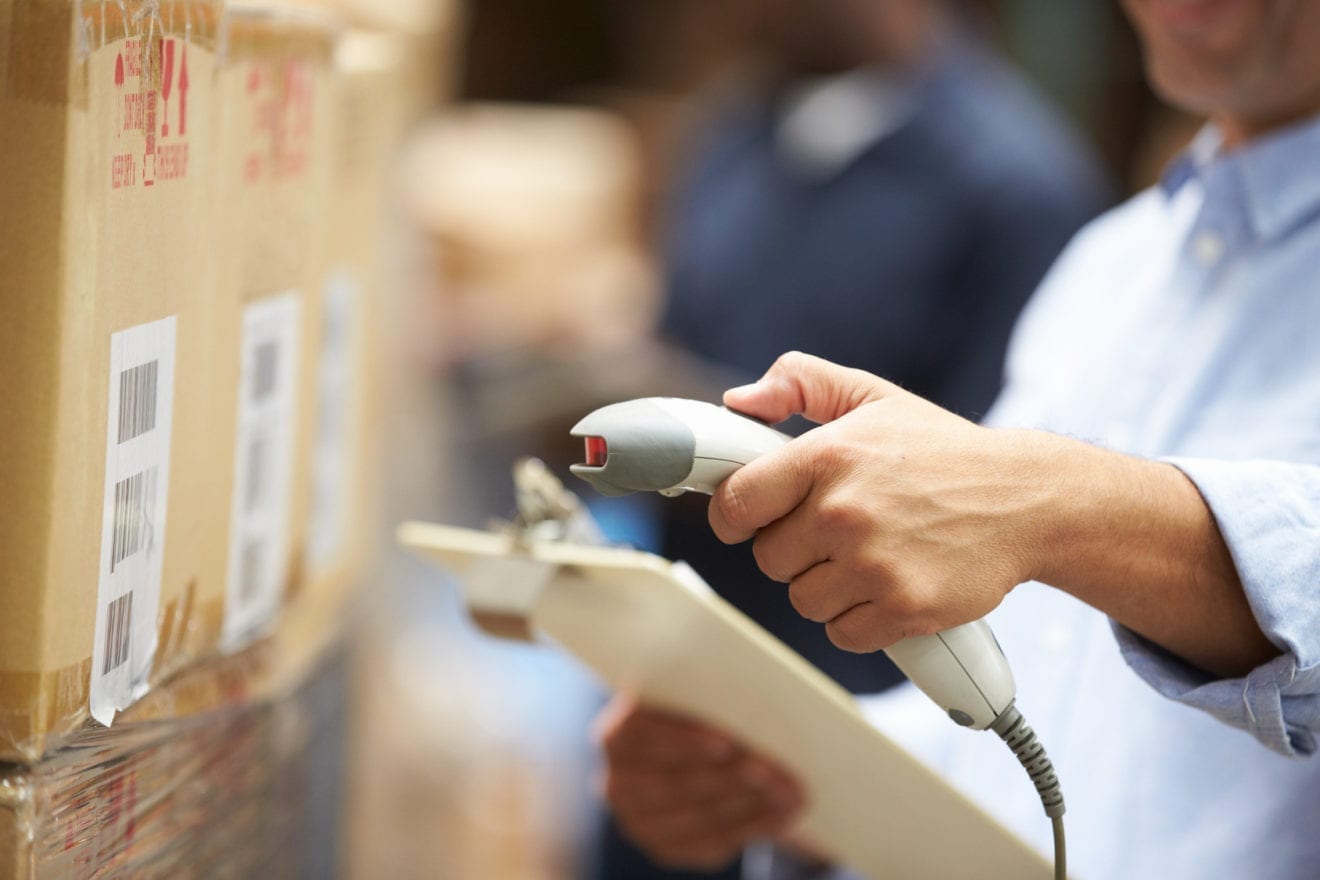
    Datalogic’s Magellan 1500i merges imaging excellence with innovative design in a high-performance presentation scanner ideal for retailers.

    Uniquely user-friendly and powerful, the Magellan 1500i is suitable for all types of retail store, including pharmacies, customer-service counters, kiosks, pop-up stores – and even self-checkouts.

    A compact footprint and discrete cable routing ensure the scanner takes up as little space on counters as possible, maximizing the area left for serving customers.

    Yet, despite it compact size, the Magellan 1500i has a large reading area and a fast sweep. It can read at distances of up to 25 cm and with 1D-sweep speeds of up to 1.5 m/s. This makes scanning 1D, 2D and Digimarc barcodes from printed labels, packaging or mobile phones easy and intuitive.

    Datalogic technology built-in includes soft-red adaptive illumination, minimizing light when it is not needed and adjusting the depth of field to suit the operating environment. And the scanner comes with multiple mounting options, including magnetic, allowing it to be used by both cashier and customer.

    Powerful decoding algorithms provide unmatched performance on a variety of 1D and 2D labels, including hard-to-read, truncated and damaged codes.

    The Magellan 1500i can be used in hands-free stand mode or hand-held mode. When the scanner is placed on a counter, items can be swept past or presented to the scanner. But if an item to be scanned is too large to lift, the Magellan 1500i can also be used as a hand-held scanner.

    When picked up from the counter, Datalogic’s Motionix motion-sensing technology detects the movement and activates an LED aimer. Users simply place the aimer on the target bar code, depress the trigger and Datalogic’s patented ‘Green Spot’ technology provides good-read confirmation. When the scanner is returned to the counter, the scanner automatically returns to stand mode.

    Remote management is supported for OPOS, JavaPOS, Toshiba Remote Management with IBM Systems Director® and Wavelink® Avalanche®. Additional capabilities are available with the value-added features included in every Magellan scanner.

  • Scootch, display speakers and finger scanners

    Scootch, display speakers and finger scanners

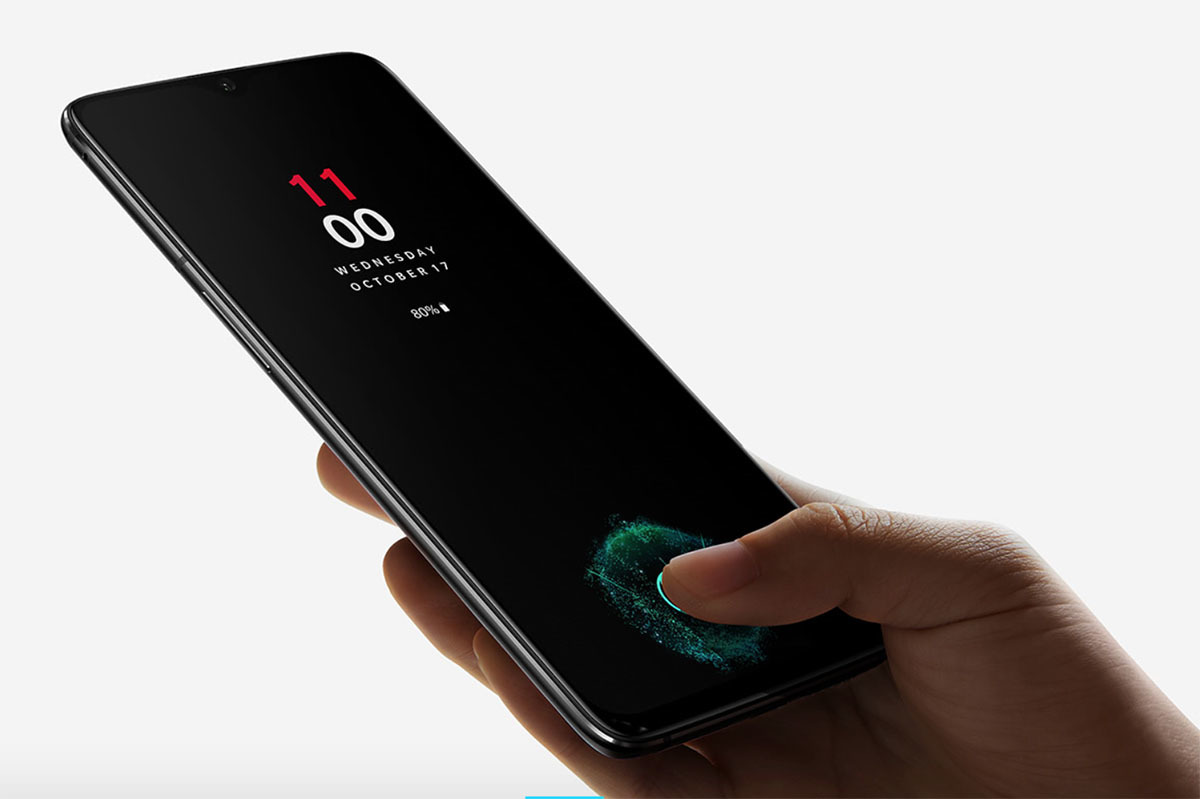
    We shudder to think how expensive a screen replacement is going to get once manufacturers stuff everything they are intent on stuffing in there. In the last few years alone they fused the touch layer into the display itself, increased the resolutions, moved to the more expensive OLED variety, started bending, folding or piercing them to fit various design trends, tacked in-display fingerprint readers on, started using them as sound emitters instead of the good ol’ earpiece, etc.

    Now, what else can we slap into the display package, wondered LG, and came up with an idea. The phone maker has reportedly managed to save precious space inside phones by integrating… wait for it… 5G antenna in the display itself. Well, integrating is not the right word, as it looks like the LG engineers simply slapped thin antenna films on the back side of the screen, but still.

    Given that the current number of antennas needed for grabbing 5G coverage borders on 30, and that adds significant bulk to the usual phone antenna design, being able to move the 5G antenna to the display package sounds like a practical space-saving solution, especially if it improved the coverage as well.

    LG said it can also apply the 5G antenna films on the back of the phone, and again improve reception by using the vast surface but, come to think of it, space there may be needed for all those wireless charging coils that are becoming the norm, too.

    In any case, LG seems to have circled the wagons around its 5G-in-display invention with patents, but apparently, we won’t see the technology applied to the V50 in May. That one will still have the current bulky 5G antenna design.

  • Samsung Galaxy A90 tipped to sport huge display

    Samsung Galaxy A90 tipped to sport huge display

    The Samsung Galaxy A90 is expected to debut in early April, and with less than three weeks to go some extra information about the smartphone’s most important feature has just leaked. As confirmed earlier this week by Samsung’s own website, the Galaxy A90 will be the company’s first and only smartphone to feature a ‘notchless Infinity screen.’ Naturally, this means that there will be no controversial notch or display cutout, with the smartphone instead expected to sport slim bezels all around.

    This prediction was today backed up by a leaked Galaxy A90 screen protector which clearly shows razor-thin bezels and a slightly larger chin. To further solidify the rumors, tipster Steve Hemmerstoffer weighed in on the matter by reaffirming the lack of a notch and pointing towards bezels that are just 1.2mm thick and a chin that measures in at 3.6mm. On a related note, it’s worth pointing out that Hemmerstoffer also believes the Galaxy A90’s display will boast a huge 6.73-inch diagonal, thus putting it on par with the Galaxy S10 5G and subsequently making it one of Samsung’s biggest smartphones ever.

    Expect a pop-out camera mechanism that also rotates

    Despite the company’s efforts to develop in-screen camera technology, Samsung recently admitted that ‘perfect full-screen’ smartphones are still a few years away. Because of this, the South Korean giant has apparently opted for a more unorthodox solution on the Galaxy A90. To be precise, Samsung’s upcoming smartphone is said to include a pop-out camera mechanism which houses the selfie cameras. These sensors, however, can also be used as the rear sensors thanks to a rotating mechanism that the pop-out module includes. Details about the cameras remain quite scarce, but the general expectation is that the device will feature at least three. According to previous leaks, the primary one will sport a whopping 48-megapixel resolution. The resolution of the other sensors hasn’t yet been revealed, but one will probably sport a wide-angle lens, while the other could act as a dedicated depth sensor.

    As a result of this unique setup and the lack of rear cameras, the Galaxy A90 is also expected to sport a very minimal rear design. In fact, the only noticeable element will probably be the Samsung logo – the Galaxy A90 is expected to adopt an in-display fingerprint scanner.

    An impressive processor that could beat the Snapdragon 845

    The inside of Samsung’s upcoming device remains a bit of a mystery. One rumor claims the company is preparing a budget Snapdragon 855-powered flagship which could easily be the Galaxy A90 – the smartphone is expected to sit directly beneath the Galaxy S10e in Samsung’s lineup. However, tipster Ice Universe believes this isn’t the case. Rather than using Qualcomm’s latest flagship chip, the historically-reliable source believes Samsung’s Galaxy A90 will make use of the yet-to-be-announced Snapdragon 700-series chip currently referred to as the ‘Snapdragon 7150.’

    Little is known about this chip right now, but the expectation is that it’ll take advantage of the 8-nanometer manufacturing process. Moreover, in terms of performance, it should sit somewhere between last year’s Snapdragon 845 (10-nanometer) and the newer Snapdragon 855 (7-nanometer) found inside the Galaxy S10 series. No further details about the Galaxy A90’s internal setup were provided, but the smartphone will most likely debut with a minimum of 6GB of RAM and 64GB of storage. However, more impressive variants with extra storage and potentially more RAM do seem extremely likely. Completing the smartphone’s setup should be Android 9 Pie straight out of the box and a 3,700mAh battery. But considering the rumored display size, it’ll remain to be seen what kind of battery life results this produces. In any case, improved fast charging of up to 25W is now expected.

  • Honeywell Launches Slimmest Scan Engine and Ultra Compact Decoding Board

    Honeywell Launches Slimmest Scan Engine and Ultra Compact Decoding Board

    Honeywell has released the N6600 Series Ultra-Slim Area-Imaging Engine and its miniature decoding board Mini DB, which together enable small mobile devices to quickly and accurately capture data from barcodes using small mobile devices.

    Measuring just 6.8 millimeters in height, the N6600 series is one of the slimmest and most compact engines of its kind currently on the market. It can be embedded in mobile devices, such as smartphones, tablet sleds or wearable scanning solutions used in retail, distribution center, logistics and parcel delivery environments.