Retail News CRM

Tag: scb

  • Thailand Unveils Three Winning Bids for Exciting New Virtual Banks!

    Thailand Unveils Three Winning Bids for Exciting New Virtual Banks!

    In a significant move for Thailand’s financial landscape, the Bank of Thailand (BOT) has approved three applicants to launch virtual banks. This recent development heralds a new era of banking innovation as the country shifts towards digitalization.

    Meet the New Players in Thailand’s Banking Scene

    The approved entities include AMC Holding Company Limited; a consortium made up of Krung Thai Bank, Advanced Info Service, and PTT Oil and Retail Business Public Company Limited; and another group featuring SCB X, WeTechnology Limited, and Kakaobank Corp.

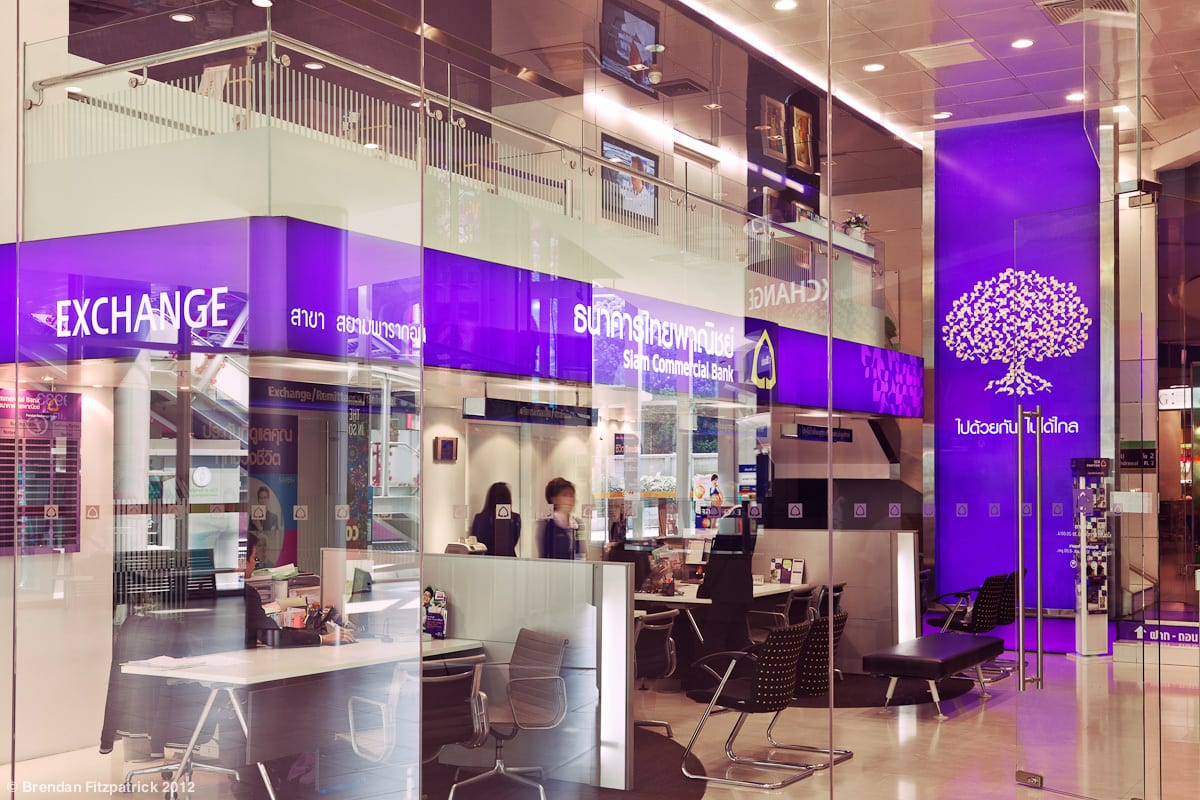
    Leading the charge is SCB X, the parent company of Siam Commercial Bank (SCB), the oldest bank in Thailand. Alongside them, KakaoBank, a thriving digital bank from South Korea, and WeTechnology, the Hong Kong arm of WeBank—the first digital bank in China—are set to make waves.

    Partnerships That Spark Change

    The consortium formed by Krung Thai Bank—a state-owned institution—teams up with Advanced Info Service, Thailand’s largest mobile operator, and PTT Oil, a key state-owned oil and gas player. This diverse mix signals a push towards integrating financial services with existing consumer bases and technology.

    Countdown to Launch: June 2026

    The clock is ticking for these virtual banks, which must commence operations within one year following the Thai Finance Minister’s approval on June 19, 2025. The BOT emphasizes that these companies need to structure themselves as public limited entities and successfully undergo assessments to qualify for their banking licenses.

    Setting a New Standard in Banking

    As part of their qualification process, the BOT and the Ministry of Finance will evaluate each applicant’s business strategy and capacity to introduce “new value propositions” to financial services. The aim is clear: enhance existing processes and deliver improved service via digital channels—the bank of the future is just around the corner!

    So, who’s excited about virtual banks in Thailand? These innovative players are sure to shake up the status quo in banking. Who knows, maybe your next transaction will involve a banking chatbot powered by AI!

    Questions & Answers

    What is the deadline for the new virtual banks to begin operations? They are required to start business operations by June 2026.

    Who are the approved applicants for virtual banking in Thailand? The BOT has approved AMC Holding Company Limited, a consortium including Krung Thai Bank, Advanced Info Service, and PTT Oil, as well as a group consisting of SCB X, WeTechnology Limited, and Kakaobank Corp.

    What must applicants demonstrate to qualify for a virtual bank license? Applicants must showcase their business plans and ability to deliver innovative financial services that improve efficiency through digital channels.
  • Central bank reveals investor interest in restructuring troubled lender SCB

    Central bank reveals investor interest in restructuring troubled lender SCB

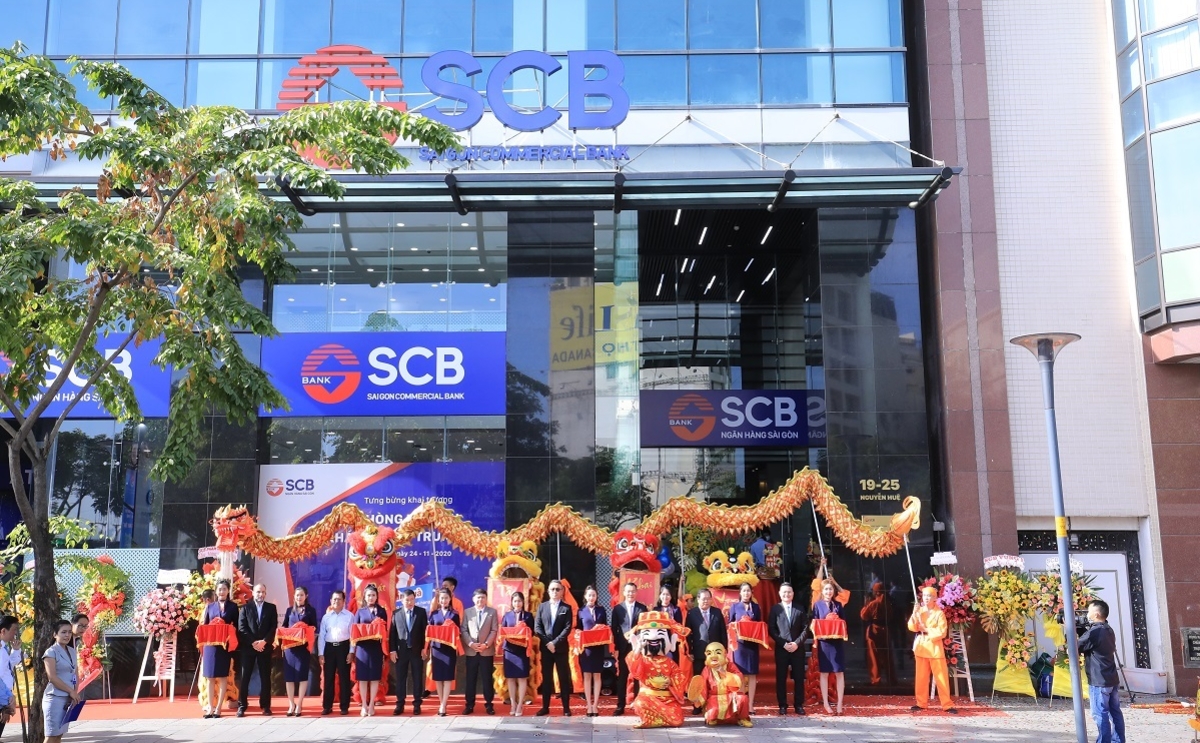
    The State Bank of Vietnam (SBV) is considering proposals from investors to restructure the Saigon Commercial Bank (SCB), a bank experiencing financial difficulties.

    After SCB faced a run in October 2022, the central bank put the private lender under special control to limit negative impacts on it and credit institutions in general.

    Historically, several banks under special control have successfully recovered and prospered.

    The SBV is also formulating plans to restructure other struggling banks, including CBBank, OceanBank, GP Bank, and DongABank.

    While plans to restructure these banks are being considered and prepared for approval, progress is lagging behind the anticipated schedule.

    The government has previously indicated the challenge of finding financially healthy commercial banks willing to merge with these ailing institutions.

    Additionally, banks require time to persuade shareholders, particularly major and foreign strategic shareholders, to agree to mandatory transfers.

    In mid-December, meeting with the leaders of Mizuho, one of the three largest banks in Japan, Prime Minister Pham Minh Chinh asked them to participate in restructuring Vietnam’s weak banks.

  • SCB holds meeting with An Dong bond buyers

    SCB holds meeting with An Dong bond buyers

    The Saigon Commercial Bank has held a meeting with investors who bought bonds from An Dong Investment Group, a company it endorsed but which has allegedly committed fraud.

    The meeting in Ho Chi Minh City Monday came on city authorities’ instructions. Many investors said at the meeting that SCB employees had persuaded them to buy the An Dong bonds with a lack of honesty.Some of them had withdrawn money at the bank when employees exhorted them to invest it in a “new type of product.”

    They never saw any papers that indicated they were buying bonds, and were merely told to sign a payment order. They received the bonds 10 days later.

    Hoang Minh Hoan, deputy standing director of SCB, said the bank never told its employees to be “dishonest” with customers. But the bank is concerned and would cooperate with Tan Viet Securities, the bond issuer, and government agencies to assist the customers, he said.

    Around 40,000 people bought An Dong bonds through SCB, according to Tan Viet Securities.

  • Analysts Downgrade Thailand’s Oldest Banks

    Analysts Downgrade Thailand’s Oldest Banks

    Siam Commercial Bank, one of Southeast Asia’s largest lenders, has prompted cuts from analysts on concerns of its loan book.

    After the bank reported its fourth-quarter results, nearly a third of the analysts who cover the Thai bank cut their recommendations the past week, wiping out nearly $2 billion from its market value. Asia Plus, Credit Suisse and J.P. Morgan Chase were among the brokerages that cut ratings.

    Thailand’s economy in 2020 is still surrounded by negative factors. Asset quality is still at risk and needs to be watched closely. said Therdsak Thaveeteeratham, an analyst at Asia Plus Securities.

    Siam Commercial and other Thai lenders have closed branches while increasing digital banking in an effort to boost earnings. However, a struggling economy has increased bad loans at the bank, which is more than a century old and counts King Maha Vajiralongkorn as its biggest shareholder.

    Siam Commercial’s shares posted their biggest one-day decline since 2008 on January 20, the first trading day after the fourth-quarter earnings report showed a jump in bad-loan provisions.

    Still, the downgrades and reaction may be overdone as Siam Commercial raised loan-loss provisions in 2019, according to Diksha Gera, a Bloomberg Intelligence analyst. The bank may consider boosting the net interest margin and cut costs to counter weak revenue, she said.

    The bigger risk we see is potential M&A following recent moves of other local competitors such as Bangkok Bank to make acquisitions, she notes.

    Bangkok Bank last month announced that it would acquire a controlling stake in Indonesia’s PT Bank Permata for about $2.7 billion to expand its presence in Southeast Asia’s biggest economy.a

  • CEO of SCB Julius Baer Resigns

    CEO of SCB Julius Baer Resigns

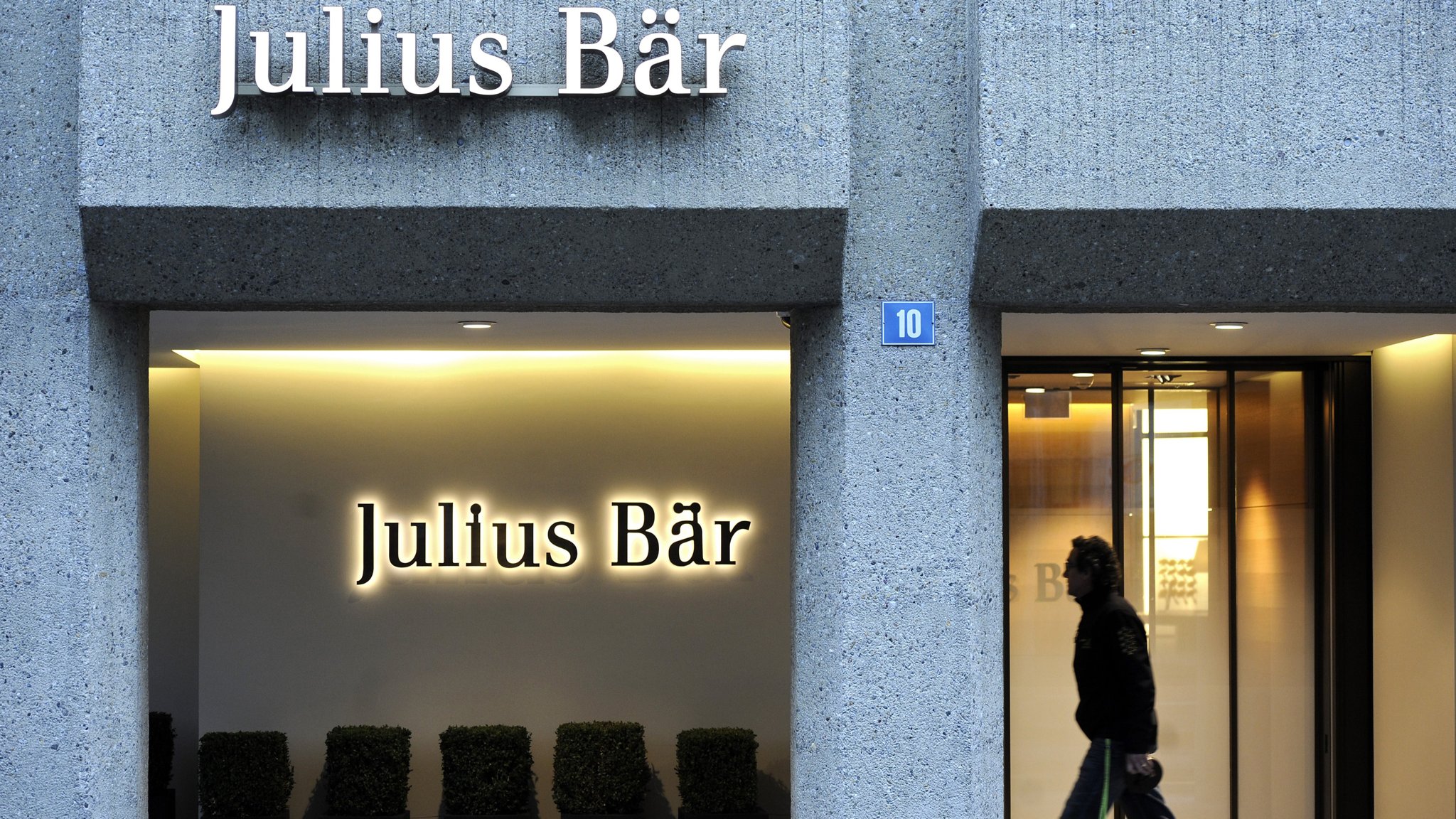
    The chief executive of SCB Julius Baer has left the role less than seven months into the appointment.

    Jiralawan Tangitvet, the CEO of SCB-Julius Baer, has resigned, according to a report in the Asian Private Banker. He was looking to make the newly-formed entity, a joint venture between Siam Commercial Bank and the Swiss bank, become a powerhouse in Thailand’s nascent private equity management sector.

    Tangitvet has joined the joint venture entity in April as its CEO this April. She was previously from Kasikorn Securities, where she was its managing director. Both banks could not be reached for comment at the time of this report.

    In June, SCB Julius Baer released its inaugural edition of the Wealth Report Thailand, which report focuses on the wealth management landscape in Thailand.

  • Siam Commercial Bank Partners Liquid Group

    Siam Commercial Bank Partners Liquid Group

    Siam Commercial Bank (SCB) and Liquid Group today announced a strategic partnership to enable cross-border QR payment acceptance in Singapore and Thailand.

    With the opening of the Singapore – Thailand corridor for QR payments, SCB will be acting as the sponsoring bank for all Thai banking applications that support cross-border QR payments. Customers will be able to pay for their purchases using their respective Thai QR payment apps at Liquid Group’s participating merchants in Singapore.

    One of SCB’s key business operation strategies is to have strong partners to create new capabilities to keep pace with drastic changes in consumer behavior around the world.  Partnership with a QR payment service provider such as Liquid Group will help provide more opportunities and better access to real-time and seamless global payment experiences for Thai customers going abroad and foreigners coming to Thailand, said Sopol Chattananant, Siam Commercial Bank WB Future Platform, Global Transaction Banking Services Division First Senior Vice President.

    The partnership will allow both players to spearhead cross-border interoperability for QR payments between Thai Mobile Banking Applications and Liquid Group’s network of regional payment apps. As the largest commercial bank in Thailand, SCB has a vast merchant base of approximately 1.0 million acceptance points across the country.

    In the initial stage, the service will enable Thai customers going to Singapore to use the SCB Easy Application and mobile banking applications of other banks with a cross-border payment feature to scan QR code for payments at shops located in Singapore’s Changi Airport before expanding to other locations.

    In the next stage, the service will allow Singaporean visitors to make payments using QR scanning in Thailand.  The Bank is confident that the partnership with Liquid Group will offer a real-time and seamless payment experience through a digital platform to truly meet the requirements of our mutual customers.

    Participating merchants in Singapore and Thailand can stand to generate additional revenue from the high volume of frequent travelers commuting between the two countries and their increased purchasing power, which is no longer limited to the amount of cash they carry but linked to the available credit in their wallet drawing from their deposit accounts.

  • Julius Baer Starts to Serve Thai Wealthy Individuals

    Julius Baer Starts to Serve Thai Wealthy Individuals

    The Siam Commercial Bank (SCB), the first commercial bank in Thailand, and Julius Baer, the leading Swiss wealth management group and one of the four largest private banks in Asia, announced on Thursday that their joint venture company, SCB Julius Baer, has received the necessary approvals and licenses to operate in Thailand, beginning with over 50 dedicated professionals.

    SCB Julius Baer will focus on bringing best-in-class global wealth management capabilities to clients in the growing Thai wealth management market.

    Jiralawan Tangitvet joins as Chief Executive Officer to lead SCB Julius Baer. A seasoned investment specialist with over two decades of experience, both in the buy- and sell-side in the financial industry, Jiralawan has a track record of helping clients build investment strategies tailored to their financial goals as well as design business plans that accelerate growth and opportunities. Prior to joining SCB Julius Baer, she was most recently Managing Director at Kasikorn Securities.

    «We are delighted that Jiralawan has been appointed to lead this important joint venture in Thailand. Her extensive experience combined with Julius Baer and SCB’s capabilities provide our clients with a unique value proposition in Thailand,» said Jimmy Lee, Member of the Executive Board and Head Asia Pacific, Julius Baer.

    Over the last few months, concrete steps have been taken and key personnel has been hired with the leadership experience and expertise in Thailand to advise clients regarding their wealth management and wealth planning needs. Julius Baer’s international expertise and SCB’s on-the-ground experience form the foundation of these training and development programmes.

    «SCB’s strong brand name in Thailand provides the joint venture with a home-court advantage while Julius Baer contributes its comprehensive investment and advisory solutions built on global best-in-class expertise. Together, we have a winning formula for our clients in Thailand,» said Christian Cappelli, Market Head Emerging Asia, Julius Baer.

  • New digital marketplaces seek to reshape economy

    New digital marketplaces seek to reshape economy

    The age of digital transformation is dawning on Thailand’s economy and society as evidenced by crucial developments in banking, retail and other sectors.

    The Bank of Thailand reported that commercial banks had shut down nearly 300 bank branches in the country in 2017 as customers moved towards Internet and mobile banking services, ushering in a new era of digital banking.

    In the meantime, Siam Commercial Bank (SCB) is leading the pack by launching its “SCB Express” concept – fully-automated banking centres in various Bangkok locations.

    SCB and Kasikorn Bank are seeking regulatory approval to operate e-commerce platforms to link millions of mobile customers with vendors of various goods and services, especially small and medium-sized enterprises (SMEs). In the retail sector, SCB is working with The Mall group, one of Thailand’s biggest retail and shopping centre chains, to introduce an automated cashier-less supermarket service at selected locations.

    Central department store group has joined forces with China’s No 2 e-commerce giant, JD.com, to create an “online marketplace”, and the country’s top e-commerce sites, led by Lazada (part of the Alibaba group), 11 Street and Shoppe, have been challenging traditional retail models with disruptive technologies.

    With many payments now possible through the ease of touching a mobile-phone screen or waving a card, consumers are expecting more from goods and service providers.

    E-commerce, mobile payments using QR Codes, digital banking on the go, cashier-less grocery shopping and other innovations will start to become the norm this year as traditional business models merge with digital technology to stay relevant. Artificial intelligence (AI) is becoming the new tool for banks, retail chains and other service providers to stay ahead of their consumers’ expectations.

    Since machine-learning technology is now cheaper and easier to manage, it is likely that predictive analytics that capitalise on the abundance of consumer and other data will be more widely used by Thai businesses and industries.

    AI will soon usher in a new term, “machine commerce”, in which transactions are automatically generated by computer software using the huge amount of available data in real time.

    This will happen this year if the major commercial banks get approval from the Bank of Thailand to launch e-commerce platforms that automatically match millions of bank customers with SMEs and other vendors.

    Kasikorn Bank has said it has about 7 million mobile customers and is enlisting SMEs to join its proposed e-commerce platform pending regulatory approval, while SCB has about 6 million mobile customers and is planning a similar marketplace platform.

    AI and machine learning will become more commonplace in other sectors, especially in logistics and warehouse management as well as in food, beverage and other manufacturing sectors in which the use of robots and automation systems is rapidly replacing human workers.

    To facilitate the advent of a digital economy and society, government and private sector organisations have joined forces to launch the National Digital ID programme to provide reliable online confirmation of personal identities for various activities, including online government services and financial transactions. For example, a person may open a bank account online using the government’s demographic database to verify his or her identity based on the 13-digit ID number assigned to each person.

    Such a use will be sanctioned by law to ensure that this and other online activities are legally binding in the digital age.

  • SCB Easy Application on the Fritz Pending Upgrade

    SCB Easy Application on the Fritz Pending Upgrade

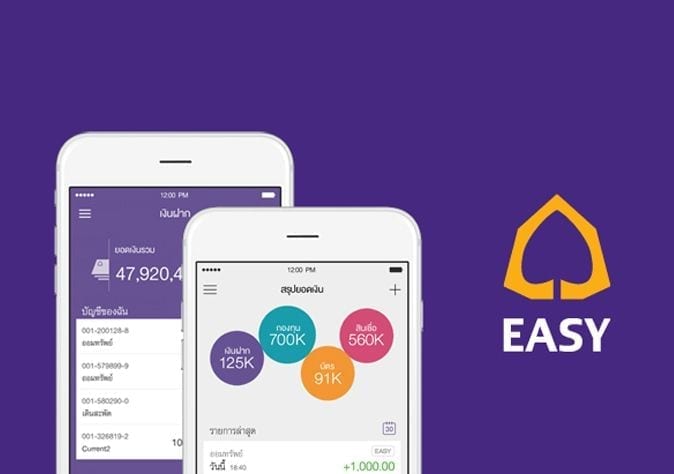
    Customers of Siam Commercial Bank (SCB) might have recently found out the hard way that the SCB Easy App is on the fritz and hasn’t been working as properly as it should’ve been.

    SCB has already suspended the service of the app yesterday, in order to be able to properly update the system.

    According to SCB, the disruption of service was due to the increased use of system for financial transactions. However, the app will hopefully be up and running again by Sept. 10 after the system upgrade.

    Customers, fortunately, are still able to use the bank’s services through other channels, including their website: www.scbeasy.com

  • SCB plans to double its retail banking

    SCB plans to double its retail banking

    Standard Chartered Bank (SCB) has planned to double its business size of retail banking in Bangladesh within next five years, a top executive of the bank said.

    “We’re working to double our retail banking business size in Bangladesh by 2020,”  Sebastian Arcuri, regional head for retail banking in ASEAN and South Asia of SCB, said in an exclusive interview with the FE Thursday.

    Currently, Mr Arcuri is overseeing the bank’s retail business in 11 countries such as Singapore, India, Malaysia, Bangladesh, Indonesia, Thailand, Vietnam, Brunei, Nepal, Sri Lanka and the Philippines.

    He arrived in Dhaka Wednesday night on a brief visit to Bangladesh.

    During his stay, Mr Arcuri met senior officials of Standard Chartered Bank. It was his maiden visit to Bangladesh.

    As part of the plan, SCB will put emphasis on small and medium enterprises (SME) sector to help achieve maximum economic growth in Bangladesh.

    “We’ll also extend financing in the SME sector that would help create employment opportunity across the country,” the SCB executive said while replying to a query.

    SCB is celebrating 110 years in Bangladesh this year.

    “We are proud to have the largest high-value segment customer base in the country, and several generations in the same family are banking with us. With continuous innovation in products and solutions, our bank has been the pioneer in retail banking of Bangladesh,” Mr Arcuri noted.

    SCB also plans to keep on bringing new products and services to the existing and potential valued customers to be their bank of choice.

    He said SCB has planned to introduce a new online solution in Bangladesh for opening new account within five minutes by 2016.

    At present, SCB is providing such solution in South Korea for opening accounts.

    “We’re now working to introduce such solution in Bangladesh within the stipulated time,” Aditya Mandloi, head of retail clients of the bank’s Bangladesh operation, told the FE while elaborating preparations in this regard.

    Regarding the latest market activities, the regional retail banking head said emerging markets are moving faster in terms of digital and smartphone adoption, leapfrogging compared to more mature markets.

    “We’re revamping digital platform so that clients can do on mobile phones and online everything previously done in a branch where possible,” he explained.

    Mr Sebastian Arcuri joined the UK-based foreign commercial bank in 2014. Earlier, he worked with HSBC Brazil as an executive director and head of retail banking and wealth management, and president of HSBC Insurance in the country.

    Banking is a cyclical business. Currently facing challenges, but SCB has resilience and diversification to respond, according to the senior banker.

    “Focus on the key clients, the emerging affluent and investment in products, new branches, better technology. Here for good – here for our clients for the long run – this will keep the bank going through the short-term cycles,” he noted.

    SCB is now focused on the fastest-growing cities in the world, which are in footprint of Asia, Africa and the Middle East.

    “We are client-segment focused so we can address clients’ needs from a life-cycle approach. We are investing heavily in technology to be digital by design so we can deliver easy, convenient banking through whatever channel the client prefers, whenever the client wants it. The future can only be better,” Mr Arcuri observed.

    Standard Chartered has already made a series of key hires to step up the growth of its retail client business across the world.