Tag: scene

  • Ombak KLCC Mall to Ignite Kuala Lumpur Retail Scene with Grand Opening

    Ombak KLCC Mall to Ignite Kuala Lumpur Retail Scene with Grand Opening

    The retail market of Kuala Lumpur is poised to welcome another addition. Ombak KLCC, a new shopping complex, is slated to commence operations from August 21 in the KLCC precinct.

    The project, sprawled across 420,000 square feet, will serve as a host for approximately 120 retail and food & beverage outlets. The tenant composition is diverse, accommodating a range of sectors from coffee and dining to lifestyle, technology, and convenience.

    Moreover, the mall is set to be the fresh location for Galeri Petronas, which will be transitioning from its current position in Suria KLCC. The gallery will open in separate stages, marking a phased transition.

    More than just retail

    Apart from the retail component, Ombak KLCC has a broader appeal with additional features planned to enhance the overall visitor experience. A rooftop garden and open-air plaza have been incorporated in the design, purposed for staging events and facilitating leisure activities. The shopping center is also connected to the wider KLCC precinct, ensuring seamless access to KLCC Park and nearby public transportation links.

    Ombak KLCC is also preparing for a grand inauguration by lining up some significant pop-up attractions. Both Nintendo Pop-Up Store and Pokémon Center Pop-Up Store are slated to be operational from September 12 until the end of the year.

    Questions & Answers

    What is the expected date of Ombak KLCC’s opening?
    Ombak KLCC is scheduled to open on August 21.

    What kind of tenants will Ombak KLCC house?
    Ombak KLCC will house a mixture of retail and food & beverage outlets spanning various sectors like coffee, dining, lifestyle, technology, and convenience.

    What are some special features of Ombak KLCC?
    Apart from retail stores, Ombak KLCC features a rooftop garden and an open-air plaza designed for events and leisure activities. It is also linked to the wider KLCC precinct, including KLCC Park and nearby public transport connections.

  • 7Up Shakes Up the Soda Scene: Unveils Lime-Forward Flavor and Bold New Identity After 15 Years

    7Up Shakes Up the Soda Scene: Unveils Lime-Forward Flavor and Bold New Identity After 15 Years

    7Up, owned by Keurig Dr Pepper (KDP), has undertaken its most significant brand renovation in over 15 years. The company has given a fresh identity to the 7Up brand, which is valued at US$5 billion in the lemon-lime category.

    A New Identity

    7Up is revising its soda recipe, emphasizing the lime flavor to appeal to younger consumers who prefer citrus-flavored beverages. The move comes as competition in the citrus soda market continues to intensify. Since its launch in 1929 as the Original Uncola, 7Up has been positioning itself as an alternative to traditional sodas. The recent brand refresh aims to return to these founding principles.

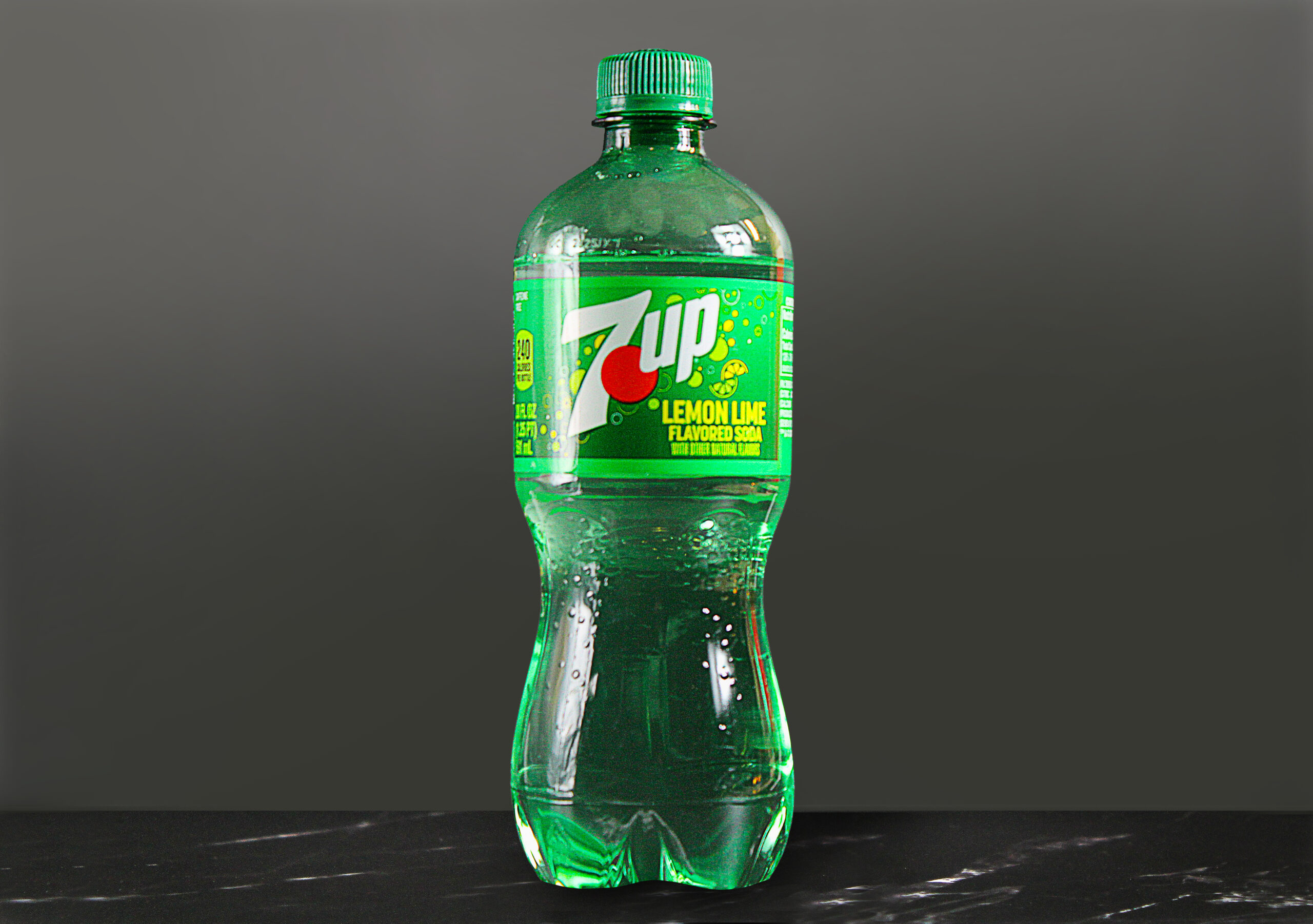
    The revamped recipe will be utilized across Regular, Zero Sugar, Cherry, and Cherry Zero Sugar product lines starting from mid-August in North America. The new face of the 7Up brand involves a refreshed visual identity characterized by a vertical logo, more vibrant colors, and a new Lime Lemon tag.

    Strategies for Engaging Consumers

    Drew Panayiotou, the chief marketing and innovation officer at Keurig Dr Pepper, referred to the brand makeover as a “bold reinvention” designed to appeal to a new generation of consumers. The flavor modification is the first step in this process.

    “By giving lime the spotlight, we’re rewriting the rules of the lemon-lime category,” Panayiotou said. “We are transforming a beloved heritage brand into a modern disruptor – delivering a sharper visual identity, a more refreshing taste experience, and a distinct position that attracts new users and deepens brand loyalty.”

    To further bolster the brand’s new image, a multi-platform marketing campaign dubbed ‘Flip the Sip’ will roll out. The campaign will leverage social storytelling, cultural moments, and in-store experiences to celebrate the unexpected.

    Questions & Answers

    What is the objective of the 7Up brand refresh?
    The brand refresh aims to appeal to younger consumers who prefer citrus-flavored sodas amidst growing competition in the market.

    What changes will be implemented in the 7Up product line?
    The revamped recipe will be used across Regular, Zero Sugar, Cherry, and Cherry Zero Sugar products and will emphasize the lime flavor. The brand will also feature a refreshed visual identity with a vertical logo, brighter colors, and a new Lime Lemon tag.

    What is the ‘Flip the Sip’ campaign?
    The ‘Flip the Sip’ campaign is a multi-platform marketing initiative that will use social storytelling, cultural moments, and in-store experiences to reinforce the brand’s new identity.

  • Bloom Nutrition Ignites Australia’s Health Scene with Zero-Sugar Sparkling Energy Drinks at 7-Eleven

    Bloom Nutrition Ignites Australia’s Health Scene with Zero-Sugar Sparkling Energy Drinks at 7-Eleven

    Bloom Nutrition, a health and wellness brand originating from the United States, has recently made its debut in Australia with the introduction of its Sparkling Energy Drinks.

    Nourishing Energy Beverages

    Bloom Nutrition’s unique beverage blend boasts zero sugar and a minimal 10 calories per can. It’s power-packed with 113mg of naturally-sourced caffeine from green coffee beans. The brand champions a ‘better-for-you’ range, with its products featuring health-boosting compounds like prebiotics, B-vitamins, apple cider vinegar, and ginseng. Additionally, they are free from artificial colors and aspartame.

    The pioneer selection of the drink is offered in three different flavors: Strawberry Watermelon, Peach Mango, and Raspberry Lemon. Bloom Nutrition plans to extend its flavor range with more options, including Juicy Orange and Crisp Apple, expected to be launched by the end of this year.

    Expanding Market Reach

    By partnering with 7-Eleven, Bloom Nutrition has gained immediate access to Australia’s convenience retail market, a significant move in its international commercial expansion. The Sparkling Energy Drinks, available in 355ml cans, are now being sold nationwide through 7-Eleven stores at a recommended retail price of $7.

    Mari Llewellyn, co-founder of Bloom Nutrition, expresses her excitement about the brand’s expansion to Australia: “We founded Bloom with the aim of helping people feel their best. This makes our introduction to the Australian market a moment of fulfillment. Our Sparkling Energy Drinks are designed to cater to the active, wellness-oriented lifestyles of Australians.”

    Questions & Answers

    What are some key aspects of Bloom Nutrition’s Sparkling Energy Drinks?
    The drinks contain zero sugar and are low-calorie. They are made with natural caffeine, prebiotics, B-vitamins, apple cider vinegar, and ginseng.

    What flavors are currently available in Australia?
    At present, the available flavors are Strawberry Watermelon, Peach Mango, and Raspberry Lemon.

    What are the future plans for Bloom Nutrition in Australia?
    The company plans to launch more flavors, including Juicy Orange and Crisp Apple, later this year.

  • Chinese Dining Chains Spice Up South Korea’s Restaurant Scene with Explosive Growth

    Chinese Dining Chains Spice Up South Korea’s Restaurant Scene with Explosive Growth

    Chinese restaurant chains are accelerating their growth in South Korea, capturing customers in the major tourist regions of Seoul with genuine Chinese food. This development is fueled by a boost in sales.

    Emerging Leaders in the Industry

    Among the most rapidly developing contenders is the hot pot franchise Tanghuo Kungfu Malatang. Since the inauguration of its initial franchised store in Suwon in 2012, the chain has expanded exponentially, boasting over 560 locations in South Korea as of the end of March. These locations encompass both franchised and company-managed stores.

    Tanghuo Kungfu Korea reported an impressive KRW22.2 billion (US$14.7 million) in revenue in 2024, an increase of 21% from the previous year. The company’s operating profit skyrocketed elevenfold to KRW10.5 billion during the same timeframe.

    Now, the company’s establishments are primarily located in the main tourist hotspots of Seoul, such as Gangnam Station, Myeong-dong, Hongdae, Seongsu, and Daehangno.

    The company is also offering incentives for new partners by exempting franchise, training, and royalty fees and providing free serving bowls.

    A spokesperson for Tanghuo Kungfu Korea stated, “As the malatang market in Korea continues to grow, we aim to appeal to potential entrepreneurs and share with them our brand’s operational expertise and practical support benefits. We look forward to active involvement by local restaurant owners so we can jointly spearhead malatang’s market growth here.”

    Other Key Players

    Other Chinese brands are also on the rise. The hot pot chain Haidilao reported sales of over KRW100 billion last year, a significant increase compared to KRW78.1 billion in 2024. The brand, recognized for offering customers complimentary nail art services and entertainment shows, has grown to ten locations since its introduction into South Korea in 2024.

    Bantianyao Grilled Fish has established six outlets since it entered the market in 2020, while Haihai Kaochuan, a skewer barbecue chain managed by Haidilao, inaugurated its first Seoul outlet in Myeong-dong this past January.

    These restaurant chains are emulating the expansion strategy of major Chinese tea brands, which have demonstrated their success in China with thousands of stores. Their push into South Korea is a strategic move, given that China’s domestic market is nearing saturation.

    Milk tea brand Chagee announced plans to launch three outlets in Seoul by the end of June, marking its first expansion into East Asia outside China. Other brands, such as Chabaido, HeyTea, and Mixue, are also extending their reach in the country.

    Market Outlook

    Market analysts regard South Korea as a desirable entry point for global expansion, attributing its appeal to the country’s significant cultural influence through trends like K-pop, K-food, and K-beauty. This positions the country as an ideal testing ground for new brands prior to broader international deployment.

    Questions & Answers

    What are some Chinese restaurant chains expanding in South Korea?
    Some Chinese restaurant chains expanding in South Korea include Tanghuo Kungfu Malatang, Haidilao, Bantianyao Grilled Fish, and Haihai Kaochuan.

    What strategies are these chains employing for their expansion?
    These chains are waiving franchise, training, and royalty fees for new partners, providing complimentary offerings, and focusing on locations in major tourist areas. They are also following the successful expansion strategies of Chinese tea brands.

    Why is South Korea considered an attractive market for these expansions?
    South Korea is considered an attractive market due to its strong cultural influence and trends such as K-pop, K-food, and K-beauty. These aspects position the country as a potential testing ground for brands before broader international rollout.

  • Nanamica Breaks into China’s Fashion Scene: Japanese Brand Launches First Store in Shanghai

    Nanamica Breaks into China’s Fashion Scene: Japanese Brand Launches First Store in Shanghai

    Renowned Japanese fashion label, Nanamica, has announced the inauguration of a new retail outlet in Shanghai, China. This is set to be the brand’s second international presence.

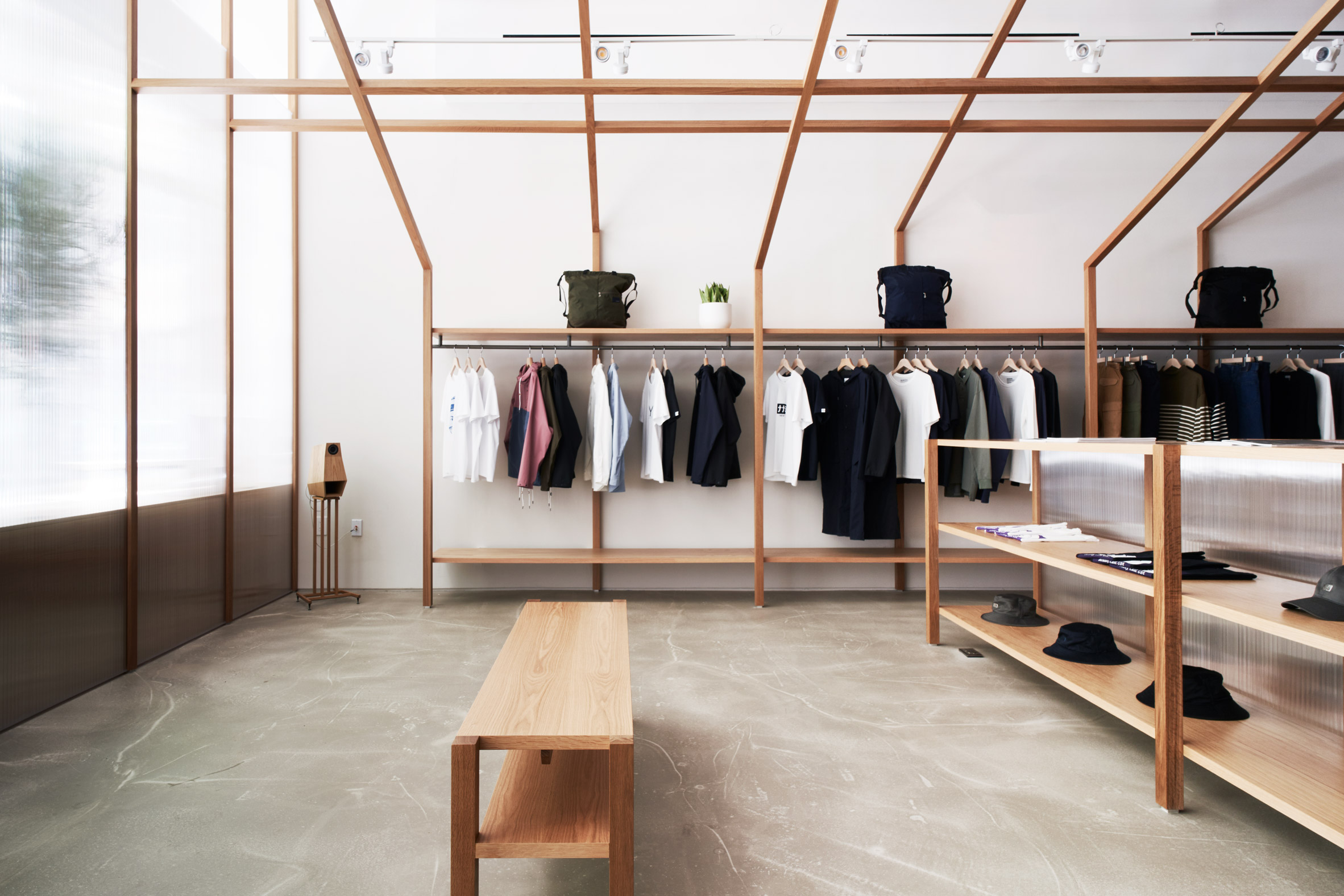
    The shop is strategically situated on Wukang Road, a bustling area within Shanghai’s Xuhui district. The location’s existing architecture is expected to harmoniously blend with the brand’s contemporary, minimalist aesthetics.

    Nanamica is recognized for its unique blend of attire that impeccably combines fashion with functionality. The brand prides itself on its versatile offerings that effortlessly “transcend genre, age, and gender”, setting it apart in the global fashion industry.

    The company expressed its vision for the newly launched Nanamica Wukang branch. It aims to provide a unique space where customers can experience the brand’s ethos in line with the local cultural backdrop and creative ambiance.

    As part of its consumer-centric approach, Nanamica has a clear message for its customers: the brand is determined to create garments that can be worn and cherished for an extended period. The company values longevity, coupling it with style and comfort.

    Nanamica has a strong retail presence, with stores operating in various locations such as Daikanyama, Kobe, Fukuoka, Kyoto, New York, and now making its mark in Shanghai.

    Questions & Answers

    What is the vision for the new Nanamica store in Shanghai?
    The vision for the new Nanamica Wukang store is to provide a space where customers can experience the brand’s ethos in a setting that harmonizes with the local cultural backdrop and creative ambiance.

    What is unique about Nanamica’s range of clothing?
    Nanamica’s clothing range is unique in its combination of fashion and functionality, offering versatile designs that transcend genre, age, and gender.

    Where else does Nanamica have store locations?
    In addition to its new Shanghai location, Nanamica operates stores in Daikanyama, Kobe, Fukuoka, Kyoto, and New York.

  • Rising Stars on the Global Coffee Scene: How Southeast Asia’s Homegrown Chains are Brewing Success Overseas

    Rising Stars on the Global Coffee Scene: How Southeast Asia’s Homegrown Chains are Brewing Success Overseas

    Southeast Asian coffee chains, including Malaysia’s Zus Coffee and Indonesia’s Kopi Kenangan, are extending their reach beyond their national borders, looking to make their mark on the region’s burgeoning café culture.

    Unleashing the Flavor of Southeast Asia

    Kopi Kenangan outlets in Singapore offer customers a unique coffee experience. In addition to the usual preferences for milk and sugar, customers can select their preferred coffee beans, sourced from various Indonesian regions such as Aceh, Bali, and Flores. The coffee chain also boasts traditional drinks with an Indonesian touch, like lattes sweetened with palm sugar, which makes them stand apart from the competition.

    Billy Ooi, a management professional based in Singapore, expressed his satisfaction with the brand, commenting that it is budget-friendly, offers good discounts, and the taste is comparable to other cafés.

    Rapid Growth

    In its home country, Indonesia, Kopi Kenangan, which was launched in 2017, has swiftly become the nation’s largest café chain. The brand had over 1,100 outlets across the country by the end of last year. It was also among the first to go global, opening approximately 187 stores in India, Australia, Singapore, Malaysia, and the Philippines.

    Similar progress is evident in other local brands like Tomoro and Fore, which have also made their presence felt in Singapore, China, and the Philippines.

    Malaysia’s Zus Coffee is another success story. It began as a small kiosk in 2019 and has since transformed into the country’s largest coffee chain. Operating over 1,000 outlets across Malaysia, Singapore, Brunei, the Philippines, and Thailand, the majority of its branches are located in its home market.

    Beej Marcado, a young entrepreneur from the Philippines, considers Zus as his top choice, impressed by their simple drinks and sustainable practices like the use of edible straws.

    Surviving in a Competitive Market

    As these Southeast Asian coffee chains venture into international markets, they are confronted with fierce competition from global juggernauts such as Starbucks from the U.S. and China’s Luckin Coffee, as well as robust local players in each country.

    Many have had to innovate to stay competitive, adding localized offerings to their menus. For example, Zus Coffee introduced an ube (purple yam) coffee in the Philippines and a Tom Yum Americano in Thailand to cater to local tastes.

    Adapting to local preferences was also crucial for Sarnies, a café chain from Singapore with several outlets in Thailand. Its founders, Eric Chan and Benjamin Lee, adjusted their menu to appeal to a more diverse customer base when they expanded into Thailand.

    The Future of the Coffee Chain Industry

    The modern coffee and tea market in Southeast Asia was estimated to be worth US$9.9 billion in 2025, a sharp increase from $8.3 billion in 2023. The expansion was fueled by swift store growth, the advent of digital ordering, and broader consumer adoption.

    However, the industry is entering a new phase. The focus is shifting towards the efficiency of operating systems, from supply chains and in-store processes to digital infrastructure. The ability to scale operations efficiently and uphold unit economics is becoming a decisive factor in competition.

    Questions & Answers

    What is unique about the coffee experience at Kopi Kenangan outlets in Singapore?
    At Kopi Kenangan, customers can select their preferred coffee beans, sourced from various Indonesian regions. They also offer traditional Indonesian drinks, like lattes sweetened with palm sugar.

    How are Southeast Asian coffee chains adapting to survive in international markets?
    Many chains are adding localized offerings to their menus to cater to local tastes. For example, Zus Coffee introduced an ube (purple yam) coffee in the Philippines and a Tom Yum Americano in Thailand.

    What is the projected value of the modern coffee and tea market in Southeast Asia in 2025?
    The modern coffee and tea market in Southeast Asia is expected to be worth US$9.9 billion in 2025.

  • Estée Lauder Dives into Latin America’s Fragrance Scene with Strategic Investment in Mexican Brand, Xinú

    Estée Lauder Dives into Latin America’s Fragrance Scene with Strategic Investment in Mexican Brand, Xinú

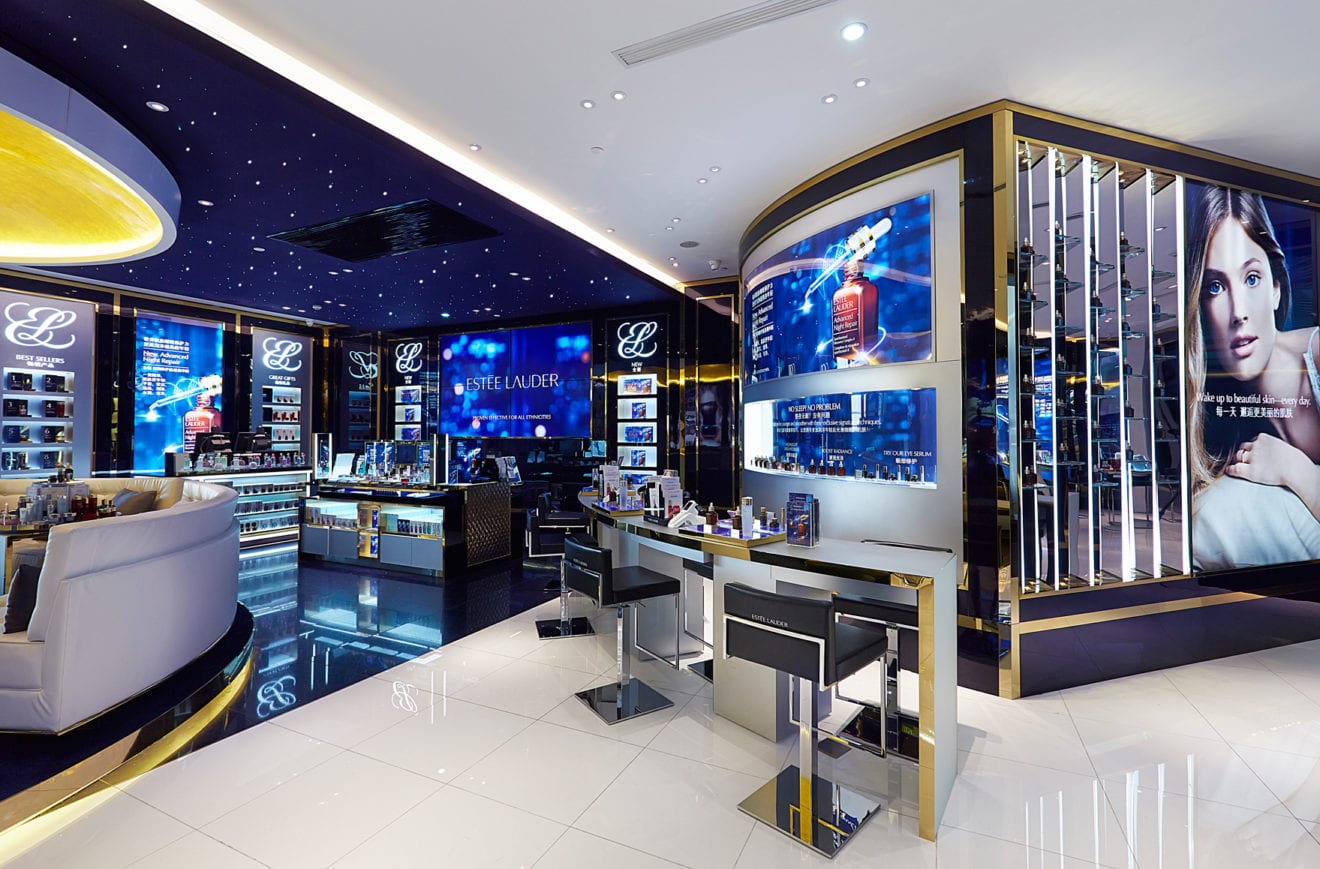
    Cosmetics giant Estée Lauder has recently invested in a minority share of the Mexican perfume label Xinú. This move represents Estée Lauder’s first venture into the Latin American market.

    The investment strategy was executed through New Incubation Ventures (NIV), Estée Lauder’s unit focused on early-stage investments and incubation. NIV is dedicated to financially backing and fostering up-and-coming beauty brands.

    Mexico: A Hub of Fragrance Innovation

    Stéphane de La Faverie, the President and CEO of Estée Lauder, has lauded Mexico as a vibrant center of perfume innovation. He believes that the country represents a unique melding of craftsmanship and cultural pertinence. In his view, Xinú is the embodiment of this ethos, as they redefine contemporary luxury through authenticity, artistry, and captivating narratives.

    Xinú presents itself as a brand inspired by the abundant and exotic richness of the American continent. It synthesizes elements of fragrance, design, and storytelling, and is highly regarded for its commitment to sustainable design. Xinú also prides itself on its sensorial retail environments and product offerings.

    Investment Reflects Commitment to Region

    De La Faverie expressed that this investment underlines Estée Lauder’s firm belief in the region’s exceptional talent. Moreover, it demonstrates their ongoing commitment to nurturing emerging brands that will shape the future of the fragrance and beauty sectors.

    Questions & Answers

    Why has Estée Lauder invested in Xinú?
    Estée Lauder’s investment in Xinú reflects the company’s belief in the region’s exceptional talent and its commitment to nurturing emerging brands that will shape the future of the fragrance and beauty sectors.

    What does Xinú represent according to Estée Lauder’s CEO?
    According to Estée Lauder’s CEO, Xinú is a brand that embodies the spirit of Mexican innovation in fragrance, redefining contemporary luxury through authenticity, artistry, and captivating narratives.

    How does Xinú distinguish itself in the perfume market?
    Xinú sets itself apart in the perfume industry through its inspiration from the abundant richness of the American continent, its synthesis of fragrance, design, and storytelling, its commitment to sustainable design, and its sensorial retail environments.

  • Asia’s Fashion Giant Urban Revivo Makes Strategic Inroad Into Europe With Uk Flagship Store

    Asia’s Fashion Giant Urban Revivo Makes Strategic Inroad Into Europe With Uk Flagship Store

    Urban Revivo, a leading fashion brand from Asia often dubbed as “the Zara of Asia,” has recently launched its flagship store in the UK, on Neal Street in Covent Garden. The 515 square meter store is nestled among unique boutique stores and established heritage brands, marking a strategic inroad into Europe’s vibrant fashion industry and demonstrating the brand’s global ambitions.

    Establishing a Global Presence

    Urban Revivo, founded in 2006, has expanded rapidly across Asia, with over 400 stores spread across China, Southeast Asia, and recently, the United States. The company’s launch in Covent Garden follows its debut in New York’s SoHo district in February, and is set to be followed by further entries into other global fashion hubs including Hong Kong and Tokyo.

    The Covent Garden location offers an exciting opportunity for Urban Revivo to engage with London’s dynamic fashion scene. Vivian Chen, CEO of Urban Revivo International, recognizes that the introduction of new brands often face high entry barriers, necessitating time for consumers to build trust and familiarity. Approximately 60% of the Covent Garden store’s offerings are designed by the company’s London-based European Design Center. This reflects the brand’s “quiet luxury” aesthetic, which Chen describes as a blend of timeless sophistication and subtle individuality.

    Adapting to Different Markets

    Urban Revivo is quick to adapt its brand to resonate with the distinct tastes of its different markets. Chen notes that the European market values longevity in design, quiet luxury, and a clear brand identity, differing from Asian markets, particularly China, where fast-changing fashion trends and brand experimentation are more prevalent.

    Boasting design centers in Guangzhou and London, Urban Revivo is building a connecting bridge between Eastern and Western aesthetics, aiming to create a brand that resonates globally. The brand plans to replicate its successful consumer research and feedback system, which is supported by millions of members, in the UK and European markets.

    Challenges and Opportunities

    Chen recognizes that Europe, home to three major fashion capitals, presents unique challenges due to its rich tradition of art and fashion, and consumers with avant-garde perspectives on cultural trends. However, the company’s success in the UK market serves as a solid foundation for its expansion into the broader European market and other new regions.

    While Urban Revivo is characterized by its fast-fashion model, with a typical turnaround from trend to retail shelf in just 10 days, its approach is more considered. The London store, for example, carries only 800 Stock Keeping Units (SKUs).

    Future Ventures

    Urban Revivo’s global expansion plan includes new ventures into Hong Kong and Tokyo, two of Asia’s most mature and fashion-forward markets. The company plans to open a flagship store in Hong Kong’s Harbour City, a luxury shopping destination in Tsim Sha Tsui, and is preparing to debut its store in Japan’s fashion capital, Tokyo, by the end of this year.

    Questions & Answers

    What is Urban Revivo’s expansion strategy?
    Urban Revivo’s expansion strategy involves establishing a presence in global fashion capitals such as London, New York, Hong Kong, and Tokyo, and adapting its brand to resonate with the distinct tastes of its different markets.

    How does Urban Revivo’s approach differ from traditional fast-fashion brands?
    Unlike traditional fast-fashion brands that flood stores with high-volume, high-turnover SKUs, Urban Revivo’s strategy is more measured. The London store, for example, carries only 800 SKUs.

    What are Urban Revivo’s future expansion plans?
    Urban Revivo plans to expand into Hong Kong and Tokyo, two of Asia’s most mature and style-conscious markets. The company will open a flagship store in Hong Kong’s Harbour City and is preparing to debut its store in Japan’s fashion capital, Tokyo, by the end of this year.

  • Seoul’s Fashion District Transforms As Gucci And Louis Vuitton Ignite Luxury Dining Rivalry

    Seoul’s Fashion District Transforms As Gucci And Louis Vuitton Ignite Luxury Dining Rivalry

    In a fashionable district of Seoul, two premier luxury brands are shifting their rivalry from the fashion world to the restaurant industry.

    Gucci is set to open its redesigned and relocated restaurant, Gucci Osteria da Massimo Bottura Seoul, within its flagship store in Cheongdam. The restaurant, which will replace the brand’s former establishment in Itaewon that was launched in 2022, is located on the fifth floor. According to Gucci, the new space is conceptualized with exquisite interiors and a carefully selected menu to engage diners with the brand’s identity.

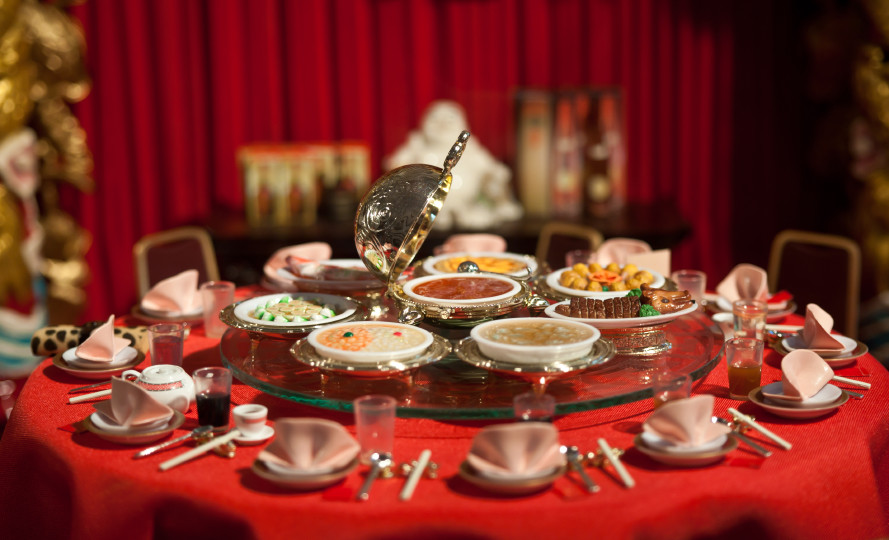
    This development comes hot on the heels of Louis Vuitton’s recent opening of Le Café Louis Vuitton in its Maison Seoul boutique, also situated in Cheongdam. The café, which is an extension of the brand’s burgeoning “culinary community” spanning across Paris, New York, Tokyo, Milan, and Bangkok, has been garnering attention for serving dishes branded with Vuitton’s trademark monogram – even featuring the iconic pattern on dumplings.

    The two new dining establishments are located just blocks away from each other on Apgujeong-ro, transforming the neighborhood into a hot spot for luxury dining. Other high-end fashion houses, such as Hermès with its Café Madang in Sinsa and Dior with Café Dior in Seongsu and Cheongdam, have already ventured into the food and beverage sector.

    Industry experts view this trend as more than just a simple venture into the hospitality realm. By providing immersive experiences at relatively affordable price points, luxury brands aim to foster customer loyalty and extend their cultural influence beyond their high-end products. As some experts put it, “Dining allows consumers to taste…”

    Questions & Answers

    Why are luxury brands like Gucci and Louis Vuitton opening restaurants?
    Luxury brands are exploring the hospitality sector as a means to expand their cultural influence and foster stronger customer loyalty.

    What is unique about the new Gucci and Louis Vuitton dining establishments in Seoul?
    These dining establishments are strategically located in a fashionable district in Seoul and provide immersive brand experiences for diners. Louis Vuitton’s café, for instance, serves dishes branded with its trademark monogram.

    Are other luxury brands also venturing into the food and beverage industry?
    Yes, other luxury brands such as Hermès and Dior have also established their own dining establishments in Seoul.

  • Honestbee back on track with new CEO

    Honestbee back on track with new CEO

    Struggling grocery delivery company and grocer Honestbee has won another new lease on life with the appointment of a new CEO who has promised to revive the business with the support of investors.

    Details of the additional investment were not immediately clear.

    Ong Lay Ann took up the role without fanfare on July 15 from interim CEO and investor Brian Koo, who remains chairman. That followed the resignation of CTO and co-founder Jonathan Low four days earlier.

    Koo had taken over from Honestbee former CEO and cofounder Joel Sng in early May, clearing the way for fresh funding to be injected into the company by Koo’s investment vehicle.

    New appointee Ong has almost 20 years experience in IT, infrastructure, commodities and real estate. He has experience turning around failing companies, including Perth Precast in Australia which he rebuilt and listed via a reverse takeover.

    Low cofounded Honestbee in 2015 with partners Sng and Isaac Tay.

    “It is my privilege to have worked with some of the best talents during my time here,” he said in a statement confirming his departure.

    “The decision to leave Honestbee was made before Lay Ann had come on board. However, I have full confidence that Lay Ann will help Honestbee enter its next phase and recover from its recent setbacks,” Low said.

    So far this year, Honestbee has curtailed services, suspended operations or exited altogether markets including Thailand, Hong Kong, Japan, Indonesia, Taiwan and the Philippines.

  • Starbucks buys stake in retail-technology startup Brightloom

    Starbucks buys stake in retail-technology startup Brightloom

    Starbucks Coffee Company has announced a deal with Brightloom (formerly Eatsa), a San Francisco and Seattle tech company that is working to create a best-in-class end-to-end digital customer experience platform for the restaurant industry.

    Starbucks is granting Brightloom a software license to select components of Starbucks’ proprietary digital flywheel software. In connection with the licensing agreement, Starbucks will take an equity stake in Brightloom and receive a seat on the company’s board of directors.

    Brightloom will combine its existing technology assets with software licensed from Starbucks’ digital flywheel. The combination will lead to the development of a cloud-based software solution for the restaurant industry that will connect customers to their favorite restaurant brands – particularly valuable given the recent hypergrowth of mobile ordering and third-party delivery platforms.

    Brightloom plans on making the software solutions available to Starbucks’ global license partners and will open this platform up to the entire restaurant industry of merchants. Starbucks will continue to drive software development of the Starbucks digital flywheel for all its company-operated markets.

    “We’re delighted to partner with Brightloom and drive a broad innovation agenda that extends relevant customer experiences from brick-and-mortar to a digital-mobile customer connection,” said Starbucks CEO Kevin Johnson.

    “At Starbucks, we have experienced first-hand the power that comes through digital customer connections that are relevant to the customer. The results we’ve seen in customer loyalty and frequency within our digital ecosystem speak for themselves, and we’re excited to apply these innovations toward an industry solution that elevates the customer experience across the restaurant industry.”

  • Vietnamese start-ups receive a $250-mln boost last year

    Vietnamese start-ups receive a $250-mln boost last year

    Fledging startups are concerned most over a lack of funding to get their idea off the ground. Total venture capital investments into Vietnamese start-ups soared 78 percent to about $240 million last year, an official from start-up accelerator program Topica Founder Institute said Friday.

    The Southeast Asian country has an ambitious plan to transform itself from an offshore manufacturing hub for foreign companies into a major player in the global digital economy.

    The government has started adjusting business policies to pivot around small and medium-sized companies and encouraged a start-up bloom.

    Vietnam launched a project last year to support fledging local companies, under which the government will help fund about 2,000 start-ups by 2025.

    Topica Founder Institute statistics showed that as many as 60 percent of investment deals that Vietnamese start-ups managed to seal last year came from venture capitalists.

    Meanwhile mergers and acquisitions accounted for 30 percent of start-ups’ funding and the remaining were financed by private equity firms.

    Just six years ago, Vietnam recorded only 10 start-up investments. The number of successful deals increased seven-fold to 67 deals in 2015, according to Topica Founder Institute.

    Among the most notable investments was South Korea’s UTC Investment’s $38-million acquisition of a controlling stake in VNPT EPay, marking the biggest deal last year, the program said.

    Momo, a local payments and online wallet company, has raised an unprecedented $28 million from Standard Chartered and Goldman Sachs.

    A lack of funding to help start-ups get their idea off the ground is their most concern, startup experts have said.

    Some argued that institutions like the stock market or commercial banks are either not designed to financially support idea-stage companies or have insufficient resources to do so.

    Although there are banks that focus on small and medium-sized companies, they really are not able to offer financing to early-stage companies which often don’t have a track record of reliable annual revenues or a history of good credit.

    Hence start-ups are more likely to seek funds from other resources like venture capital investors and private equity firms.

  • Mobile fuelling growth in Asia’s startup scene

    Mobile fuelling growth in Asia’s startup scene

    Mobile connectivity is fueling growth in Asia’s startup scene, a survey from Telenor Group shows.

    The survey covered technology buffs to better understand key startup trends for 2017 and the challenges and views of entrepreneurs in Asia.

    The survey was conducted over Facebook and LinkedIn with 215 respondents aged 15 to over 55 years old from Bangladesh, India, Malaysia, Myanmar, Pakistan, Singapore, Thailand and other Asian countries.

    To gauge the interests and personalities of the survey respondents, each person was assigned the type of startup they were most likely to create in 2017, based on pattern of their responses. 38% of respondents were found to be the most likely to create an IoT startup in 2017, significantly outnumbering the number who would establish medtech startups (22%), on-demand startups (14%), enterprise startups (11%) and fintech startups (10%).

    With a potential market of 34 billion devices expected to be connected to the internet by 2020, and nearly US$6 trillion to be spent over the next five years, it appears Asia’s entrepreneurs are well aware of the potential opportunities offered by the Internet of Things.

    In addition to these 2017 startup trend insights, the survey findings also hint at what Asian entrepreneurs think it takes to succeed in the tough startup world. More than a third of respondents (36%) believe that cybersecurity and data privacy is their number one priority, and keeping their customers’ data safe and secure is the biggest challenge facing Asian startups.

    One in 4 also admitted that the lack of business management skills and experience is another major obstacle, and having access to expert guidance would be an important growth factor. Another 16% say they are hampered by public policy frameworks and environments that are not conducive to startups, while 14% say that sustained funding across all stages of startup development would be important. Fewer than 1 in 10 were seen as were concerned with the challenge of expanding into other markets in the region.

  • Can we fix Singapore’s retail scene?

    Can we fix Singapore’s retail scene?

    Industry players reveal what needs to be done to revive the retail sector and bounce back from the slump

    In January, the oldest department store in Singapore, John Little, will be shuttering for good after being in business for 174 years.

    The Plaza Singapura outlet will be the latest addition to the whopping 5.4 million square feet of vacant space in the malls — the highest in the past decade, according to data for Q3 2016 from the Urban Redevelopment Authority of Singapore (URA).

    This number is set to climb, as many retailers are also right-sizing their operations due to a significant slowdown in retail expenditure, stiff competition from e-commerce and an expensive labour market.

    Within the next three years, it is expected that the retail industry will experience a supply glut of retail space, with an additional four million square feet standing vacant, according to the URA.

    One could say that for a country with a population of 5.6 million, the retail market here is not sizeable enough to support so many malls.

    Although the retail industry has been a key contributor to the tourism dollar in the past few decades, the current slowdown in the economy is expected to continue into 2017, and will hit the retail industry hard.

    With a relatively strong Singapore dollar, Singapore continues to be an expensive city for tourists to shop in. Locals take advantage of the strong dollar to shop overseas, be it online or offline. This has resulted in a double whammy for retailers.

    To add salt to the wound, the high rental rates and labour costs have left retailers with no choice but to downsize or shut down their operations. This is not a phenomenon exclusive to small and medium enterprises: Well-known international brands such as New Look and Celio were casualties early this year.

    With all this doom and gloom, are consumers and tourists still visiting malls and spending?

    From where I stand as the business owner of a seven-year old privately held company, and based on my daily interactions with the customers in my boutique, I would say “yes”.

    Judging from the continuous influx of foreign brands here, such as Victoria’s Secret, Michael Kors and Uniqlo (which opened its flagship at Orchard Central), there is still hope.

    Shopping is a national pastime: The millennials love hanging out at malls as a social activity; tourists enjoy the ease of shopping in a country where they can get everything under one roof, and public transport is safe, reliable and accessible to all.

    Homegrown businesses need to stay creative and nimble, and have to embrace changes and new technologies much more readily than their larger competitors.

    For too long, the retail industry has been stagnant in terms of creativity, originality and authenticity. Key stakeholders — from the Reits, mall operators and business owners to the consumers — all need to play a part for a total revamp of this state of affairs, if we are to make the retail scene vibrant again.

    There are opportunities in crises, and there is no better time to give the industry an overhaul.

    RETAILERS NEED TO BE OPEN TO CHANGE

    Some industry players, such as Naiise founder Dennis Tay, feel retailers need to evolve and enhance their overall retail experience to consumers, covering key aspects such as diverse product offerings, prompt customer service, and the overall concept of the space.

    “While customer convenience is key, retailers should not forget to find ways to be creative and consistently innovate themselves to engage customers and work closely with other brands to keep each retail experience fresh and relevant,” he said.

    That is a thought shared by Metro’s Erwin Oei, who is Head of Business Analytics, Marketing, Customer Relations Management and Merchandising Controller.

    “We continually innovate our product offerings through better service and the incorporation of new technologies,” he said in an interview with TODAY, adding that Metro is taking on “an omni-channel approach” to provide “seamless purchases for customers”.

    The voices clamouring for a unique shopping experience have never been louder. Retailers must lead the change, be willing to walk the talk, and start by creating unique concepts, establish individual styles, connect with the present and future in the retail scene, and move out of their comfort zone.

    Consumers are tired of seeing the same brands in different parts of Orchard Road, or in Singapore in general. The country is compact enough for us to travel for good products and good retail experiences, so retailers must engage makers, collaborate with visionary mall operators, and develop strong partnerships. This, in turn, will lead to interesting brand identities and retail-excellent products delivered with top-notch service.

    Retailers need to attract, retain and train good retail professionals to be subject-matter experts in their respective fields in order to better serve consumers.

    Business owners and retail companies must look into investing in human capital in order to attract talents to be part of their team.

    In addition to the four Ps of retail — price, product, place and promotion — a fifth P, “professional”, is needed ensure the survival of businesses.

    MALLS OPERATORS NEED TO RETHINK THEIR STRATEGY

    Mall operators need to wake up after having it easy all this while — collecting rentals, service charges and A&P fees, and upping the rents with every renewal. Slightly older malls are turning to asset enhancement initiatives as yet another reason to increase the rents.

    If the tenants are doing well, the mall operators will be immediately “rewarded” with turnover rents computed as a percentage of the gross turnover while in contract; and “duly rewarded” with an increase in rentals at the end of the contract term, thereby giving the operators an additional uplift in the rent yields.

    But in this climate, when consumers are more demanding, mall operators need their retailers on their side more than ever. Many consumers have labelled shopping malls across Singapore as boring and cookie-cutter.

    The dynamic landscape of retail has changed drastically with the Internet, e-commerce and disruptive technologies, such that mall operators have to start again from ground zero and go back to the basics of interacting with the tenants, the shoppers, and the community.

    “We believe that mall operators need to be more focused on their offerings to carve an identity for themselves, and prevent over-replication so that malls can become different and interesting again,” said Naiise’s Tay.

    “Malls can also support retailers with more marketing activities, lower rentals and (creating) loyalty programmes to continuously attract shoppers,” he added.

    The question is: Do mall operators really know their valued shoppers? Do they communicate with all the tenants on ways to overcome challenges together?

    Visionary mall operators need to ensure a unique tenant mix and create an individual mall identity, instead of replicating the usual brand names as the anchor tenants.

    The relationship between the mall operators and the tenants must also evolve into a partnership. Big data should be shared with tenants in order to work out specific strategies to continuously attract new consumers and keep existing ones coming back for more.

    SHOPPERS CAN ALSO PLAY A PART

    It is always easy to criticise the state of affairs in the retail industry and complain about poor quality of service and standard boring offerings.

    But it is also time we start looking at ourselves to see what type of consumers we are. Are we supporting originality and authenticity? Are we really concerned about sustainability? Are we funding child labour by buying cheap goods, or counterfeit goods that do not respect intellectual property rights?

    As consumers, we must play our part to buy from responsible retailers, support creativity and promote a certain cause that you and the retailer believe in.

    According to Metro’s Oei, customers can support retailers by providing insights into their purchasing behaviour.

    “(Metro) recently started an electronic feedback system called the “Rateit” programme. This helps to sharpen our decision-making to improve on matters that impact the customers directly and almost instantly,” he added.

    “If customers are able to provide their feedback, our in-house business analytics team will be able to … develop new initiatives to cater to shoppers,” said Oei.

    A business is only able to expand if there is a consistent growing demand for its products and/or services.

    Everyone has a role to play in ensuring that the Singapore retail industry emerges stronger and better, thus adequately serving customers’ needs and wants.

    Get offline for a while. Go out into the stores and give feedback to retailers, who can then convey your insights to the mall operators. We need to show them what needs to be done.

    Let’s get shopping again.

    Andrew Tan is the owner of Atomi, a lifestyle store at Mandarin Gallery, and the managing partner for atomi consulting, where he is working with a property owner in Kobe in Japan to revitalise a shopping mall slated to open in Q4 of 2017.