Tag: school

  • School Dropout to Billionaire: The Remarkable Journey of Chua Thian Poh, Singapores Sentosa Cove Property Mogul

    School Dropout to Billionaire: The Remarkable Journey of Chua Thian Poh, Singapores Sentosa Cove Property Mogul

    After dropping out of school at 16, Chua Thian Poh embarked on a business venture that would ultimately lead him to become a pioneer in Singapore’s prestigious Sentosa Cove with his company, Ho Bee Land. Today, Sentosa Cove is an exclusive residential district, and Ho Bee Land stands as its largest private developer.

    The Journey to Sentosa Cove

    Back in the early 2000s, Sentosa Cove was nothing more than a reclaimed segment of land with few believing in its potential to become a prime residential enclave. However, Ho Bee Land was the first private developer to take a bold risk on the area. Chua recounts, “At that time, the concept of luxury waterfront living was new to Singapore, but we saw Sentosa Cove’s potential to become a world-class seafront precinct.”

    While this is arguably his most recognised success, the establishment of Ho Bee Land predates Chua’s move to Sentosa Cove. As one of fourteen siblings, Chua left high school early and borrowed S$15,000 (roughly US$11,600) from his mother to start a business manufacturing hooks and spikes for logging companies. He later ventured into commodity trading in Indonesia, generating the capital needed to launch his property business back in Singapore in 1987. With the purchase of an industrial building, Ho Bee Land began developing small and medium-sized projects, eventually going public on the Singapore Exchange in 1999.

    A significant move was made in 2003 when Chua and Ho Bee Land ventured into Sentosa Cove. They built eight buildings in the following years, with buyers from numerous countries quickly purchasing the first five buildings at increasingly high prices. The profits from these projects pushed Ho Bee Land into the spotlight as one of Singapore’s stock market’s standout performers between 2006 and 2010.

    However, by the early 2010s, housing prices in Sentosa Cove began to fall from their 2008 peak in response to Singapore’s property cooling measures. Instead of selling in a weak market, Chua cleverly converted a major project into a rental property. Sales of the project finally began in 2022, with half of the 50 units released being sold on the launch day.

    Expanding A Global Approach

    Over the years, Chua has made several strategic moves that have transformed Ho Bee Land into a leading property developer with presence extending to Australia, China, the UK and Europe. In 1996, Chua shifted his investment focus from Singapore to London, a move which fortuitously shielded Ho Bee Land from the 1997-98 Asian financial crisis.

    Ho Bee Land continued its expansion with The Metropolis, a 23-story twin-tower office development at one-north on the city fringe. This put Ho Bee Land ahead of the curve yet again, attracting a number of multinational tenants and establishing one-north as a flourishing business and research hub.

    In addition, the company has also been expanding its investments in Australia, purchasing a 181-hectare landholding in Queensland for A$318.5 million (around US$220 million) earlier this year. Ho Bee Land also contributes to the community through the Ho Bee Foundation, supporting causes such as education, healthcare, social welfare, and the arts.

    Chua, now ranked among Singapore’s wealthiest individuals with an estimated net worth of US$1.4 billion, has gradually been handing over the reins to his eldest son, Nicholas Chua, who joined Ho Bee Land in 2002 and is now its CEO and executive director.

    Questions & Answers

    What was Chua Thian Poh’s first business venture?
    Chua Thian Poh’s first business venture involved manufacturing hooks and spikes for logging companies, which he started with a loan from his mother.

    How did Ho Bee Land become a standout performer in Singapore’s stock market?
    Ho Bee Land became a standout performer in Singapore’s stock market through the profits it earned from its projects in Sentosa Cove between 2006 and 2010.

    What was Ho Bee Land’s strategy when housing prices in Sentosa Cove began to fall?
    When housing prices in Sentosa Cove began to fall, Ho Bee Land chose not to sell in a weak market. Instead, they converted their major project into a rental property, generating income to cover the cost of holding the development until a more opportune time for sales arrived.


  • Apax Leaders English School Chief Faces Charges for $291M Investment Fraud Scheme: Over 10,000 Investors Duped

    Apax Leaders English School Chief Faces Charges for $291M Investment Fraud Scheme: Over 10,000 Investors Duped

    Nguyen Ngoc Thuy, owner of the English language school Apax Leaders, is facing allegations of defrauding 10,123 investors out of VND7.68 trillion (US$291 million) by selling fraudulent shares in his company, Egroup.

    The Investigation

    The Ministry of Public Security has finalised its probe into the activities of Egroup’s chairman, Mr. Thuy. It has recommended charges of bribery and wrongful misappropriation of assets against him and 29 of his associates.

    The Accusations

    Authorities claim that Thuy and his accomplices misrepresented the financial status of Egroup. They allegedly claimed the company had a charter capital of VND963 billion ($36 million) to appeal to potential investors.

    The reputation of the Apax English school, which Mr. Thuy owned, was also utilised to lure victims. At one point, the school boasted 120 centres scattered across the country, adding to its credibility. Some investors even traded real estate for the supposed shares.

    The 10,123 individuals who invested in Egroup were promised that the company would repurchase the shares after one year at a higher price.

    The Aftermath

    However, the police have discovered that 8,926 of these investors never received any return on their investment, essentially losing their money.

    Questions & Answers

    Who is Nguyen Ngoc Thuy?
    Nguyen Ngoc Thuy is the owner of the English language school, Apax Leaders. He is also the chairman of Egroup, a company involved in this alleged fraudulent case.

    What activities of Egroup is Nguyen Ngoc Thuy being investigated for?
    Thuy is being investigated for allegedly selling fraudulent shares of Egroup to over 10,000 investors, defrauding them of a total of VND7.68 trillion ($291 million).

    What was the false promise made to the investors?
    Investors were assured by Thuy and his associates that the company would repurchase the shares sold to them after one year at a higher price. However, the majority of these investors never received any return on their investments.

  • Violence on College Campuses: Understanding its Impact on Student Well-being

    Violence on College Campuses: Understanding its Impact on Student Well-being

    College campuses are usually regarded as protected environments which makes incidences of violence more shocking and evoking questions about whether any environment can be protected today.

    Various studies indicate that students generally experience a lower victimization rate for all crimes except rape/sexual assault. Sexual assaults are a serious concern on college campuses and in most cases, they involve people who know each other and the use of alcohol or drugs. Any type of violence can have a severe impact on student well-being.

    Types of violence

    Students may experience many types of campus violence – including rape, assault, dating violence, sexual harassment, hate and bias-related violence, stalking, and even self-harm and suicide.

    Estimates of college violence often vary widely because students may be too embarrassed to report certain types of violent crime, such as sexual violence. All types of violence have significant consequences for the victims, perpetrators, and the college community.

    A wide range of consequences

    Victims of violence experience a wide range of physical and emotional consequences, often leading to social and academic difficulties. Students may restrict their activities due to fear for their safety and violence also affects the bottom line of colleges as it increases costs, lowers retention and absorbs resources that could otherwise be used to further their academic mission.

    A failure to institute basic measures such as educating students about common types of violence, creating and enforcing strong anti-violence policies, addressing alcohol abuse and reviewing incidents with the aim of preventing future incidents may expose colleges to legal action. Any programs to address violence have to be based on data to be effective.

    Mental health problems

    Victims of sexual violence usually report feelings of shock, fear, agitation, confusion and social withdrawal immediately after being assaulted. They are at higher risk for mental health problems, such as anxiety, depression, anorexia, bulimia, insomnia, and suicide. Anxiety may present as generalized anxiety disorders, social phobia, or post-traumatic stress disorder (PTSD). PTSD includes symptoms such as problems sleeping, flashbacks, nightmares and emotional detachment.

    Emotional health consequences

    Fear of violence can prevent students from attending lectures which in turn affects their academic performance. They may even drop out of college altogether. Fear, therefore, introduces barriers to a safe and healthy learning environment. Students who are victimized by others and experience hate and bias-related violence can suffer from fear for their safety. Emotional trauma can linger for years and affect nearly every area of students’ lives.

    Essay help for students on the topic of college violence

    Students often experience difficulty at college when they have to complete assignments, study for exams and attend lectures. Reading a free essay sample is often a good way to improve their own essay writing skills, which helps in their future education. They can find selected essays on violence on Samplius, such as “The impact of violence on television and in video games on society” etc.

    Anti-social, risky behavior

    Significant amounts of research show that within a week of a sexual assault, a victim shows most of the diagnostic criteria for PTSD and this leads to higher rates of self-medication. Victims are at higher risk of abusing alcohol and other substances.

    Victims who did not use alcohol or other substances before the sexual assault tend to use frequently after, and those who did use before use at a much higher rate than before. This also tends to lead to more high-risk, anti-social behavior. Victims of sexual violence may have an obsession with sexual activity and an inability to sustain healthy relationships.

    Academic performance consequences

    The impact of sexual violence on the progress and success of college students is well documented in academic reports and statistical information based on self-reported surveys and general research. One explanation for this is that the sleep patterns of victims change, which increases the amount of the stress hormone cortisol in the body.

    Both sleep disruption and increased cortisol production have been shown to negatively affect academic performance. More research needs to take place into why violence and academic underachievement is related.

    Conclusion

    Campus violence in all its forms is a complex problem with no easy solution. Sexual violence is one of the biggest problems and it can have serious mental, emotional and physical consequences on the victims and the college communities in which they live. The consequences can affect every area of students’ lives and follow them long after they leave college so it’s imperative that colleges do everything they can to find solutions.

    Author’s Bio 

    Michael Turner loves writing and it’s his passion for writing that has helped him scale new heights in the writing industry. Whether it’s blogging for premium sites or freelance academic writing assignments from college students, he works on everything diligently and loves delivering the best work that people would love.


  • How to Balance Your Studies and Personal Life as a High School Student

    How to Balance Your Studies and Personal Life as a High School Student

    As a student, one of the biggest challenges you’ll face—or probably are already facing—is balancing your studies and your personal life. Nowadays, many students face an enormous amount of pressure to do well in school, and to reach those expectations, some of them choose to prioritize their academics at the expense of their health, relationships, and general well-being. However, doing this can be detrimental to their welfare, and it may even cause a decline in their academic performance.

    Taking care of your physical and emotional health is crucial to doing well in school, which is why it’s important to maintain that balance between your personal life and studies.It’s especially important if you’re attending a high school in Singapore for international students, as the culture can be different and the standards can be more rigorous. On that note, here are a few ideas and insights on how you can strike that perfect balance between doing well academically and still having a fulfilling personal life.

    Learn How To Manage Your Time

    When it comes down to it, achieving balance between academics and your life outside of it all comes down to how well you manage your time. The idea is to not spend too much of it on one thing or the other.

    That might seem difficult to do at first, but like all skills, time management can also be learned. There are a lot of tools out there that you can use to stay on track, too. Start by making a weekly to-do list and putting it somewhere you can always see, such as a desk calendar, a whiteboard in your room, or your phone or computer. Having a visual reminder of the things you need to get done can help you focus your efforts. Ranking your tasks in order of importance or difficulty can also help you get them out of the way faster. If you are the type of person who gets easily distracted, time management techniques such as setting a Pomodoro timer while studying or doing your homework can improve your effectiveness.

    Lead A Healthy Lifestyle

    As a young person, you probably feel that you have a lot of energy and are confident that you can skip meals and pull all-nighters without feeling the negative effects much. However, making a habit of neglecting your physical health can and will take its toll on you eventually. When you skip meals, your body doesn’t receive the nutrition it needs to function properly, leading to lower energy levels and reduced cognitive abilities. You may experience a drop in blood glucose levels, causing your brain to slow down and making it harder for you to focus or create. The same happens when you don’t give yourself enough time to rest. You’ll feel fatigued, and it will be harder for you to think and concentrate. You’ll also feel more impatient and irritable.

    Know that while your studies are important, it’s more important to take care of yourself. How you feel physically will inform the way you perform, so make an effort to fulfill your needs as they present themselves. When you eat, choose foods that are healthy and wholesome instead of ones that are packed with sugar, salt, and empty calories. Incorporate more fruits and vegetables into your diet and drink plenty of water. Try aiming for seven or eight hours of sleep every night, and make an effort to go to bed early. When you feel great, you tend to do great at school, too.

    Watch Out For Signs of Stress

    Everyone experiences stress differently, and it can be a good or a bad thing depending on how you respond to and deal with it. For some people, stress is a motivator that helps them concentrate and get things done. For others, stress can be crippling instead, making it harder to finish one’s tasks. Either way, too much stress will always be bad for you.

    You may be experiencing stress overload if you feel frequently irritable or moody, or if you feel as though there’s never enough time in the day. Anxiety and panic attacks are also a common symptom of excessive stress. Sometimes, it may also manifest physically through stomach pains or migraines.

    The importance of taking breaks simply cannot be overstated. Breaks can help reset your mind and keep your stress levels manageable. You can also relieve stress through healthy and positive pursuits such as working out, doing some meditation and breathing exercises, and talking to friends or loved ones. Find ways to make yourself laugh, and don’t be afraid to ask for help when you need it.

    Be an Achiever, Not a Perfectionist

    Most people think that being a perfectionist is a good thing. However, it more than likely is holding you back instead of propelling you forward. Perfectionism makes you measure your self-worth on your achievements and the outcomes of the things you do. It also makes you afraid of failure and pushes you to be overly critical of yourself.

    Instead of setting your standards too high, go for ones that are achievable. Instead of brooding on the mistakes you’ve made, look at them as opportunities to learn and improve from. Finally, always be kind to yourself, no matter what. Be easy on yourself, and you’ll find that any kind of task becomes easier to do as well.

    Finding that perfect balance between performing well at school and still enjoying your life as a young person will be difficult, but with a few adjustments, you should be able to excel at both. If you still find yourself struggling, your school should be able to provide you with the necessary resources, guidance, and assistance to help lighten your load.

  • DBS launches digital payments Singapore pre-schools

    DBS launches digital payments Singapore pre-schools

    Singapore bank DBS has developed a mobile payment platform that aims to allow parents in Singapore to purchase uniforms, pay for field trips and sign up for extra-curricular classes for their pre-school children.

    DBS has partnered EduTech company, LittleLives, to enhance the latter’s app-based pre-school management system with real-time payment features. The app is used by one in three pre-schools in Singapore to update parents on their child’s development.

    In Singapore, the early childhood education sector is still dependent on cash despite school fees being paid via GIRO or Child Development Accounts (CDA). For example, when paying for excursions, school uniforms or learning resources, parents often make payments using cash or checks and the school then makes arrangements to pay third-party vendors.

    With payment functions built into the LittleLives app, pre-school operators can save up to 40 manhours per month on administrative tasks such as payments reconciliation, allowing them more time to engage with parents and their children. This addresses a recent DBS survey that revealed that one in four SMEs are looking to develop their digital business capabilities to improve productivity.

    The LittleLives app is used by over 750 pre-schools in Singapore. The app can now enable pre-schools to generate invoices and parents to make payments through PayNow and DBS PayLah. Receipts will be generated automatically after payments are made. With access to real-time payment reports such as daily settlement and auto-reconciliation, pre-schools can better manage their finances more accurately and securely.

    “Many young parents are time-strapped and juggling multiple responsibilities at work and at home. By enabling parents to conduct payments on the go, quickly and safely, they have more time to nurture and care for their children,” said Sun Ho (pictured, right), founder of LittleLives.

    “Partnering a powerhouse like DBS will help us create a super app that will transform how pre-schools are managed. LittleLives can then create an amazing childhood education experience for both children and parents,” she said.

    DBS and LittleLives have plans to roll out this payments gateway to other markets such as Brunei, Cambodia, China, Malaysia and Vietnam. This is made possible with DBS IDEAL RAPID, an API-enabled solution, that allows the bank and its partners to scale their services quickly and seamlessly.

  • Malang Opens Courses for Domestic Workers

    Malang Opens Courses for Domestic Workers

    Dozens of domestic workers attended a course at Sanggar Kegiatan Belajar in Malang City on Tuesday. The course for domestic workers was held by the Institute for Community Research and Development (LPKP) Malang chapter and the International Labour Organization (ILO).

    “Domestic workers are trained to work effectively according to the applicable standards,” said Irfan Afandi, ILO promote project coordinator for East Java.

    Similar courses are also opened in South Sulawesi’s Lampung and Jakarta. East Java, along with Makassar and Lampung, is renowned for its supply of domestic workers. Whereas Jakarta is the destination market of the domestic workers.

    Community-based courses for domestic workers have been trialled in Malang, East Java. Education will be held in certain communities, comprising participants hailed from several areas in Malang. The courses for domestic workers are aimed at improving their skills, particularly ability to use home appliances.

    The first phase of the courses will include household management and cooking. Domestic workers will be given theoritical and practical training. The courses will last six months, with two meetings in a week.

    Improved skills are expected to put domestic workers in better position to seek employment rights, such as to negotiate employment contract, standardized and timely payment of wages, defined office hours, and request for breaks and holidays. Irfan said that according to ministerial regulations, domestic workers include nannies, drivers, gardeners, as well as caregivers for elderly persons and people who have disabilities.

    “A domestic worker would not be able do all things by themselves,” he said. After attending the courses, domestic workers will be given a certificate which would enable them to seek better pay and recognition as professional workers. Moreover, improved skills of domestic workers are expected to protect them from violence, sexual abuse, child exploitation and human trafficking.

    Data from ILO shows that Indonesia has 2.6 million domestic workers. Most of whom are hired to work in private homes, live in their employer’s home and are not given employee leaves nor holidays.

    Course participant Yuliati said she is interested to attend the course for domestic workers to get more experience. According to her, she had been learning to do domestic work by herself. “I’m paid Rp30,000 a day, without employment contract,” she said.

  • Story-i to supply Indonesia schools

    Story-i to supply Indonesia schools

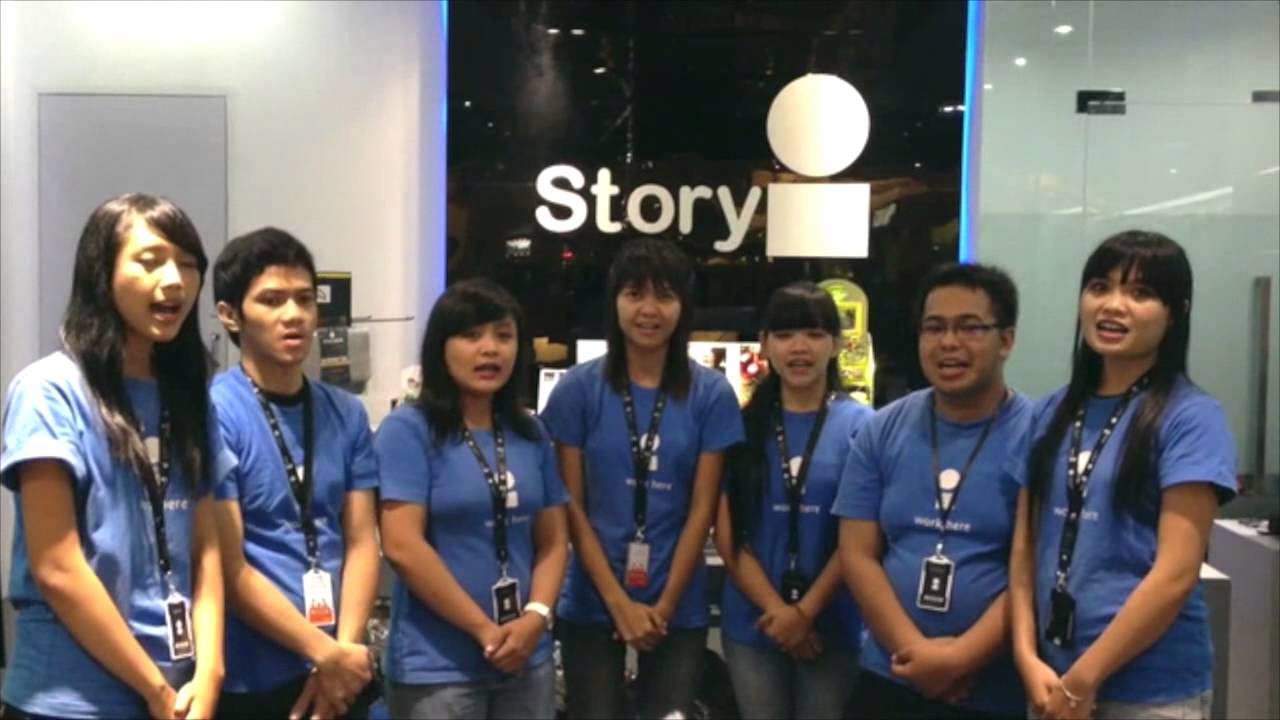
    Story-i will supply new Apple devices bundled with customised applications across Perkumpulan Sekolah Kristen Djakarta’s (PSKD) 16 schools in Indonesia.

    The contract extends to annual hosting and software maintenance fees, and service and maintenance of PSKD’s network infrastructure, potentially delivering $500,000 in sales.

    The rollout of devices, bundled education software and hosting services under the contract with BPK Penabur continues to progress on schedule.