Retail News CRM

Tag: scooter

  • eBikeGo To Manufacture Muvi Electric Scooter In India

    eBikeGo To Manufacture Muvi Electric Scooter In India

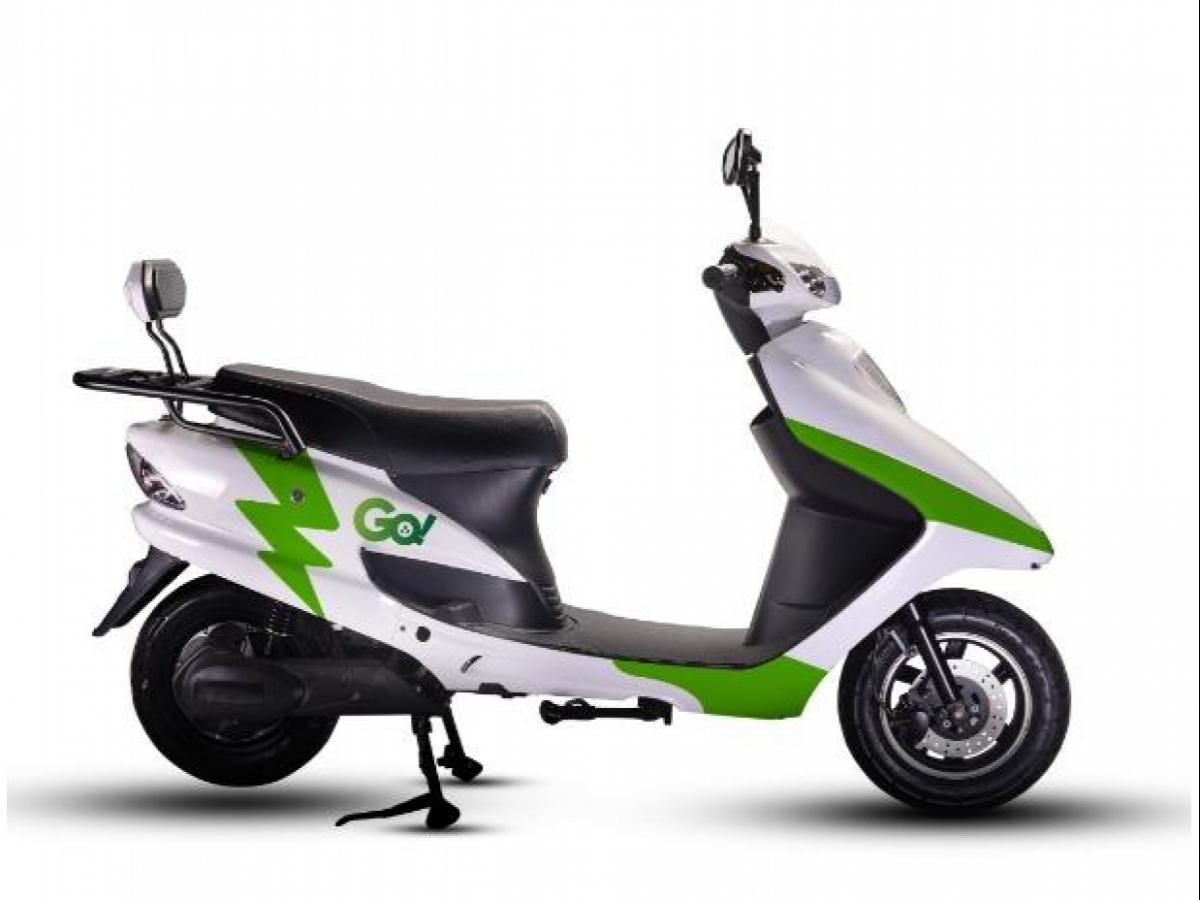
    eBikeGo, one of India’s largest electric two-wheeler mobility platforms has acquired the product license rights to manufacture the Muvi brand of electric vehicles of Spanish automotive company Torrot in India. The Muvi electric scooter will be manufactured in India, to be sold in India as well as across the world. eBikeGo intends to capture 5 percent of the worldwide two-wheeled electric vehicles market with its manufacturing, the company said in a statement. With Muvi, eBikeGo is optimistic about influencing the adoption of EVs in India.

    Muvi is an IoT and AI-enabled electric scooter with well-connected features and can be easily controlled and monitored via a smartphone. It has a switching battery, allowing consumers to use swapping stations. Designed in Europe, Muvi is accepted by 14 e-commerce and shared mobility companies.

    “We are extremely happy to have acquired the license of manufacturing Muvi, one of the leading electric vehicles from renowned international automotive company Torrot in India. Muvi, being a technologically advanced vehicle and already operating in 12 countries, does not require any homologation to supply in these markets, opening ways for global presence,” said Dr. Irfan Khan, Founder & CEO of eBikeGo.

    The Muvi electric two-wheeler is lightweight, weighing only 83 kg. It has a power of 4.1 CV (3 kW) which is equivalent to 125 cc. The Muvi electric scooter can go up to 100 km on a single charge in Eco mode, and has a top speed of 60 kmph.

  • Honda PCX Electric Scooter Patented In India

    Honda PCX Electric Scooter Patented In India

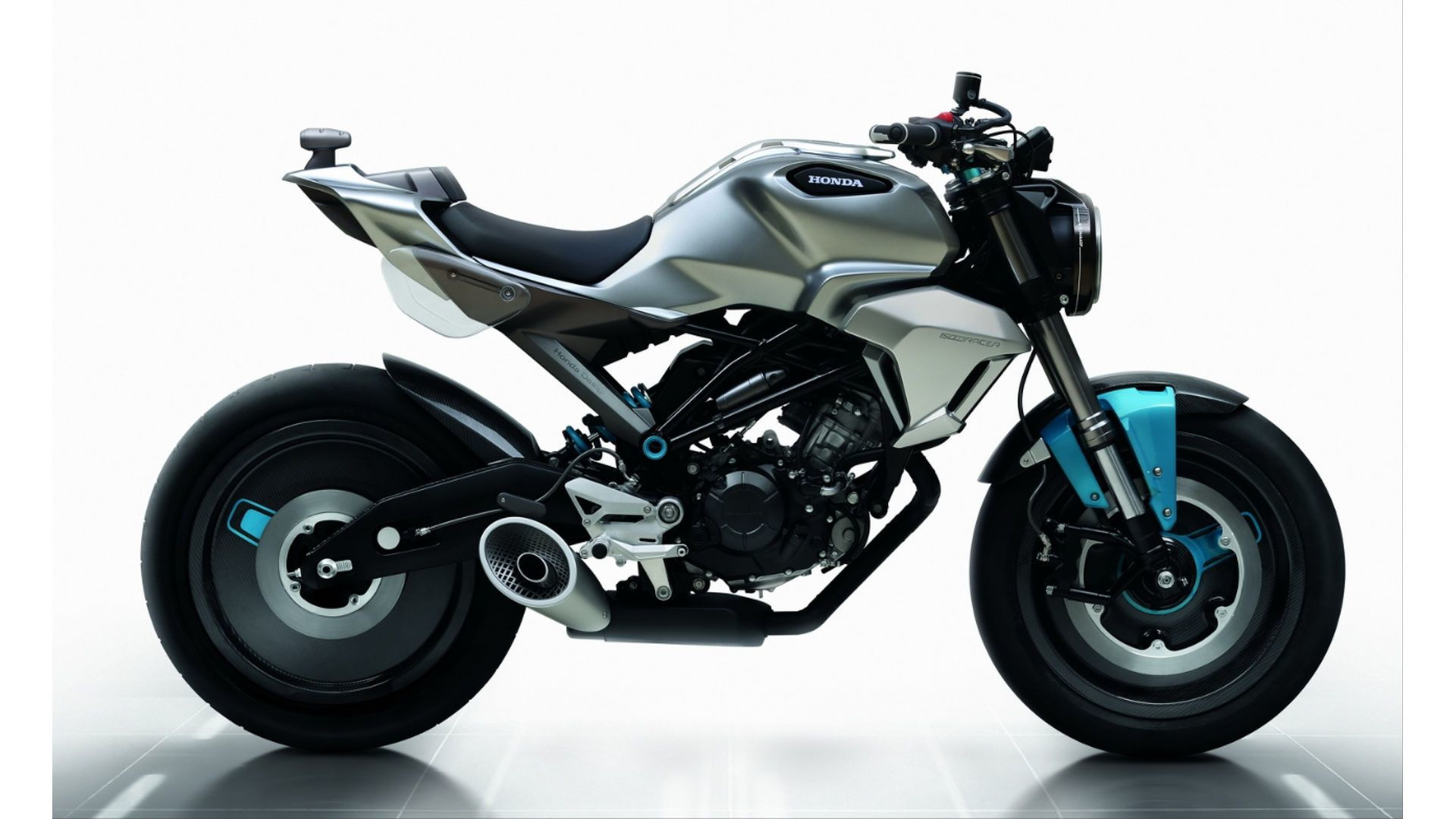
    Honda has filed patent registrations for the PCX electric scooter in India, and rumors are abuzz about the possibility of the PCX electric scooter being considered for an India launch. Now, Honda did showcase the PCX electric scooter at the Auto Expo 2018, but filing a patent doesn’t necessarily mean the product is being considered for launch. What is of importance is perhaps the content of the patent filings, which shows a removable battery, which can be taken off the scooter and plugged conveniently at home, or at the workplace.

    The scooter comes with a 4.2 kW motor and a removable 50.4 V lithium-ion battery pack. And the battery can be charged without removing it as well, through a charging cable, but being removable just offers the added convenience. The Honda PCX offered in global markets, come with an internal combustion engine hybrid, as well as full-electric powertrains. In India though, reports suggest that the PCX electric is the one being patented.

    The PCX has an aggressive design, with neat lines, with twin-pod headlamps up front, and a tall windscreen, giving it a mini-maxi look. The scooter comes with a split floorboard, black alloy wheels, telescopic front forks, twin rear shocks, and disc brakes, with single-channel ABS. On the feature list, there’s a full digital LCD panel, remote start key, and others. Under the seat are twin battery packs, which offer a range of 40 km, while the controller unit is positioned under the floorboard.

    While the filing of the patent for the PCX electric may sound like exciting news, it’s not certain that Honda will go on to launch it. In the past, HMSI has patented several models, including the Honda Grom and others, and according to sources, sometimes these patents are used for Honda’s ongoing R&D efforts for future products in India, rather than indicate that the patented product will be launched in India. It’s early days yet to predict anything, or if HMSI is indeed working on an electric project, or planning to start working on an electric two-wheeler project for India. And that may not be the PCX electric scooter as we know it in its current form.

  • Honda Motorcycle And Scooter India To Halt Production Temporarily

    Honda Motorcycle And Scooter India To Halt Production Temporarily

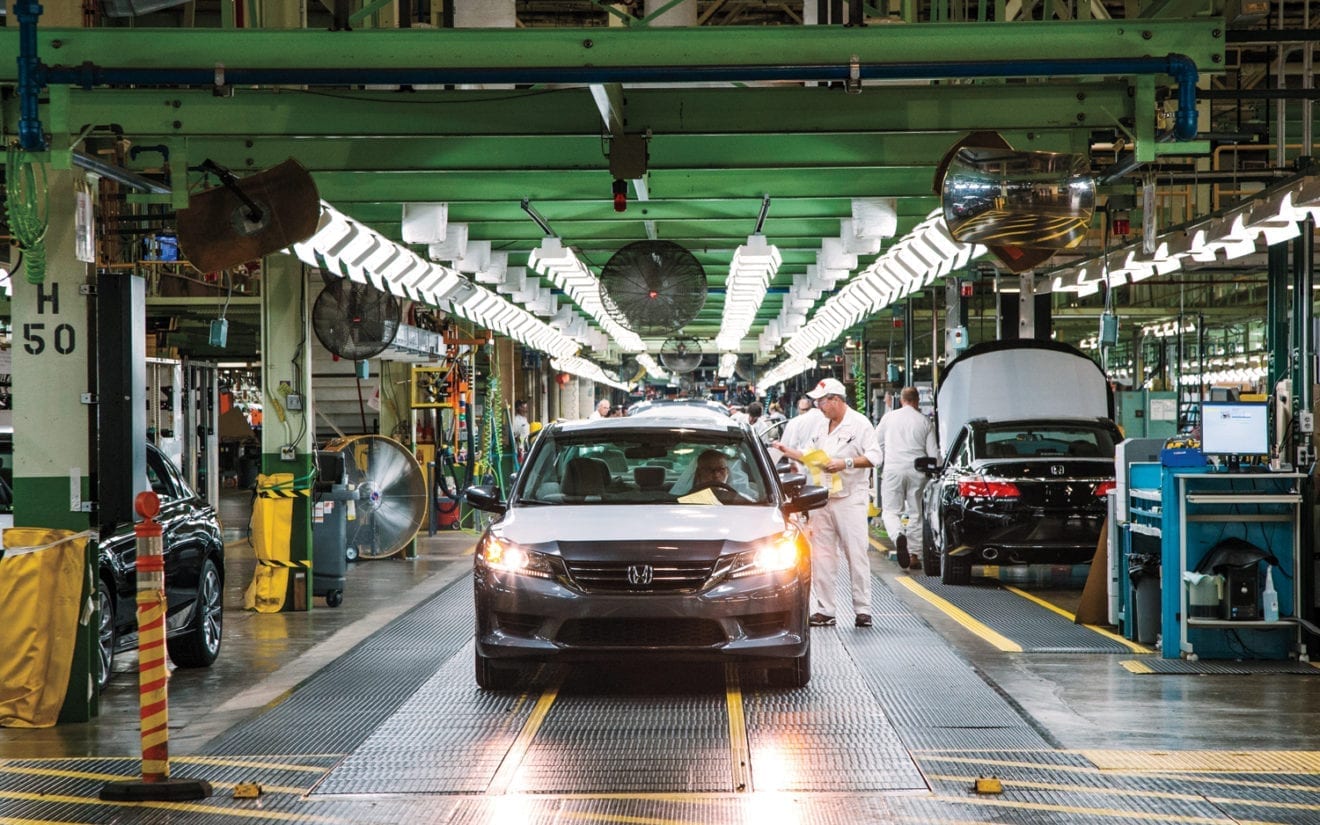
    Honda Motorcycle and Scooter India (HMSI) will temporarily halt manufacturing at its four plants in India, from May 1, 2021 to May 15, 2021 keeping in mind the current COVID-19 scenario in the country. The company said it will utilize these days to carry out maintenance activities at all its plants. Keeping an eye on the fluid COVID-19 situation, HMSI will review its production plan accordingly, in the coming months. The company also said that all Honda office associates will continue to work from home and extend all possible support to customers and business partners. Only essential staff will be working at its plants and offices across the country. Honda has four manufacturing facilities in India in Manesar in Haryana, Tapukara in Rajasthan, Narsapura in Karnataka, and Vithalapur in Gujarat.

    Other automotive manufacturers such as Hero MotoCorp have decided to temporarily halt manufacturing operations in view of the escalating COVID-19 situation in India. In a press statement, Hero MotoCorp said that the company has decided to proactively halt operations temporarily at all of its manufacturing facilities across the country, including its Global Parts Centre (GPC).

    Maruti Suzuki India too announced that it has advanced its annual maintenance shut down from June to May 2021. This coincides with the Government of India’s call for companies to free up industrial oxygen consumption, which could instead be used for medical purposes. The carmaker will shut both its Gurugram and Manesar plants, in Haryana, from May 1 to May 9, 2021. In fact, the company has also said that Suzuki Motor Gujarat, the wholly-owned plant of Maruti’s parent company Suzuki Motor Corporation has also taken the same decision for its factory.

  • Honda Motorcycle Scooter India Sets Up New Overseas Business Vertical

    Honda Motorcycle Scooter India Sets Up New Overseas Business Vertical

    Honda Motorcycle and Scooter India (HMSI) has announced setting up a new overseas business vertical with the aim to promote India as a global export hub for Honda. HMSI says that the new vertical will spearhead the company’s ambition to export two-wheelers to other global markets. The new overseas business vertical aims to unlock new synergy by integrating Honda 2Wheeler India’s export-import sales function with quality, purchase, development, homologations, manufacturing and logistics. It will be located at HMSI’s Manesar facility.

    Elaborating on Honda’s vision for the new overseas business expansion, Mr. Atsushi Ogata – Managing Director, President & CEO, Honda Motorcycle & Scooter India Pvt. Ltd. said, “With an eye on the future, Honda 2Wheelers India aims to further consolidate its No. 1 position in Honda’s global motorcycle business while unlocking the next chapter of ‘Make in India, for India & the World’ in the BS-VI era. With this major organizational restructuring, the company is strengthening its business constitution and improving competitiveness to meet the high expectations from Global Honda”.

    HMSI started exporting its two-wheelers with the launch of Honda Activa in 2001. It was in 2015 that Honda reached the 10 lakh milestone for two-wheeler exports. Currently, HMSI exports to 35 markets across Europe, Central & Latin America, Middle-East, Japan and the SAARC nations. Honda also says that the recent mid-size motorcycle launches in India, like the CB500X, CB650R and the CBR650R have solid potential to further help the company to establish India as hub for global markets.

  • Honda 2Wheeler India Likely To Start Production On Gujarat Plant’s Third Line In Next 2-3 Years

    Honda 2Wheeler India Likely To Start Production On Gujarat Plant’s Third Line In Next 2-3 Years

    Honda Motorcycle & Scooter India is likely to initiate production on the third line of its Gujarat Plant in the next two to three years. According to a recent report from PTI, the two-wheeler manufacturer took this step as demand has shrunk in the market due to the coronavirus pandemic. The company commenced the construction activity of a third line to add six lakh units per annum at its Gujarat plant to increase total capacity to 12 lakh units per annum.

    Yadvinder Singh Guleria, Director – Sales & Marketing, HMSI said, “As for our new line which we had made in our fourth factory in Gujarat, we call it our third line. The construction activity and other activities went on as per schedule. However, we have put on hold the decision on when to start production at that line because the overall market has shrunk. In terms of demand, the existing lines and existing capacity are good enough to take care of the demand, which is currently in the market and in the coming next two years or so.”

    He further said, “It depends on how quickly the market rebounds and the new demand shoots, green shoots visible to us. That is the only time we will decide to start production in the third line. From today’s point of view, since the overall market condition is very fluid and a lot of unpredictability around, it looks like two to three years”.

    The company’s business is majorly contributed by scooters which constitute 60 to 65 percent while the remaining business comes from motorcycles. Currently, the two-wheeler maker has four production facilities across the country that are located at Manesar in Harayana, Tapukara in Rajasthan, Narsapura in Karnataka and Vithalapur in Gujarat. The total annual production capacity of all these four plants stands at 64 lakh units.

    The company official said the Indian two-wheeler industry has been hit adversely due to the pandemic which is down by 25 percent. While motorcycle and scooter segments are down by 22 percent and 33 percent respectively. However, the company had to face its challenges as the business is majorly driven from urban India, which had been in the lockdown for a significant number of days than the rural India that reflected on the business.

  • Ola Focusing On A Global Electric Two-Wheeler Business, Says CEO

    Ola Focusing On A Global Electric Two-Wheeler Business, Says CEO

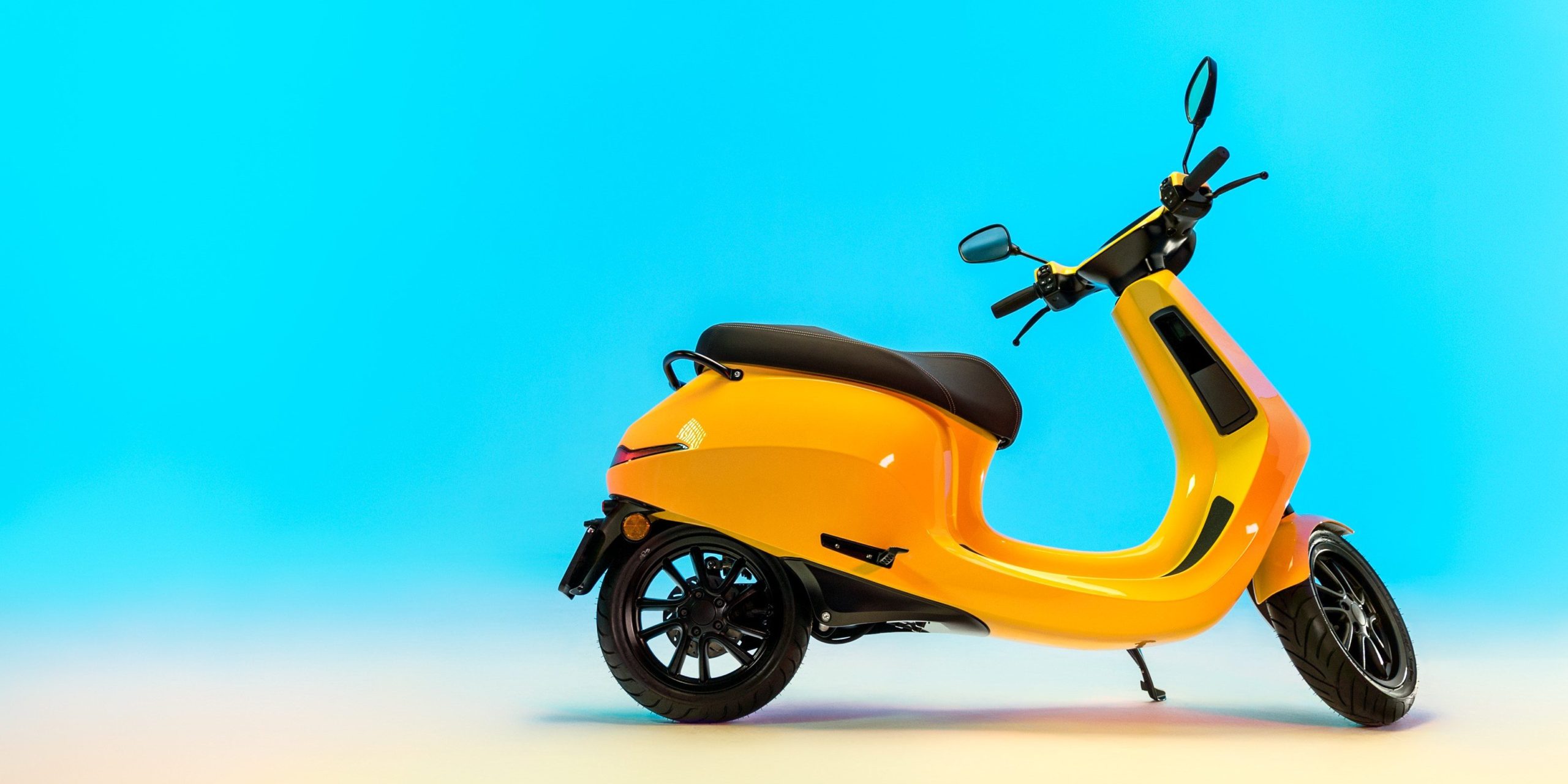
    It was earlier this year in May when Ola officially announced its foray into the local and global electric two-wheeler markets. The firm is expected to launch its first electric scooter in 2021. Now, the company is aggressively building a global electric two-wheeler business. This was confirmed by CEO Bhavish Aggarwal while addressing the CII event. It was at the event when the co-founder pointed out that two-wheelers create more pollution on a cumulative basis compared to four-wheelers in some geographies.

    Thus, the company is very much focused on building an electric two-wheeler business. This new global business will also play across different vehicle segments over the next few years. Ola chief believes that India with its unique skill sets and manpower can be a bridge for developing paradigms and technologies for not only developed but also developing countries.

    He classified four broad segments of vehicles, including two and three-wheelers, Asian-European styled four-wheelers (small city cars), western-styled four-wheelers and large commercial vehicles (buses and trucks).

    He said, “Our ambition is to be the leader in electric mobility for the small vehicles and small city four-wheelers. And unlike Tesla or many of the American companies, which are building for their own audiences, we have to build for our audiences. India is the world’s largest two-wheeler market. Asia is 80-90 per cent of the global two-wheeler market.”

    According to PTI, Ola is planning to foray into electric scooter manufacturing and plans to hit the market with its first vehicle in January next year. The electric scooter will be initially manufactured at a facility in the Netherlands and will be retailed in Indian and European markets. However, the company hasn’t specified any exact timeline for the launch of e-scooter.

    In May 2020, Ola Electric had acquired an Amsterdam-based Etergo BV company. And, the firm had confirmed that it is working on building an electric vehicle ecosystem which includes extensive charging and swapping networks across the country. He also mentioned that Ola will have an important role in the smaller four-wheeler segment. However, he didn’t provide specific details.

    He added, “As and when we have more to say, we will share, but we are looking at the whole spectrum of electric mobility from a global perspective. And over the next few years, we will build across different vehicle segments.”

    “I believe we have the unique skill sets and unique talents and the India advantage to do that, because a lot of these paradigms for tomorrow if they have to be globally relevant, they have to be built in India because India is kind of a bridge between the developed world and the developing world,” he added.

  • Electric Scooter Startup Bird Raises $275 Million In Latest Funding Round

    Electric Scooter Startup Bird Raises $275 Million In Latest Funding Round

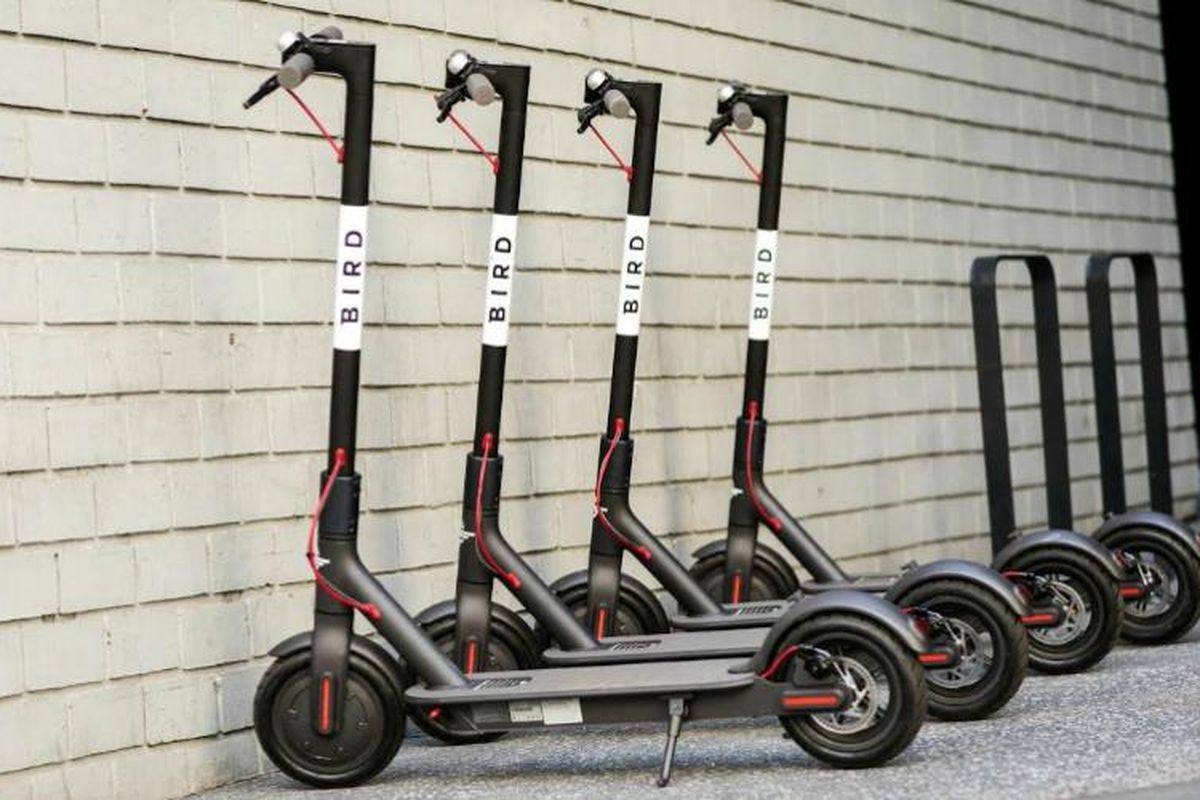
    Bird, an electric scooter rental company, said on Thursday it had raised $275 million in a funding round led by Canadian pension fund CDPQ and Sequoia Capital, as it looks to take a bigger share of a rapidly growing transportation sector.

    The deal values the firm at $2.5 billion before the investment, Chief Executive Officer Travis VanderZanden told a tech conference in San Francisco.

    VanderZanden said Bird has been working hard to improve its financials, deflecting criticism that the company has been chasing growth at all costs.

    The company has designed its own rugged scooters, which last about 15 months on average, compared with the three-month life span it got from retail scooters, he said.

    Bird, known for its dockless scooters that riders can locate and unlock through a smartphone app, has enjoyed a stratospheric rise, while also causing mayhem in cities such as San Diego and San Francisco.

    It has raised the ire of regulators and residents because the scooters, which can be left anywhere, have littered sidewalks and parks and blocked driveways and doorways. Scooter riders on crowded sidewalks have also caused problems.

    A dozen electric scooter companies have received more than $1.5 billion in investments in total, according to a report issued earlier this year by Boston Consulting Group.

  • Hyundai Group Unveils New Integrated E-Scooter For Last Mile Mobility On Future Vehicles

    Hyundai Group Unveils New Integrated E-Scooter For Last Mile Mobility On Future Vehicles

    Speaking on the new concept, DongJin Hyun, head of Hyundai Motor Group Robotics Team said, “This is the vehicle-mounted personal scooter which could be featured in future Hyundai Motor Group vehicles. We want to make our customers’ lives as easy and enjoyable as possible. Our personal electric scooter makes first- and last-mile commuting a joy while helping to reduce congestion and emissions in city centers.”

    Research data by global consultancy McKinsey & Company has released data suggesting that the last mile mobility market is expected to grow to $500 billion by 2030. The new integrated e-scooter is another step in that direction. The e-scooter is mounted on a vehicle and is automatically charged using the electricity generated when driving. A key change since the 2017’s concept has been the shift from front-wheel drive to rear-wheel drive that was essential for enhancing safety and stability as it positions weight near the rear. In addition, the engineers have added a suspension set-up to the front wheel for a smoother ride on rough surfaces.

    Hyundai’s integrated e-scooter features a 10.5 Ah lithium-ion battery, which enables a top speed of 20 kmph and can travel up to 20 km in a single charge. The scooter is light with a weight of 7.7 kg that makes it highly portable, while its tri-folding design makes it light and compact. The scooter also features a digital display that puts out a host of information including the speed and battery status. The e-scooter is also equipped with LED headlights and two taillights for enhanced visibility at night. Hyundai is also looking to introduce regenerative braking on the scooter to increase the range by seven percent.

  • Yamaha Electric Scooter With Removable Batteries Unveiled

    Yamaha Electric Scooter With Removable Batteries Unveiled

    Yamaha has just revealed its new EC-05 electric scooter, and it features removable batteries for easy re-charging and to swap out the drained battery with a fully charged battery. The Yamaha EC-05 is the result of Yamaha’s partnership with Taiwanese electric motorcycle manufacturer Gogoro. Last year, the two brands formed a partnership with the goal of incorporating Gogoro’s electric powertrain into a Yamaha electric scooter, and that is what the Yamaha EC-05 seems to be. The EC-05’s design has been worked on by Yamaha, but the powertrain and technical workings are almost all developed by Gogoro.

    So far, the specifications of the Yamaha EC-05 have not been revealed, but Yamaha has released a teaser video of the new electric scooter. The EC-05 is expected to have a top speed of around 90 kmph, and will likely have a range of around 100 km with two Gogoro battery packs. Right now, the Yamaha EC-05 will only be available in Taiwan, since Gogoro already operates more than 1,000 battery exchange stations, so the charging and swapping infrastructure is already established. The EC-07 is likely to come with two swappable 2170 lithium-ion batteries, with one battery to be rented, which means it can be exchanged at recharging stations across the country, while the other remains in the scooter. The primary battery is also removable, to be charged at home, or elsewhere.

    The Yamaha EC-05 is expected to hit the Taiwanese market sometime in August 2019, but there’s no news at this stage if the electric scooter will be sold in international markets. Gogoro is reportedly exploring partnerships, indicating that the EC-07, and other electric scooters from the Taiwanese brand, will be introduced in other international markets, sooner than expected. It’s still early to say with any certainty though if India Yamaha has any plans of introducing any electric scooter in India.

  • New Piaggio Ape City Plus 3-Wheeler Launch Date Announced

    New Piaggio Ape City Plus 3-Wheeler Launch Date Announced

    Piaggio India has officially announced the launch date for its upcoming new three-wheeler, the Ape City Plus. Slated to be launched on June 14, 2019, the new Piaggio Ape City+ auto rickshaw will be the newest addition to the mid-body segment three-wheelers. Piaggio claims that with the new Ape City+, the company will address its customers’ needs perfectly in the last mile segment, suitable for both cities as well as the rural markets.

    Currently, in the people carrier space, Piaggio India offers three models – the Ape City, the Ape Auto+, and the Ape City HT. The existing Ape City comes in two engine choices – petrol and diesel, and the former comes with three fuel options – petrol, CNG and LPG. The petrol version is powered by a 197 cc that is tuned to churn out about 10 bhp and 17.6 Nm of peak torque, along with a fuel efficiency of 29.43 km.

    The same motor in the CNG version makes 9.6 bhp and 15.3 Nm of peak torque, with a mileage of 27.36 km/g, and in the LPG version, it makes 10.46 bhp and 16.7 Nm torque with a fuel efficiency of 22.7 km/g. The diesel model comes powered by a 435 cc oil burner that is tuned to churn out around 8 bhp and develops 21 Nm of peak torque. The motor offers a fuel efficiency of 32.32 km. We expect the new Ape City+ to come with the same engine options.

    In the invite sent by Piaggio, the company has also confirmed that at the launch, it will talk about upcoming technology in Piaggio products and its future plans for the Indian market. So, we expect the automaker to reveal its plans for the Bharat Stage VI / BS6 transitions and maybe even electrification.

  • Piaggio Updates Vespa & Aprilia Scooter Range With ABS & CBS

    Piaggio Updates Vespa & Aprilia Scooter Range With ABS & CBS

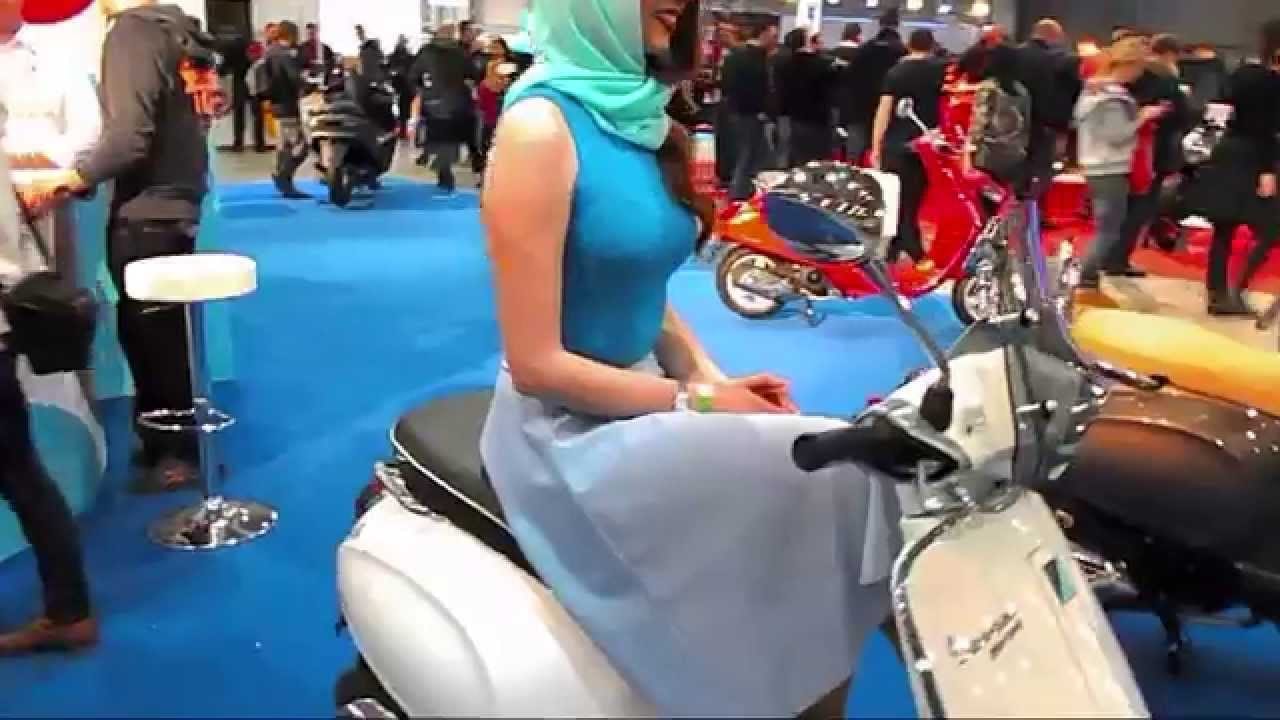
    Piaggio India has updated its range of Vespa and Aprilia scooters with ABS and CBS technology. The safety features are now mandatory on all two-wheelers, both new and old. As part of an introductory offer, Piaggio is providing a lucrative offer on the ABS range of Vespa and Aprilia two-wheelers from April onwards, under which customers can enjoy benefits worth ₹ 6,000 on purchasing via PayTM. The Aprilia SR 150, Vespa SXL and VXL 150 now get single-channel ABS, while the Aprilia SR 125, and Vespa 125 range get CBS on offer. Prices for the updated models will be officially announced soon.

    Commenting on the introduction of new upgraded Vespa and Aprilia, Diego Graffi, Managing Director and CEO, Piaggio India said, “As a global brand, we are committed to the safety of our customers and delighted to comply with the changing safety norms from the Ministry of Road Transport and Highways. This move will improve the overall safety and riding standards of the two-wheeler industry. For us, our product portfolio was already ABS compliant last year, but we are launching them across the country now to fit the general demand.”

    Ashish Yakhmi, Head of Two-wheeler business added, “Our brands, Vespa & Aprilia have always stood for technological advancements, aligning our strategy of pursuing global innovations. Road safety is an important criteria for us hence, we are happy to offer India’s first scooter with ABS and CBS technology for the best riding experience and performance. This makes our products not only stylish and sporty but also equipped with the latest safety system to provide a unique riding experiences.”

    Anti-Lock Brakes or ABS are mandated on two-wheelers above 125 cc and helps the vehicle to stop without slippage or wheel being locked in case of an emergency, thereby offering better control to the rider. Similarly, two-wheelers below the 125 cc displacement have Combined Braking System or CBS as standard fitment that provides proportional brake distribution between the front and rear wheels for added stability.

  • Honda Motorcycle And Scooter India Inaugurates Its 1,000th Dealership

    Honda Motorcycle And Scooter India Inaugurates Its 1,000th Dealership

    Honda Motorcycle and Scooter India recently inaugurated its 1,000th dealership in India at Zirakpur in Punjab. The 1,000th Honda Exclusive Authorised Dealer is a 4S facility. With an aggressive expansion plan, Honda has added 3,300 touch-points in the last five years across the country. At present, HMSI has a total of 6,000 touch-points in India, one of the highest for a two-wheeler manufacturer. Recently, Honda also achieved another milestone, with customers in north India crossing the 60 lakh sales mark in the company’s 18th year of operations. The 60,00,000 sales milestone has been driven by demand for Honda two-wheelers in the states of Jammu and Kashmir, Rajasthan, Punjab, Haryana, Himachal Pradesh and in Delhi and Chandigarh. For Honda, the first 10 lakh customers were added in the initial 9 years (from 2001 to 2010), but the next 50 lakh Honda customers took the same duration (2010-2019). The most recent 10 lakh Honda customers were added in a little over a year.

    Minoru Kato – President & CEO, Honda Motorcycle & Scooter India Pvt. Ltd. said, “I am delighted to be present here on milestone 1000th Honda dealer inauguration. Honda also fulfilled its commitment of providing 6000 network touchpoints to our valuable customers by the end of current financial year. This landmark achievement brings Honda closer to the hearts of its customers, who have reposed their trust in the brand.”

    Honda’s increasing customer base in India is attributed to the growing acceptance of scooters in the region. And the growing sale of scooters in the past decade has also led to a huge spurt in automatic scooters contribution to overall two-wheeler sales. In the last 10 years, automatic scooter sales have nearly doubled from 10 per cent to 19 per cent. This trend is attributed to more women joining the workforce, faster expanding road network in rural areas, and increasing demand for unisex two-wheelers which fulfil the needs of every family member. HMSI currently is the largest seller of scooters in India, and the Honda Activa is one of the highest selling two-wheelers in India.

  • Honda Active Has Crossed The 2 Crore Sales Milestone

    Honda Active Has Crossed The 2 Crore Sales Milestone

    Honda Motorcycle and Scooter India (HMSI) has announced that the company’s top-selling two-wheeler, the Honda Activa, has recently breached the 2 crore sales mark in India. Evidently, the popular Honda Active is now the first scooter in the country to cross this huge sales milestone. Interestingly enough, it took the Honda 15 years to breach first one crore sales mark, while the next one crore units were sold in just 3 years, which is four times faster than the time taken to acquire the first 1 crore customers.

    Minoru Kato, President & CEO, Honda Motorcycle & Scooter India Pvt. Ltd. today announced this feat and expressed his gratitude to the 2 crore happy Indian customers, and said “Over 18 years and 5 generations, Honda 2Wheelers India continuously added value to exceed Customers expectations & making Activa the most preferred choice of Indian 2wheeler buyers. We are delighted that Activa partnered over 2 crore Indian families on the move in realizing their dreams. As India’s Love for Activa grows, we remain committed to take on new challenges and bring joy to our customers.”

    2018 Honda Activa 5G was launched at the Auto Expo

    The Honda Active was first launched in the year 2001, and since then we have seen five generations of the scooter in India. The fifth-gen model, the Honda Activa 5G, was launched this year in February, at the 2018 Auto Expo. The Activa was truly a ground-breaking product from the Japanese two-wheeler manufacturer and it has been the country’s top-selling two-wheeler for quite some time now. In fact, in 2017 the Activa becomes not just India’s, but the World’s largest selling two-wheeler.

    The current-generation model – Honda Activa 5G, is powered by a 109 cc, single-cylinder engine which puts out 8 bhp at 7,500 rpm and 9 Nm of peak torque at 5,500 rpm. No other scooter on sale in India has been able to come close to the Activa’s sales success in its segment. In addition to features like Honda’s Combi-break system and HSE technology, the new Activa also comes with a semi-digital instrument cluster with the display showing information like additional service due indicator and ECO options. The scooter also gets a 4-in-1 hook with the seat opener switch like the Grazia and a retractable rear hook.

  • KYMCO, Twenty Two Motors Join Hands To Make Electric Scooters

    KYMCO, Twenty Two Motors Join Hands To Make Electric Scooters

    Electric scooter manufacturer Twenty Two Motors has joined hands with KYMCO, a Taiwanese scooter manufacturer and leading two-wheeler and powersports global brand, to form a new venture to manufacture, market and sell electric two-wheelers in India. Although no details about the partnership have been announced, a joint statement by the two companies state that both brands will share knowledge, technology and expertise to create “premium electric mobility architectures” in the country. The statement adds that Twenty Two Motors and KYMCO are “all set to revolutionise the two-wheeler sector in India by establishing a favourable ecosystem for EVs”

    “Twenty-Two Motors was founded with the sole aim to change the commutation landscape in India by providing powerful smart vehicles to generation next. Electric mobility is the future of the world – a near future, not distant. We envisioned facilitating Indian customers with smart EV vehicles and a proper infrastructure with charging stations and efficient battery and our partnership with KYMCO is the next step in this direction. This unique partnership will prove to be a revolution for fundamentals of Indian auto sector which no one expected so far as we shall be creating a complete new ecosystem for premium EV mobility in India,” said Parveen Kharb, CEO and Co-Founder, Twenty Two Motors.

    Under the new partnership, called Twenty Two KYMCO, the two companies will strive to make electric mobility a practical reality for everyone. KYMCO will introduce its unique battery swapping solutions, called Ionex and Ionex Commercial in India. The Ionex smart battery weighs only 5 kg and is designed to be user friendly in every application. The ecosystem offers various charging solutions including standard charging, fast charging, battery swaps, or any combination. The Ionex Commercial further provides a range of customisable electric scooters along with engineering services to convert existing fleets of two-wheelers to work with the Ionex Commercial platform.

    “KYMCO is on a social mission to change the modern transportation and India is one of most important markets from that point of view. We found a natural partner in Twenty Two Motors as we have synergies in terms of vision, technological innovation and outlook. Together we aim to change the landscape of urban mobility in India. ”

    “While Ionex enables consumers to go electric without compromise, businesses and governments need to have reliable solutions for charging stations, removable batteries and related IT support systems before they opt for EVs. And therefore, Ionex Commercial is here to provide a total package to empower and enable all businesses and governments to adopt premium electric mobility”, said Allen Ko, Chairman, KYMCO.

    The Flow, the first smart electric scooter developed by Twenty Two Motors, will be equipped with the advanced Ionex technology developed by KYMCO. The new removable Ionex battery will be lighter in weight, easy to swap, waterproof and can be fully charged in less than an hour. The Flow was launched at the Auto Expo 2018 at a price of ₹ 74,740 (ex-showroom Delhi). In addition to the Ionex battery, the updated Flow will also have a fixed reserve battery on board which is kept constantly charged by the removable battery. Riders can use the scooter for 20 km when the Ionex battery is removed for charging. The updated Flow and other models from Twenty Two Motors KYMCO will be available at Twenty Two KYMCO Experience stores in New Delhi, followed by Gurgaon, Jaipur, Hyderabad, Pune and Bengaluru.

  • DHL Express looks at introducing StreetScooter in India

    DHL Express looks at introducing StreetScooter in India

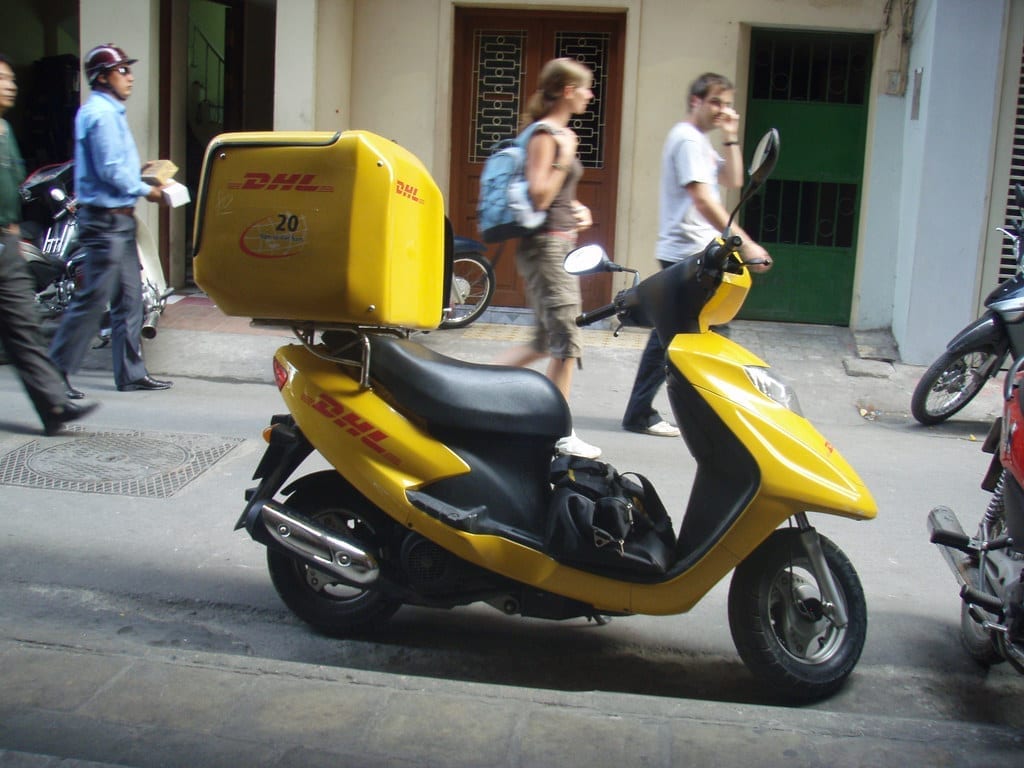
    DHL Express, a group company of Deutsche Post DHL, which saw 8 per cent growth in volume terms in the March quarter, is eyeing India’s 7 per cent economic growth and is also exploring introduction of its electric van, StreetScooter, used for delivery of letters and parcels.

    The company, which plans to double the production capacity of its own e-vehicles from 10,000 to 20,000 by the end of 2017, sees municipal authorities, strategic partners and large fleet customers in Germany and the rest of Europe, in particular, as potential buyers. Ken Lee, CEO, Asia Pacific, and Rs. Subramanian, Senior V-P and Country Manager, DHL Express Asia, spoke to us on the company’s plans.

    Where does India stand in your growth plans?

    Ken Lee: From a growth perspective, India presents itself to us as one of the countries with biggest growth areas. Pakistan could be another growth area, but there could be slight concern from the political security perspective. Hong Kong is slightly saturated, though every country has opportunities and challenges.

    What is your view on the digitisation push in India?

    Lee: The more-developed economies are more transparent, and are slightly more efficient. For developing economies, which are at the start of the digitisation phase, there will be a learning curve. But, eventually they will get there.

    What’s your take on the regulatory environment in different countries?

    Lee: Last year, the Philippines raised their de-minimis. We are expecting the same for Indonesia this year. So, where they are going, depends on various countries. (De-minimis is minimum dollar value of cargo that can be permitted through duty-free channels).

    Would you like the de-minimis to go up?

    At this point, we are all focussed on India’s GST reform. There will be opportunities and we are happy to take a lead to work. A higher de-minimis value smoothens the trade flow, allowing products to be “duty free”.

    And, to be fair to the government, they cannot give you everything for free. They have to collect some tax revenues. We are not there to dictate. But, we want the government to come out with initiatives that only facilitate trade.

    Do you see governments becoming more protectionist?

    Lee: No, I do not. Globalisation versus protectionism has been a hot topic in the past five-six months. But, generally, nobody is opposing globalisation. In the context of inequalities in trade, people have been calling for more fair and sustainable trade agreements.

    Subramanian: The direction is the same – sometimes it is fast and sometimes it is slow. Globalisation cannot go away, the benefits are here.

    Have you felt any impact of the change in the pace of globalisation?

    Lee: If there was any change, it would have impacted our business. First quarter, we are doing extremely well…India is expected to grow at 7 per cent till 2020. China is also expected to grow in single digit, but from a very big base. So, growth is seen in a relative context.

    Are there any new innovations on the cards?

    Lee: We started manufacturing our own StreetScooter. It is not a scooter actually, it is an electric vehicle. We are working with various governments to see how we can work with regulations about registration.

    What’s your take on the recent Petya ransomware impact on business?

    This should not happen to anybody….. One of our big competitors may have gotten impacted. But, whoever gets affected, there is bound to be a cascading effect. Our antenna is up. We had to make sure our systems were not impacted.

    On the positive side, we can be proud that our systems were pretty robust….We have realised one thing, that we cannot take anything for granted. We are watching the cyberspace very carefully.

    The IT systems got impacted and people had to go back to paperwork and start depending on phone calls to get business going…

    …Which is a pretty sad thing, because digitisation is the way forward.

    Not just us, but more and more companies are going to start putting more investments in this area. Even in India, I am really happy that the Prime Minister is driving Digital India, which will take the whole economy to the next level.