Tag: scott bessent

  • Japan Recalibrates Messaging to Reassure Markets on Reflation Stance

    Japan Recalibrates Messaging to Reassure Markets on Reflation Stance

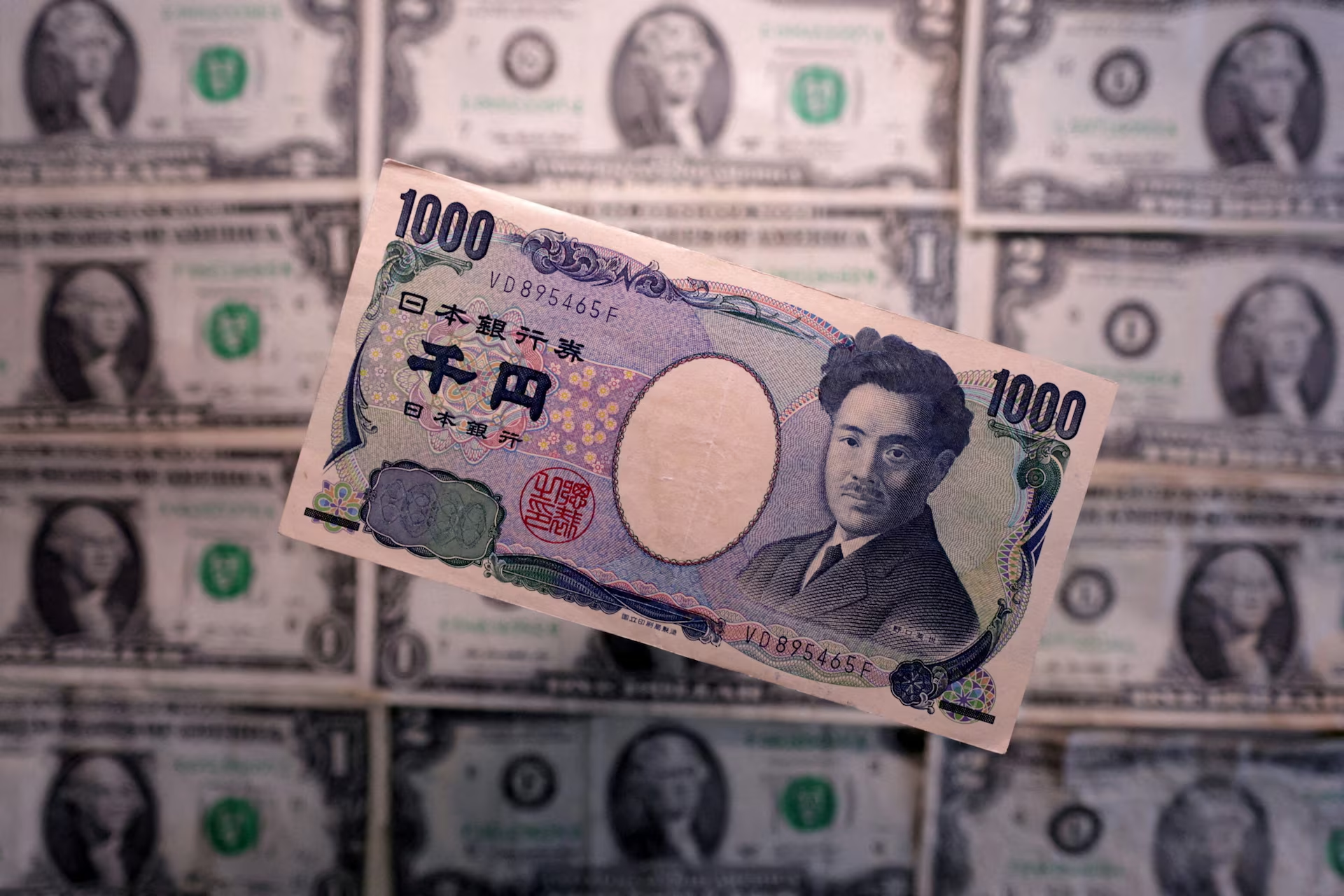
    Japan has begun recalibrating its economic messaging to reassure financial markets that Prime Minister Sanae Takaichi is not pursuing reflationary policies, Finance Minister Satsuki Katayama said in an interview with broadcaster TV Tokyo on Saturday, Oct 3.

    The policy adjustment followed discussions with US Treasury Secretary Scott Bessent over whether Tokyo was communicating its fiscal direction clearly to international investors.

    Recalibrating Tokyo’s Market Strategy

    Katayama explained that the administration concluded in late August that it needed to address market perceptions that the Takaichi government planned an aggressive return to reflationary spending and loose monetary coordination.

    Tokyo made the decision to change its public posture in late August. Officials determined that clearer explanations were necessary to prevent unhelpful market speculation and currency volatility.

    Feedback from the US Treasury

    Bessent indicated to Japanese officials that Takaichi’s economic policies match current economic conditions. However, the US Treasury chief questioned whether the Japanese government communicated its strategy with sufficient precision to global funds and domestic institutions.

    Katayama noted that Washington’s feedback helped prompt the shift. “So we concluded around late August that we need to communicate that message more clearly to financial markets,” Katayama said, addressing market perceptions that the administration’s policies are reflationary.

    Managing Investor Sentiment

    Market analysts have closely tracked Takaichi’s fiscal and structural reform targets since she took office. For consumer businesses, retail operators and institutional investors across Asia, clarity on Japanese fiscal discipline dictates borrowing costs, currency stability and import price pressures.

    Aggressive reflationary policies risk weakening the yen further, which raises import costs for Japanese retailers while squeezing household purchasing power. By pushing back against the reflationary label, the administration aims to anchor long-term bond yields and stabilize business planning assumptions.

    The Policy Stance Ahead

    Tokyo previously faced scrutiny over whether new spending initiatives would widen government debt issuance or complicate the Bank of Japan’s rate normalization plans. The messaging overhaul formalizes a more cautious stance designed to preserve policy flexibility without alarming debt markets.

    Japanese finance ministry officials are scheduled to roll out the updated policy framework across upcoming investor briefings and international economic summits this autumn.
  • US and China Extend Trade Truce to Jan. 10 as Leaders Meet in Washington

    US and China Extend Trade Truce to Jan. 10 as Leaders Meet in Washington

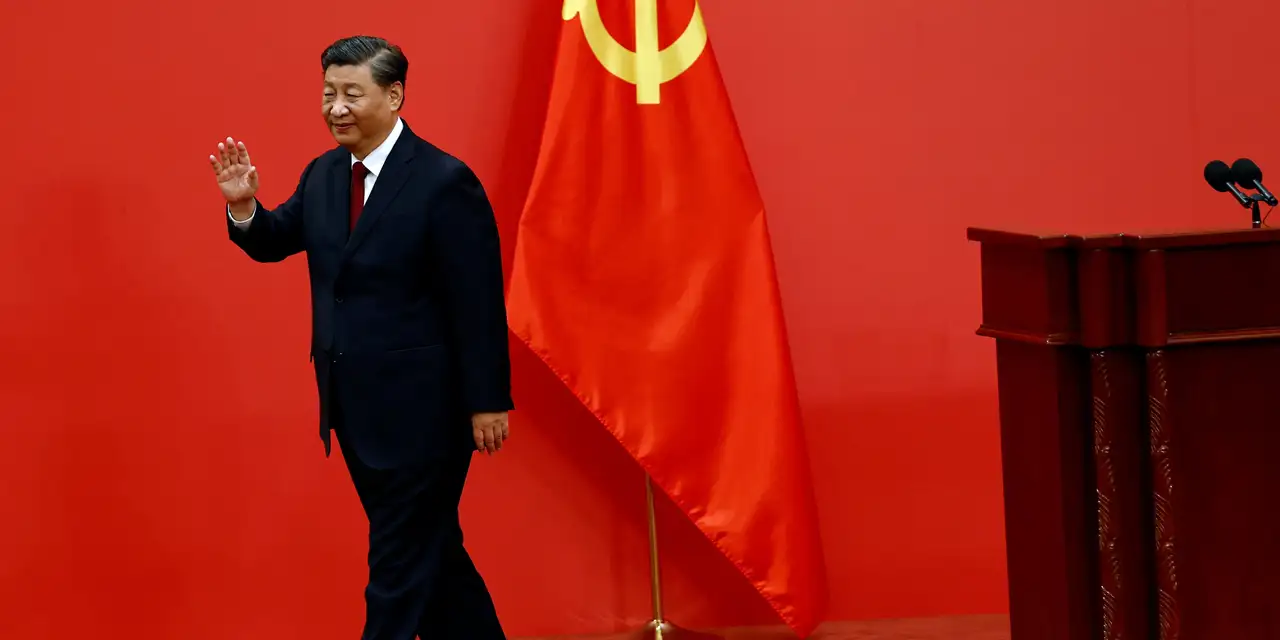
    The United States and China have agreed to extend their bilateral trade truce through January 10, pushing back a deadline previously set for November 10 as heads of state opened their second summit of the year in Washington.

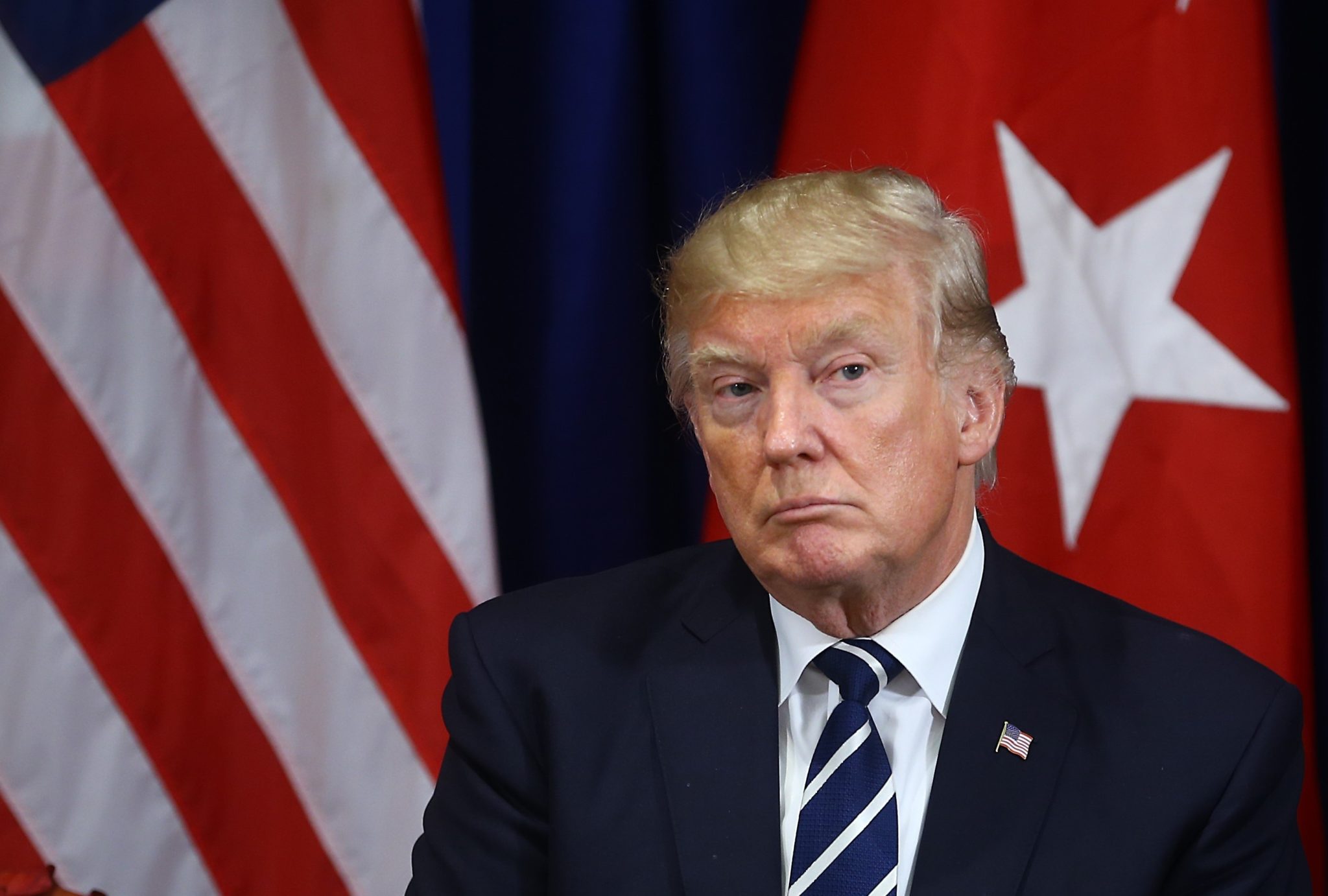
    US Treasury Secretary Scott Bessent confirmed he and Chinese Vice Premier He Lifeng agreed to the two-month extension, providing temporary relief as US President Donald Trump and Chinese President Xi Jinping hold talks amid lingering tensions over tariffs, rare earth materials and artificial intelligence.

    Carving Out Non-Strategic Goods

    Negotiators spent the run-up to the summit narrowing the range of products exposed to sudden tariff spikes. The Manhattan meetings produced an understanding to exempt nonsensitive consumer and industrial lines from future escalations, aiming to insulate everyday trade from broader geopolitical tensions.

    Bessent met with He Lifeng twice in four days to lock in the framework before official state ceremonies began at the White House. The Treasury stated that strategic stability between the two economies requires reciprocity, setting clear guardrails for subsequent negotiations covering specific import codes.

    Shifting Supply Chains and Agricultural Flows

    Prolonged tariff disputes have already redrawn key trade channels across the Pacific. American soybean shipments to China plunged from nearly $18 billion in 2022 to $3 billion in 2025, according to US Department of Agriculture data, reallocating massive bulk purchasing power to South American exporters.

    Brazil captured the bulk of that diverted demand, shipping a record 108.7 million metric tons of soybeans in 2025 with roughly 80 percent bound for Chinese processors. For Asian supply chain managers, the shift shows how quickly commodity and consumer product pipelines reroute when trade barriers persist beyond initial negotiation cycles.

    Manufacturing Strength Against Domestic Headwinds

    China enters the extended truce period holding a record trade surplus exceeding $1 trillion, maintaining its stronghold on global industrial exports despite years of Western tariff pressure. Factory output and technological adoption have accelerated across high-end manufacturing segments, expanding outward shipments to Southeast Asia and Latin America.

    Domestic retail conditions tell a different story. A protracted property downturn continues to constrain household spending across Chinese tier-one and tier-two cities, while youth unemployment stood at 18.9 percent in August. Retail operators in mainland hubs face cautious consumer sentiment, forcing domestic brands to look overseas for margin growth.

    Terms of the January Window

    Previous summit rounds in Beijing established the framework for dialogue, but commercial buyers spent recent months front-loading inventory to avoid scheduled tariff resets. Extending the deadline from November 10 to January 10 gives procurement teams a clear window to clear fourth-quarter holiday stock without sudden duty hikes.

    The next test comes as working teams draft the finalized list of nonsensitive product exemptions ahead of the January 10 expiry date. Importers, logistics carriers and retail buyers across Asia are tracking whether consumer tech accessories, apparel and packaged goods will make the permanent exemption schedule.

  • Scott Bessent and He Lifeng to Meet at JPMorgan Headquarters in New York

    Scott Bessent and He Lifeng to Meet at JPMorgan Headquarters in New York

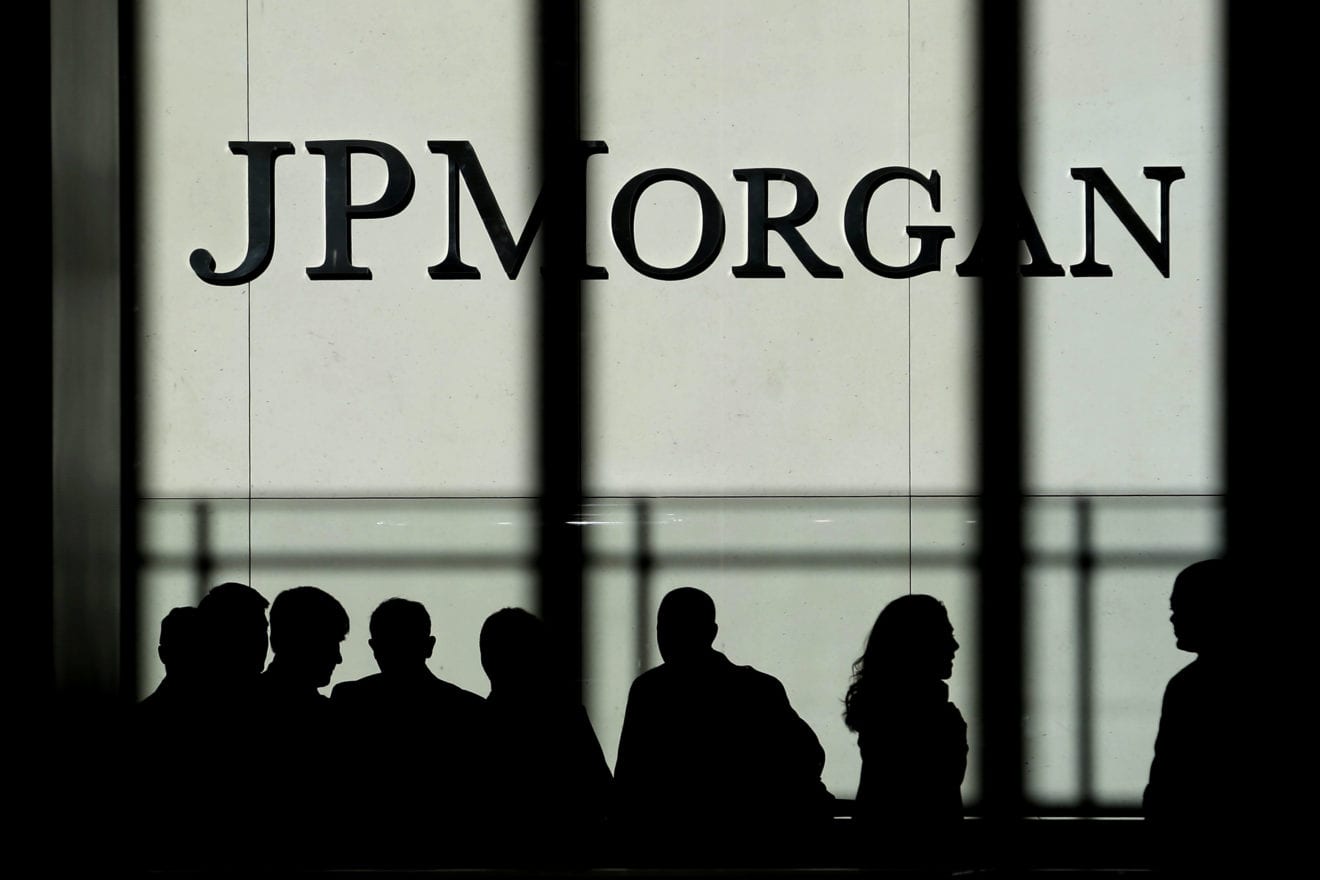
    US Treasury Secretary Scott Bessent will meet Chinese Vice Premier He Lifeng on Sunday at JPMorgan Chase headquarters in New York to discuss AI security, trade, and economic issues.

    The meeting is scheduled for 10.30 am ET, days before President Donald Trump hosts Chinese President Xi Jinping at the White House in Washington on Thursday and Friday.

    Manhattan Venue and Security Logistics

    JPMorgan agreed to host the meeting at its Manhattan tower. Officials picked the private corporate site over government facilities due to United Nations General Assembly security across New York, according to a person familiar with the arrangements.

    Bank executives will not join the talks. Bessent previously invited JPMorgan Chief Executive Officer Jamie Dimon to address private sector growth at a G20 finance leaders meeting in Asheville, North Carolina.

    Trade Policy and Technology Security

    The agenda spans AI security controls, trade flows, and cross-border financial relations. For supply chain planners, electronics makers, and consumer brands across Asia, these sessions establish the framework for tech restrictions and tariffs.

    Shifts in export controls or market access alter operational risk for multinational firms manufacturing in Greater China. Sourcing costs, component logistics, and capital flows across Asia-Pacific depend directly on these US-China discussions.

    Previous Bilateral Engagements

    Bessent and He previously negotiated trade on March 16, 2026, at the Organisation for Economic Co-operation and Development headquarters in Paris. Sunday’s meeting prepares the ground for the leaders’ summit.

    White House aides invited Dimon to attend next week’s state dinner for Xi in Washington. Dimon skipped the corporate delegation that accompanied Trump to Beijing during his meeting with Xi in May.

    The White House Summit Ahead

    Trump hosts Xi at the White House on Thursday and Friday. Sunday’s economic session will define the specific trade and technology files presented to both heads of state during those Washington meetings.

  • Bank of Japan Expected to Raise Rates to 1.25 Percent on September 18

    Bank of Japan Expected to Raise Rates to 1.25 Percent on September 18

    The Bank of Japan will raise its key interest rate to 1.25 percent on September 18, according to 97 percent of surveyed economists. The projected hike marks an accelerated tightening cycle that would push benchmark borrowing costs to 1.75 percent by the second quarter of 2027.

    A survey of 68 economists conducted between September 1 and September 8 showed 66 respondents anticipate the immediate 25-basis-point increase, up from 57 percent in the previous polling round. More than one-third of respondents, 24 of 66, expect the central bank to deliver another hike to 1.50 percent in October or December. Beyond this year, 89 percent of analysts see the policy rate reaching at least 1.50 percent by the end of March, while 62 percent expect a 1.75 percent rate by mid-2027.

    Washington Pressure and Currency Shifts

    Over 80 percent of polled economists said joint United States and Japanese currency intervention to rescue the yen from 40-year lows, alongside statements from US Treasury Secretary Scott Bessent, substantially lowered domestic political barriers to tightening. Bessent met with BOJ Governor Kazuo Ueda during a gathering of G20 finance leaders, urging decisive monetary action to anchor inflation expectations and curb yen volatility. Following those interventions, the yen strengthened to around 153.37 per dollar, its firmest trading level since February.

    Half of the 54 economists who answered a supplementary question identified 1.75 percent as the terminal policy rate. The proportion projecting a terminal rate of 2.00 percent or higher expanded to 40 percent, up from 36 percent in August and 23 percent in July.

    Cost Pressures for Retail and Consumer Markets

    For consumer goods importers, supermarket chains, and multinational brands operating in Japan, a faster rate hike trajectory creates a double-edged commercial environment. A firmer yen provides relief against imported food and raw material costs that squeezed operating margins over the past two years. Food processors and apparel retailers that absorbed higher procurement prices can begin stabilizing shelf prices without sacrificing unit margins.

    Higher domestic borrowing rates will elevate debt servicing expenses for heavily used retail developers and franchise operators. Household budgets face higher mortgage repayments just as wage gains struggle to outpace core consumer inflation. Retailers relying on discretionary consumer spending will need to defend basket sizes as debt costs rise for domestic shoppers.

    Fiscal Spending and the Planned Food Tax Cut

    Government spending plans are complicating the central bank’s inflation calculus. Budget requests for the upcoming fiscal year climbed to 143.1 trillion yen ($931.2 billion), matching spending levels seen during the pandemic as Prime Minister Sanae Takaichi advances an expansionary fiscal platform. Nearly three-quarters of surveyed economists reported that the request volume elevates market concerns regarding Japanese fiscal discipline.

    With a consumption tax cut on food items also planned, financial markets are likely to have strong concerns about securing funding.

    The earlier policy inertia that allowed price pressures to broaden across services and food now forces faster rate adjustments. The Bank of Japan delivers its rate decision on September 18, with investors tracking the final budget compilation and government debt issuance volumes due before year-end.

  • Yen Traders Brace for Silver Week Intervention as BOJ Decision Looms

    Yen Traders Brace for Silver Week Intervention as BOJ Decision Looms

    Currency traders in Tokyo are bracing for official market intervention around the Bank of Japan’s September 18 policy meeting, eyeing the upcoming three-day holiday for sudden yen buying.

    The Japanese yen climbed 0.5 per cent to 157.99 against the US dollar on Thursday as markets began pricing in an interest rate increase larger than 25 basis points.

    Trading desks expect sharp swings during Silver Week, a long holiday weekend starting immediately after the central bank convenes. Thin liquidity during national holidays gives authorities greater traction when buying yen, echoing April when the government stepped in during an extended break for the first time since 2024.

    Holiday Liquidity and Rate Gaps

    Tokyo deployed a record $96.4 billion over the past month to prop up the currency, backed by coordination with Washington. Japanese Finance Minister Satsuki Katayama and US Treasury Secretary Scott Bessent both confirmed readiness to enter foreign exchange markets without hesitation.

    Hedge funds have nevertheless started rebuilding short bets against the yen. Elevated crude oil import bills and a persistent interest-rate gap with the United States continue to drag the currency down toward the 160 line, where SBI FX Trade president Marito Ueda warned fresh intervention becomes probable.

    Pressures Across Asian Balance Sheets

    For retailers and consumer brands across Asia, rapid currency swings disrupt cross-border supply chains and contract pricing settled in dollars. Japanese store operators face relentless cost increases on imported food and inventory, while regional exporters must recalibrate margins against an unpredictable yen.

    Attention now shifts to the US Federal Reserve’s rate decision days before the Bank of Japan meets on September 18, with traders watching whether the exchange rate tests the 160 level before holiday trading begins.

  • Trump Signals US Dollar Bans on Chinese Banks over Iran Trade

    Trump Signals US Dollar Bans on Chinese Banks over Iran Trade

    US President Donald Trump signaled plans to bar Chinese banks from the US dollar system over their commercial transactions with Iran. The warning follows the blacklisting of 60 international entities, including firms in mainland China and Hong Kong, under an enforcement push labeled Economic D-Day.

    Treasury Secretary Scott Bessent announced the initial sanctions package earlier in the week, demanding an immediate halt to commercial dealings with Tehran. The measures aim to intensify economic pressure after six months of regional conflict and disruptions in the Strait of Hormuz failed to resolve through military action or negotiations.

    Dollar clearing and secondary sanctions

    Bessent stated that any institution facilitating transactions on behalf of Iranian entities faces removal from the US dollar network. The mechanism targets secondary intermediaries, putting Chinese state-owned and commercial lenders at direct risk of losing correspondent banking access in New York.

    For corporate treasuries and supply chain operators across Asia, exclusion from greenback settlement creates immediate operational friction. Trade finance across the region relies heavily on dollar-denominated letters of credit, even when settlement involves third-party energy and commodity flows originating in the Middle East.

    Pre-summit pressure on Beijing

    Commercial lenders in Beijing and Hong Kong have maintained trade settlement channels with trading partners across the Gulf. Cutting those conduits would force corporate clients to route settlement through alternative clearing channels or drop counterparties entirely to protect broader international banking books.

    The next test arrives with the scheduled bilateral summit between Trump and Chinese President Xi Jinping in Washington, where trade enforcement and financial sector access sit at the center of negotiations.

  • Vietnamese Dong Strengthens as Dollar Drops to VND26,330 at Vietcombank

    Vietnamese Dong Strengthens as Dollar Drops to VND26,330 at Vietcombank

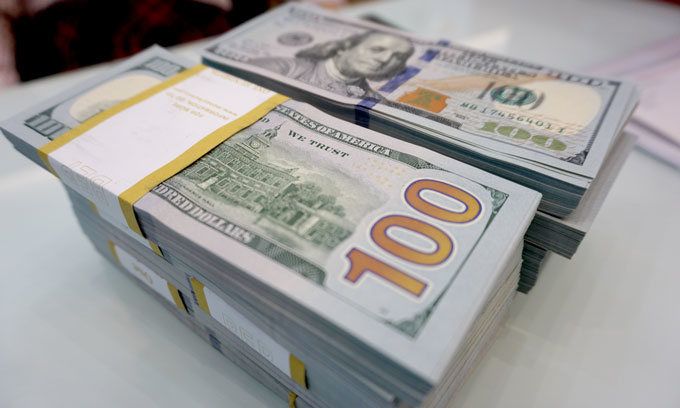
    Vietcombank lowered its selling rate for the US dollar by 0.11 percent to VND26,330 on Tuesday morning, reflecting broad softness across international foreign exchange desks.

    The drop in official banking channels contrasted with Vietnam’s parallel market, where the greenback climbed 0.19 percent to VND25,970.

    Divergence in local currency trade

    Commercial lenders adjusted rates as global demand for the dollar faltered. Currency dealers operating in the unofficial market logged modest buying interest, keeping the gap between bank counters and private money changers unusually narrow.

    Vietnamese importers and consumer brands track these daily currency fluctuations closely to price incoming shipments of electronics, packaged goods, and retail inventory.

    Global pressures and trade sanctions

    In international currency trade, the dollar struggled to retain ground against major peers. The euro traded slightly higher at $1.1668, near a three-month high, while sterling gained 0.1 percent to $1.3639, holding near a six-month peak.

    Market participants weighed fresh policy actions from Washington, where US Treasury Secretary Scott Bessent announced an expansion of sanctions against Iran on Monday. Bessent warned foreign entities to sever commercial ties or risk expulsion from dollar clearing networks.

    Ray Attrill, head of FX strategy at National Australia Bank, noted in a podcast that the measures could trigger a modest reversal of dollar weakness seen late last week.

    Traders across Asian financial hubs are watching whether Treasury yield management and the expanded sanctions framework will halt the dollar’s downward drift before the next fixing.