Retail News CRM

Tag: screen

  • Google Home working on a new smart home widget for your device’s home screen

    Google Home working on a new smart home widget for your device’s home screen

    Google is set to make controlling your smart home a whole lot easier with a new “Favorites” widget for the Google Home app on Android. This has been a bit of a secret weapon for Google, teased back in October 2023 and even spotted at I/O 2024. Now, thanks to some digging around in the app’s code by 9to5Google, we have a clearer picture of what to expect.

    The “Favorites” widget aims to streamline your smart home experience by placing your most-used controls right on your home screen. Whether you’re constantly adjusting the thermostat, turning lights on and off, or triggering complex routines, this widget promises to put those commands just a tap away.

    A peek under the hood of version 3.18 of the Android app reveals a sleek and user-friendly design for the widget. It will seamlessly integrate with the existing “Favorites” tab in the Google Home app, allowing for easy synchronization of your preferred controls. Alternatively, you can opt for a standalone widget and personalize it with a unique set of commands

    As you can see in the screenshots above, the widget itself boasts a clean and simple layout reminiscent of the tile-based interface we’re familiar with in the Google Home app. You’ll find handy features like dynamic color theming to match your phone’s aesthetic and a refresh button to ensure you’re always seeing the latest status of your devices. Plus, if you’re truly committed to the smart home life, you can even stretch the widget to occupy your entire home screen.

    This new widget is just one example of how Google is continually enhancing the Google Home app to provide a more convenient and intuitive smart home experience. While we don’t yet have an official release date for the “Favorites” widget, it’s certainly something to look forward to.

  • Samsung is deeply discounting Galaxy screen repairs in addition to actual phones now

    Samsung is deeply discounting Galaxy screen repairs in addition to actual phones now

    Kicked off just a couple of days ago, Samsung’s big fall Discover event has made plenty of headlines since then thanks to awesome new deals on devices as diverse as the Galaxy Z Fold 4, Tab S8 family, Z Fold 3, and the Galaxy Watch 4 duo.

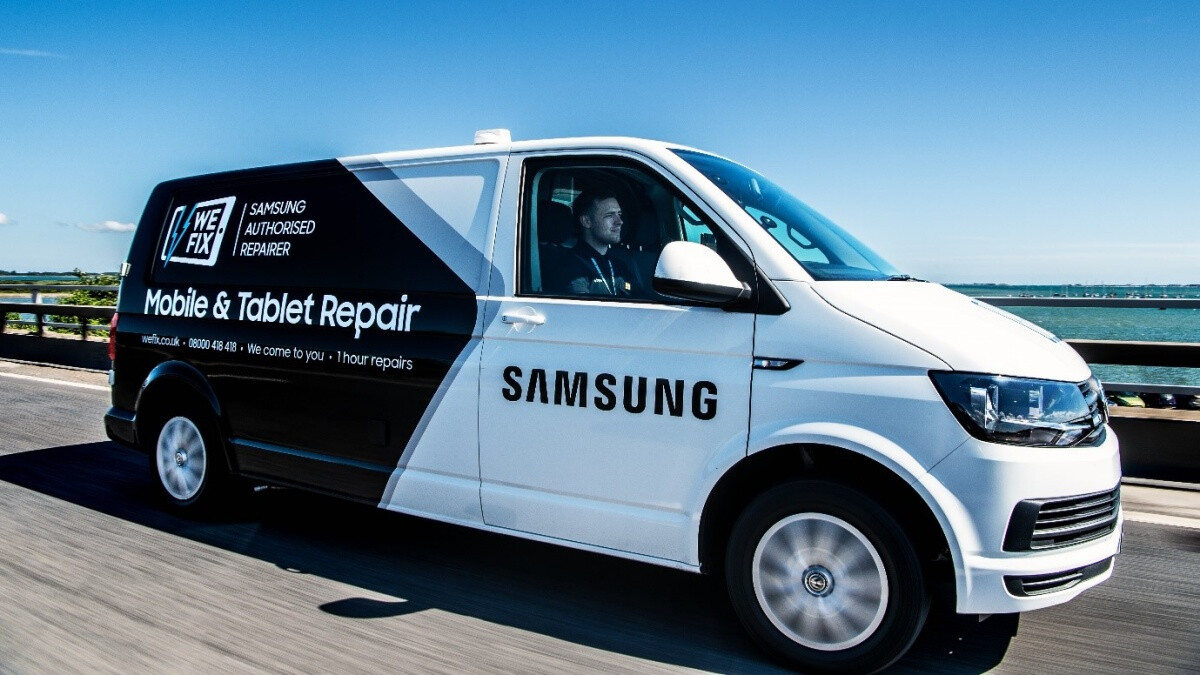
    But from an existing Galaxy user perspective, the best special offer available through September 26 may not consist of a discount on a new product purchase at all. Instead, if you own a Galaxy S, Note, Flip, or Fold-series phone with a cracked screen and don’t want to trade that in for the chance to save $200 or $300 on a new member of the same family, now’s probably the time to get an authorized repair.

    That’s because damaged front display replacements are down to a flat $99 for “series 9 and up” Galaxy S and Note models, as well as “most” A-series mid-rangers, while the same kind of repair will set you back $249 for “all” Galaxy Flip and Fold devices, including the hot new Z Fold 4 and Z Flip 4.

    Although 250 bucks may still sound like a high price to pay to fix what’s certainly a very common issue, Z Fold 2, Z Fold 3, and Z Fold 4 “inner” screen repairs would normally cost an even higher $350 or so a pop. Meanwhile, cracking the beautiful display of the S21 Ultra or S22 Ultra can result in charge of around two Benjamins outside of this promotion, which verifies Samsung’s claim that you can save 50 percent on many screen replacements right now.

    The campaign’s terms and conditions, mind you, make it clear that uBreakiFix and Asurion Tech Repair & Solutions will replace your phone’s cracked display in their stores across the US as long as you book an appointment online while also specifying that water damage and other problems are not covered and your battery will not be replaced as part of this hot new deal.

    Still, the list of eligible devices alone makes the promo well worth taking into consideration for many people, including a whole bunch of oldies you may have gotten very close to giving up on entirely, like the Galaxy S9, S9+, Note 9, S10, S10+, S10 Lite, Note 10, Note 10+, Note 10 Lite, OG Fold, A01, A11, A20, A50, A51, A71, and A21.
  • Apple says the pink screen iPhone 13 Pro issue is a software problem

    Apple says the pink screen iPhone 13 Pro issue is a software problem

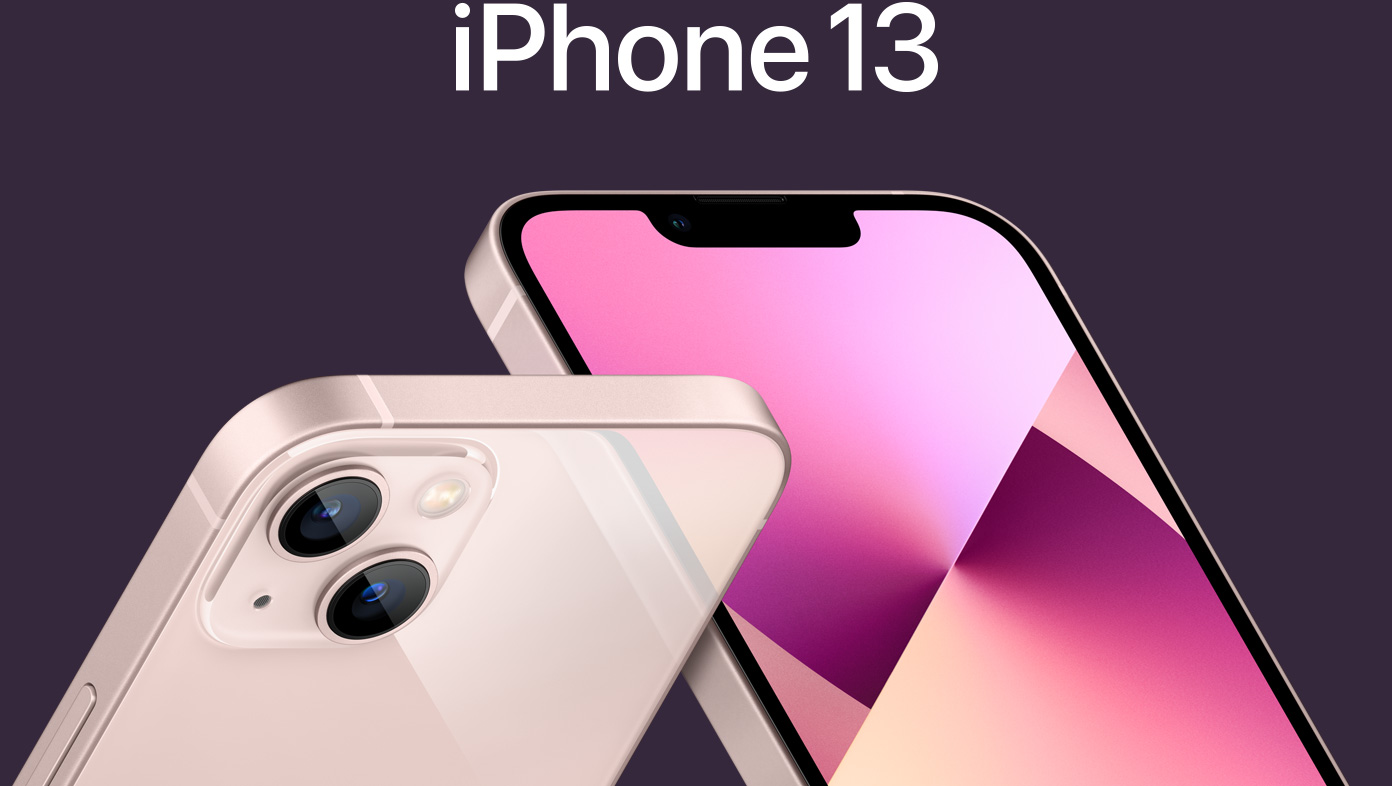
    Several iPhone 13 series owners are continuing to report an issue with the screen on their phones. The display on affected models turns pink or purple and these handsets cannot be used.
    Posts in the Apple Communities Forum about this problem started in October when a user named DPigar wrote that “I use an iPhone 13 pro for a two day (sic) and my screen turns pink for a few seconds and then reloads. It happens all the time, so I can’t use my iPhone. Why?” Two images were attached to the post showing the user’s iPhone 13 Pro with a fully purple display,
    That message was followed up by one from another iPhone 13 Pro user claiming to have the very same problem. Apparently, Apple did some maneuvering behind the scenes to replace these malfunctioning phones since a post from the company added to both messages said, “The issue has been resolved. Replacement of the device (authorized service conclusion).”
    But here’s the thing. Many more iPhone 13 users complained about this problem and not all of them were lucky enough to get a replacement from Apple. Check out this sad story posted in the Forum by an iPhone 13 Pro Max user who goes by the name “Calisthrone.” He owns an expensive handset for less than two months when the device starts performing unexpected restarts with the screen off, randomly his screen turns pink, and the device becomes unstable.
    Apple diagnosed the problem as being a faulty motherboard. But here is where Apple drops the ball. It promises to give the owner a “Back System Replacement” which means that the owner keeps the screen and the camera system and the faulty parts are replaced.
    This should not be acceptable because this man spent good money on Apple’s top-of-the-line handset and now he will get back from Apple (after being left without a phone for 7 to 14 business days) a Frankenstein handset put together by the mad scientists at Apple. “Calisthrone” writes, “Problem is the phone is only active for less than 2 months and I would be so happy if they can offer a brand new replacement unit.”
    Now here is one of the main reasons why what Apple is doing is not fair. Returning to the post, the iPhone 13 Pro Max owner says, “It is not so nice to have my iPhone guts out after this brief amount of time. And my iPhone would be marked as “fixed” so I will lose the value of my device when trying to sell it in the future.”

    His final thought does not present Apple in a good light. “Apple customer care is not as wonderful as before. I’m now with no decent device in my pocket and I paid a premium device expecting to find a premium kind of service. Something very natural is a replacement unit.”
    The list of similar stories goes on and on. “Disappointed_User8” wrote a long post in which the pink screen surfaced on his device after just six days. After exclaiming that it was a hardware device and having the owner bring the phone into the nearest service center, Apple reversed its position and had the owner pick up the device after doing nothing but charging it.
    While charging it did stop the issue, it was a temporary cure. Forced to set up his phone from scratch after Apple had reset the device, the problem started all over again. Here is this disappointed iPhone owner’s take on the situation:”The phone is very expensive but unreliable. The stress that it is causing me and its effects on my mental health thinking about how I trusted Apple and paid a hefty amount for a malfunctioning unit but not getting proper post sales support is very very disappointing.”
    The latest date on the thread is January 16th of this year which means that this is an ongoing problem. Because most of the pink screen issues occurred in China, MyDrivers noted that Apple made a statement on Weibo this past weekend which said, “We didn’t notice relevant problems in the hardware of the devices because this situation [pink screen] is caused when the system is locked.”
    Apple recommends that users backup their data, join the iOS Beta Software Program and install the latest iOS 15.3 beta update in case the pink screen is being caused by an incompatibility between an app version and the iOS version. However, it appears that the changelist for the latest beta version of iOS 15.3 doesn’t mention a fix for a pink screen bug. Hopefully, Apple gets to the bottom of this and issues a fix. And if that is impossible, replacing affected models with new replacements would be the proper thing to do.
  • Innocn portable monitors: easy second screen, DeX, gaming on the go

    Innocn portable monitors: easy second screen, DeX, gaming on the go

    We live in a time where users demand more and more portability. Smartphones have spoiled us this way — we are so used to having supercomputers in our pockets that, sometimes, it feels jarring that we can’t take our PlayStations with us.

    However, a new type of product is currently on the rise that will enhance a digital nomad’s life even more — portable monitors!

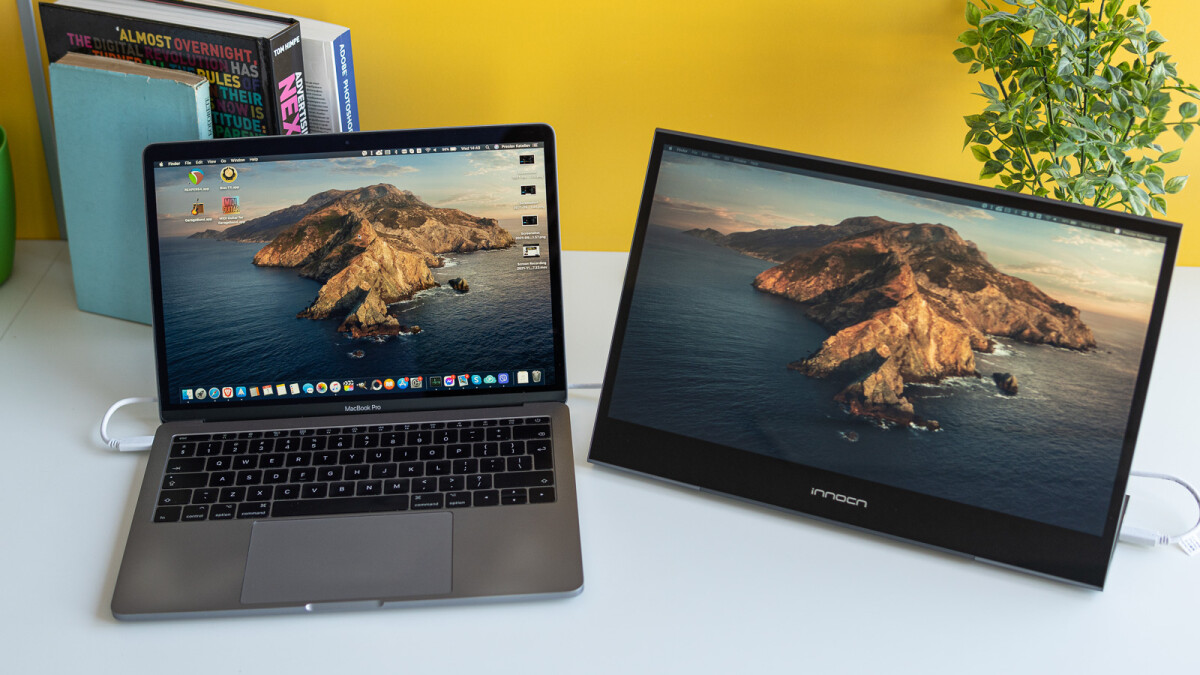
    Here we have the Innocn N1F-Pro — a display that is so thin and light that you might think it’s a prop. But it is, in fact, a very functional, convenient, energy-efficient, and portable device that can make your life much easier — whether you are on the go, or setting up a small work corner at home.

    The N1F-Pro is the value-priced offering from Innocn, but the company also offers portable screens that come with their own batteries and much sharper resolutions! Be sure to check them out below and use the codes Innocn kindly provided for some great discounts!

  • Render shows that Vivo could be taking the next step toward a full-screen design

    Render shows that Vivo could be taking the next step toward a full-screen design

    Ever since phone manufacturers started to find alternatives for the placement of the selfie camera on their phones, the industry has been moving toward the Holy Grail; a 100% screen-to-body ratio. Former Apple design chief Sir Jony Ive admitted a few years ago that he wanted an iPhone that looked like a single sheet of glass. First, he states that earlier this year Samsung canceled a project called Full-Display 2.0. The team working on this project was trying to develop a phone that was all screen without a notch, punch-hole or a cutout.

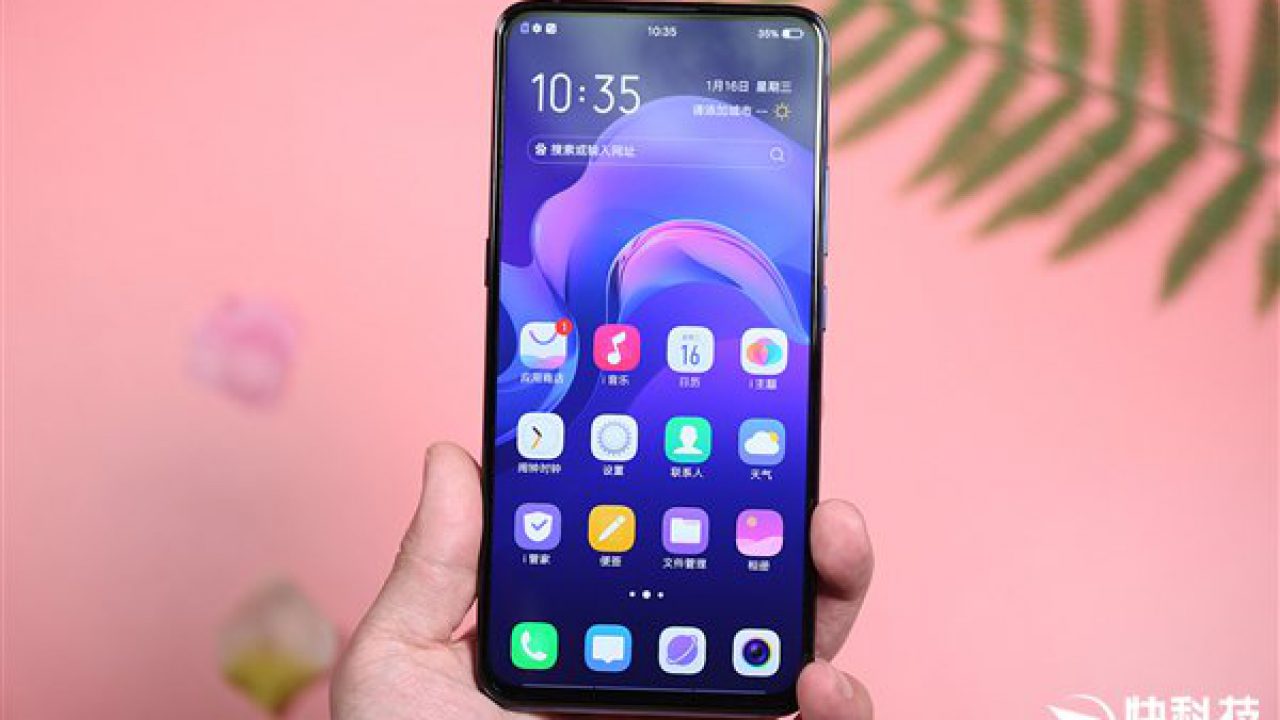
    This decision, according to Ice Universe, was a “serious mistake” on Samsung’s part. Why? Because manufacturers in China have been working toward the goal of producing a phone sporting a full-display. And it would appear from a render that was included in the tweet, that Vivo is going to take the next step toward releasing a full-screen phone with the Vivo NEX 2. The render shows a phone with curved edges with no side bezels or side buttons.  There is an extremely thin bezel at the top and a small chin at the bottom. Since the original NEX featured a pop-up selfie camera, we can expect more of the same with the sequel. Or perhaps there is an in-display camera.

    Even though Vivo isn’t expected to sell the NEX 2 in the states, it is important to see what some of the innovative Chinese manufacturers are doing. That’s because a phone doesn’t have to be sold in the U.S. to start a new design trend. For example, the 2016 Xiaomi Mi Mix and its edge-to-edge display influenced the designs of some phone manufacturers who do sell their devices in the states.

    With in-display fingerprint scanners already here and in-display selfie cameras on the way, it might not be terribly long before we see a handset with a screen-to-body ratio approaching 100%.

  • Producers of flexible and punch-hole AMOLED displays Facing Roadblocks

    Producers of flexible and punch-hole AMOLED displays Facing Roadblocks

    Flat panel display producers in China are eager to start selling flexible AMOLED displays, and AMOLED displays with punch-holes. At this year’s China Information Technology Expo 2019 (CITE), which wrapped up earlier this month, companies like BOE Technology, Visionox, Tianma Microelectronics, Everdisplay Technology and China Star Optoelectronics Technology (CSOT) displayed their flexible screens for use in foldable phones. Also showing off its flexible AMOLED panels was Royole, which uses the screens for its own foldable FlexPai smartphone.

    All of these manufacturers are monitoring what is going on with Samsung and its Galaxy Fold device. Earlier today, the company delayed the U.S. launch of its foldable phone by at least one month due to issues with the interior display and the hinge. The Huawei Mate X outward folding device is expected to launch later this year. Other companies that could release a foldable phone in 2019 include Oppo, TCL, Motorola and Xiaomi.µ

    Meanwhile, companies turning out smartphone displays in China are now offering punch-hole panels with resolutions as high as 1080p (Full HD). The punch-hole is a small opening punched into a display allowing a front-facing selfie camera to be housed inside a phone’s screen. Some phones, like the Samsung Galaxy S10+, have two punch-holes in the screen for a dual selfie camera setup. The use of the punch-hole allows phone manufacturers to offer handsets with a high screen-to-body ratio and thin bezels without the use of a notch.

    CSOT is said to be shipping through hole and blind hole panels to Samsung. The latter has a punch-hole that goes completely through the display to the other side, while the latter has a hole that is drilled down to a certain depth. The company also showed off its self illuminating displays, while Tianma exhibited a back-lit smartphone panel. Both of these depend on mini-LEDs as a source of light. These are light emitting diodes that are smaller than 100 micrometers.

  • Apple may be prepping to make your iPad a “Sidescreen”

    Apple may be prepping to make your iPad a “Sidescreen”

    Apple loves to talk about the displays it has in its devices, be it the color gamut, refresh rate, lamination to minimize the space between the glass and display tech, etc. Apple is very proud of its displays, no doubt about it. Apple has also been working to integrate iOS devices with Macs a bit more with features like Handoff. Now, Apple is rumored to be bringing a new interesting feature for those with iPads and Macs.

    According to new reports, Apple is working on a new feature codenamed “Sidecar” which will allow Mac users to set up their iPad as a second display to extend their desktop. The feature is said to be coming in Mac 10.15, although it may also need iOS 13 on your iPad to work properly. The option will be triggered via the Mac by hovering over the green “maximize” button on a Mac window. The benefit is pretty easy to see: what’s on your Mac screen will be duplicated on your iPad allowing you to use the touchscreen to manipulate and annotate as needed.

    The details will be made more clear at WWDC in June, but there are some questions that need answering in terms of this Sidecar feature. First of all is whether it will be wireless or not. It seems likely that Apple would want it to be wireless and not need to worry about a USB cable, but at the same time Apple is very fond of its dongle business. Also, it doesn’t sound like this will be a way to extend your Mac desktop like a second display could be. It sounds more like a mirroring feature, but being able to extend a desktop onto an iPad would be pretty nice too.

    Lastly, there’s the question about what will happen to the current solutions that offer similar capabilities, like Luna Display. Apple has a history of duplicating features that users got from apps, and the fate of those apps is usually not too good.

  • Important change for next-gen Apple Watch Screen

    Important change for next-gen Apple Watch Screen

    It’s a little premature to make anything more than educated guesses regarding the key selling points and major new features of an Apple Watch Series 5 expected out sometime in the fall. But it’s certainly not too early for the manufacturer of the world’s most popular smartwatch family to line up its component suppliers and lay out some general production plans.

    While these are obviously rarely made public, we can typically rely on inside sources to spill the beans for reputable news organizations like Reuters. These often rock-solid informants are claiming Apple has reached a deal with Japan Display that represents a major breakthrough for the financially struggling screen manufacturer. The company, which is a long-time Apple partner, should start supplying OLED panels for the Apple Watch lineup at some point “later this year.”

    Even though there’s absolutely nothing wrong with the Apple Watch Series 4 screen, supply chain competition is always good, generally driving progress and innovation forward at a much faster pace than when a company holds a monopoly on one or several essential components. Unless we’re talking about Samsung, which has managed to exclusively take care of the iPhone X, XS, and XS Max OLED panels while maintaining an impressively high standard of quality and performance.

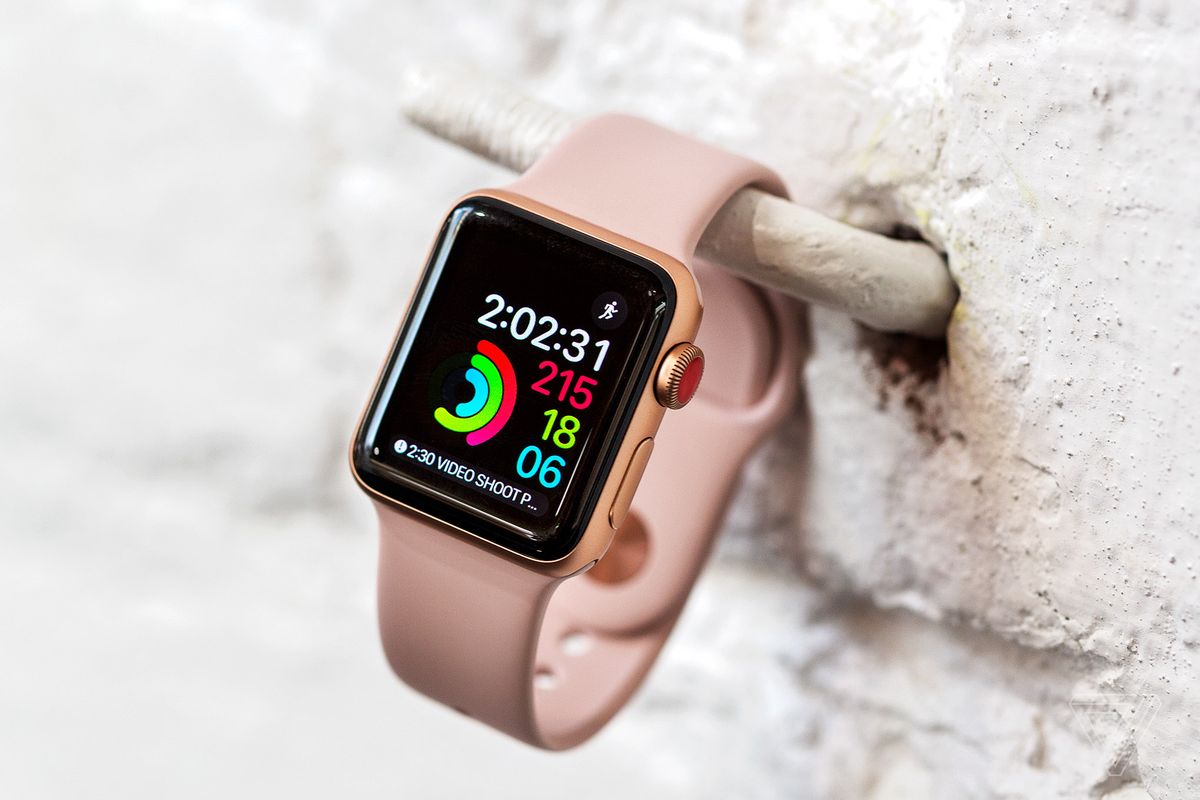
    By the way, you might be surprised to hear Samsung doesn’t also handle the production of the small but sharp OLED display on the Apple Watch Series 4. That’s actually LG’s business, which is soon expected to be shared with Japan Display. If and when that happens, Apple’s bill of materials could go down, as increased competition among suppliers has a tendency of impacting component prices.

    In other words, LG is likely to charge less for its Apple Watch Series 5 screens than those of the next-gen wearable’s predecessor, as Japan Display finally joins the OLED supply game. This company, which was born as an LCD technology joint venture by Sony, Toshiba, and Hitachi, realized the full potential of OLED (organic light-emitting diode) panels a little too late, staying focused on liquid-crystal displays past their prime. While Japan Display’s financial troubles are far from over, any OLED partnership with Apple would provide a welcome boost to a fledgling business division.

    What it means for future iPhones

    In short, not much. After all, it’s taken LG a long time to start supplying a small number of OLED iPhone screens. Meanwhile, Apple’s two 2019 and three 2020 OLED iPhones are all expected to primarily use Samsung-made displays. That’s obviously because the world’s largest smartphone vendor makes the most sophisticated handset panels out there, lightyears ahead of LG or Japan Display’s alternatives.

    Therefore, as much as Apple would like to further diversify its iPhone supply chain and reduce the company’s reliance on its Korea-based arch-rival, quality trumps any discounts Samsung’s display-making rivals could offer. Basically, unless Apple plans to release a lower-quality, lower-cost OLED iPhone variant in the near future, Japan Display is facing quite an uphill battle here.

    The same goes for LG, although the backup supplier could earn a slightly larger share of 2019 and 2020 OLED iPhone orders, offsetting its Apple Watch losses caused by Japan Display’s newly reported “breakthrough.”

    In theory, all these possible changes and shifts of suppliers could yield lower retail prices for future Apple Watch and iPhone generations, but knowing how the Cupertino-based tech giant typically operates, we wouldn’t hold our breath. After all, the best way to make up for shrinking sales numbers is to jack up profit margins.
  • Wavy waterfall by LG

    Wavy waterfall by LG

    Models showcase LG Electronics’ 260 flexible OLED signage displays put together to form a waterfall at the company’s Consumer Electronics Show 2019 exhibition entrance in Las Vegas on Monday. The annual event, which will host over 4,000 companies this year, began yesterday.

  • Smartphones that fold up are coming by 2019, says Samsung engineer

    Smartphones that fold up are coming by 2019, says Samsung engineer

    A Samsung engineer recently said that he expects foldable smartphone displays to be ready for mass consumption in 2019.

    “Because the bezel-free display currently sells so well, we still have enough time to develop foldable displays,” Samsung Display principal engineer Kim Tae-woong. “The technology is expected to be mature around 2019.”

    A foldable display will pave the way for gadgets that can be folded into smaller sizes. Imagine a tablet that can be folded into a smartphone that can be folded into something even tinier and more pocket-friendly.

    Phone-makers have experimented with this sort of “foldable” technology before, though rather unsuccessfully. Kyocera launched a phone on Sprint named the “Echo” that folded in half, but used two separate display panels instead of a truly foldable display.

    A report last summer suggested that Samsung was going to launch a foldable smartphone much sooner. The device, reportedly code named “Project Valley” inside Samsung, was expected to make its debut in February during Mobile World Congress. No such device ever materialized in public view.

    There’s another reason why Samsung may be dragging its feet with foldable screens, though.

    Samsung is currently leading the market in bendable displays. Its curvy displays have been used in its flagship smartphones for the past several years, most recently making an appearance on the Galaxy S8 that launches later this month. They’re used to minimize the bezels on the front of a smartphone, allowing for a display that appears to pour over the edges of the device. Foldable displays will make bendable screens obsolete.

    The comments made by Tae-woong suggest that Samsung is going to take its time perfecting foldable displays, especially while interest in its bendable screens is still growing. Rumor has it, for example, that Apple will finally adopt Samsung’s display technology, possibly employing a bendable AMOLED display in the iPhone 8.