Tag: SEA

  • Sea Battles Rivals with Heightened Spending: Revenue Soars, Profits Dip Amid Competitive E-Commerce Landscape

    Sea Battles Rivals with Heightened Spending: Revenue Soars, Profits Dip Amid Competitive E-Commerce Landscape

    Sea Ltd, a Singapore-based conglomerate, has announced a significant increase in its sales and marketing expenditure during the third quarter. This resulted in a jump in revenue, but it also had a negative impact on profits. This increase in spending comes as the company seeks to maintain its market position in the fiercely competitive e-commerce sector of Southeast Asia.

    However, this increase in expenditure has had a negative effect on share prices. Shares listed in the United States dipped by 2% on Tuesday, following a slide of up to 6% in pre-market trading.

    Sea Ltd has significantly increased spending on marketing, advertising, and user acquisition to counter competition from rivals such as TikTok Shop and Alibaba. Their e-commerce platform, Shopee, has introduced financial incentives like cashbacks, buy-now-pay-later schemes, and loyalty currencies. These initiatives are aimed at appealing to consumers who are exercising caution due to economic uncertainty.

    Despite this, Sea Ltd reported earnings per share of 59 cents in the quarter, falling short of the analysts’ estimate of 76 cents.

    Zavier Wong, a market analyst at eToro, stated that Sea Ltd is not looking for immediate profits, but is instead focusing on preserving and expanding its market share. Although this strategy may seem risky now, if executed correctly, it could be crucial in retaining relevance for its platform.

    The growth in Sea Ltd’s primary e-commerce, digital entertainment, and financial services sectors has remained robust, indicating that the increased spending has been somewhat successful in reaching consumers.

    The company announced total quarterly revenue of US$5.99 billion, surpassing estimates of $5.65 billion. Sea Ltd is also working to enhance its delivery business by investing in shipping logistics and fulfillment, as was revealed by company executives in a post-earnings conference call.

    Expectations are high for Shopee’s annual gross merchandise value (the total value of products sold on the platform) to grow by over 25%.

    The overall quarterly operating expenses increased by 28% to $2.12 billion, compared with $1.66 billion the previous year. Sales and marketing expenses also experienced a 31% increase.

    Sea Ltd’s e-commerce unit reported revenue of $4.3 billion, surpassing estimates of $3.99 billion.

    Questions & Answers

    Why has Sea Ltd increased its sales and marketing expenditure?
    The company has increased its marketing and sales spending to counter competition from rivals and maintain its market position in the e-commerce sector of Southeast Asia.

    Has the increased spending affected Sea Ltd’s share prices?
    Yes, following the announcement of the increased expenditure, the company’s shares listed in the US dipped by 2%.

    What initiatives has Sea Ltd’s e-commerce platform, Shopee, introduced to attract consumers?
    Shopee has introduced financial incentives such as cashbacks, buy-now-pay-later schemes, and loyalty currencies to appeal to consumers amid economic uncertainty.
  • Malaysia’s largest coffee chain Zus Coffee targets 200 Southeast Asian outlets this year

    Malaysia’s largest coffee chain Zus Coffee targets 200 Southeast Asian outlets this year

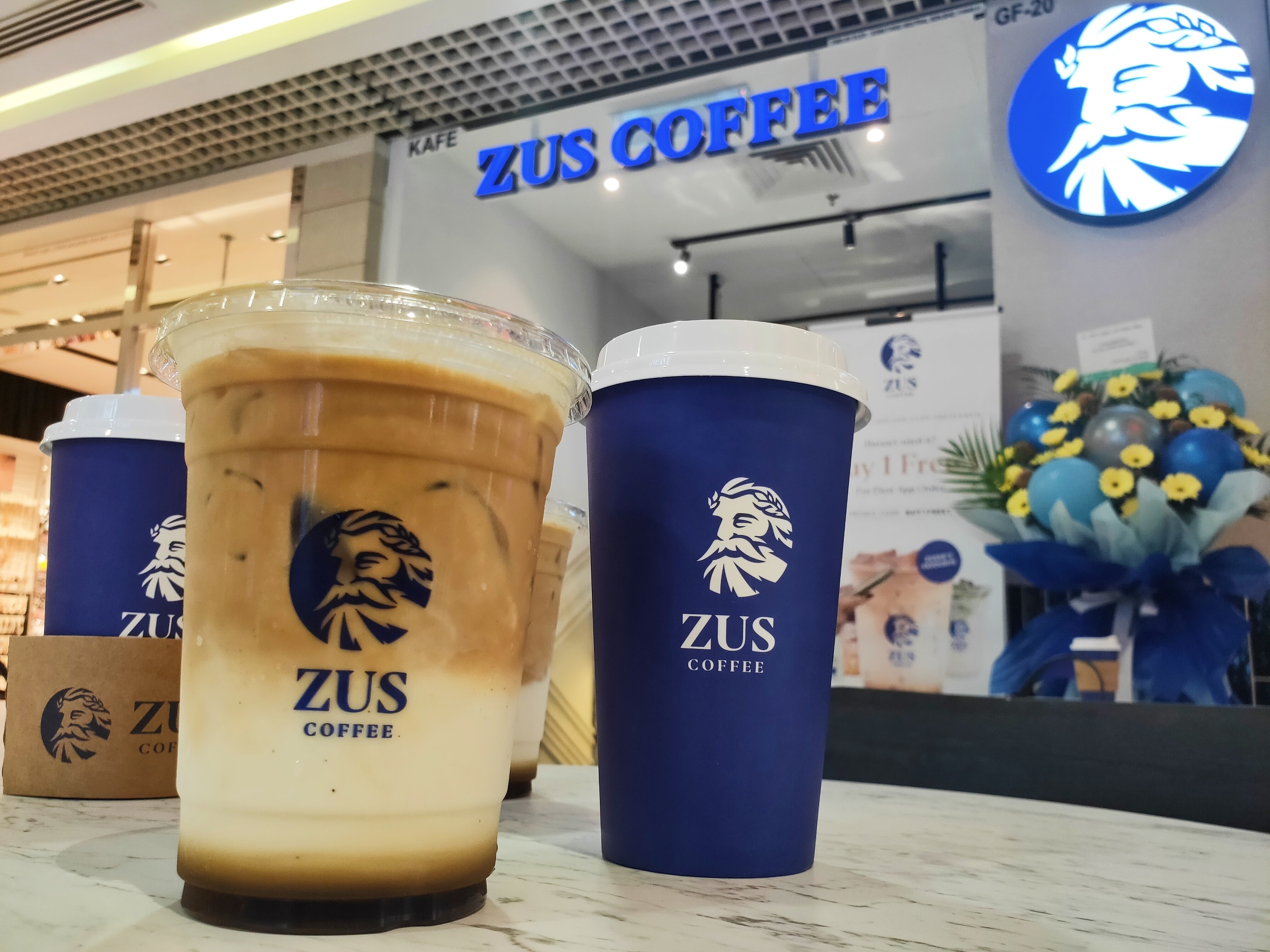
    Malaysia’s largest coffee chain, Zus Coffee, plans to launch 200 new outlets in Southeast Asia this year, according to CEO Venon Tian in an interview with Bloomberg.

    Zuspresso, the operator of the Zus brand, is targeting at least 107 new stores in Malaysia, 80 in the Philippines, and six in Singapore. It also eyes to set up the first stores in Thailand and Indonesia this year.

    Last year, Zus surpassed Starbucks as Malaysia’s top coffee chain after five years of operation, with 743 outlets compared to Starbucks’ 320.

    It also manages 120 stores in the Philippines.

    Zus reported a threefold increase in net income to RM37 million (US$8.4 million) in 2024, reflecting its rapid growth.

    Tian attributed the company’s success to its market-specific flavors, such as palm sugar-flavored drinks in Malaysia and purple yam-flavored coffee in the Philippines.

    Zus, which started out as a kiosk focusing on coffee delivery in 2019, now sees about 70% sales coming from online channels, including deliveries and pickups.

    Its tech-driven approach and cost-efficient store construction have enabled it to offer coffee over 20%cheaper than Starbucks, boosting its widespread appeal in Malaysia.

    Zus drinks are price in the mid-range in Malaysia, between the RM5 price tag of convenience stores and RM11 of premium stores.

    “It’s about how we make quality coffee accessible to most people,” Tian said.

  • Seafood exporters situation more dire than during Covid

    Seafood exporters situation more dire than during Covid

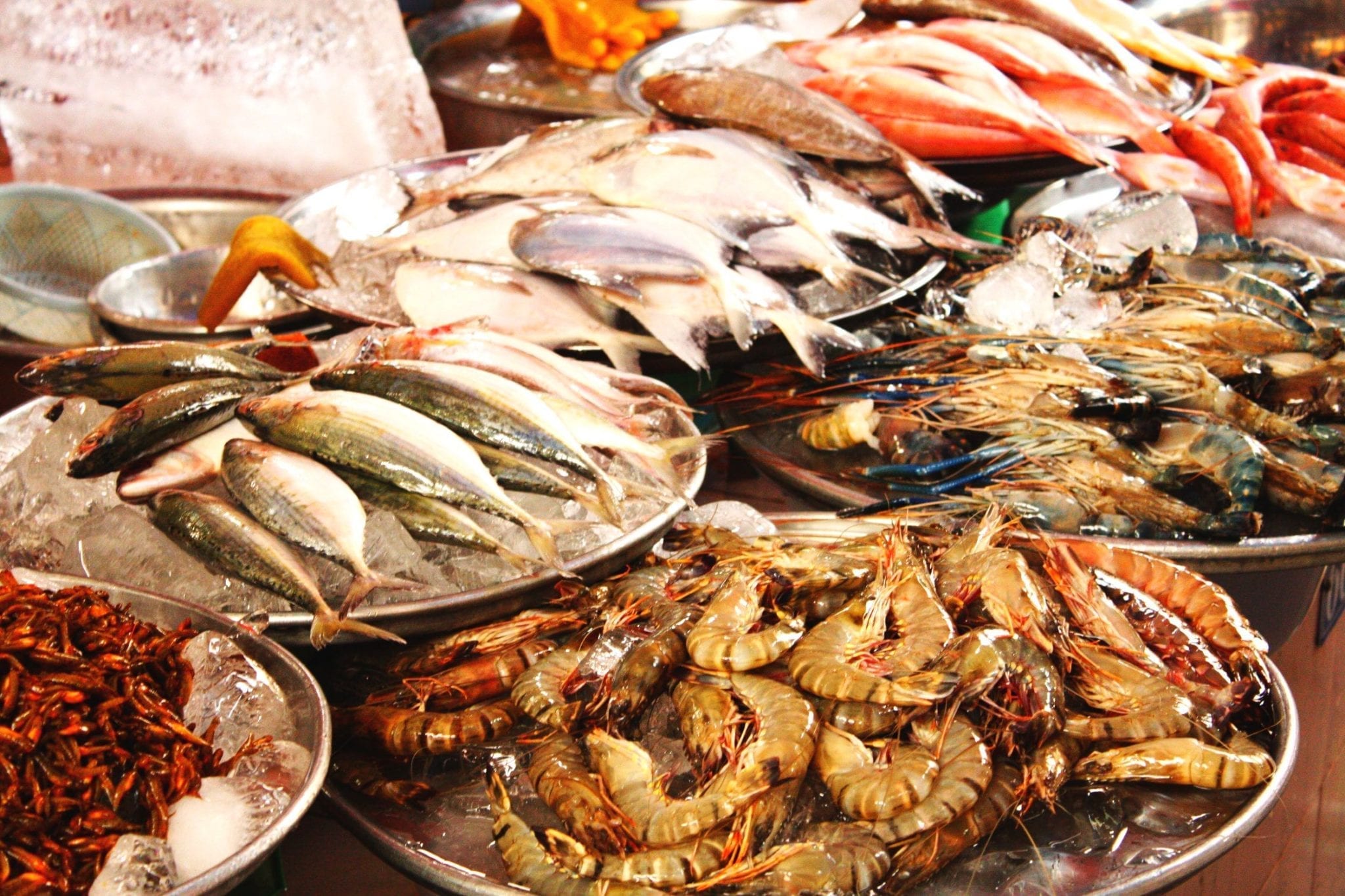
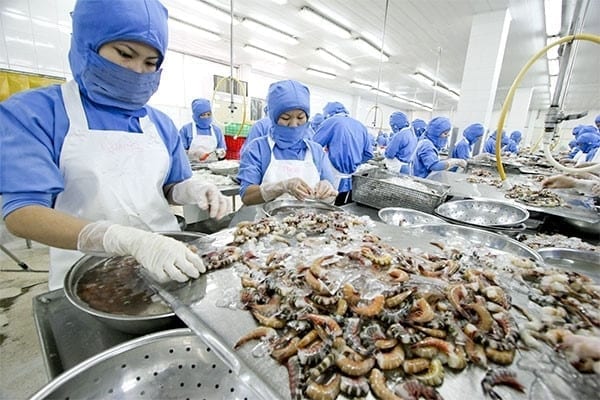
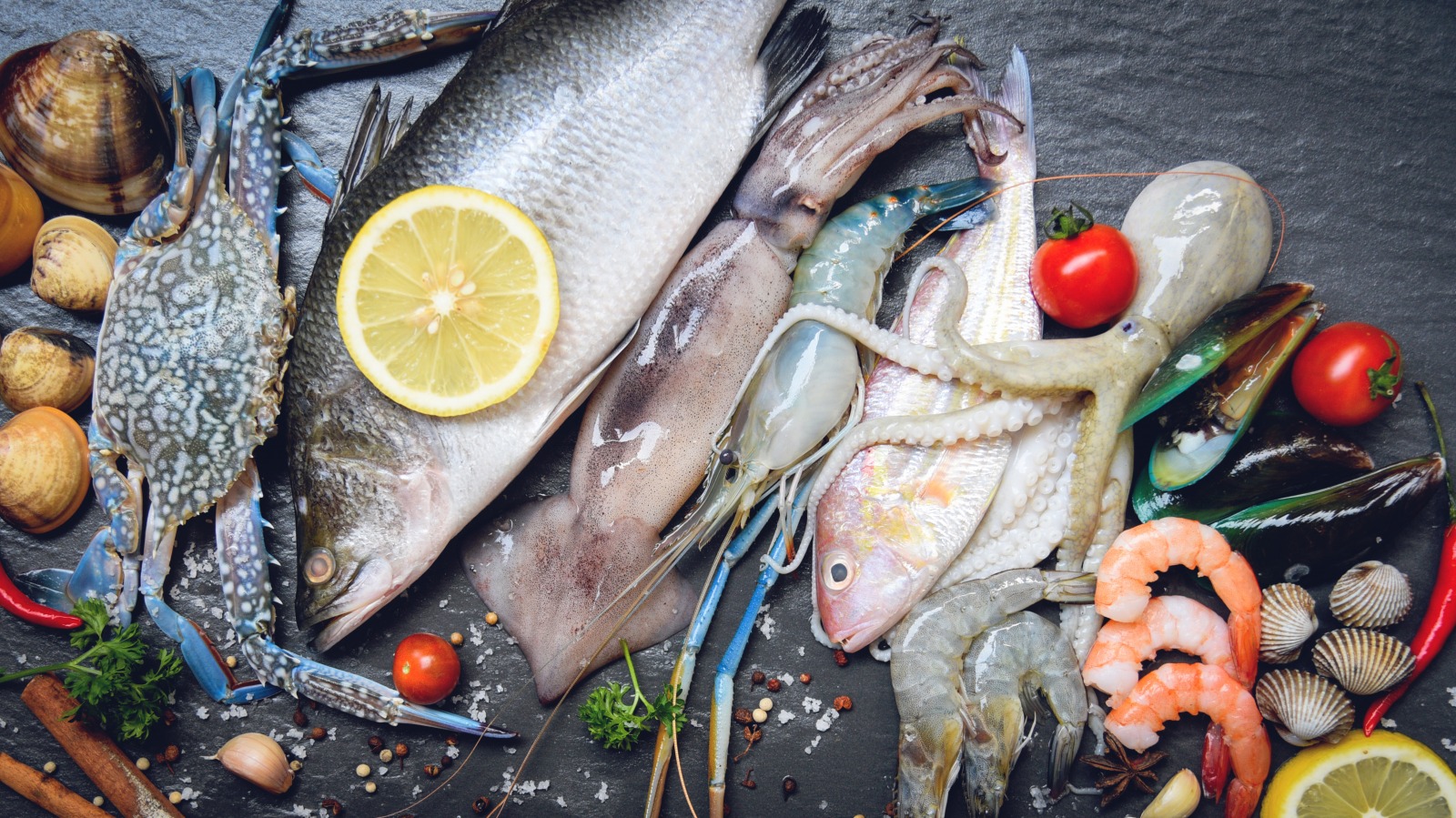
    Seafood exporters are seeing orders plummet and facing even greater difficulties than during the Covid-19 pandemic.

    In the first five months of this year their exports fell by 28% to $3.37 billion and companies saw a decline of 20-50% in export orders, according to the Vietnam Association of Seafood Exporters and Producers (VASEP).

    Prices too have been falling due to the low demand, making it harder for companies to repay bank loans and manage other expenses.

    A severe shortage of raw fish and shrimp is expected in early 2024, VASEP said.

    Seafood exports this year are projected to be $9 billion, or nearly $2 billion less than last year.

    To mitigate the industry’s problems, VASEP has called on the government to reduce bank lending interest rates and make credit more accessible to it.

    It wants the interest rates on U.S. dollar loans to be reduced to below 4% and on dong loans to under 7%.

    It has demanded a rollover of loans by four to six months and a special credit package for small seafood producers.

    It has also proposed that a VND10-trillion stimulus package for the Mekong Delta region that is under consideration should be disbursed early so that exporters can start stockpiling raw materials early.

    Prime Minister Pham Minh Chinh had instructed the State Bank of Vietnam in April to consider such a package.

  • SEA driving $20 bn in e-commerce revenue for TikTok

    SEA driving $20 bn in e-commerce revenue for TikTok

    ByteDance-owned TikTok hopes to more than quadruple the size of its worldwide e-commerce operations to as much as $20 billion in merchandise sales this year, relying on growth in Southeast Asia, Bloomberg News reported on Wednesday, citing people familiar with the matter.

    The increase compares to last year’s $4.4 billion in gross merchandise value, representing the worth of total goods sold through its online marketplace TikTok Shop, the report said, adding that the company is betting on markets such as Indonesia.

    TikTok’s e-commerce platform lets customers purchase goods through links on the app during live broadcasts.

    The development comes as the Chinese-owned company faces scrutiny from governments and regulators because of concerns that China could use the app to harvest user data or advance its interests.

    The report said the company is also working to expand its sales in the US and Europe.

    Financial Times had last year reported that TikTok is due to enter a partnership with Los Angeles-based TalkShopLive to launch its live shopping platform in North America by outsourcing its operations.

  • Sea shipping costs dip amid sliding demand

    Sea shipping costs dip amid sliding demand

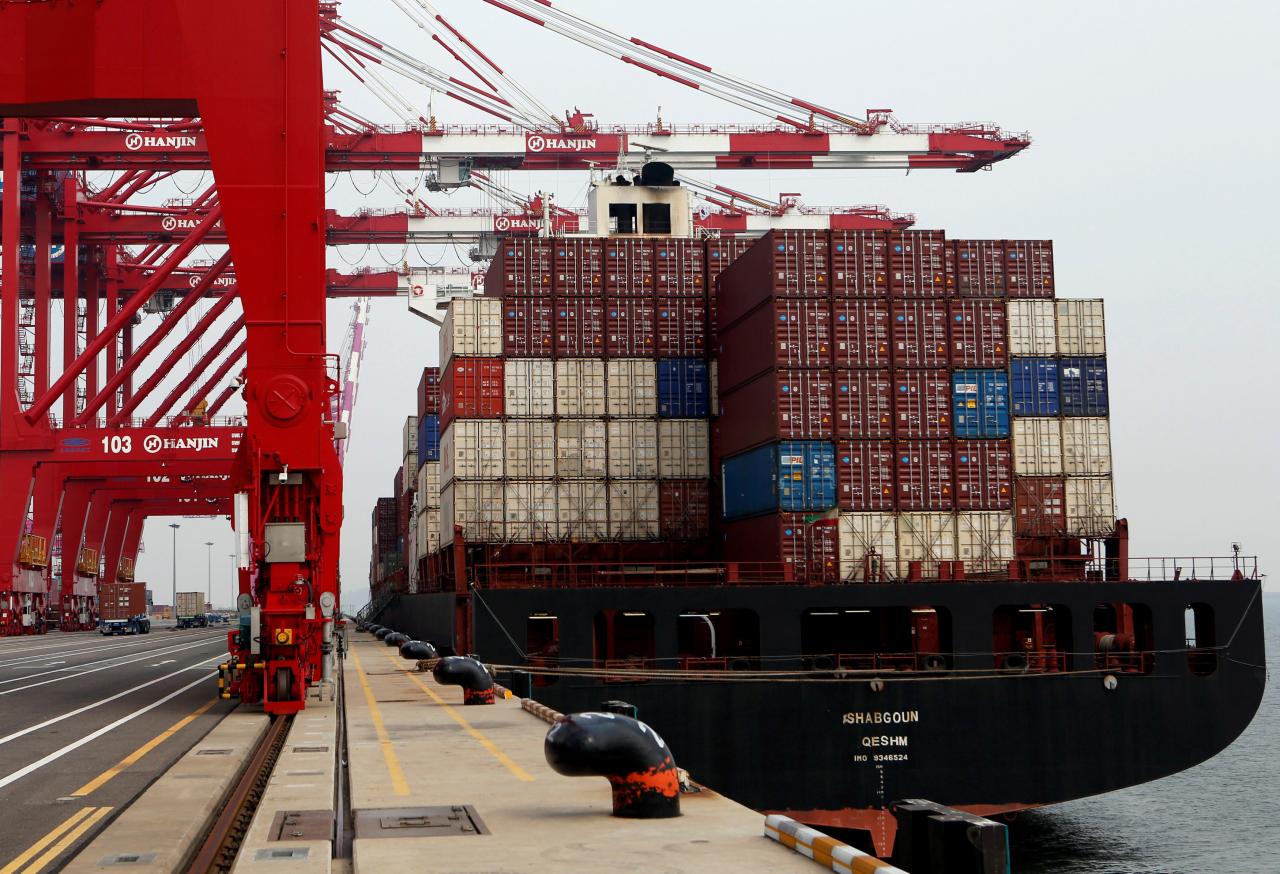
    Sea shipping costs have plunged by over 80% from the previous peak as consumption has dropped amid inflation concerns. Tran Lam Son, CEO of wood and furniture exporter Thien Minh, said that shipping a container to Europe now costs around $1,700, down nearly 92% from the peak of $20,000 a couple of years ago.

    The price drop poses opportunities for businesses like Thien Minh but is perceived as a negative sign for the logistics sector.

    Logistics platform Phaata has data showing that shipping a 40-foot container from Ho Chi Minh City to Northern Europe now costs $1,700, down from $15,000 in January.

    From HCMC to Los Angeles, the average price is now $1,400, compared to $12,000 in September 2021. To New York, freight costs $2,900 against $15,000 two years ago.

    From Asia to India costs have plunged by over 90%, said Le Thi Lan Anh, business director of logistics firm MH Great Sun.

    Phaata CEO Nguyen Hoai Chung said that prices are now plunging because consumer demand in North America and Europe has plummeted due to inflation and forecasts of economic difficulties.

    Inventory in these regions is still high and so importers do not need to buy more from Asian countries, including Vietnam, he added.

    Slower manufacturing activity in China in recent years has reduced pressure in ports and congestion is no longer a problem, he said.

    Weak demand is likely to persist throughout this year. The International Monetary Fund last month forecast that global trade growth will drop from 5.4% last year to 2.4% this year.

    American spending on goods has dropped 5.4% from the peak in March 2021.

    Logistics giant Maersk anticipates that container shipping demand will drop by 2.5% this year.

    The supply of container ships, however, is expected to rise in this and next year and many ships are set to be completed.

    Container ship capacity is set to increase by 7.8% this year while demand is expected to rise 3.5%. In 2024 the two figures are expected to be 8.3% and 3.5% respectively.

    This shows that there will be an oversupply of container ships in 2023 and 2024, and competition in the logistics sector is set to be intense, Chung said.

    SSI Securities Corp. analysts said in a report that demand for goods from Vietnam will likely resume in the second half of the year when the shopping season arrives and after unsold inventory has been liquidated in Europe and the United States.

    Anh, however, has a more pessimistic forecast.

    “There is no sign that the financial market will recover this year,” said Anh. “Deposit interest is still rising and a recovery in the logistics industry is not expected until the very end of 2023.”

    Phaata CEO Chung said that container shipping prices to North America and Europe will continue to stay low until recovering in the fourth quarter as Christmas shopping rises.

    Next year, prices will continue to fall as container supply outweighs demand.

    “The logistics sector will see brighter signs in 2025 and prices will resume to pre-pandemic levels,” said Chung, “with a more balanced supply and demand relationship.”

    Chung advises logistics firms to expand their markets to other Asian destinations such as China, Japan, South Korea and Southeast Asian countries.

  • Vietnam eyes $1B from seaculture product exports by 2025

    Vietnam eyes $1B from seaculture product exports by 2025

    Vietnam expects to rake in between 800,000 to $1 billion worth of sea culture product exports by 2025, according to a development project of the sector towards 2030 with a vision to 2045.

    Also by the time, the total area of sea culture is set to hit 280,000 hectares with an annual yield of 850,000 tonnes.

    By 2045, the sector is expected to contribute more than 25% of the country’s total fishery productivity, with its export value expected to exceed $4 billion.

    Such goals require efforts to tackle bottlenecks and turn Vietnam’s sea culture into a large-scale production industry in a synchronous, safe, effective, environmentally friendly and sustainable manner.

    According to the Ministry of Agriculture and Rural Development, the country now has about 7,447 sea culture establishments with a total area of 85,000ha.

    The sector’s current growth is estimated at 23.3% annually.

  • Domino’s Pizza buys businesses in three SEA markets

    Domino’s Pizza buys businesses in three SEA markets

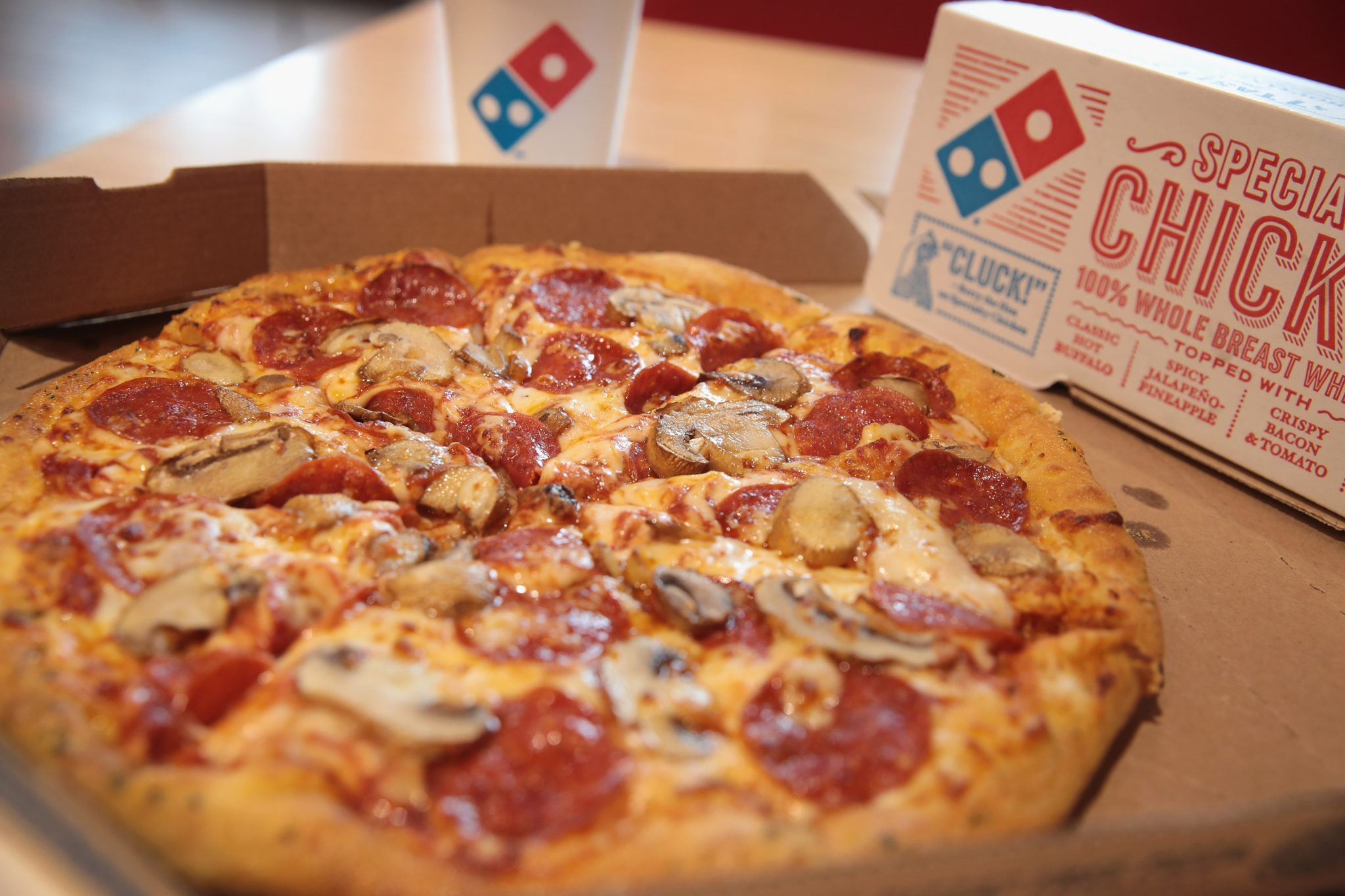
    Domino’s Pizza Malaysia is set to become part of the largest Domino’s network outside of the United States (US) via a proposed acquisition by Domino’s Pizza Enterprises Ltd (DPE).

    DPE is an Australian-based group that operates more than 3,400 Domino’s stores in ten markets around the world.

    DPE has entered into a binding agreement with Mikenwill (M) Sdn Bhd, which owns 100 per cent of

    Dommal Food Services Sdn Bhd, the master franchise holder in Malaysia; and Impress Foods Pte Ltd, which owns 100 per cent of Domino’s Pizza Singapore and 65 per cent of Domino’s Pizza Cambodia; as well as minority shareholders in Cambodia for the remaining 35 per cent stake.

    “This will see DPE acquiring 100 per cent of the Domino’s Pizza businesses in Malaysia, Singapore, and Cambodia, comprising 287 corporate stores across these markets.

    “The binding agreement entails the acquisition of the corporate stores and franchise rights held by Mikenwill (M) Sdn Bhd and Impress Foods Pte Ltd. The acquisition is expected to be completed by the end of 2022,” the pizza maker said in a statement today.

    Domino’s Pizza Malaysia, Singapore, and Cambodia group chief executive officer Ba U Shan-Ting said in tandem with the acquisition, the company aims to expand the number of stores to more than 600 over the long term, setting it on the path to becoming the largest pizza chain in the three countries.

    Domino’s Pizza Malaysia is the largest Domino’s market in Southeast Asia, managed by Dommal Food Services Sdn Bhd with 240 stores in the country while Impress Foods Pte Ltd manages the Singapore and Cambodia markets with 38 and nine stores respectively.

    “DPE’s latest strategic acquisition of Malaysia, Singapore, and Cambodia is in line with its ongoing expansion plans, particularly in Asia.

    “DPE’s impressive track record is reflected in its extensive international footprint which began in the Australian market, with Taiwan being the most recent addition to its portfolio, bringing its total presence to 13 countries around the world.

    “DPE aims to achieve a store count of 3,000 stores in Asia by 2033,” the company said.


  • US to consider tariffs on solar panels made in Southeast Asia

    US to consider tariffs on solar panels made in Southeast Asia

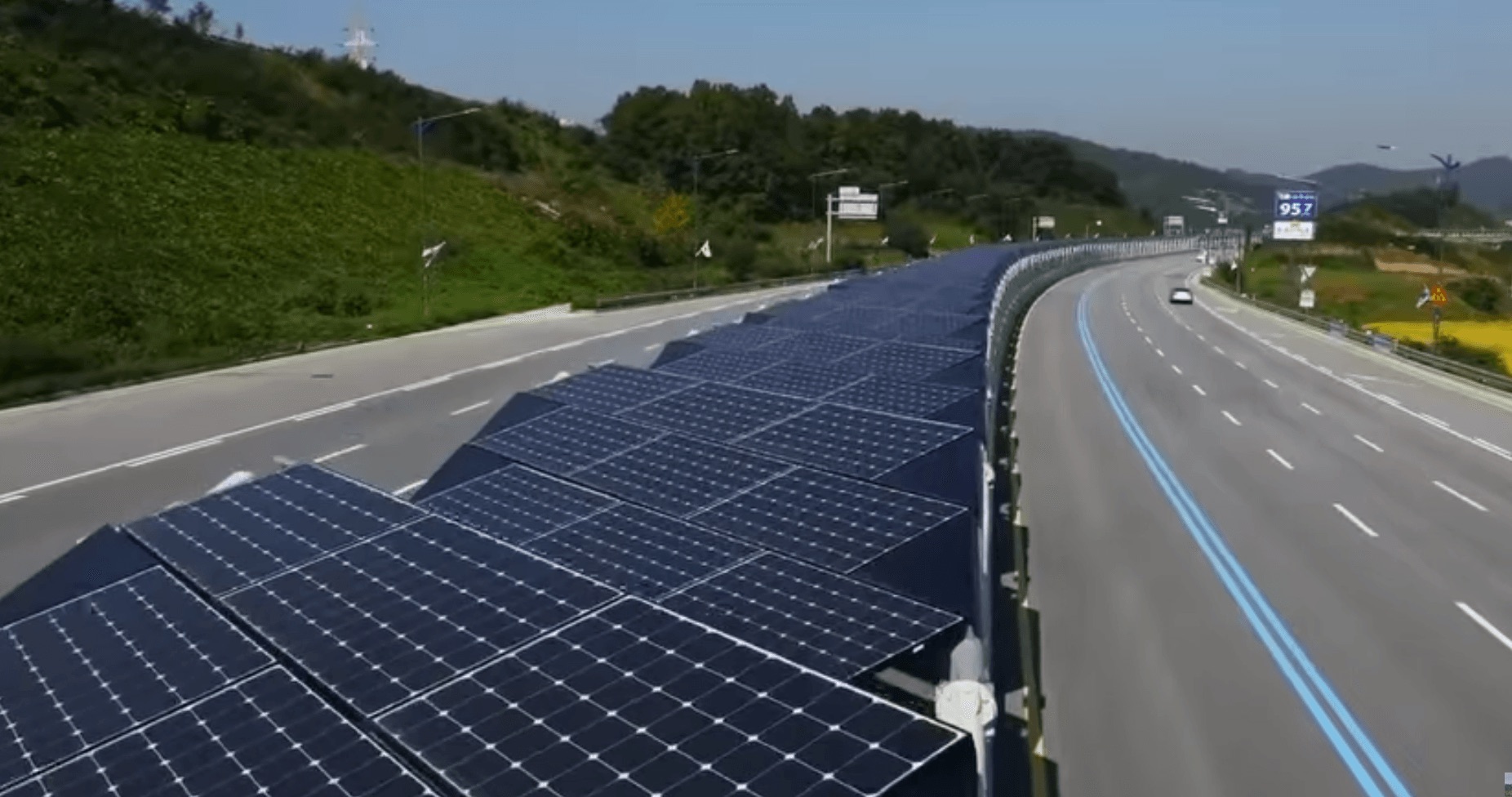
    U.S. trade officials on Monday said they will launch an investigation that could result in tariffs on solar panels imported from four Southeast Asian nations, a blow to clean energy project developers that rely on cheap imports to keep costs down.

    The Commerce Department’s decision regarding imports from Malaysia, Thailand, Vietnam and Cambodia was a victory for Auxin Solar. The San Jose, California-based solar manufacturer this year requested the probe, arguing that Chinese manufacturers shifted production to those nations to avoid paying U.S. duties in place for nearly a decade on Chinese-made solar goods.

    Auxin’s petition is the latest in a string of efforts by U.S. solar producers to stem the flow of cheap Asian panels that they argue make their products unable to compete in the market.

    Solar industry trade groups said the investigation alone would immediately hamstring project development and harm U.S. progress in addressing climate change. President Joe Biden has set a goal of weaning the U.S. electricity sector off of fossil fuels by 2035, a target that could propel solar to supply up to 40% of the nation’s electricity needs – up from 3% currently.

    Imports from the four countries account for about 80% of the panels expected to be installed in the United States this year, according to the American Clean Power Association industry group.

    “This decision effectively freezes development in the U.S. solar industry,” association CEO Heather Zichal said on a conference call with reporters. “Frankly, the Commerce Department’s action to initiate this investigation is a disaster for our industry.”

    In a statement, a Commerce Department spokesperson said the department would “conduct an open and transparent investigation.”

    “This inquiry is just a first step – there has been no determination one way or the other on the merits, and no additional duties will be imposed at this time,” the spokesperson said.

    In a memo posted on a Commerce Department website earlier in the day, officials said Auxin had provided information indicating that solar companies operating in the four countries are subsidiaries of large Chinese producers and that products made there would be subject to U.S. countervailing and anti-dumping duties if made in China.

    “Auxin properly alleged the elements necessary for a circumvention determination,” the memo said.

    The Commerce Department said it will issue a preliminary determination within 150 days. Auxin welcomed the decision.

    “We are grateful Commerce officials recognized the need to investigate this pervasive backdoor dumping and how it continues to injure American solar producers,” Auxin Chief Executive Mamun Rashid said in a statement.

    U.S. solar trade groups lobbied heavily against the Commerce Department taking up the petition.

  • Vietnam largest bullion market in Southeast Asia

    Vietnam largest bullion market in Southeast Asia

    Vietnam was Southeast Asia’s largest gold bullion and coin market last year and among the top 10 globally.

    The demand in the country exceeded 31.1 metric tons compared to 28.7 tons in Thailand and 19.8 tons in Indonesia, according to the World Gold Council.

    If the jewelry was included, it went up to 43 tons, the second-highest behind Indonesia’s 46.8 tons.

    Vietnam was the fourth largest market in Asia for bullion and coins behind India, Sri Lanka, and China, and the eighth largest in the world.

    Gold continued to be the top asset class for 72 percent of Vietnamese investors, the WGC said citing a study of 2,000 investors last year.0

    The outlook for the precious metal is positive with 81 percent of investors who previously invested in gold saying they would consider doing so again.

    To put that in perspective, the rates are 72 percent for Chinese and 67 percent for Indians, with the global figure standing at 45 percent.

    There is strong support for gold market liberalization in Vietnam, with 76 percent saying they should be allowed to open a gold investment account at banks to formalize the gold market.

    Fifty-five percent called for setting up a gold exchange or trading platform authorized by the State Bank of Vietnam.

    Vietnam’s gold prices are now near the all-time high of VND63.5 million (US$2,787) per tael of 37.5 grams recorded on Jan. 25. A tael equals 37.5 grams or 1.2 ounces.

    On Feb. 16 it cost VND62.9 million, VND11.6 million higher than global prices.

  • Vietnam largest bullion market in Southeast Asia

    Vietnam largest bullion market in Southeast Asia

    Vietnam was Southeast Asia’s largest gold bullion and coin market last year and among the top 10 globally. The demand in the country exceeded 31.1 metric tons compared to 28.7 tons in Thailand and 19.8 tons in Indonesia, according to the World Gold Council. If the jewelry was included, it went up to 43 tons, the second-highest behind Indonesia’s 46.8 tons.

    Vietnam was the fourth largest market in Asia for bullion and coins behind India, Sri Lanka, and China, and the eighth largest in the world. Gold continued to be the top asset class for 72 percent of Vietnamese investors, the WGC said citing a study of 2,000 investors last year.

    The outlook for the precious metal is positive with 81 percent of investors who previously invested in gold saying they would consider doing so again. To put that in perspective, the rates are 72 percent for Chinese and 67 percent for Indians, with the global figure standing at 45 percent. There is strong support for gold market liberalization in Vietnam, with 76 percent saying they should be allowed to open a gold investment account at banks to formalize the gold market.

    Fifty-five percent called for setting up a gold exchange or trading platform authorized by the State Bank of Vietnam. Vietnam’s gold prices are now near the all-time high of VND63.5 million (US$2,787) per tael of 37.5 grams recorded on Jan. 25. A tael equals 37.5 grams or 1.2 ounces. On Feb. 16 it cost VND62.9 million, VND11.6 million higher than global prices.

  • Southeast Asia’s online food delivery to soar through 2025

    Southeast Asia’s online food delivery to soar through 2025

    Southeast Asia’s online food-delivery market is expected to treble in the next five years, reaching US$28 billion in transactions, according to a report released by Grab and Euromonitor International.

    The growth is expected to be seen in emerging markets such as Myanmar, Vietnam, and the Philippines. The regional online food delivery gross merchandise value (GMV) is estimated to grow from US$9 billion last year to US$28 billion in 2025.

    “The pandemic has accelerated the shift in consumer behavior towards buying food and groceries online,” said Russell Cohen, group MD for Operations at Grab. “However, online grocery delivery penetration is extremely low in the region, at just over 1 percent here compared to 8 percent in China and 9 percent in the US.

    “With infrastructure and connectivity improvements, we believe that the next wave of growth will come from smaller cities,” Cohen added.

    By 2025, the region’s overall prepared meal sales is projected to reach US$170.5 billion, with online food delivery penetration increasing to 16.4 percent. This will be driven in part by a rising middle class and increasing smartphone adoption in Tier 2 cities.

    Meanwhile, spending on online food delivery is expected to increase two times faster than foodservice spending in the next five years, with a compound annual growth rate of 24.4 percent.

  • Seafood companies fear lack of raw materials as Covid hits farm output

    Seafood companies fear lack of raw materials as Covid hits farm output

    The decline this year in shrimp and fish farming in the Mekong Delta threatens to cause a serious shortage of raw materials for processors in the coming months.

    “We have increased shrimp prices, but many farmers are still worried that Covid outbreaks will affect prices later, and so have reduced their production,” Le Van Quang, general director of Minh Phu Aquaculture Group Joint Stock Company, said.

    Speaking at a conference held online on Friday to discuss how to restore processing and exports of agricultural and aquatic produce, he forecast a big shortage in the next three months, and said businesses would be unable to meet foreign orders.

    In Tien Giang and An Giang provinces, farmers have been unable to sell their fish, shrimp and crab harvests for months due to Covid-19 restrictions.

    Many processing plants have been running at 30-40 percent of capacity as stay-at-work requirements cause a labor shortage.

    Nguyen Hoai Nam, deputy general secretary of the Vietnam Association of Seafood Exporters and Producers (VASEP), said the government should come up with policies to encourage shrimp farmers right now so that they could harvest in November to enable exports.

    He also wanted it to prioritize Covid-19 vaccination for seafood companies’ workers so that normal production could resume.

    The southern provinces and Ho Chi Minh City could be divided into three in terms of likely resilience if certain epidemic prevention measures are adopted after September 15, he said.

    The first, where the infection rate is lowest, includes Ca Mau, Bac Lieu, Hau Giang, Soc Trang, Ben Tre, and Vinh Long provinces. Businesses in this shrimp processing hub are expected to return to 60 percent of capacity by October and 80 percent by year-end.

    The second, where the epidemic is gradually being controlled, includes An Giang, Kien Giang, Tra Vinh, and Dong Thap provinces and Can Tho city, and here the rates would be 50 percent and 70 percent.

    The area with the highest risk of infection, including Long An, Binh Duong and Tien Giang and Ho Chi Minh City, would recover to 40 percent and 60 percent.

    Vietnam’s seafood exports were worth $5.5 billion in the eight months of 2021, a year-on-year increase of 6 percent, according to the Vietnam Association of Seafood Exporters & Processors (VASEP).

  • Deutsche Expands Wealth Unit in Southeast Asia

    Deutsche Expands Wealth Unit in Southeast Asia

    Deutsche Bank continues to expand its wealth business in the region, particularly in southeast Asia where it hired a new investment management team head.

    Alania Concepcion joins Deutsche Bank Wealth Management as a director and investment management team head, according to a statement, reporting to managing director and head of Southeast Asia investment management Coo-Way Law.

    Based in Singapore, Concepcion will work closely with clients and relationship managers from the southeast Asia market which is headed by Shang-Wei Chow.

    Concepcion returns to Singapore after over four years running her own firm and pursuing ESG and fintech-related interests in Europe. Previously, she also worked for Credit Suisse, Barclays and Merrill Lynch.

    This year, Deutsche Bank Wealth Management has been rapidly expanding in the region with a flurry of new hires, particularly with a focus on southeast Asia.

    Last week, it reportedly hired former Pictet Singapore chief executive Domonique Jooris days after announcing the hire of ex-Credit Suisse southeast Asia trio Urs Brudermann, Shawn Ngoh and Pichaya Prawanmeet.

    To capture the opportunities in the fast-growing Southeast Asia region, we are focused to grow and develop our team, said Chow. The recent appointments in southeast Asia show our commitment to the business. We will continue to hire the best talent in the region to support our growth.

  • Coke, Asahi lead joint venture to recycle 1 billion PET bottles annually

    Coke, Asahi lead joint venture to recycle 1 billion PET bottles annually

    Pact Group, Cleanaway, Asahi Beverages and Coca-Cola Europacific Partners (CCEP) have announced they have signed a Memorandum of Understanding (MOU) to form a joint venture that will build and operate a new PET recycling facility. Under the MOU, the parties intend to come together to provide an industry model for recycling solutions in Australia. This will include the new facility as well as the PET recycling facility currently being built by Pact Group, Cleanaway and Asahi Beverages through Circular Plastics Australia (PET) in Albury-Wodonga, which is expected to be completed later this year.

    The proposed facility will provide a massive boost to Australian recycling by processing raw plastic material collected via Container Deposit Schemes and kerbside recycling. It is expected to process the equivalent of around 1 billion bottles each year to produce over 20,000 tonnes of new recycled PET bottles and food packaging. The facility will use state-of-the-art sorting, washing, decontamination and extrusion technology.

    The cross-industry solution combines the complementary expertise of each participant to enhance their individual sustainability goals. Cleanaway will provide available PET through its collection and sorting network, Pact will provide technical and packaging expertise and CCEP, Asahi Beverages and Pact will buy the recycled PET from the facility to use in their respective products. The plant, when fully operational, will be run by Pact.

    A decision on the plant’s location is anticipated in the coming months and construction is expected to be complete by 2023.

    CCEP and Asahi Beverages, while competitors in the beverage market, have, for the purpose of this joint venture, joined with Pact and Cleanaway to increase the production and availability of recycled PET resin in Australia. The parties are proud to work with one another to advance the cause of sustainability and recycling. This proposed plant is an important step forward in creating a local plastics circular economy in Australia. This new self-sustaining industry is expected to create dozens of new jobs during the construction phase and operation of the plant.

    In describing the deal, Peter West, CCEP Vice President and General Manager Australia, Pacific and Indonesia said, “This new joint venture will deliver a collaborative cross-industry solution to recycle the material that we use to produce our products. Together we can work towards creating a circular economy for PET within the beverages industry, ensuring that we are using more locally processed recycled content for the production of our bottles in Australia.”

    Asahi Beverages Group CEO Robert Iervasi said, “This will be a ground-breaking project that will massively boost PET recycling capacity. It will help transform recycling in Australia by providing a new, local source of high-quality recycled PET. The building of this large rPET plant along with the facility in Albury-Wodonga is a major step towards helping us deliver a truly circular economy for our consumers.”

    Cleanaway Chief Operating Officer Brendan Gill said, “This project supports Cleanaway’s Footprint 2025 by ensuring we have the right infrastructure in place to create a domestic circular economy. This PET plastic pelletising facility is a huge win for the environment by creating a high value, recycled raw material from plastics we collect and sort through our network. At Cleanaway our mission is to make a sustainable future possible and we see waste as a resource to achieve that.”

    Group CEO and Managing Director from Pact Group, Sanjay Dayal said, “We are delighted to be able to bring a scaled cross-industry solution that solves for the local production of recycled resin. We are proud to have CCEP, Asahi Beverages and Cleanaway as partners creating a local circular economy. This partnership shows the value of a solution that works for industry and consumers. This is completely aligned to Pact’s strategy which is to lead the local circular economy through reuse, recycling, and packaging solutions”.

  • Imported seafood prices skyrocket amid transport restrictions

    Imported seafood prices skyrocket amid transport restrictions

    The prices of imported king crabs and abalones have risen by 30-50 percent in HCMC due to limited supply caused by mobility restrictions.

    King crabs are sold at VND2.5-2.9 million ($109-126) per kilogram, 50 percent higher year-on-year.

    Australian and South Korean abalones are sold at 30 percent higher at VND1.6-1.8 million.

    Salmon prices are up 18 percent at VND650,000.

    A seafood importer who owns a restaurant in the city’s Tan Binh District blamed the price rise on a supply shortage, saying the semi-lockdown has made transporting seafood difficult.

    Another reason is the limited number of flights coming to Vietnam from abroad.

    Another importer said half the crabs died on the way to Vietnam due to flight delays, causing him losses. He has stopped selling for now.

    Tran Van Truong, CEO of seafood chain Hoang Gia, said flights from Norway to HCMC are rare and in most cases have to transit in other countries.

    Many sellers are increasing the sale of domestic seafood items such as red tilapia and squid to survive.