Tag: seattle

  • Hashi Market Takes 35,715 Square Feet of Former Amazon Fresh Space in Seattle

    Hashi Market Takes 35,715 Square Feet of Former Amazon Fresh Space in Seattle

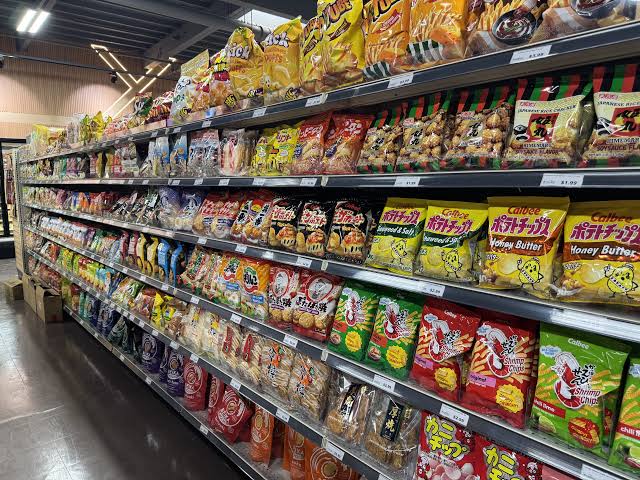
    Japanese grocer Hashi Market leased a 35,715-square-foot retail unit in North Seattle to open its first location in the city.

    The store occupies space at 13025 Aurora Avenue N previously run by Amazon Fresh. The site became available after Amazon closed its Fresh- and Go-branded brick-and-mortar grocery stores nationwide earlier this year.

    New footprint on Aurora Avenue

    Hashi Market plans to stock fresh Japanese produce, packaged groceries, and home goods across the single-level footprint. The North Seattle format will also run on-site catering services alongside dedicated sections for beauty products and household essentials.

    Taking over built-out supermarket real estate reduces upfront capital spending on refrigeration and distribution fixtures. Former Amazon Fresh properties feature heavy electrical infrastructure, cold storage rooms, and loading docks that grocery operators can repurpose without full structural refits.

    Filling vacancies left by Amazon Fresh

    Amazon spent years testing automated checkouts and custom grocery layouts before shuttering dozens of Go and Fresh units across US metropolitan markets. That retrenchment opened suburban strip-centre boxes to specialty food operators hunting for turnkey retail space.

    Asian grocery chains have expanded steadily into North American secondary and primary corridors, filling mid-sized footprints between 30,000 and 50,000 square feet. Hashi Market steps into a corridor where demographic demand for imported Japanese pantry staples, prepared foods, and cosmetics remains underserved by traditional supermarkets.

    Asian specialty grocers take suburban sites

    Specialty grocers benefit from higher basket sizes and stronger customer retention than conventional general merchandisers in competitive metro areas. Asian supermarket operators often rely on extensive fresh counters, hot meal programs, and imported stock keeping units that conventional chains do not carry.

    The Aurora Avenue location gives the Japanese banner highway visibility in a dense commercial corridor. Reallocating the floor plate to prepared meals and catering allows the operator to generate secondary revenue streams beyond standard shelf-stable retail sales.

    Timeline and upcoming launch

    Amazon’s decision to exit its experimental grocery formats in 2026 accelerated store turnover throughout the Puget Sound region. Landlords have moved quickly to backfill these suburban shells with established ethnic grocery operators able to draw consistent foot traffic.

    Hashi Market has begun fitting out the 13025 Aurora Avenue N property ahead of its scheduled public opening.

  • Amazon Rolls Out Agentic AI Service for Third-Party Sellers

    Amazon Rolls Out Agentic AI Service for Third-Party Sellers

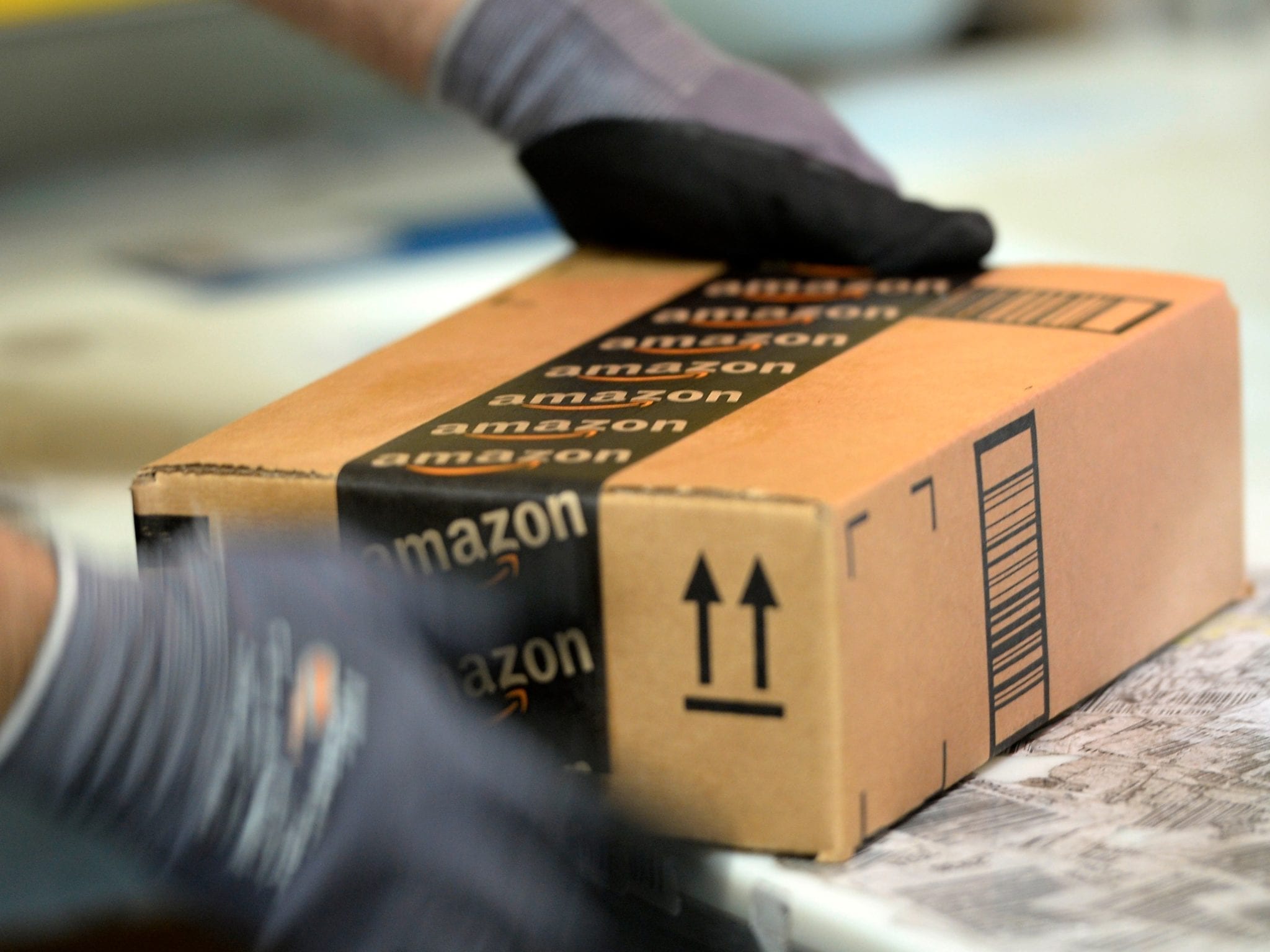
    Amazon on Wednesday, September 25, 2026, introduced a new agentic artificial intelligence service for third-party sellers on its main e-commerce site, expanding automation for listing and inventory management.

    The service performs multiple actions with little to no human intervention and is free and optional for any seller to use, according to Amazon vice president Mary Beth Westmoreland.

    How the autonomous workflows operate

    Known as “workflows,” the system runs continuously through the Seller Assistant platform to carry out prompts such as alerting sellers if ratings drop, monitoring product pricing, and connecting to Anthropic’s Claude and Amazon’s Quick.

    Amazon built the capability into its Seller Assistant platform. The system stores merchant profiles to generate recommendations for discount schedules, promotions, and reorders.

    Integration with external models

    Plug-ins connect the service directly to third-party artificial intelligence platforms. The initial rollout supports connections to Amazon Quick and Anthropic’s Claude models.

    Mary Beth Westmoreland, vice president of worldwide selling experience at Amazon, said the agentic tool is free and optional for registered merchants. Sellers also control the volume of operational and personal account data shared with the system.

    Shift toward autonomous seller operations

    Platforms across Asia and Western markets already use generative tools for copywriting. Agentic systems shift the focus to operational execution. Cross-border sellers managing thousands of stock keeping units across multiple time zones can modify listings without waiting for staff review.

    Risks center on algorithmic errors and sudden price wars. Margin compression can accelerate across crowded product categories when thousands of automated agents adjust pricing at the same time.

    Platform automation timeline

    Over the past two years, platform automation has expanded from listing summaries to predictive warehouse inventory placement. Multi-step software agents represent the next stage in reducing support overhead.

    Adoption rates across North America, Europe, and Asia-Pacific regional hubs will determine whether Amazon expands plug-in access to more external AI models later this year.

  • Starbucks Plans to Close 250 North American Stores

    Starbucks Plans to Close 250 North American Stores

    Starbucks announced plans last week to close 250 more underperforming stores across North America.

    The cafes represent about one per cent of Starbucks’ 18,000 US and Canadian locations, which COO Mike Grams argued either offered a poor customer experience or were not performing financially.

    The decision follows a similar move last year, when Starbucks reduced its store count by one per cent while investing in renovations and overhauling its loyalty program in a major turnaround push.

    Culling underperforming real estate

    Trimming the bottom tier of a massive store base reflects standard operating discipline for mature retail networks. In dense metropolitan centers, older cafes often suffer from cramped layouts that cannot efficiently process digital mobile orders or accommodate higher-volume food preparation. Shutting these units protects operating margins and eliminates lease liabilities on drag assets.

    For commercial landlords, the loss of an anchor tenant creates immediate vacancy risk, though prime street corners rarely stay empty long. In urban cores, independent operators and regional bakery chains have moved quickly to claim vacated ground-floor footprints, benefiting from existing plumbing, grease traps, and electrical fit-outs left behind by the outgoing chain.

    Transfers and site takeovers

    In Starbucks’ home market of Seattle, two of the 250 locations are slated for closure. At least six previously shut Starbucks sites across the city have already transitioned into local bakeries and independent specialty cafes, including Petit Pierre Bakery, which took over a former cafe in the Ballard neighborhood for its third retail outlet.

    Secondary operators gain substantial capital expenditure savings by stepping into pre-fitted food and beverage real estate. Taking over spaces with established beverage counters and drainage cuts store setup costs significantly compared to building out a raw shell.

    Previous cuts across Europe and America

    The latest 250 closures follow a larger restructuring drive completed last year, when Starbucks closed 627 stores across North America and Europe. That earlier round also trimmed approximately one per cent of the network while the chain directed capital toward store refurbishments and an overhaul of its customer loyalty program.

    Capital discipline has taken priority over raw store expansion in Western markets as operational costs, wages, and lease renewals rise. By pruning weak units, the company channels investment into higher-yielding drive-thrus, digital order pickup hubs, and renovation programs for top-quartile stores.

    What comes next for the network

    Starbucks will manage staff transfers and lease expirations across the 250 affected North American locations through the coming quarter. Financial impacts from the closures and related severance expenses will appear in subsequent quarterly filings as the portfolio adjustment concludes.