Tag: securities commission malaysia

  • Binance Pursues Malaysia Licence Following Five-Year Regulatory Ban

    Binance Pursues Malaysia Licence Following Five-Year Regulatory Ban

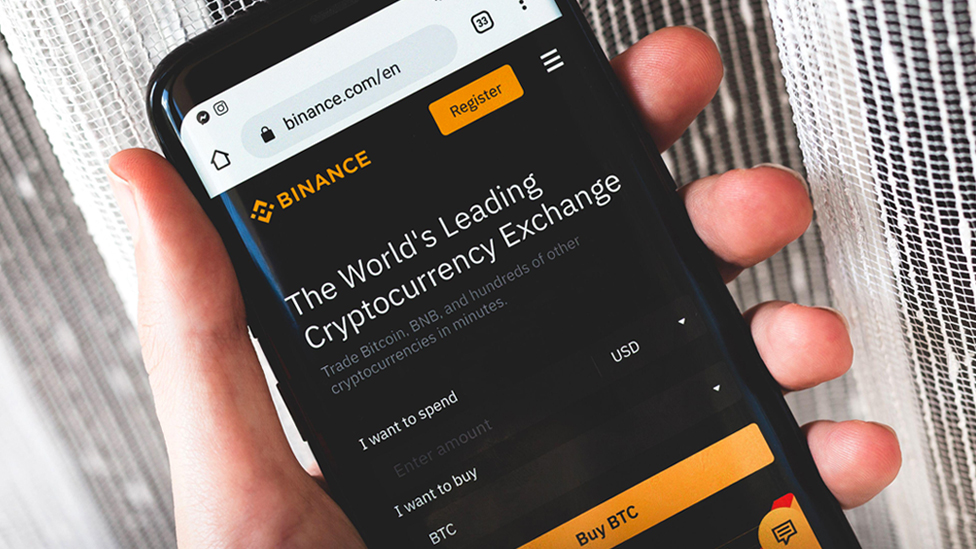
    Binance opened talks with Malaysian regulators to secure a domestic operating licence, aiming to reverse a five-year market shutout triggered by an enforcement ban in July 2021.

    The exchange engaged the Securities Commission Malaysia and Bank Negara Malaysia across a ten-month dialogue to establish a compliant business model. Domestic regulators previously blocked access to the platform’s mobile applications and domain names after finding it operated an illegal exchange. That enforcement package banned local marketing campaigns and cut consumer access to official community channels.

    The discussions unfold alongside broader industry fallout after Binance suffered a record US$6.3 billion security breach this week, forcing the platform to halt withdrawals and pledge full reimbursement for customer losses.

    Ten Months of Direct Regulatory Engagement

    The dialogue between the exchange and domestic authorities focuses on establishing an onshore corporate structure. Malaysian digital asset rules require exchange operators to win registered market operator status before taking local retail deposits. The company declined to detail the specific licence category requested during the ongoing filings.

    Earlier regulatory actions created a difficult starting point. The Securities Commission removed Binance from its public Investor Alert List earlier in 2024 before reversing course and re-listing the exchange in October without a stated rationale. Central bank officials maintain strict oversight on ringgit-denominated conversions to prevent unauthorized capital flows across regional borders.

    Cross-Border Peer-to-Peer Scrutiny

    Scrutiny over currency controls escalated when Malaysian lawmaker Lim Guan Eng sent a formal inquiry to the Securities Commission in September. The complaint asked officials to examine whether traders used foreign-currency listings on peer-to-peer markets to move ringgit outside approved channels. His office released that correspondence publicly on October 31.

    Management pushed back against allegations of systemic exchange violations while adjusting product availability. The platform confirmed it disabled a Papua New Guinea kina trading board that users unofficially tied to ringgit pricing, acting directly on regulatory feedback. It categorized a separate Romanian leu trade as a single unauthorized posting by a foreign account.

    Competitive Shift Across Southeast Asian Exchanges

    Securing licensed access in Malaysia would change how retail fintechs and onshore exchanges compete for digital asset volumes in Southeast Asia. Domestic operators run under tight capital mandates, serving a conservative retail market that values local deposit insurance and ringgit bank rails. An approved Binance presence would bring institutional liquidity directly into a market that previously pushed crypto investors toward offshore channels.

    Operating risk remains elevated following technical vulnerabilities across international infrastructure. Binance suspended withdrawals and committed to covering client funds after suffering a US$6.3 billion security breach, the largest recorded theft in the sector. Malaysian regulators scrutinize platform solvency and custody tools closely, meaning any security failure abroad reduces the probability of a swift domestic licence grant.

    Past Enforcement Actions and Unresolved Hurdles

    The path back to Malaysia follows half a decade of regulatory friction. The Securities Commission ordered the exchange to halt domestic operations in July 2021 after finding it solicited retail investors without registration. That order shuttered local customer service groups on Telegram and halted web marketing targeting domestic users.

    Decisions now rest with the Securities Commission and Bank Negara Malaysia on whether the platform meets custody and capital requirements. The primary metric to track is whether the Securities Commission issues an agreement in principle or removes the operator from its active alert directory.

  • Asia OneHealthcare Files Draft IPO for 4.38 Billion Shares

    Asia OneHealthcare Files Draft IPO for 4.38 Billion Shares

    Malaysian hospital operator Asia OneHealthcare filed a draft prospectus for an initial public offering of up to 4.38 billion shares on Bursa Malaysia, the Securities Commission Malaysia website showed on Wednesday.

    US-based private equity firm TPG explored strategic options for the hospital group in April alongside Maybank and UBS, examining a domestic float that could value the business at around 30 billion ringgit ($7.4 billion).

    The preliminary filing omits the target offer price, total deal value and debut listing date.

    Structure of the Offering

    The deal relies overwhelmingly on vendor divestment. Controlling shareholder HLT Healthcare Holdings Singapore, the vehicle through which US buyout firm TPG holds its stake, is selling up to 3.86 billion existing shares.

    Asia OneHealthcare itself will issue 521.1 million new shares to raise primary capital. If underwriters do not exercise an over-allotment option of up to 657.1 million additional existing shares, HLT Healthcare Holdings Singapore will retain a 73.9 per cent controlling interest in the group once the transaction closes.

    Institutional buyers will take the bulk of the float. Up to 3.77 billion shares are earmarked for domestic and foreign institutional funds, while the remaining 615.5 million shares are allocated to the managing director, eligible staff, contributors to the business and the Malaysian public.

    Balance Sheet Recovery and Capital Allocation

    Proceeds raised from the newly issued shares will fund physical expansion across the hospital network, routine facility maintenance, medical machinery purchases, partial debt reduction and listing costs.

    The company turned around its bottom line in the financial year ended March 2026. Net profit hit 344.4 million ringgit, reversing a net loss of 85.8 million ringgit logged during the prior twelve months.

    Revenue expanded by 13.6 per cent year on year to reach 3.29 billion ringgit, underpinned by steady patient traffic and broader service volume.

    Asset Footprint and Market Read Across

    Asia OneHealthcare runs 23 private hospitals across Southeast Asia, anchoring 22 medical centers in Malaysia alongside a single hospital facility in Vietnam. Private equity houses and hospital groups across ASEAN continue to treat Malaysia as a primary regional hub for both high-margin medical travel and domestic middle-class elective care.

    For regional healthcare assets, this Bursa Malaysia filing sets a visible valuation benchmark. Private hospital assets in Southeast Asia have traded at steep multiples in private transactions, but institutional appetite on public bourses remains selective around balance sheet use and capital expenditure overheads.

    A public listing establishes a liquid price floor for competing operators seeking consolidation or secondary sell-downs. The heavy weighting of secondary shares signals TPG’s structured partial exit strategy while leaving operational control squarely inside the holding structure.

    The Road to Listing

    The draft submission follows exploratory work initiated in April, when TPG tapped Maybank and UBS to examine liquidity options for the healthcare platform, including the Kuala Lumpur initial public offering.

    The draft document submitted to the Securities Commission Malaysia omitted the final institutional bookbuilding range, the exact offer price, total gross proceeds and the formal listing debut date. Regulators must complete the draft review and clearance process before underwriters publish the definitive prospectus and open retail application books.