Tag: securities

  • OCBC Pioneers New Securities Financing Division to Optimize Lending Solutions

    OCBC Pioneers New Securities Financing Division to Optimize Lending Solutions

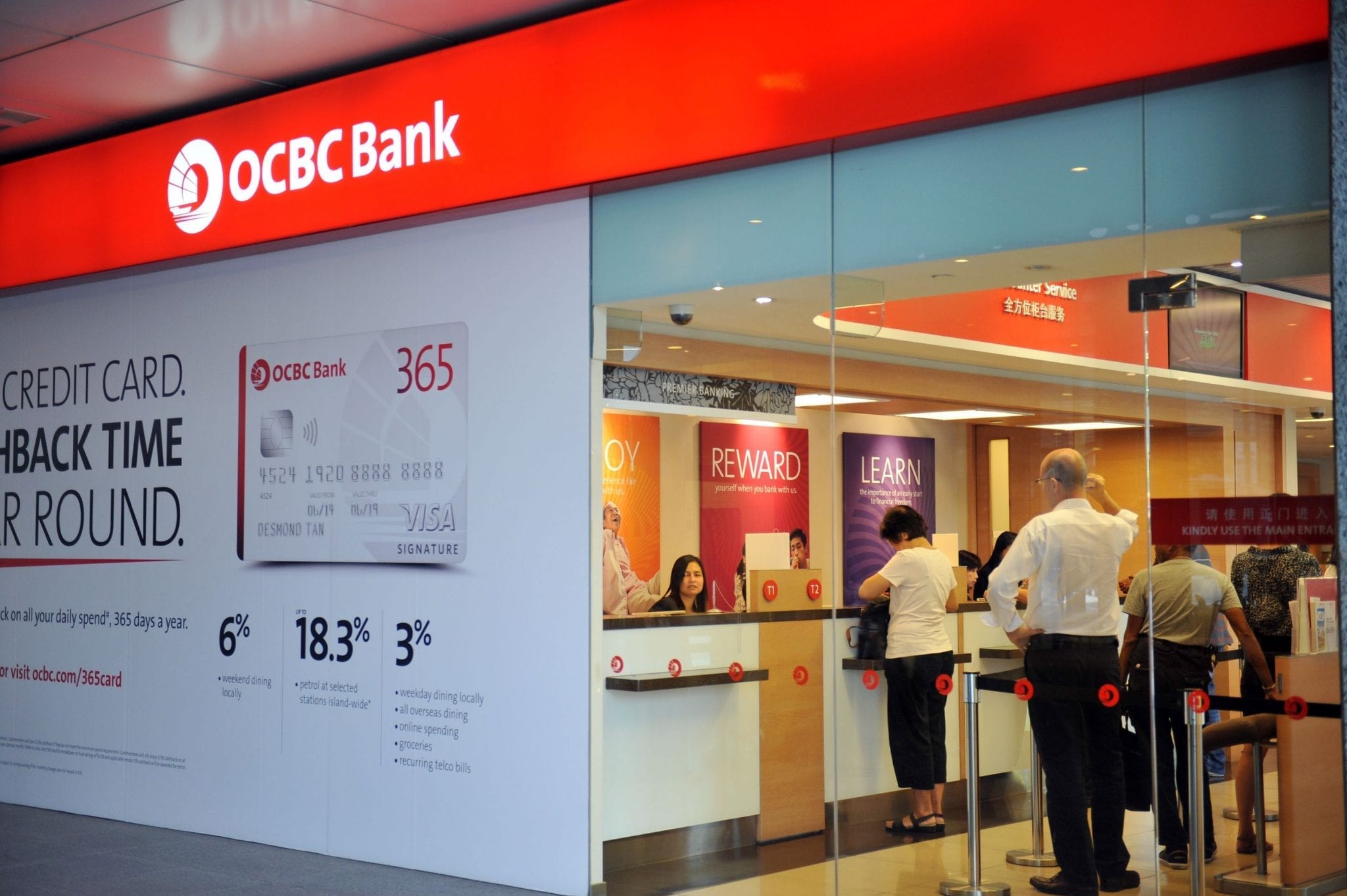
    Singapore’s OCBC Bank has established a new division that is committed to providing loans against idle securities in customer accounts.

    Enabling Efficient Use of Idle Securities

    OCBC Bank has introduced a dedicated securities financing unit that will operate within the global markets division. This unit’s main function will be to activate lendable securities like equities and fixed income, which are held by customers of OCBC Bank and its affiliate businesses OCBC Securities, Bank of Singapore, and Great Eastern.

    The financing unit will be under the leadership of Jansen Chua, the newly appointed head of securities finance. Chua, who officially joined the bank on January 2, will directly report to Kenneth Lai, the head of global markets.

    Chua brings to the table 25 years of international experience spanning across the United States, Europe, Middle East, Africa, and the Asia Pacific. His most recent role was at State Street Bank & Trust Company, where he was the senior managing director and head of financing solutions for the Asia Pacific region. He has led teams in trading, sales, customer management, and product development.

    The Increasing Demand for Securities Financing

    Globally, there has been a noticeable increase in the demand for securities financing. More and more buy-side firms are looking for ways to optimize liquidity, fulfill collateral requirements, and put in place hedging strategies in fluctuating markets.

    In 2025, global securities lending revenues hit an all-time high of $15.3 billion, according to EquiLend Data & Analytics.

    Accessing liquidity and effectively deploying capital has become crucial, especially given the current high market volatility. As a result, securities financing has become increasingly important, and there has been a correspondingly significant rise in demand from institutional customers, according to Lai.

    With Chua’s leadership, the bank is well-positioned to assist its customers as they implement trading and hedging strategies, meet settlement obligations, and optimize capital usage.

    Questions & Answers

    What is the purpose of the new securities financing unit?

    The new unit has been established to mobilize lendable securities such as equities and fixed income held by customers, allowing for lending against these idle securities.

    Who will lead the new securities financing unit?

    The unit will be under the leadership of Jansen Chua, the head of securities finance at OCBC.

    What factors have contributed to the increased demand for securities financing?

    The growing demand is largely due to buy-side firms seeking to optimize liquidity, meet collateral obligations, and implement effective hedging strategies amidst volatile market conditions.
  • HSBC Bolsters ASEAN Presence: Ruby Ho to Spearhead Markets and Securities Services in Singapore

    HSBC Bolsters ASEAN Presence: Ruby Ho to Spearhead Markets and Securities Services in Singapore

    HSBC, the UK-based banking institution, recently undertook a strategic shift in its Southeast Asian operations, assigning an experienced professional to spearhead its markets and securities services across ASEAN.

    Ruby Ho Takes the Reins

    Ruby Ho now holds the reins of HSBC’s Markets and Securities Services (MSS) franchise throughout Singapore and the ASEAN region. She will lead the bank’s regional strategy for markets and securities services, poised at a moment when institutional demand, transnational investment, and treasury needs in Southeast Asia are on the rise.

    Ho comes to the role armed with almost three decades of experience in the financial markets. She joined HSBC in 2011 and has since occupied high-ranking roles across a variety of asset classes and markets, most recently serving as the head of MSS in HSBC Taiwan. Her proven ability to build robust institutional relationships is expected to be instrumental in driving client engagement across the region.

    Fostering HSBC’s ASEAN Growth Goals

    HSBC’s management team sees Ho’s appointment as a significant stride towards deepening the bank’s regional footprint. “Singapore is a high-priority growth market for HSBC. We have been consistently enhancing our regional banking and advisory capabilities, catering to the capital and investment requirements of our ASEAN clients”, said Wong Kee Joo, CEO of HSBC Singapore.

    He further remarked on Ho’s “vast expertise across asset classes and her capacity to foster robust collaboration across our wealth and corporate banking sectors, which will assist us in expanding our market share in this region.”

    Prepared for Growth

    With demographic growth, burgeoning capital markets, and increasing intra-regional investment, ASEAN is one of HSBC’s key areas of focus worldwide.

    The appointment of an experienced markets executive emphasises the bank’s intent to augment its MSS portfolio and seize a larger share of the institutional market across Southeast Asia.

    Questions & Answers

    Who has HSBC appointed to lead its MSS franchise in the ASEAN region?
    Ruby Ho has been appointed to oversee HSBC’s Markets and Securities Services in the ASEAN region.

    What is the significance of Ruby Ho’s appointment to HSBC’s growth strategy in ASEAN?
    Ho’s appointment is seen as a key step in strengthening HSBC’s regional presence and providing a boost to the bank’s growth agenda in the ASEAN market.

    What factors make ASEAN a high-priority area for HSBC?
    ASEAN is a key focus for HSBC due to the region’s demographic growth, expanding capital markets, and rising intra-regional investment.

  • Jim Wang Takes Helm as CEO of Standard Chartered’s China Securities Unit: A Leap Forward in Asia’s Financial Landscape

    Jim Wang Takes Helm as CEO of Standard Chartered’s China Securities Unit: A Leap Forward in Asia’s Financial Landscape

    Standard Chartered recently revealed that it has chosen a new leader for its securities division in mainland China.

    Appointment of New CEO for Standard Chartered Securities (China) Limited

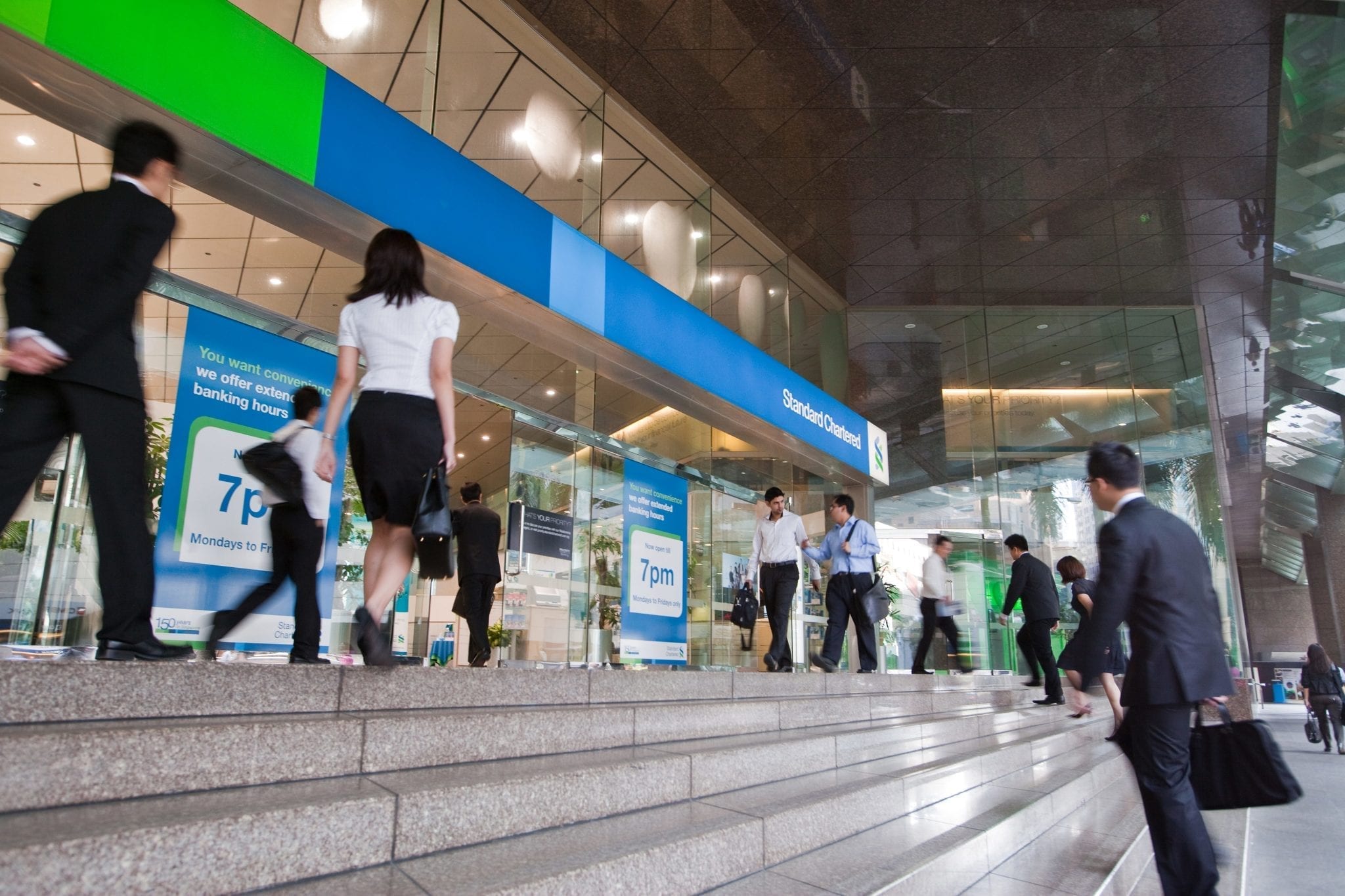
    Standard Chartered Securities (China) Limited (SCSCL), the Chinese securities branch of Standard Chartered’s Hong Kong banking unit, has welcomed Jim Wang into the role of CEO. Wang will be responsible for supervising the company’s comprehensive operations and will report directly to its board of directors.

    About Jim Wang

    Wang boasts an impressive career that spans two decades, during which he accumulated experience in various fields including securities, asset management, and banking. He has held high-ranking positions at multiple leading financial institutions, both domestically and internationally.

    Comments on Wang’s Appointment

    John Thang, Head of Markets and Strategic Client Management & Solutions for Hong Kong, Greater China & North Asia, made laudatory comments about Wang’s appointment. He noted, “Jim’s extensive international and domestic experience makes him an invaluable addition to our team. His deep understanding of China’s fixed income capital markets coupled with his proven leadership and management skills, underscored by a consistent record of delivering excellent business performance, makes him the perfect fit for this role.”

    Questions & Answers

    Who is the newly appointed CEO of Standard Chartered Securities (China) Limited (SCSCL)?
    Jim Wang was recently selected as the CEO of Standard Chartered Securities (China) Limited (SCSCL).

    What is Jim Wang’s primary responsibility in his new role?
    Wang will be in charge of overseeing the company’s overall operations and will be directly reporting to its board of directors.

    What can be said about Jim Wang’s professional experience?
    Jim Wang’s professional journey spans over 20 years, and includes experience in securities, asset management, and banking. He has served in senior managerial roles at several leading financial institutions both domestically and internationally.

  • VietinBank Securities eyes another record year

    VietinBank Securities eyes another record year

    VietinBank Securities eyes record profits again this year through the stock market itself is likely to be down.

    Its board has approved a profit target of VND505 billion ($22 million), 5 percent up from last year.

    Last year pre-tax profits tripled to VND480 billion on revenues of VND1.06 trillion.

    Tran Phuc Vinh, its chairman, said though the stock market is no longer booming like last year and growth is likely to be slower this year, he expected the number of new retail investors to keep rising.

    “We need to invest in technology, and increase salaries, bonuses, and commissions to attract more brokers and collaborators”.

    The brokerage is also set to enter corporate bond consultancy and distribution and step up financial activities by raising its margin rate to 200 percent of shares owned.

  • Taxes on securities up 320 pct

    Taxes on securities up 320 pct

    Capital gains taxes on securities surged 320 percent year-on-year in the first five months as new investors flocked to the stock market.

    They were one of the major contributors to personal income tax collection in the first five months, which rose by nearly 13 percent, Cao Anh Tuan, head of the General Department of Taxation, said.

    Vietnam imposes a flat 0.1 percent capital tax on every stock sale.

    Other contributors were real estate (up 183 percent) and personal investment (up 169 percent), Tuan added.

    In May, an average of 3,600 individual stock trading accounts was opened each day, the highest ever. The number of accounts now has risen 11-fold since January 2020 to 3.2 million, or one each for 3.26 percent of the population.

    In the first five months of this year, 480,000 accounts were opened.

    In the period, the benchmark VN-Index gained over 20 percent, the highest in Asia.

  • Whisky-Backed Securities Trading Goes Live in Singapore

    Whisky-Backed Securities Trading Goes Live in Singapore

    Hg Exchange went live this week with whisky-based asset-backed securities trading, becoming Southeast Asia’s first bourse with the offering.

    Five whisky-linked securities were actively traded through the blockchain-based bourse for the first time yesterday, according to a statement, with total volumes valued at 700,000 British pounds ($956,000).

    Hg Exchange’s (HGX) is a private bourse that features not only whisky-linked securities but also other financial securities such as private equity, venture capital funds, and real estate.

    Its founding partners include Asia-focused financial firms PhillipCapital and PrimePartners alongside private tech platform Fundnel and blockchain platform Zilliqa.

    Demand from Asia in fine whiskeys has grown in recent years concurrently with persistent wealth accumulation. There was a most notable surge in the region during the mid-2010s after the release of the Japanese television series Massan, then a popular drama about a whisky distiller, sparking widespread demand.

    The strongest returns yielded from HGX’s first trading day was from the Port Ellen which saw over 30 percent gains yesterday.

    We are delighted by the positive reaction to this whisky-based asset-backed securities from accredited investors in Singapore, across Asia and around the world, said Gerald Ong, deputy chairman and executive director of PrimePartners Corporate Finance Holdings.

  • Finance minister urges to improve the nation’s securities market

    Finance minister urges to improve the nation’s securities market

    Minister of Finance Đinh Tiến Dũng yesterday struck the gong to open the first trading session of 2017 on the Hà Nội Stock Exchange.

    Dũng urged Government agencies and market members to improve the current conditions of the securities market to promote it as a channel to raise funds for socio-economic development and increase the competitiveness of the economy.

    “The securities regulators need to improve the policies to meet the country’s economic conditions and match international standards,” Dũng said.

    “We should keep restructuring the securities market and regulatory agencies, including the merger of the two local exchanges, increase the scale and quality of the market, diversify the products and make sure the market runs efficiently and sustainably.”

    “We have to be well-prepared to launch the derivatives market in the second quarter of 2017, study and develop derivative products to meet the demand of investors and improve risk management for the derivatives market,” Dũng said, urging Government agencies to complete the legal and technical system so that corporate bond market can operate in 2018.

    “Market regulators and relevant agencies need to improve the quality of Government bond issuance to raise more capital for the country’s development, seek for more investors to buy Government bonds and diversify bond products, tighten the policies to monitor local authorities in using the money raised from bond issuance and encourage them to actively call for the participation of private investors in the local areas.”

    “We also need to push State-owned enterprises (SOEs) to sell the State’s capital and get listings on the securities market, work with large-cap corporations and Government agencies to implement more effectively the policies on equitisation and restructuring of the SOEs.”